
Fragrance note
Jasmine
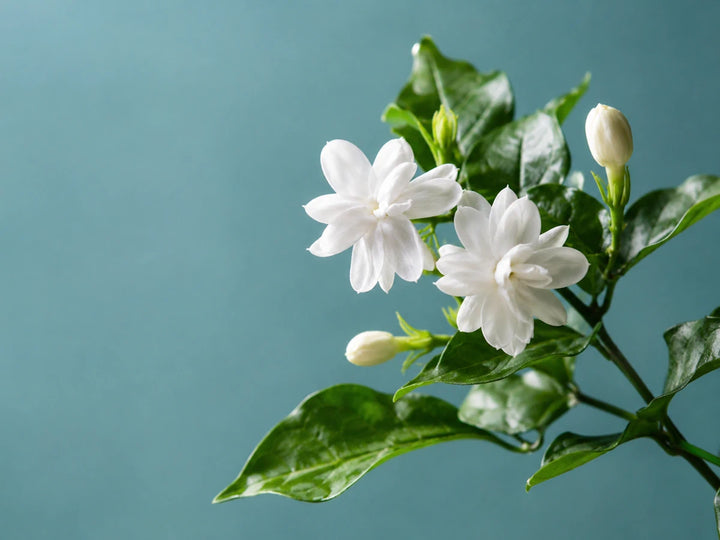
Jasmine in perfume usually smells rich, sweet and floral. It can also seem creamy, green, fruity or slightly spicy, depending on the type of jasmine and the other...
Explore JasmineCart
Your cart is empty
Fragrance note guide
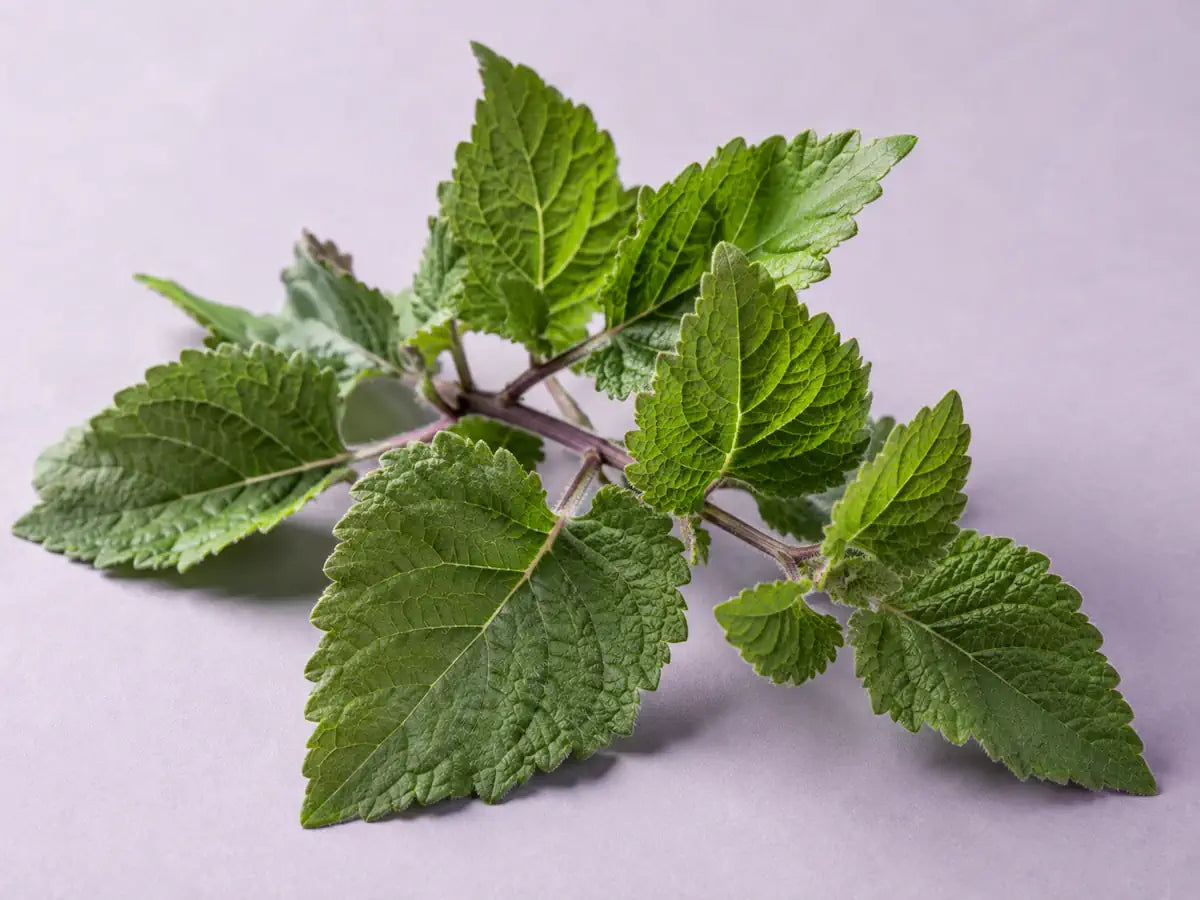
Patchouli in perfume usually smells earthy, woody and deep, with herbal, slightly sweet and sometimes camphor like sides. It can feel dark and damp in one fragrance but smooth, warm and almost chocolate like in another. Its character depends on the quality, treatment and amount used.
Jasmine in perfume usually smells rich, sweet and floral. It can also seem creamy, green, fruity or slightly spicy, depending on the type of jasmine and the other...
Explore Jasmine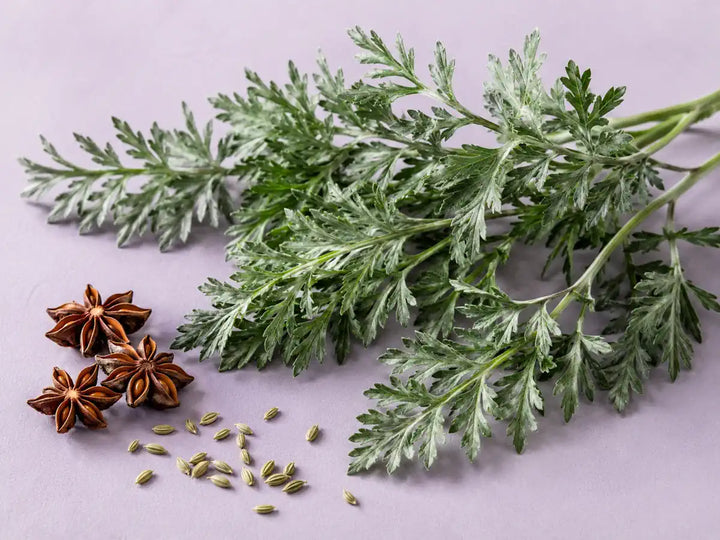
Absinthe in perfume usually smells bitter, green and herbal, with anise-like, liquorice, camphoraceous and slightly medicinal sides. It can feel sharp and cool rather than sweet. The note...
Explore Absinthe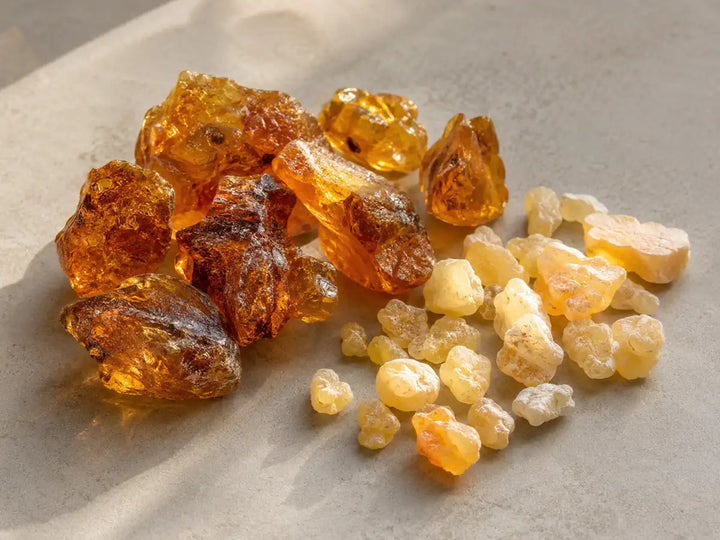
Amber in perfume usually smells warm, sweet and resinous, with soft vanilla, balsamic, powdery or slightly smoky sides. It is not normally taken from fossilised amber. In perfumery,...
Explore Amber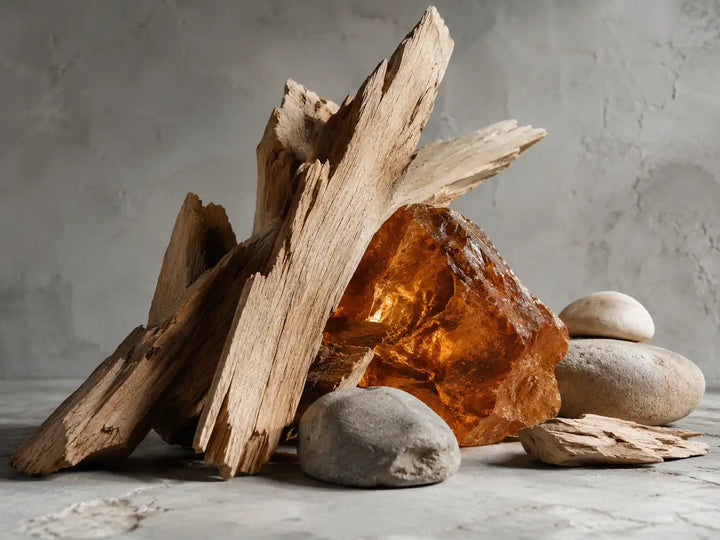
Amberwood in perfume usually smells dry, warm and strongly woody, with ambery, cedar-like, mineral and sometimes musky sides. It is generally sharper and drier than a sweet traditional...
Explore Amberwood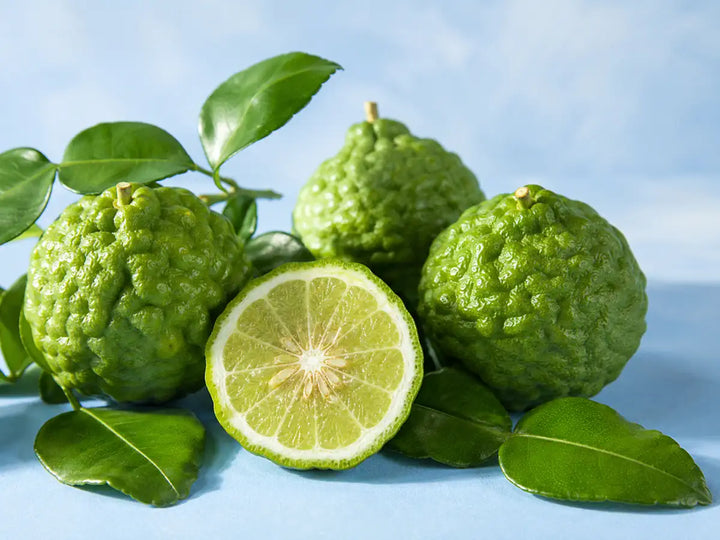
Bergamot in perfume smells fresh, bright and citrusy, with a soft floral character and a slightly bitter green edge. It is less sharp than lemon and often feels...
Explore Bergamot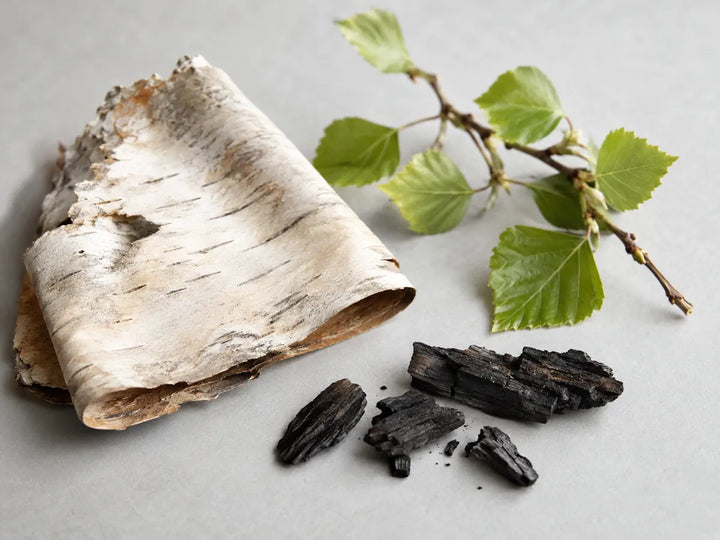
Birch in perfume usually smells smoky, dry and leathery, with tarry, burnt, woody and slightly medicinal sides. The familiar perfume note normally refers to a birch-tar effect rather...
Explore Birch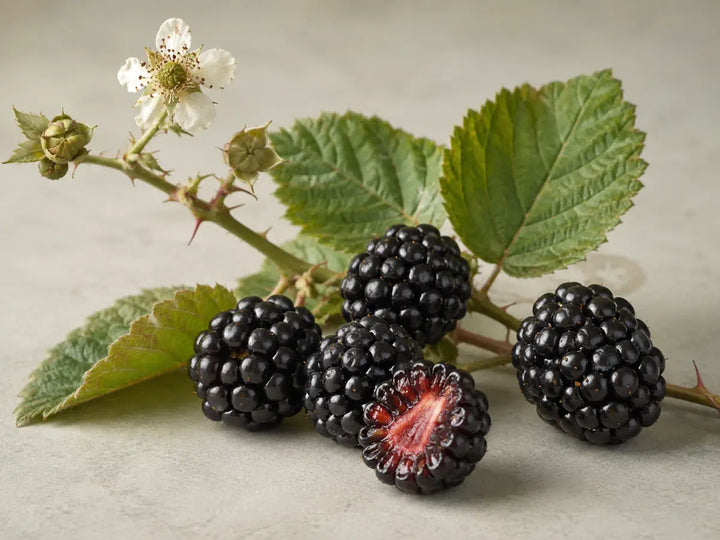
Blackberry in perfume usually smells dark, juicy and tart, with sweet, green, wine-like and softly woody sides. It is generally deeper and less sharp than blackcurrant. Some blackberry...
Explore Blackberry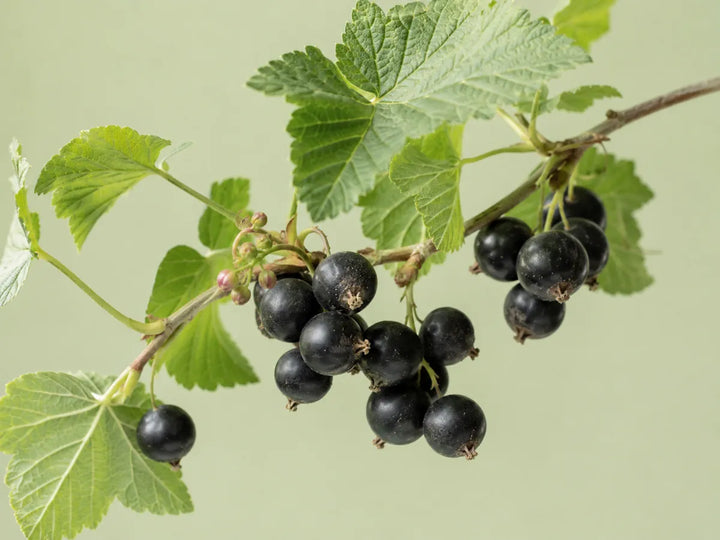
Blackcurrant in perfume usually smells dark, tart and juicy, with green, leafy and slightly sharp sides. It can suggest ripe berries, crushed leaves or a rich fruit syrup,...
Explore Blackcurrant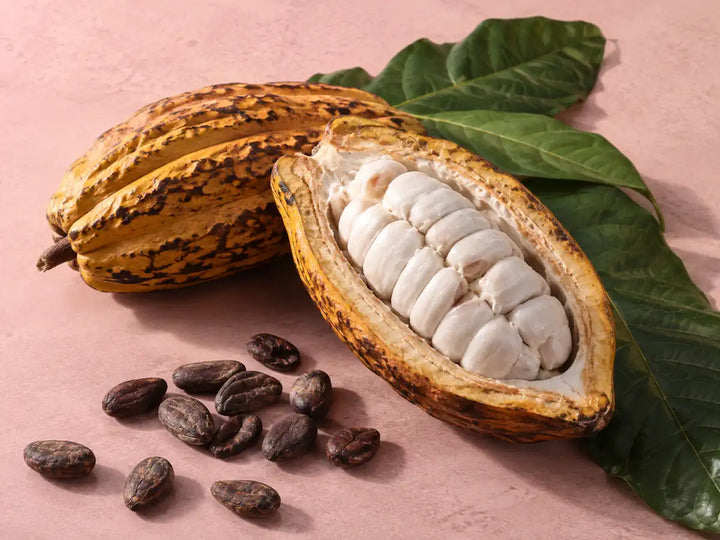
Cacao in perfume usually smells dark, powdery and chocolate-like, with bitter, earthy, roasted and softly sweet sides. It may suggest dry cocoa powder rather than a sugary chocolate...
Explore Cacao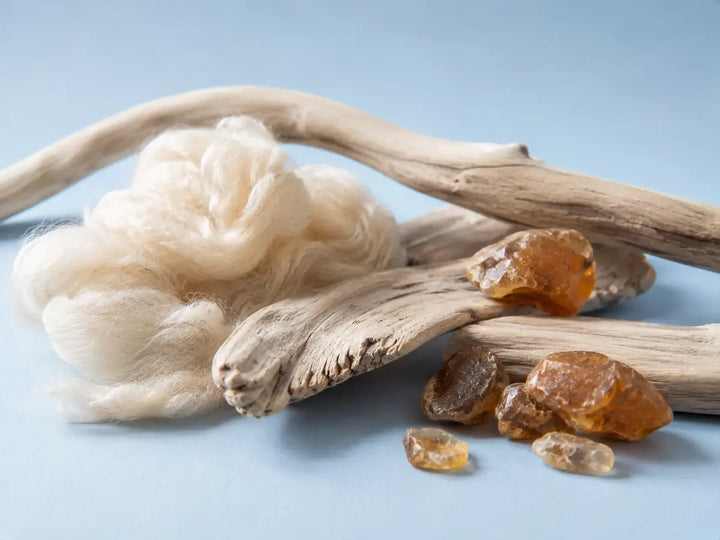
Cashmeran in perfume usually smells warm, woody and musky, with spicy, powdery, amber-like and slightly earthy sides. It may also show soft animalic, fruity or pine-like qualities. Cashmeran...
Explore Cashmeran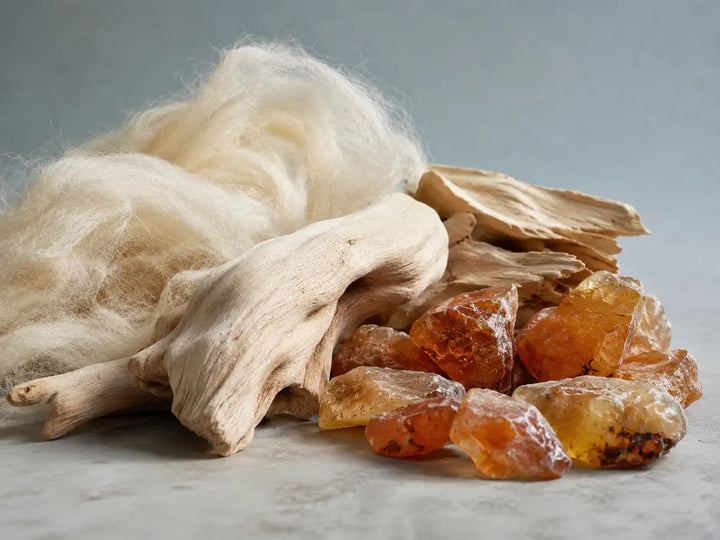
Cashmere wood in perfume usually smells soft, warm and woody, with musky, ambery, spicy and velvety sides. It is not a natural tree or one fixed ingredient. The...
Explore Cashmere Wood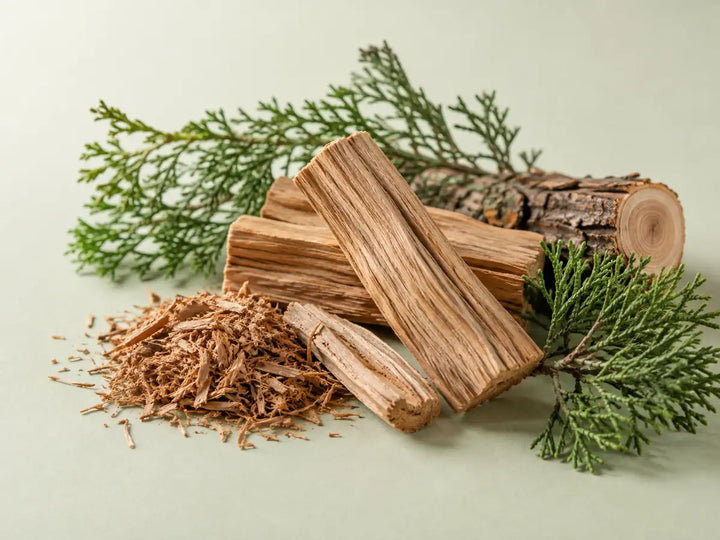
Cedarwood in perfume usually smells dry, warm and woody, with resinous, slightly smoky or pencil like sides. Some cedarwood notes feel smooth and creamy, while others are sharper...
Explore Cedarwood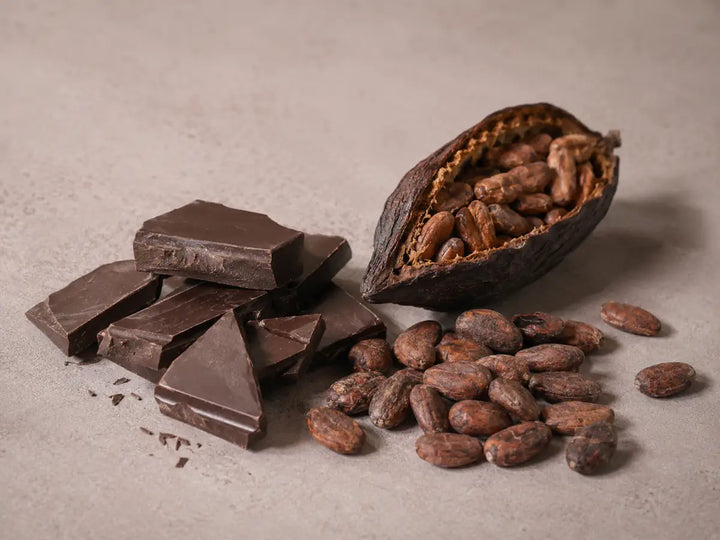
Chocolate in perfume usually smells sweet, creamy and cocoa-like, with dark, powdery, roasted and vanilla-like sides. It is often smoother and more dessert-like than a dry cacao note....
Explore Chocolate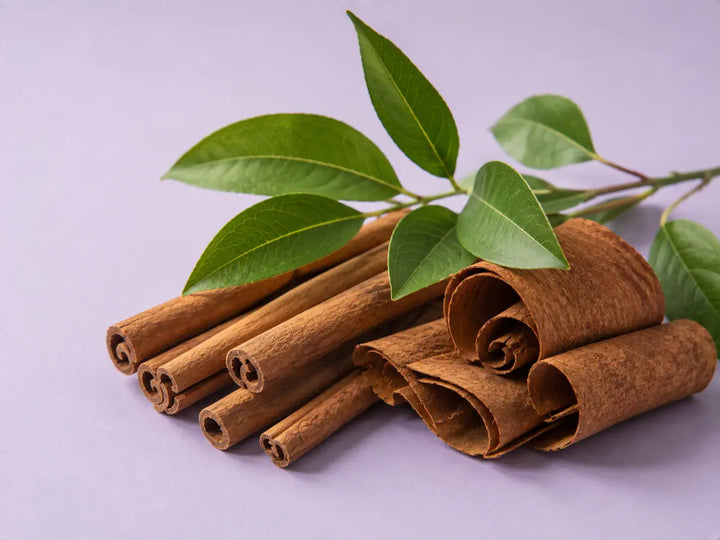
Cinnamon in perfume usually smells warm, sweet and spicy, with dry, woody and sometimes slightly hot sides. It can feel comforting and smooth in one fragrance but sharper...
Explore Cinnamon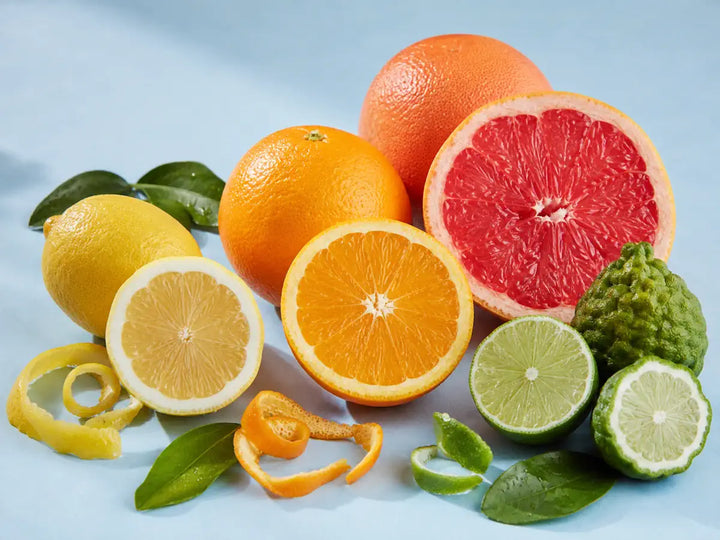
Citrus in perfume usually smells bright, fresh and zesty, with juicy, bitter, green and peel-like sides. The term does not describe one fruit because lemon, bergamot, orange, mandarin,...
Explore Citrus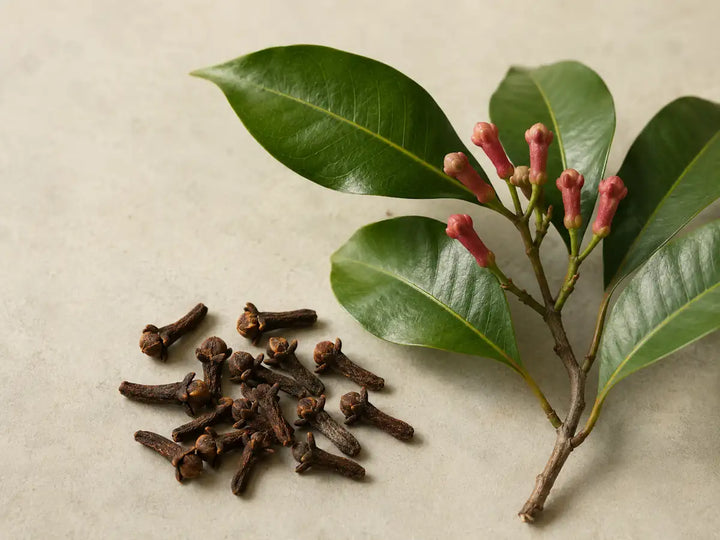
Clove in perfume usually smells warm, sweet and spicy, with woody, powdery, smoky and slightly medicinal sides. It is sharper and more intense than cinnamon, with a recognisable...
Explore Clove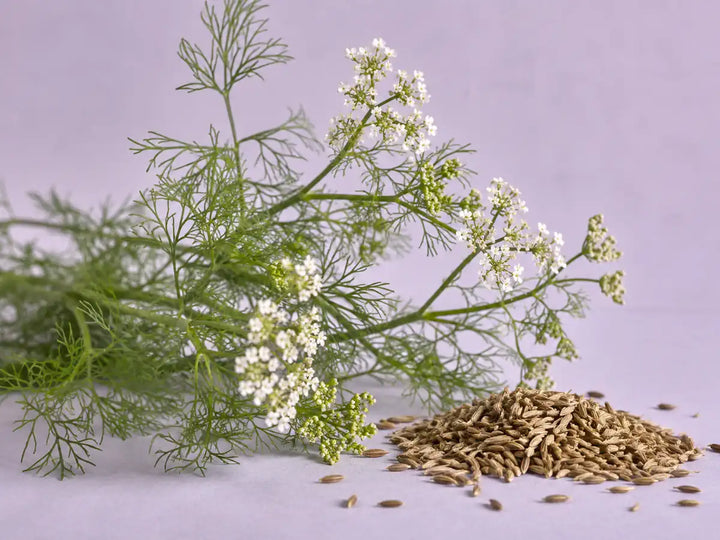
Cumin in perfume usually smells warm, dry and spicy, with earthy, herbal and softly animalic sides. In small amounts, it can add realistic warmth and depth without smelling...
Explore Cumin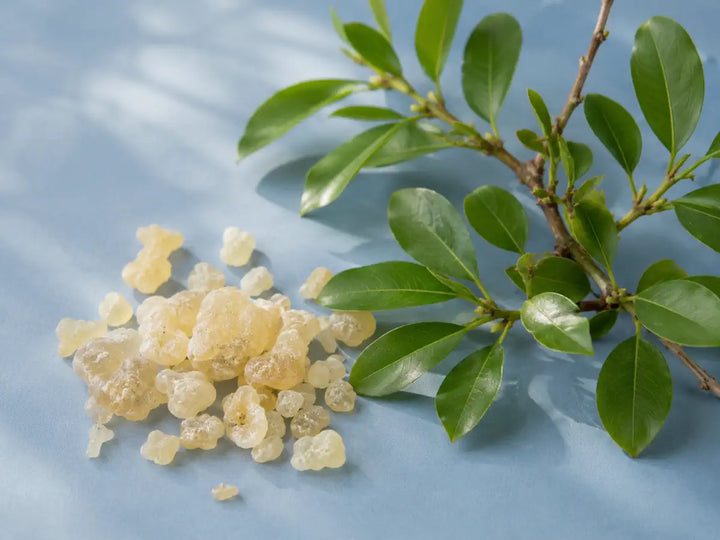
Elemi in perfume usually smells fresh, resinous and peppery, with bright citrus, aromatic wood and incense-like sides. It is lighter and more sparkling than many dark balsamic resins....
Explore Elemi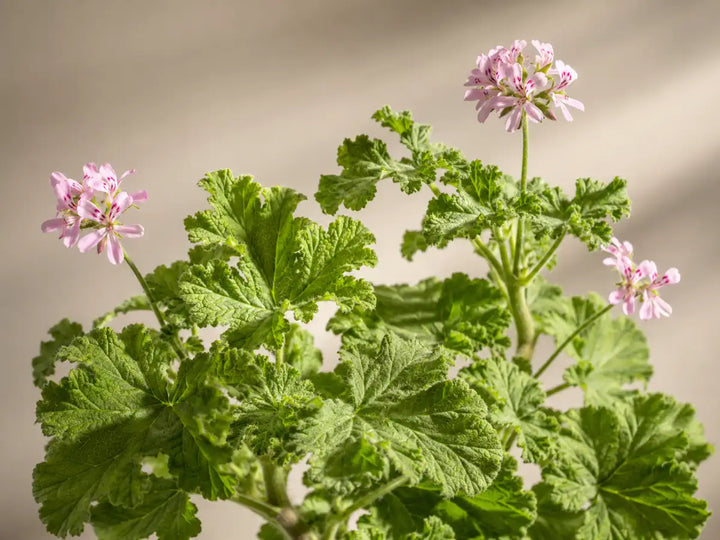
Geranium in perfume usually smells rosy, green and aromatic, with minty, leafy, herbal and lightly fruity sides. It resembles rose but generally feels sharper, fresher and more strongly...
Explore Geranium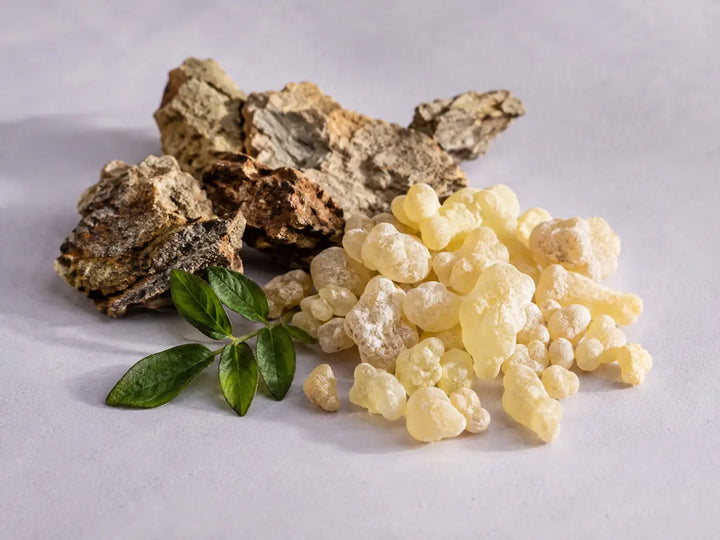
Incense in perfume usually smells resinous, smoky and woody, with warm amber, dry spice and sometimes fresh citrus or mineral sides. It does not always smell like thick...
Explore Incense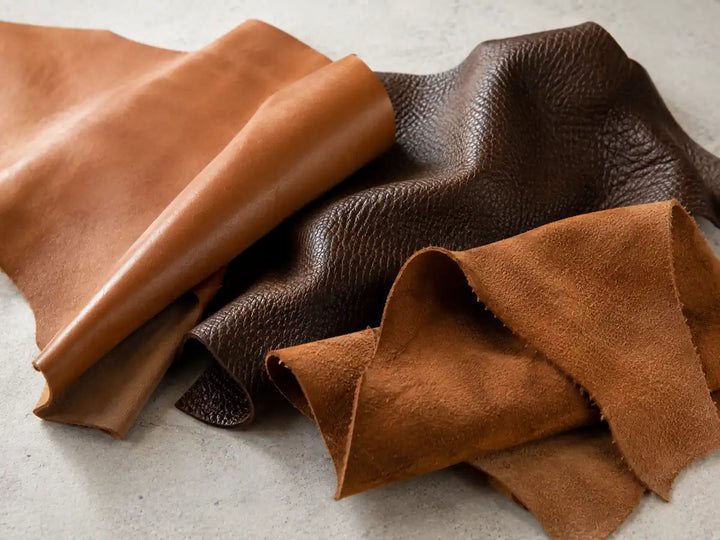
Leather in perfume usually smells dry, warm and slightly smoky, with woody, animalic, tarry or soft suede like sides. It does not normally come from untreated animal hide...
Explore Leather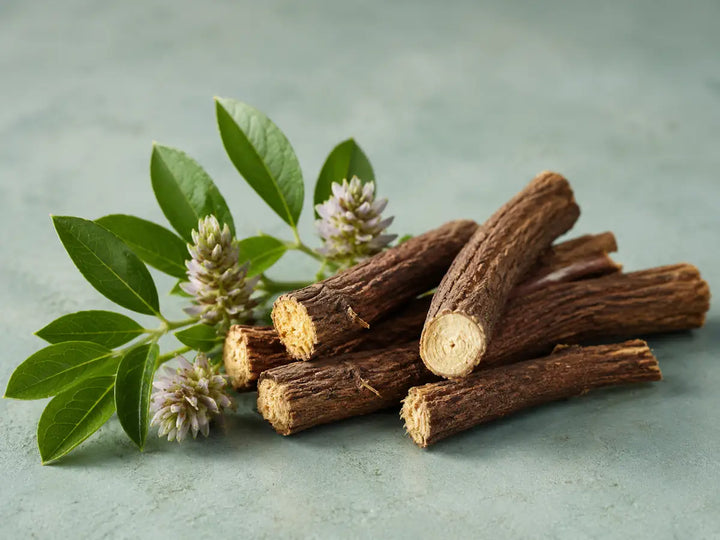
Licorice in perfume usually smells sweet, dark and aromatic, with anise-like, herbal, earthy and balsamic sides. In British English, it is normally written as liquorice. Some liquorice accords...
Explore Licorice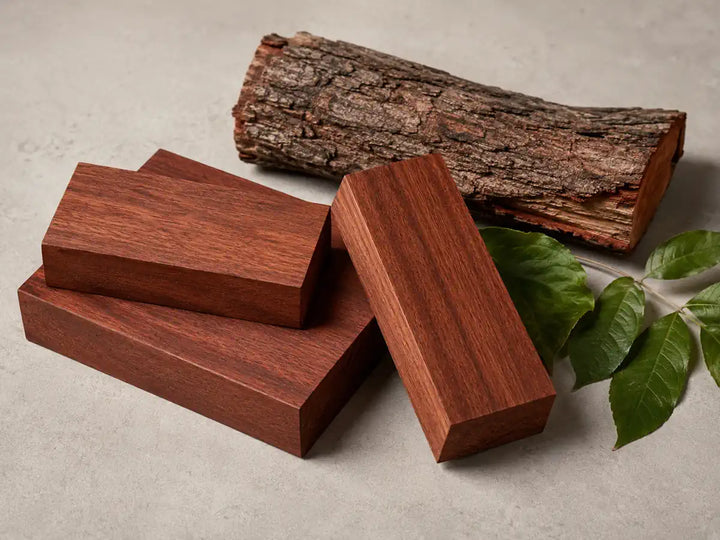
Mahogany in perfume usually smells dark, warm and woody, with polished, dry, slightly smoky and ambery sides. It is not normally an oil extracted from furniture timber. Instead,...
Explore Mahogany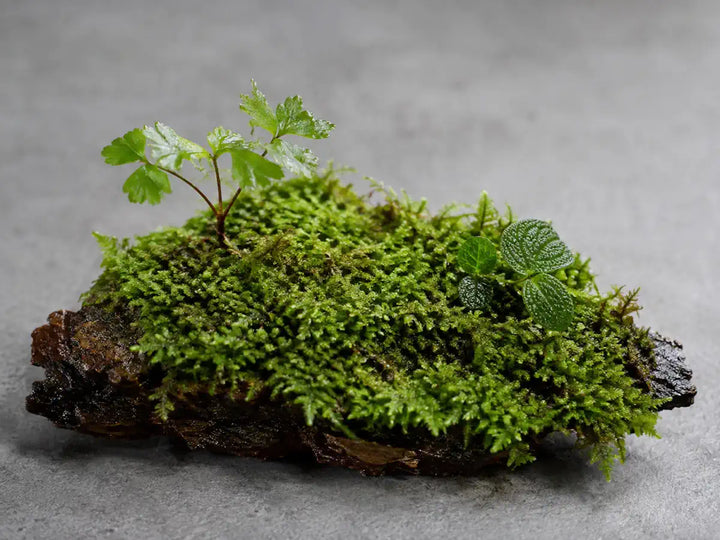
Moss in perfume usually smells earthy, damp and green, with forest-floor, woody, resinous and slightly smoky sides. It is a broad description rather than one precise material. A...
Explore Moss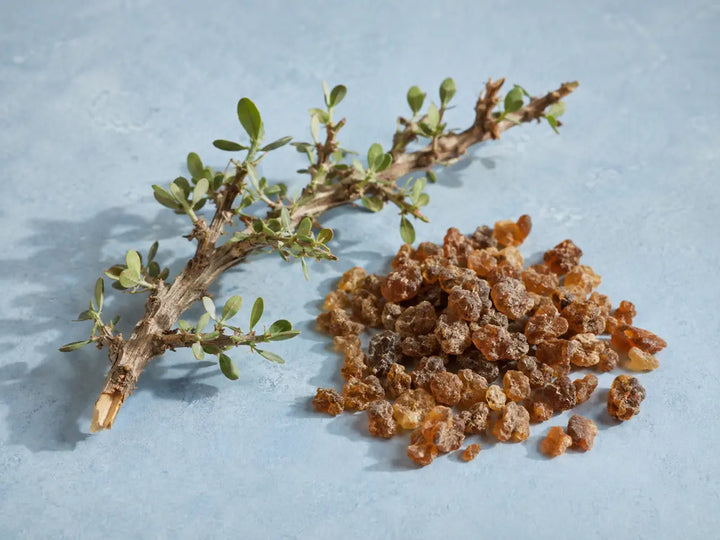
Myrrh in perfume usually smells warm, resinous and balsamic, with smoky, earthy, liquorice-like and softly sweet sides. Some myrrh materials feel dark and medicinal, while others are smoother,...
Explore Myrrh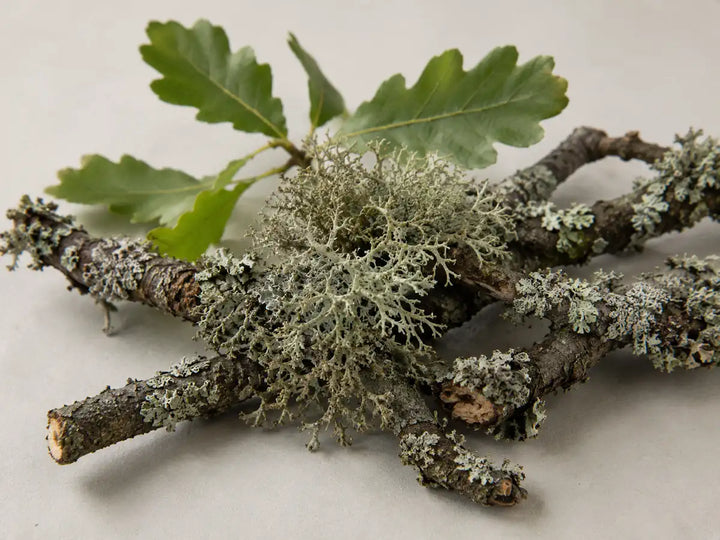
Oakmoss in perfume usually smells earthy, green and woody, with damp, mossy, slightly salty, leathery or forest like sides. It can create the impression of shaded woodland, wet...
Explore Oakmoss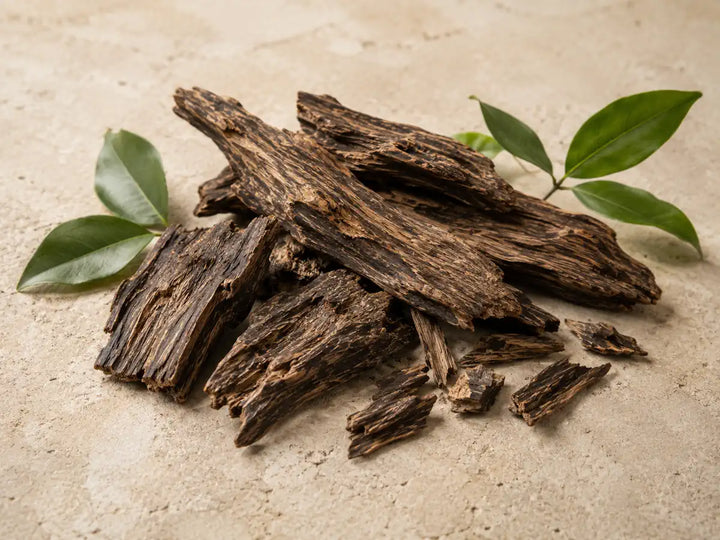
Oud in perfume usually smells dark, woody and resinous, with smoky, leathery, sweet or animalic sides. Some oud notes feel dry and medicinal, while others are smooth, warm...
Explore Oud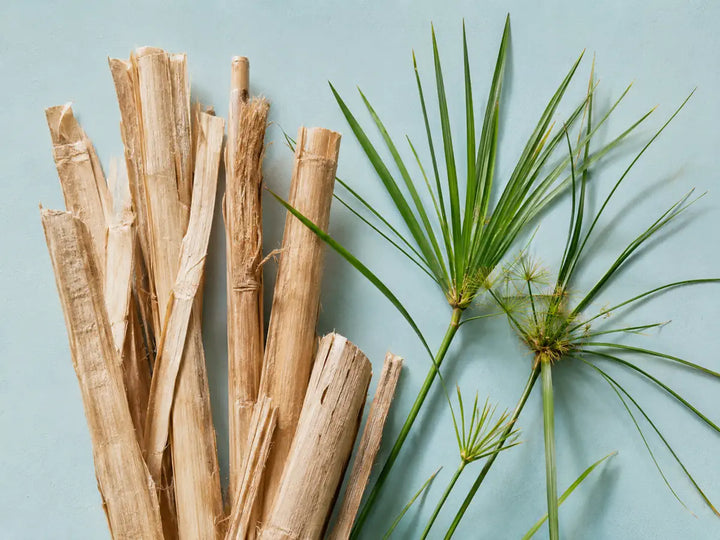
Papyrus in perfume usually smells dry, woody and earthy, with smoky, fibrous, green and slightly leathery sides. It is designed to suggest dried reeds, paper-like fibres and warm...
Explore Papyrus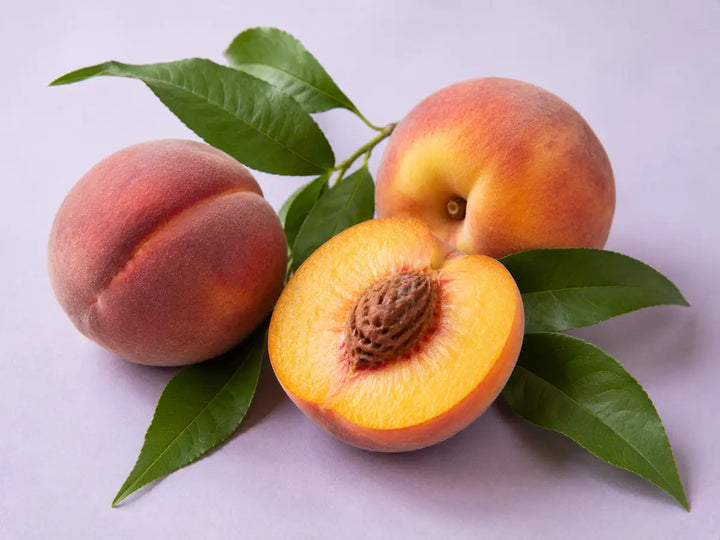
Peach in perfume usually smells juicy, sweet and fruity, with a soft velvety or creamy texture. Some peach notes feel fresh and slightly green, while others are richer,...
Explore Peach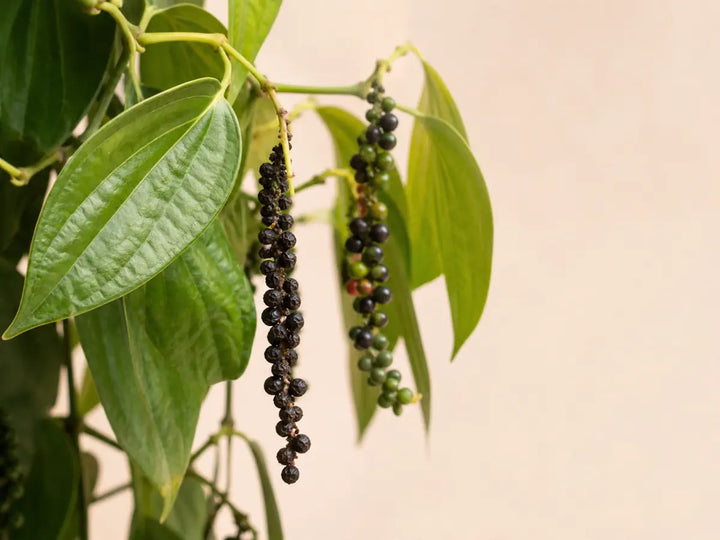
Pepper in perfume usually smells dry, fresh and spicy, with aromatic, citrus-like and woody sides. It can create a lively tingling sensation without necessarily smelling hot like food....
Explore Pepper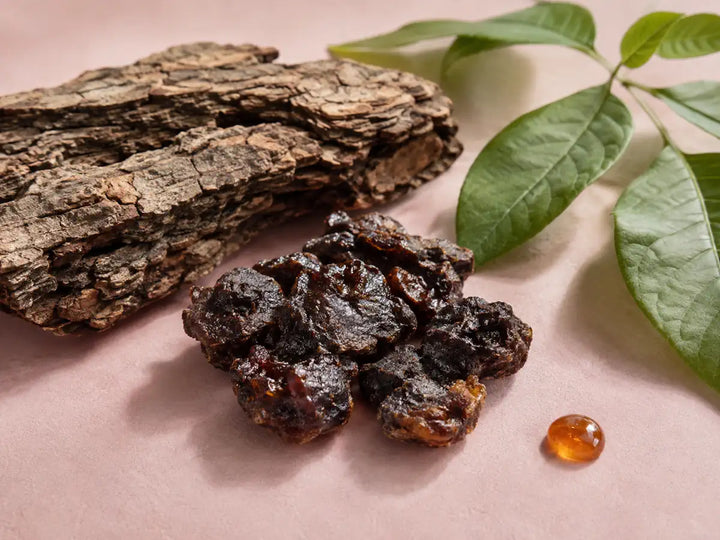
Peru balsam in perfume usually smells sweet, balsamic and warm, with vanilla, cinnamon, amber and powdery sides. It has a smooth resinous character that can resemble dark vanilla,...
Explore Peru Balsam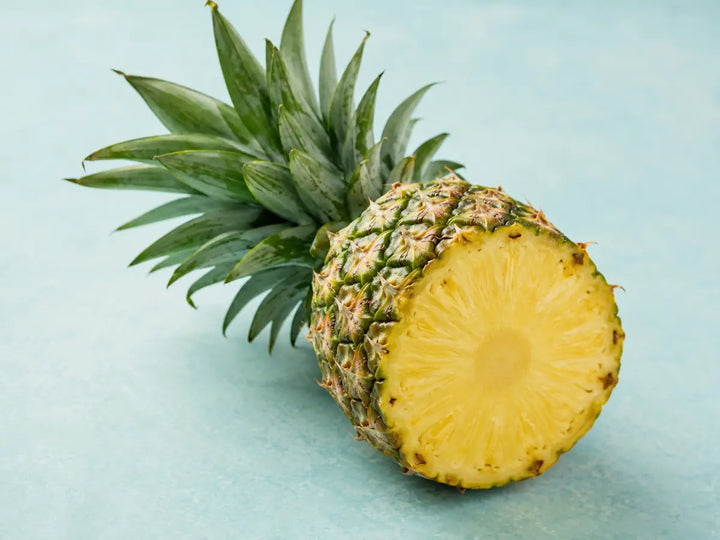
Pineapple in perfume usually smells juicy, sweet and tropical, with tart, green and lightly creamy sides. Some pineapple accords are bright and freshly cut, while others feel riper,...
Explore Pineapple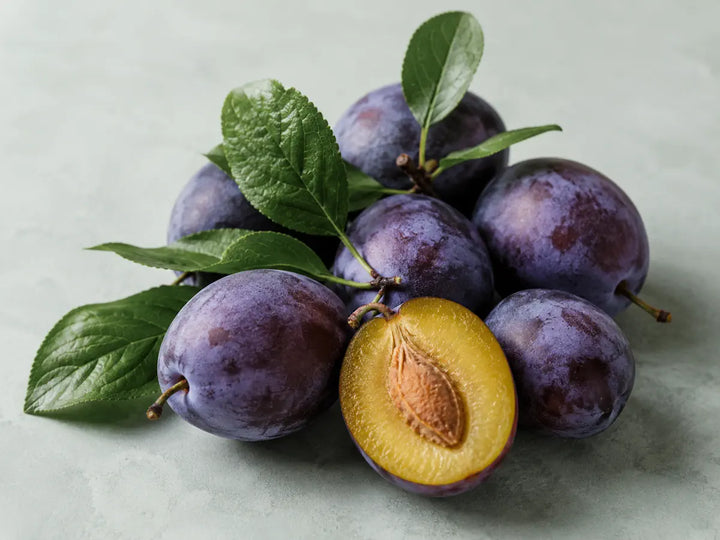
Plum in perfume usually smells rich, juicy and darkly fruity, with sweet, jammy, wine-like or slightly spicy sides. Some plum notes feel fresh and tart, while others are...
Explore Plum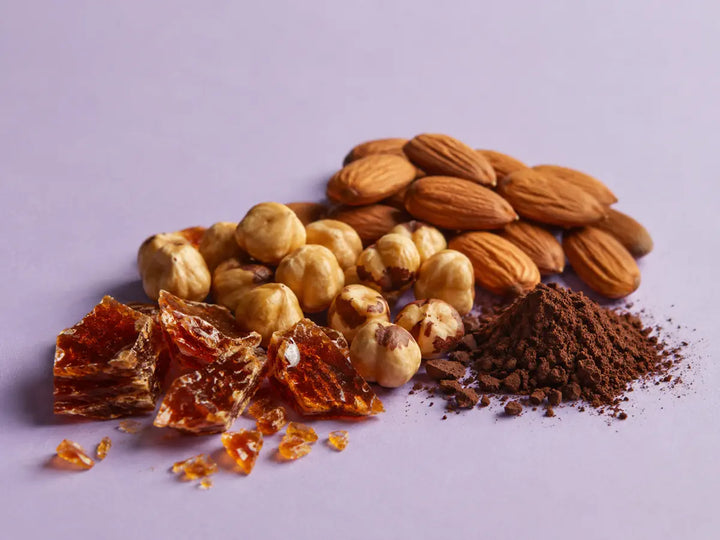
Praline in perfume usually smells sweet, nutty and caramelised, with vanilla, chocolate, toasted almond or hazelnut-like sides. It is a constructed gourmand accord rather than one natural fragrance...
Explore Praline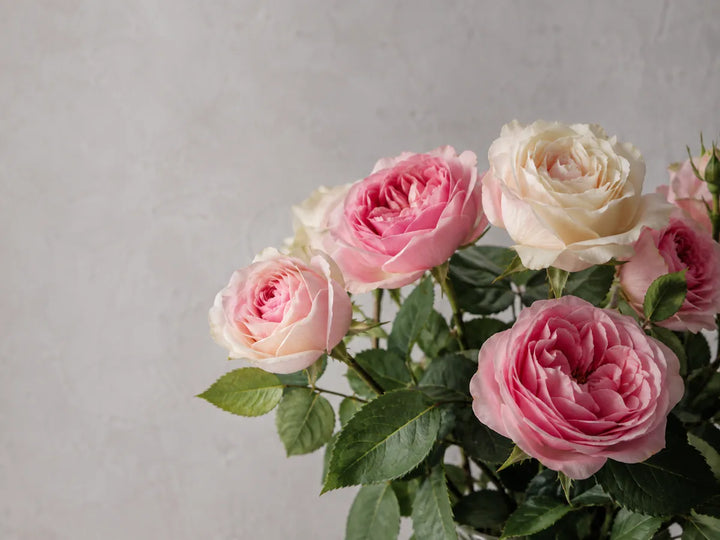
Rose in perfume usually smells floral, fresh and softly sweet, but it can also have green, fruity, honeyed or spicy sides. Some rose notes feel light and dewy,...
Explore Rose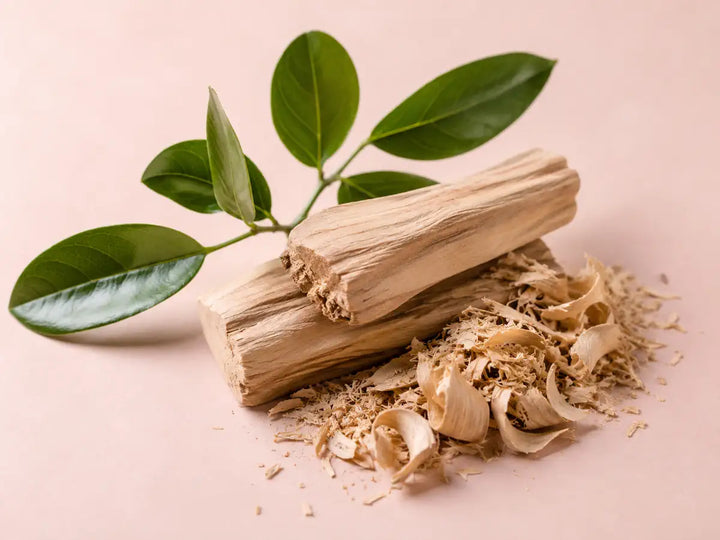
Sandalwood in perfume usually smells warm, creamy and softly woody. It can also have milky, balsamic, powdery or lightly spicy sides. Unlike sharper woods, sandalwood often feels smooth...
Explore Sandalwood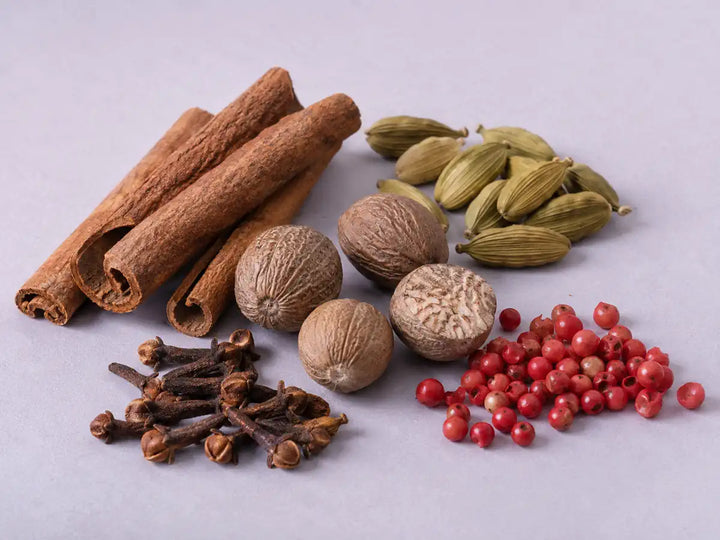
Spices in perfume can smell warm, dry, sweet, peppery, fresh or aromatic. The term does not describe one ingredient because cinnamon, cardamom, clove, nutmeg and pepper all smell...
Explore Spices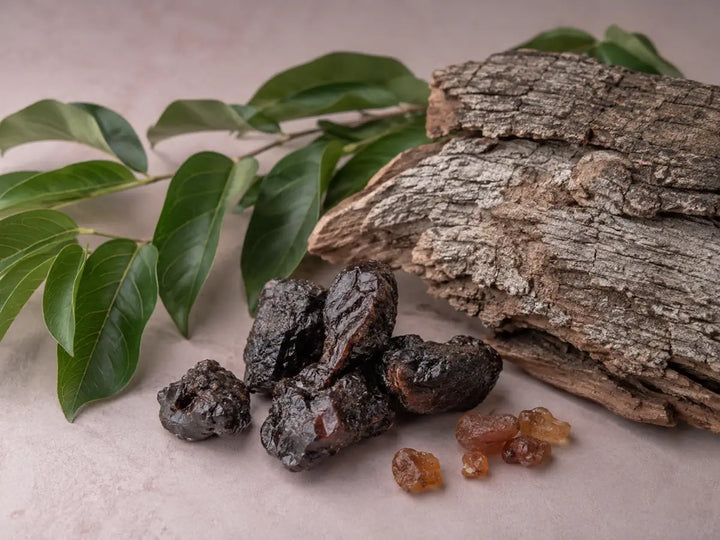
Styrax in perfume usually smells balsamic, smoky and sweet, with leather, vanilla, resinous and slightly animalic sides. It is darker and smokier than benzoin and can resemble warm...
Explore Styrax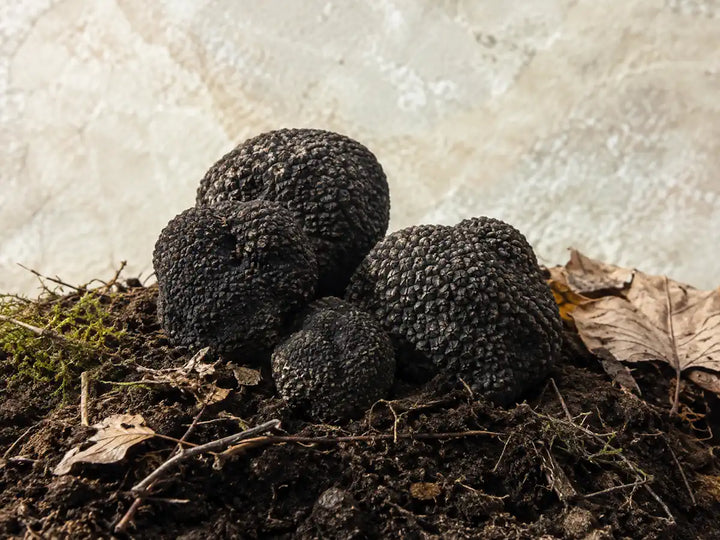
Truffle in perfume usually smells earthy, dark and mushroom-like, with damp, musky, woody and slightly animalic sides. Some truffle accords feel rich and luxurious, while others are sharper,...
Explore Truffle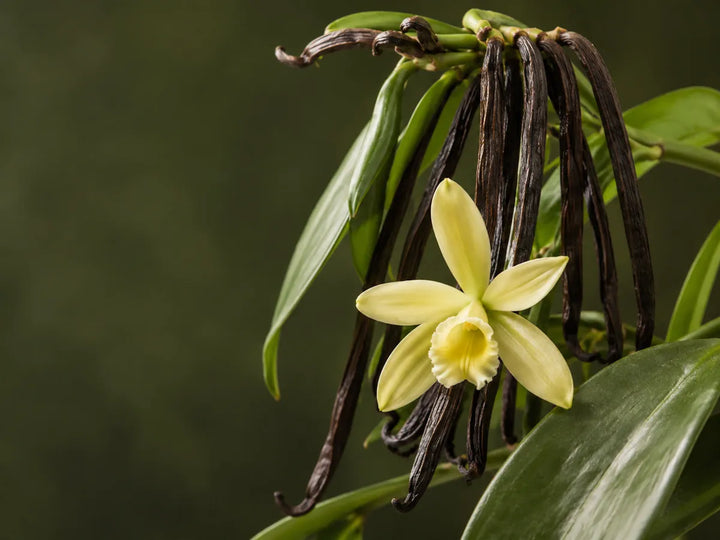
Vanilla in perfume usually smells sweet, warm and creamy. It can also have soft woody, powdery or spicy sides, depending on the material used and the notes around...
Explore Vanilla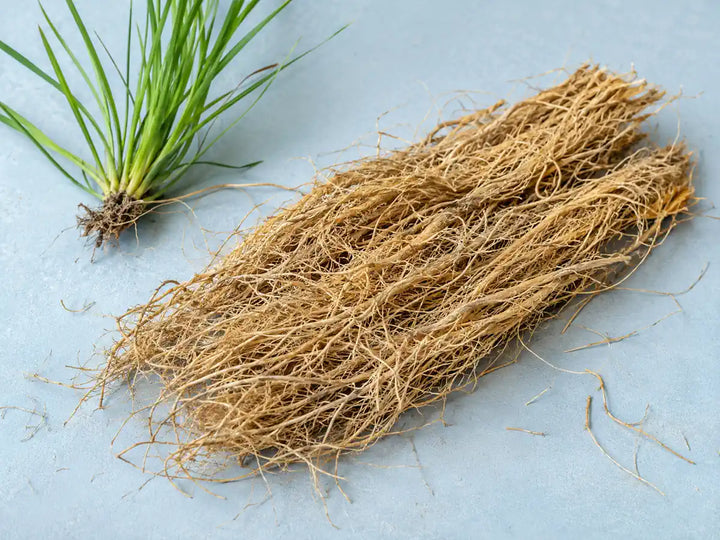
Vetiver in perfume usually smells earthy, woody and dry, with smoky, green, grassy or slightly bitter sides. Some vetiver notes feel dark, rooty and rugged, while others are...
Explore Vetiver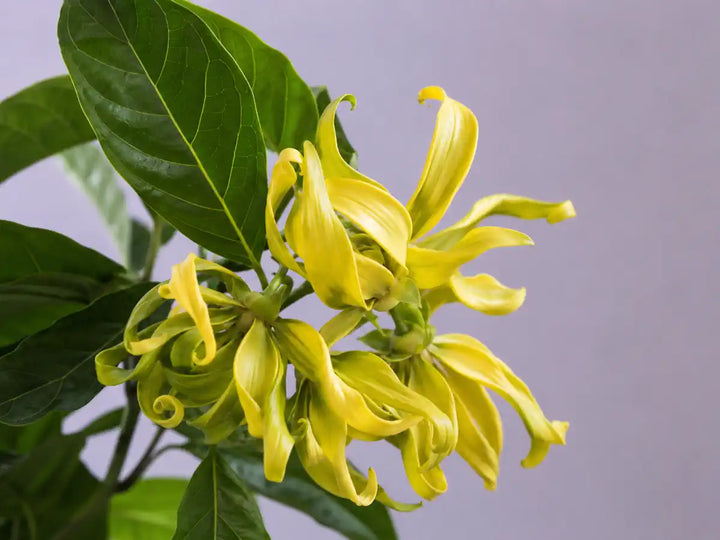
Ylang-ylang in perfume usually smells rich, creamy and floral, with sweet, spicy, fruity and slightly banana-like sides. It is a warm tropical white-floral note with more density than...
Explore Ylang-YlangThese fragrances reveal Patchouli through the central body of the scent.


These fragrances use Patchouli in the lasting foundation of the scent.


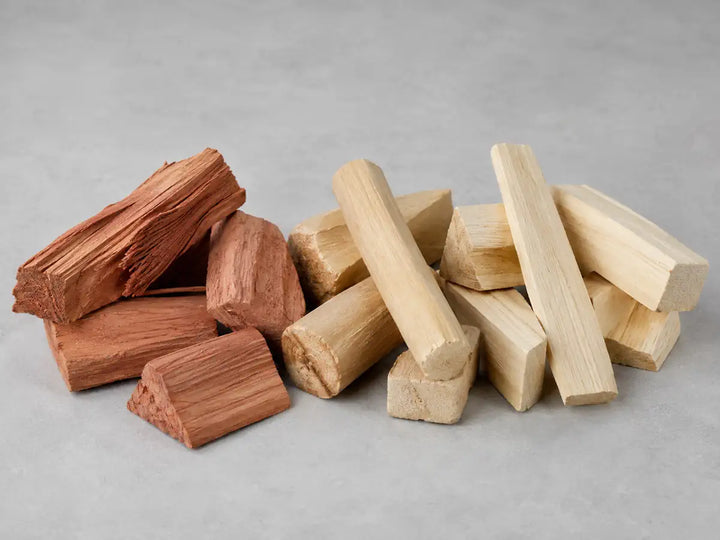
Woody notes in perfume can smell dry, warm, earthy, smoky, creamy or resinous. They do not describe one single ingredient because different woods and woody materials have very...
Explore Woody Notes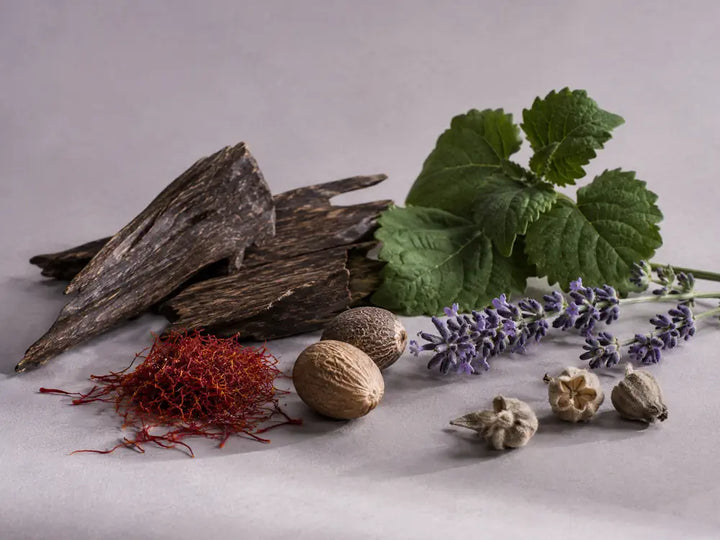
An oud accord usually smells deep, woody and earthy, often with resinous, leathery, smoky or slightly sweet sides. Some oud effects are dark and intense, while others are...
Explore Oud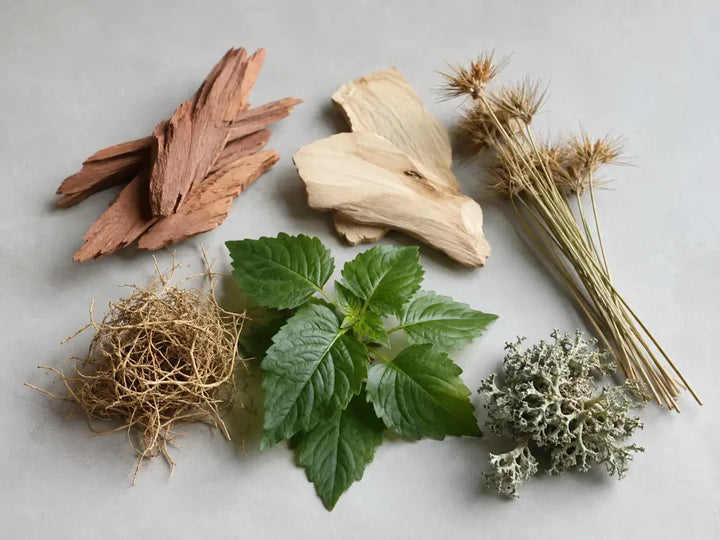
A woody accord can smell dry, smooth, creamy, earthy, smoky or resinous depending on the materials used. Cedarwood often gives a dry, structured quality, while sandalwood can feel...
Explore Woody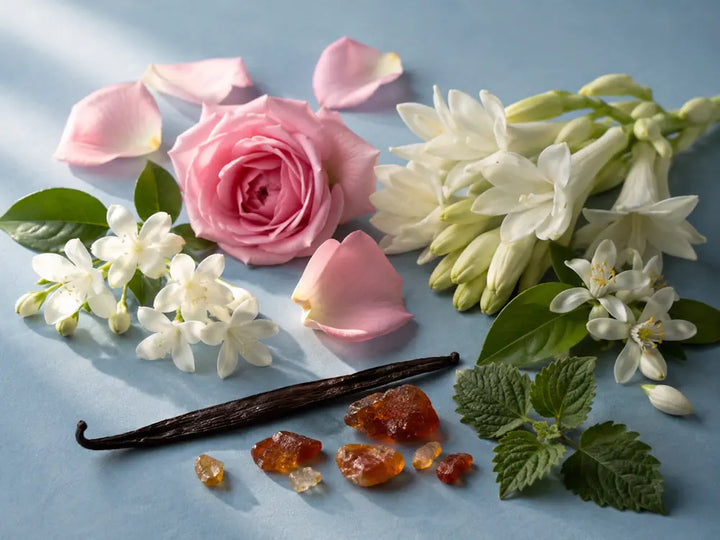
Floral & Warm fragrances typically smell floral first or have a clearly noticeable floral character, with a softer and deeper background that prevents the scent from feeling purely...
Explore Floral & Warm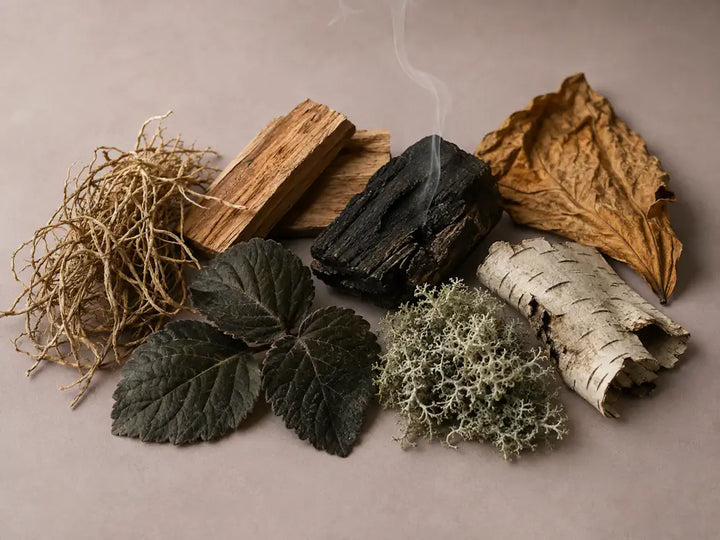
Woody & Smoky fragrances usually smell dry, earthy or woody, often with touches of smoke, leather or tobacco. Cedarwood can give a clear, dry structure, while vetiver and...
Explore Woody & Smoky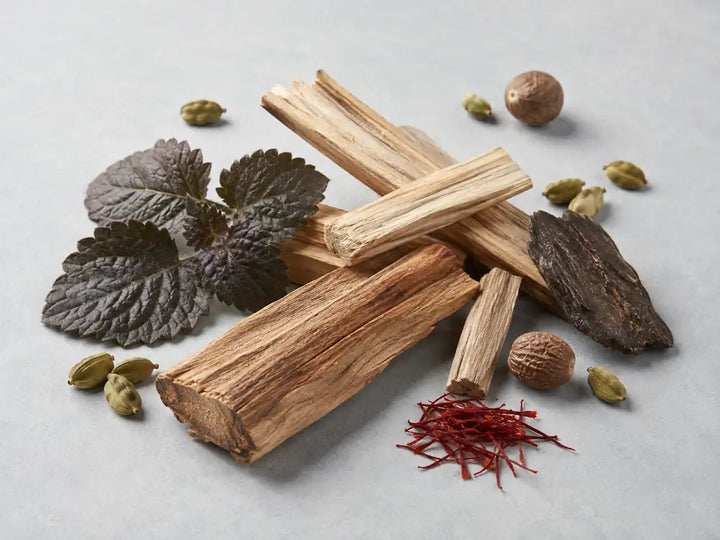
Spicy & Woody fragrances generally smell warm, dry and structured, with noticeable spice layered over woods or deeper earthy materials. Nutmeg can bring dry warmth, while cardamom often...
Explore Spicy & Woody