
Fragrance note
Jasmine
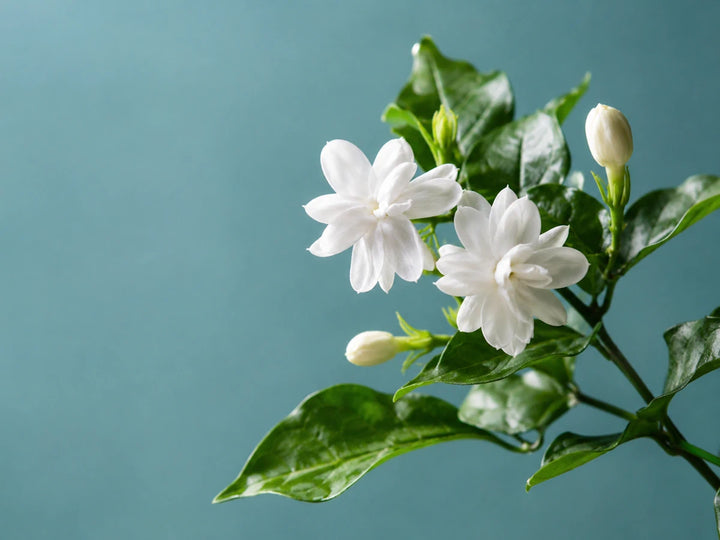
Jasmine in perfume usually smells rich, sweet and floral. It can also seem creamy, green, fruity or slightly spicy, depending on the type of jasmine and the other...
Explore JasmineCart
Your cart is empty
Fragrance note guide
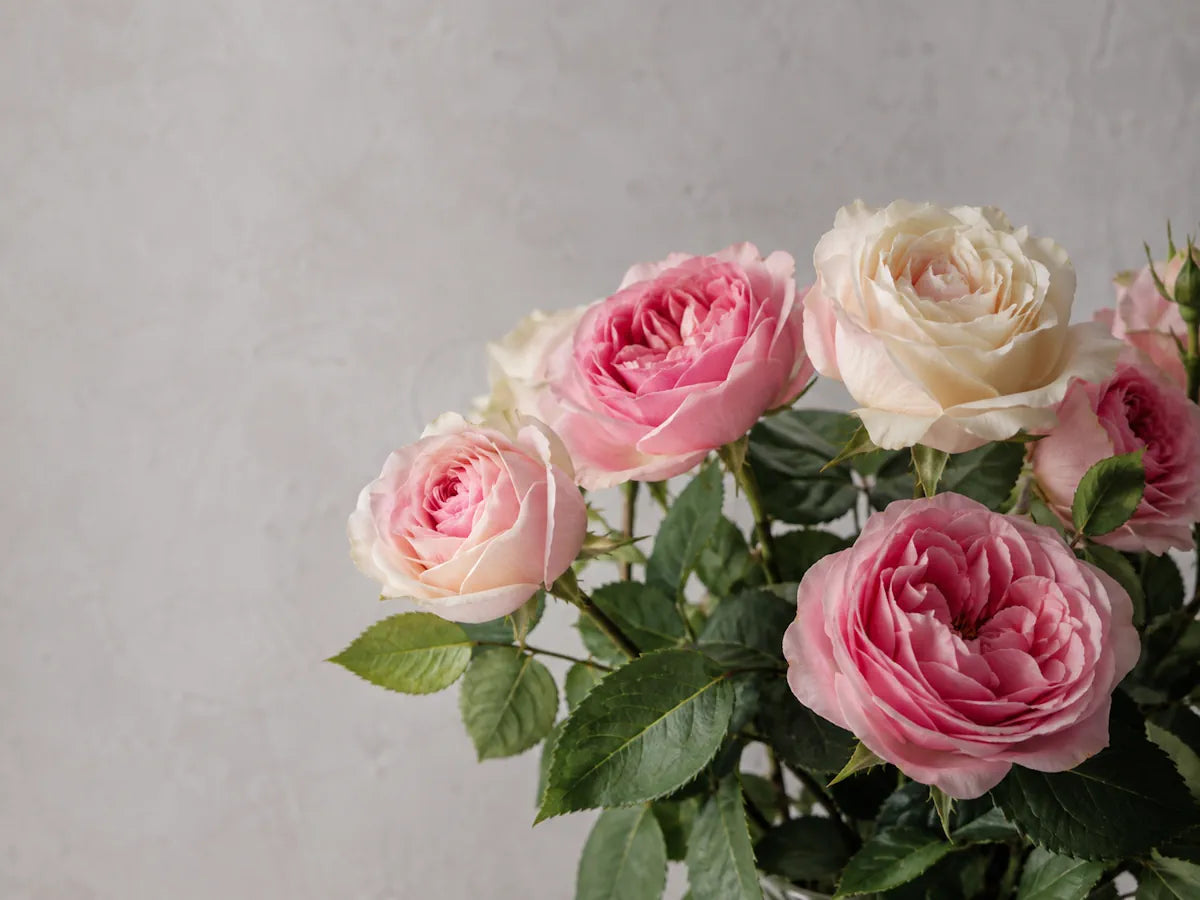
Rose in perfume usually smells floral, fresh and softly sweet, but it can also have green, fruity, honeyed or spicy sides. Some rose notes feel light and dewy, while others are rich, warm and velvety. The result depends on the type of rose, the extraction method and the other notes around it.
Jasmine in perfume usually smells rich, sweet and floral. It can also seem creamy, green, fruity or slightly spicy, depending on the type of jasmine and the other...
Explore Jasmine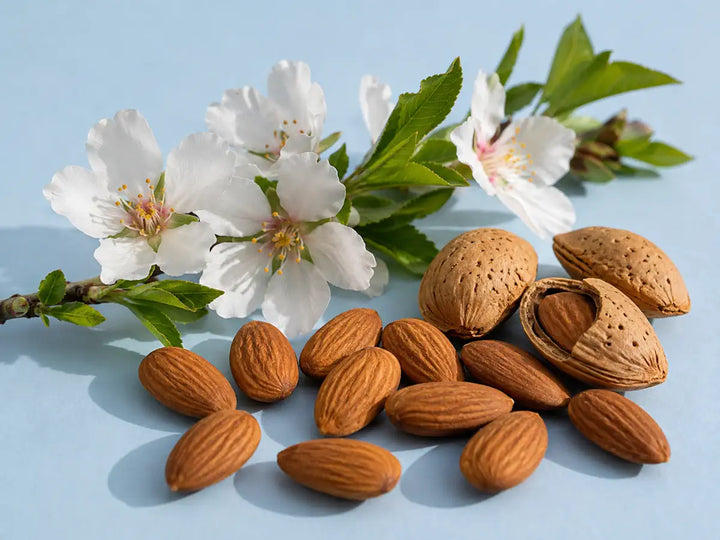
Almond in perfume usually smells sweet, nutty and slightly creamy, with a marzipan-like character. It can also have bitter, powdery or cherry-like sides, especially when the accord is...
Explore Almond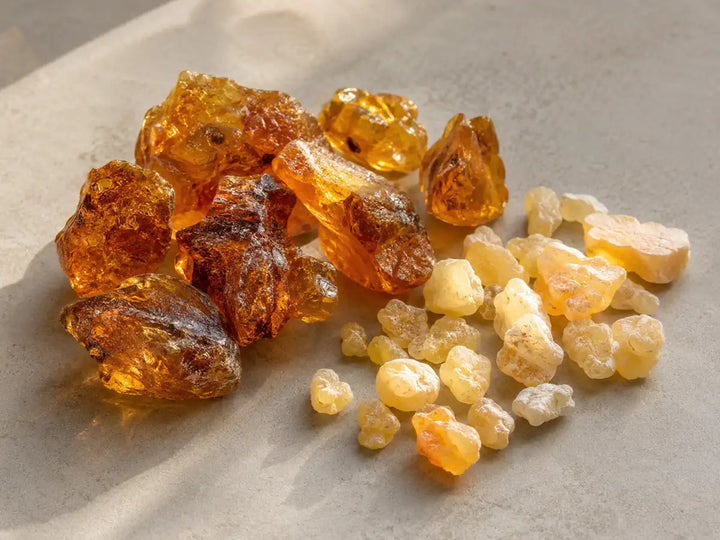
Amber in perfume usually smells warm, sweet and resinous, with soft vanilla, balsamic, powdery or slightly smoky sides. It is not normally taken from fossilised amber. In perfumery,...
Explore Amber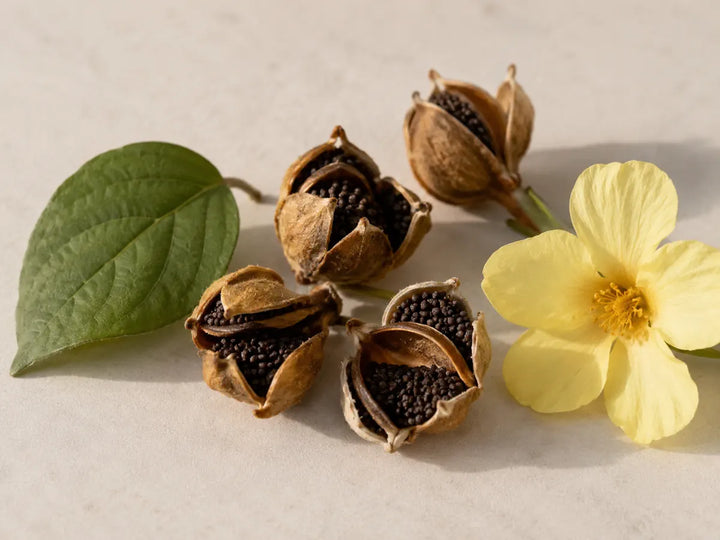
Ambrette in perfume usually smells soft, musky and slightly fruity, with floral, powdery, nutty and sometimes cognac-like sides. It is a plant-derived musk rather than an animal musk....
Explore Ambrette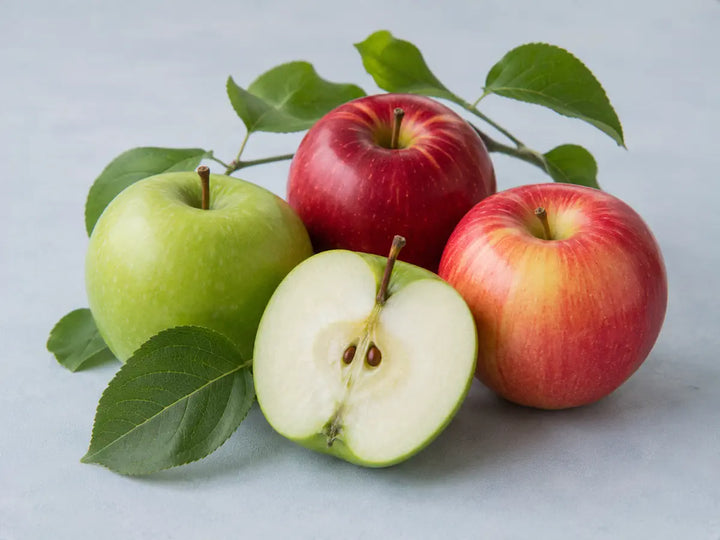
Apple in perfume usually smells crisp, juicy and fresh, with green, sweet and slightly tart sides. Green apple accords tend to feel sharper and more energetic, while red...
Explore Apple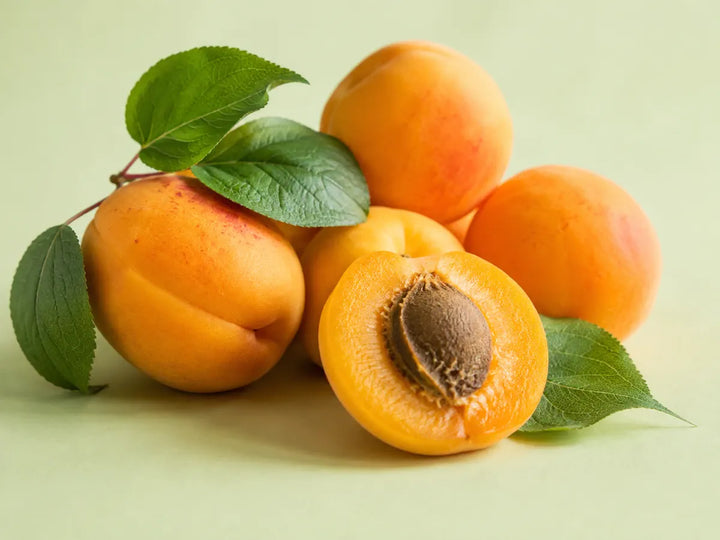
Apricot in perfume usually smells soft, fruity and velvety, with sweet, tart, creamy and sometimes lightly leathery sides. It is generally less juicy than peach and can feel...
Explore Apricot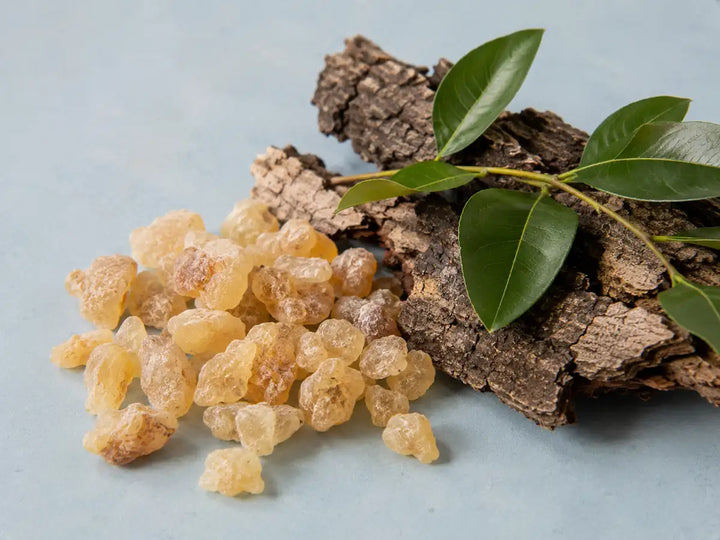
Benzoin in perfume usually smells sweet, warm and balsamic, with vanilla-like, creamy, powdery and slightly resinous sides. It can also suggest caramel, cinnamon or warm cereal depending on...
Explore Benzoin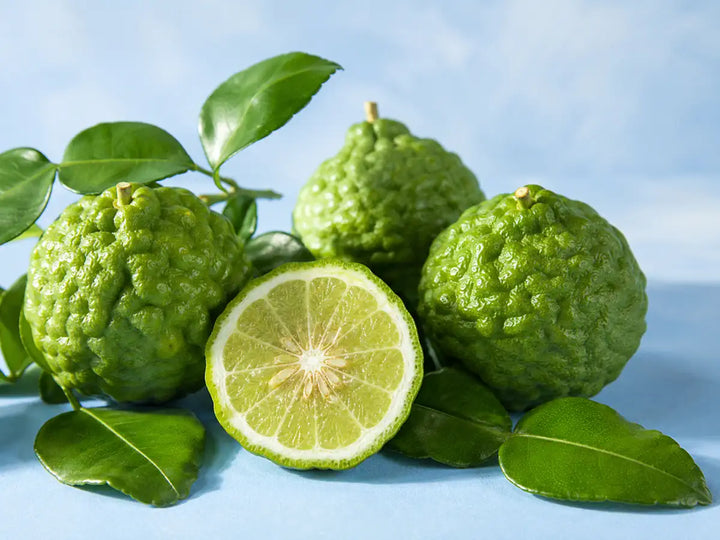
Bergamot in perfume smells fresh, bright and citrusy, with a soft floral character and a slightly bitter green edge. It is less sharp than lemon and often feels...
Explore Bergamot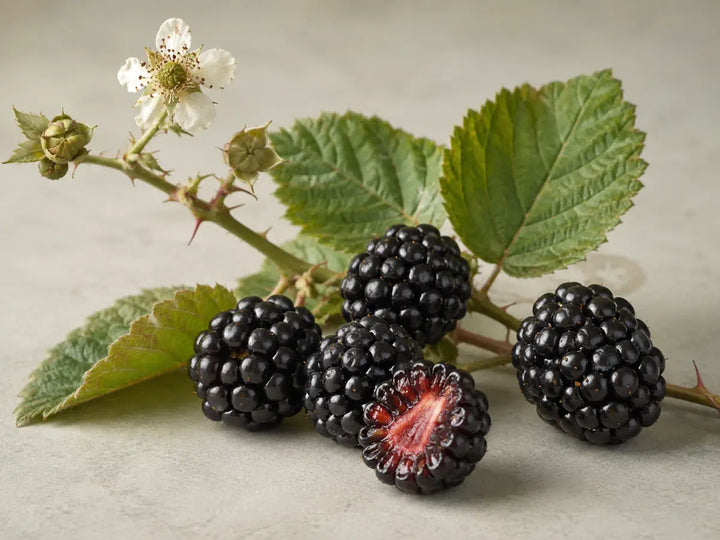
Blackberry in perfume usually smells dark, juicy and tart, with sweet, green, wine-like and softly woody sides. It is generally deeper and less sharp than blackcurrant. Some blackberry...
Explore Blackberry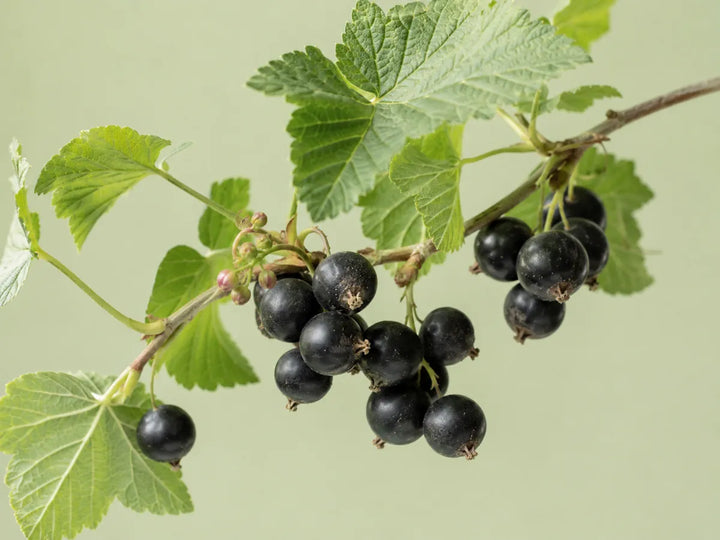
Blackcurrant in perfume usually smells dark, tart and juicy, with green, leafy and slightly sharp sides. It can suggest ripe berries, crushed leaves or a rich fruit syrup,...
Explore Blackcurrant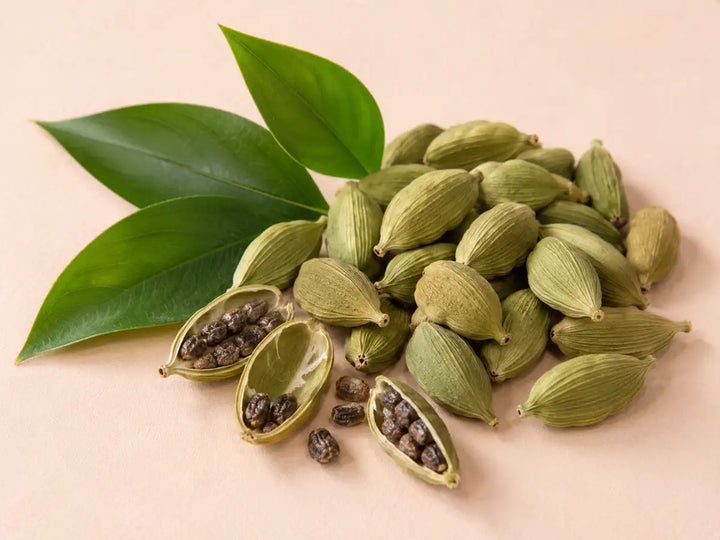
Cardamom in perfume usually smells fresh, green and spicy, with citrusy, aromatic, woody and slightly cooling sides. It is lighter and fresher than many warm spices, so it...
Explore Cardamom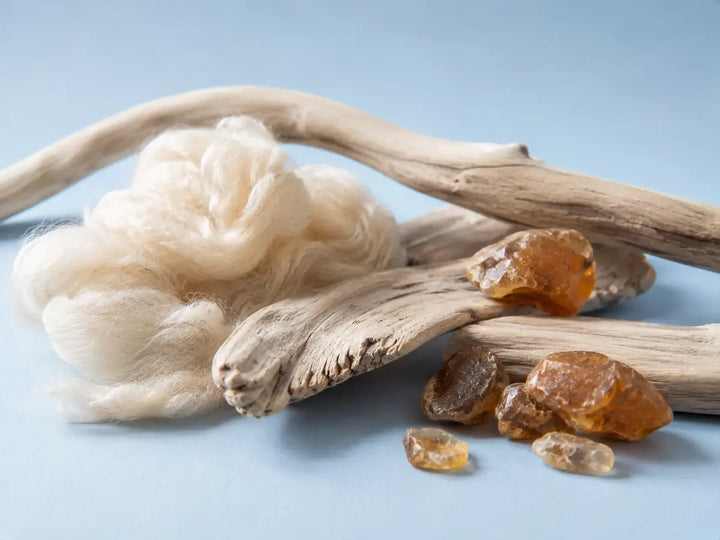
Cashmeran in perfume usually smells warm, woody and musky, with spicy, powdery, amber-like and slightly earthy sides. It may also show soft animalic, fruity or pine-like qualities. Cashmeran...
Explore Cashmeran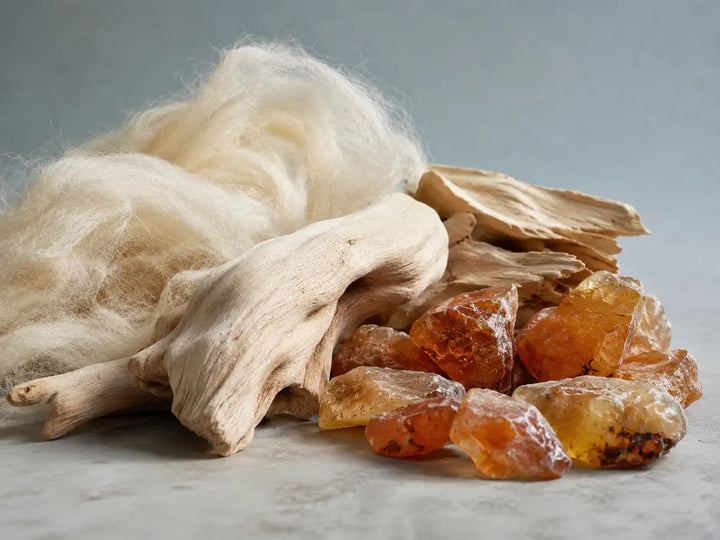
Cashmere wood in perfume usually smells soft, warm and woody, with musky, ambery, spicy and velvety sides. It is not a natural tree or one fixed ingredient. The...
Explore Cashmere Wood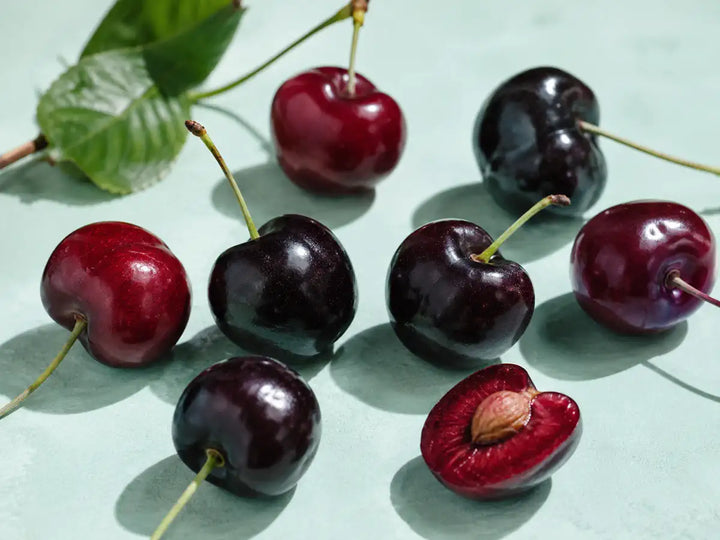
Cherry in perfume usually smells juicy, sweet and fruity, with tart, almond-like and sometimes liqueur-like sides. A bright cherry note can feel fresh and playful, while black cherry...
Explore Cherry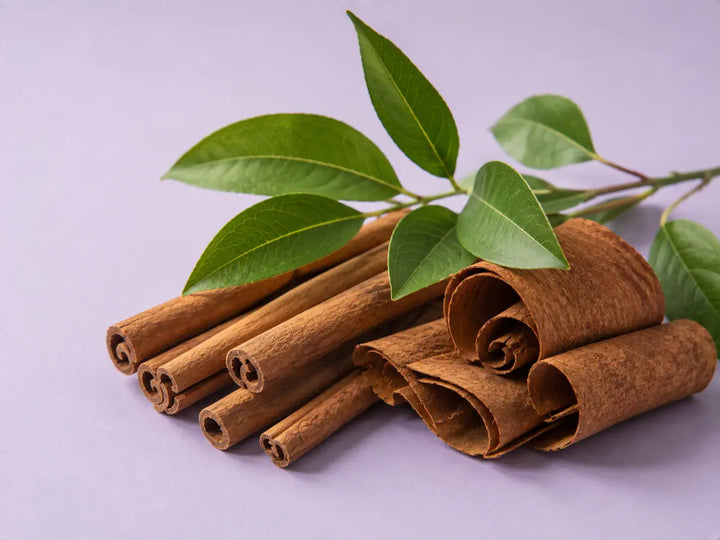
Cinnamon in perfume usually smells warm, sweet and spicy, with dry, woody and sometimes slightly hot sides. It can feel comforting and smooth in one fragrance but sharper...
Explore Cinnamon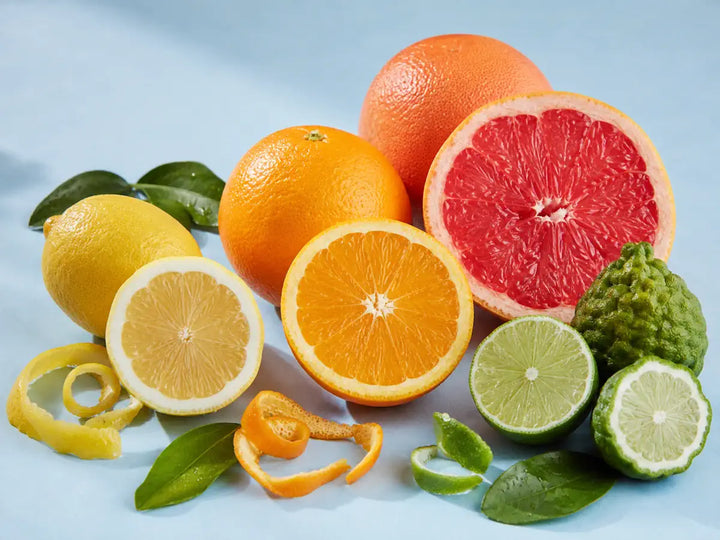
Citrus in perfume usually smells bright, fresh and zesty, with juicy, bitter, green and peel-like sides. The term does not describe one fruit because lemon, bergamot, orange, mandarin,...
Explore Citrus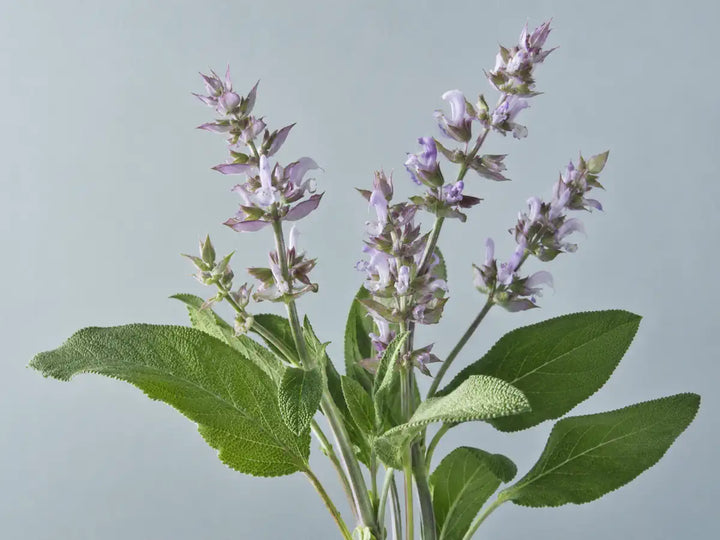
Clary sage in perfume usually smells herbal, aromatic and floral, with lavender-like, hay, tea, amber and softly tobacco-like sides. It is smoother and warmer than ordinary culinary sage....
Explore Clary Sage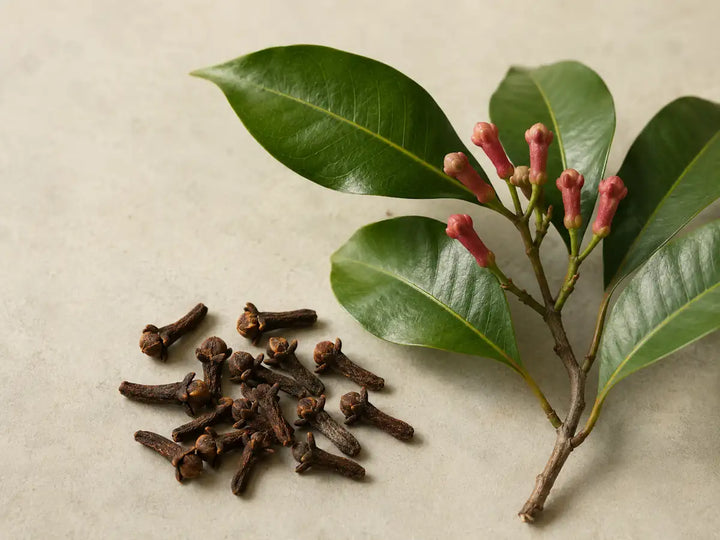
Clove in perfume usually smells warm, sweet and spicy, with woody, powdery, smoky and slightly medicinal sides. It is sharper and more intense than cinnamon, with a recognisable...
Explore Clove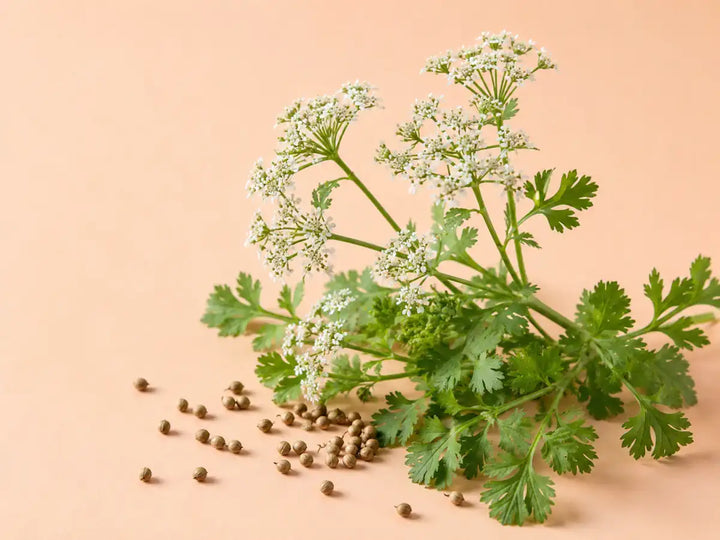
Coriander in perfume usually smells aromatic, spicy and lightly citrusy, with floral, peppery, woody and softly sweet sides. The perfume material normally associated with this character comes from...
Explore Coriander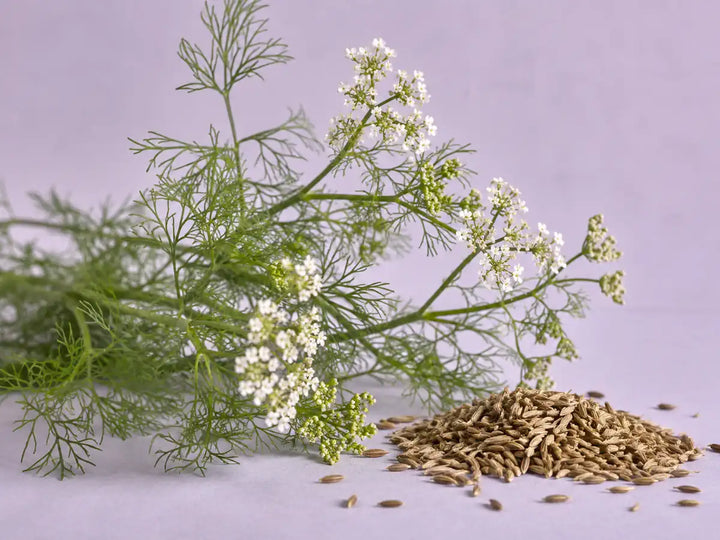
Cumin in perfume usually smells warm, dry and spicy, with earthy, herbal and softly animalic sides. In small amounts, it can add realistic warmth and depth without smelling...
Explore Cumin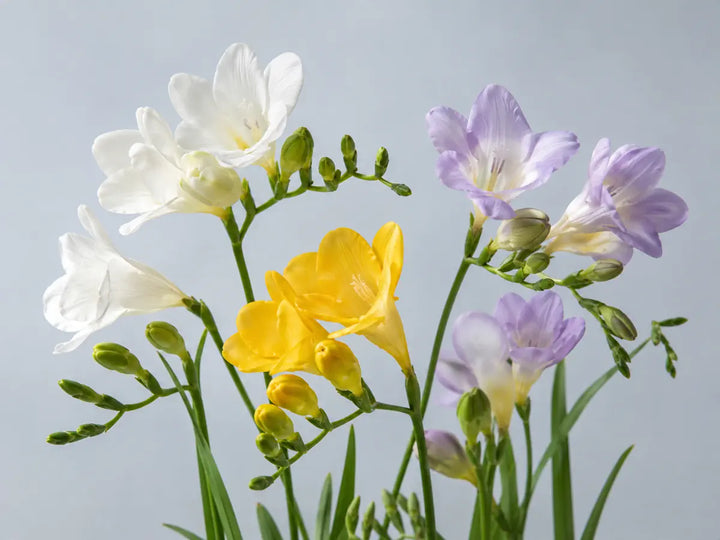
Freesia in perfume usually smells fresh, airy and softly floral, with green, citrusy and slightly peppery sides. It is lighter and more transparent than rich white flowers such...
Explore Freesia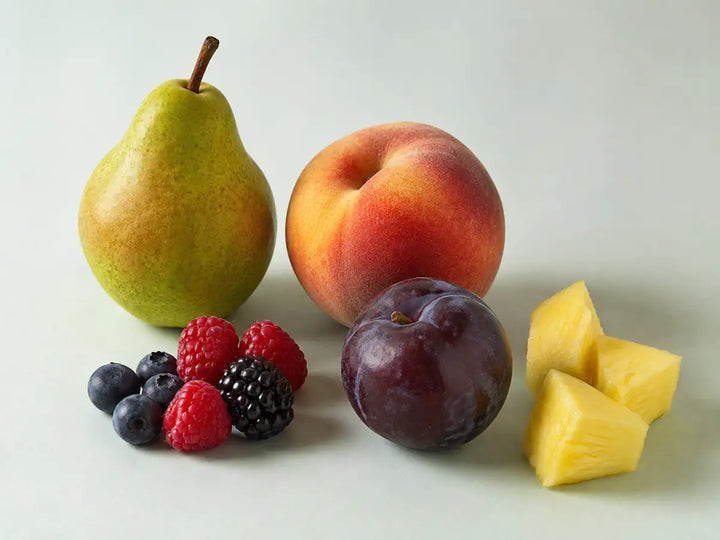
Fruity notes in perfume can smell juicy, sweet, tart, green, creamy or syrupy depending on the fruits being represented. The term is a broad category rather than one...
Explore Fruity Notes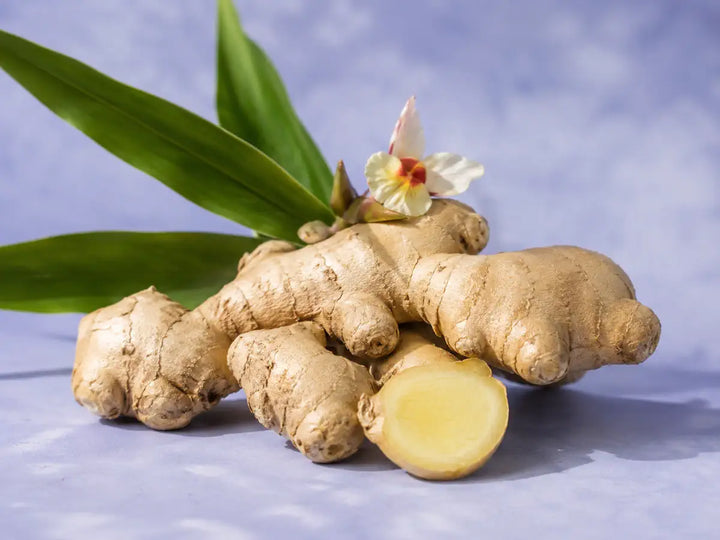
Ginger in perfume usually smells fresh, spicy and zesty, with lemon-like, woody, earthy and slightly peppery sides. It feels lively and sparkling rather than simply hot. Fresh ginger...
Explore Ginger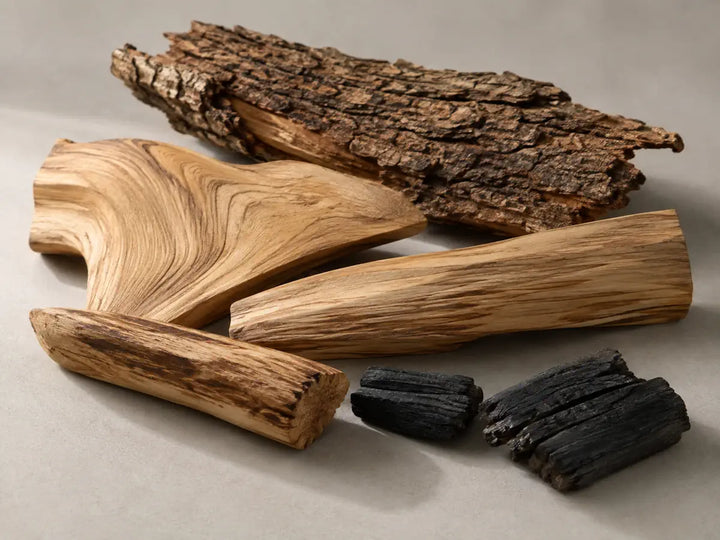
Guaiac wood in perfume usually smells smoky, warm and woody, with balsamic, rosy, tea-like and softly creamy sides. Its smoke is generally smoother and less tarry than birch....
Explore Guaiac Wood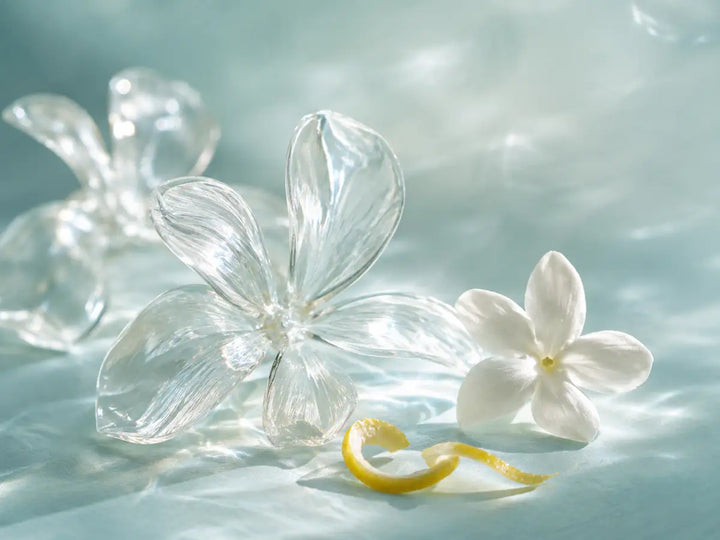
Hedione smells airy, transparent and floral, with jasmine-like, citrus and softly green qualities. It is a laboratory-created fragrance molecule rather than a flower or plant extract. Hedione may...
Explore Hedione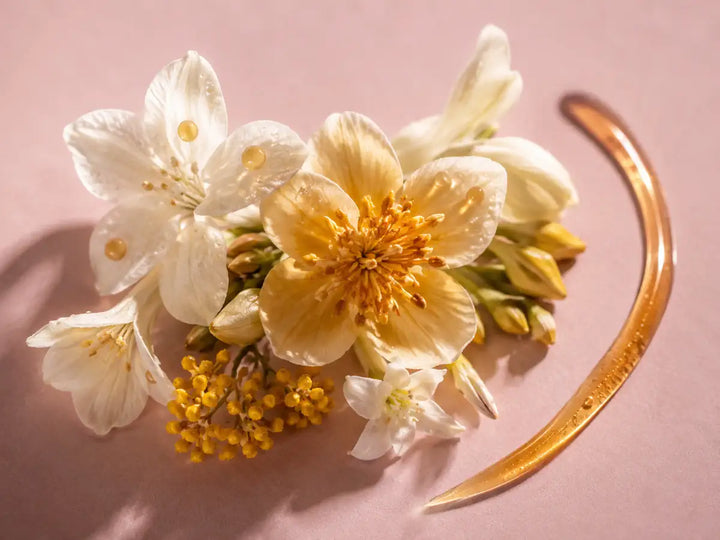
Honey in perfume usually smells sweet, warm and golden, with floral, waxy, balsamic and softly animalic sides. It may feel light and nectar-like or darker, richer and almost...
Explore Honey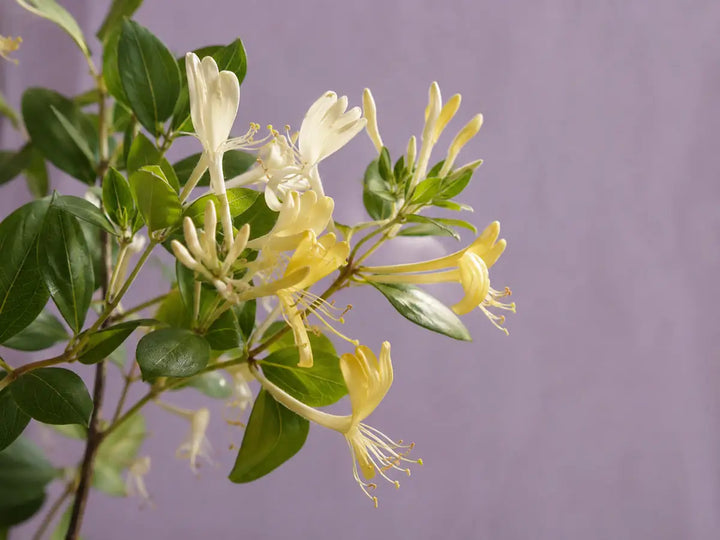
Honeysuckle in perfume usually smells sweet, floral and nectar-like, with jasmine, honeyed, green and softly creamy sides. It can feel like warm evening flowers with a fresh leafy...
Explore Honeysuckle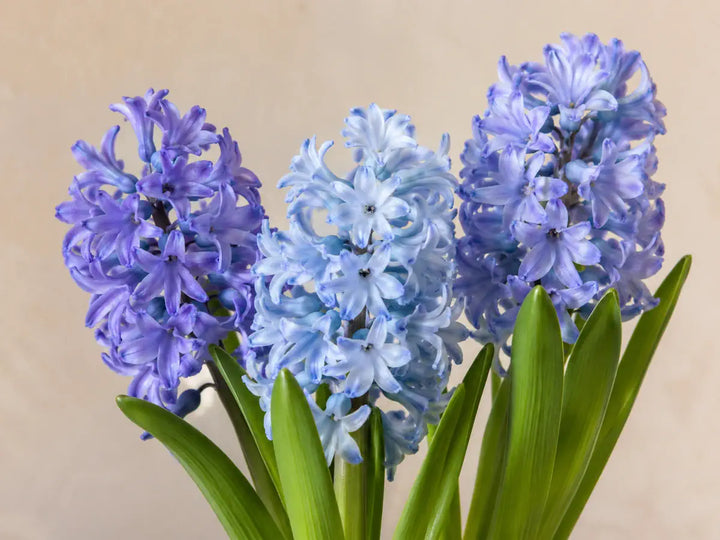
Hyacinth in perfume usually smells fresh, green and floral, with watery, earthy, slightly spicy and dewy sides. It has more leafy sharpness than many soft spring flowers. Some...
Explore Hyacinth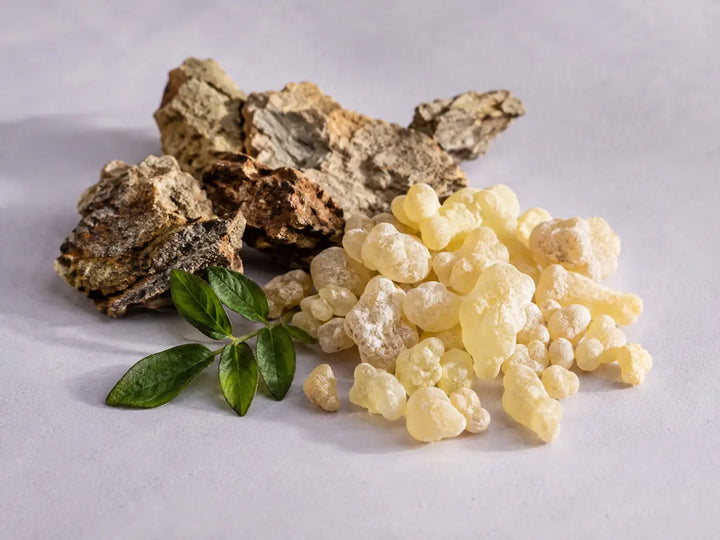
Incense in perfume usually smells resinous, smoky and woody, with warm amber, dry spice and sometimes fresh citrus or mineral sides. It does not always smell like thick...
Explore Incense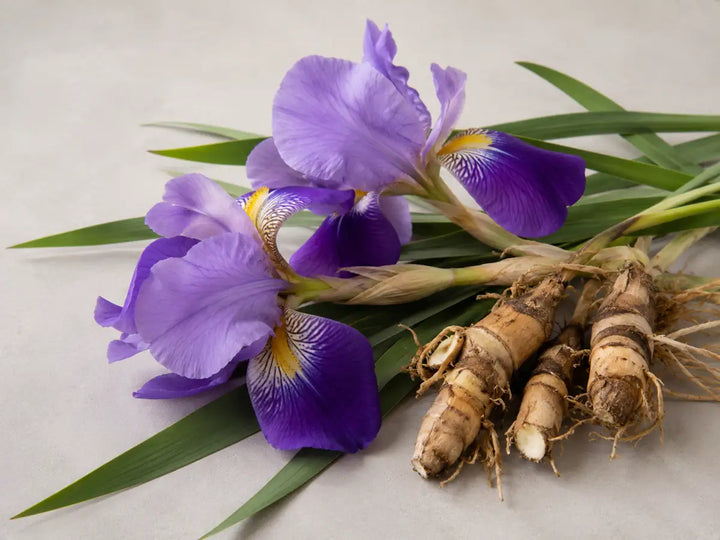
Iris in perfume usually smells powdery, soft and floral, with woody, earthy, violet-like and sometimes buttery sides. The perfume material does not normally come from the fresh iris...
Explore Iris
Leather in perfume usually smells dry, warm and slightly smoky, with woody, animalic, tarry or soft suede like sides. It does not normally come from untreated animal hide...
Explore Leather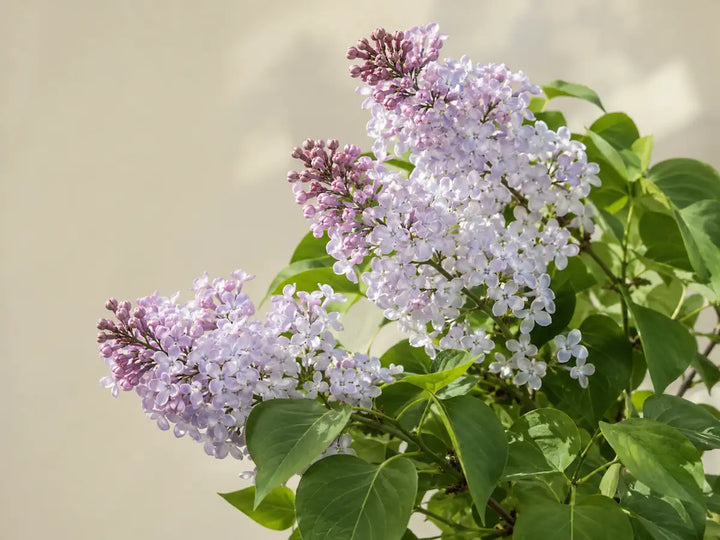
Lilac in perfume usually smells fresh, floral and powdery, with green, dewy, almond-like and softly sweet sides. It can suggest cool spring air and clusters of pale purple...
Explore Lilac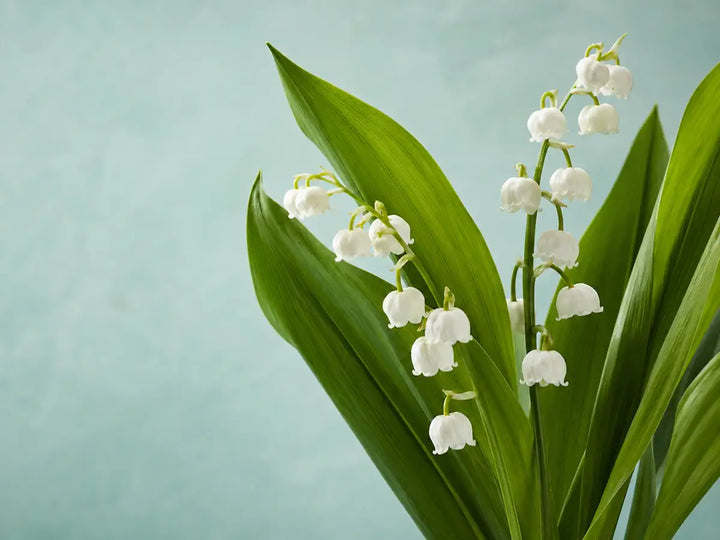
Lily-of-the-valley in perfume usually smells fresh, clean and green, with watery, dewy and softly sweet floral sides. It can suggest small white spring flowers, cool air and fresh...
Explore Lily-of-the-Valley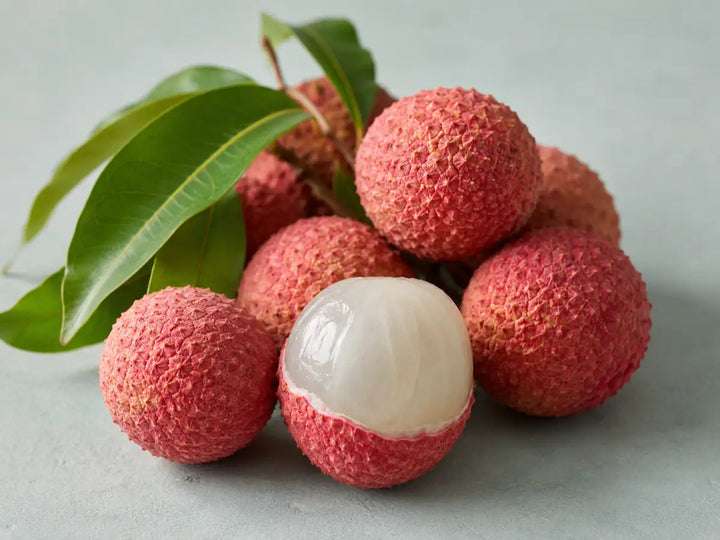
Lychee in perfume usually smells juicy, floral and tropical, with rosy, watery, sweet and slightly tart sides. It can suggest translucent white fruit, rosewater and fresh tropical juice....
Explore Lychee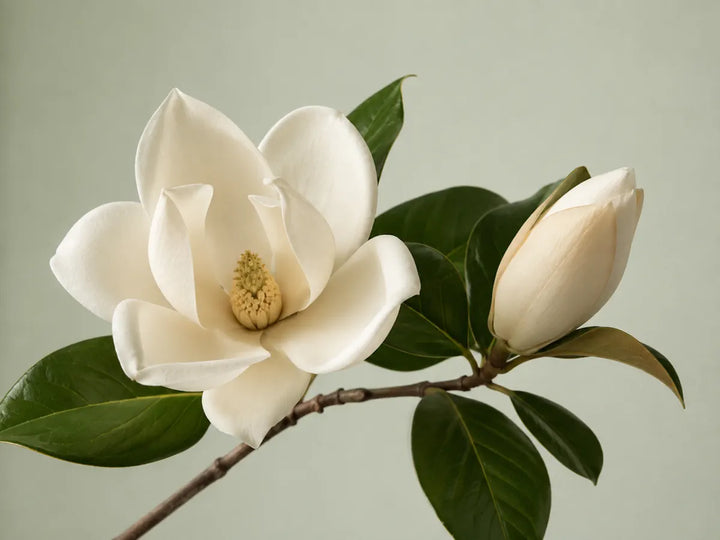
Magnolia in perfume usually smells fresh, floral and softly creamy, with green, fruity, citrus-like and lightly spicy sides. It is often more transparent than tuberose and less indolic...
Explore Magnolia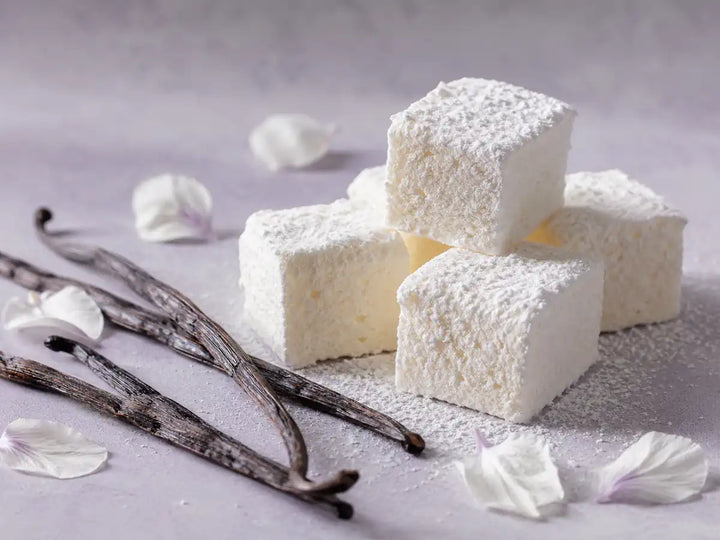
Marshmallow in perfume usually smells soft, sweet and powdery, with vanilla, sugary, creamy and fluffy sides. The perfume note normally represents the confection rather than the natural marsh-mallow...
Explore Marshmallow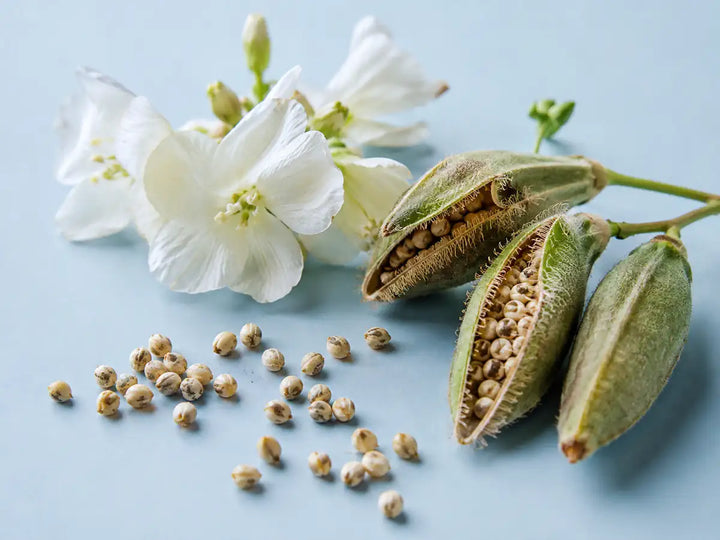
Musk in perfume can smell soft, warm, clean and slightly powdery, often with a smooth quality that is compared with fresh skin or clean fabric. Some musk notes...
Explore Musk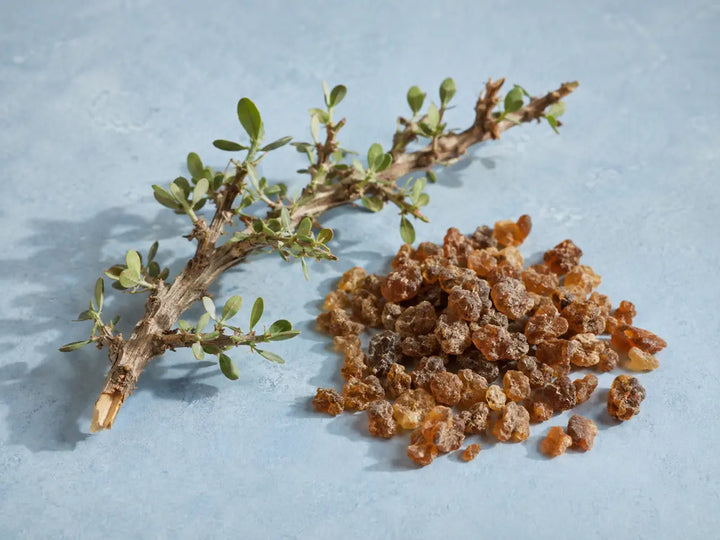
Myrrh in perfume usually smells warm, resinous and balsamic, with smoky, earthy, liquorice-like and softly sweet sides. Some myrrh materials feel dark and medicinal, while others are smoother,...
Explore Myrrh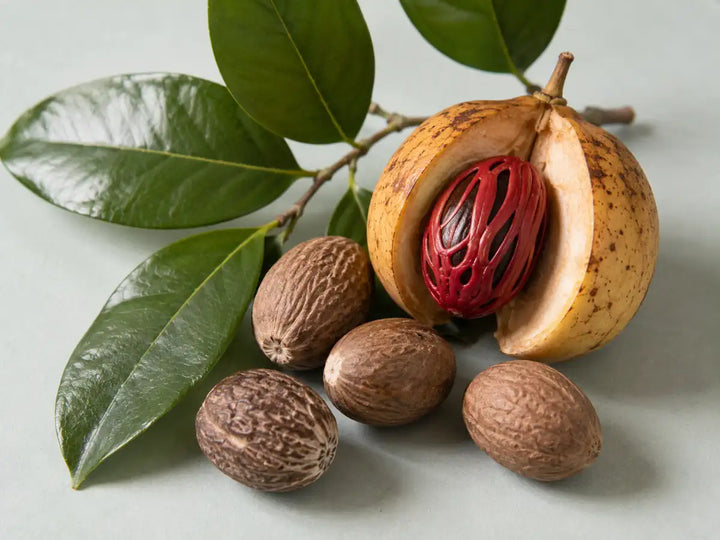
Nutmeg in perfume usually smells warm, dry and gently spicy, with woody, aromatic, sweet and slightly earthy sides. It is generally softer and rounder than black pepper and...
Explore Nutmeg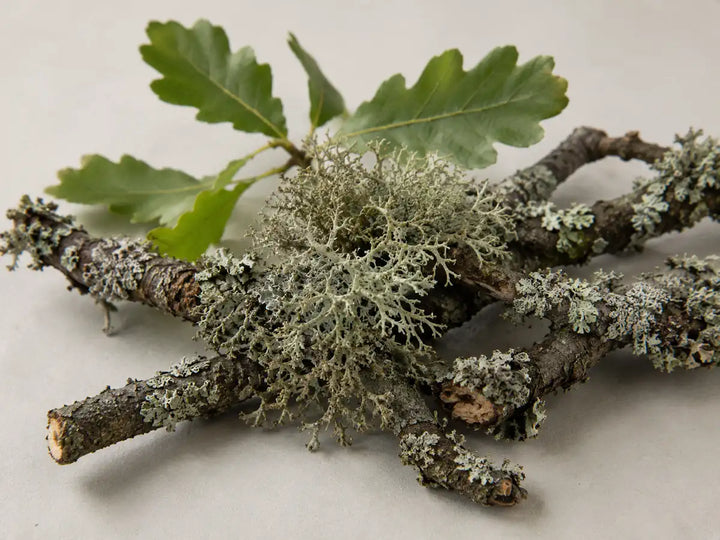
Oakmoss in perfume usually smells earthy, green and woody, with damp, mossy, slightly salty, leathery or forest like sides. It can create the impression of shaded woodland, wet...
Explore Oakmoss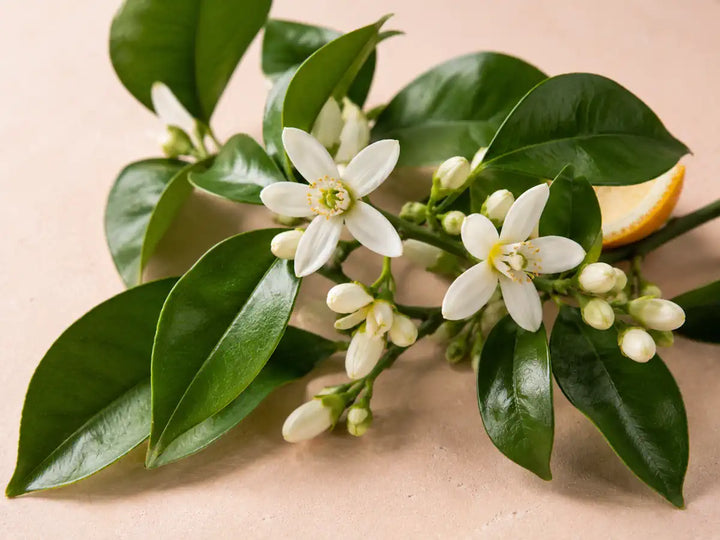
Orange blossom in perfume usually smells rich, white floral and softly sweet, with citrusy, honeyed, green and slightly creamy sides. It can feel bright and fresh in one...
Explore Orange Blossom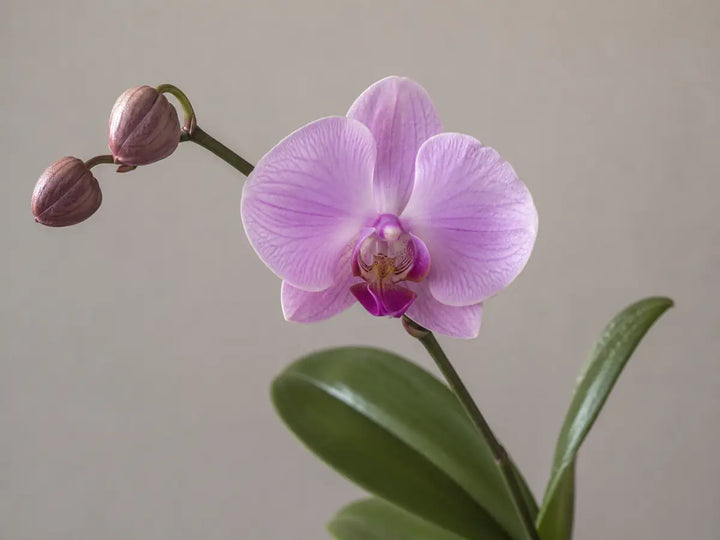
Orchid in perfume usually smells creamy, floral and softly sweet, although there is no single natural orchid smell. Different orchid species can smell fruity, spicy, green, powdery, vanilla-like...
Explore Orchid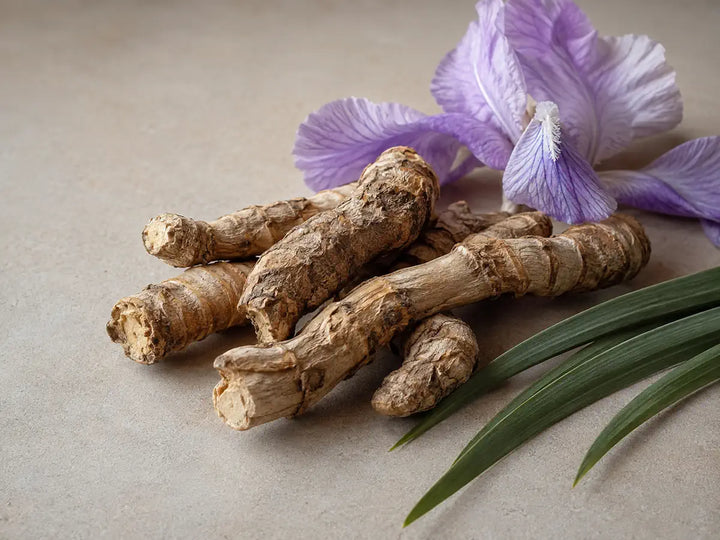
Orris in perfume usually smells powdery, floral and woody, with violet, buttery, earthy and velvety sides. It comes from iris rhizomes rather than the fresh iris flower. Natural...
Explore Orris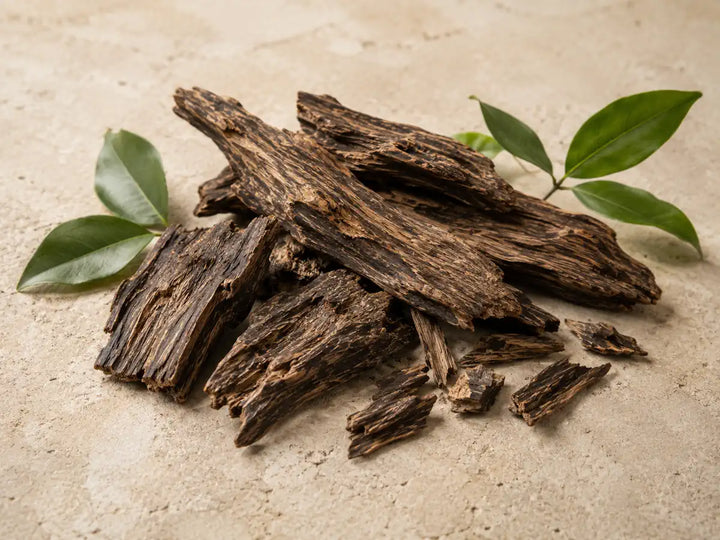
Oud in perfume usually smells dark, woody and resinous, with smoky, leathery, sweet or animalic sides. Some oud notes feel dry and medicinal, while others are smooth, warm...
Explore Oud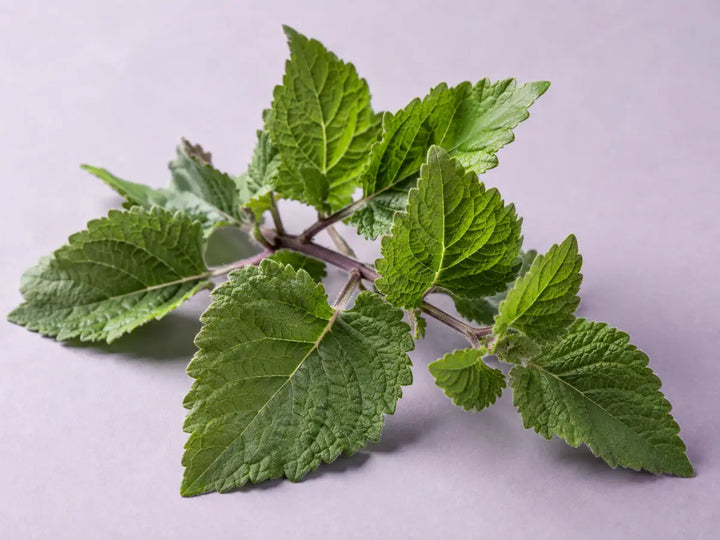
Patchouli in perfume usually smells earthy, woody and deep, with herbal, slightly sweet and sometimes camphor like sides. It can feel dark and damp in one fragrance but...
Explore Patchouli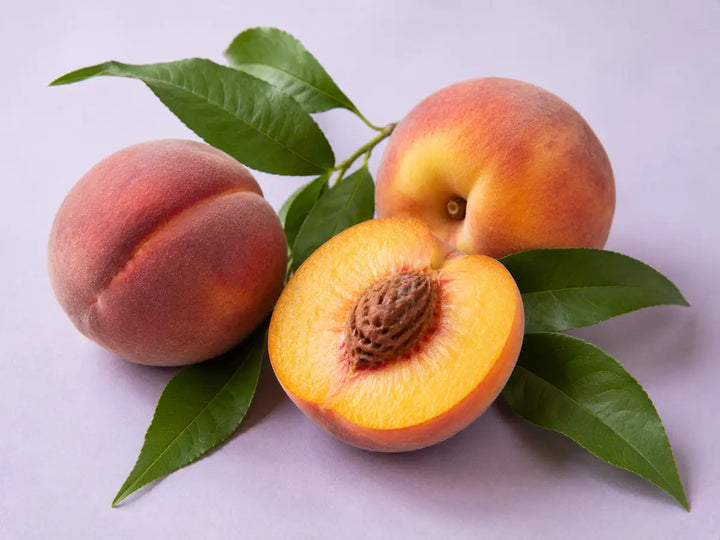
Peach in perfume usually smells juicy, sweet and fruity, with a soft velvety or creamy texture. Some peach notes feel fresh and slightly green, while others are richer,...
Explore Peach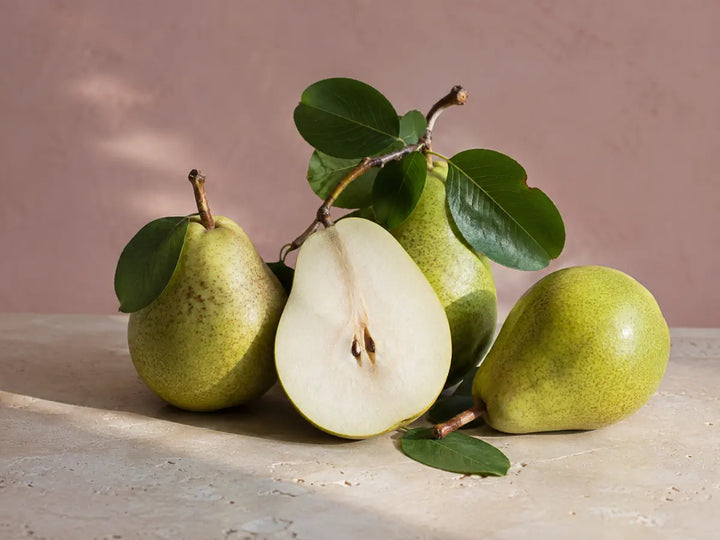
Pear in perfume usually smells juicy, fresh and softly sweet, with crisp green, watery and sometimes slightly floral sides. Some pear notes feel like a firm green pear,...
Explore Pear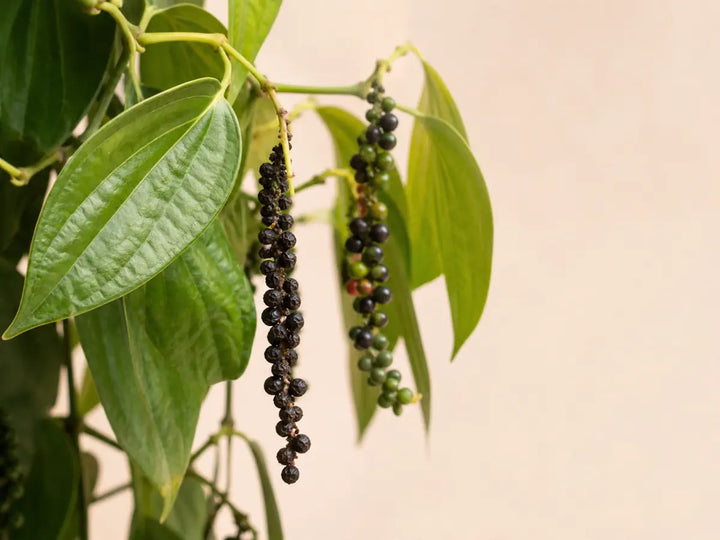
Pepper in perfume usually smells dry, fresh and spicy, with aromatic, citrus-like and woody sides. It can create a lively tingling sensation without necessarily smelling hot like food....
Explore Pepper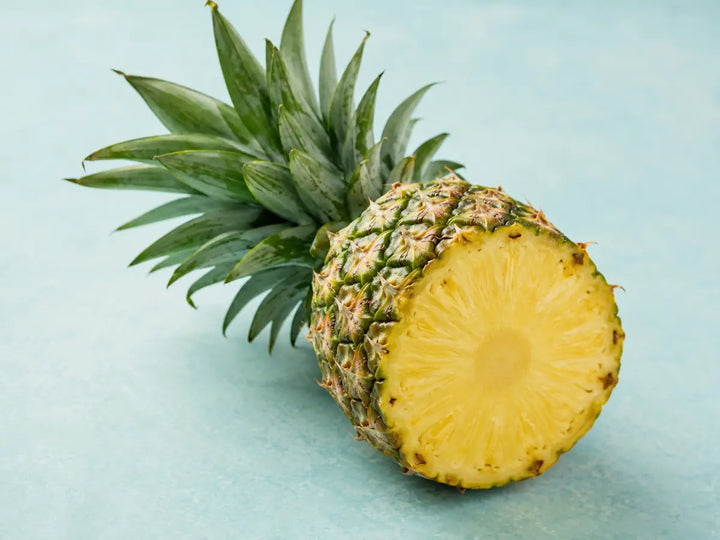
Pineapple in perfume usually smells juicy, sweet and tropical, with tart, green and lightly creamy sides. Some pineapple accords are bright and freshly cut, while others feel riper,...
Explore Pineapple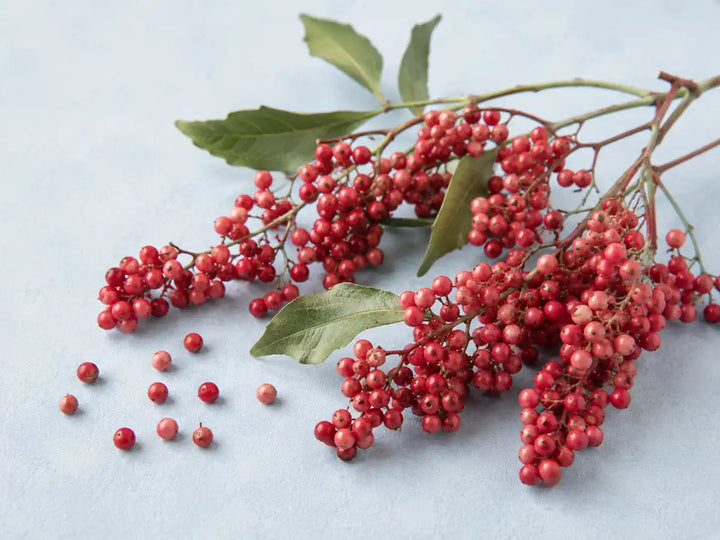
Pink pepper in perfume usually smells fresh, sparkling and gently spicy, with rosy, fruity, citrusy and slightly woody sides. It feels brighter and softer than black pepper and...
Explore Pink PepperThese fragrances reveal Rose through the central body of the scent.


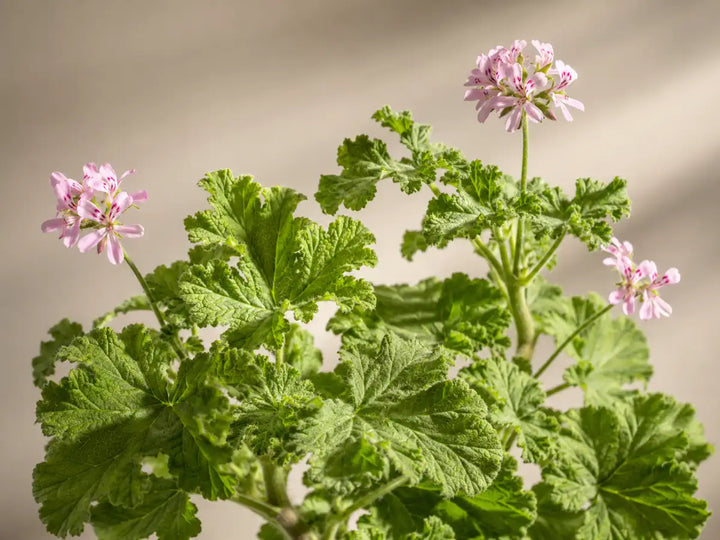
Geranium in perfume usually smells rosy, green and aromatic, with minty, leafy, herbal and lightly fruity sides. It resembles rose but generally feels sharper, fresher and more strongly...
Explore Geranium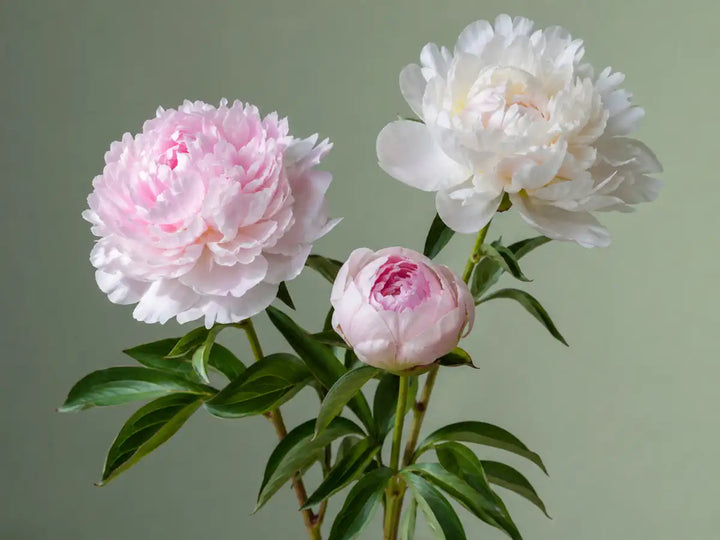
Peony in perfume usually smells fresh, airy and softly rosy, with green, watery and lightly fruity sides. It is normally cleaner and more transparent than a rich rose...
Explore Peony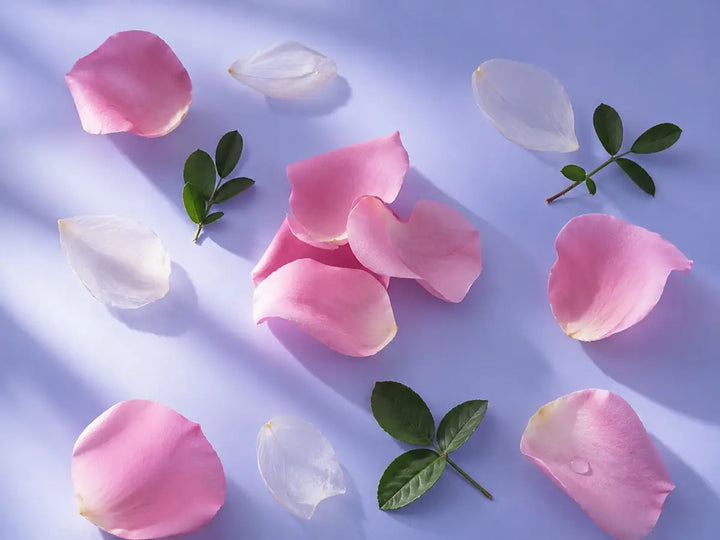
Petalia smells fresh, rosy and petal-like, with soft floral, fruity, airy and slightly green sides. It is a proprietary laboratory-created fragrance material rather than a natural flower extract....
Explore Petalia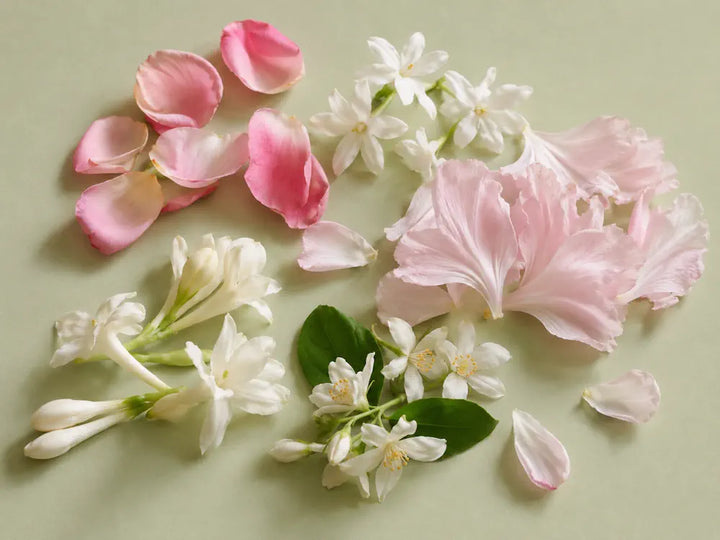
A floral accord can smell fresh, green, airy, powdery, creamy, sweet or intensely rich depending on the flowers and materials used. Rose may add a fresh, fruity or...
Explore Floral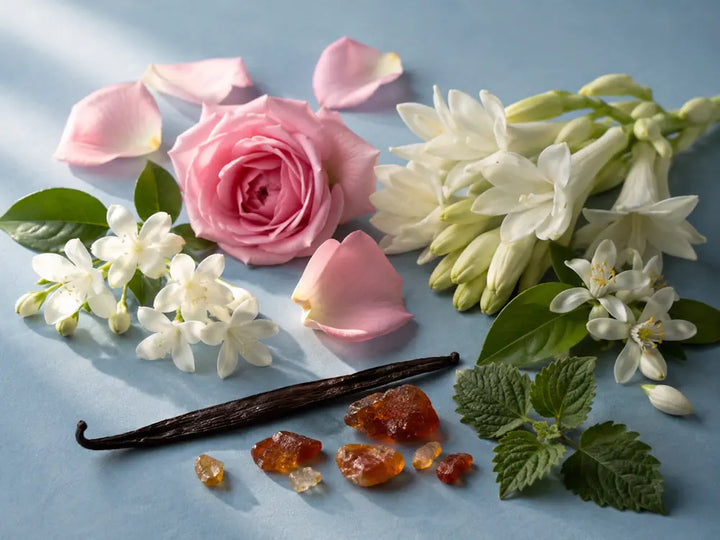
Floral & Warm fragrances typically smell floral first or have a clearly noticeable floral character, with a softer and deeper background that prevents the scent from feeling purely...
Explore Floral & Warm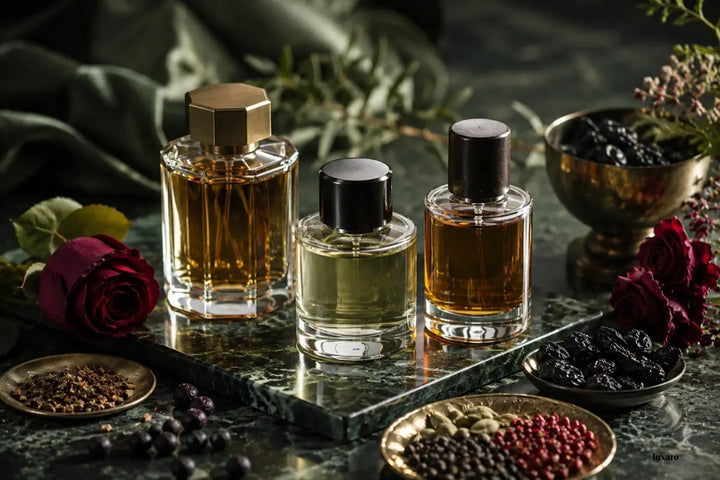
Discover why spicy rose fragrances feel so distinctive, and how warm spices, dark woods and soft florals give this scent style its rich, modern appeal.
Read guide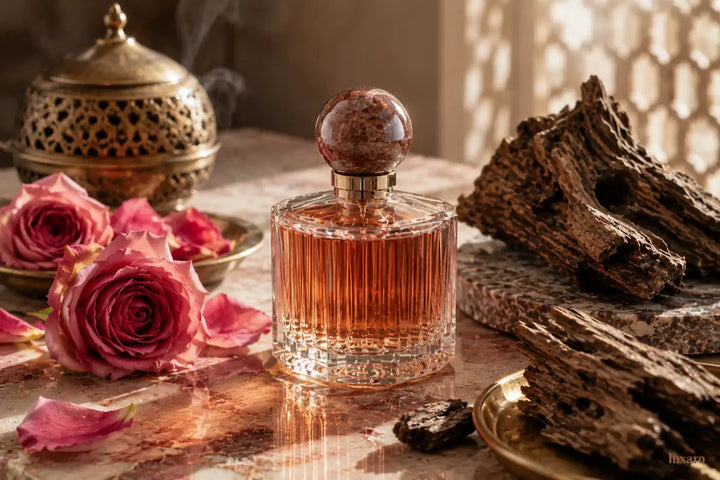
Discover why rose, oud, woods, amber, leather, and patchouli create such rich and elegant fragrances, and why smoky floral perfumes feel warm, romantic, smooth, and deeply atmospheric.
Read guide