
Fragrance note
Cardamom
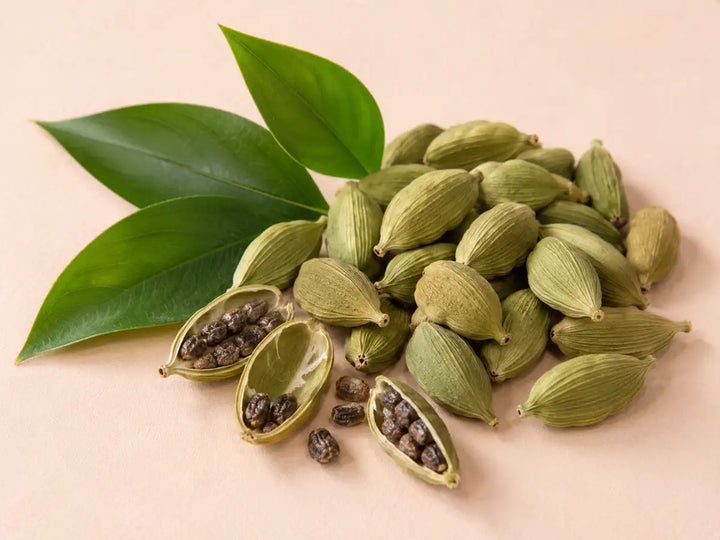
Cardamom in perfume usually smells fresh, green and spicy, with citrusy, aromatic, woody and slightly cooling sides. It is lighter and fresher than many warm spices, so it...
Explore CardamomCart
Your cart is empty
Fragrance note guide
Cumin in perfume usually smells warm, dry and spicy, with earthy, herbal and softly animalic sides. In small amounts, it can add realistic warmth and depth without smelling clearly of cooking spice. Stronger cumin effects can feel pungent, intimate or slightly sweaty. Cumin is mainly used in the heart of spicy, woody and amber fragrances.

Cardamom in perfume usually smells fresh, green and spicy, with citrusy, aromatic, woody and slightly cooling sides. It is lighter and fresher than many warm spices, so it...
Explore Cardamom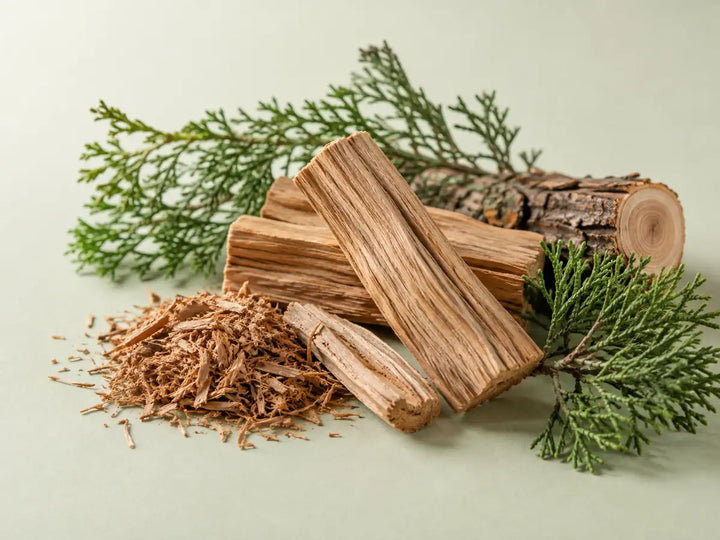
Cedarwood in perfume usually smells dry, warm and woody, with resinous, slightly smoky or pencil like sides. Some cedarwood notes feel smooth and creamy, while others are sharper...
Explore Cedarwood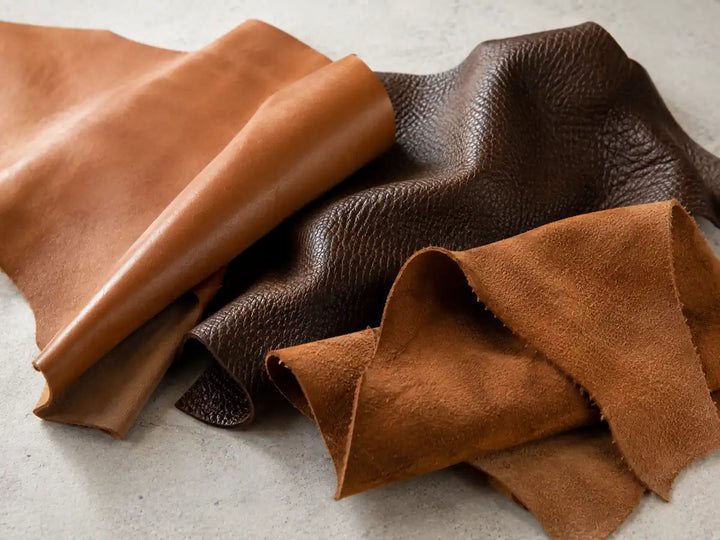
Leather in perfume usually smells dry, warm and slightly smoky, with woody, animalic, tarry or soft suede like sides. It does not normally come from untreated animal hide...
Explore Leather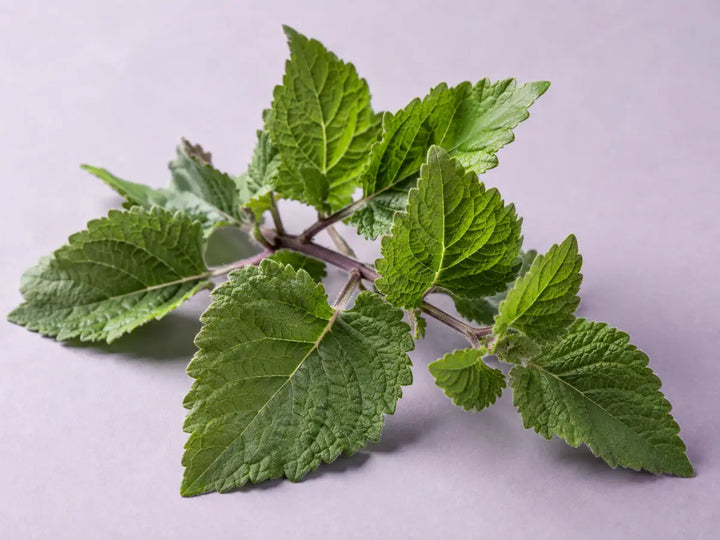
Patchouli in perfume usually smells earthy, woody and deep, with herbal, slightly sweet and sometimes camphor like sides. It can feel dark and damp in one fragrance but...
Explore Patchouli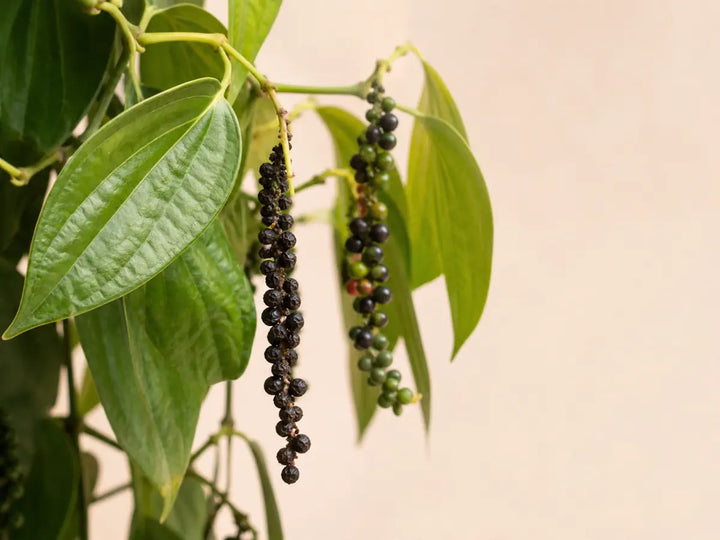
Pepper in perfume usually smells dry, fresh and spicy, with aromatic, citrus-like and woody sides. It can create a lively tingling sensation without necessarily smelling hot like food....
Explore Pepper
Rose in perfume usually smells floral, fresh and softly sweet, but it can also have green, fruity, honeyed or spicy sides. Some rose notes feel light and dewy,...
Explore Rose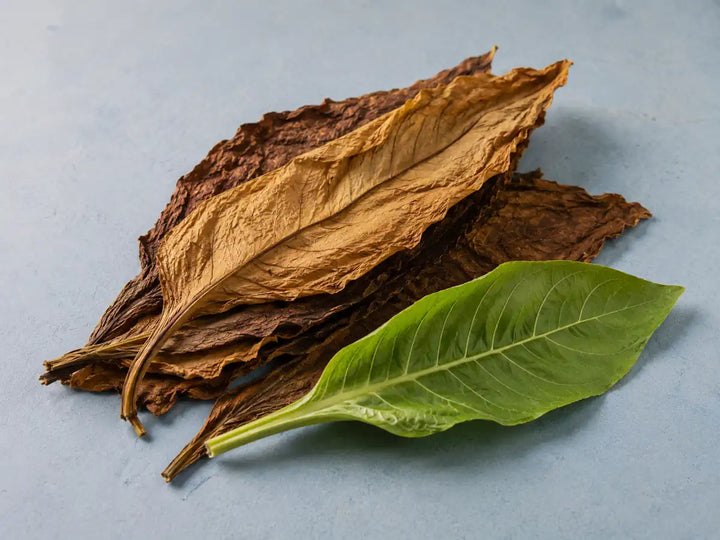
Tobacco in perfume usually smells warm, dry and slightly sweet, with honeyed, hay like, earthy, woody or smoky sides. It normally represents cured tobacco leaves rather than the...
Explore TobaccoThese fragrances reveal Cumin through the central body of the scent.

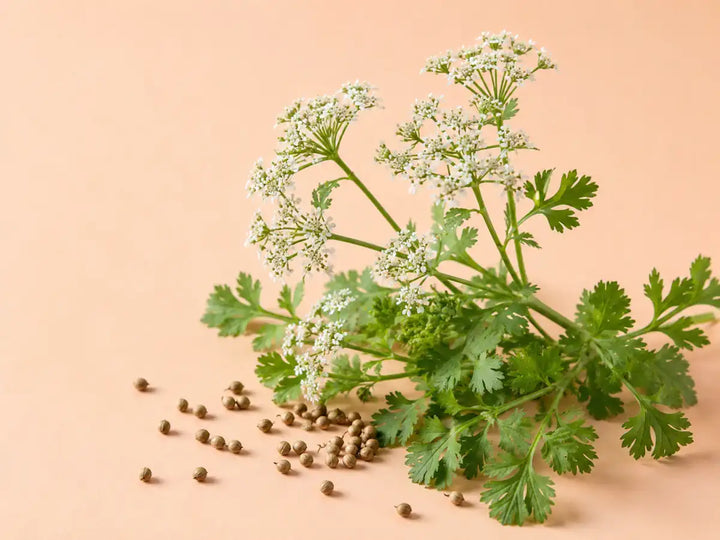
Coriander in perfume usually smells aromatic, spicy and lightly citrusy, with floral, peppery, woody and softly sweet sides. The perfume material normally associated with this character comes from...
Explore Coriander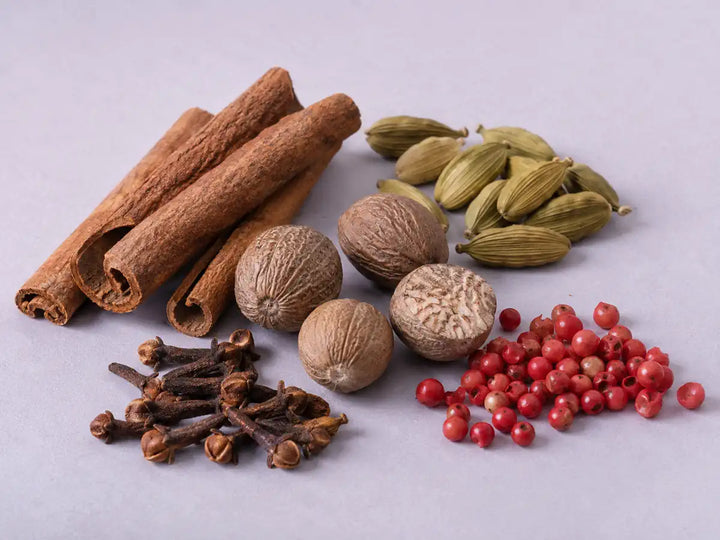
Spices in perfume can smell warm, dry, sweet, peppery, fresh or aromatic. The term does not describe one ingredient because cinnamon, cardamom, clove, nutmeg and pepper all smell...
Explore Spices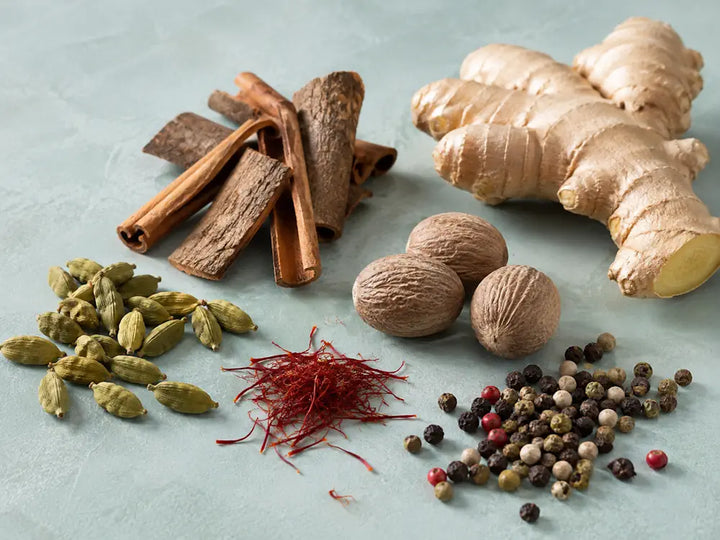
A spicy accord can smell warm and sweet, dry and peppery, fresh and aromatic, or earthy and leathery. Cinnamon and nutmeg generally push the accord towards warmth, cardamom...
Explore Spicy