
Fragrance note
Absinthe
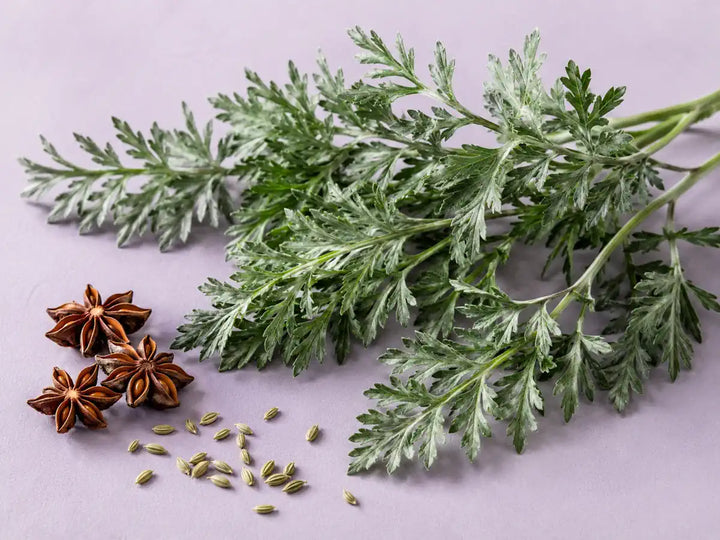
Absinthe in perfume usually smells bitter, green and herbal, with anise-like, liquorice, camphoraceous and slightly medicinal sides. It can feel sharp and cool rather than sweet. The note...
Explore AbsintheCart
Your cart is empty
Fragrance note guide
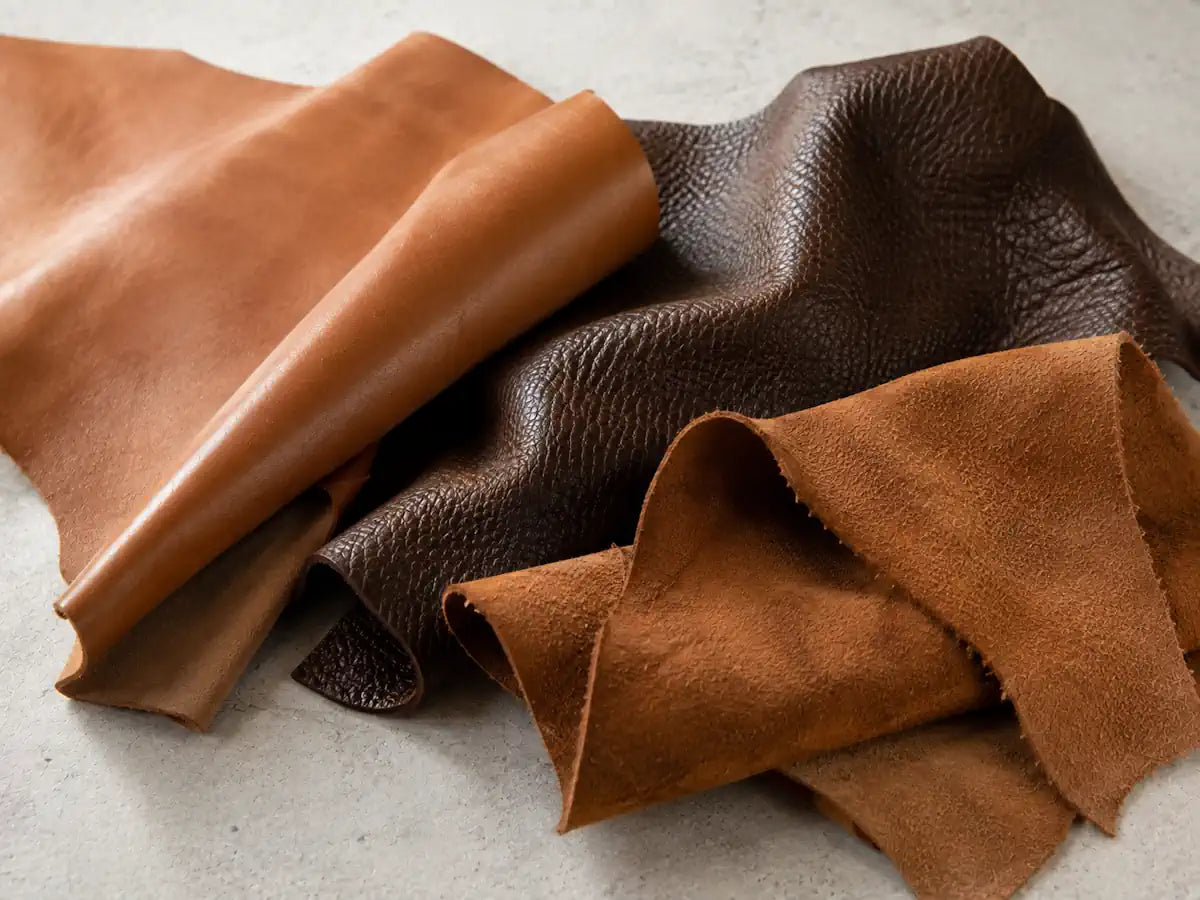
Leather in perfume usually smells dry, warm and slightly smoky, with woody, animalic, tarry or soft suede like sides. It does not normally come from untreated animal hide or from extracting the smell of a finished leather product. Instead, perfumers build leather accords from several fragrance materials. These accords can suggest polished leather, worn jackets, new shoes or smooth suede, ranging from dark and powerful to soft, powdery and refined.
Absinthe in perfume usually smells bitter, green and herbal, with anise-like, liquorice, camphoraceous and slightly medicinal sides. It can feel sharp and cool rather than sweet. The note...
Explore Absinthe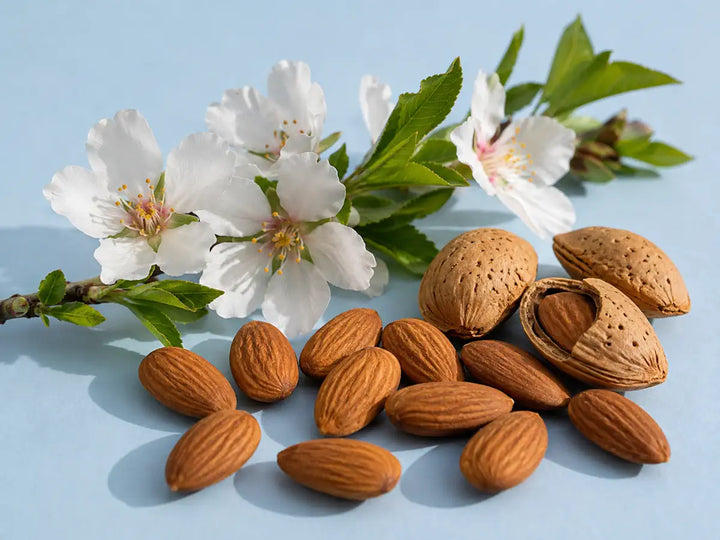
Almond in perfume usually smells sweet, nutty and slightly creamy, with a marzipan-like character. It can also have bitter, powdery or cherry-like sides, especially when the accord is...
Explore Almond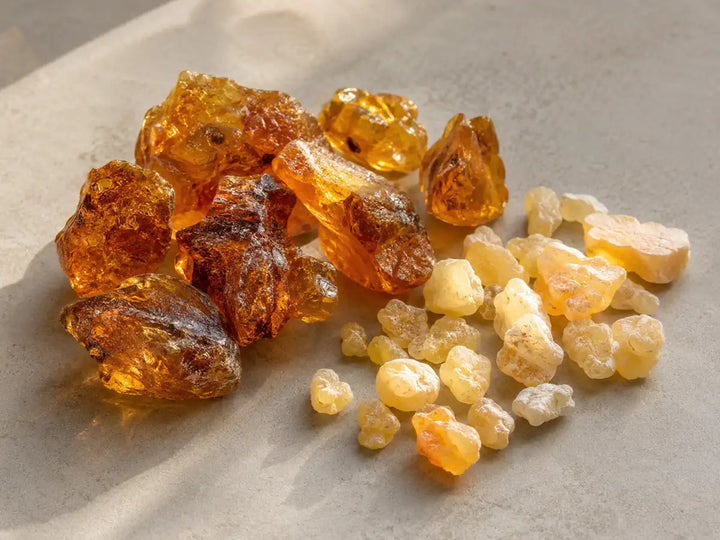
Amber in perfume usually smells warm, sweet and resinous, with soft vanilla, balsamic, powdery or slightly smoky sides. It is not normally taken from fossilised amber. In perfumery,...
Explore Amber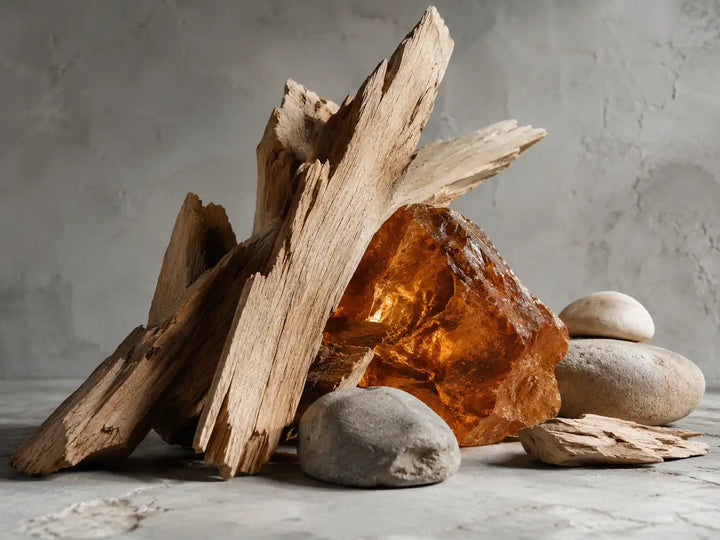
Amberwood in perfume usually smells dry, warm and strongly woody, with ambery, cedar-like, mineral and sometimes musky sides. It is generally sharper and drier than a sweet traditional...
Explore Amberwood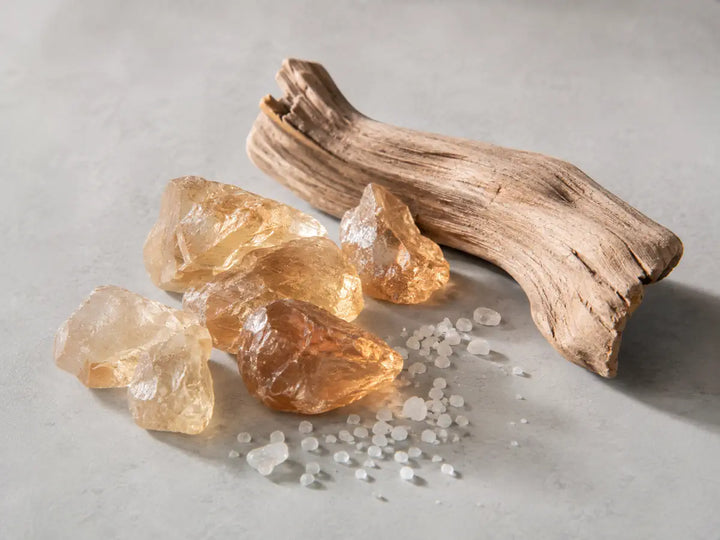
Ambroxan in perfume usually smells dry, warm and ambery, with woody, musky, mineral and sometimes slightly salty sides. It can feel clean and smooth rather than sweet, even...
Explore Ambroxan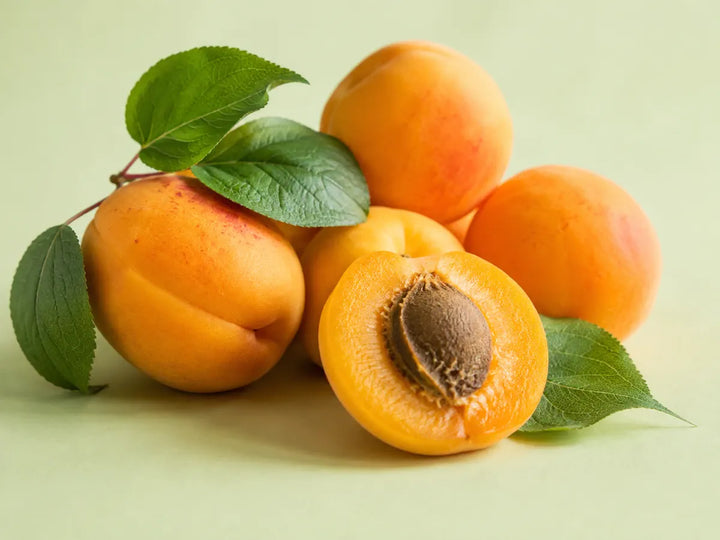
Apricot in perfume usually smells soft, fruity and velvety, with sweet, tart, creamy and sometimes lightly leathery sides. It is generally less juicy than peach and can feel...
Explore Apricot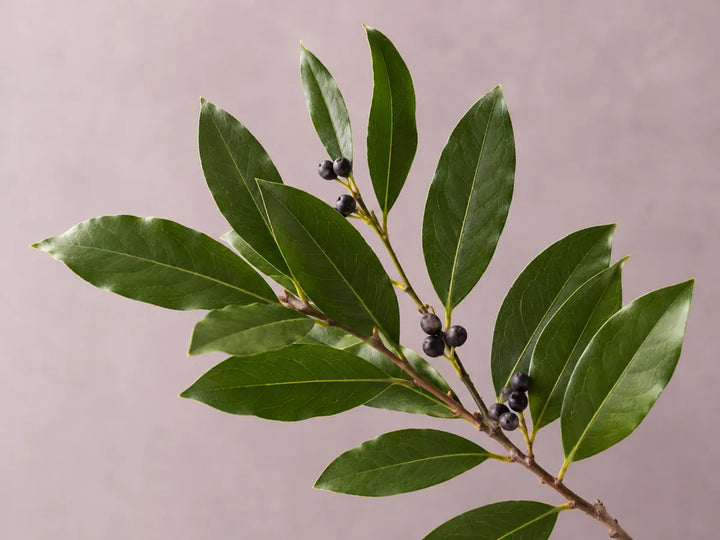
Bay leaf in perfume usually smells green, herbal and spicy, with eucalyptus-like, woody and slightly medicinal sides. It is drier and more aromatic than many soft leafy notes....
Explore Bay Leaf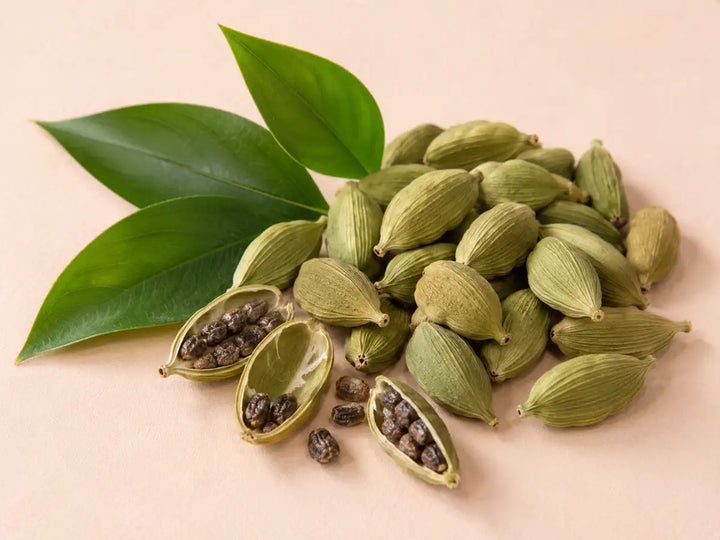
Cardamom in perfume usually smells fresh, green and spicy, with citrusy, aromatic, woody and slightly cooling sides. It is lighter and fresher than many warm spices, so it...
Explore Cardamom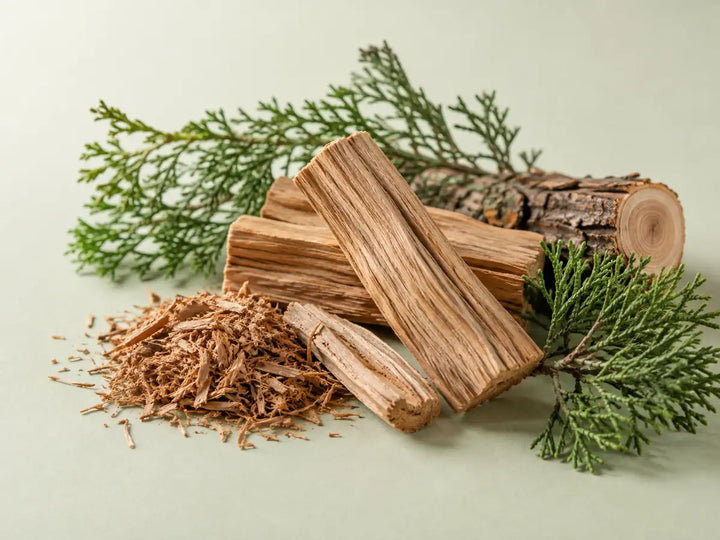
Cedarwood in perfume usually smells dry, warm and woody, with resinous, slightly smoky or pencil like sides. Some cedarwood notes feel smooth and creamy, while others are sharper...
Explore Cedarwood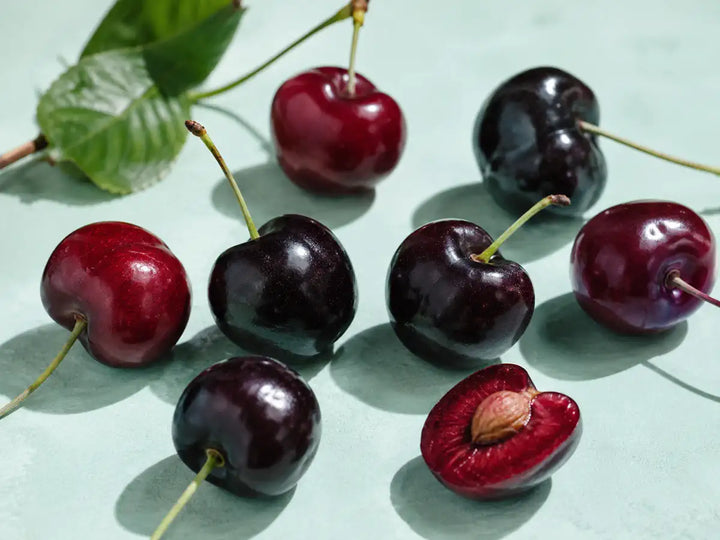
Cherry in perfume usually smells juicy, sweet and fruity, with tart, almond-like and sometimes liqueur-like sides. A bright cherry note can feel fresh and playful, while black cherry...
Explore Cherry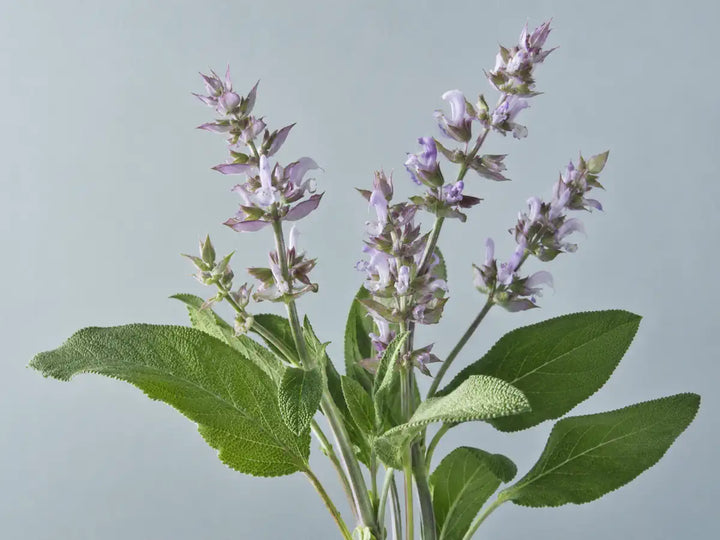
Clary sage in perfume usually smells herbal, aromatic and floral, with lavender-like, hay, tea, amber and softly tobacco-like sides. It is smoother and warmer than ordinary culinary sage....
Explore Clary Sage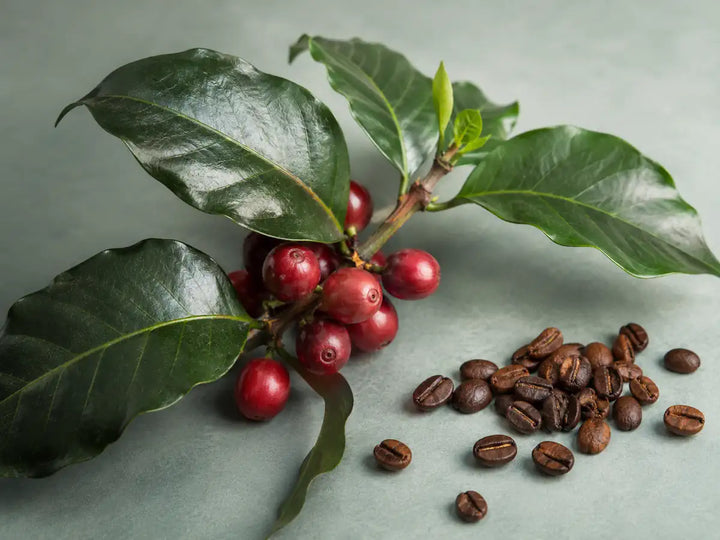
Coffee in perfume usually smells warm, roasted and dark, with bitter, nutty, earthy and chocolate-like sides. Some coffee notes suggest freshly ground beans or strong espresso, while others...
Explore Coffee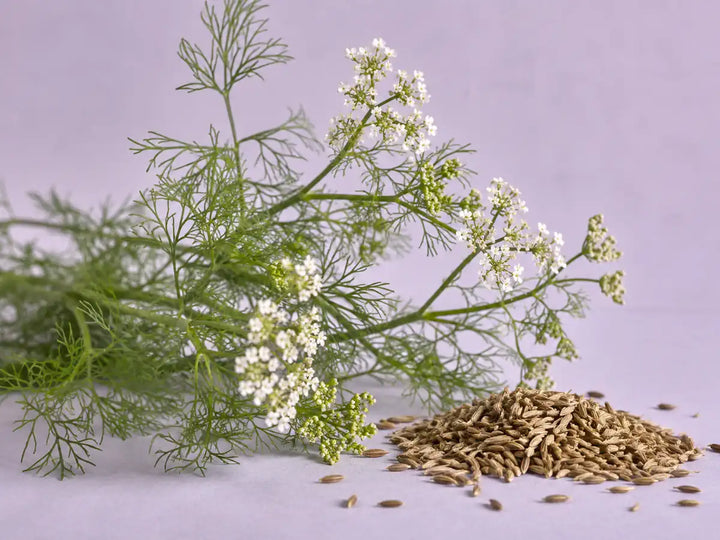
Cumin in perfume usually smells warm, dry and spicy, with earthy, herbal and softly animalic sides. In small amounts, it can add realistic warmth and depth without smelling...
Explore Cumin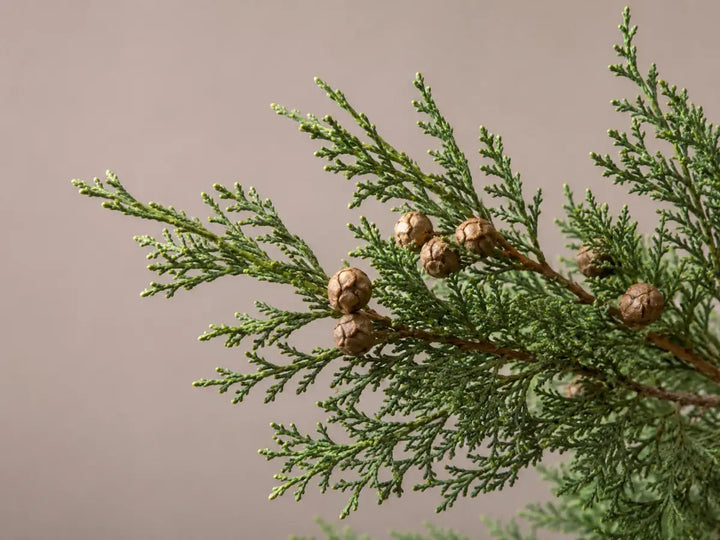
Cypress leaf in perfume usually smells green, aromatic and woody, with pine-like, peppery and resinous sides. It feels drier and more structured than a soft leafy note. Some...
Explore Cypress Leaf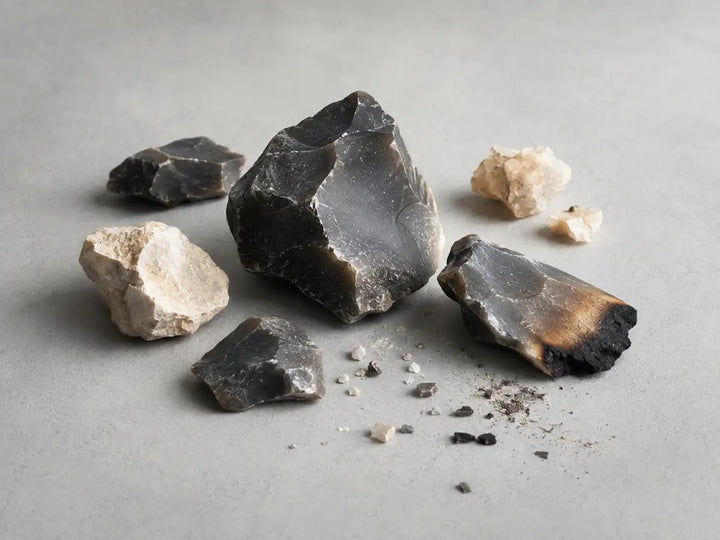
Flint in perfume usually smells dry, mineral and smoky, with metallic, stony and slightly earthy sides. It does not come from extracting scent from pieces of flint. It...
Explore Flint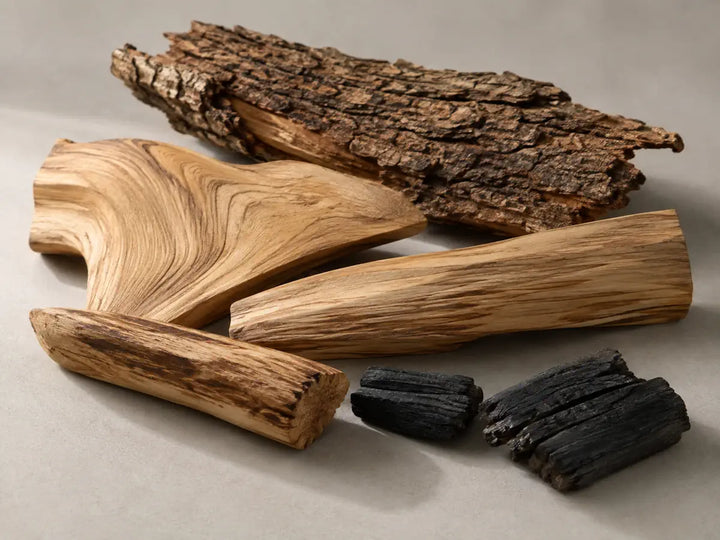
Guaiac wood in perfume usually smells smoky, warm and woody, with balsamic, rosy, tea-like and softly creamy sides. Its smoke is generally smoother and less tarry than birch....
Explore Guaiac Wood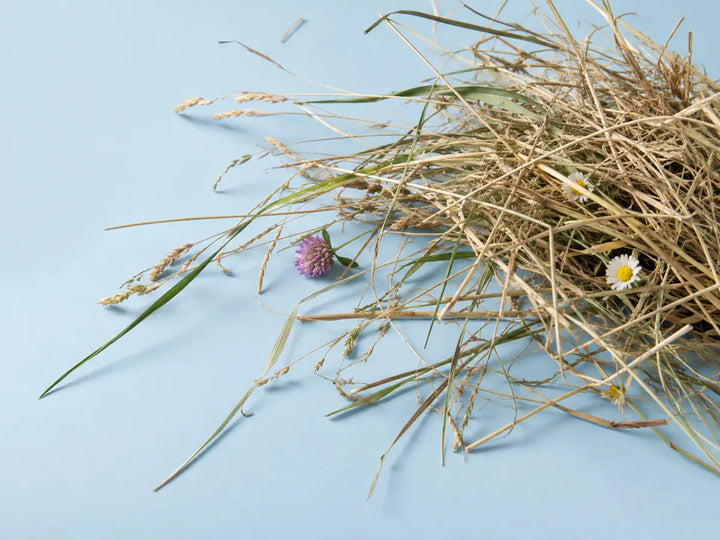
Hay in perfume usually smells dry, warm and softly sweet, with grassy, tobacco-like, honeyed and dried-fruit sides. It suggests sun-dried grass rather than freshly cut green lawn. Some...
Explore Hay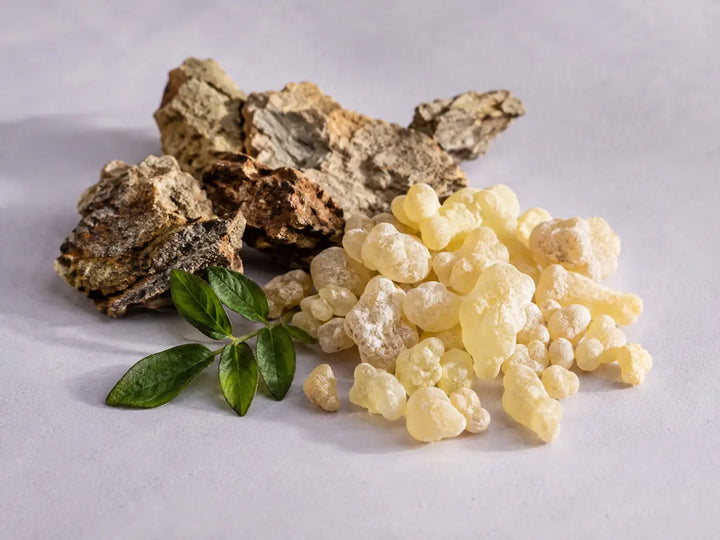
Incense in perfume usually smells resinous, smoky and woody, with warm amber, dry spice and sometimes fresh citrus or mineral sides. It does not always smell like thick...
Explore Incense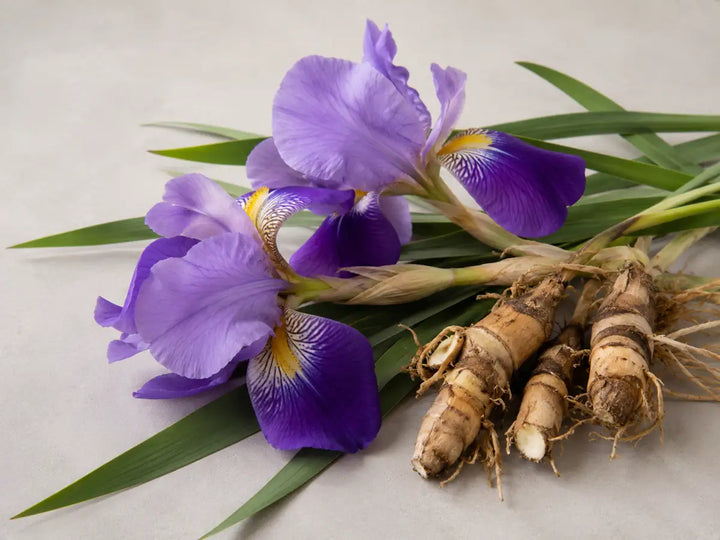
Iris in perfume usually smells powdery, soft and floral, with woody, earthy, violet-like and sometimes buttery sides. The perfume material does not normally come from the fresh iris...
Explore Iris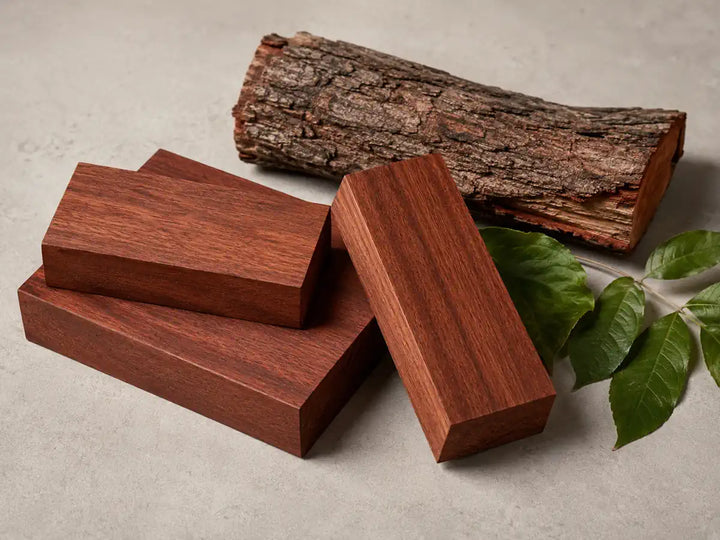
Mahogany in perfume usually smells dark, warm and woody, with polished, dry, slightly smoky and ambery sides. It is not normally an oil extracted from furniture timber. Instead,...
Explore Mahogany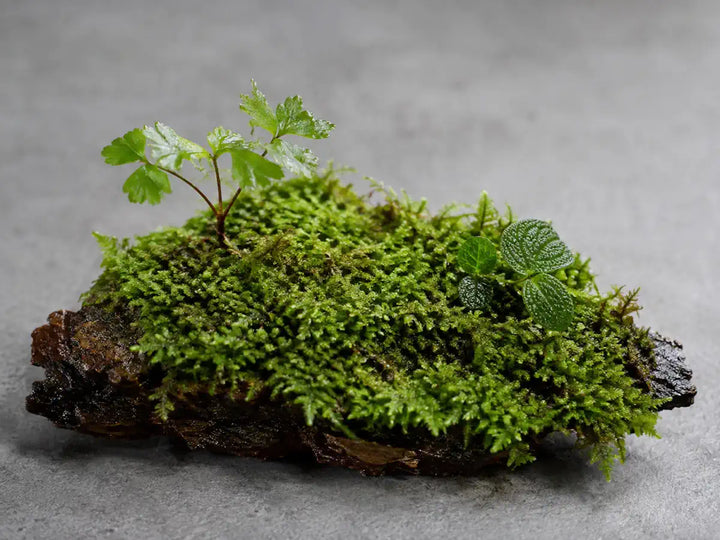
Moss in perfume usually smells earthy, damp and green, with forest-floor, woody, resinous and slightly smoky sides. It is a broad description rather than one precise material. A...
Explore Moss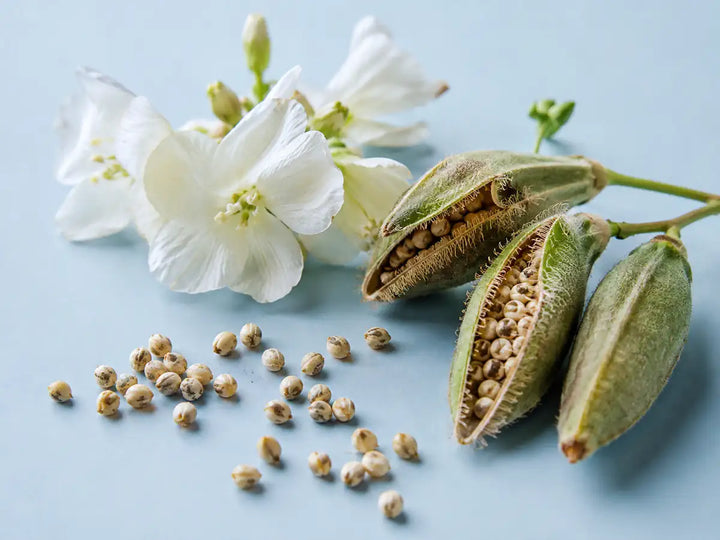
Musk in perfume can smell soft, warm, clean and slightly powdery, often with a smooth quality that is compared with fresh skin or clean fabric. Some musk notes...
Explore Musk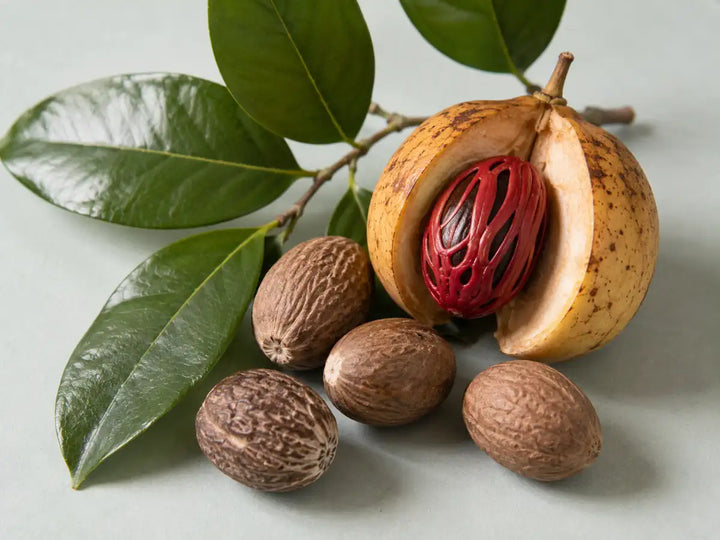
Nutmeg in perfume usually smells warm, dry and gently spicy, with woody, aromatic, sweet and slightly earthy sides. It is generally softer and rounder than black pepper and...
Explore Nutmeg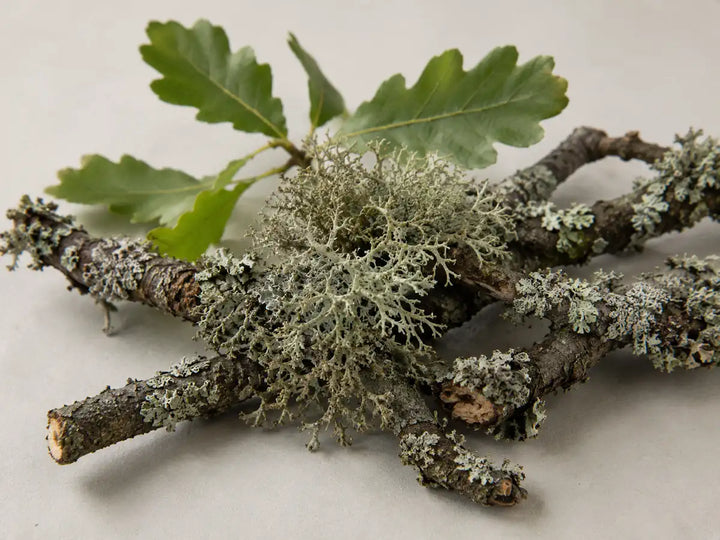
Oakmoss in perfume usually smells earthy, green and woody, with damp, mossy, slightly salty, leathery or forest like sides. It can create the impression of shaded woodland, wet...
Explore Oakmoss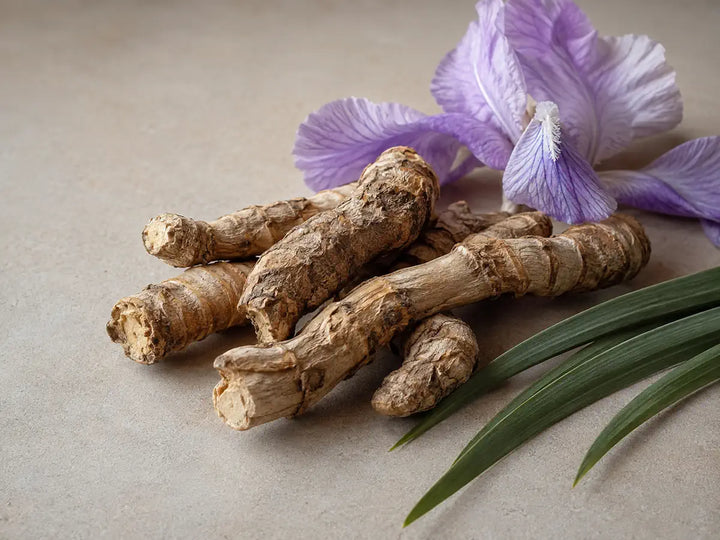
Orris in perfume usually smells powdery, floral and woody, with violet, buttery, earthy and velvety sides. It comes from iris rhizomes rather than the fresh iris flower. Natural...
Explore Orris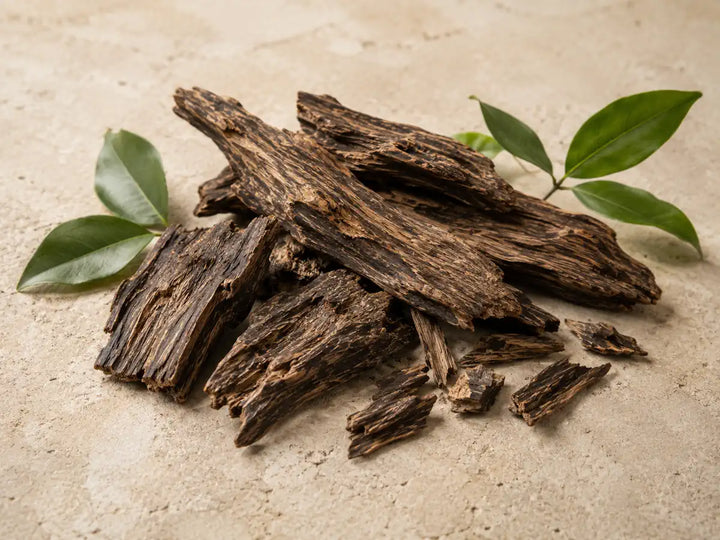
Oud in perfume usually smells dark, woody and resinous, with smoky, leathery, sweet or animalic sides. Some oud notes feel dry and medicinal, while others are smooth, warm...
Explore Oud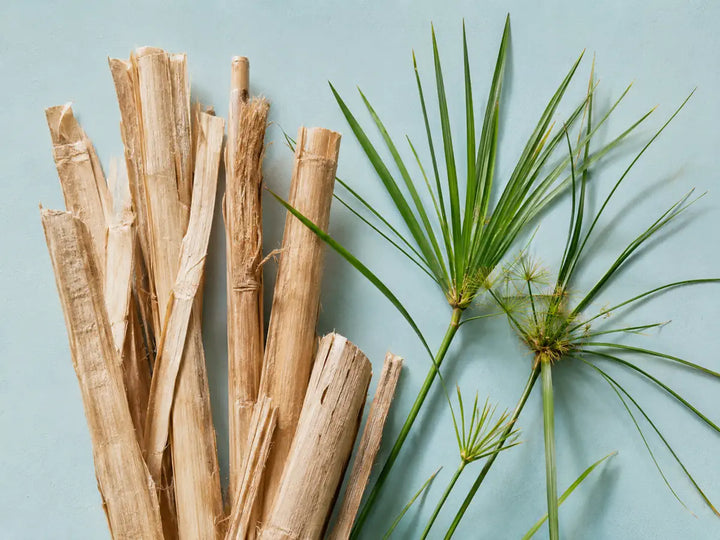
Papyrus in perfume usually smells dry, woody and earthy, with smoky, fibrous, green and slightly leathery sides. It is designed to suggest dried reeds, paper-like fibres and warm...
Explore Papyrus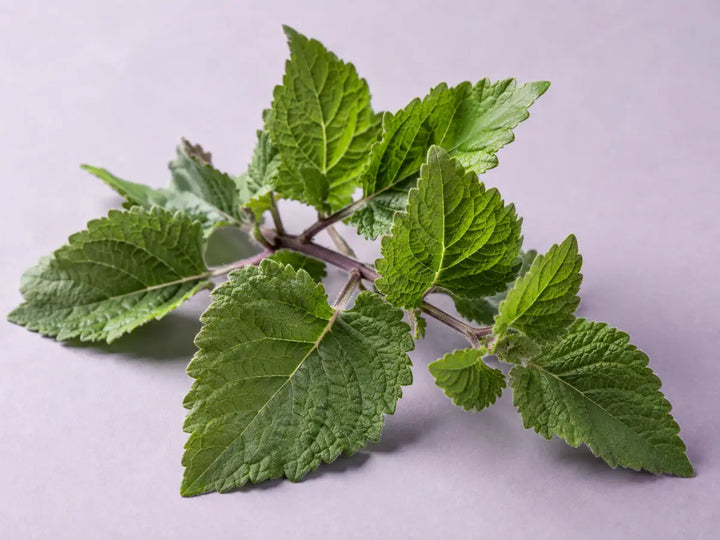
Patchouli in perfume usually smells earthy, woody and deep, with herbal, slightly sweet and sometimes camphor like sides. It can feel dark and damp in one fragrance but...
Explore Patchouli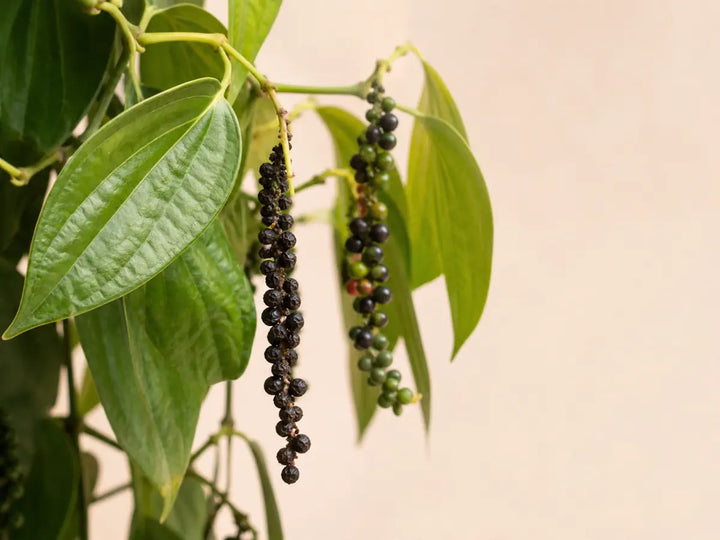
Pepper in perfume usually smells dry, fresh and spicy, with aromatic, citrus-like and woody sides. It can create a lively tingling sensation without necessarily smelling hot like food....
Explore Pepper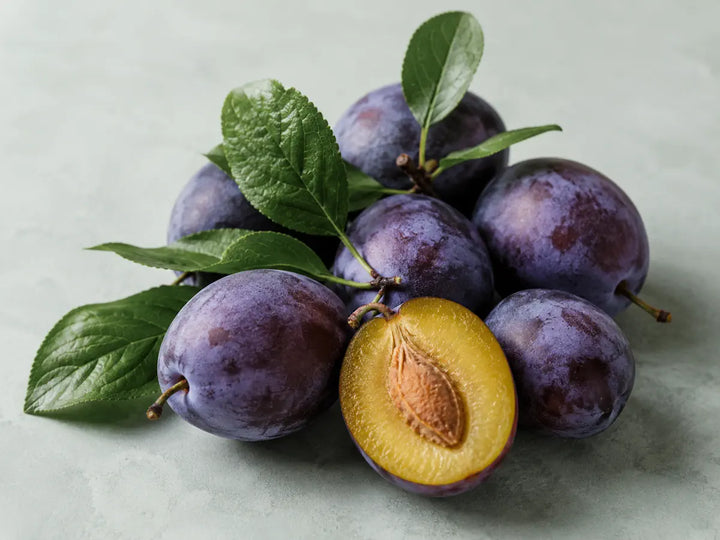
Plum in perfume usually smells rich, juicy and darkly fruity, with sweet, jammy, wine-like or slightly spicy sides. Some plum notes feel fresh and tart, while others are...
Explore Plum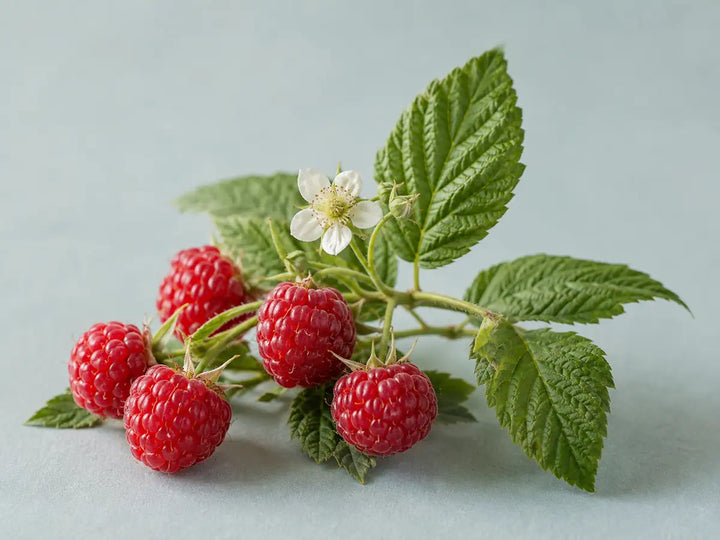
Raspberry in perfume usually smells juicy, sweet and tart, with red-berry, green, floral and slightly jammy sides. It can range from a fresh sharp berry to a darker...
Explore Raspberry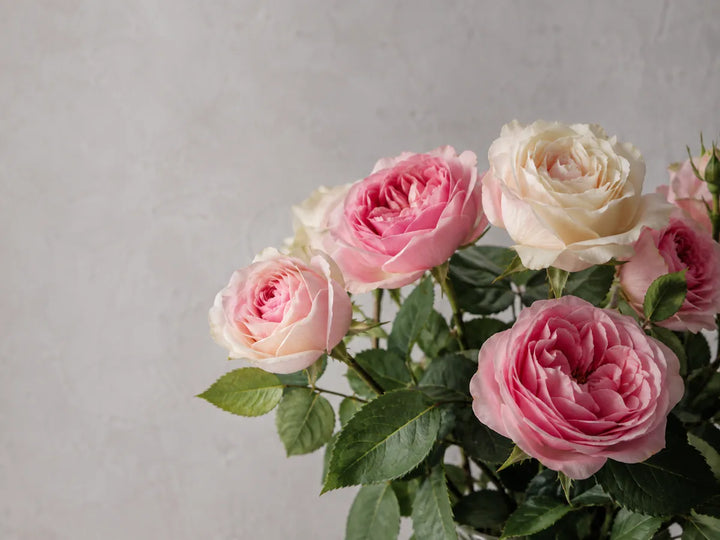
Rose in perfume usually smells floral, fresh and softly sweet, but it can also have green, fruity, honeyed or spicy sides. Some rose notes feel light and dewy,...
Explore Rose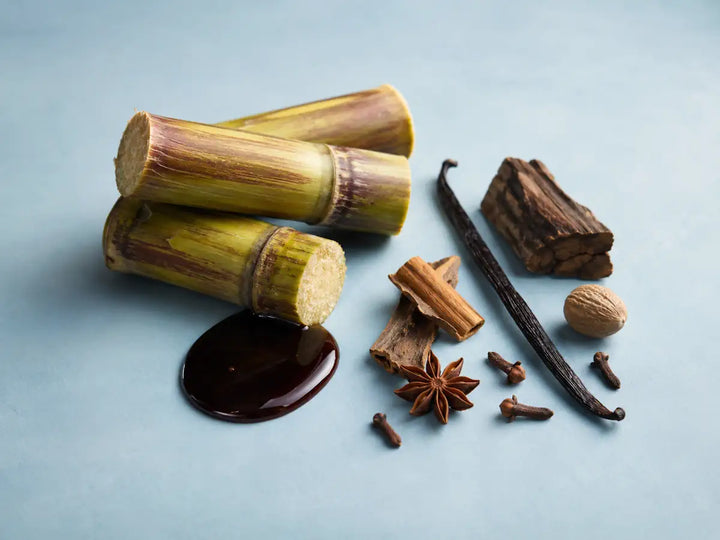
Rum in perfume usually smells warm, sweet and alcoholic, with molasses, oak, vanilla, fruity and spicy sides. A rum accord can suggest dark aged spirit, golden rum or...
Explore Rum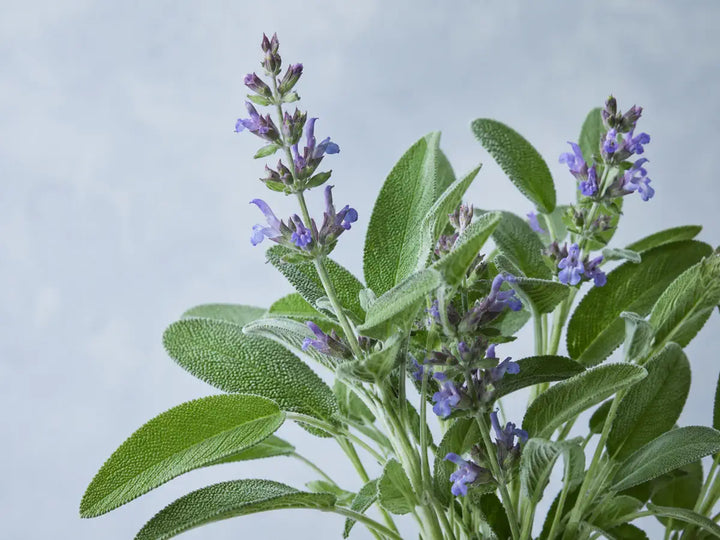
Sage in perfume usually smells dry, herbal and aromatic, with camphoraceous, eucalyptus-like, earthy and lightly woody sides. It is generally sharper and more medicinal than clary sage, which...
Explore Sage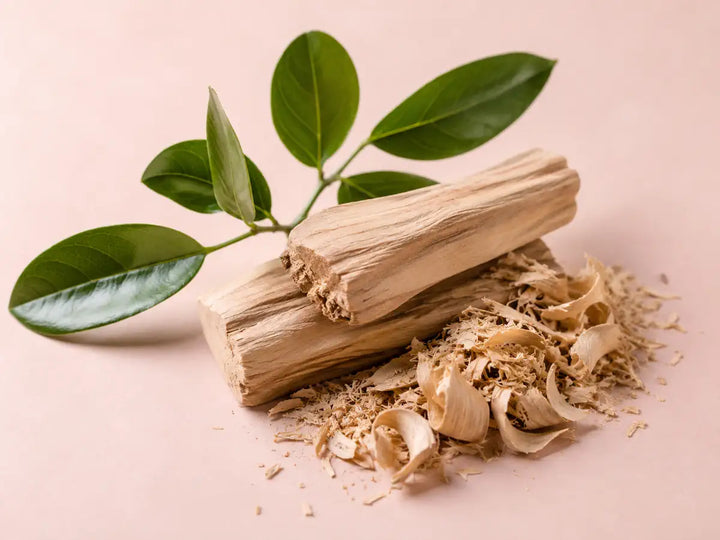
Sandalwood in perfume usually smells warm, creamy and softly woody. It can also have milky, balsamic, powdery or lightly spicy sides. Unlike sharper woods, sandalwood often feels smooth...
Explore Sandalwood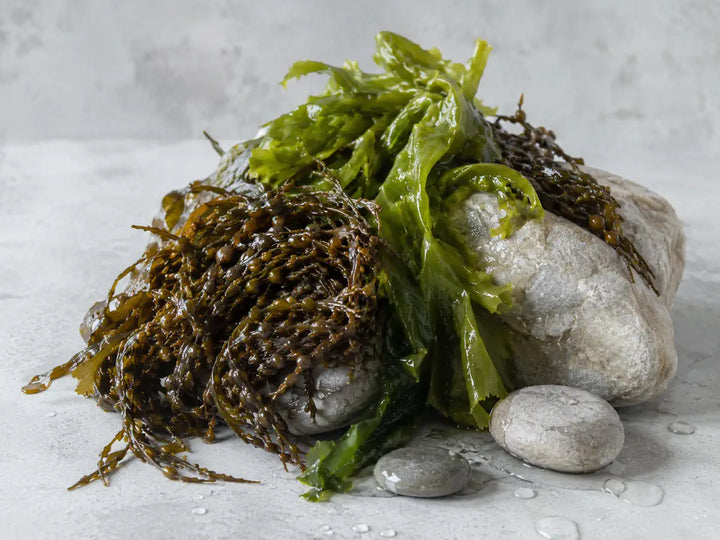
Seaweed in perfume usually smells salty, green and marine, with iodine-like, mineral, earthy and slightly animalic sides. It is darker and more organic than a clean watery marine...
Explore Seaweed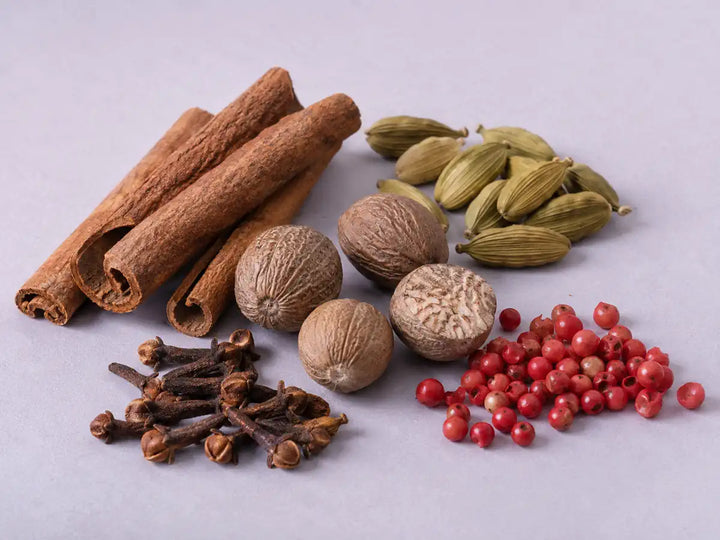
Spices in perfume can smell warm, dry, sweet, peppery, fresh or aromatic. The term does not describe one ingredient because cinnamon, cardamom, clove, nutmeg and pepper all smell...
Explore Spices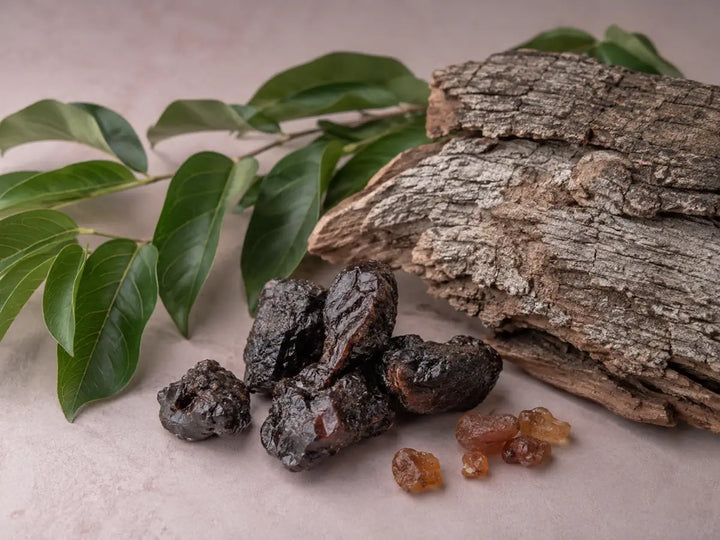
Styrax in perfume usually smells balsamic, smoky and sweet, with leather, vanilla, resinous and slightly animalic sides. It is darker and smokier than benzoin and can resemble warm...
Explore Styrax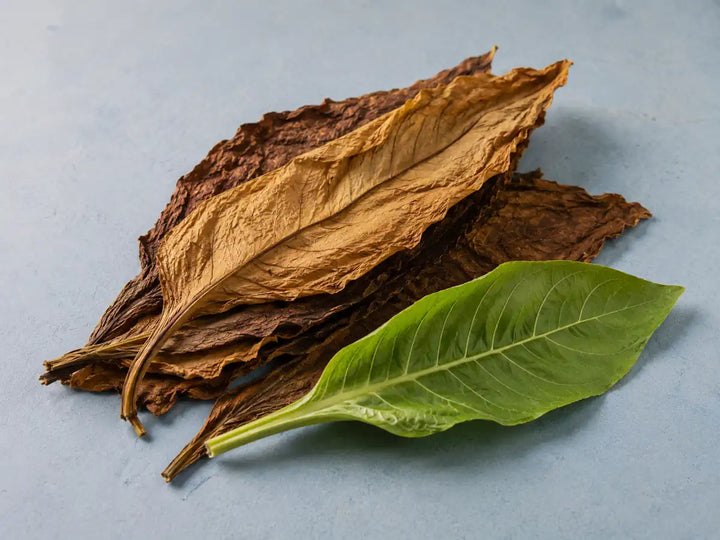
Tobacco in perfume usually smells warm, dry and slightly sweet, with honeyed, hay like, earthy, woody or smoky sides. It normally represents cured tobacco leaves rather than the...
Explore Tobacco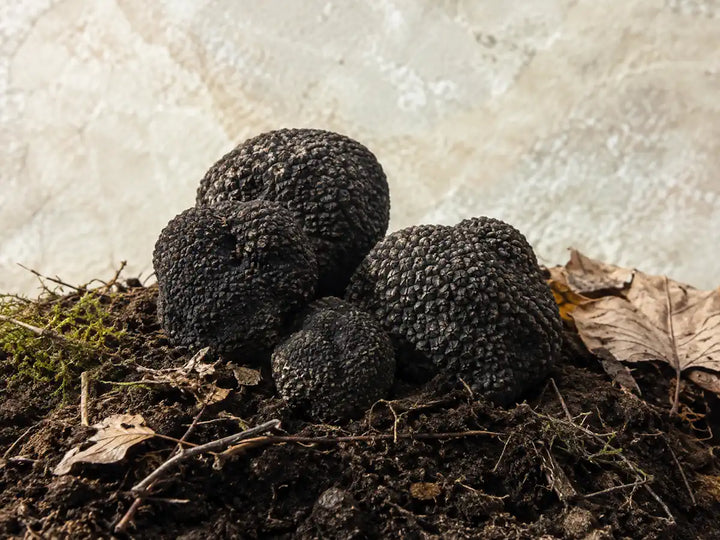
Truffle in perfume usually smells earthy, dark and mushroom-like, with damp, musky, woody and slightly animalic sides. Some truffle accords feel rich and luxurious, while others are sharper,...
Explore Truffle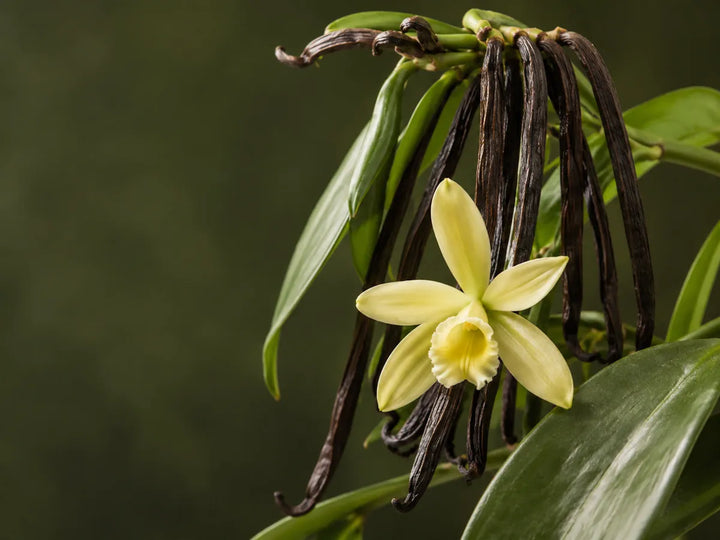
Vanilla in perfume usually smells sweet, warm and creamy. It can also have soft woody, powdery or spicy sides, depending on the material used and the notes around...
Explore Vanilla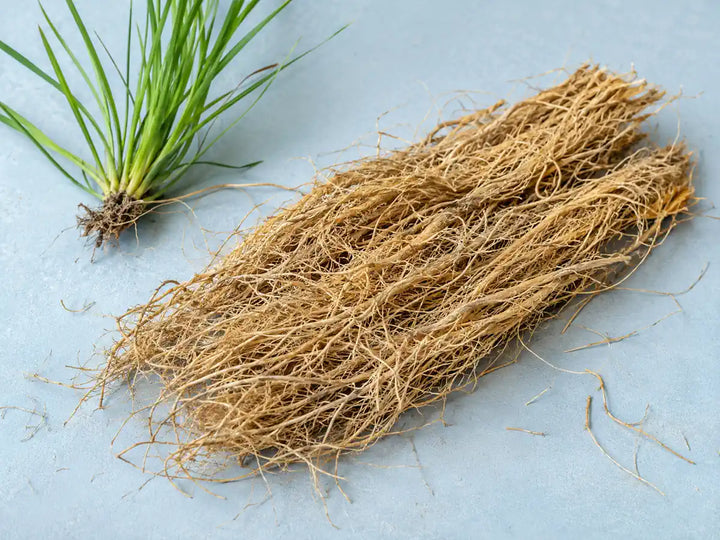
Vetiver in perfume usually smells earthy, woody and dry, with smoky, green, grassy or slightly bitter sides. Some vetiver notes feel dark, rooty and rugged, while others are...
Explore Vetiver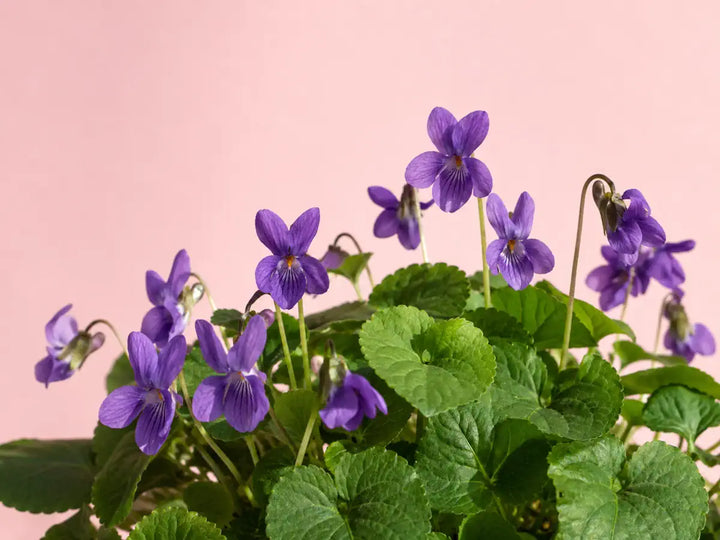
Violet in perfume usually smells soft, powdery and floral, with gentle sweetness and a slightly woody finish. Some violet notes feel like delicate petals or soft face powder,...
Explore Violet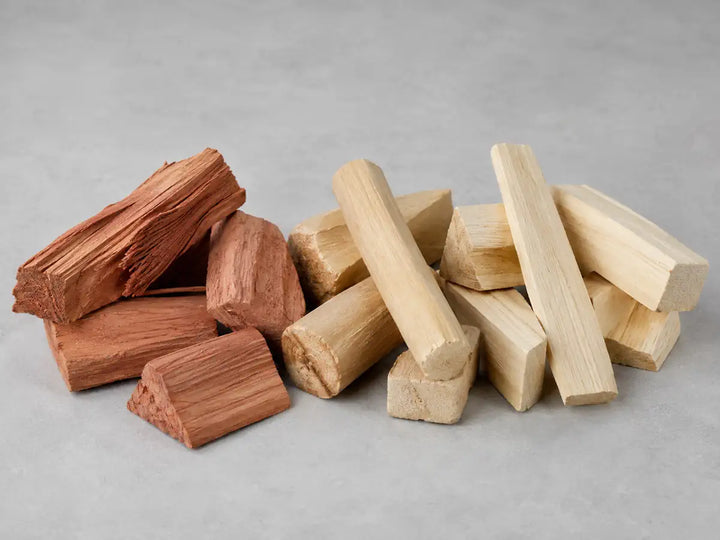
Woody notes in perfume can smell dry, warm, earthy, smoky, creamy or resinous. They do not describe one single ingredient because different woods and woody materials have very...
Explore Woody NotesThese fragrances reveal Leather through the central body of the scent.


These fragrances use Leather in the lasting foundation of the scent.


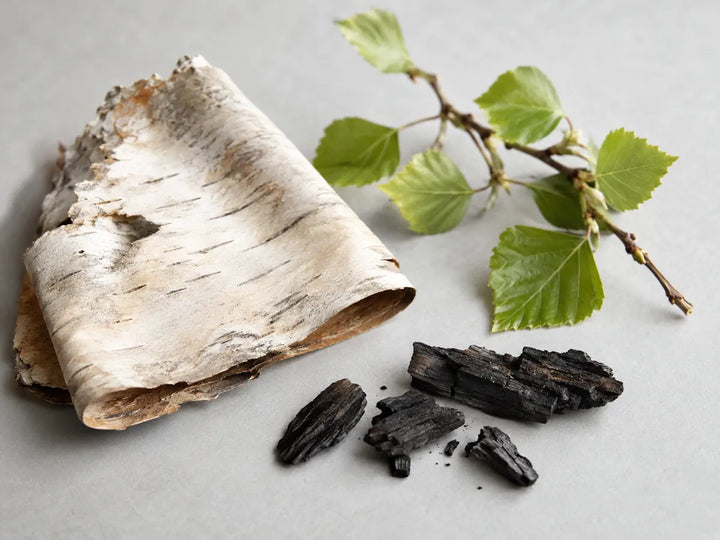
Birch in perfume usually smells smoky, dry and leathery, with tarry, burnt, woody and slightly medicinal sides. The familiar perfume note normally refers to a birch-tar effect rather...
Explore Birch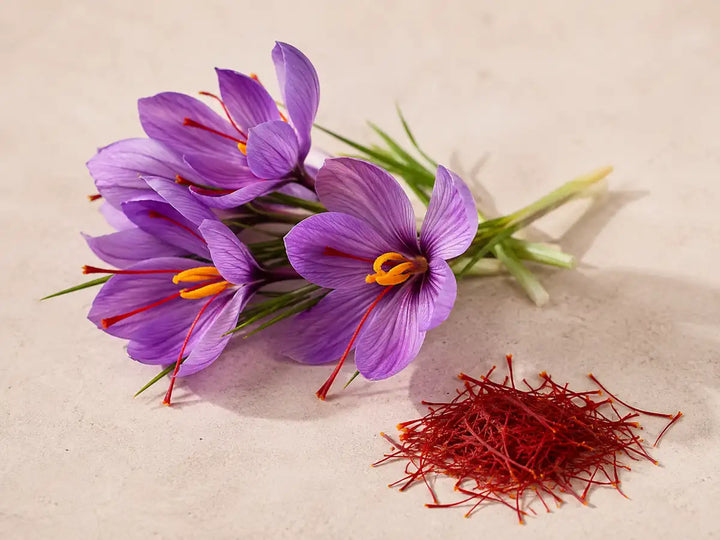
Saffron in perfume usually smells dry, warm and spicy, with leathery, hay-like, honeyed and sometimes slightly metallic sides. It is not normally sweet in the same way as...
Explore Saffron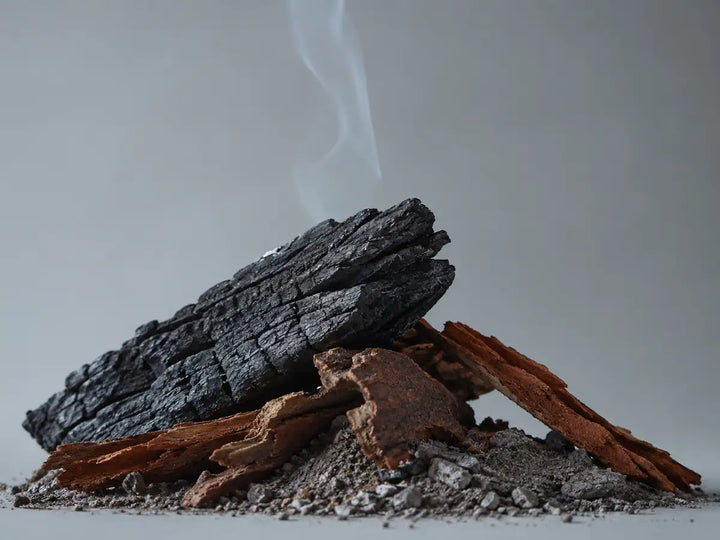
Smoke in perfume usually smells dry, dark and charred, with woody, ashy, leathery and incense-like sides. It is a constructed effect rather than smoke trapped inside a bottle....
Explore Smoke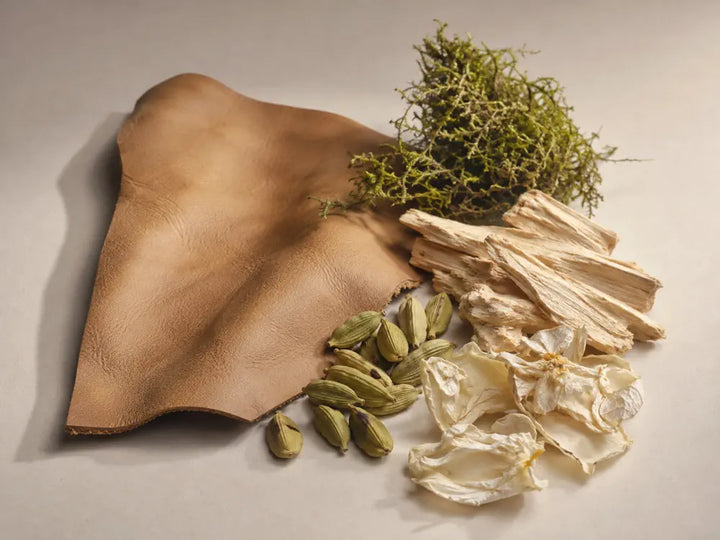
A leather accord usually smells dry, smooth and slightly smoky, but its character can vary widely. Some versions resemble clean suede, while others feel darker, woody, earthy or...
Explore Leather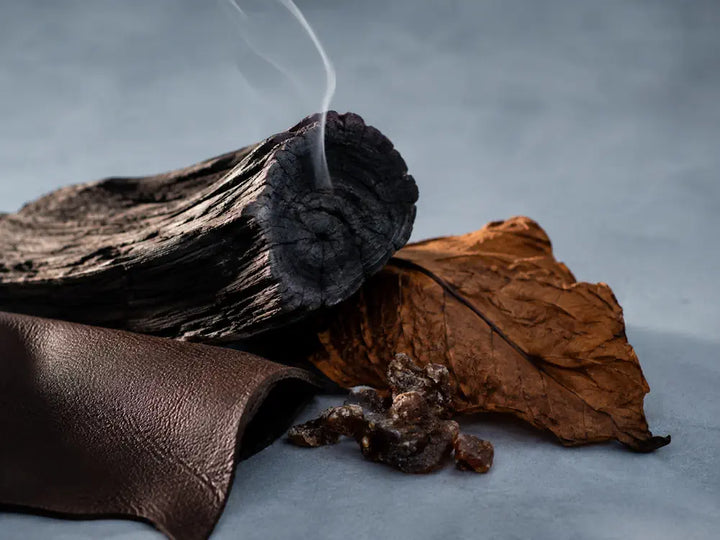
A smoky accord can smell like dry wood smoke, glowing embers, incense, burnt leaves, tobacco or lightly charred materials. Some versions are dark and tar-like, while others are...
Explore Smoky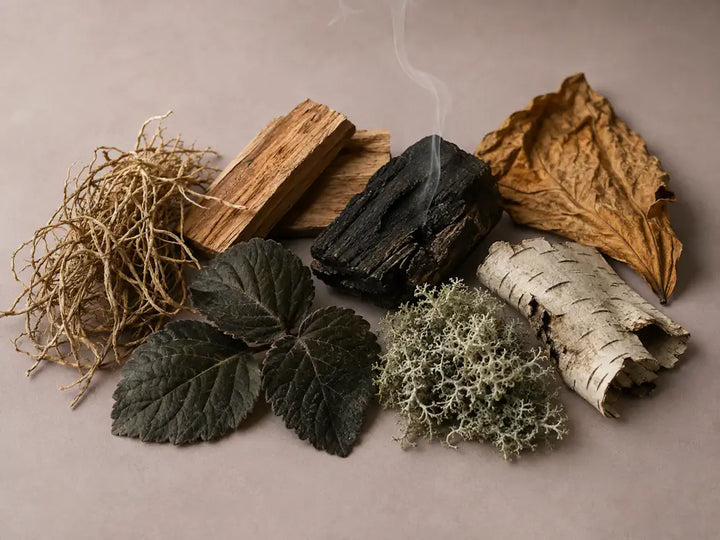
Woody & Smoky fragrances usually smell dry, earthy or woody, often with touches of smoke, leather or tobacco. Cedarwood can give a clear, dry structure, while vetiver and...
Explore Woody & Smoky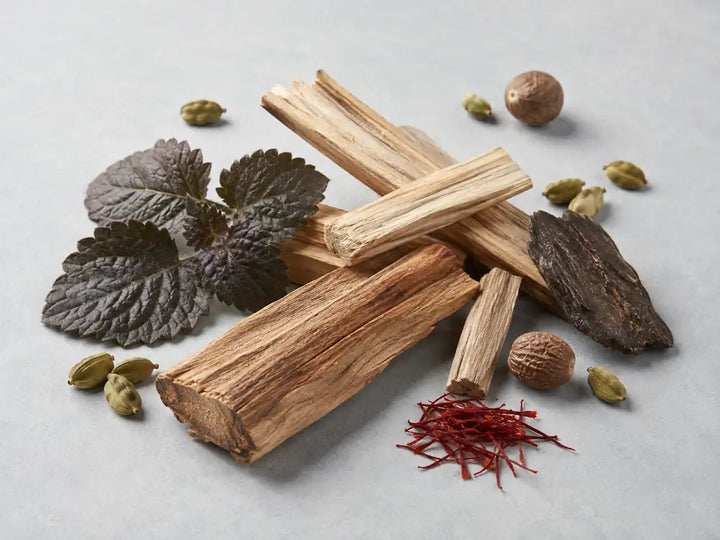
Spicy & Woody fragrances generally smell warm, dry and structured, with noticeable spice layered over woods or deeper earthy materials. Nutmeg can bring dry warmth, while cardamom often...
Explore Spicy & Woody