
Fragrance note
Amber
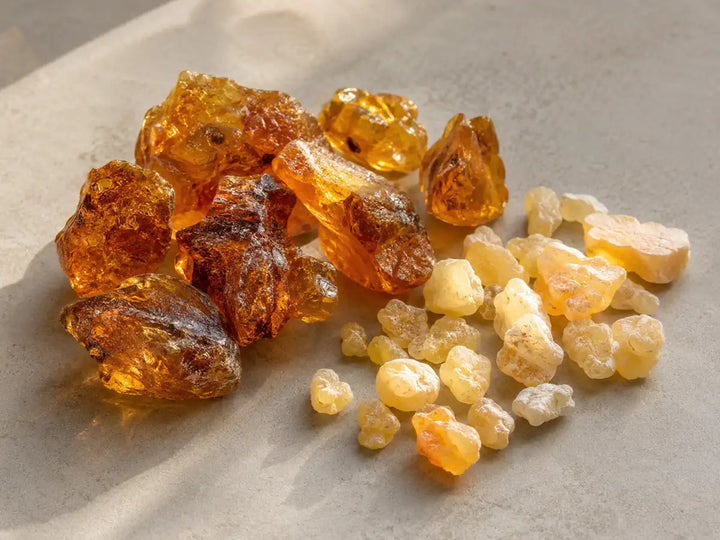
Amber in perfume usually smells warm, sweet and resinous, with soft vanilla, balsamic, powdery or slightly smoky sides. It is not normally taken from fossilised amber. In perfumery,...
Explore AmberCart
Your cart is empty
Fragrance note guide
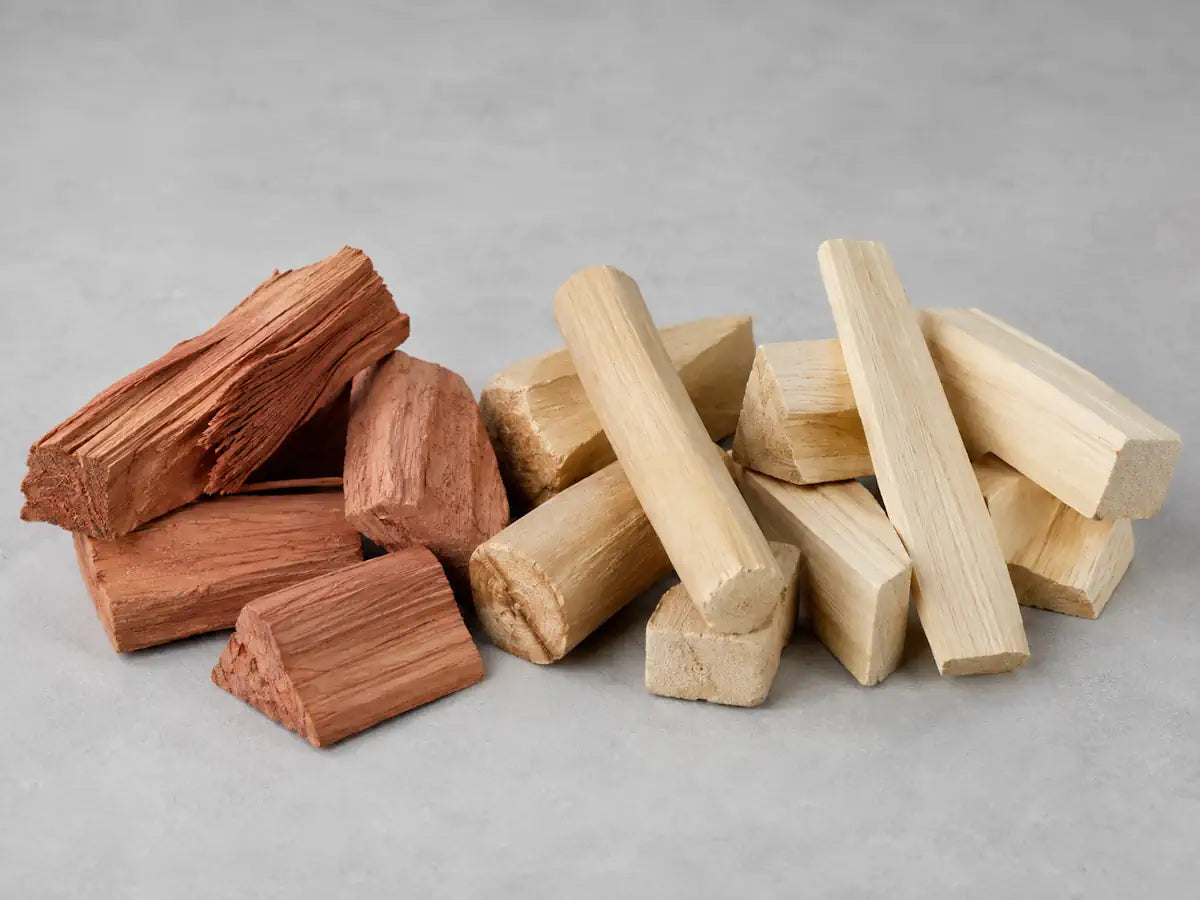
Woody notes in perfume can smell dry, warm, earthy, smoky, creamy or resinous. They do not describe one single ingredient because different woods and woody materials have very different characters. Cedarwood may feel dry and pencil-like, sandalwood can smell smooth and creamy, and vetiver may add earthy or smoky depth. Woody notes are normally used in the heart or base to give a fragrance structure and a lasting foundation.
Amber in perfume usually smells warm, sweet and resinous, with soft vanilla, balsamic, powdery or slightly smoky sides. It is not normally taken from fossilised amber. In perfumery,...
Explore Amber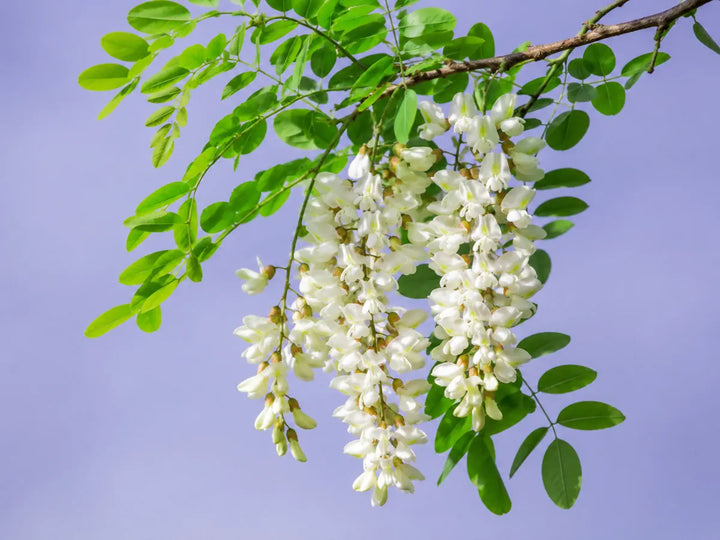
Black locust in perfume usually smells sweet, floral and honeyed, with green, powdery and softly orange-blossom-like sides. The effect can suggest clusters of white spring flowers and light...
Explore Black Locust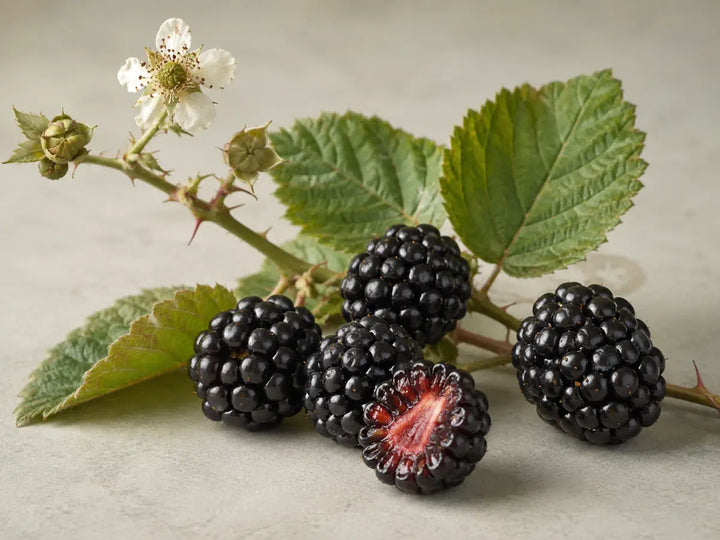
Blackberry in perfume usually smells dark, juicy and tart, with sweet, green, wine-like and softly woody sides. It is generally deeper and less sharp than blackcurrant. Some blackberry...
Explore Blackberry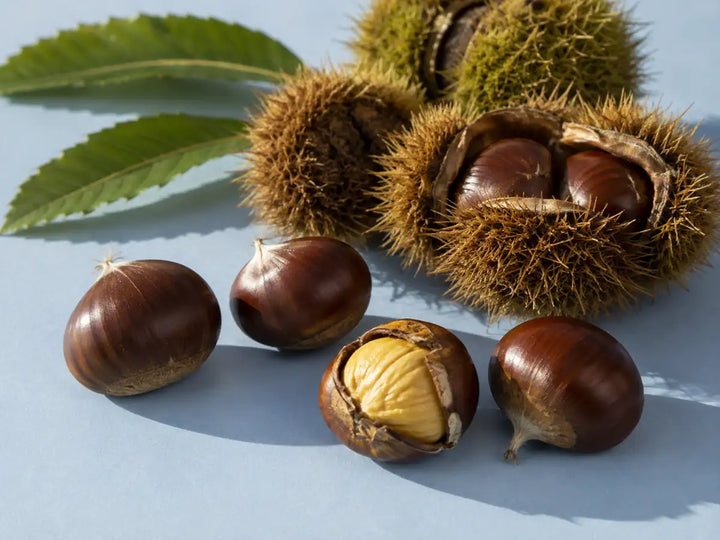
Chestnut in perfume usually smells warm, nutty and softly sweet, with roasted, creamy, woody and slightly earthy sides. It can suggest freshly roasted chestnuts, soft nut flesh or...
Explore Chestnut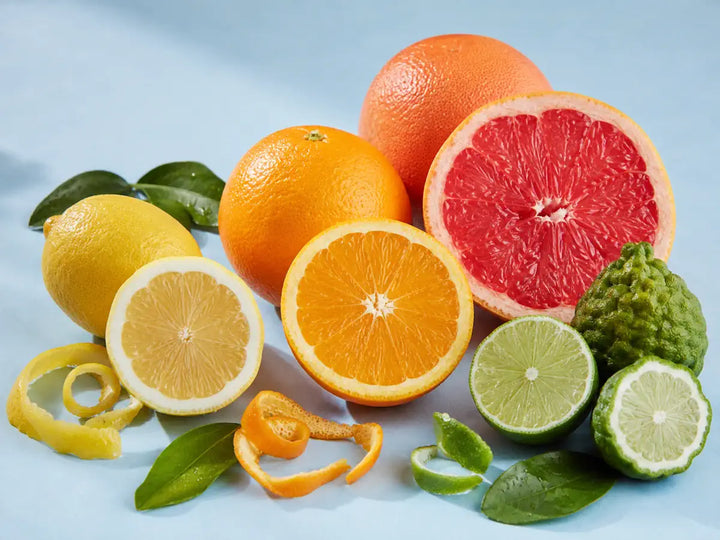
Citrus in perfume usually smells bright, fresh and zesty, with juicy, bitter, green and peel-like sides. The term does not describe one fruit because lemon, bergamot, orange, mandarin,...
Explore Citrus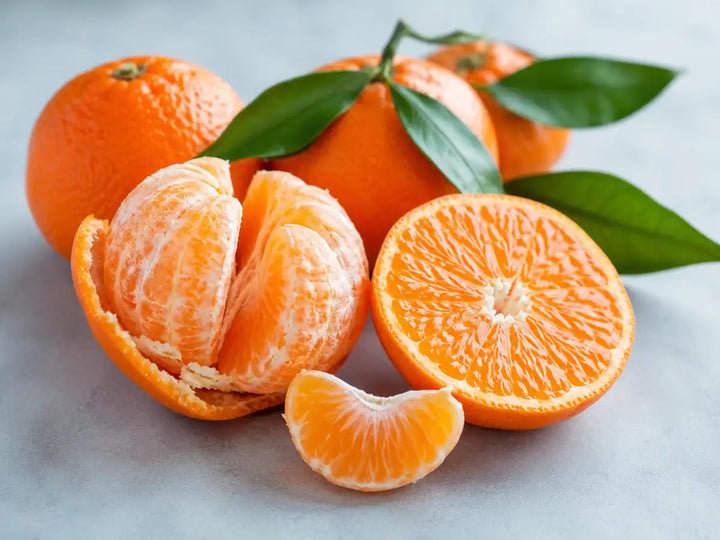
Clementine in perfume usually smells sweet, juicy and zesty, with bright citrus peel, soft green freshness and a lightly floral character. It is generally rounder and less sharply...
Explore Clementine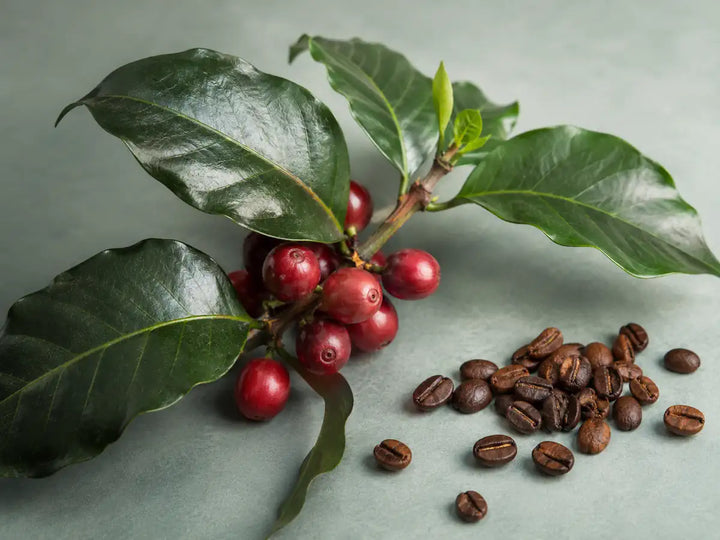
Coffee in perfume usually smells warm, roasted and dark, with bitter, nutty, earthy and chocolate-like sides. Some coffee notes suggest freshly ground beans or strong espresso, while others...
Explore Coffee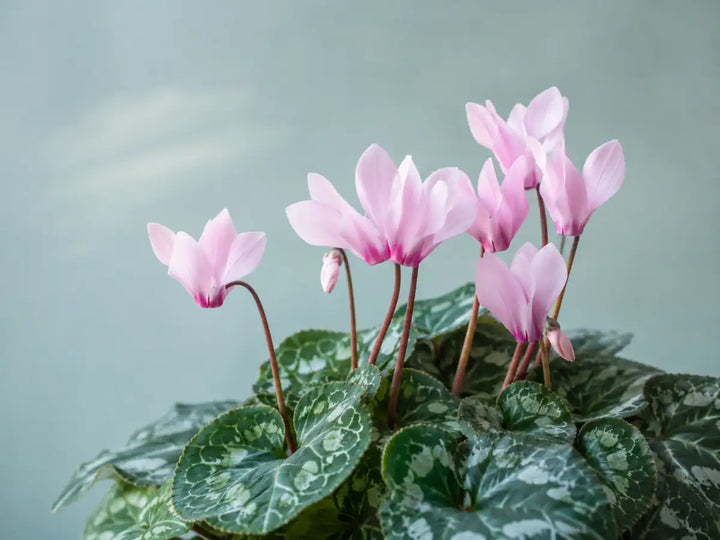
Cyclamen in perfume usually smells fresh, watery and floral, with clean, green, airy and slightly marine sides. It often suggests cool petals, fresh air and clear water rather...
Explore Cyclamen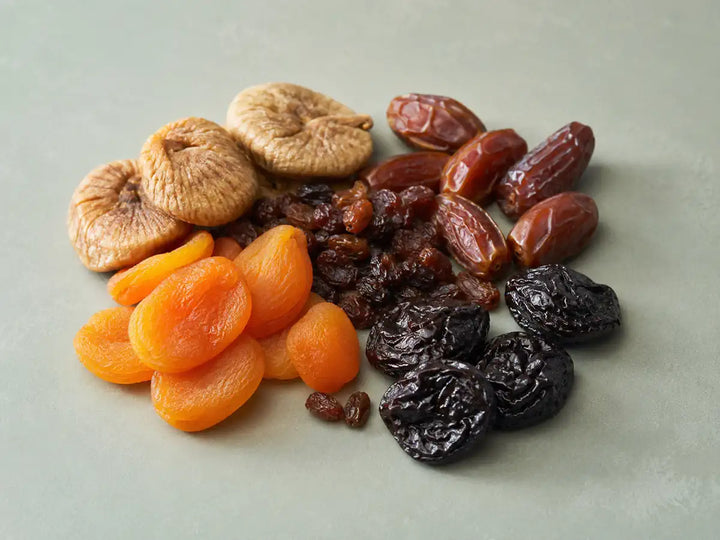
Dried fruit in perfume usually smells rich, sweet and concentrated, with raisin, prune, date, apricot and honeyed sides. It is darker and less juicy than a fresh-fruit note....
Explore Dried Fruit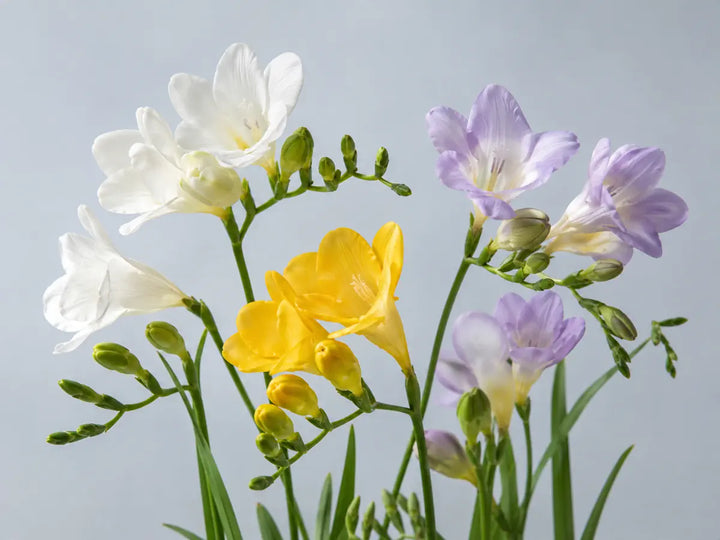
Freesia in perfume usually smells fresh, airy and softly floral, with green, citrusy and slightly peppery sides. It is lighter and more transparent than rich white flowers such...
Explore Freesia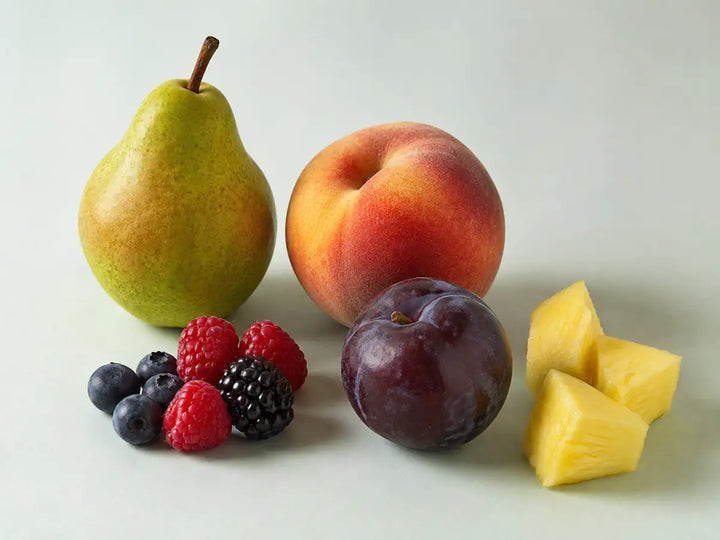
Fruity notes in perfume can smell juicy, sweet, tart, green, creamy or syrupy depending on the fruits being represented. The term is a broad category rather than one...
Explore Fruity Notes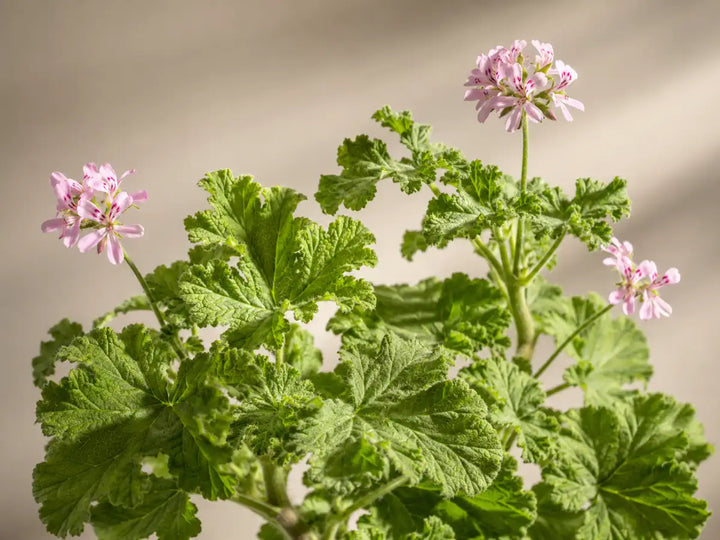
Geranium in perfume usually smells rosy, green and aromatic, with minty, leafy, herbal and lightly fruity sides. It resembles rose but generally feels sharper, fresher and more strongly...
Explore Geranium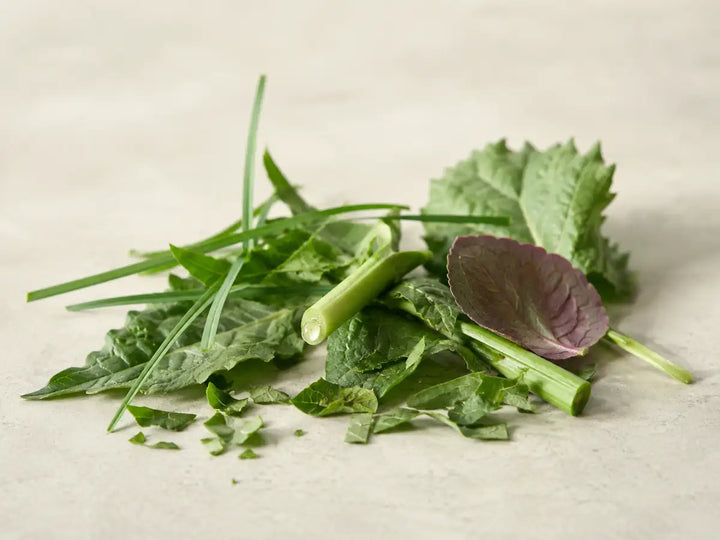
Green notes in perfume usually smell like crushed leaves, cut grass, snapped stems and fresh plant sap. They can be crisp, watery, bitter, herbal or slightly metallic. Green...
Explore Green Notes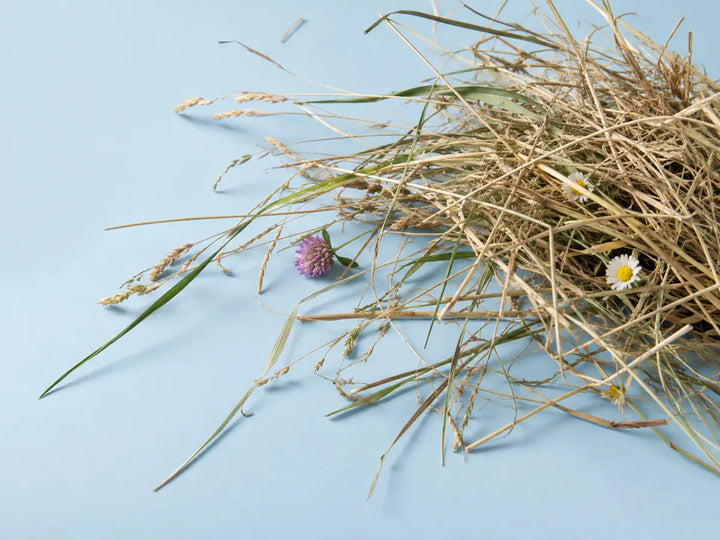
Hay in perfume usually smells dry, warm and softly sweet, with grassy, tobacco-like, honeyed and dried-fruit sides. It suggests sun-dried grass rather than freshly cut green lawn. Some...
Explore Hay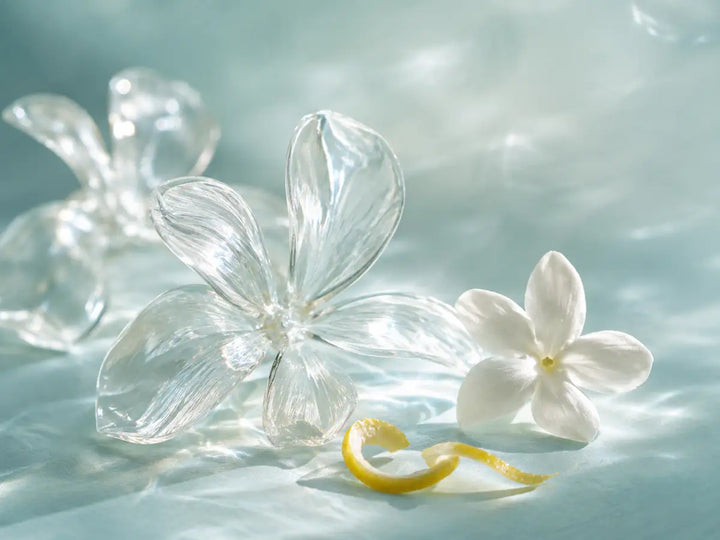
Hedione smells airy, transparent and floral, with jasmine-like, citrus and softly green qualities. It is a laboratory-created fragrance molecule rather than a flower or plant extract. Hedione may...
Explore Hedione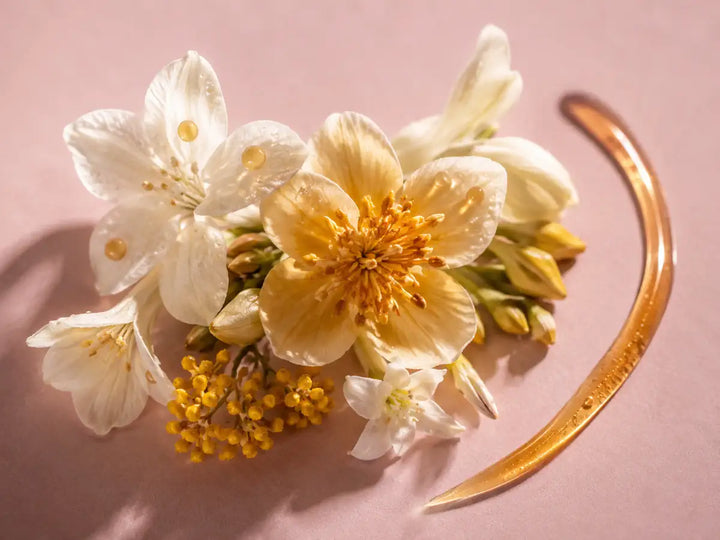
Honey in perfume usually smells sweet, warm and golden, with floral, waxy, balsamic and softly animalic sides. It may feel light and nectar-like or darker, richer and almost...
Explore Honey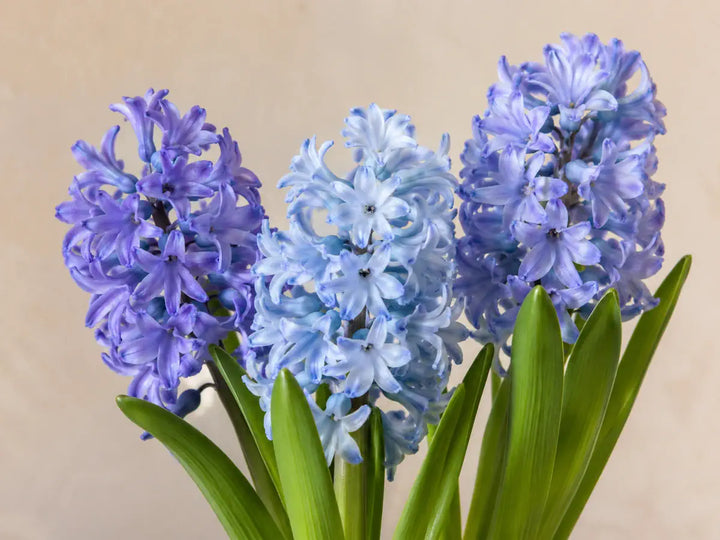
Hyacinth in perfume usually smells fresh, green and floral, with watery, earthy, slightly spicy and dewy sides. It has more leafy sharpness than many soft spring flowers. Some...
Explore Hyacinth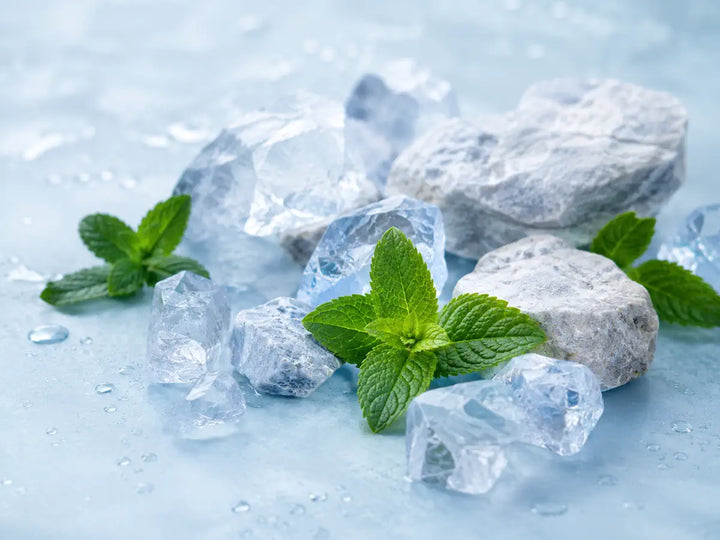
An icy accord in perfume usually smells cool, clean and watery, with ozonic, airy, minty and sometimes metallic sides. It is an abstract effect rather than an extract...
Explore Icy Accord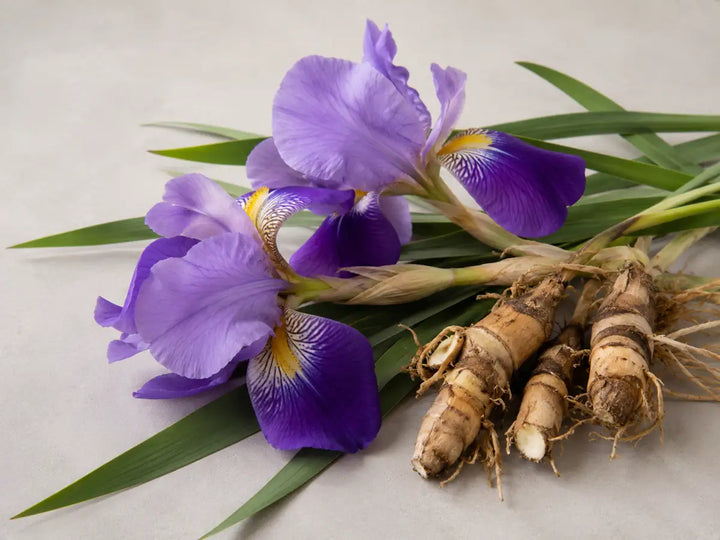
Iris in perfume usually smells powdery, soft and floral, with woody, earthy, violet-like and sometimes buttery sides. The perfume material does not normally come from the fresh iris...
Explore Iris
Leather in perfume usually smells dry, warm and slightly smoky, with woody, animalic, tarry or soft suede like sides. It does not normally come from untreated animal hide...
Explore Leather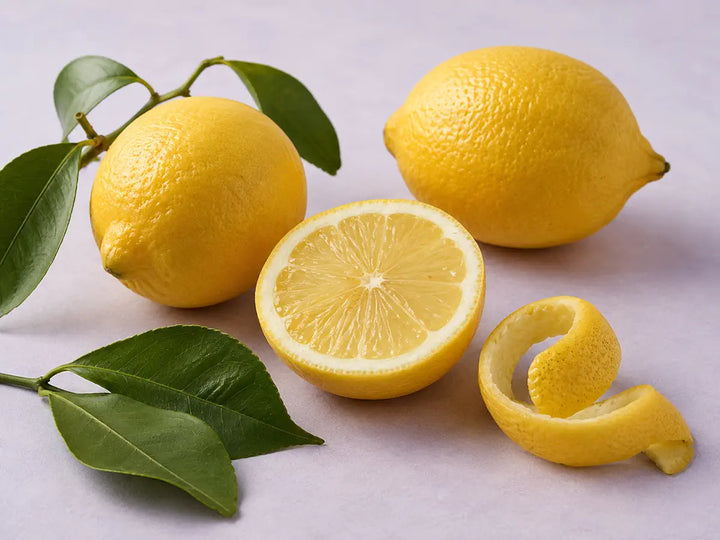
Lemon in perfume usually smells bright, fresh and sharply citrusy, with a clean, zesty character that often suggests freshly cut peel. It may also have green, lightly floral...
Explore Lemon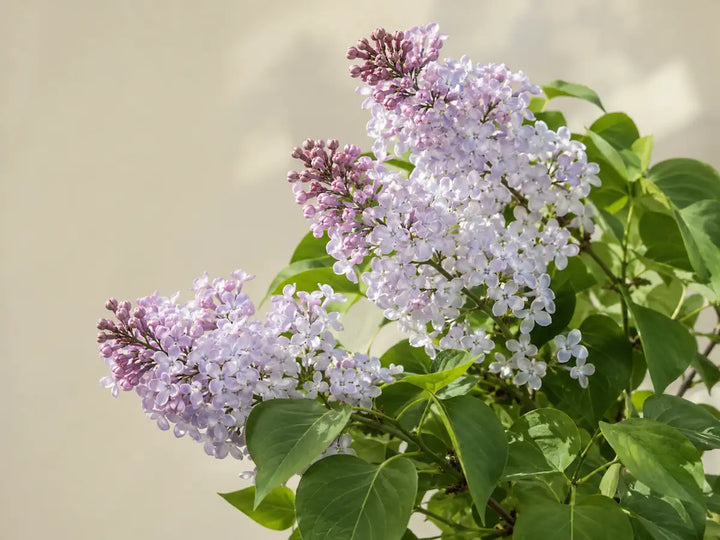
Lilac in perfume usually smells fresh, floral and powdery, with green, dewy, almond-like and softly sweet sides. It can suggest cool spring air and clusters of pale purple...
Explore Lilac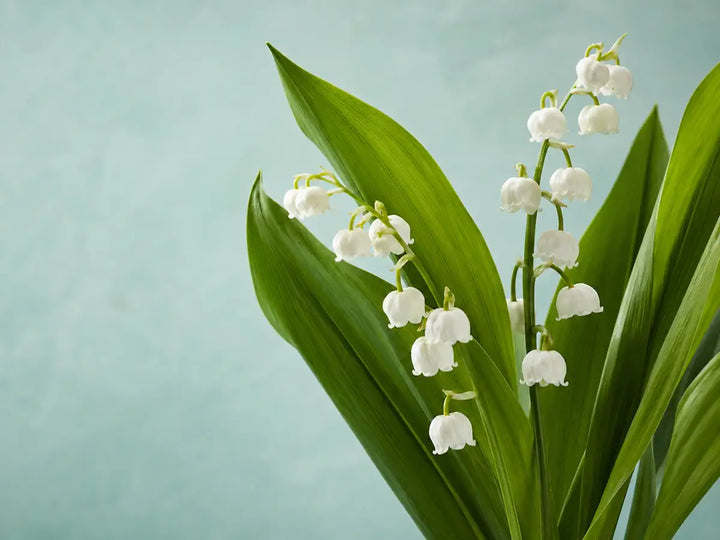
Lily-of-the-valley in perfume usually smells fresh, clean and green, with watery, dewy and softly sweet floral sides. It can suggest small white spring flowers, cool air and fresh...
Explore Lily-of-the-Valley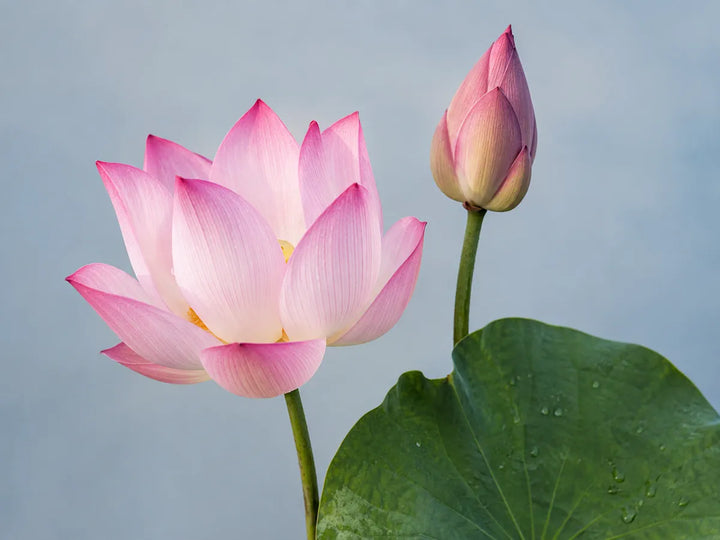
Lotus in perfume usually smells airy, watery and softly floral, with clean, green, herbal and lightly fruity sides. It is often used to suggest delicate petals floating above...
Explore Lotus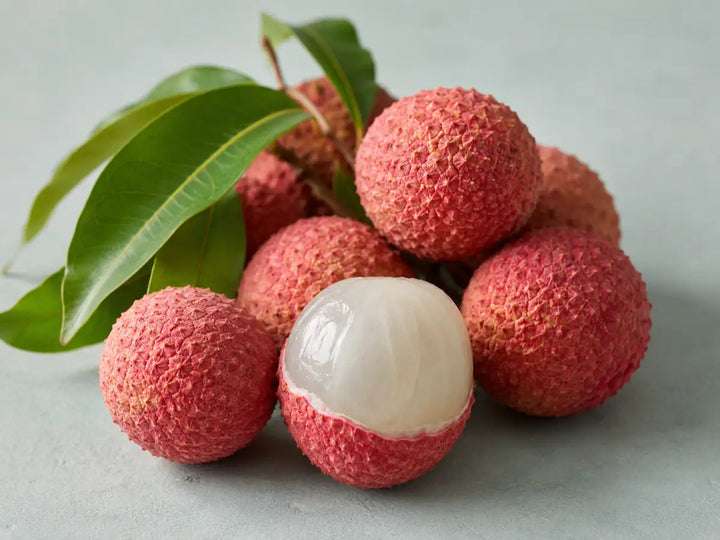
Lychee in perfume usually smells juicy, floral and tropical, with rosy, watery, sweet and slightly tart sides. It can suggest translucent white fruit, rosewater and fresh tropical juice....
Explore Lychee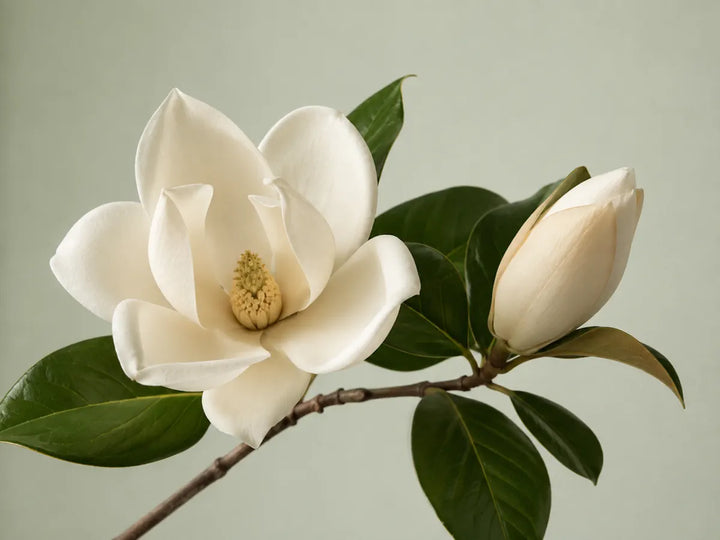
Magnolia in perfume usually smells fresh, floral and softly creamy, with green, fruity, citrus-like and lightly spicy sides. It is often more transparent than tuberose and less indolic...
Explore Magnolia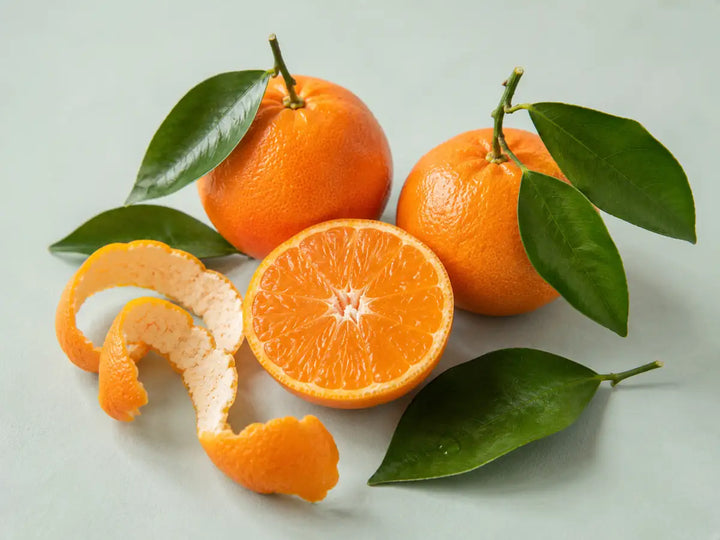
Mandarin in perfume usually smells sweet, juicy and zesty, with soft fruity, floral and slightly green sides. It is generally rounder and less sharp than lemon, making it...
Explore Mandarin
Marine notes in perfume usually smell fresh, watery and airy, with salty, ozonic, mineral and sea-breeze sides. They are constructed accords rather than liquid extracted directly from seawater....
Explore Marine Notes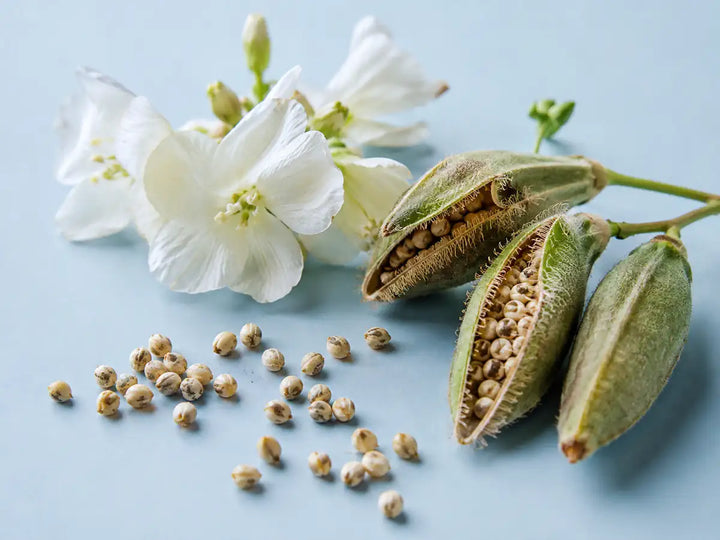
Musk in perfume can smell soft, warm, clean and slightly powdery, often with a smooth quality that is compared with fresh skin or clean fabric. Some musk notes...
Explore Musk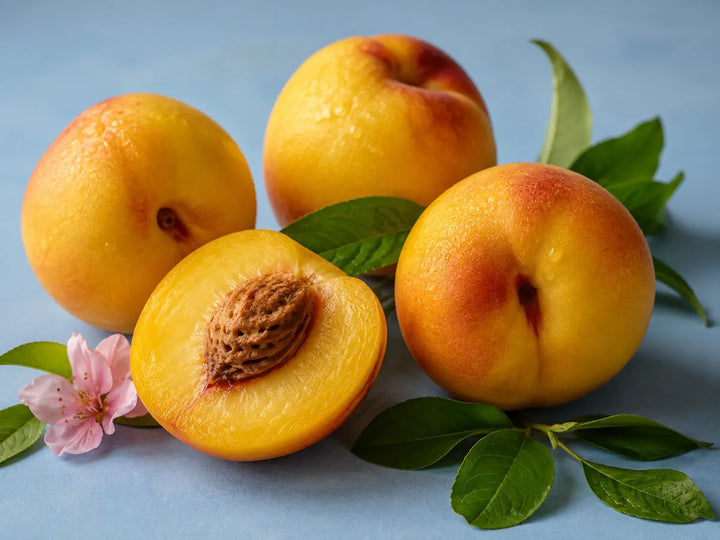
Nectarine in perfume usually smells juicy, sweet and fruity, with peach-like, floral, fresh and lightly tart sides. It resembles peach but often feels brighter, smoother-skinned and less powdery....
Explore Nectarine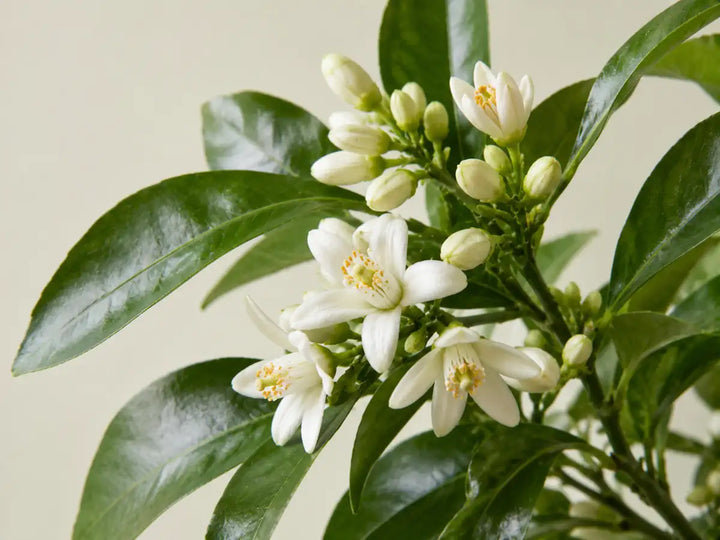
Neroli in perfume usually smells fresh, floral and green, with citrusy, slightly bitter and softly sweet sides. It has the scent of white orange flowers but generally feels...
Explore Neroli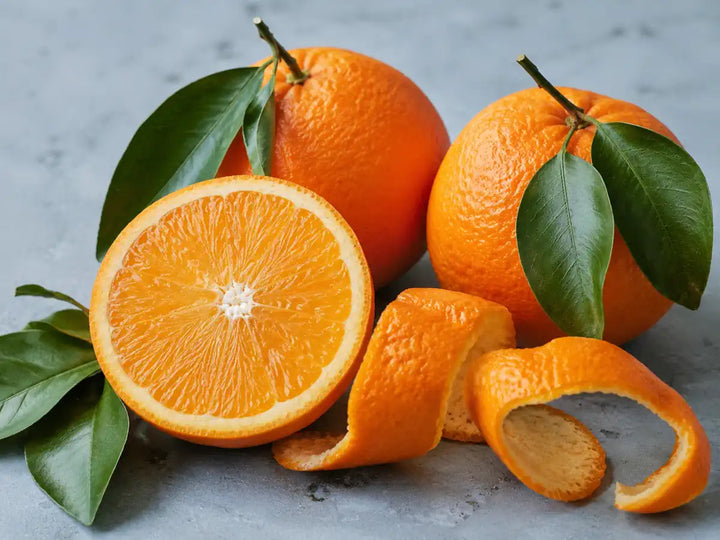
Orange in perfume usually smells juicy, sweet and zesty, with the fresh character of newly peeled fruit. It is softer and sweeter than lemon, while usually feeling less...
Explore Orange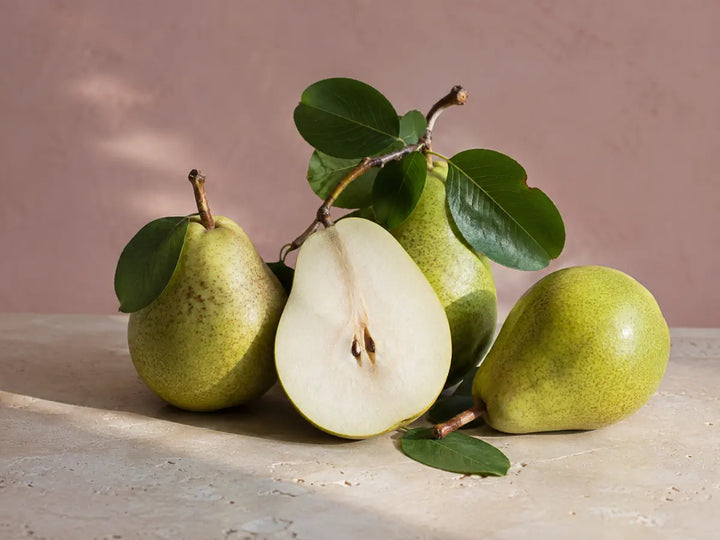
Pear in perfume usually smells juicy, fresh and softly sweet, with crisp green, watery and sometimes slightly floral sides. Some pear notes feel like a firm green pear,...
Explore Pear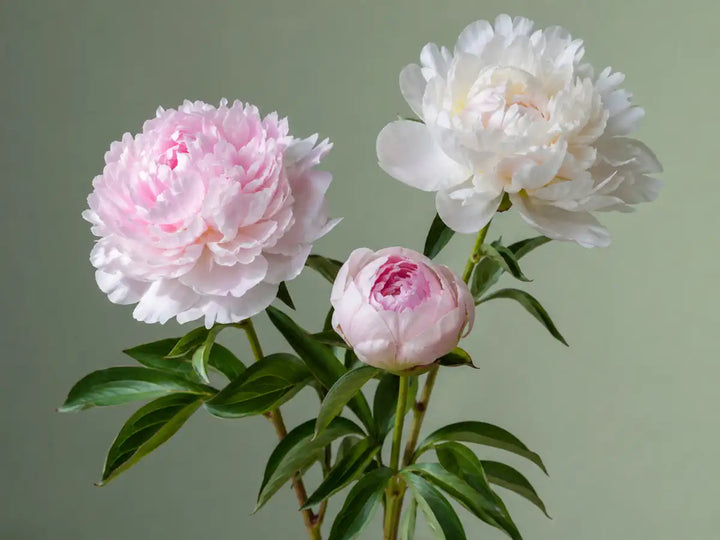
Peony in perfume usually smells fresh, airy and softly rosy, with green, watery and lightly fruity sides. It is normally cleaner and more transparent than a rich rose...
Explore Peony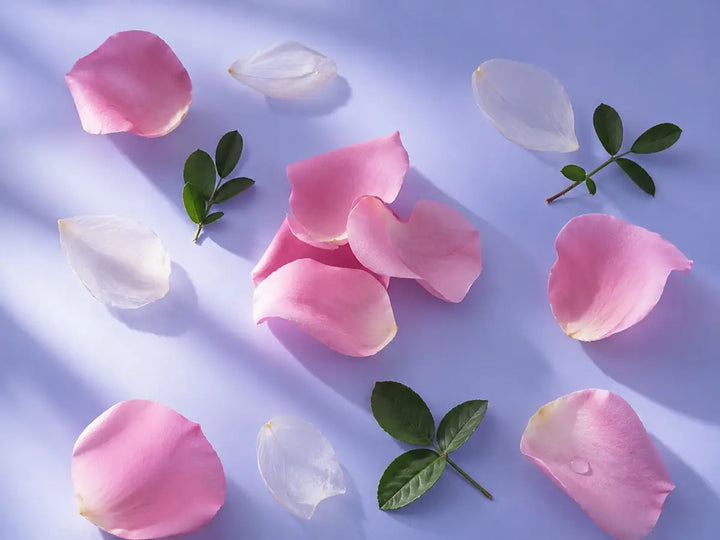
Petalia smells fresh, rosy and petal-like, with soft floral, fruity, airy and slightly green sides. It is a proprietary laboratory-created fragrance material rather than a natural flower extract....
Explore Petalia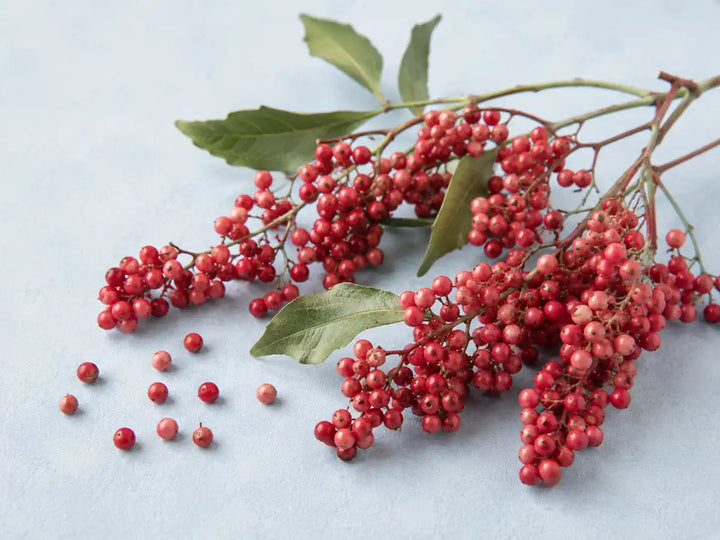
Pink pepper in perfume usually smells fresh, sparkling and gently spicy, with rosy, fruity, citrusy and slightly woody sides. It feels brighter and softer than black pepper and...
Explore Pink Pepper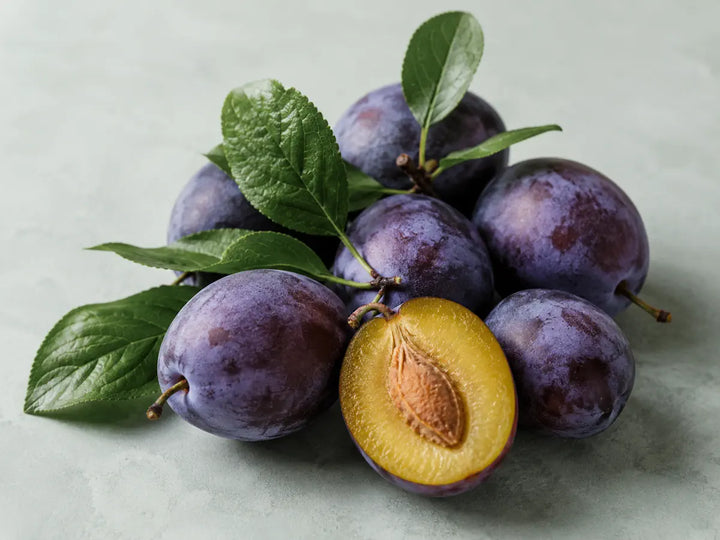
Plum in perfume usually smells rich, juicy and darkly fruity, with sweet, jammy, wine-like or slightly spicy sides. Some plum notes feel fresh and tart, while others are...
Explore Plum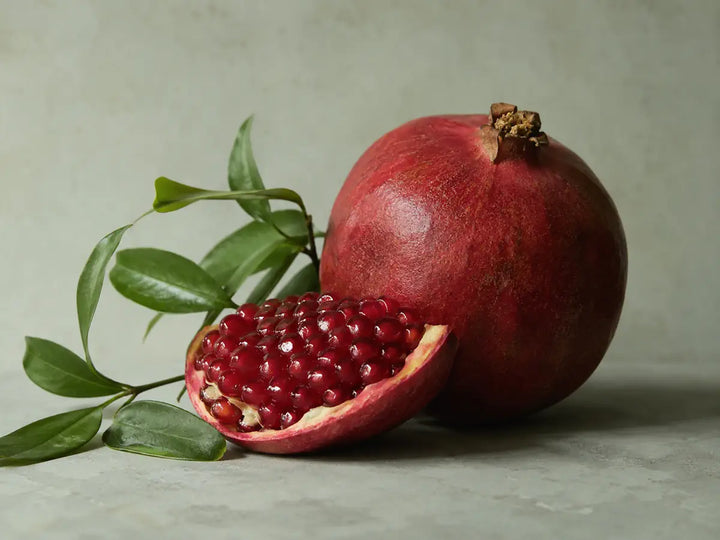
Pomegranate in perfume usually smells tart, juicy and fruity, with red-fruit, green, watery and slightly woody sides. It is often brighter and more acidic than berry notes, with...
Explore Pomegranate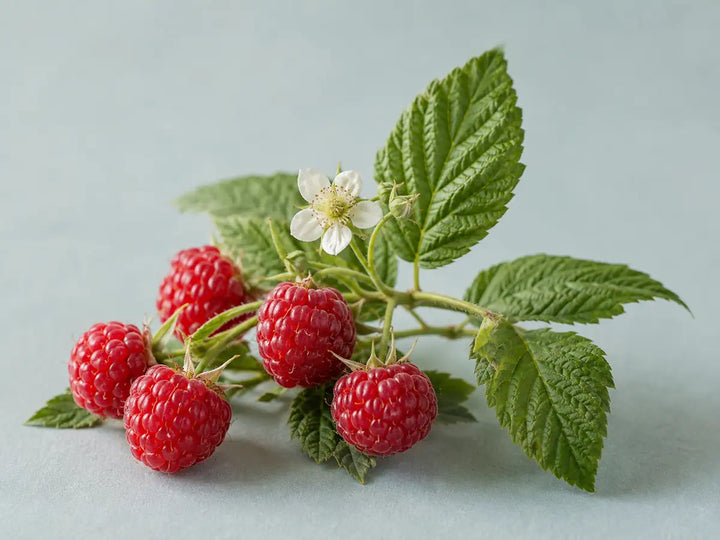
Raspberry in perfume usually smells juicy, sweet and tart, with red-berry, green, floral and slightly jammy sides. It can range from a fresh sharp berry to a darker...
Explore Raspberry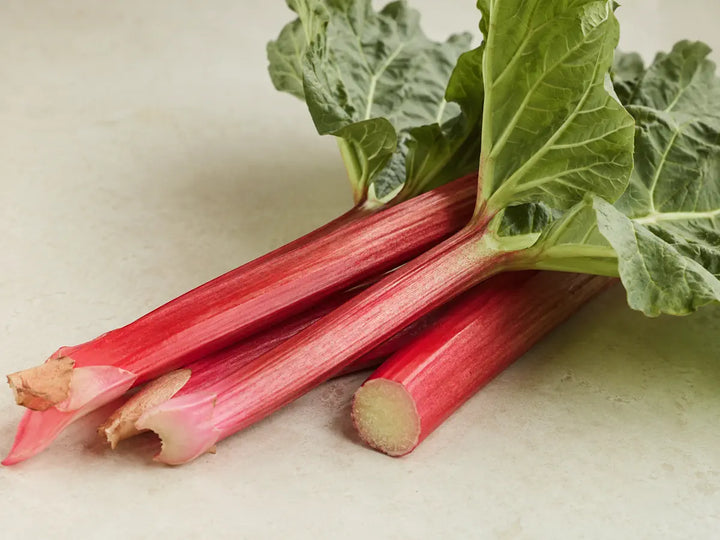
Rhubarb in perfume usually smells tart, green and sharply fruity, with watery, vegetal and slightly sour sides. It can suggest freshly cut pink stalks rather than a sweet...
Explore Rhubarb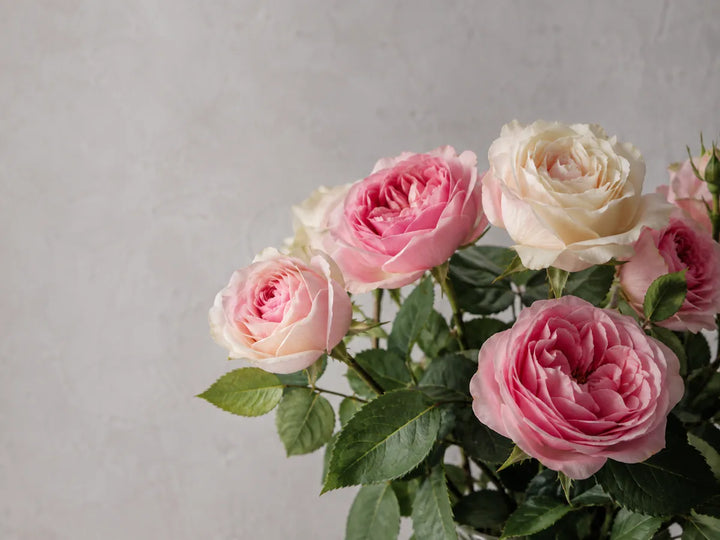
Rose in perfume usually smells floral, fresh and softly sweet, but it can also have green, fruity, honeyed or spicy sides. Some rose notes feel light and dewy,...
Explore Rose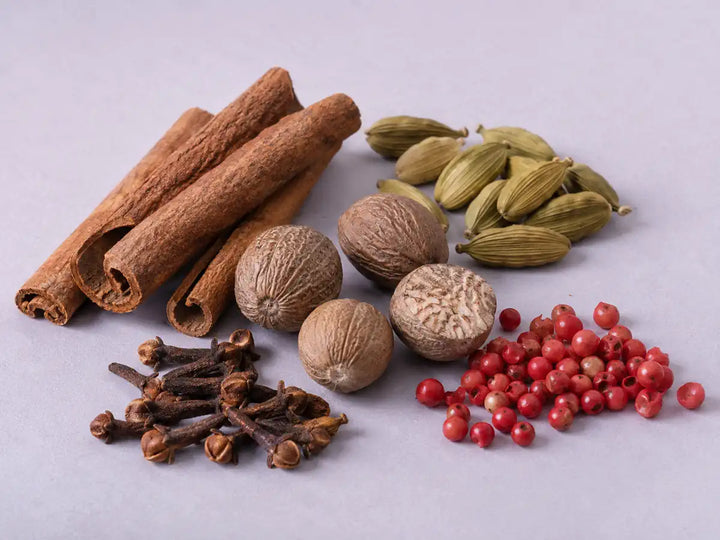
Spices in perfume can smell warm, dry, sweet, peppery, fresh or aromatic. The term does not describe one ingredient because cinnamon, cardamom, clove, nutmeg and pepper all smell...
Explore Spices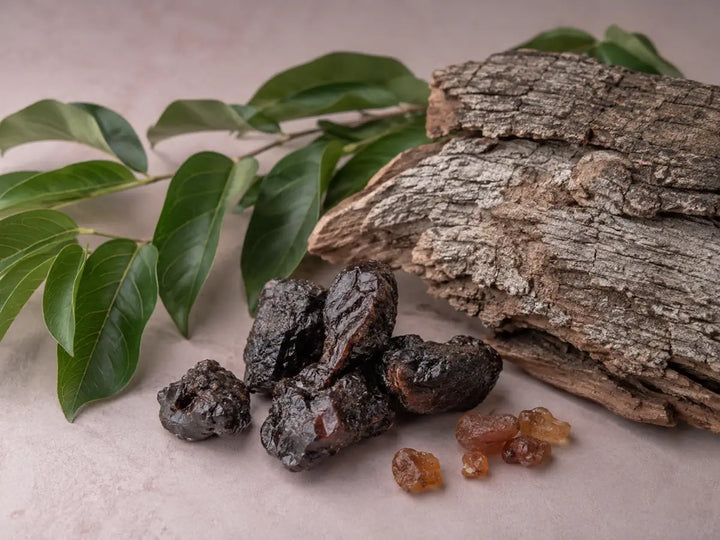
Styrax in perfume usually smells balsamic, smoky and sweet, with leather, vanilla, resinous and slightly animalic sides. It is darker and smokier than benzoin and can resemble warm...
Explore Styrax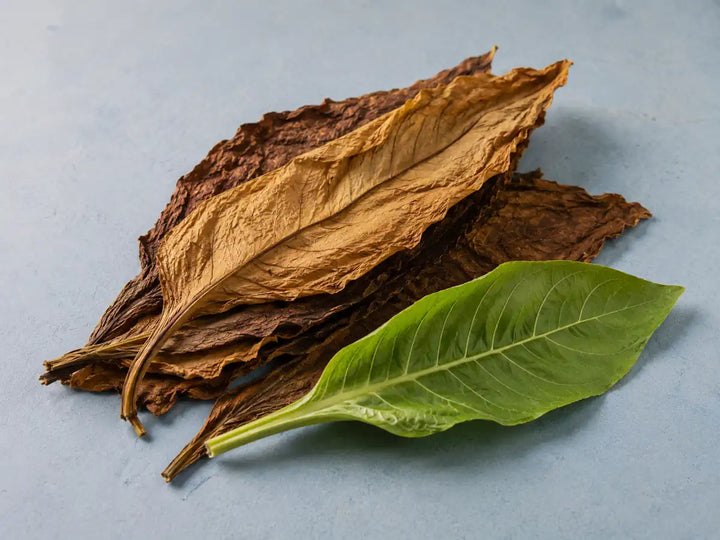
Tobacco in perfume usually smells warm, dry and slightly sweet, with honeyed, hay like, earthy, woody or smoky sides. It normally represents cured tobacco leaves rather than the...
Explore Tobacco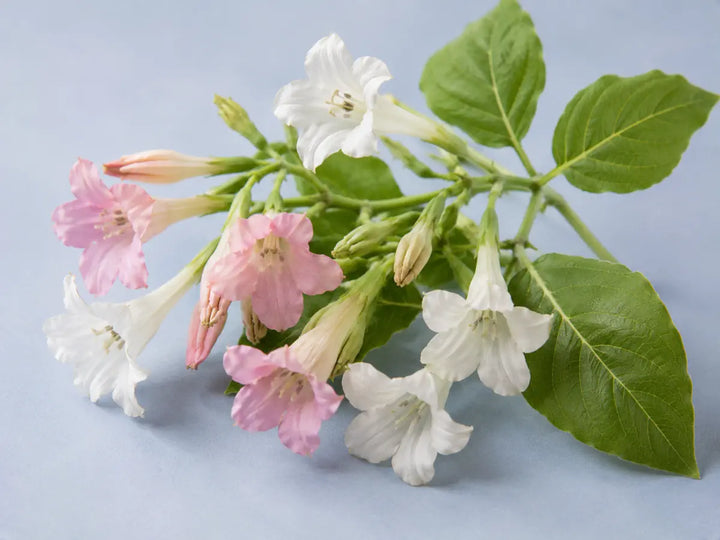
Tobacco blossom in perfume usually smells soft, dry and floral, with green, lightly spicy and sometimes hay-like sides. It is different from tobacco leaf, which is normally warmer,...
Explore Tobacco Blossom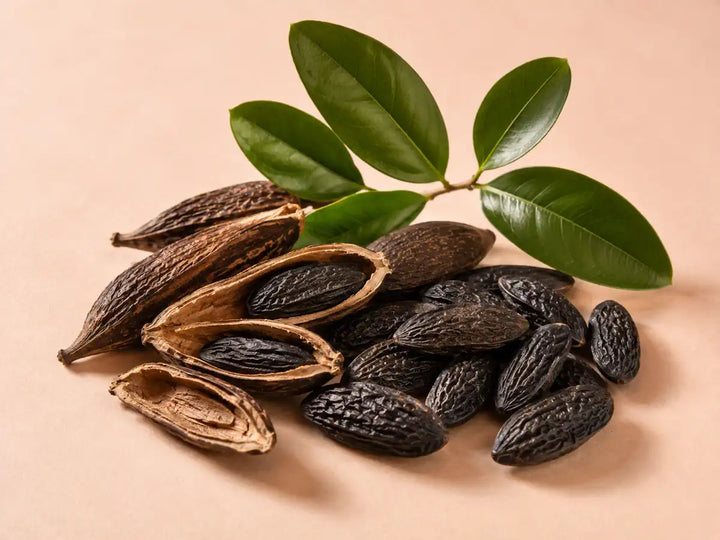
Tonka bean in perfume usually smells warm, sweet and powdery, with notes that can remind people of vanilla, almond, hay and soft tobacco. It is rich and comforting...
Explore Tonka Bean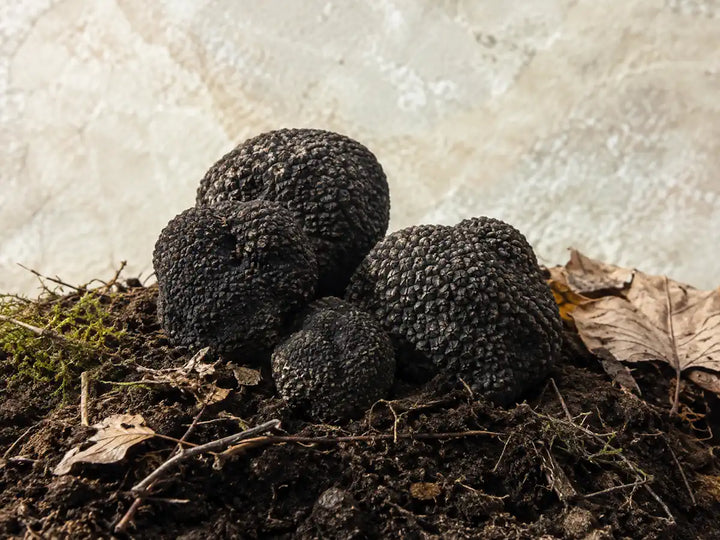
Truffle in perfume usually smells earthy, dark and mushroom-like, with damp, musky, woody and slightly animalic sides. Some truffle accords feel rich and luxurious, while others are sharper,...
Explore Truffle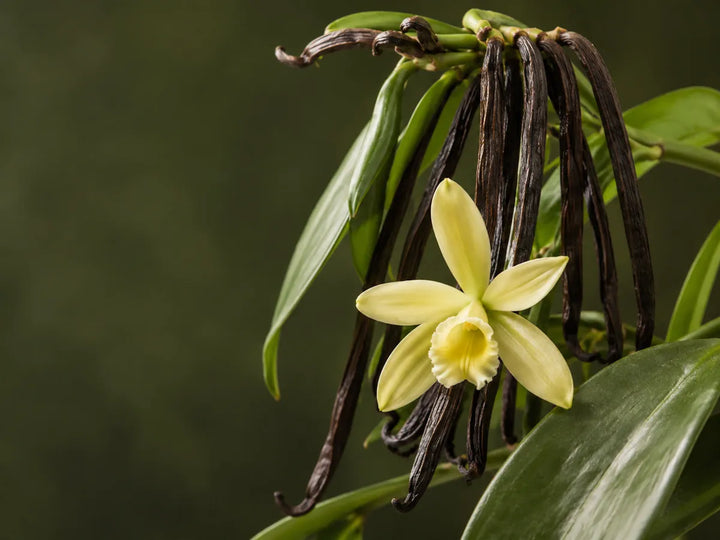
Vanilla in perfume usually smells sweet, warm and creamy. It can also have soft woody, powdery or spicy sides, depending on the material used and the notes around...
Explore Vanilla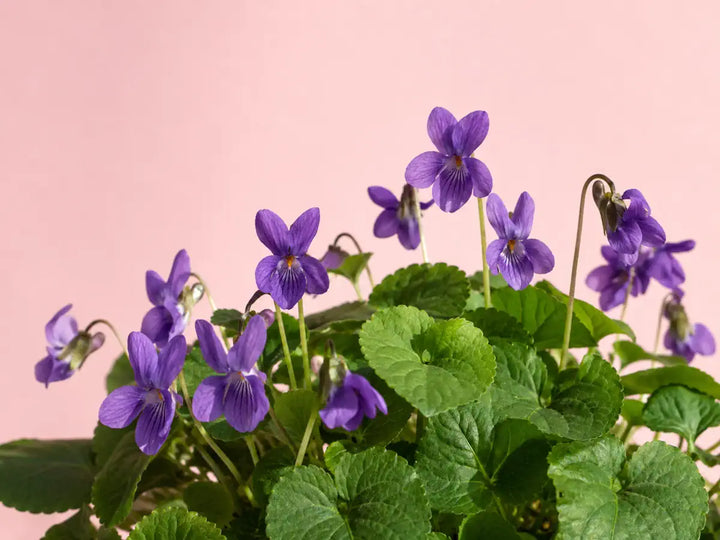
Violet in perfume usually smells soft, powdery and floral, with gentle sweetness and a slightly woody finish. Some violet notes feel like delicate petals or soft face powder,...
Explore Violet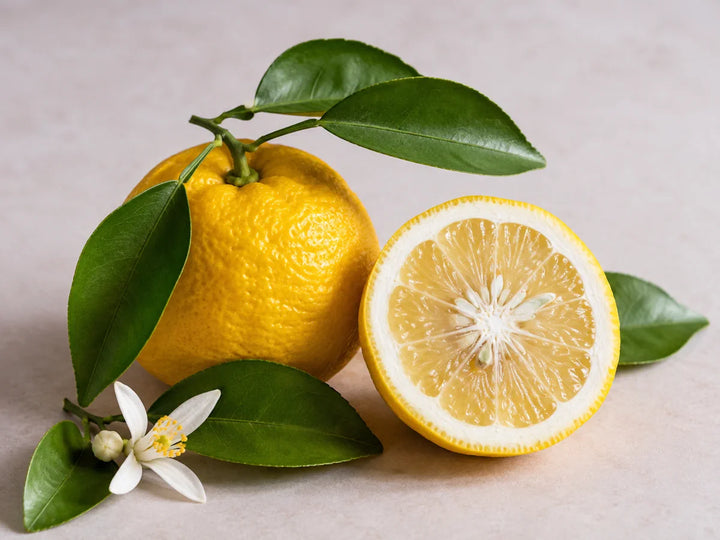
Yuzu in perfume usually smells bright, tart and aromatic, with lemon, grapefruit, mandarin, green and lightly floral sides. It is sharper and more fragrant than a simple sweet...
Explore YuzuThese fragrances use Woody Notes in the lasting foundation of the scent.


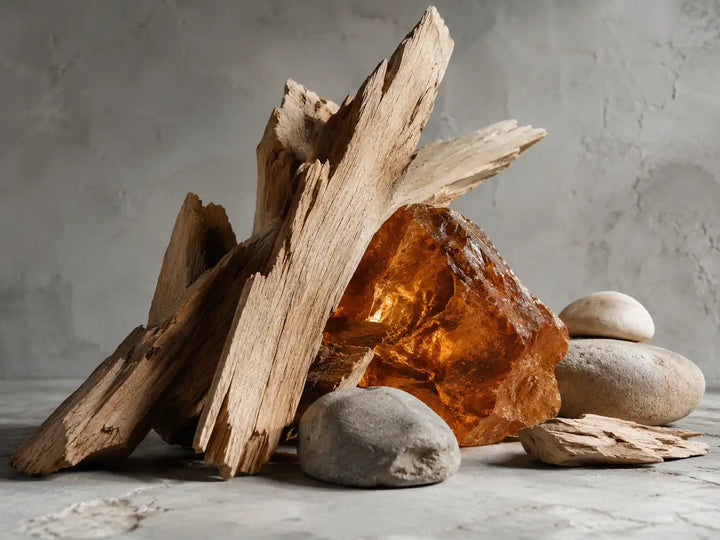
Amberwood in perfume usually smells dry, warm and strongly woody, with ambery, cedar-like, mineral and sometimes musky sides. It is generally sharper and drier than a sweet traditional...
Explore Amberwood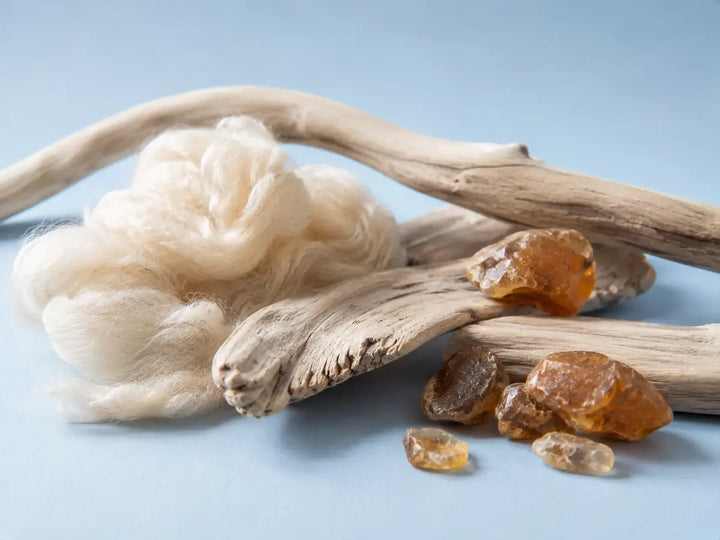
Cashmeran in perfume usually smells warm, woody and musky, with spicy, powdery, amber-like and slightly earthy sides. It may also show soft animalic, fruity or pine-like qualities. Cashmeran...
Explore Cashmeran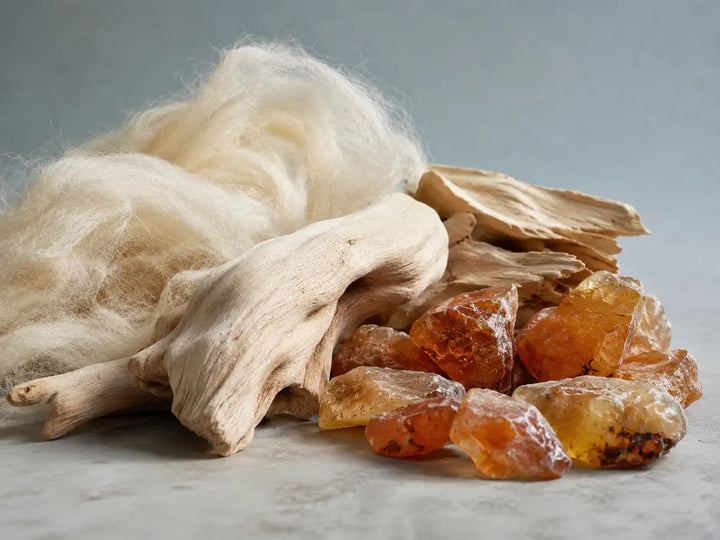
Cashmere wood in perfume usually smells soft, warm and woody, with musky, ambery, spicy and velvety sides. It is not a natural tree or one fixed ingredient. The...
Explore Cashmere Wood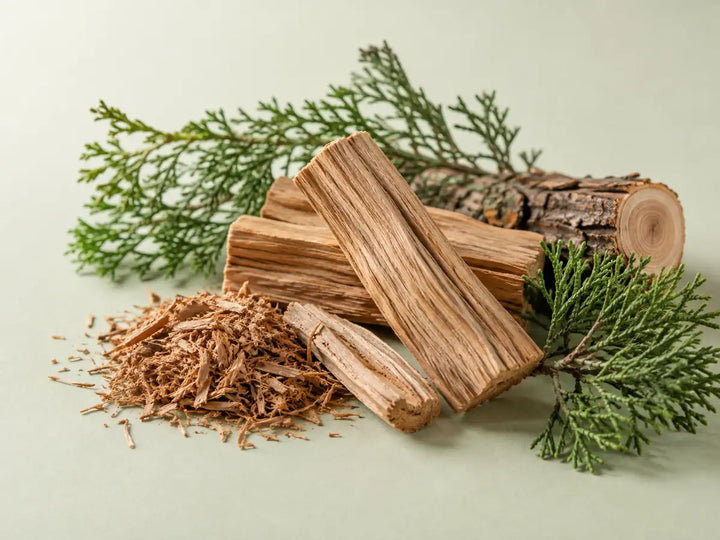
Cedarwood in perfume usually smells dry, warm and woody, with resinous, slightly smoky or pencil like sides. Some cedarwood notes feel smooth and creamy, while others are sharper...
Explore Cedarwood
Fir in perfume usually smells fresh, green and coniferous, with woody, resinous and balsamic sides. It can suggest crushed evergreen needles, cool forest air, tree sap and freshly...
Explore Fir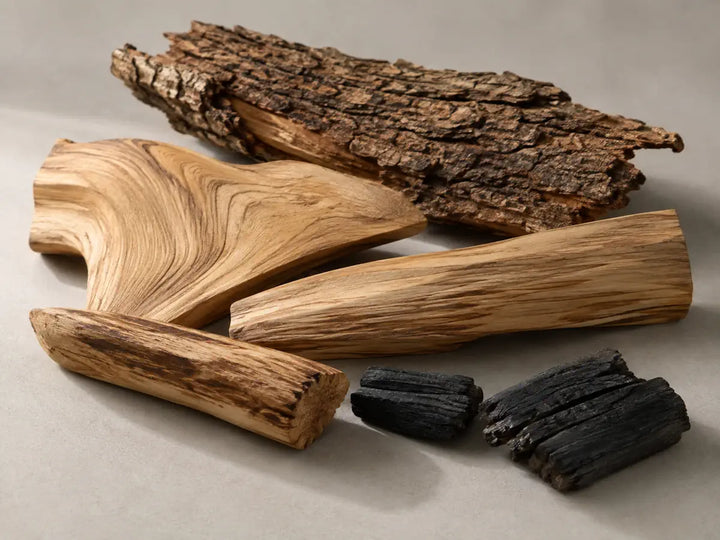
Guaiac wood in perfume usually smells smoky, warm and woody, with balsamic, rosy, tea-like and softly creamy sides. Its smoke is generally smoother and less tarry than birch....
Explore Guaiac Wood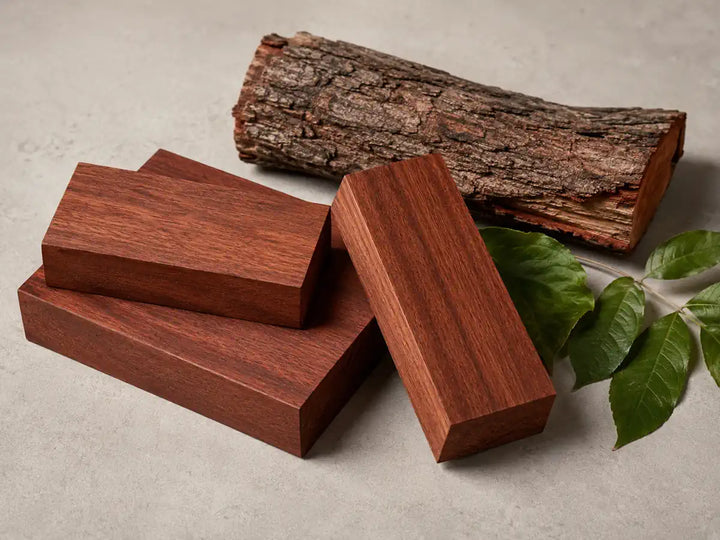
Mahogany in perfume usually smells dark, warm and woody, with polished, dry, slightly smoky and ambery sides. It is not normally an oil extracted from furniture timber. Instead,...
Explore Mahogany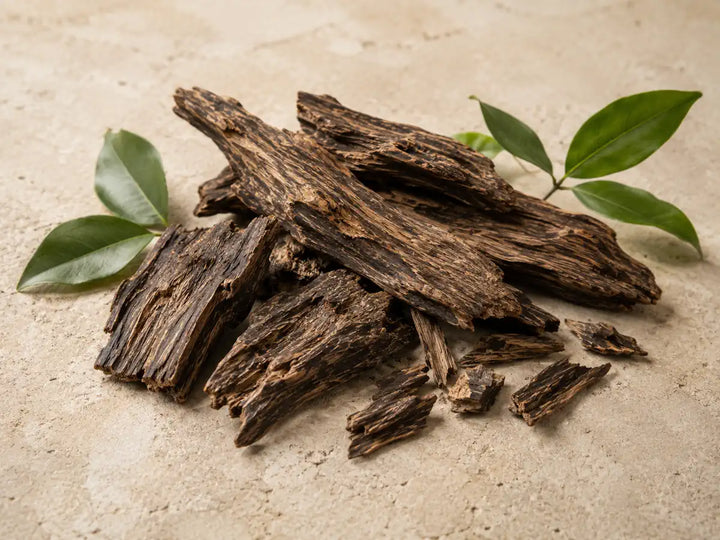
Oud in perfume usually smells dark, woody and resinous, with smoky, leathery, sweet or animalic sides. Some oud notes feel dry and medicinal, while others are smooth, warm...
Explore Oud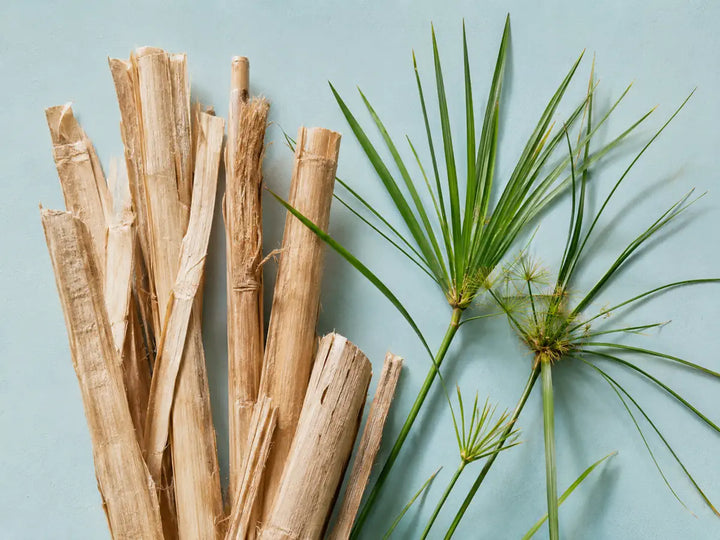
Papyrus in perfume usually smells dry, woody and earthy, with smoky, fibrous, green and slightly leathery sides. It is designed to suggest dried reeds, paper-like fibres and warm...
Explore Papyrus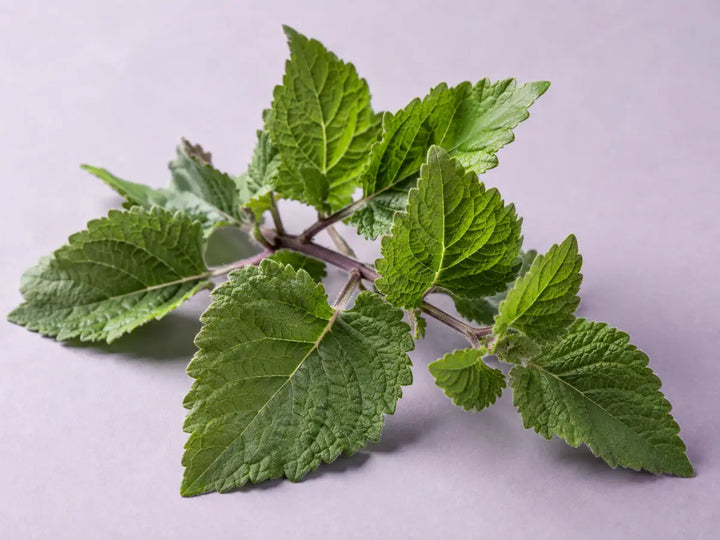
Patchouli in perfume usually smells earthy, woody and deep, with herbal, slightly sweet and sometimes camphor like sides. It can feel dark and damp in one fragrance but...
Explore Patchouli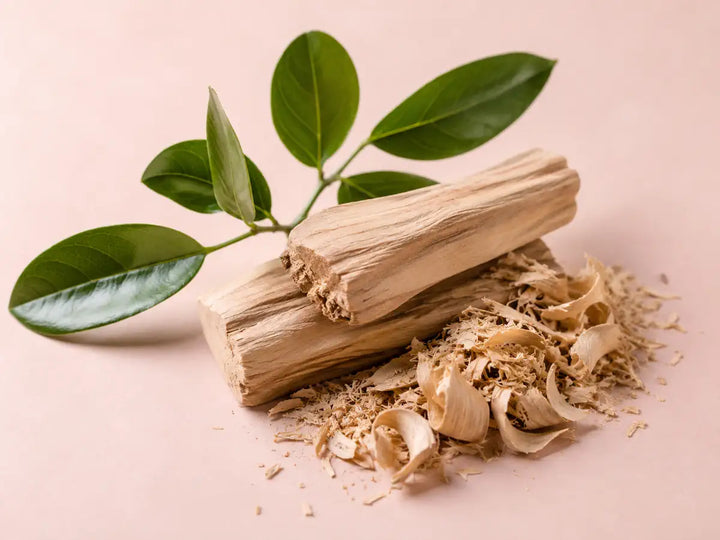
Sandalwood in perfume usually smells warm, creamy and softly woody. It can also have milky, balsamic, powdery or lightly spicy sides. Unlike sharper woods, sandalwood often feels smooth...
Explore Sandalwood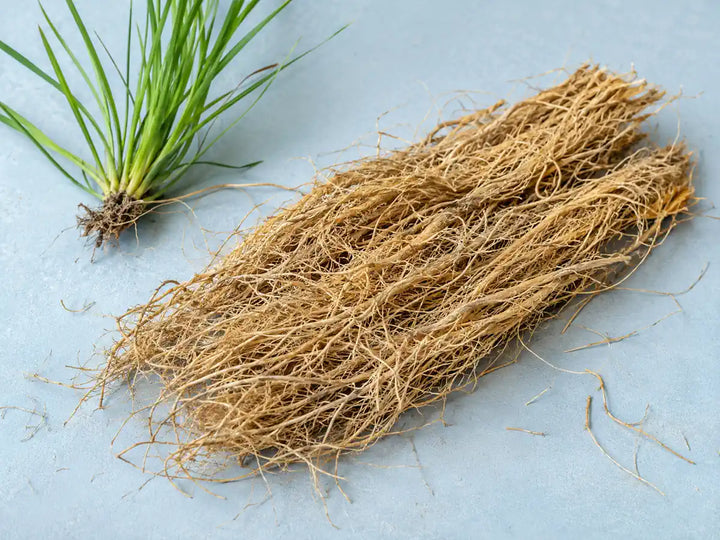
Vetiver in perfume usually smells earthy, woody and dry, with smoky, green, grassy or slightly bitter sides. Some vetiver notes feel dark, rooty and rugged, while others are...
Explore Vetiver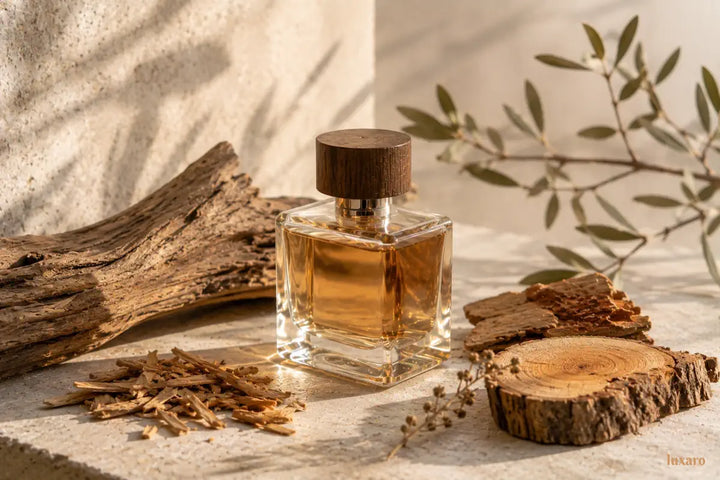
Discover what woody fragrances smell like, why woody perfumes feel elegant and grounding, and how fresh, smoky, creamy, and airy woods create modern luxury scents.
Read guide