
Fragrance note
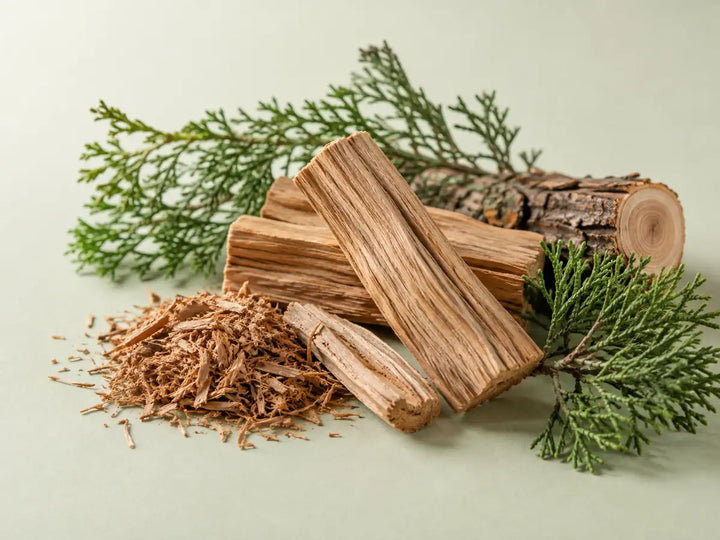
Cedarwood
Cedarwood in perfume usually smells dry, warm and woody, with resinous, slightly smoky or pencil like sides. Some cedarwood notes feel smooth and creamy, while others are sharper...
Explore CedarwoodCart
Your cart is empty
Fragrance accord guide
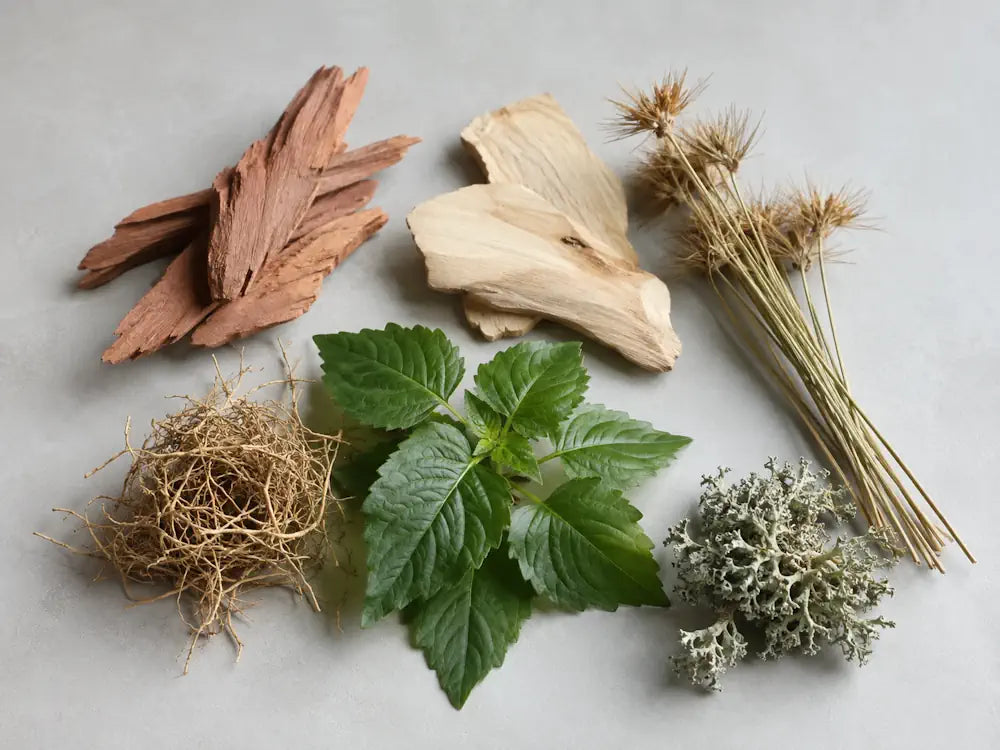
A woody accord can smell dry, smooth, creamy, earthy, smoky or resinous depending on the materials used. Cedarwood often gives a dry, structured quality, while sandalwood can feel softer and creamier. Vetiver may add rooty, earthy dryness, patchouli brings darker earthy depth, and oud can introduce richer resinous or leathery qualities. This makes “woody” a broad scent impression rather than one specific wood smell.
Cedarwood in perfume usually smells dry, warm and woody, with resinous, slightly smoky or pencil like sides. Some cedarwood notes feel smooth and creamy, while others are sharper...
Explore Cedarwood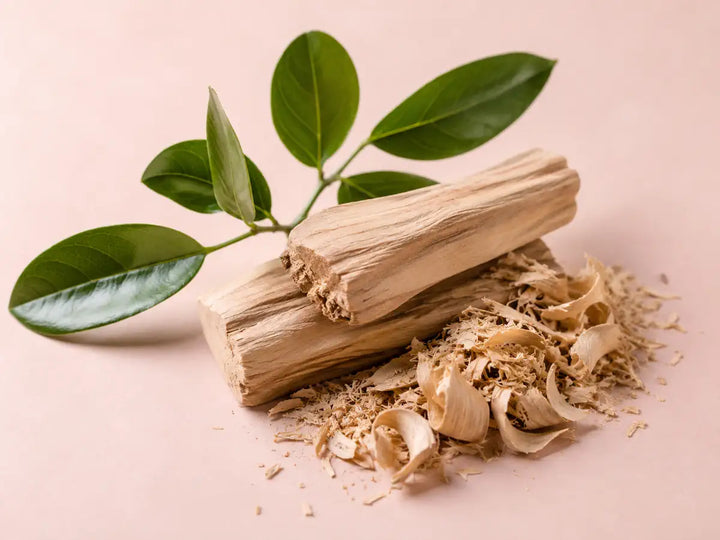
Sandalwood in perfume usually smells warm, creamy and softly woody. It can also have milky, balsamic, powdery or lightly spicy sides. Unlike sharper woods, sandalwood often feels smooth...
Explore Sandalwood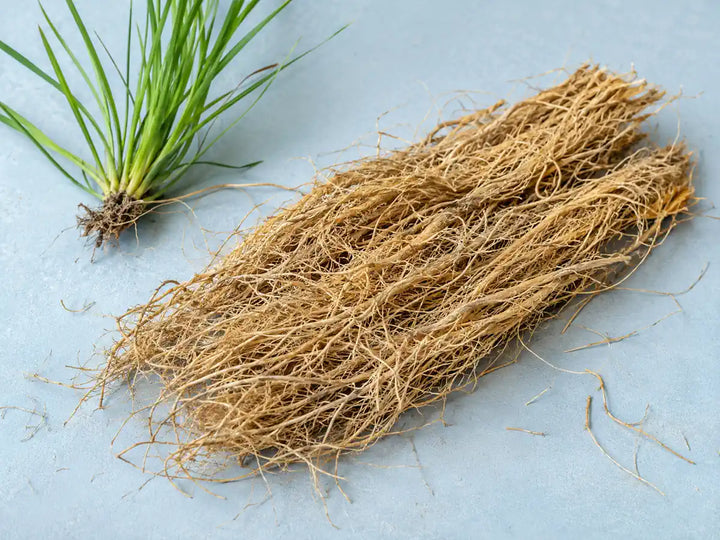
Vetiver in perfume usually smells earthy, woody and dry, with smoky, green, grassy or slightly bitter sides. Some vetiver notes feel dark, rooty and rugged, while others are...
Explore Vetiver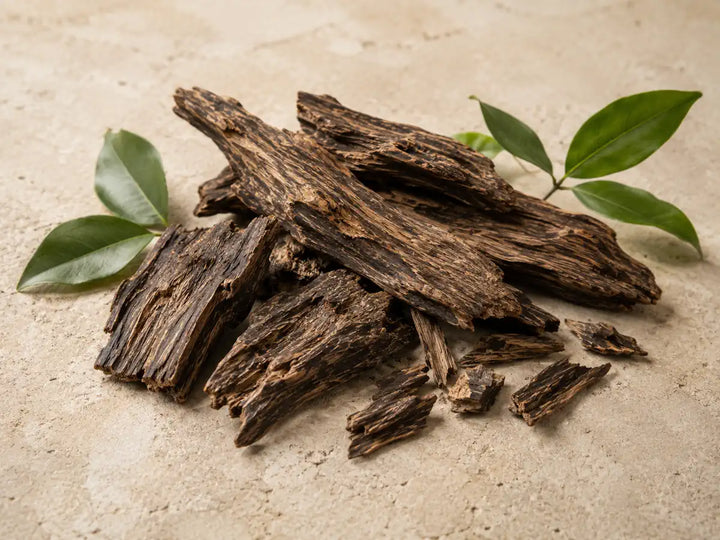
Oud in perfume usually smells dark, woody and resinous, with smoky, leathery, sweet or animalic sides. Some oud notes feel dry and medicinal, while others are smooth, warm...
Explore Oud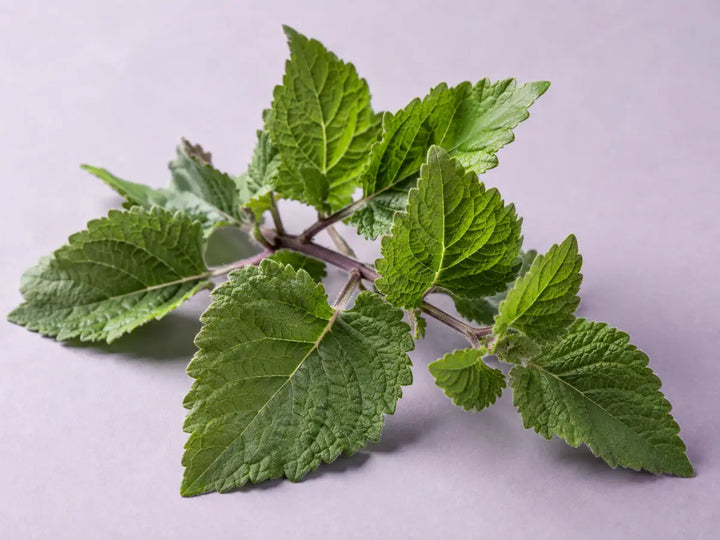
Patchouli in perfume usually smells earthy, woody and deep, with herbal, slightly sweet and sometimes camphor like sides. It can feel dark and damp in one fragrance but...
Explore Patchouli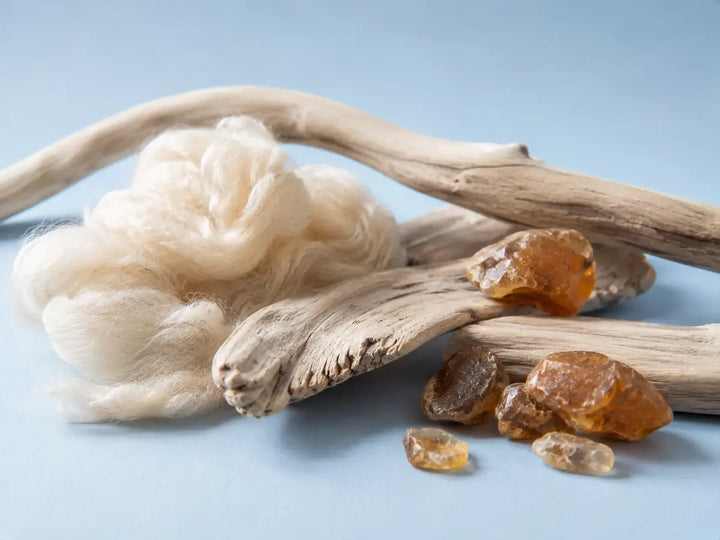
Cashmeran in perfume usually smells warm, woody and musky, with spicy, powdery, amber-like and slightly earthy sides. It may also show soft animalic, fruity or pine-like qualities. Cashmeran...
Explore Cashmeran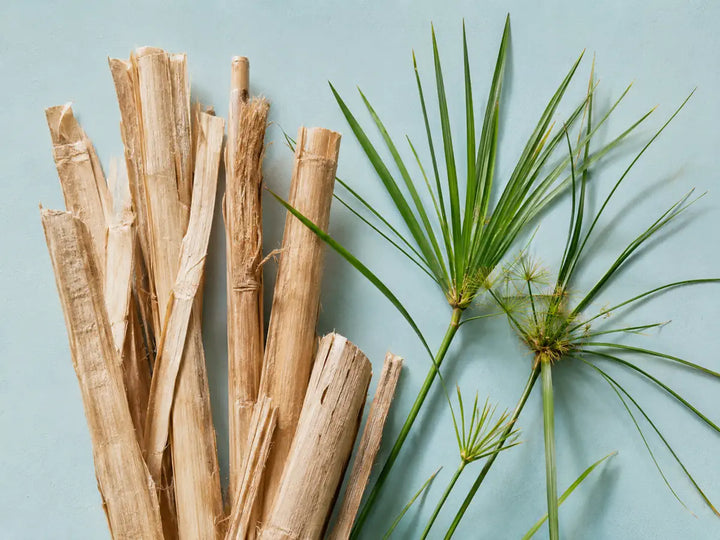
Papyrus in perfume usually smells dry, woody and earthy, with smoky, fibrous, green and slightly leathery sides. It is designed to suggest dried reeds, paper-like fibres and warm...
Explore Papyrus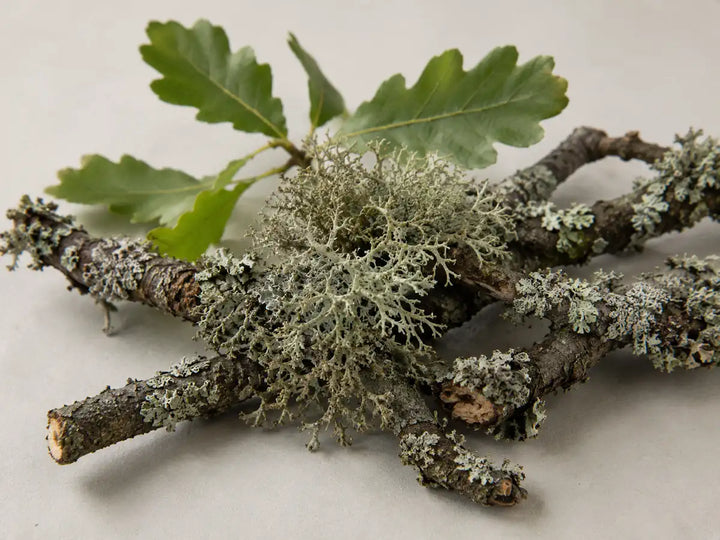
Oakmoss in perfume usually smells earthy, green and woody, with damp, mossy, slightly salty, leathery or forest like sides. It can create the impression of shaded woodland, wet...
Explore Oakmoss


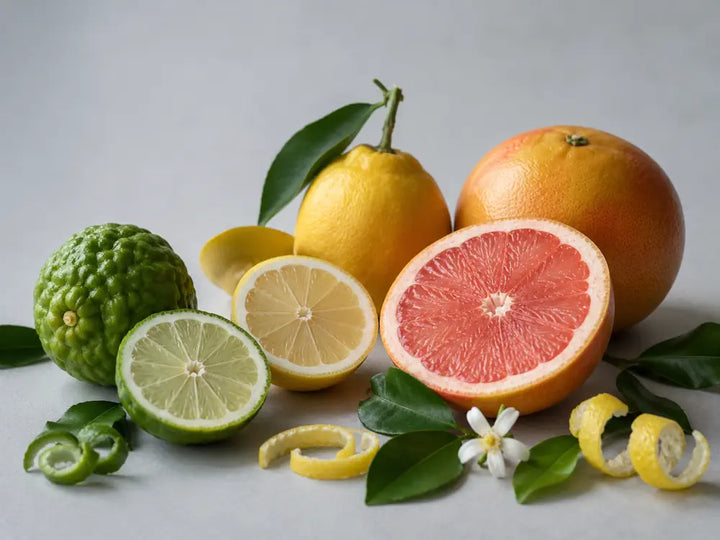
A citrus accord normally smells bright, fresh and zesty, but it can range from sharp and tart to soft and lightly sweet. Lemon and lime tend to bring...
Explore Citrus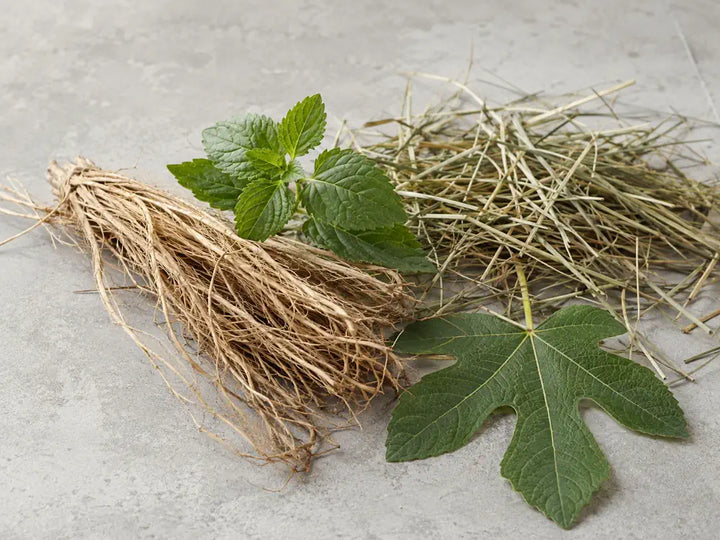
An earthy accord usually smells dry, woody, rooty or slightly damp, with a grounded quality that contrasts with brighter floral, citrus or fruity notes. Some earthy accords have...
Explore Earthy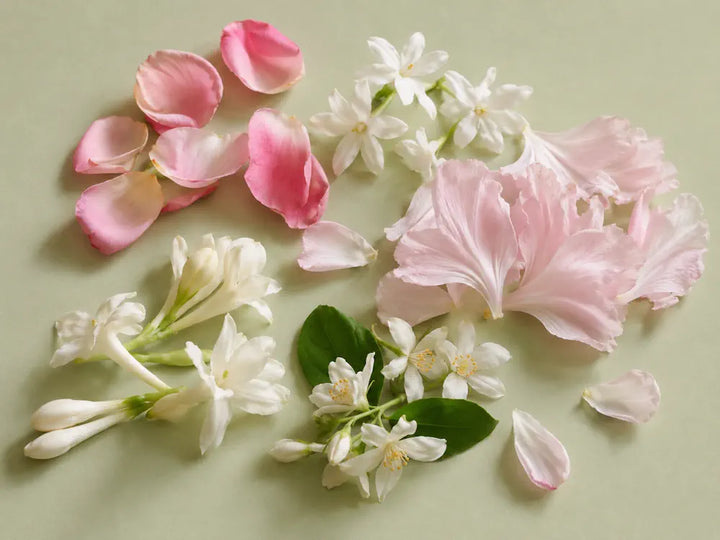
A floral accord can smell fresh, green, airy, powdery, creamy, sweet or intensely rich depending on the flowers and materials used. Rose may add a fresh, fruity or...
Explore Floral
A fresh accord usually smells bright, clean and light, but there is no single fresh smell. Citrus can make it zesty, mint can add a cooling quality, green...
Explore Fresh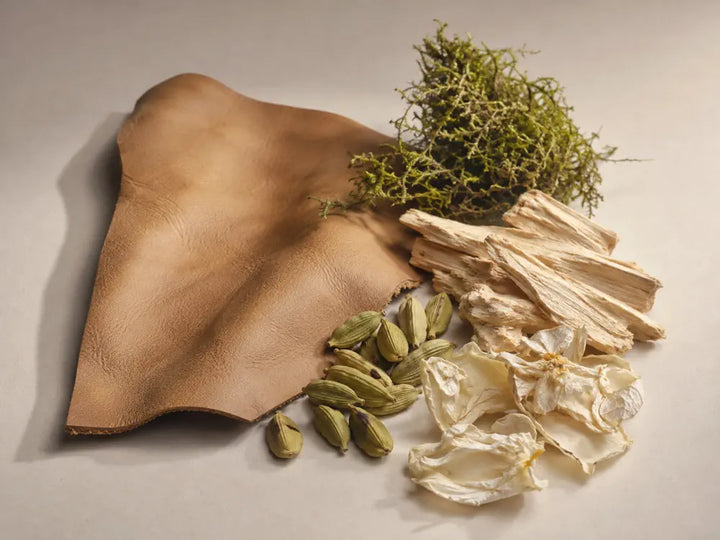
A leather accord usually smells dry, smooth and slightly smoky, but its character can vary widely. Some versions resemble clean suede, while others feel darker, woody, earthy or...
Explore Leather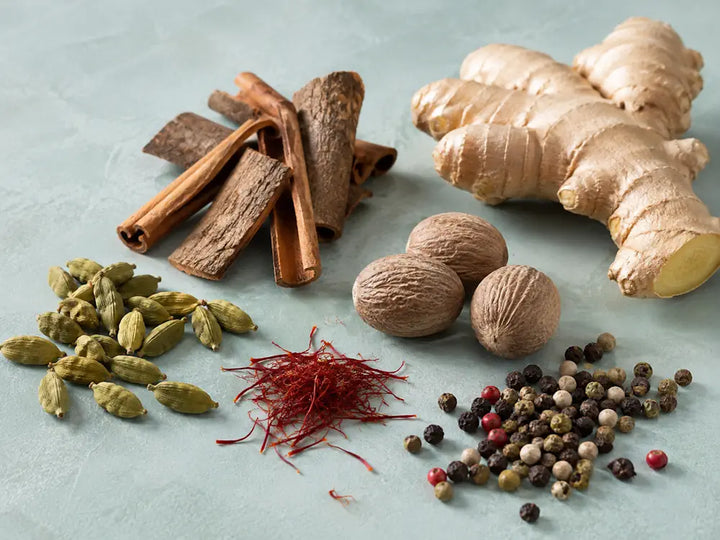
A spicy accord can smell warm and sweet, dry and peppery, fresh and aromatic, or earthy and leathery. Cinnamon and nutmeg generally push the accord towards warmth, cardamom...
Explore Spicy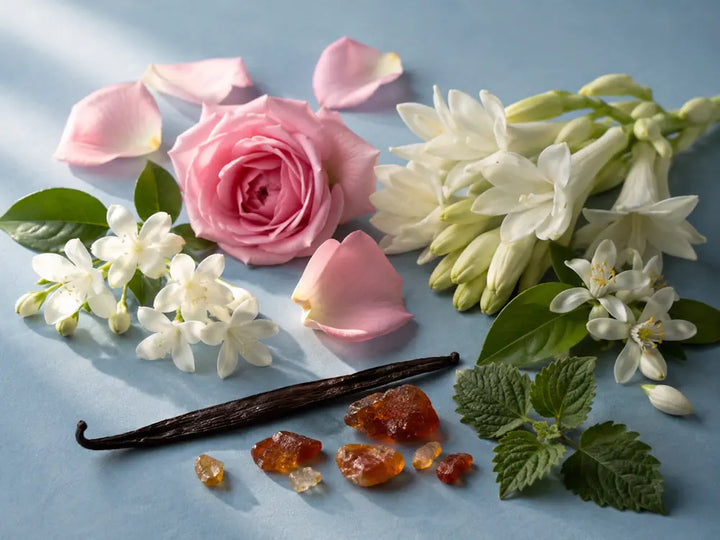
Floral & Warm fragrances typically smell floral first or have a clearly noticeable floral character, with a softer and deeper background that prevents the scent from feeling purely...
Explore Floral & Warm
Fresh & Bright fragrances generally smell crisp, open and energising rather than dense or heavy. Bergamot, lemon and grapefruit can provide sparkling citrus freshness, while mint and green...
Explore Fresh & Bright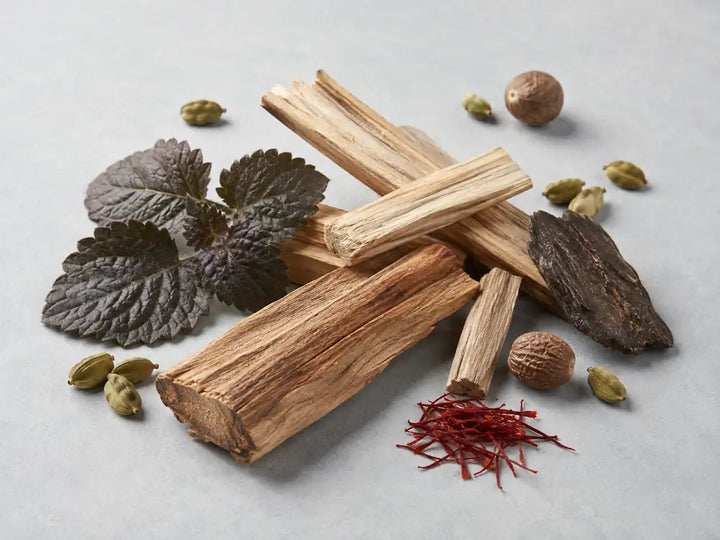
Spicy & Woody fragrances generally smell warm, dry and structured, with noticeable spice layered over woods or deeper earthy materials. Nutmeg can bring dry warmth, while cardamom often...
Explore Spicy & Woody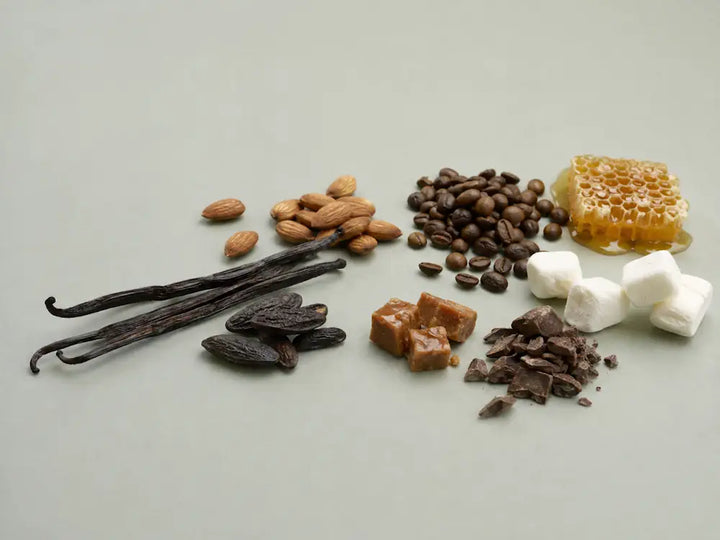
Sweet & Gourmand fragrances usually smell soft, sweet, creamy, edible or comforting, but they can range from light and smooth to dark and roasted. Vanilla and marshmallow can...
Explore Sweet & Gourmand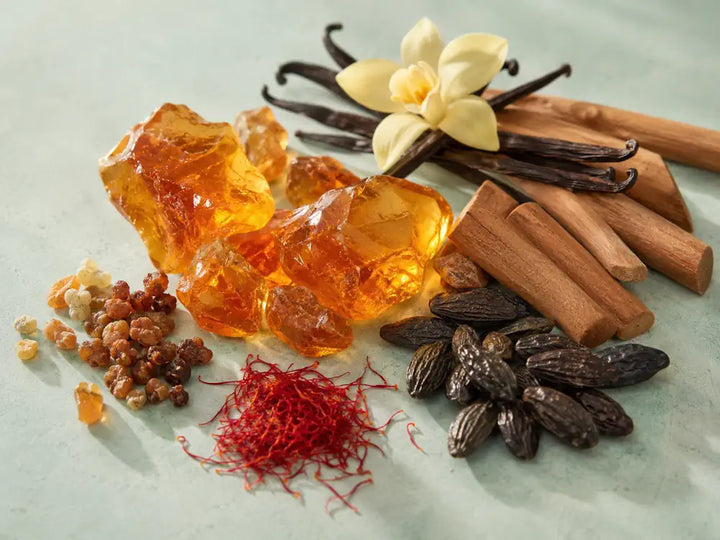
Warm & Ambery fragrances generally smell smooth, rich and enveloping. Vanilla and tonka bean can create softer sweetness, sandalwood adds a creamy woody quality, and resins such as...
Explore Warm & Ambery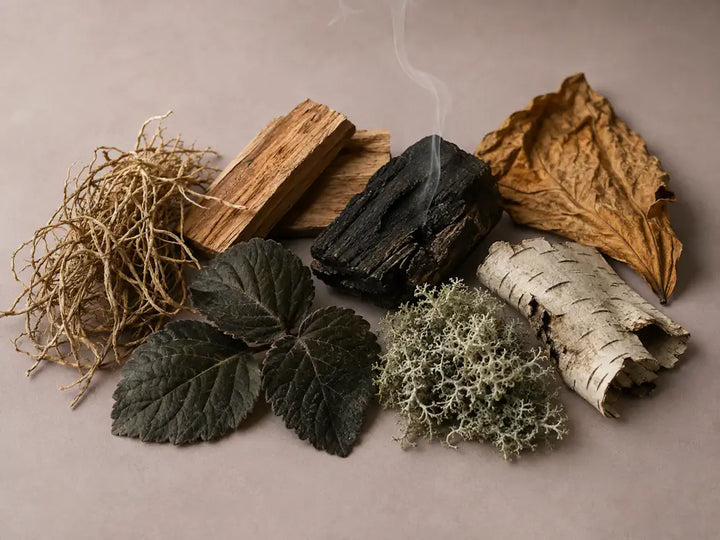
Woody & Smoky fragrances usually smell dry, earthy or woody, often with touches of smoke, leather or tobacco. Cedarwood can give a clear, dry structure, while vetiver and...
Explore Woody & Smoky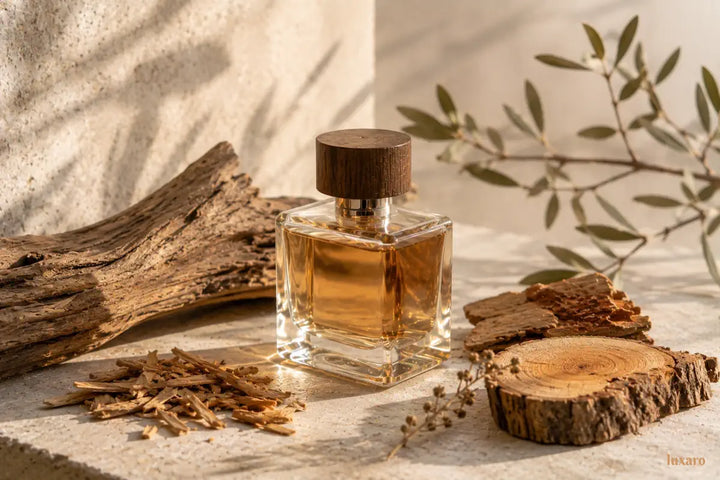
Discover what woody fragrances smell like, why woody perfumes feel elegant and grounding, and how fresh, smoky, creamy, and airy woods create modern luxury scents.
Read guide
Discover what makes Byredo Bal d’Afrique so popular, why citrus woody fragrances feel fresh and sophisticated, and the scent style behind its modern appeal.
Read guide