
Fragrance note
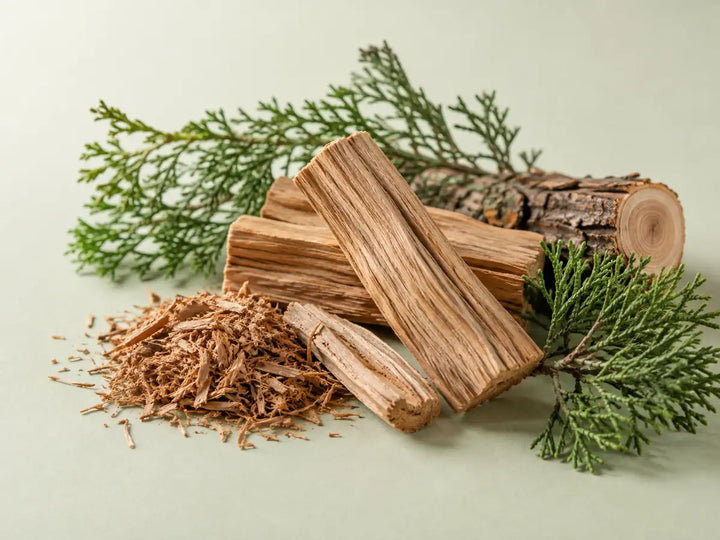
Cedarwood
Cedarwood in perfume usually smells dry, warm and woody, with resinous, slightly smoky or pencil like sides. Some cedarwood notes feel smooth and creamy, while others are sharper...
Explore CedarwoodCart
Your cart is empty
Fragrance note guide
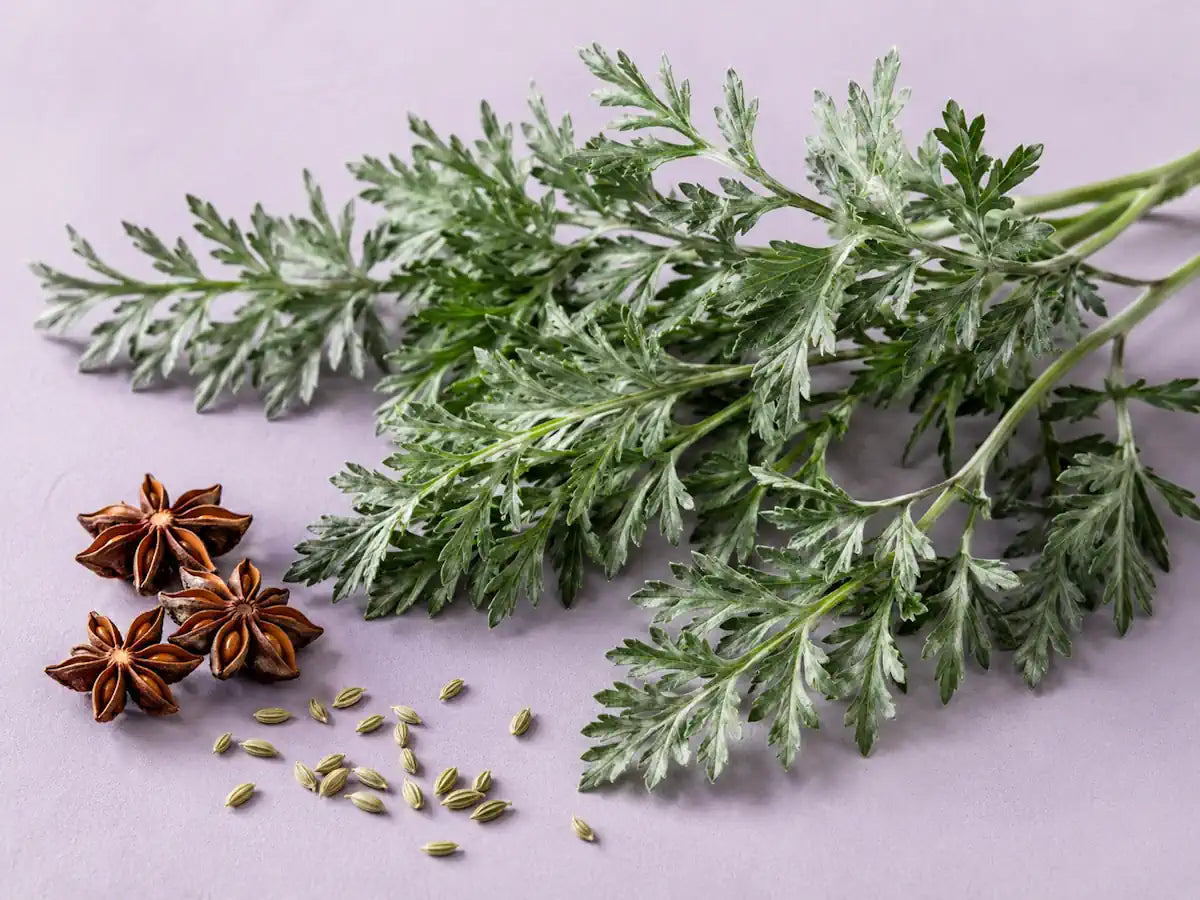
Absinthe in perfume usually smells bitter, green and herbal, with anise-like, liquorice, camphoraceous and slightly medicinal sides. It can feel sharp and cool rather than sweet. The note is inspired by wormwood and the aromatic herbs associated with absinthe, but it does not mean that the alcoholic drink is used in the perfume. Absinthe is usually most noticeable near the top.
Cedarwood in perfume usually smells dry, warm and woody, with resinous, slightly smoky or pencil like sides. Some cedarwood notes feel smooth and creamy, while others are sharper...
Explore Cedarwood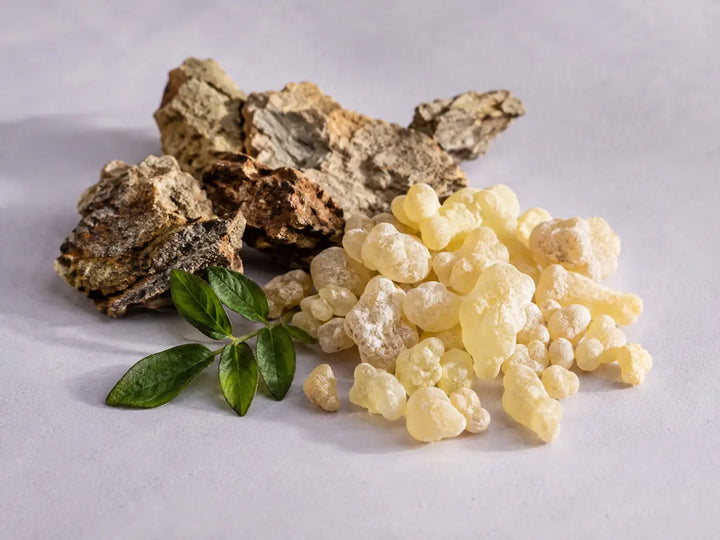
Incense in perfume usually smells resinous, smoky and woody, with warm amber, dry spice and sometimes fresh citrus or mineral sides. It does not always smell like thick...
Explore Incense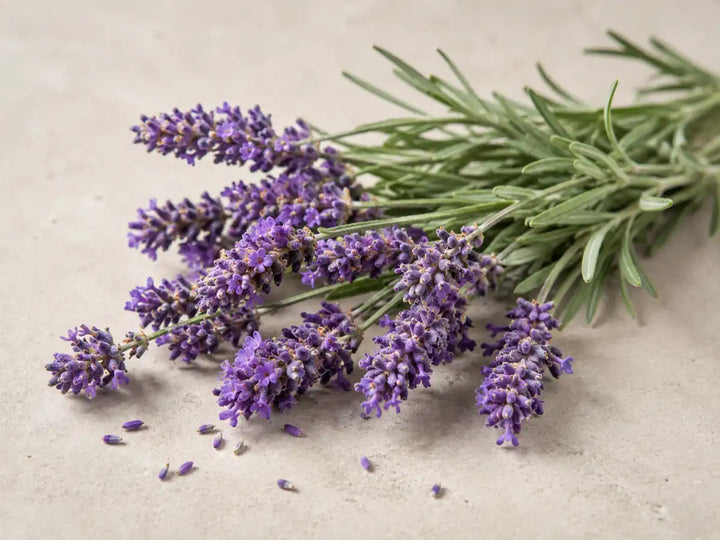
Lavender in perfume usually smells fresh, aromatic and softly floral, with herbal, clean, slightly sweet and sometimes powdery sides. Some lavender notes feel light, airy and calming, while...
Explore Lavender
Leather in perfume usually smells dry, warm and slightly smoky, with woody, animalic, tarry or soft suede like sides. It does not normally come from untreated animal hide...
Explore Leather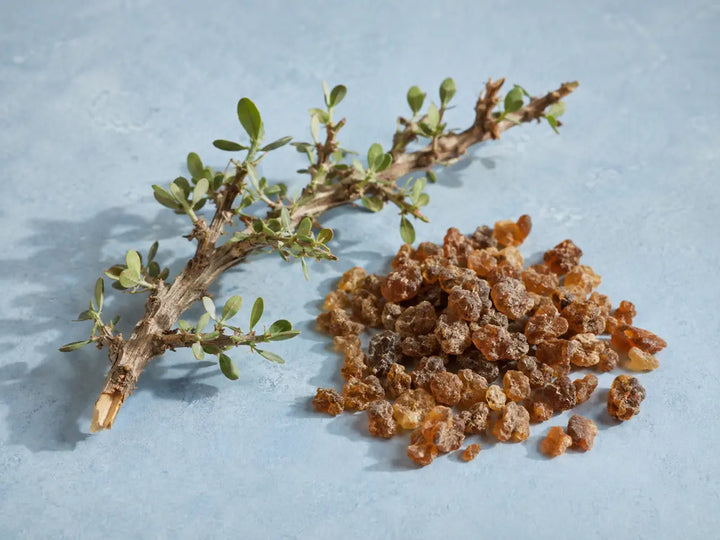
Myrrh in perfume usually smells warm, resinous and balsamic, with smoky, earthy, liquorice-like and softly sweet sides. Some myrrh materials feel dark and medicinal, while others are smoother,...
Explore Myrrh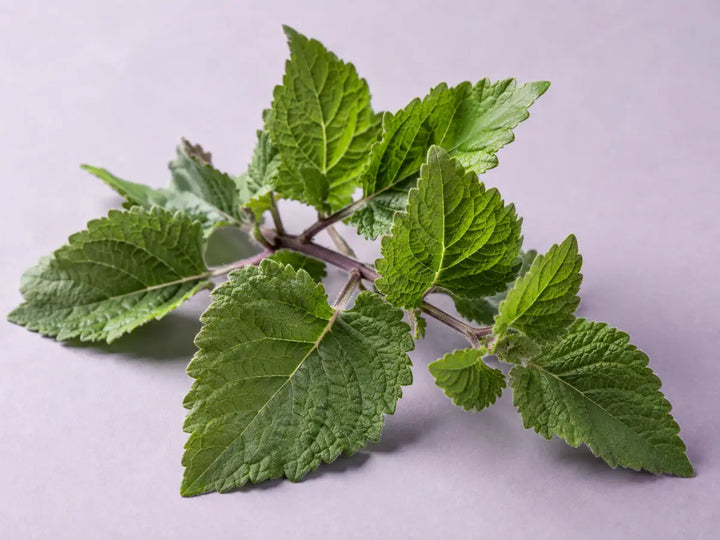
Patchouli in perfume usually smells earthy, woody and deep, with herbal, slightly sweet and sometimes camphor like sides. It can feel dark and damp in one fragrance but...
Explore Patchouli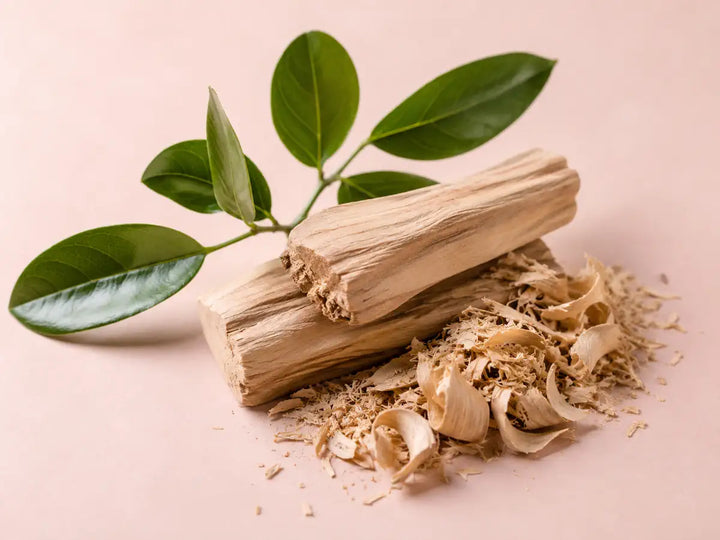
Sandalwood in perfume usually smells warm, creamy and softly woody. It can also have milky, balsamic, powdery or lightly spicy sides. Unlike sharper woods, sandalwood often feels smooth...
Explore Sandalwood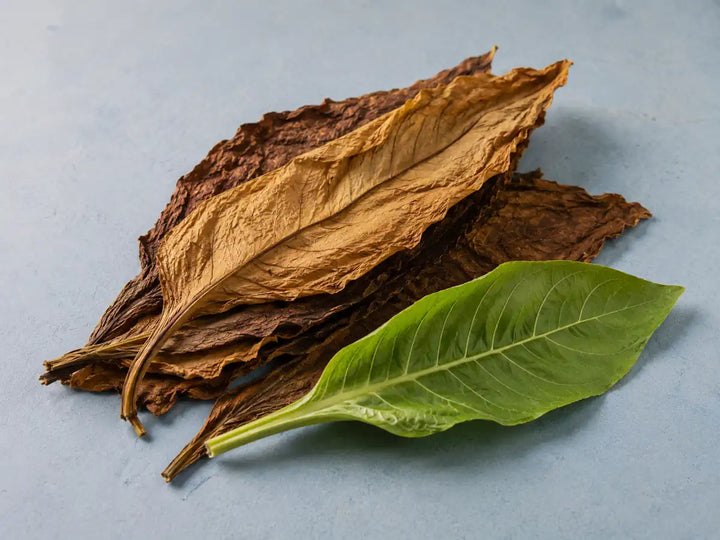
Tobacco in perfume usually smells warm, dry and slightly sweet, with honeyed, hay like, earthy, woody or smoky sides. It normally represents cured tobacco leaves rather than the...
Explore TobaccoThese fragrances introduce Absinthe near the opening of the scent.

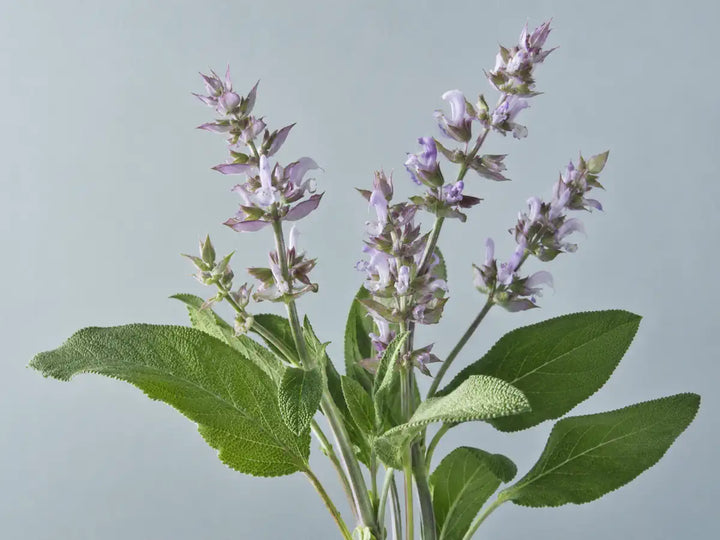
Clary sage in perfume usually smells herbal, aromatic and floral, with lavender-like, hay, tea, amber and softly tobacco-like sides. It is smoother and warmer than ordinary culinary sage....
Explore Clary Sage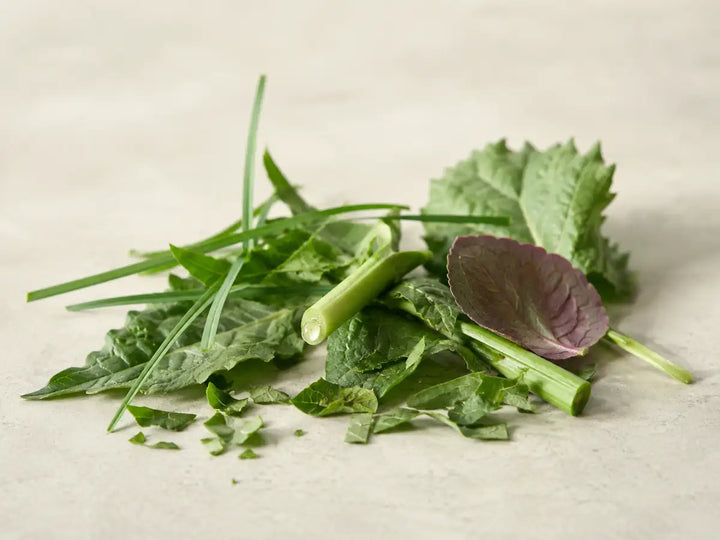
Green notes in perfume usually smell like crushed leaves, cut grass, snapped stems and fresh plant sap. They can be crisp, watery, bitter, herbal or slightly metallic. Green...
Explore Green Notes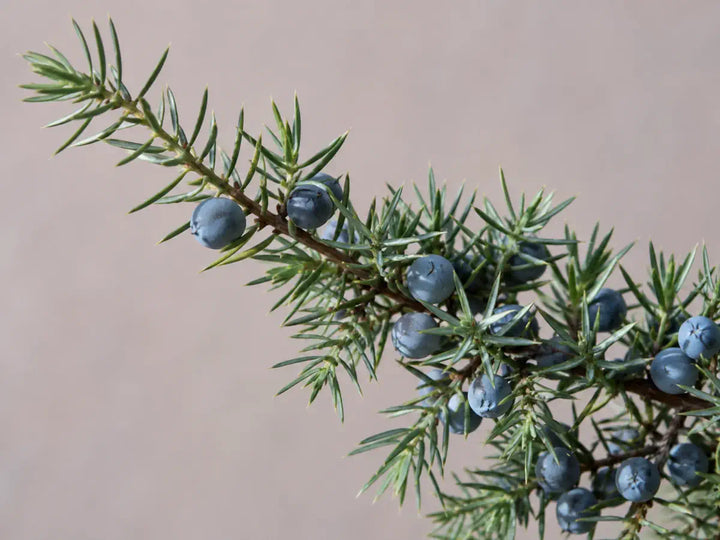
Juniper in perfume usually smells fresh, aromatic and coniferous, with gin-like, spicy, green and woody sides. It can feel crisp and sparkling near the start, before becoming drier...
Explore Juniper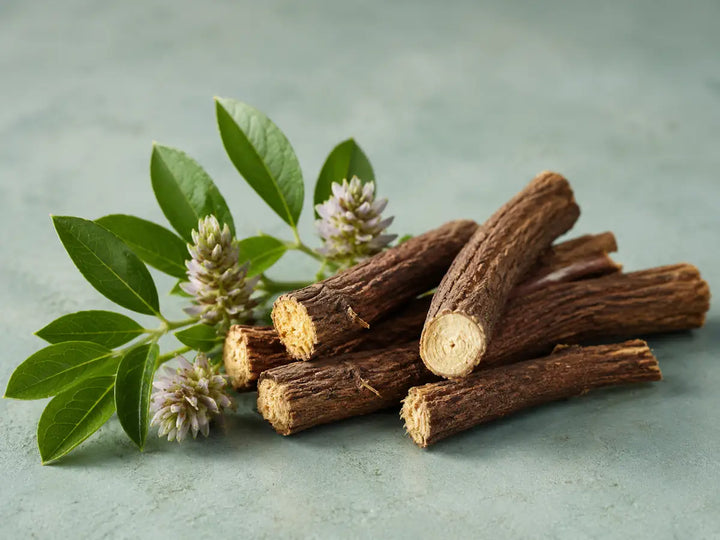
Licorice in perfume usually smells sweet, dark and aromatic, with anise-like, herbal, earthy and balsamic sides. In British English, it is normally written as liquorice. Some liquorice accords...
Explore Licorice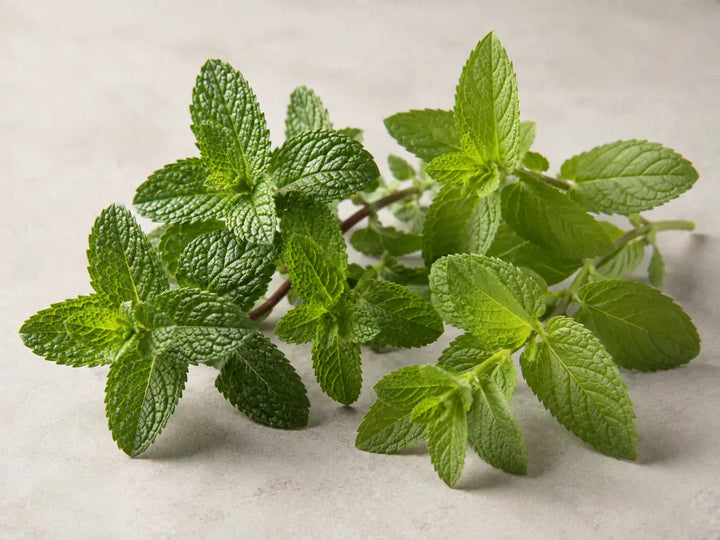
Mint in perfume usually smells cool, fresh and green, with herbal, sweet and sometimes camphor-like sides. Peppermint can feel sharp and icy, while spearmint is often softer, greener...
Explore Mint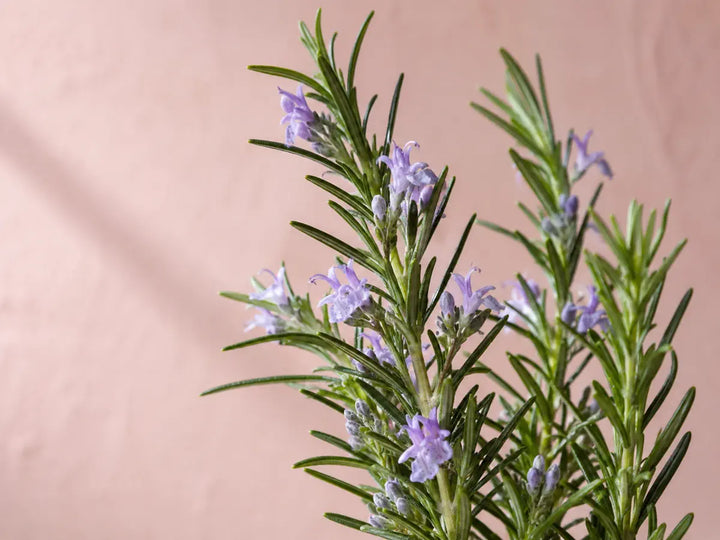
Rosemary in perfume usually smells fresh, herbal and aromatic, with camphoraceous, minty, pine-like and lightly woody sides. It has a clean and stimulating character that can feel cool,...
Explore Rosemary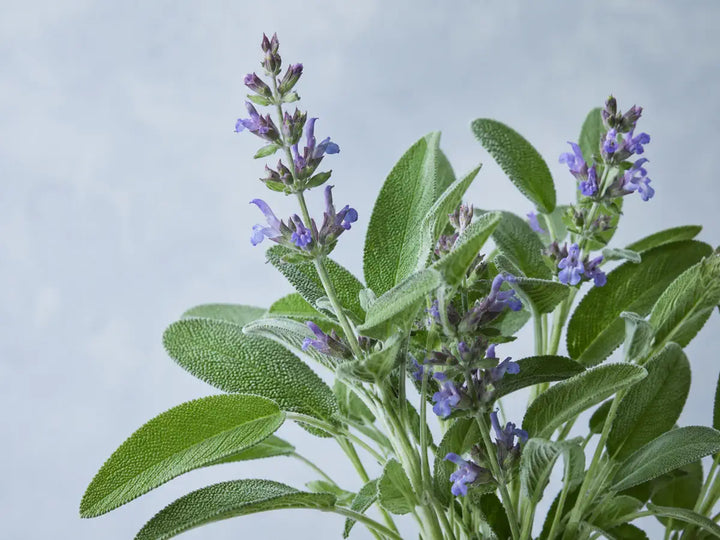
Sage in perfume usually smells dry, herbal and aromatic, with camphoraceous, eucalyptus-like, earthy and lightly woody sides. It is generally sharper and more medicinal than clary sage, which...
Explore Sage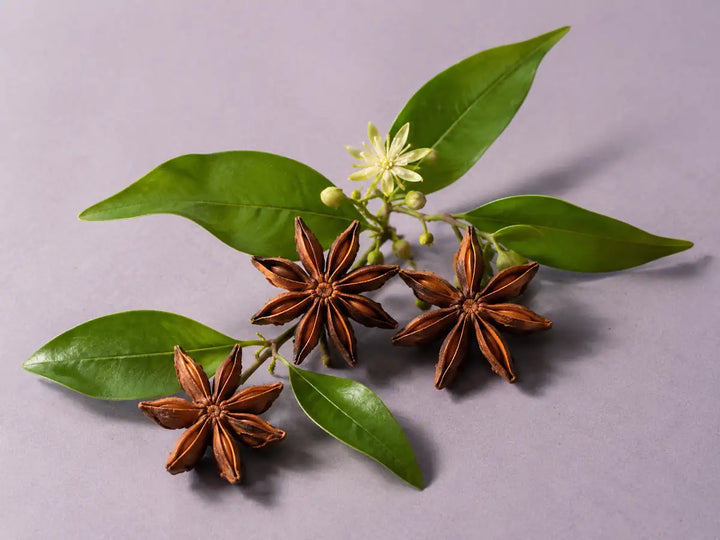
Star anise in perfume usually smells sweet, aromatic and spicy, with liquorice-like, herbal, warm and slightly medicinal sides. It is brighter and often cleaner than a dark liquorice...
Explore Star Anise