
Fragrance note
Jasmine
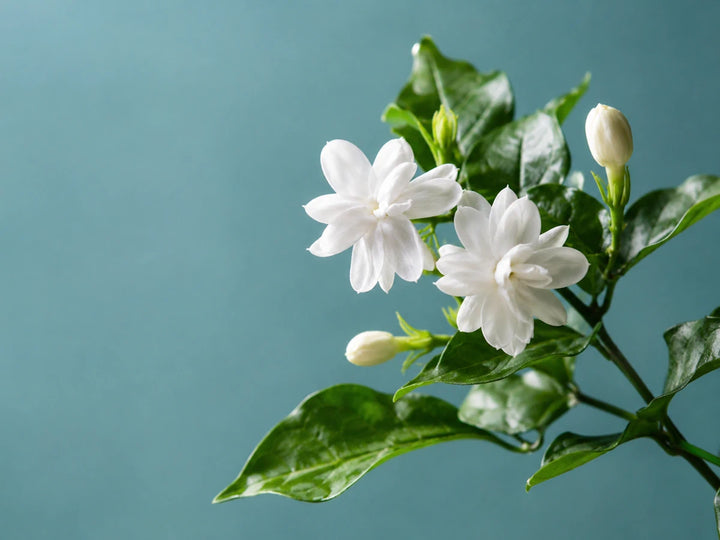
Jasmine in perfume usually smells rich, sweet and floral. It can also seem creamy, green, fruity or slightly spicy, depending on the type of jasmine and the other...
Explore JasmineCart
Your cart is empty
Fragrance note guide
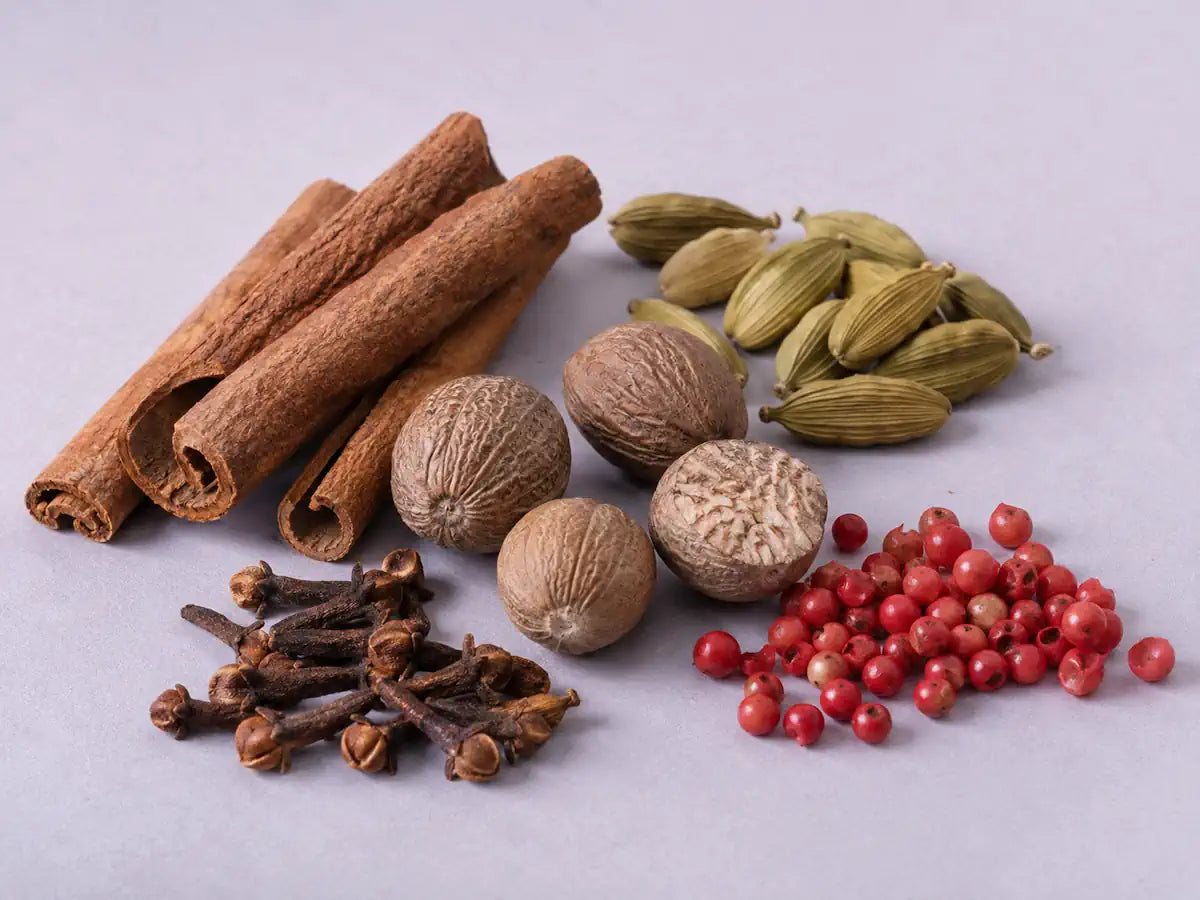
Spices in perfume can smell warm, dry, sweet, peppery, fresh or aromatic. The term does not describe one ingredient because cinnamon, cardamom, clove, nutmeg and pepper all smell different. Some spice accords feel hot and rich, while others are cool, green and lively. Spices are normally used in the top or heart to add warmth, contrast and energy.
Jasmine in perfume usually smells rich, sweet and floral. It can also seem creamy, green, fruity or slightly spicy, depending on the type of jasmine and the other...
Explore Jasmine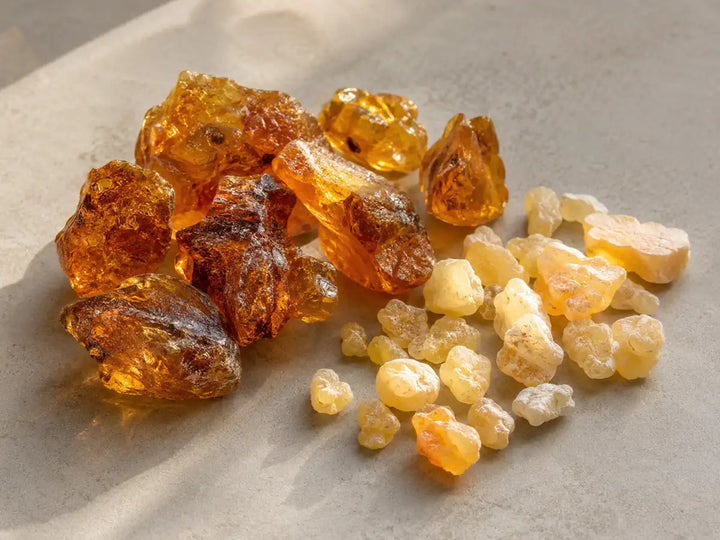
Amber in perfume usually smells warm, sweet and resinous, with soft vanilla, balsamic, powdery or slightly smoky sides. It is not normally taken from fossilised amber. In perfumery,...
Explore Amber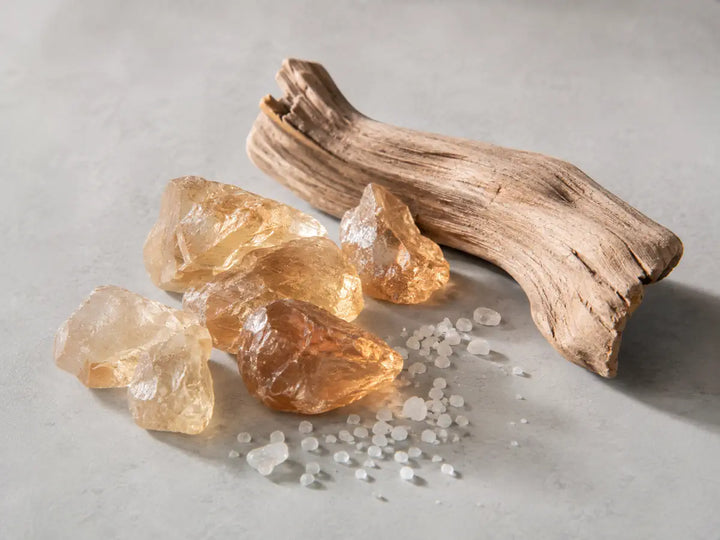
Ambroxan in perfume usually smells dry, warm and ambery, with woody, musky, mineral and sometimes slightly salty sides. It can feel clean and smooth rather than sweet, even...
Explore Ambroxan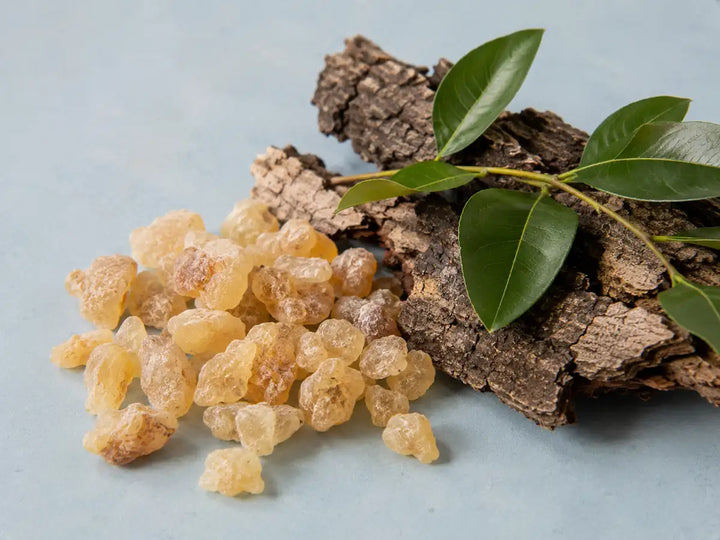
Benzoin in perfume usually smells sweet, warm and balsamic, with vanilla-like, creamy, powdery and slightly resinous sides. It can also suggest caramel, cinnamon or warm cereal depending on...
Explore Benzoin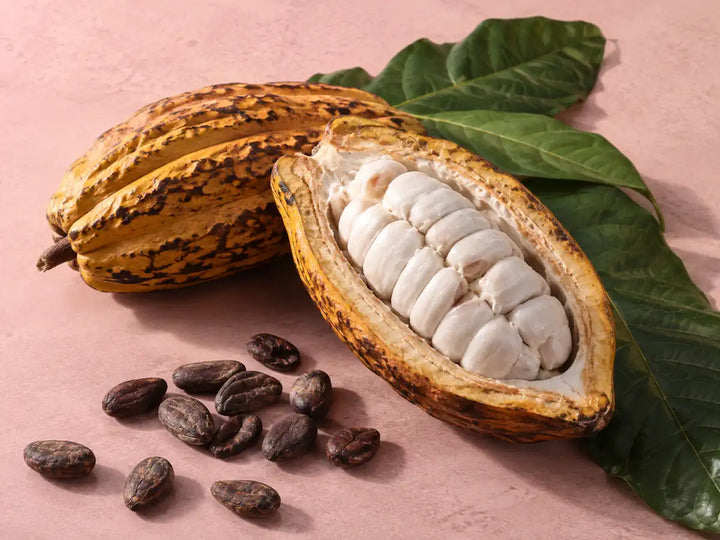
Cacao in perfume usually smells dark, powdery and chocolate-like, with bitter, earthy, roasted and softly sweet sides. It may suggest dry cocoa powder rather than a sugary chocolate...
Explore Cacao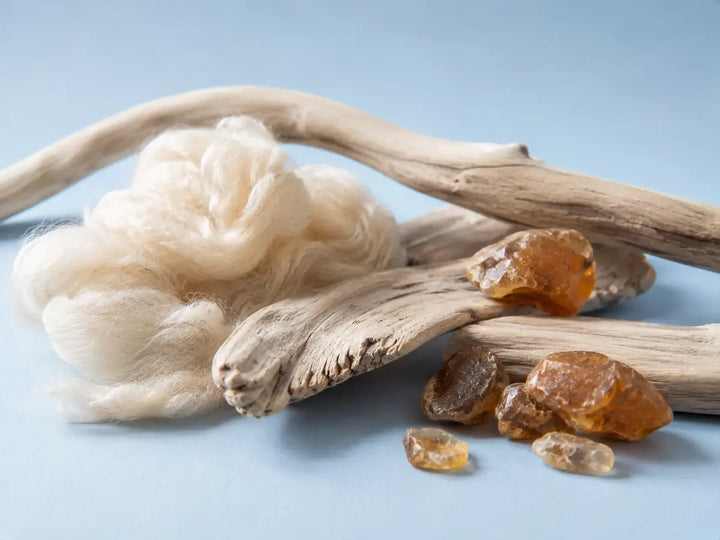
Cashmeran in perfume usually smells warm, woody and musky, with spicy, powdery, amber-like and slightly earthy sides. It may also show soft animalic, fruity or pine-like qualities. Cashmeran...
Explore Cashmeran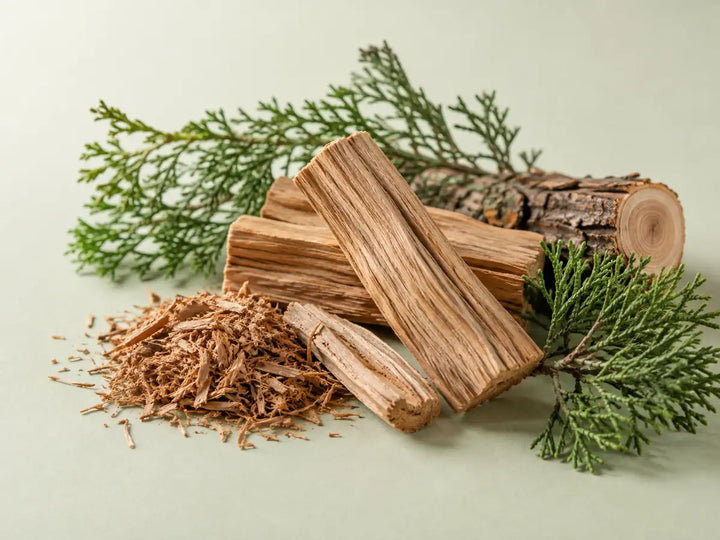
Cedarwood in perfume usually smells dry, warm and woody, with resinous, slightly smoky or pencil like sides. Some cedarwood notes feel smooth and creamy, while others are sharper...
Explore Cedarwood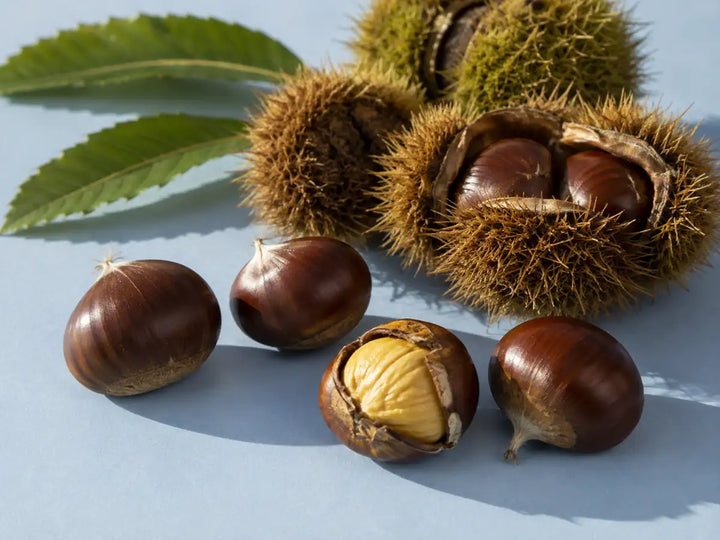
Chestnut in perfume usually smells warm, nutty and softly sweet, with roasted, creamy, woody and slightly earthy sides. It can suggest freshly roasted chestnuts, soft nut flesh or...
Explore Chestnut
Citrus in perfume usually smells bright, fresh and zesty, with juicy, bitter, green and peel-like sides. The term does not describe one fruit because lemon, bergamot, orange, mandarin,...
Explore Citrus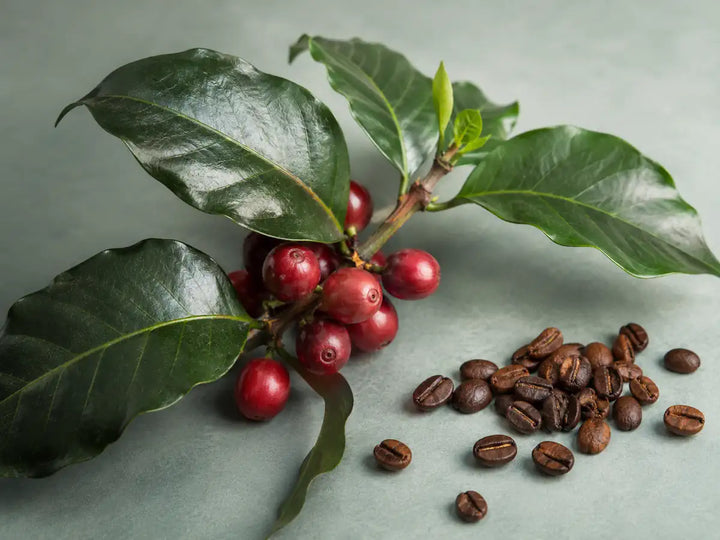
Coffee in perfume usually smells warm, roasted and dark, with bitter, nutty, earthy and chocolate-like sides. Some coffee notes suggest freshly ground beans or strong espresso, while others...
Explore Coffee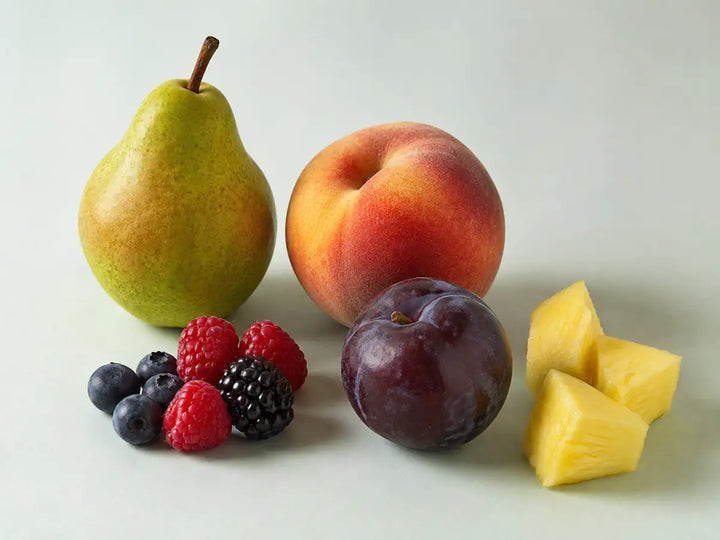
Fruity notes in perfume can smell juicy, sweet, tart, green, creamy or syrupy depending on the fruits being represented. The term is a broad category rather than one...
Explore Fruity Notes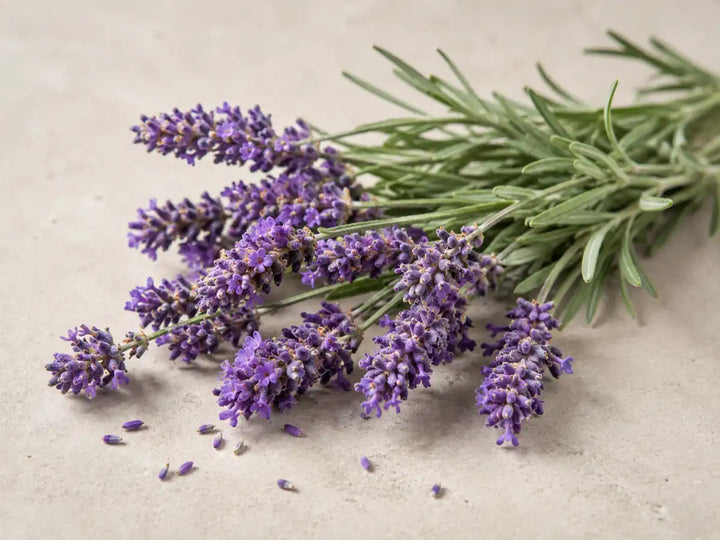
Lavender in perfume usually smells fresh, aromatic and softly floral, with herbal, clean, slightly sweet and sometimes powdery sides. Some lavender notes feel light, airy and calming, while...
Explore Lavender
Leather in perfume usually smells dry, warm and slightly smoky, with woody, animalic, tarry or soft suede like sides. It does not normally come from untreated animal hide...
Explore Leather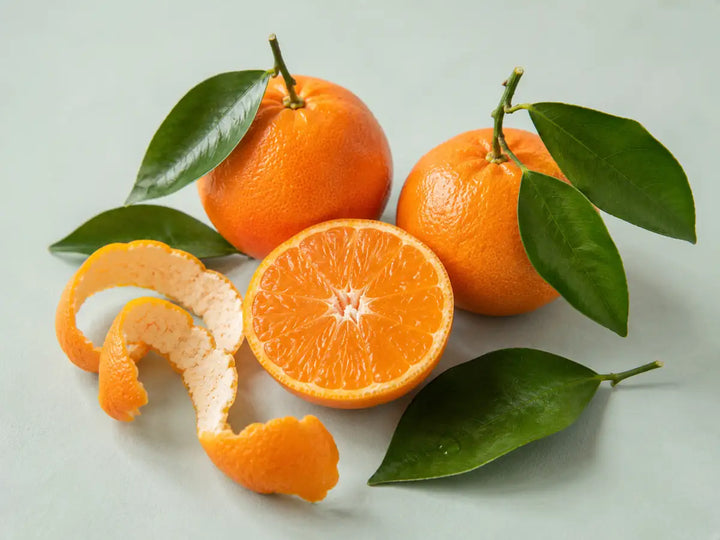
Mandarin in perfume usually smells sweet, juicy and zesty, with soft fruity, floral and slightly green sides. It is generally rounder and less sharp than lemon, making it...
Explore Mandarin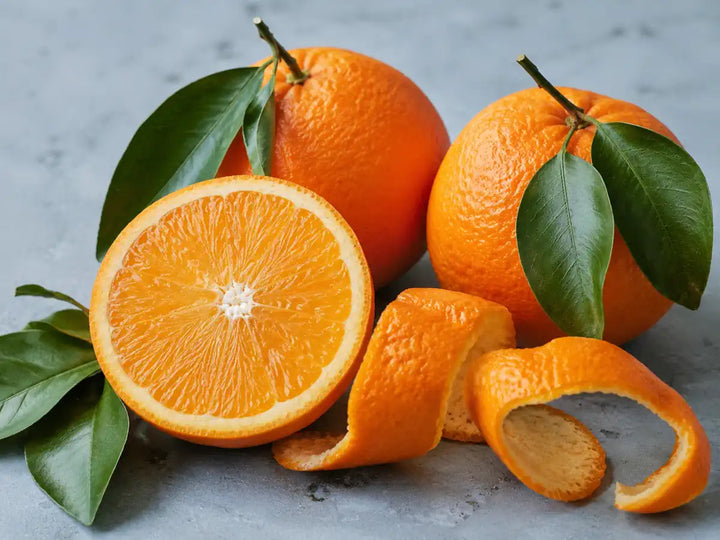
Orange in perfume usually smells juicy, sweet and zesty, with the fresh character of newly peeled fruit. It is softer and sweeter than lemon, while usually feeling less...
Explore Orange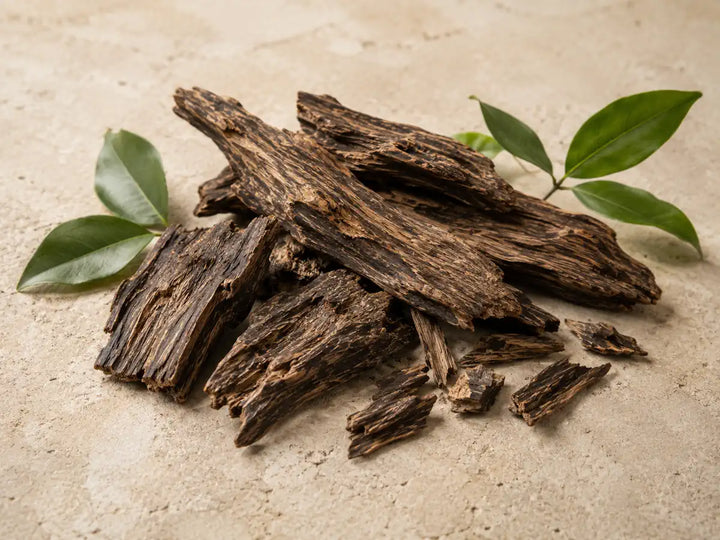
Oud in perfume usually smells dark, woody and resinous, with smoky, leathery, sweet or animalic sides. Some oud notes feel dry and medicinal, while others are smooth, warm...
Explore Oud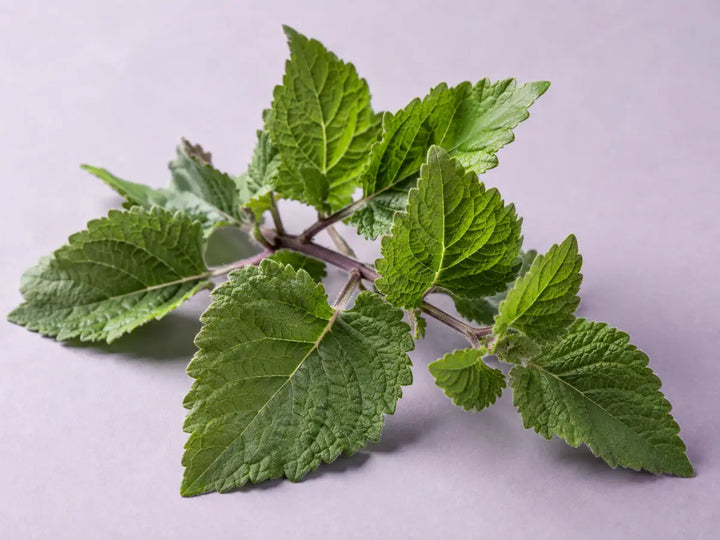
Patchouli in perfume usually smells earthy, woody and deep, with herbal, slightly sweet and sometimes camphor like sides. It can feel dark and damp in one fragrance but...
Explore Patchouli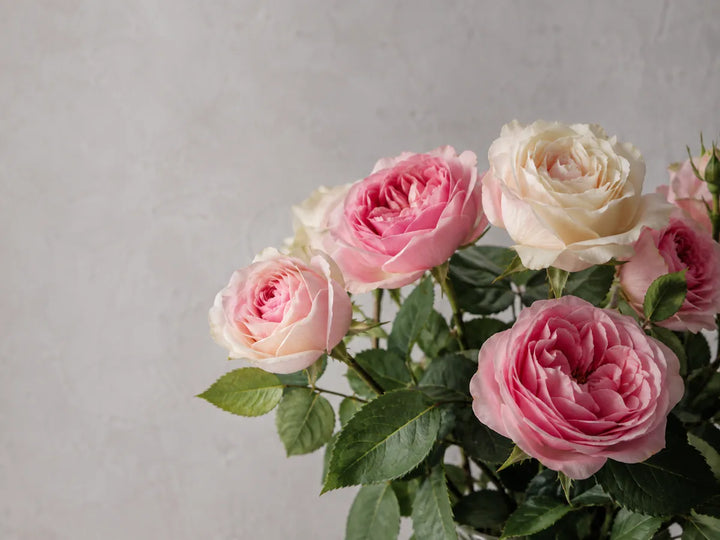
Rose in perfume usually smells floral, fresh and softly sweet, but it can also have green, fruity, honeyed or spicy sides. Some rose notes feel light and dewy,...
Explore Rose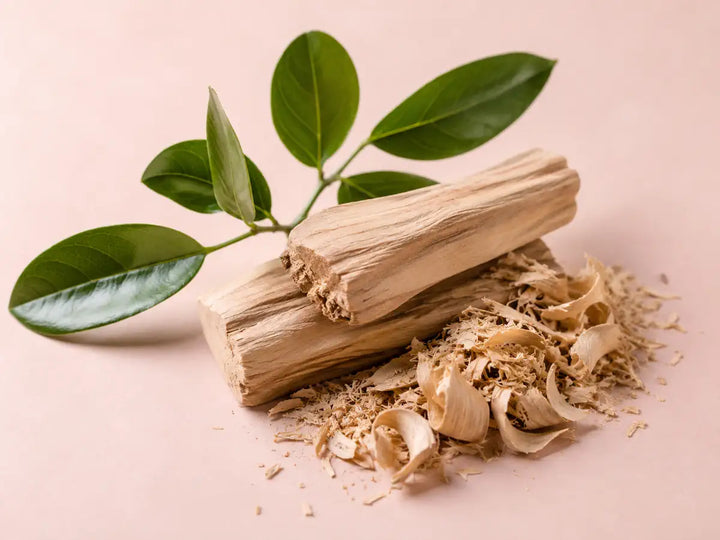
Sandalwood in perfume usually smells warm, creamy and softly woody. It can also have milky, balsamic, powdery or lightly spicy sides. Unlike sharper woods, sandalwood often feels smooth...
Explore Sandalwood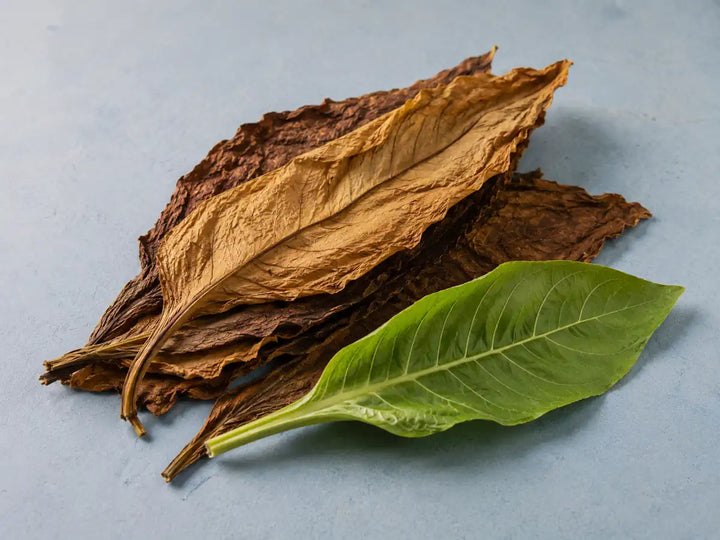
Tobacco in perfume usually smells warm, dry and slightly sweet, with honeyed, hay like, earthy, woody or smoky sides. It normally represents cured tobacco leaves rather than the...
Explore Tobacco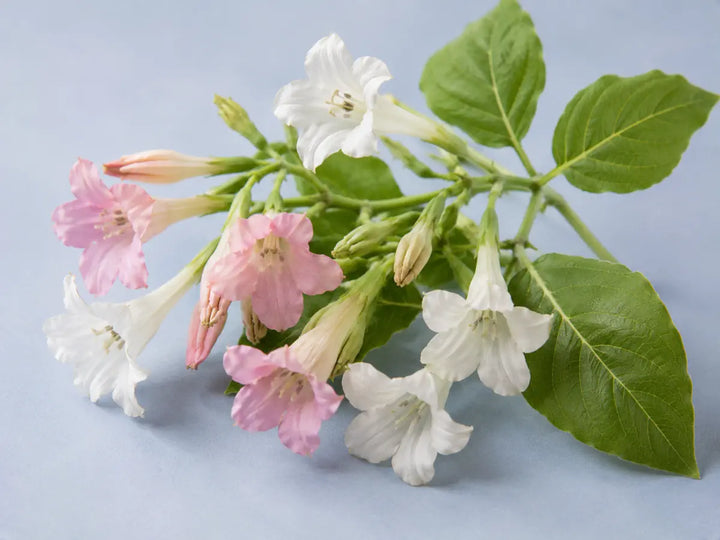
Tobacco blossom in perfume usually smells soft, dry and floral, with green, lightly spicy and sometimes hay-like sides. It is different from tobacco leaf, which is normally warmer,...
Explore Tobacco Blossom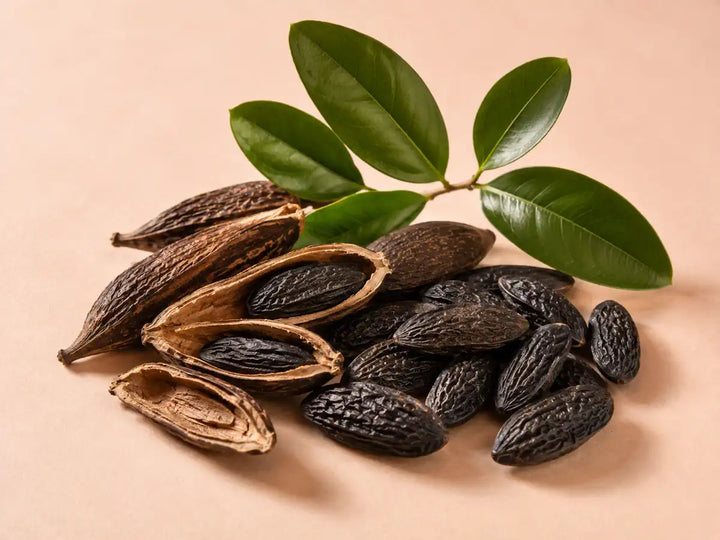
Tonka bean in perfume usually smells warm, sweet and powdery, with notes that can remind people of vanilla, almond, hay and soft tobacco. It is rich and comforting...
Explore Tonka Bean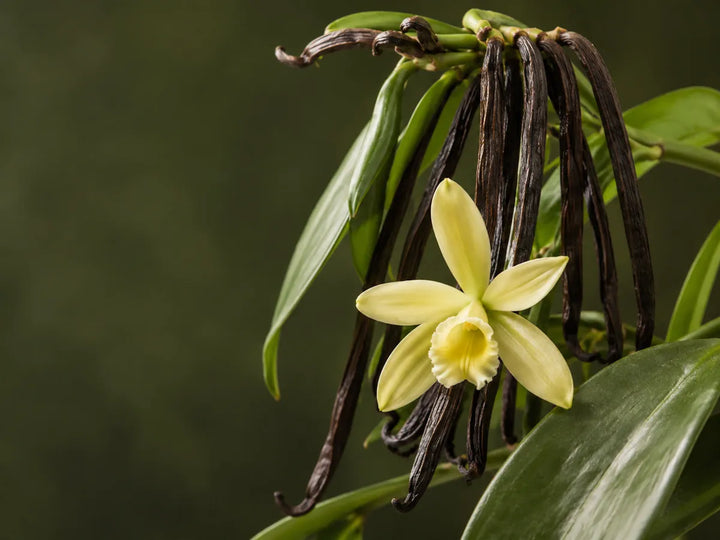
Vanilla in perfume usually smells sweet, warm and creamy. It can also have soft woody, powdery or spicy sides, depending on the material used and the notes around...
Explore Vanilla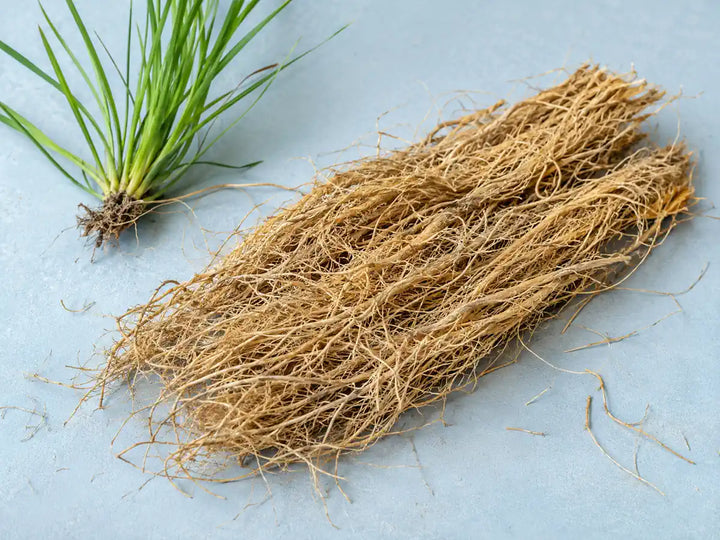
Vetiver in perfume usually smells earthy, woody and dry, with smoky, green, grassy or slightly bitter sides. Some vetiver notes feel dark, rooty and rugged, while others are...
Explore Vetiver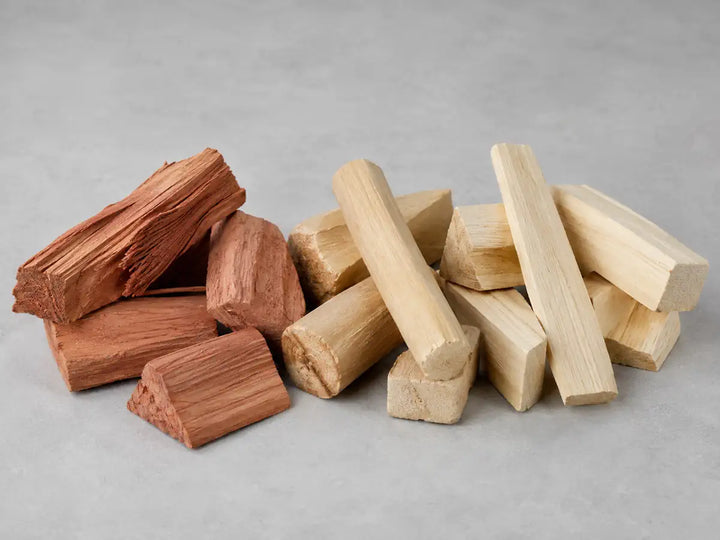
Woody notes in perfume can smell dry, warm, earthy, smoky, creamy or resinous. They do not describe one single ingredient because different woods and woody materials have very...
Explore Woody NotesThese fragrances introduce Spices near the opening of the scent.

These fragrances reveal Spices through the central body of the scent.


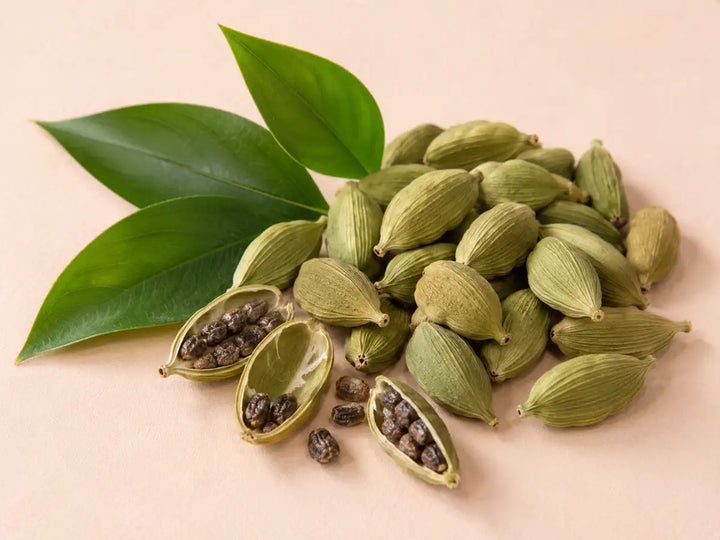
Cardamom in perfume usually smells fresh, green and spicy, with citrusy, aromatic, woody and slightly cooling sides. It is lighter and fresher than many warm spices, so it...
Explore Cardamom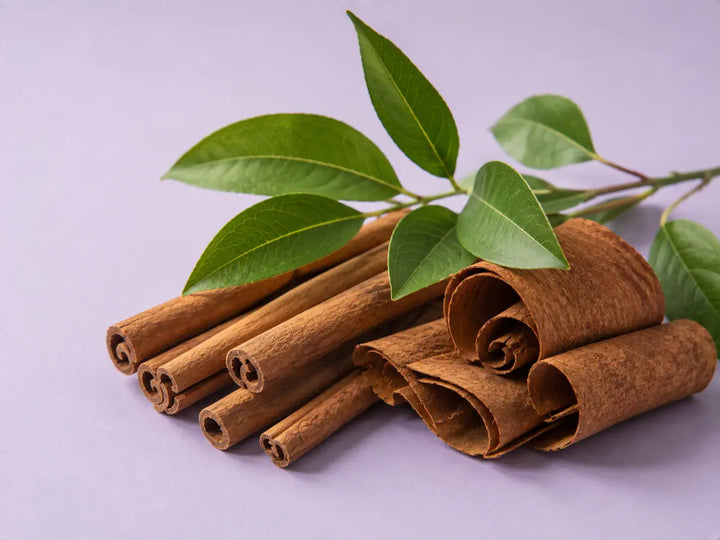
Cinnamon in perfume usually smells warm, sweet and spicy, with dry, woody and sometimes slightly hot sides. It can feel comforting and smooth in one fragrance but sharper...
Explore Cinnamon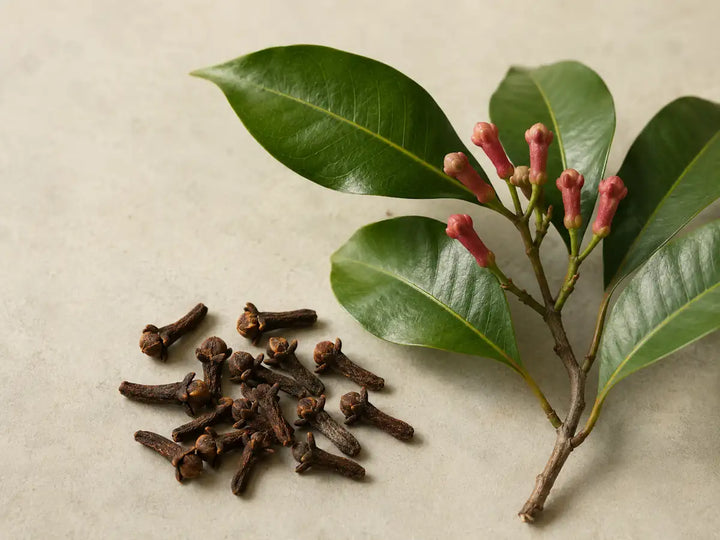
Clove in perfume usually smells warm, sweet and spicy, with woody, powdery, smoky and slightly medicinal sides. It is sharper and more intense than cinnamon, with a recognisable...
Explore Clove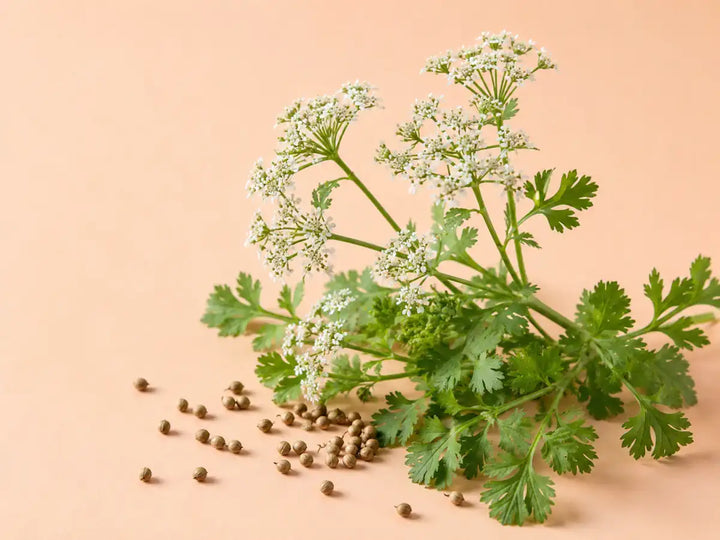
Coriander in perfume usually smells aromatic, spicy and lightly citrusy, with floral, peppery, woody and softly sweet sides. The perfume material normally associated with this character comes from...
Explore Coriander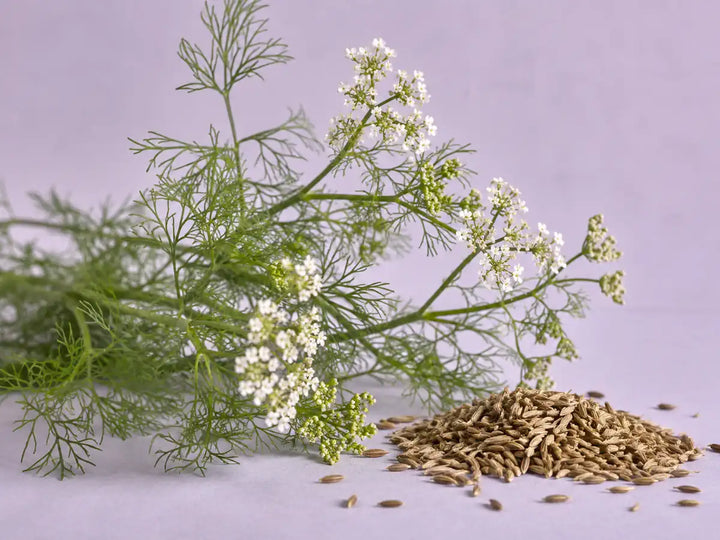
Cumin in perfume usually smells warm, dry and spicy, with earthy, herbal and softly animalic sides. In small amounts, it can add realistic warmth and depth without smelling...
Explore Cumin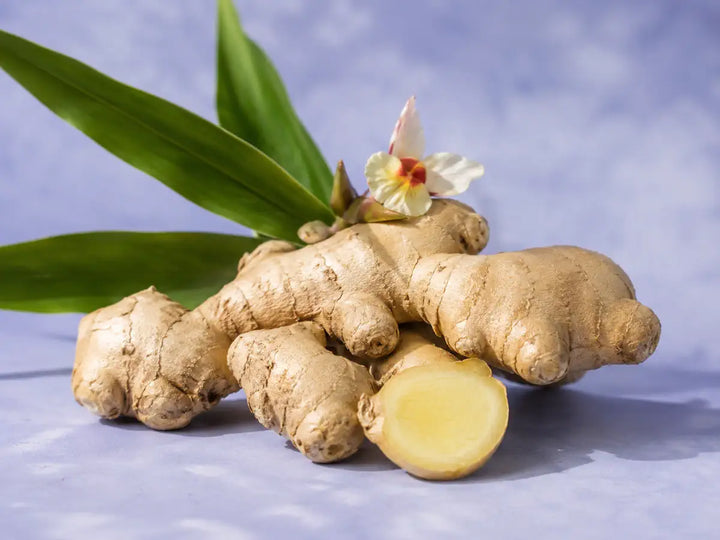
Ginger in perfume usually smells fresh, spicy and zesty, with lemon-like, woody, earthy and slightly peppery sides. It feels lively and sparkling rather than simply hot. Fresh ginger...
Explore Ginger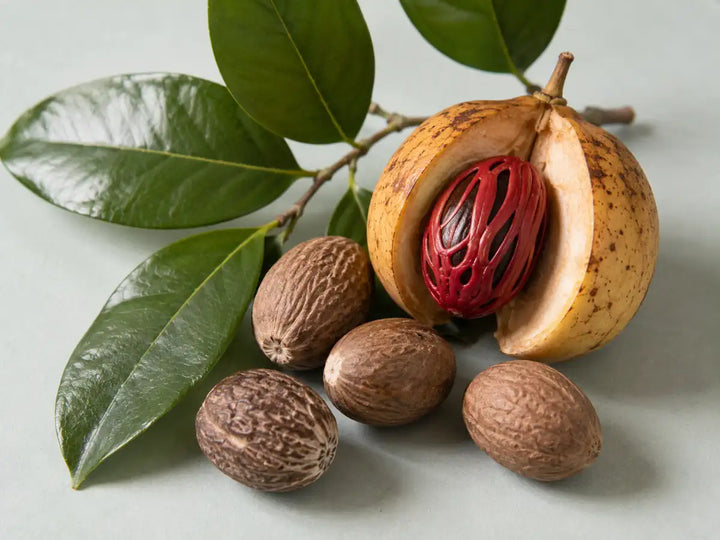
Nutmeg in perfume usually smells warm, dry and gently spicy, with woody, aromatic, sweet and slightly earthy sides. It is generally softer and rounder than black pepper and...
Explore Nutmeg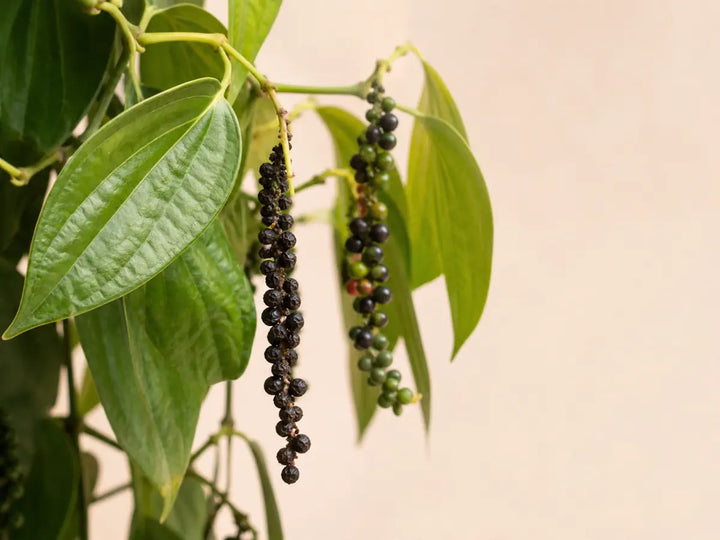
Pepper in perfume usually smells dry, fresh and spicy, with aromatic, citrus-like and woody sides. It can create a lively tingling sensation without necessarily smelling hot like food....
Explore Pepper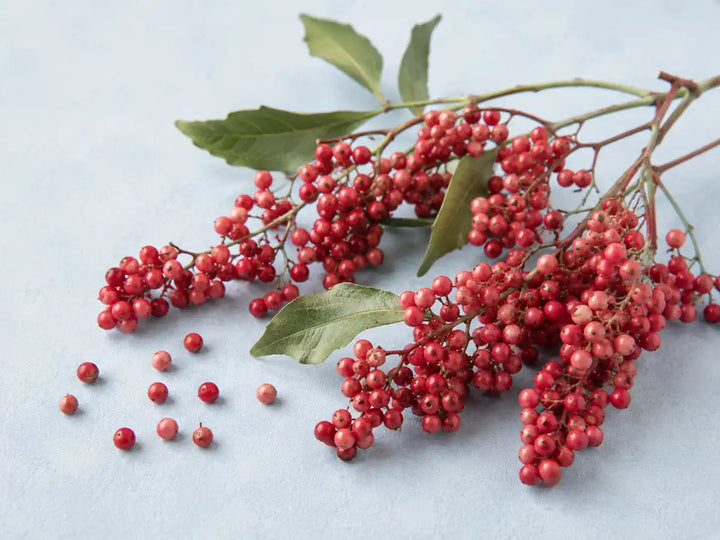
Pink pepper in perfume usually smells fresh, sparkling and gently spicy, with rosy, fruity, citrusy and slightly woody sides. It feels brighter and softer than black pepper and...
Explore Pink Pepper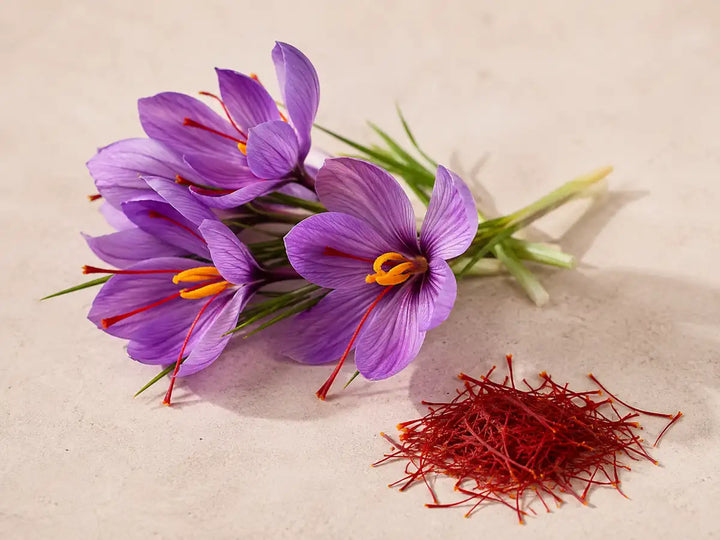
Saffron in perfume usually smells dry, warm and spicy, with leathery, hay-like, honeyed and sometimes slightly metallic sides. It is not normally sweet in the same way as...
Explore Saffron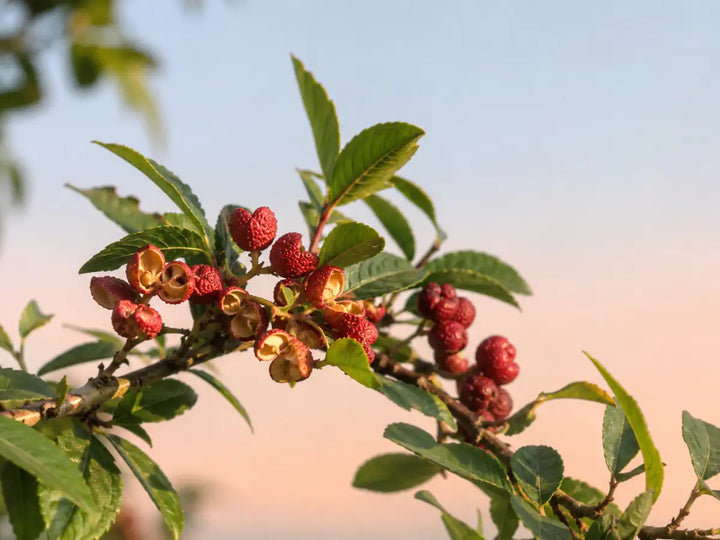
Sichuan pepper in perfume usually smells citrusy, spicy and fresh, with metallic, floral, green and tingling sides. It is not closely related to black pepper and has a...
Explore Sichuan Pepper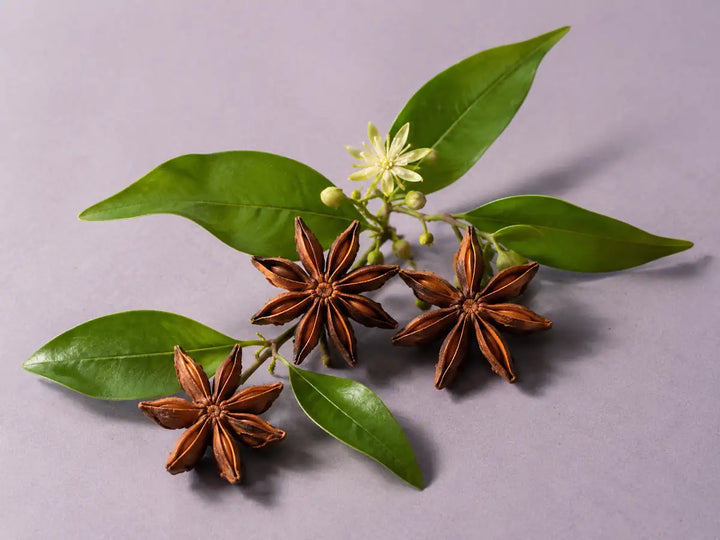
Star anise in perfume usually smells sweet, aromatic and spicy, with liquorice-like, herbal, warm and slightly medicinal sides. It is brighter and often cleaner than a dark liquorice...
Explore Star Anise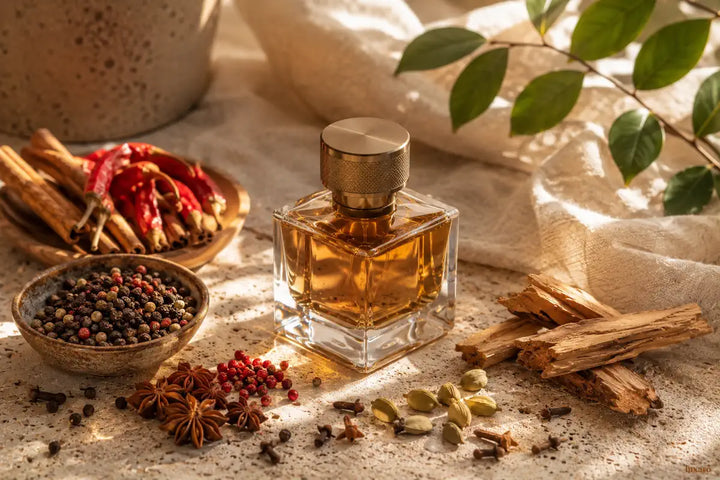
Discover what spicy fragrances smell like, why warm spicy perfumes feel bold and luxurious, and how woods, amber, leather, citrus, and oud shape modern spicy scents.
Read guide