
Fragrance note
Jasmine
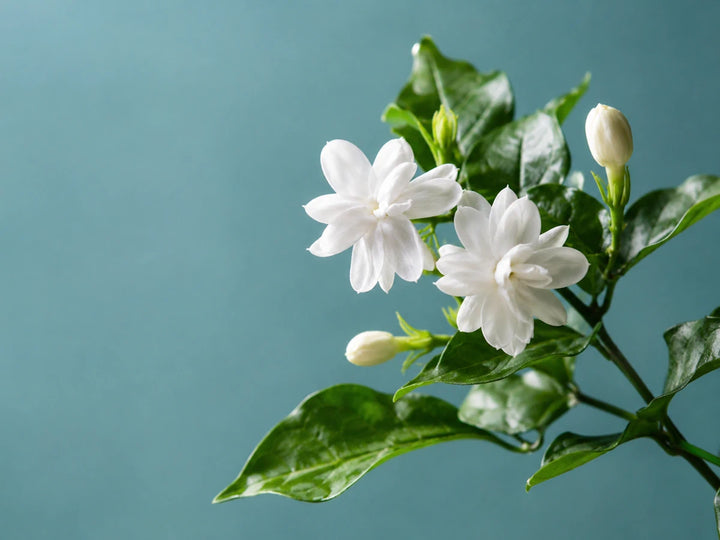
Jasmine in perfume usually smells rich, sweet and floral. It can also seem creamy, green, fruity or slightly spicy, depending on the type of jasmine and the other...
Explore JasmineCart
Your cart is empty
Fragrance note guide
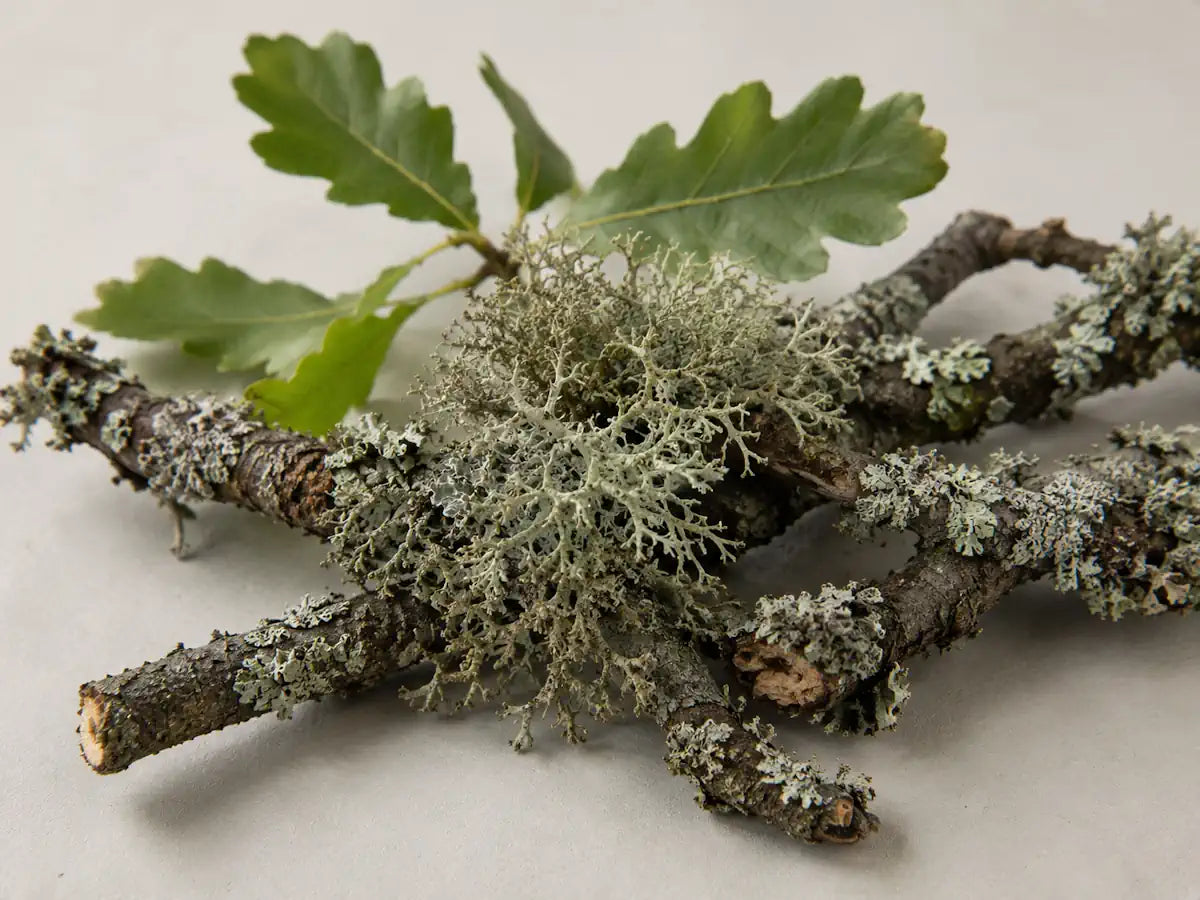
Oakmoss in perfume usually smells earthy, green and woody, with damp, mossy, slightly salty, leathery or forest like sides. It can create the impression of shaded woodland, wet bark and cool earth rather than bright green leaves. Perfumers normally use oakmoss in the base of a fragrance, where it adds depth, dryness and a natural forest character. Its earthy structure can balance sweet flowers, fruit and amber while giving fresh notes a darker and more lasting foundation.
Jasmine in perfume usually smells rich, sweet and floral. It can also seem creamy, green, fruity or slightly spicy, depending on the type of jasmine and the other...
Explore Jasmine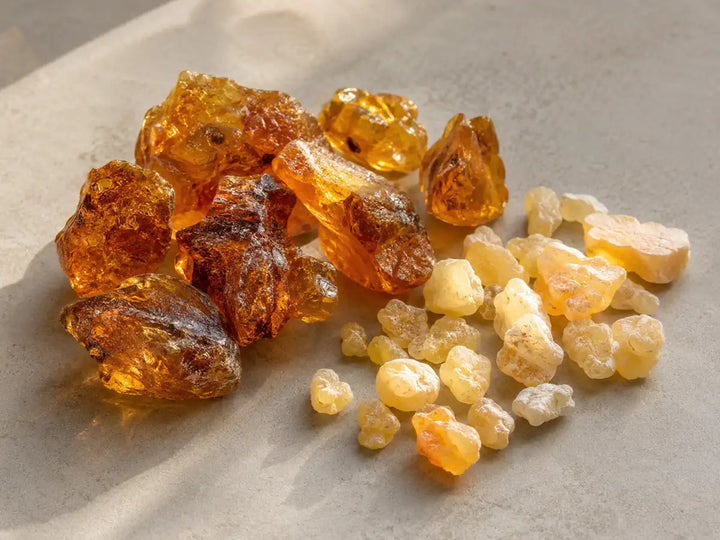
Amber in perfume usually smells warm, sweet and resinous, with soft vanilla, balsamic, powdery or slightly smoky sides. It is not normally taken from fossilised amber. In perfumery,...
Explore Amber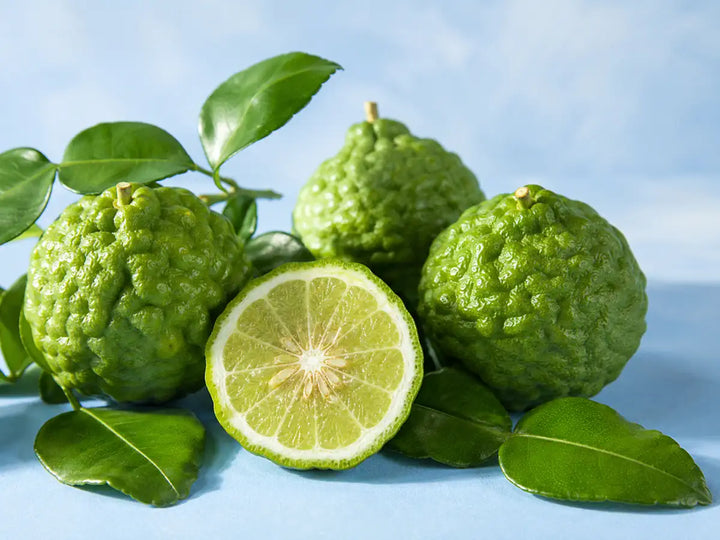
Bergamot in perfume smells fresh, bright and citrusy, with a soft floral character and a slightly bitter green edge. It is less sharp than lemon and often feels...
Explore Bergamot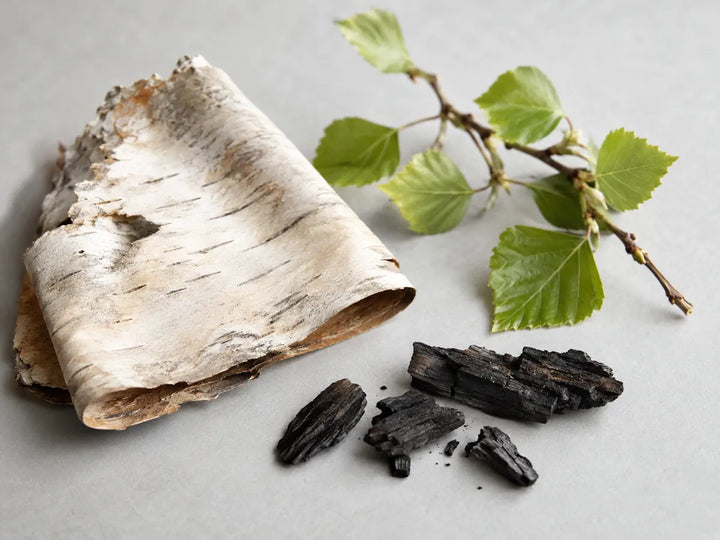
Birch in perfume usually smells smoky, dry and leathery, with tarry, burnt, woody and slightly medicinal sides. The familiar perfume note normally refers to a birch-tar effect rather...
Explore Birch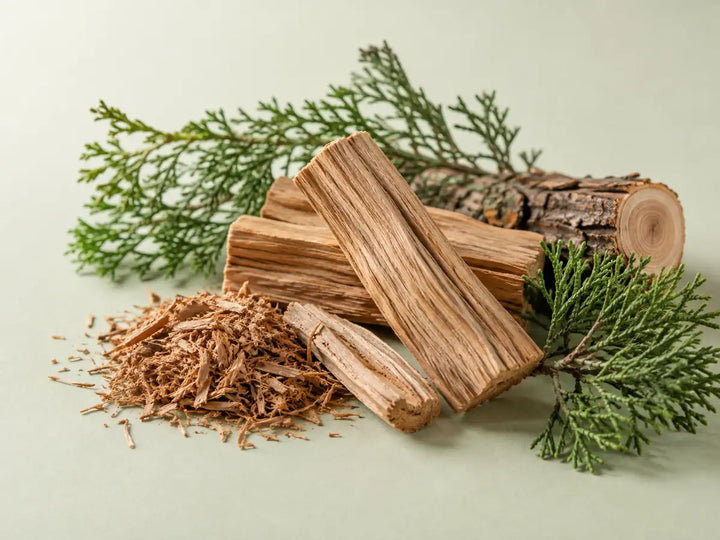
Cedarwood in perfume usually smells dry, warm and woody, with resinous, slightly smoky or pencil like sides. Some cedarwood notes feel smooth and creamy, while others are sharper...
Explore Cedarwood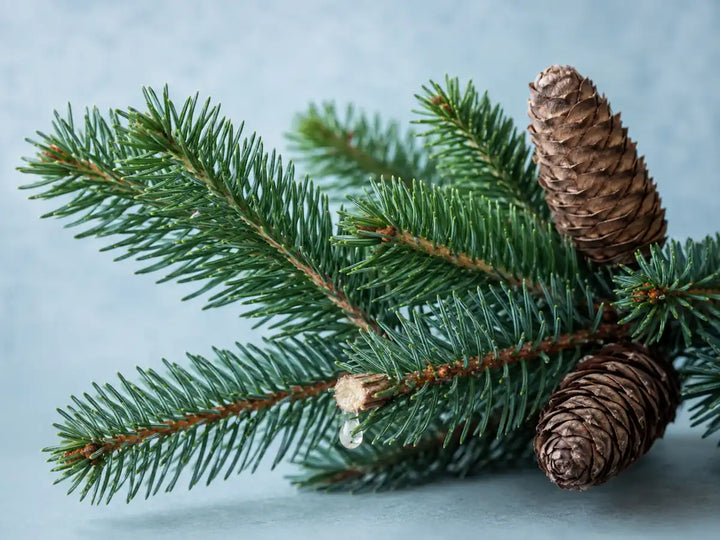
Fir in perfume usually smells fresh, green and coniferous, with woody, resinous and balsamic sides. It can suggest crushed evergreen needles, cool forest air, tree sap and freshly...
Explore Fir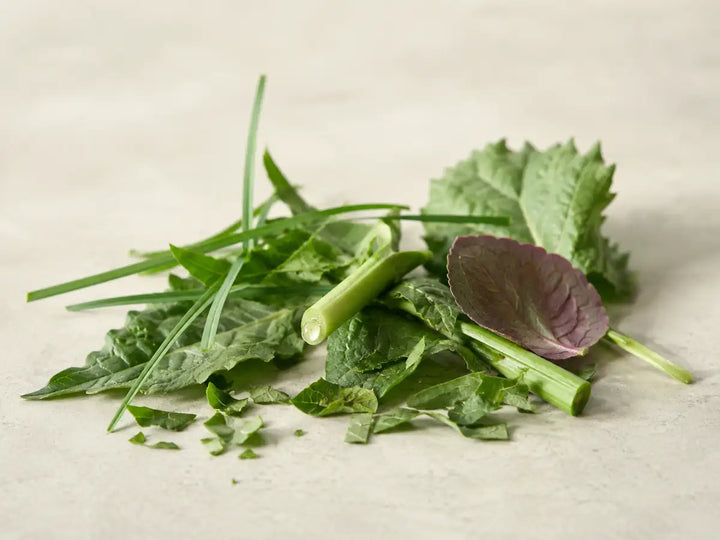
Green notes in perfume usually smell like crushed leaves, cut grass, snapped stems and fresh plant sap. They can be crisp, watery, bitter, herbal or slightly metallic. Green...
Explore Green Notes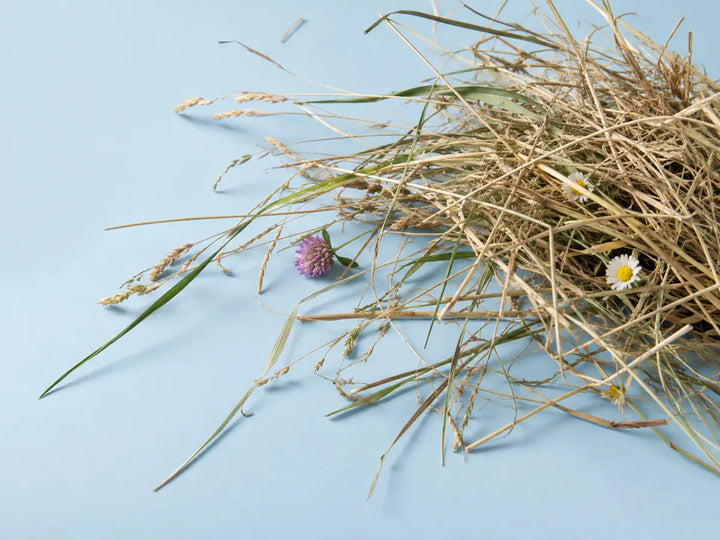
Hay in perfume usually smells dry, warm and softly sweet, with grassy, tobacco-like, honeyed and dried-fruit sides. It suggests sun-dried grass rather than freshly cut green lawn. Some...
Explore Hay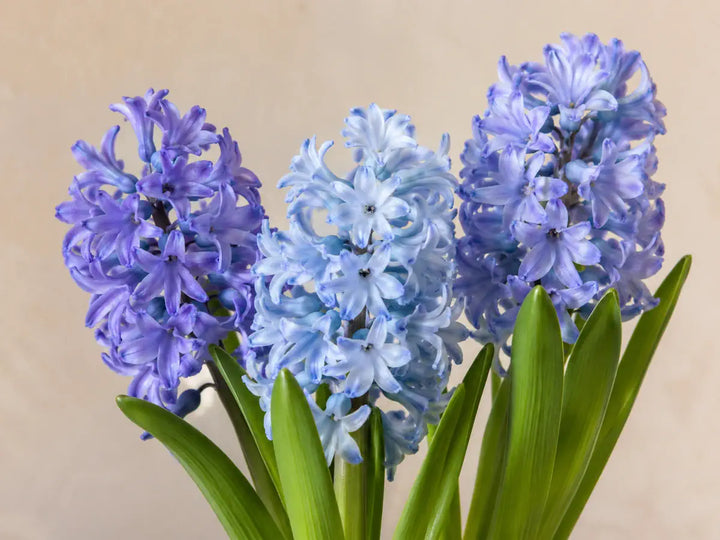
Hyacinth in perfume usually smells fresh, green and floral, with watery, earthy, slightly spicy and dewy sides. It has more leafy sharpness than many soft spring flowers. Some...
Explore Hyacinth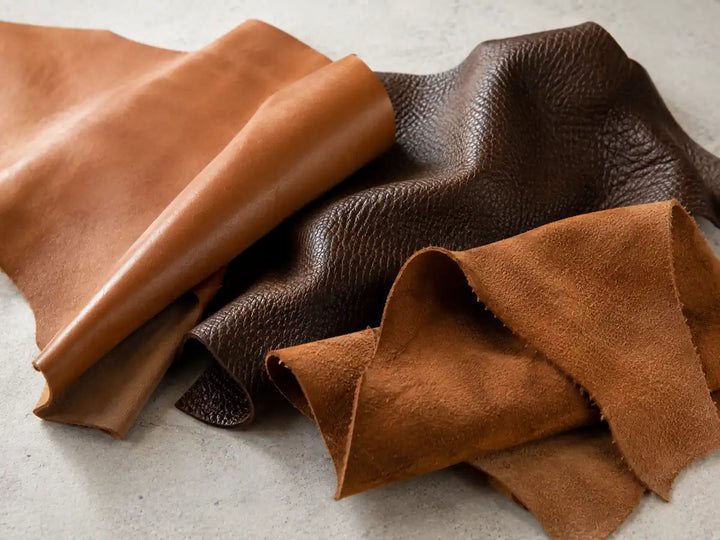
Leather in perfume usually smells dry, warm and slightly smoky, with woody, animalic, tarry or soft suede like sides. It does not normally come from untreated animal hide...
Explore Leather
Musk in perfume can smell soft, warm, clean and slightly powdery, often with a smooth quality that is compared with fresh skin or clean fabric. Some musk notes...
Explore Musk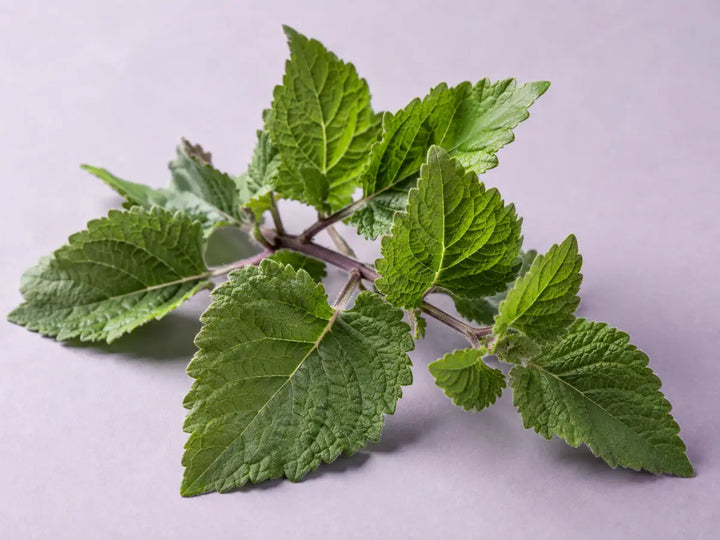
Patchouli in perfume usually smells earthy, woody and deep, with herbal, slightly sweet and sometimes camphor like sides. It can feel dark and damp in one fragrance but...
Explore Patchouli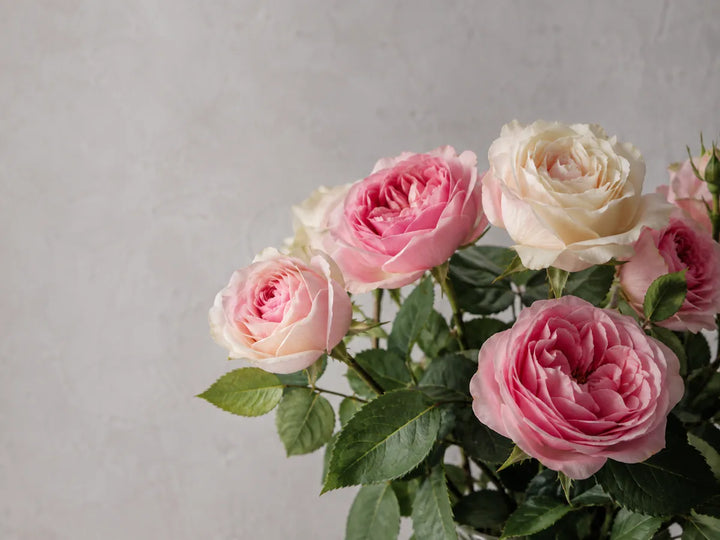
Rose in perfume usually smells floral, fresh and softly sweet, but it can also have green, fruity, honeyed or spicy sides. Some rose notes feel light and dewy,...
Explore Rose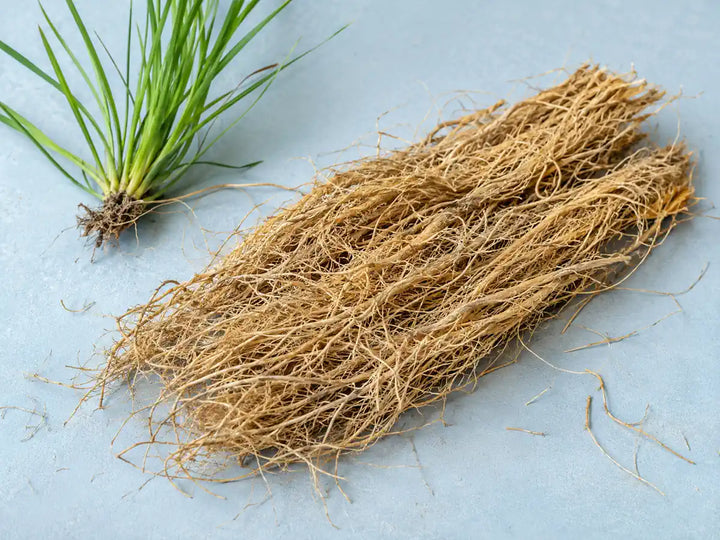
Vetiver in perfume usually smells earthy, woody and dry, with smoky, green, grassy or slightly bitter sides. Some vetiver notes feel dark, rooty and rugged, while others are...
Explore VetiverThese fragrances use Oakmoss in the lasting foundation of the scent.


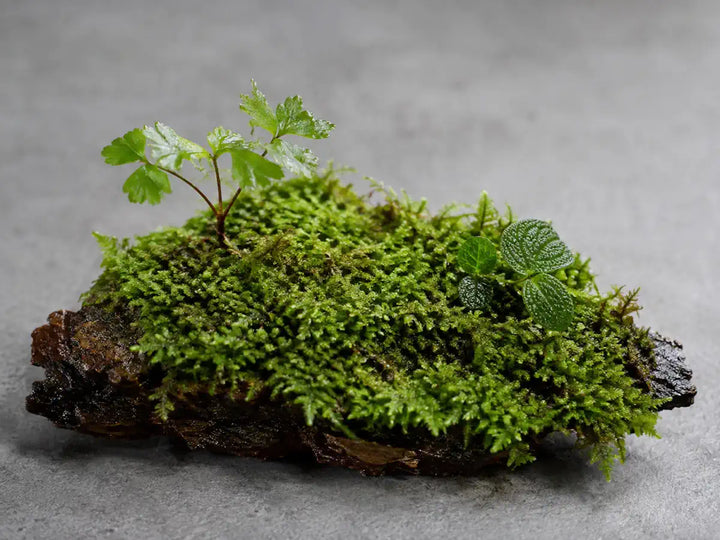
Moss in perfume usually smells earthy, damp and green, with forest-floor, woody, resinous and slightly smoky sides. It is a broad description rather than one precise material. A...
Explore Moss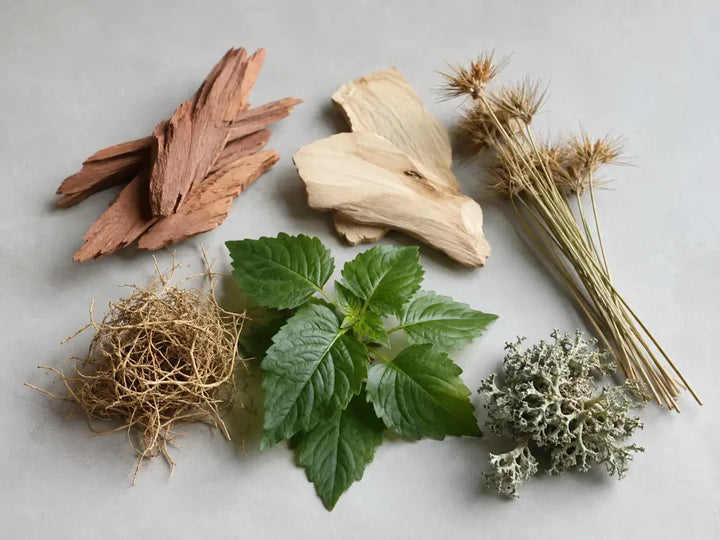
A woody accord can smell dry, smooth, creamy, earthy, smoky or resinous depending on the materials used. Cedarwood often gives a dry, structured quality, while sandalwood can feel...
Explore Woody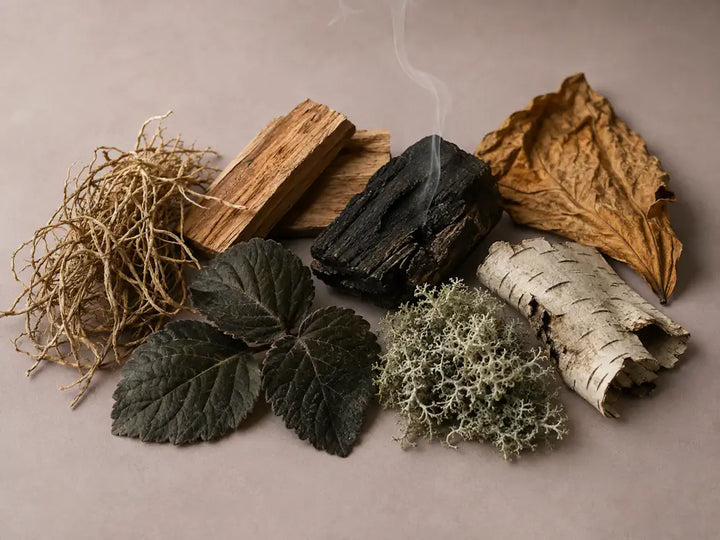
Woody & Smoky fragrances usually smell dry, earthy or woody, often with touches of smoke, leather or tobacco. Cedarwood can give a clear, dry structure, while vetiver and...
Explore Woody & Smoky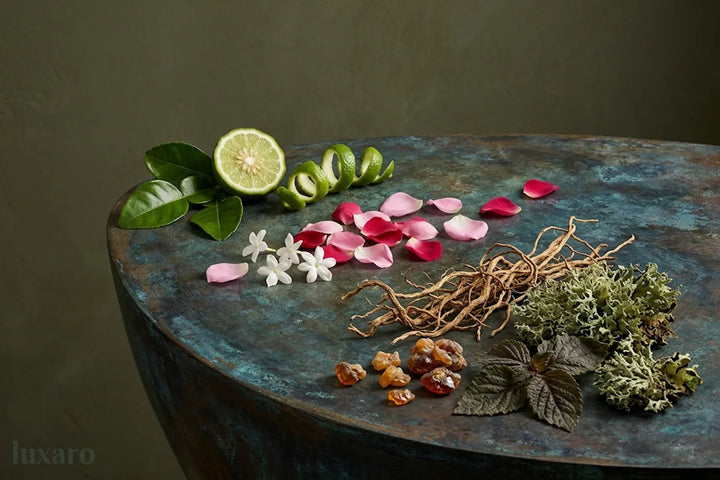
What is a chypre perfume? Learn how this classic fragrance style combines fresh citrus, elegant florals and a deeper woody or mossy base, and why modern chypres can...
Read guide