
Fragrance note
Citrus
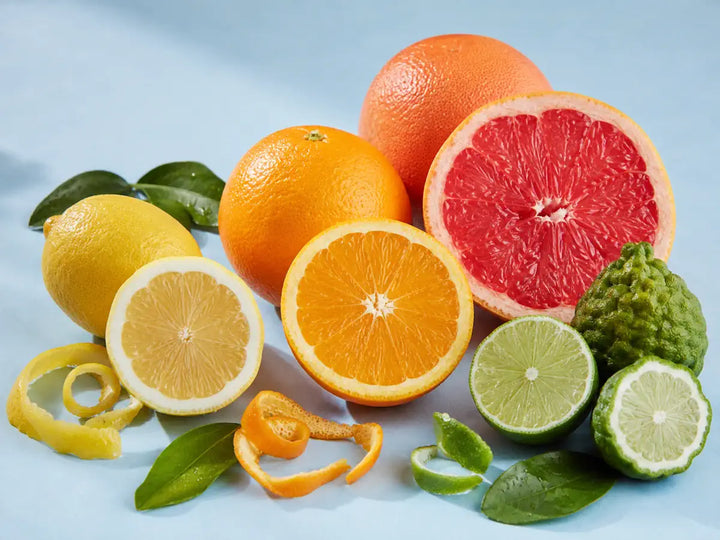
Citrus in perfume usually smells bright, fresh and zesty, with juicy, bitter, green and peel-like sides. The term does not describe one fruit because lemon, bergamot, orange, mandarin,...
Explore CitrusCart
Your cart is empty
Fragrance note guide
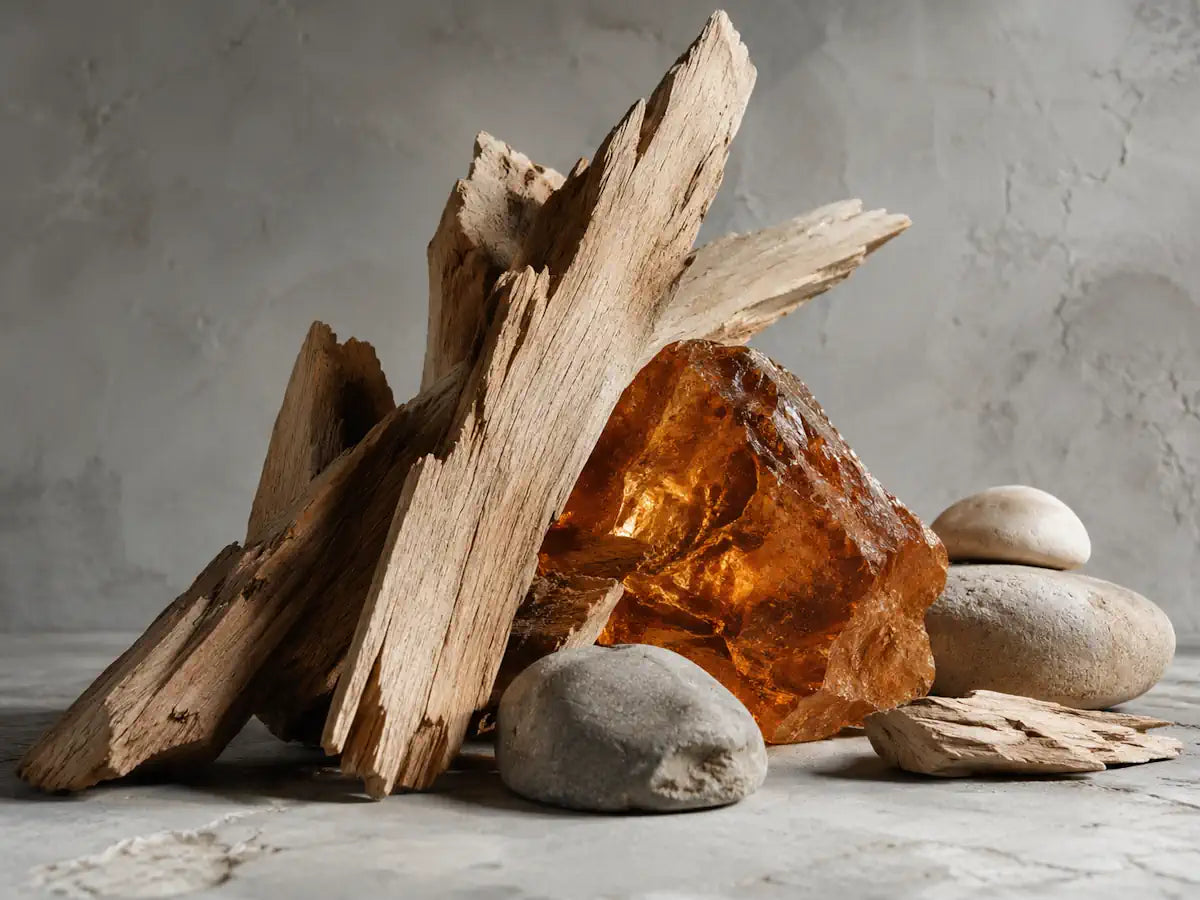
Amberwood in perfume usually smells dry, warm and strongly woody, with ambery, cedar-like, mineral and sometimes musky sides. It is generally sharper and drier than a sweet traditional amber accord. Amberwood is not one natural tree or resin. It is a broad name for modern fragrance materials that combine woody depth with strong ambery warmth.
Citrus in perfume usually smells bright, fresh and zesty, with juicy, bitter, green and peel-like sides. The term does not describe one fruit because lemon, bergamot, orange, mandarin,...
Explore Citrus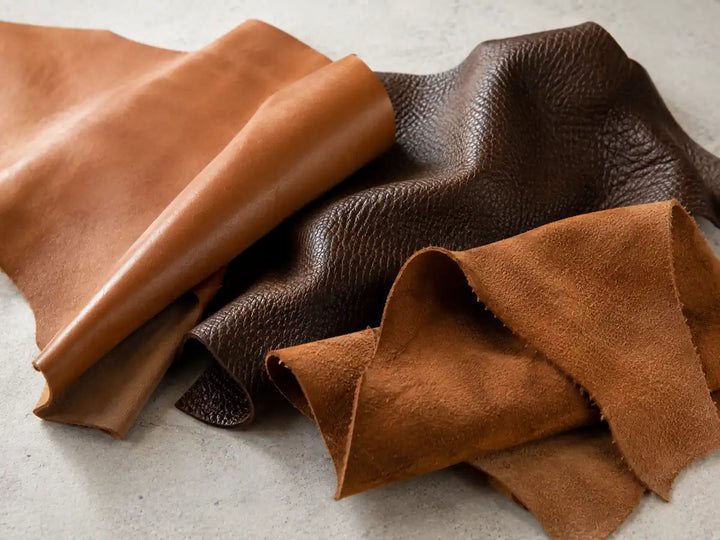
Leather in perfume usually smells dry, warm and slightly smoky, with woody, animalic, tarry or soft suede like sides. It does not normally come from untreated animal hide...
Explore Leather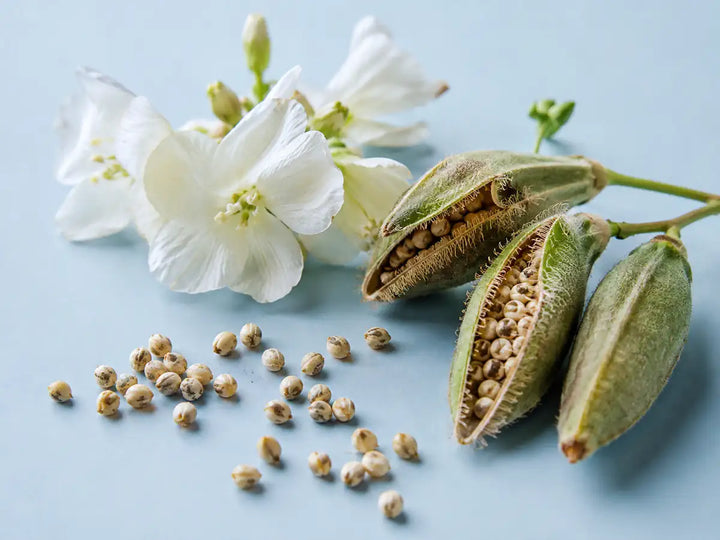
Musk in perfume can smell soft, warm, clean and slightly powdery, often with a smooth quality that is compared with fresh skin or clean fabric. Some musk notes...
Explore Musk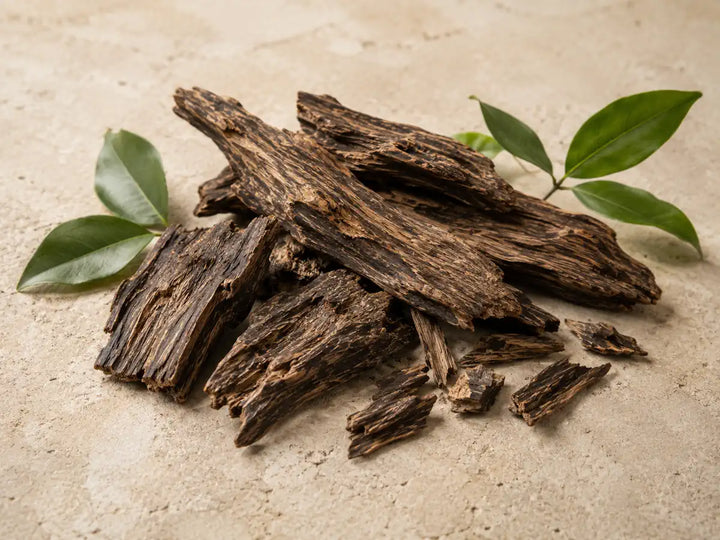
Oud in perfume usually smells dark, woody and resinous, with smoky, leathery, sweet or animalic sides. Some oud notes feel dry and medicinal, while others are smooth, warm...
Explore Oud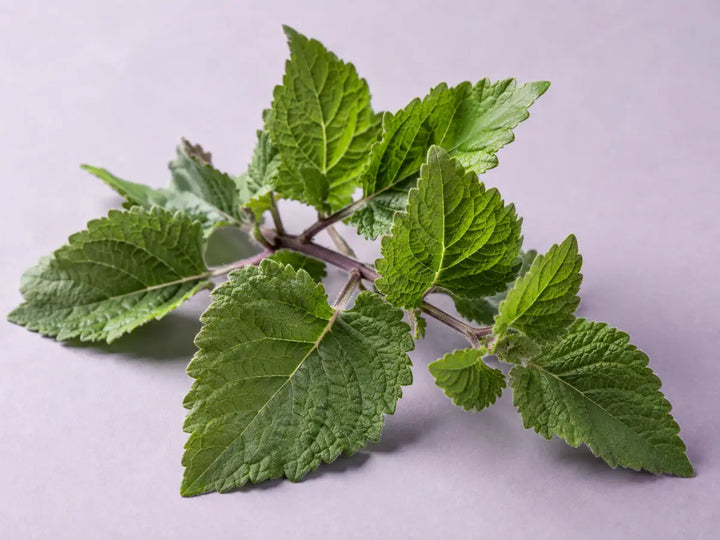
Patchouli in perfume usually smells earthy, woody and deep, with herbal, slightly sweet and sometimes camphor like sides. It can feel dark and damp in one fragrance but...
Explore Patchouli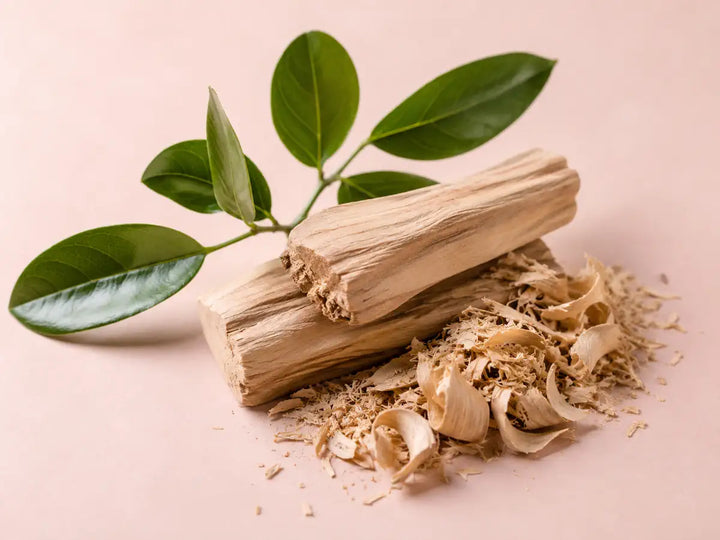
Sandalwood in perfume usually smells warm, creamy and softly woody. It can also have milky, balsamic, powdery or lightly spicy sides. Unlike sharper woods, sandalwood often feels smooth...
Explore Sandalwood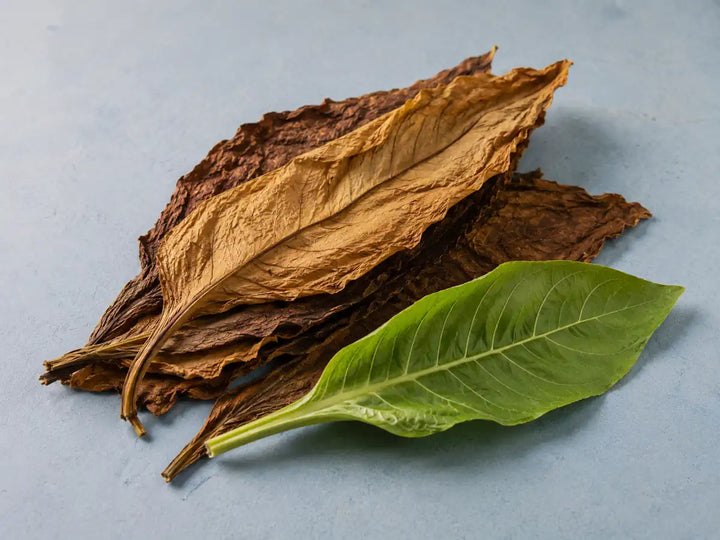
Tobacco in perfume usually smells warm, dry and slightly sweet, with honeyed, hay like, earthy, woody or smoky sides. It normally represents cured tobacco leaves rather than the...
Explore TobaccoThese fragrances reveal Amberwood through the central body of the scent.

These fragrances use Amberwood in the lasting foundation of the scent.

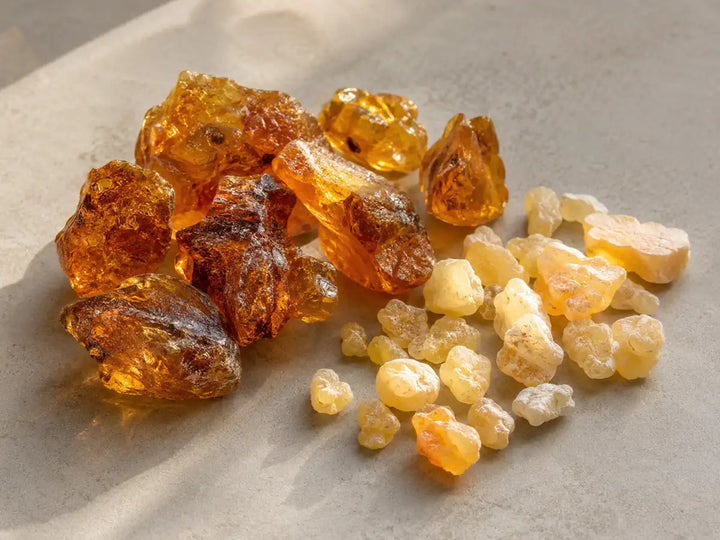
Amber in perfume usually smells warm, sweet and resinous, with soft vanilla, balsamic, powdery or slightly smoky sides. It is not normally taken from fossilised amber. In perfumery,...
Explore Amber
Ambergris in perfume usually smells warm, mineral and ambery, with marine, musky, woody and sometimes tobacco-like sides. Modern ambergris accords can feel clean and velvety or dry, salty...
Explore Ambergris
Ambroxan in perfume usually smells dry, warm and ambery, with woody, musky, mineral and sometimes slightly salty sides. It can feel clean and smooth rather than sweet, even...
Explore Ambroxan
Cashmeran in perfume usually smells warm, woody and musky, with spicy, powdery, amber-like and slightly earthy sides. It may also show soft animalic, fruity or pine-like qualities. Cashmeran...
Explore Cashmeran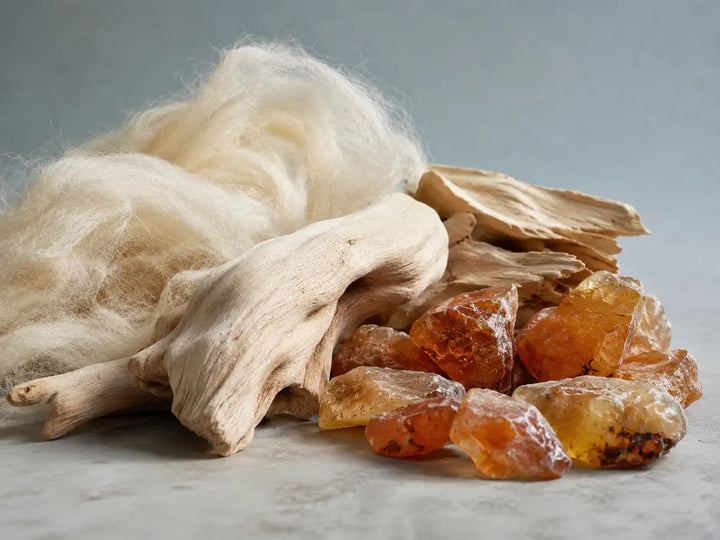
Cashmere wood in perfume usually smells soft, warm and woody, with musky, ambery, spicy and velvety sides. It is not a natural tree or one fixed ingredient. The...
Explore Cashmere Wood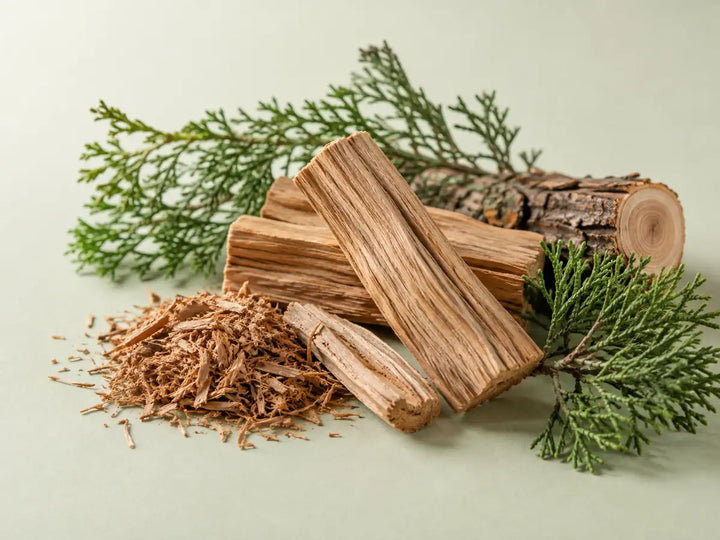
Cedarwood in perfume usually smells dry, warm and woody, with resinous, slightly smoky or pencil like sides. Some cedarwood notes feel smooth and creamy, while others are sharper...
Explore Cedarwood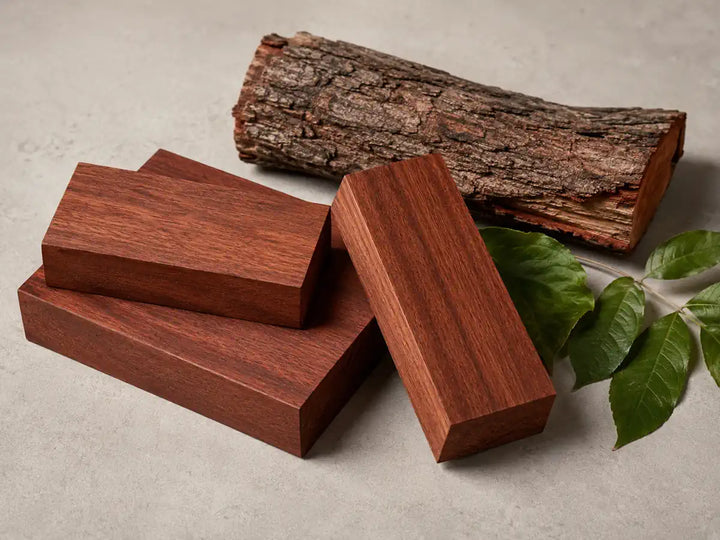
Mahogany in perfume usually smells dark, warm and woody, with polished, dry, slightly smoky and ambery sides. It is not normally an oil extracted from furniture timber. Instead,...
Explore Mahogany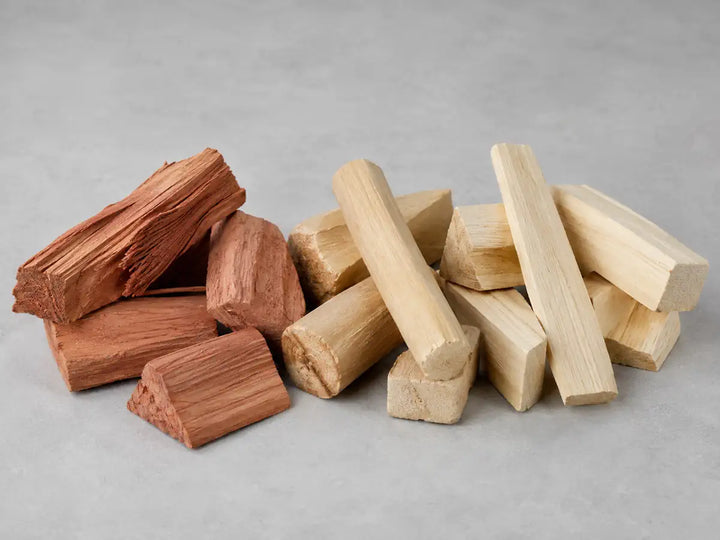
Woody notes in perfume can smell dry, warm, earthy, smoky, creamy or resinous. They do not describe one single ingredient because different woods and woody materials have very...
Explore Woody Notes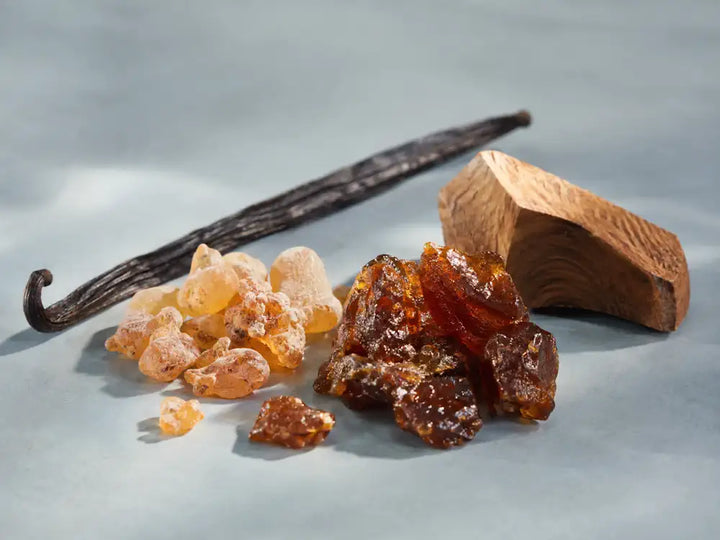
An amber accord usually smells warm, rich and softly sweet, with a smooth depth that can feel resinous, balsamic or slightly powdery. Some amber accords are soft and...
Explore Amber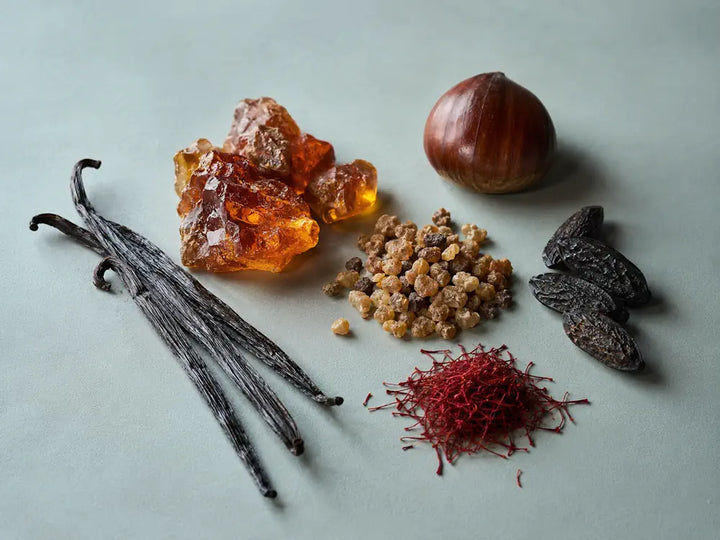
A warm accord usually smells smooth, deep and comforting, with possible ambery, resinous, spicy, woody or softly sweet qualities. Vanilla and tonka bean can make it smoother, amber...
Explore Warm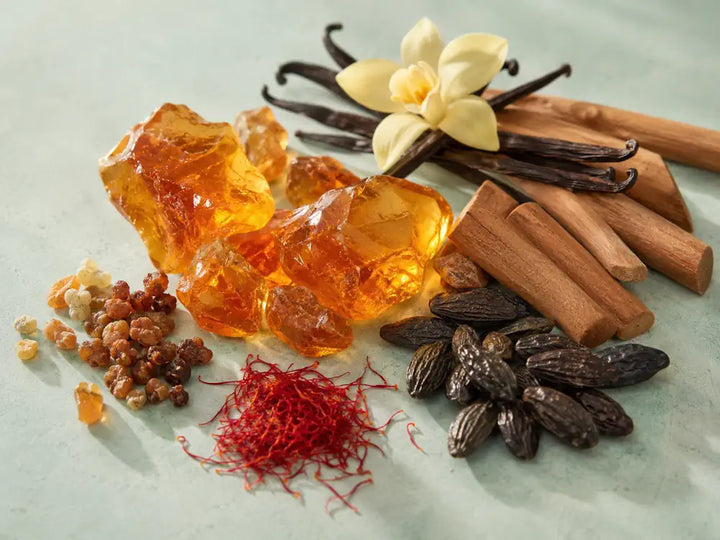
Warm & Ambery fragrances generally smell smooth, rich and enveloping. Vanilla and tonka bean can create softer sweetness, sandalwood adds a creamy woody quality, and resins such as...
Explore Warm & Ambery