
Fragrance note
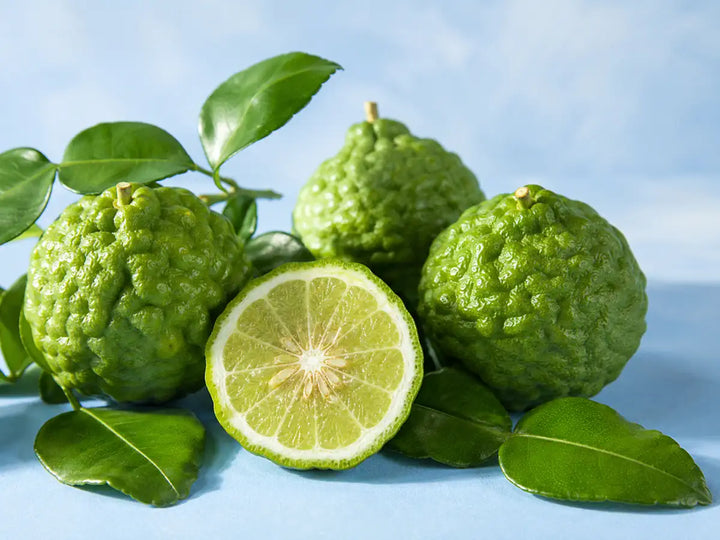
Bergamot
Bergamot in perfume smells fresh, bright and citrusy, with a soft floral character and a slightly bitter green edge. It is less sharp than lemon and often feels...
Explore BergamotCart
Your cart is empty
Fragrance note guide
Elemi in perfume usually smells fresh, resinous and peppery, with bright citrus, aromatic wood and incense-like sides. It is lighter and more sparkling than many dark balsamic resins. The note may begin with lemon-like freshness before becoming warmer, drier and more woody. Elemi is mainly used as a top note.

Bergamot in perfume smells fresh, bright and citrusy, with a soft floral character and a slightly bitter green edge. It is less sharp than lemon and often feels...
Explore Bergamot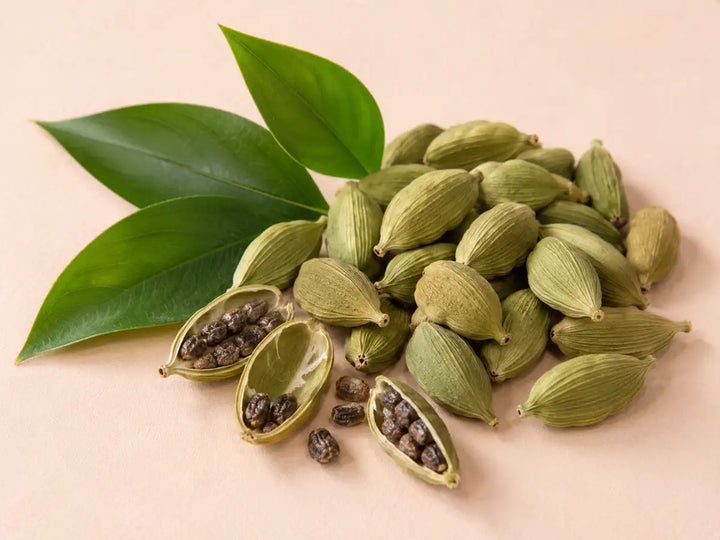
Cardamom in perfume usually smells fresh, green and spicy, with citrusy, aromatic, woody and slightly cooling sides. It is lighter and fresher than many warm spices, so it...
Explore Cardamom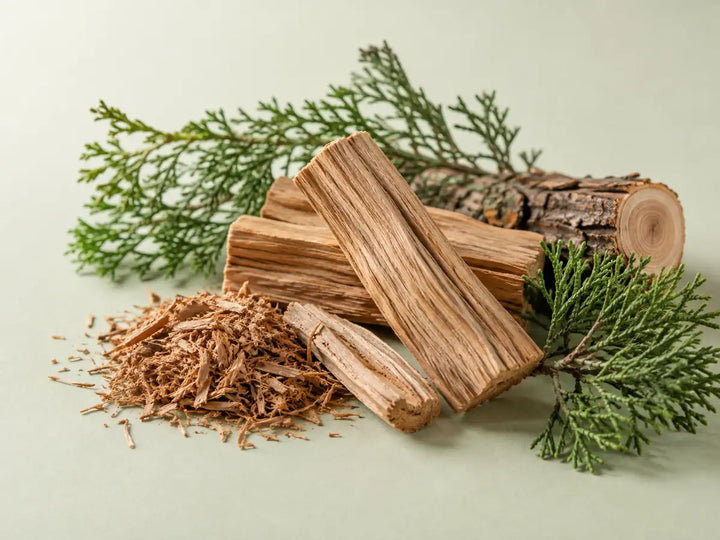
Cedarwood in perfume usually smells dry, warm and woody, with resinous, slightly smoky or pencil like sides. Some cedarwood notes feel smooth and creamy, while others are sharper...
Explore Cedarwood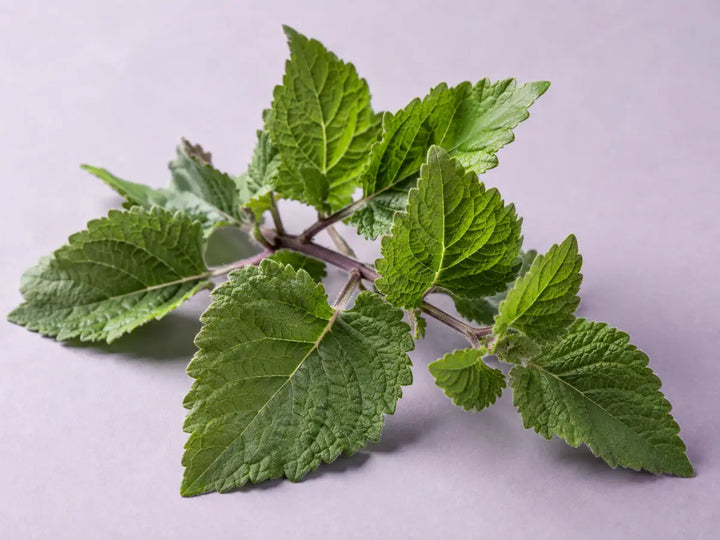
Patchouli in perfume usually smells earthy, woody and deep, with herbal, slightly sweet and sometimes camphor like sides. It can feel dark and damp in one fragrance but...
Explore Patchouli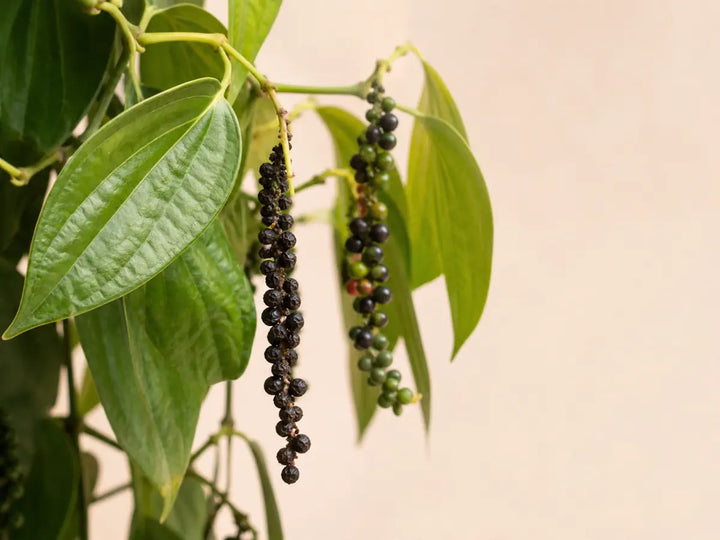
Pepper in perfume usually smells dry, fresh and spicy, with aromatic, citrus-like and woody sides. It can create a lively tingling sensation without necessarily smelling hot like food....
Explore Pepper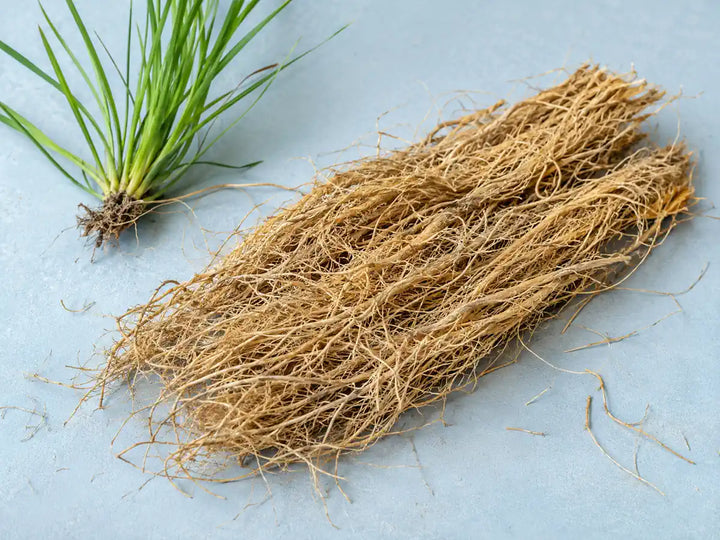
Vetiver in perfume usually smells earthy, woody and dry, with smoky, green, grassy or slightly bitter sides. Some vetiver notes feel dark, rooty and rugged, while others are...
Explore VetiverThese fragrances introduce Elemi near the opening of the scent.

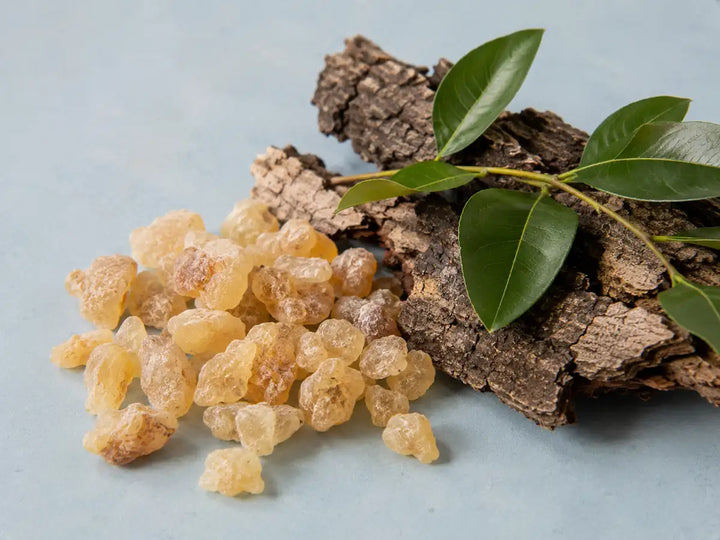
Benzoin in perfume usually smells sweet, warm and balsamic, with vanilla-like, creamy, powdery and slightly resinous sides. It can also suggest caramel, cinnamon or warm cereal depending on...
Explore Benzoin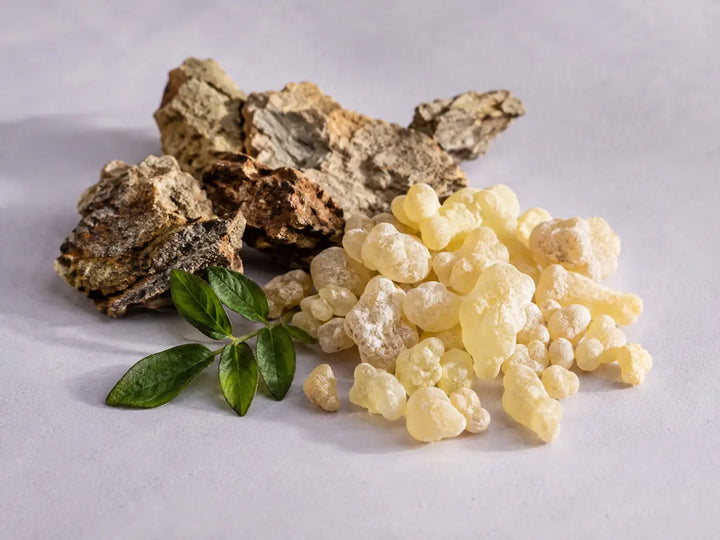
Incense in perfume usually smells resinous, smoky and woody, with warm amber, dry spice and sometimes fresh citrus or mineral sides. It does not always smell like thick...
Explore Incense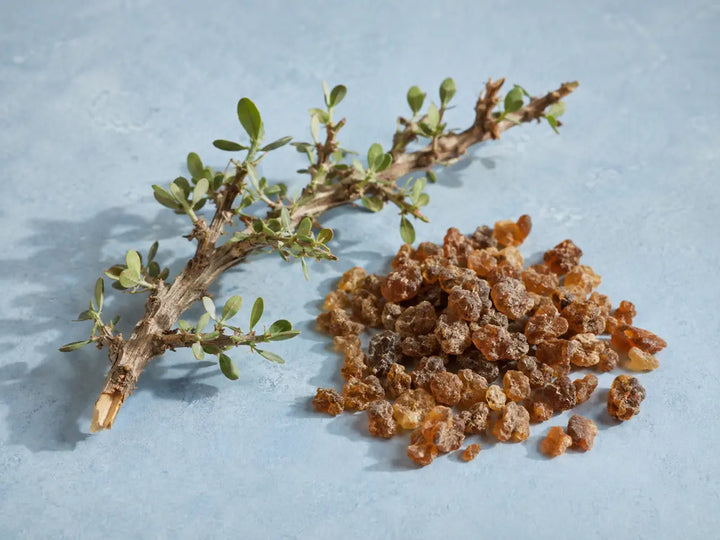
Myrrh in perfume usually smells warm, resinous and balsamic, with smoky, earthy, liquorice-like and softly sweet sides. Some myrrh materials feel dark and medicinal, while others are smoother,...
Explore Myrrh