
Fragrance note
Amber
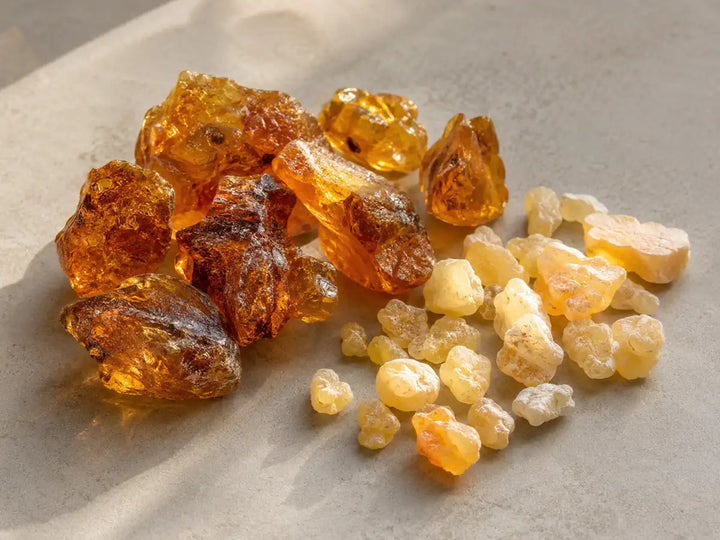
Amber in perfume usually smells warm, sweet and resinous, with soft vanilla, balsamic, powdery or slightly smoky sides. It is not normally taken from fossilised amber. In perfumery,...
Explore AmberCart
Your cart is empty
Fragrance note guide
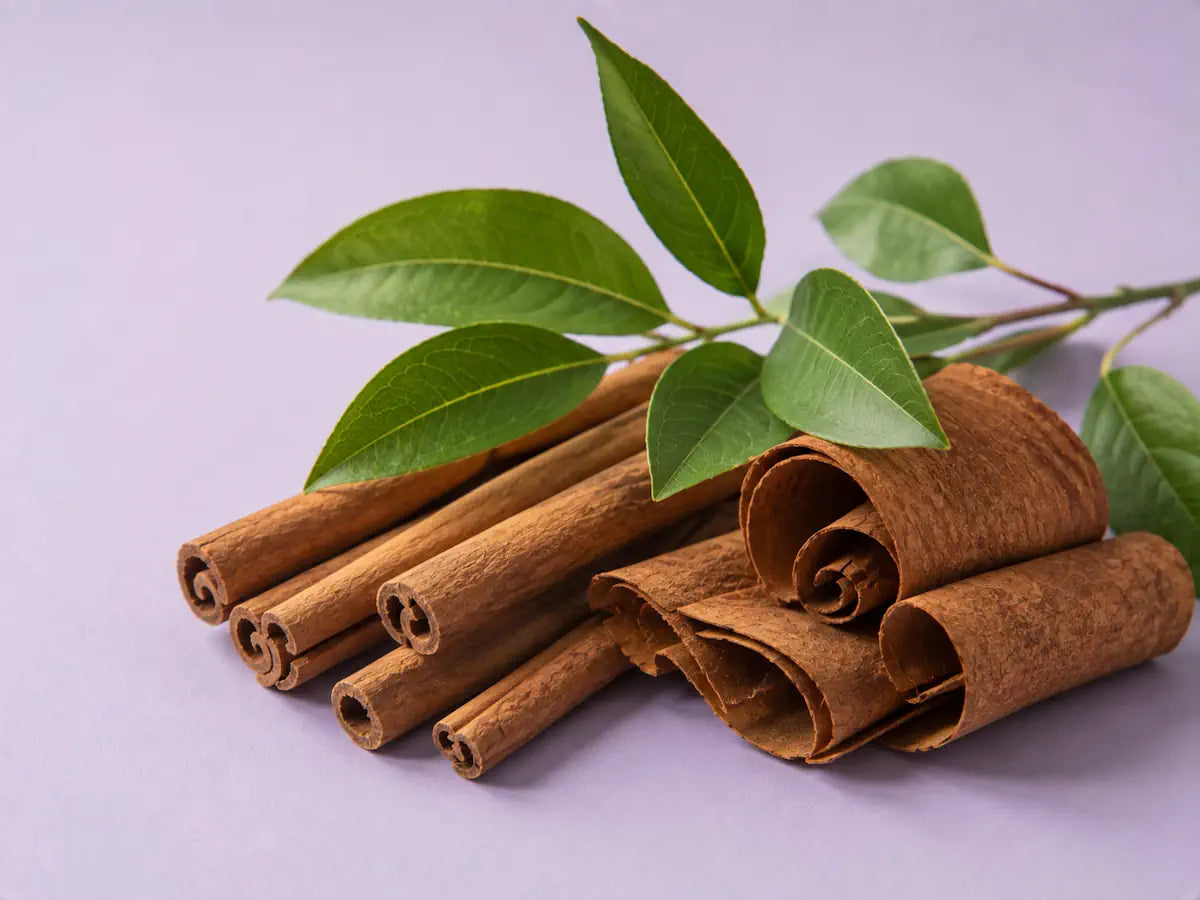
Cinnamon in perfume usually smells warm, sweet and spicy, with dry, woody and sometimes slightly hot sides. It can feel comforting and smooth in one fragrance but sharper and more intense in another. Cinnamon does not always make a perfume smell like food. Used carefully, it can add warmth and energy to floral, woody, amber and leather compositions.
Amber in perfume usually smells warm, sweet and resinous, with soft vanilla, balsamic, powdery or slightly smoky sides. It is not normally taken from fossilised amber. In perfumery,...
Explore Amber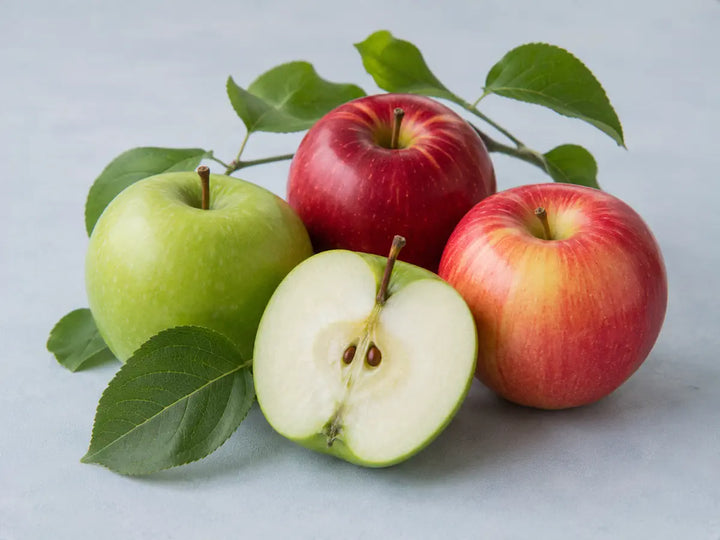
Apple in perfume usually smells crisp, juicy and fresh, with green, sweet and slightly tart sides. Green apple accords tend to feel sharper and more energetic, while red...
Explore Apple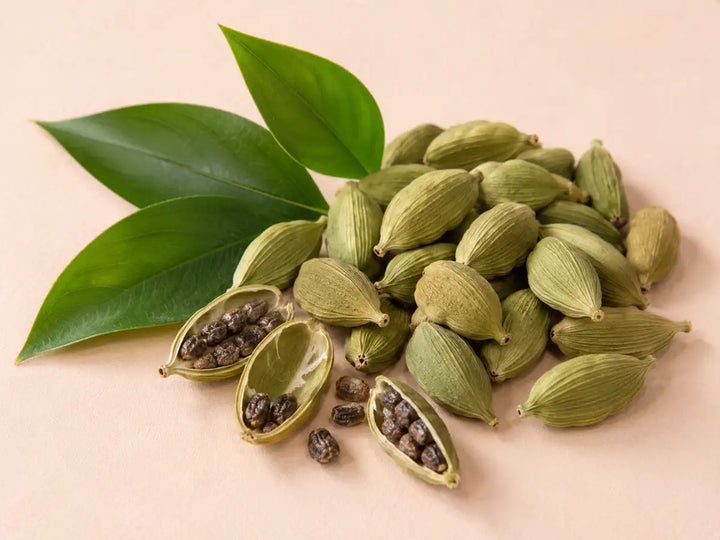
Cardamom in perfume usually smells fresh, green and spicy, with citrusy, aromatic, woody and slightly cooling sides. It is lighter and fresher than many warm spices, so it...
Explore Cardamom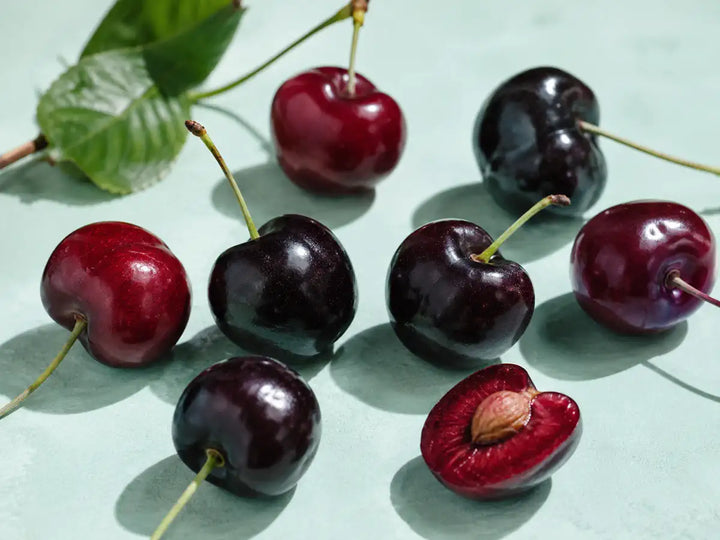
Cherry in perfume usually smells juicy, sweet and fruity, with tart, almond-like and sometimes liqueur-like sides. A bright cherry note can feel fresh and playful, while black cherry...
Explore Cherry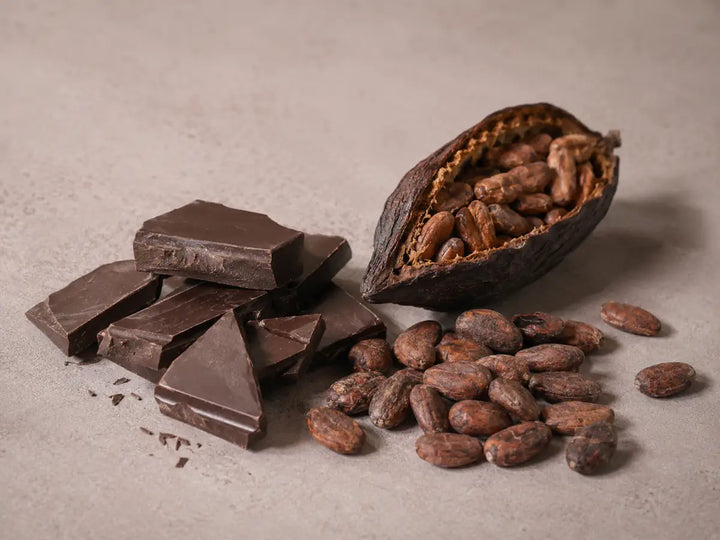
Chocolate in perfume usually smells sweet, creamy and cocoa-like, with dark, powdery, roasted and vanilla-like sides. It is often smoother and more dessert-like than a dry cacao note....
Explore Chocolate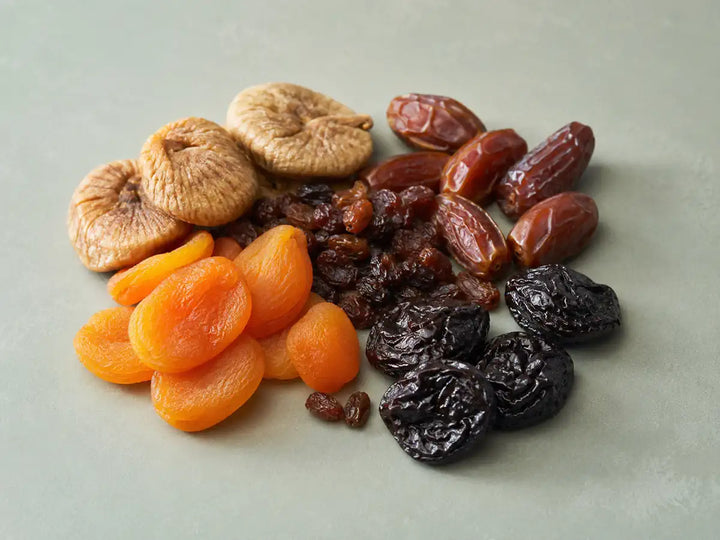
Dried fruit in perfume usually smells rich, sweet and concentrated, with raisin, prune, date, apricot and honeyed sides. It is darker and less juicy than a fresh-fruit note....
Explore Dried Fruit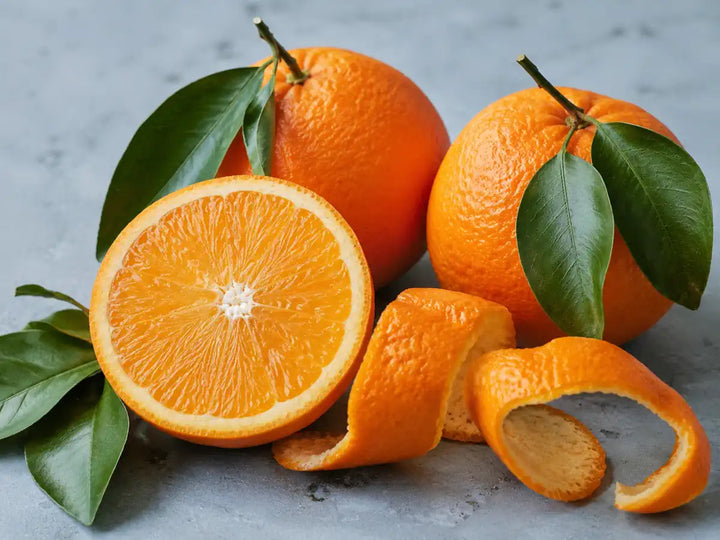
Orange in perfume usually smells juicy, sweet and zesty, with the fresh character of newly peeled fruit. It is softer and sweeter than lemon, while usually feeling less...
Explore Orange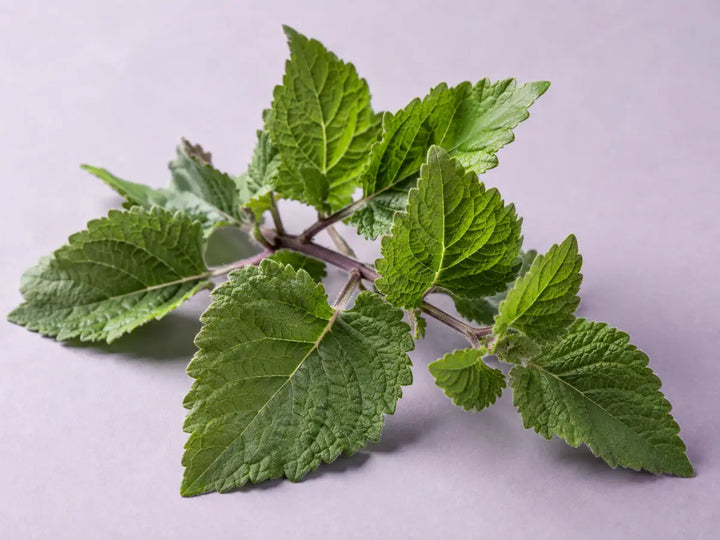
Patchouli in perfume usually smells earthy, woody and deep, with herbal, slightly sweet and sometimes camphor like sides. It can feel dark and damp in one fragrance but...
Explore Patchouli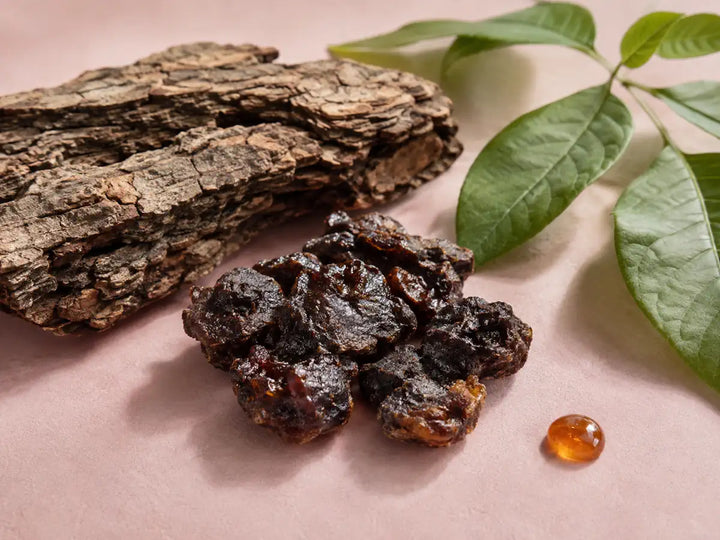
Peru balsam in perfume usually smells sweet, balsamic and warm, with vanilla, cinnamon, amber and powdery sides. It has a smooth resinous character that can resemble dark vanilla,...
Explore Peru Balsam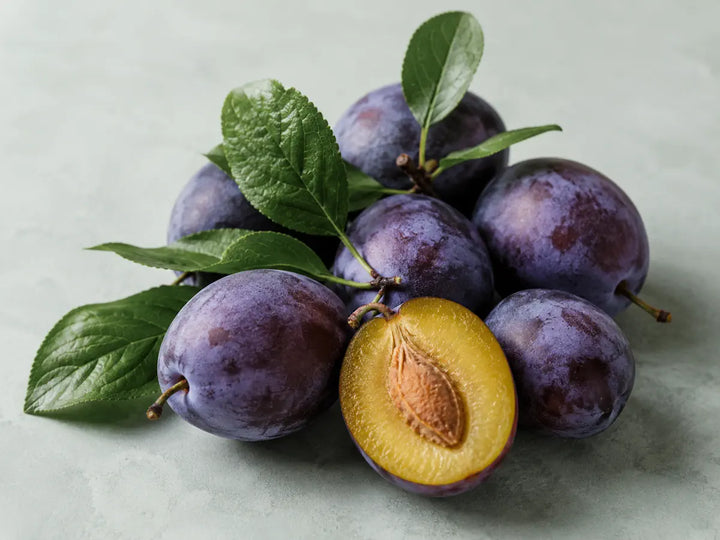
Plum in perfume usually smells rich, juicy and darkly fruity, with sweet, jammy, wine-like or slightly spicy sides. Some plum notes feel fresh and tart, while others are...
Explore Plum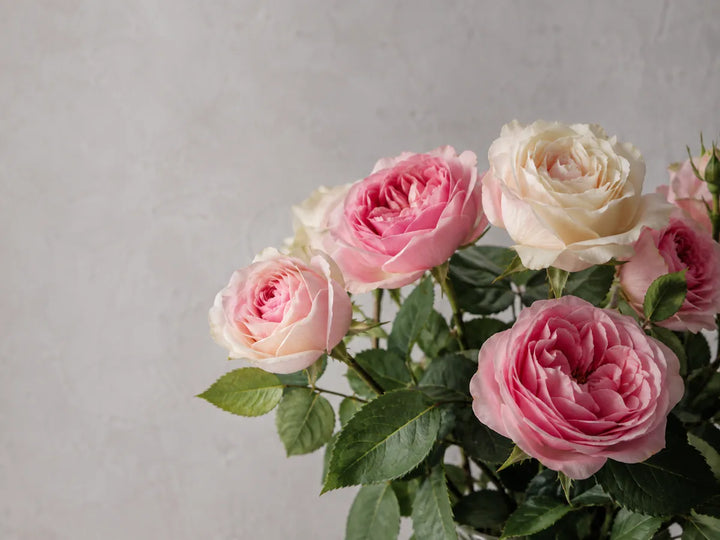
Rose in perfume usually smells floral, fresh and softly sweet, but it can also have green, fruity, honeyed or spicy sides. Some rose notes feel light and dewy,...
Explore Rose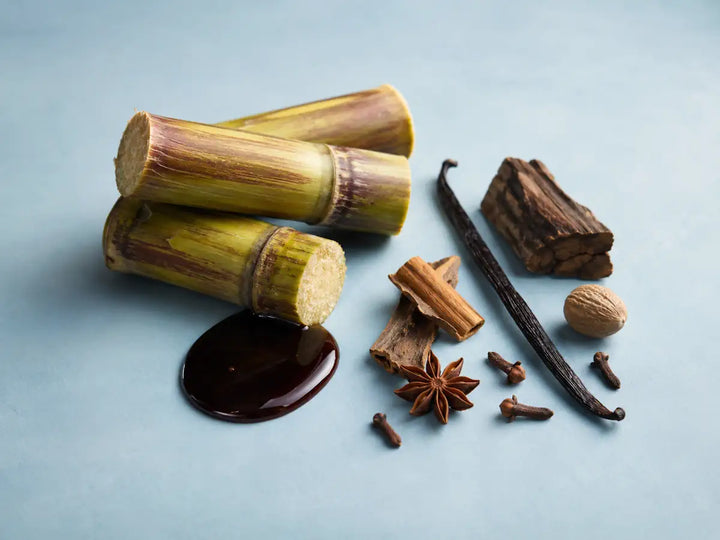
Rum in perfume usually smells warm, sweet and alcoholic, with molasses, oak, vanilla, fruity and spicy sides. A rum accord can suggest dark aged spirit, golden rum or...
Explore Rum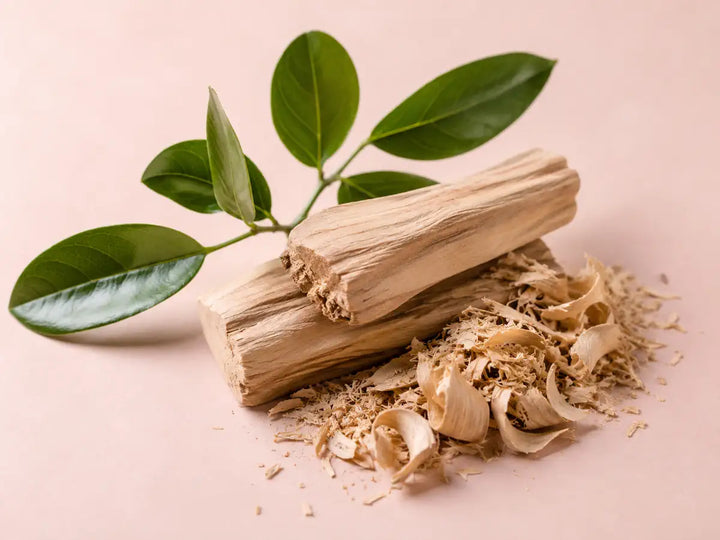
Sandalwood in perfume usually smells warm, creamy and softly woody. It can also have milky, balsamic, powdery or lightly spicy sides. Unlike sharper woods, sandalwood often feels smooth...
Explore Sandalwood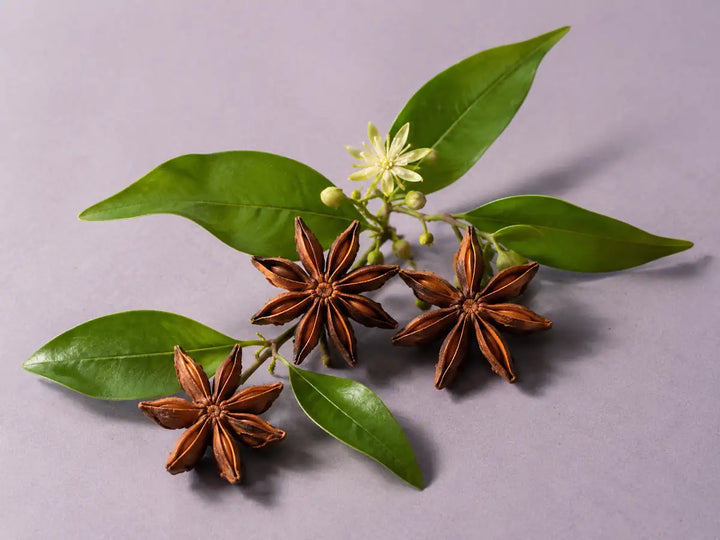
Star anise in perfume usually smells sweet, aromatic and spicy, with liquorice-like, herbal, warm and slightly medicinal sides. It is brighter and often cleaner than a dark liquorice...
Explore Star Anise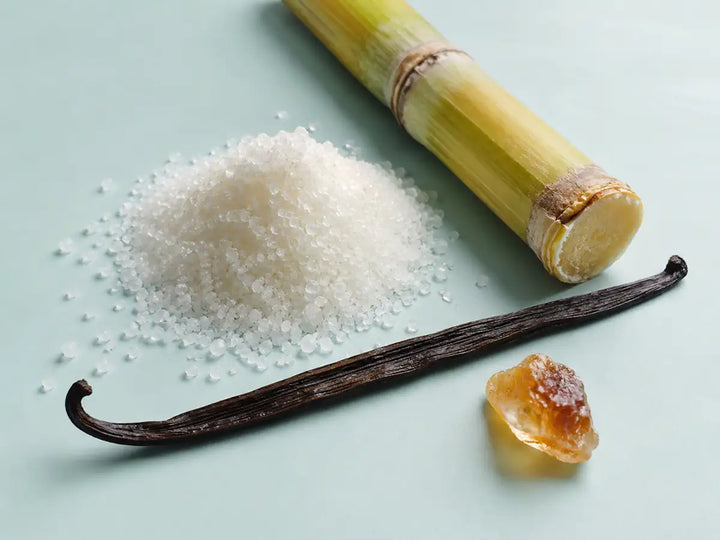
Sugar in perfume usually smells sweet, crystalline and gourmand, with candy, caramel, vanilla and lightly toasted sides. Plain sucrose is experienced mainly through taste, so a recognisable sugar...
Explore Sugar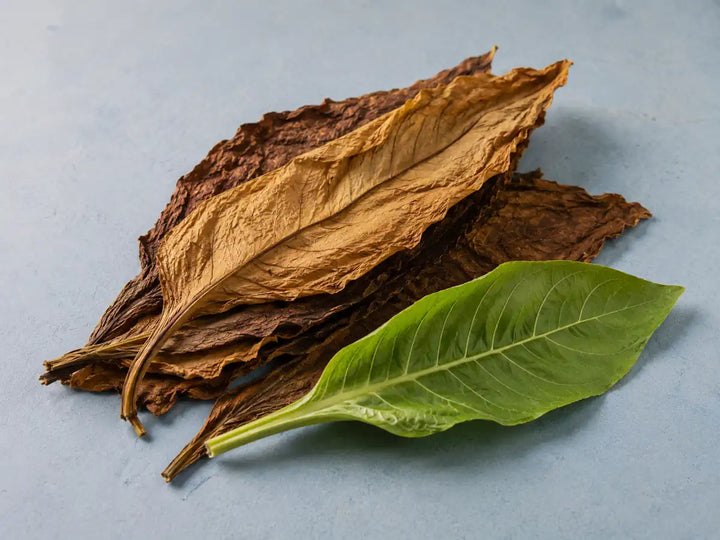
Tobacco in perfume usually smells warm, dry and slightly sweet, with honeyed, hay like, earthy, woody or smoky sides. It normally represents cured tobacco leaves rather than the...
Explore Tobacco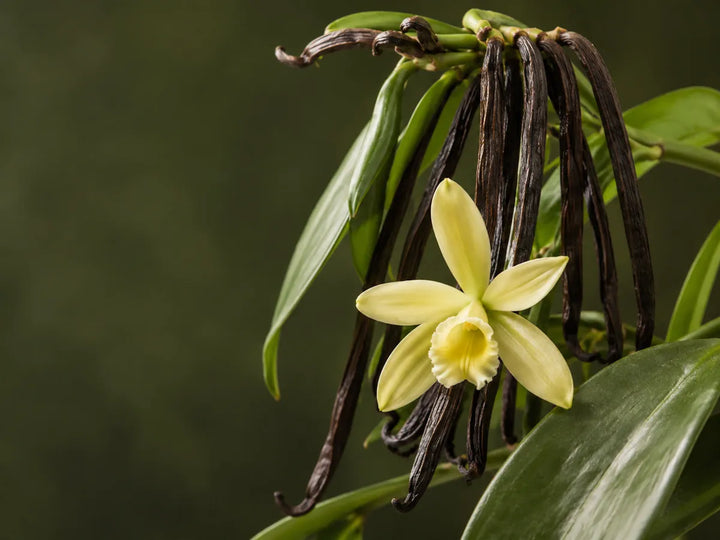
Vanilla in perfume usually smells sweet, warm and creamy. It can also have soft woody, powdery or spicy sides, depending on the material used and the notes around...
Explore VanillaThese fragrances reveal Cinnamon through the central body of the scent.


These fragrances use Cinnamon in the lasting foundation of the scent.

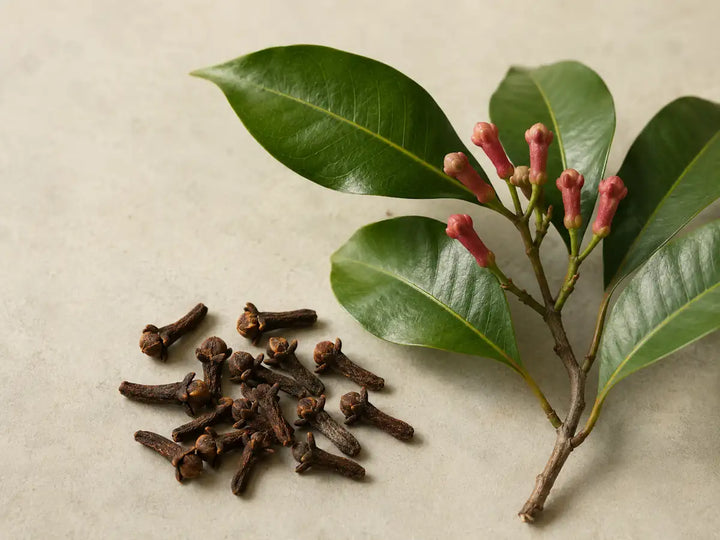
Clove in perfume usually smells warm, sweet and spicy, with woody, powdery, smoky and slightly medicinal sides. It is sharper and more intense than cinnamon, with a recognisable...
Explore Clove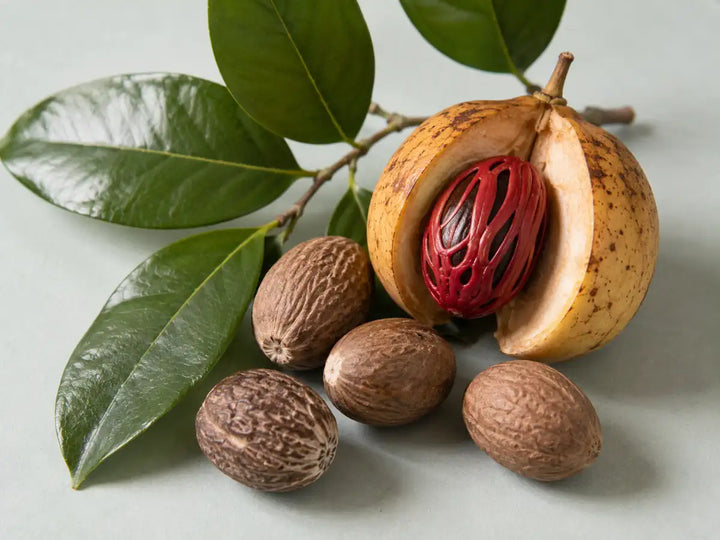
Nutmeg in perfume usually smells warm, dry and gently spicy, with woody, aromatic, sweet and slightly earthy sides. It is generally softer and rounder than black pepper and...
Explore Nutmeg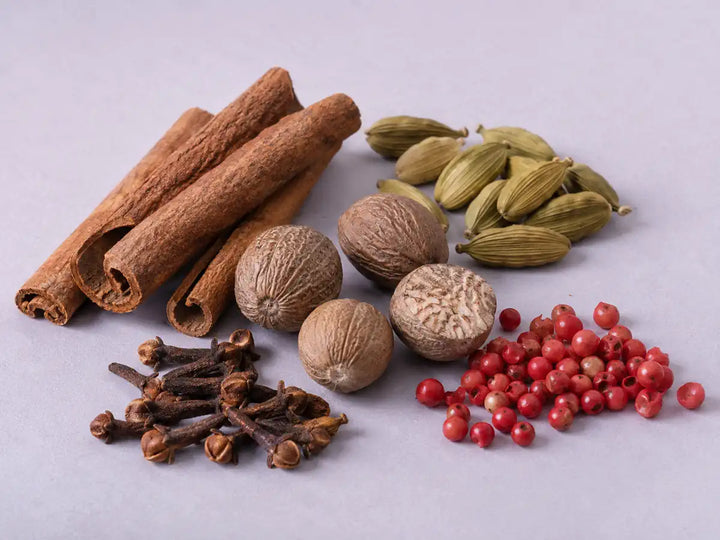
Spices in perfume can smell warm, dry, sweet, peppery, fresh or aromatic. The term does not describe one ingredient because cinnamon, cardamom, clove, nutmeg and pepper all smell...
Explore Spices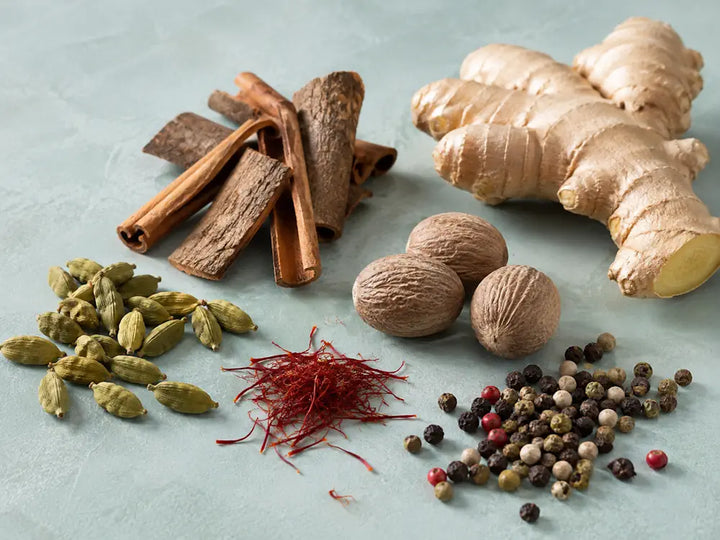
A spicy accord can smell warm and sweet, dry and peppery, fresh and aromatic, or earthy and leathery. Cinnamon and nutmeg generally push the accord towards warmth, cardamom...
Explore Spicy