




Fragrance note
Cherry
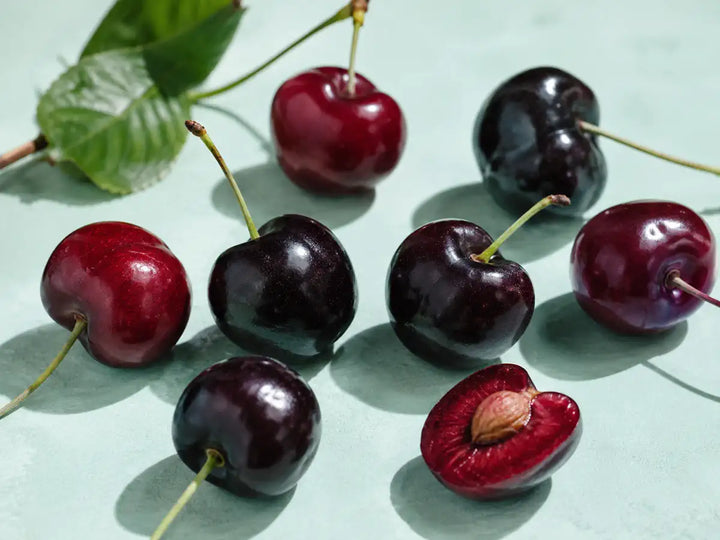
Cherry in perfume usually smells juicy, sweet and fruity, with tart, almond-like and sometimes liqueur-like sides. A bright cherry note can feel fresh and playful, while black cherry...
Explore CherryCart
Your cart is empty
Fragrance note guide
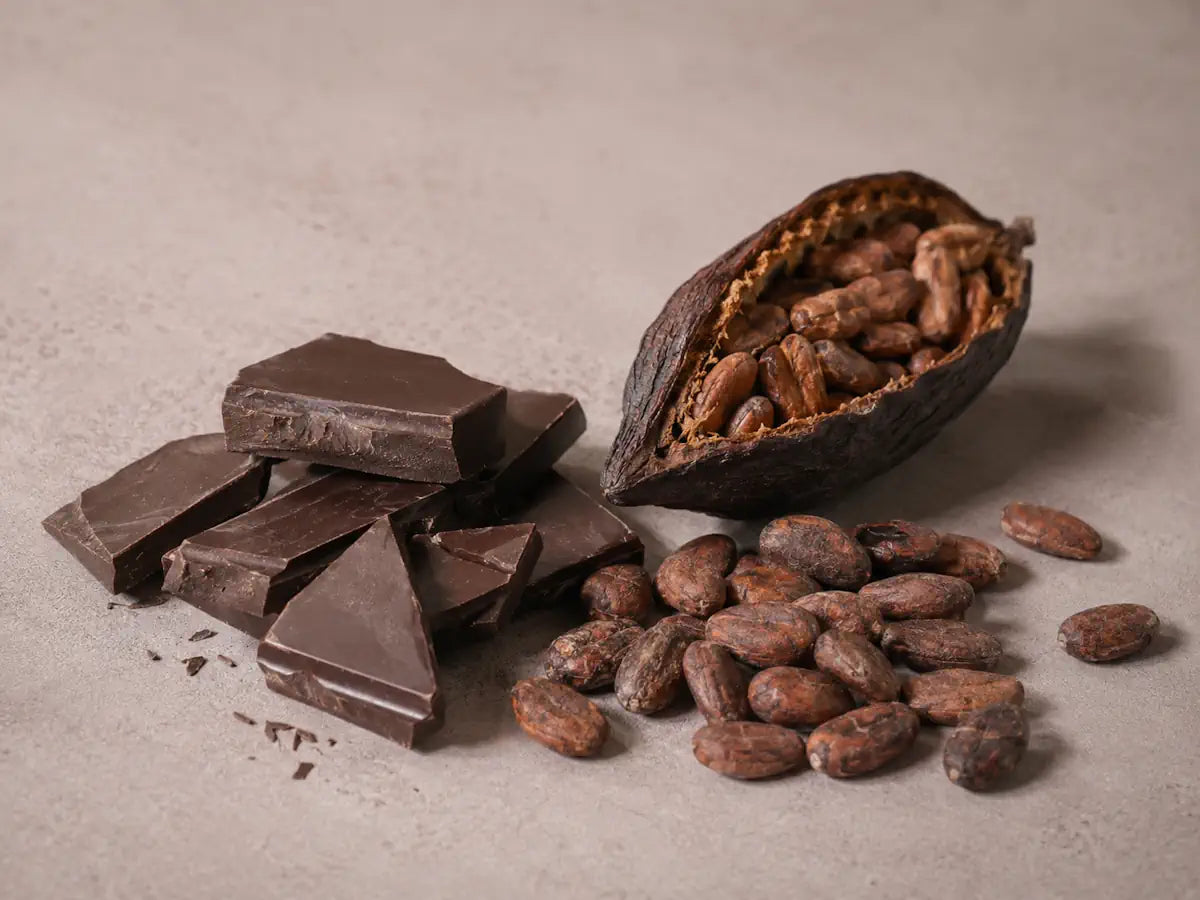
Chocolate in perfume usually smells sweet, creamy and cocoa-like, with dark, powdery, roasted and vanilla-like sides. It is often smoother and more dessert-like than a dry cacao note. Some chocolate accords suggest milk chocolate, while others resemble bitter dark chocolate or cocoa powder. Chocolate is mainly used in the base.
Cherry in perfume usually smells juicy, sweet and fruity, with tart, almond-like and sometimes liqueur-like sides. A bright cherry note can feel fresh and playful, while black cherry...
Explore Cherry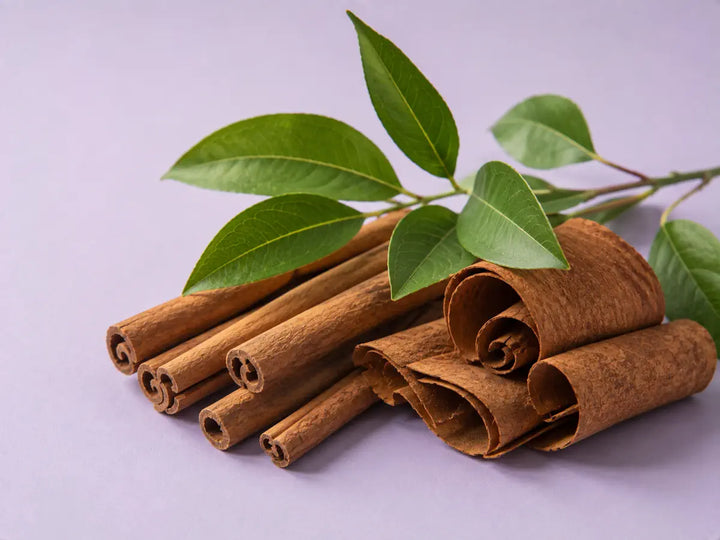
Cinnamon in perfume usually smells warm, sweet and spicy, with dry, woody and sometimes slightly hot sides. It can feel comforting and smooth in one fragrance but sharper...
Explore Cinnamon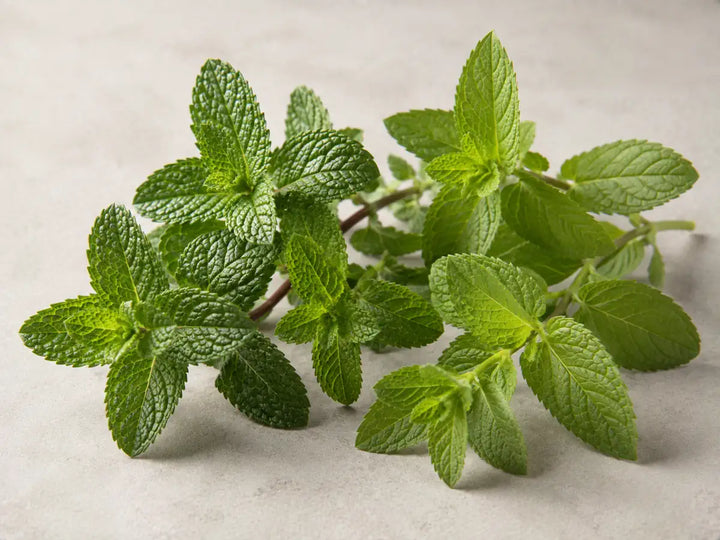
Mint in perfume usually smells cool, fresh and green, with herbal, sweet and sometimes camphor-like sides. Peppermint can feel sharp and icy, while spearmint is often softer, greener...
Explore Mint
Orange in perfume usually smells juicy, sweet and zesty, with the fresh character of newly peeled fruit. It is softer and sweeter than lemon, while usually feeling less...
Explore Orange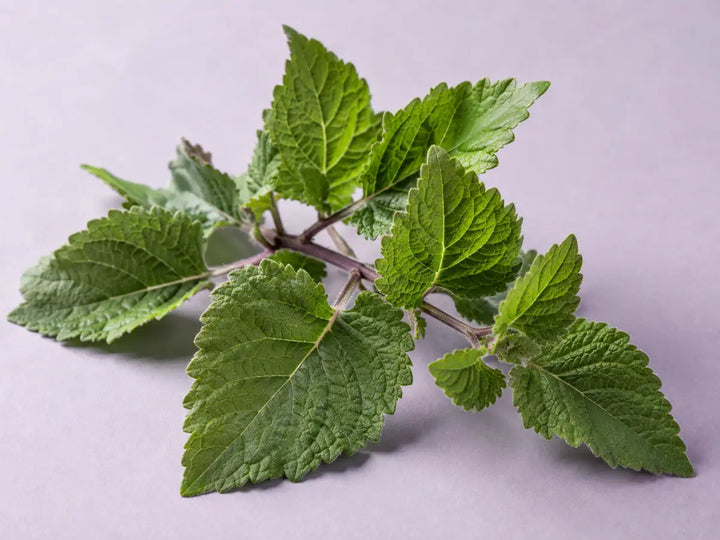
Patchouli in perfume usually smells earthy, woody and deep, with herbal, slightly sweet and sometimes camphor like sides. It can feel dark and damp in one fragrance but...
Explore Patchouli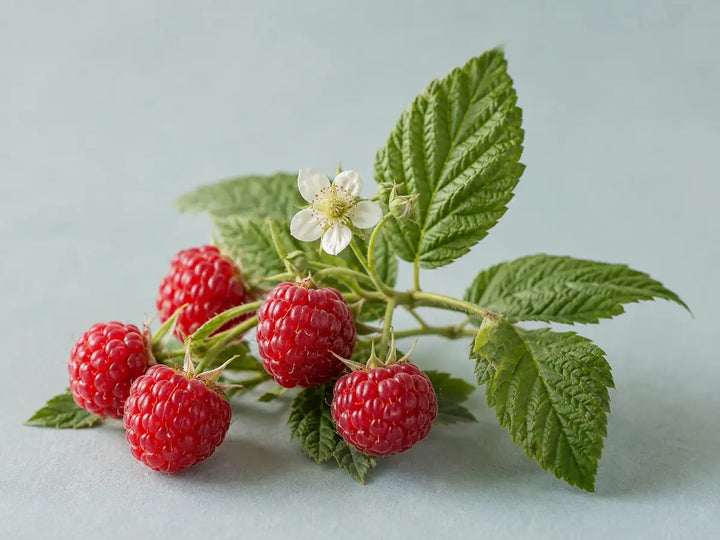
Raspberry in perfume usually smells juicy, sweet and tart, with red-berry, green, floral and slightly jammy sides. It can range from a fresh sharp berry to a darker...
Explore Raspberry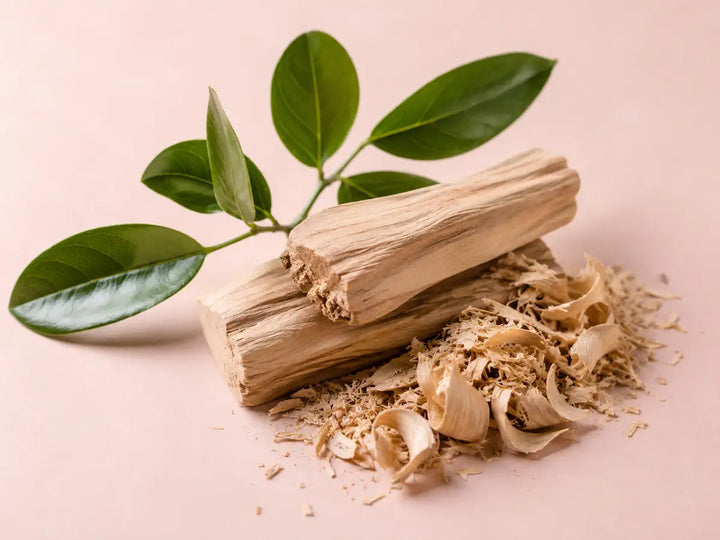
Sandalwood in perfume usually smells warm, creamy and softly woody. It can also have milky, balsamic, powdery or lightly spicy sides. Unlike sharper woods, sandalwood often feels smooth...
Explore Sandalwood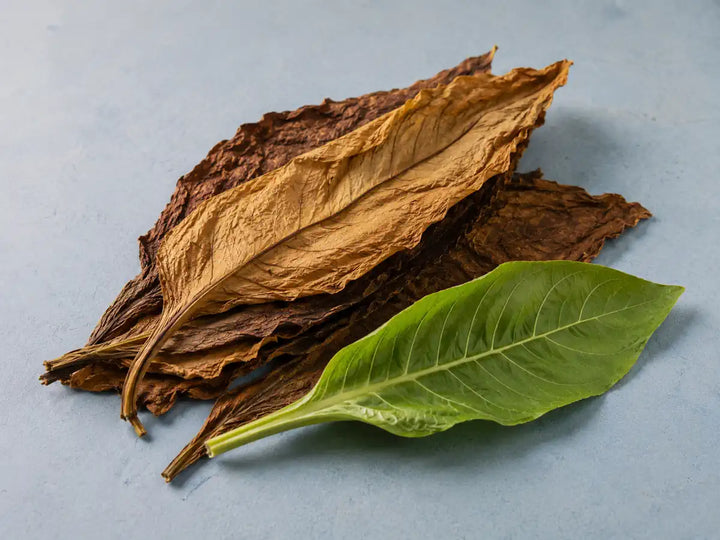
Tobacco in perfume usually smells warm, dry and slightly sweet, with honeyed, hay like, earthy, woody or smoky sides. It normally represents cured tobacco leaves rather than the...
Explore Tobacco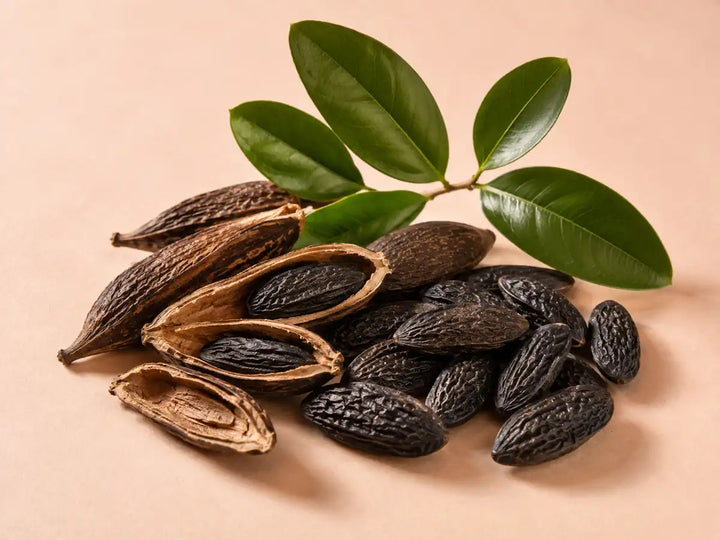
Tonka bean in perfume usually smells warm, sweet and powdery, with notes that can remind people of vanilla, almond, hay and soft tobacco. It is rich and comforting...
Explore Tonka Bean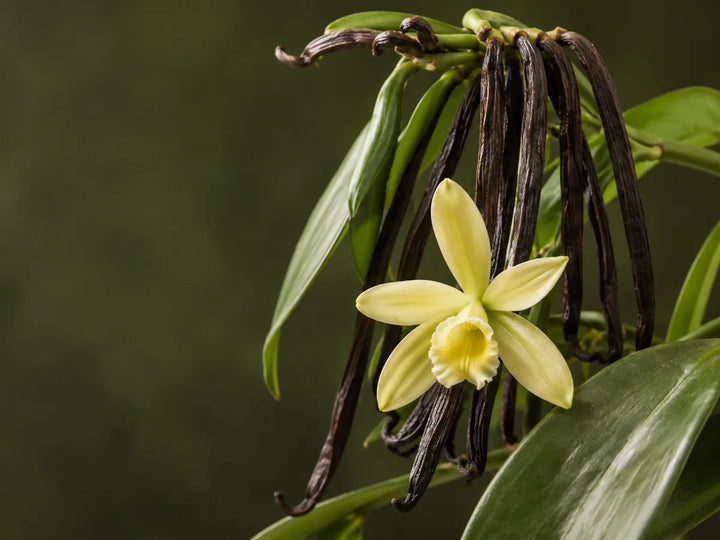
Vanilla in perfume usually smells sweet, warm and creamy. It can also have soft woody, powdery or spicy sides, depending on the material used and the notes around...
Explore Vanilla
Caramel smells warm, sweet and creamy, with buttery, toasted and vanilla-like qualities. It can feel soft and milky or darker and more cooked, depending on how the accord...
Explore CaramelThese fragrances use Chocolate in the lasting foundation of the scent.

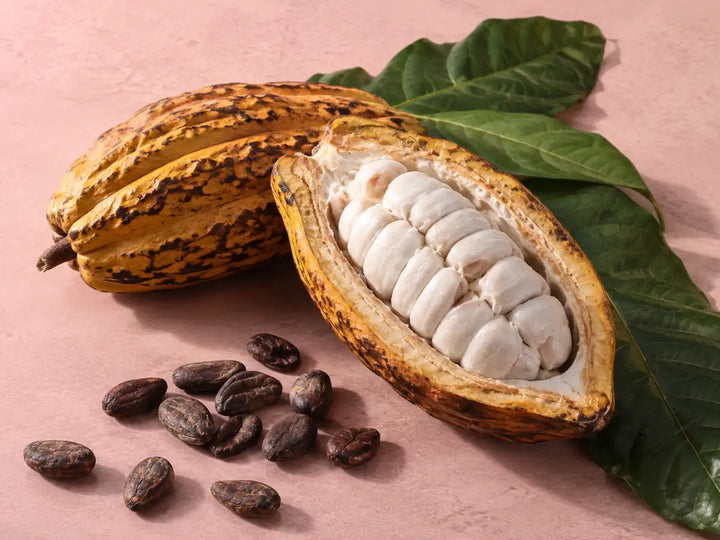
Cacao in perfume usually smells dark, powdery and chocolate-like, with bitter, earthy, roasted and softly sweet sides. It may suggest dry cocoa powder rather than a sugary chocolate...
Explore Cacao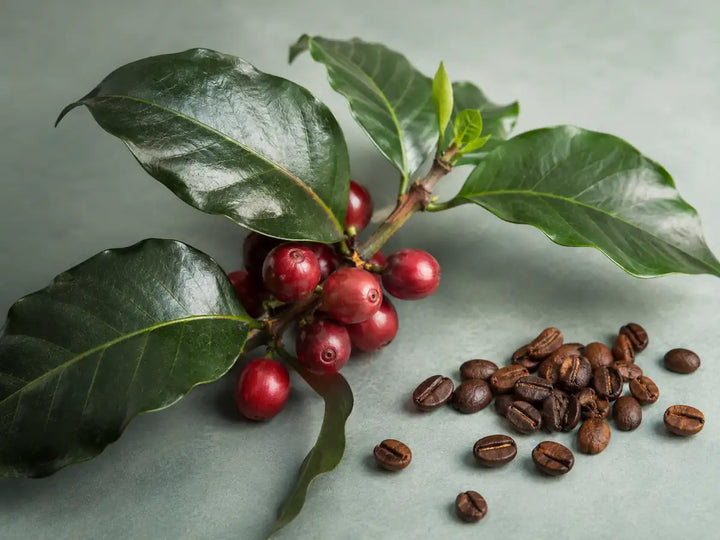
Coffee in perfume usually smells warm, roasted and dark, with bitter, nutty, earthy and chocolate-like sides. Some coffee notes suggest freshly ground beans or strong espresso, while others...
Explore Coffee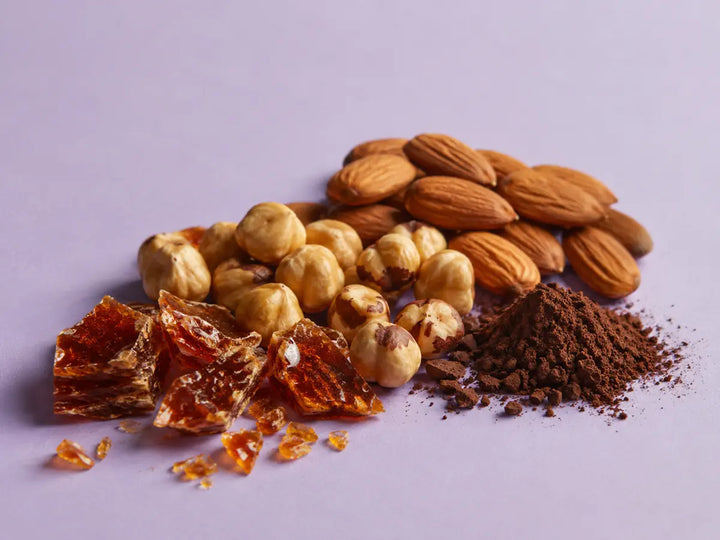
Praline in perfume usually smells sweet, nutty and caramelised, with vanilla, chocolate, toasted almond or hazelnut-like sides. It is a constructed gourmand accord rather than one natural fragrance...
Explore Praline