
Fragrance note
Birch
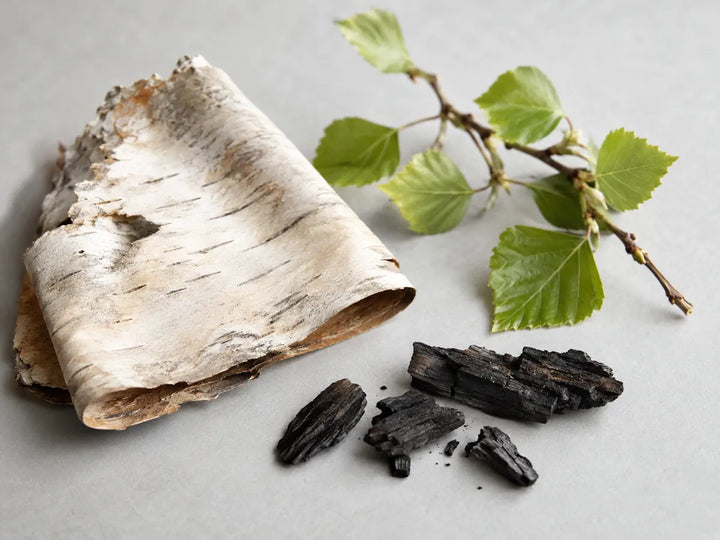
Birch in perfume usually smells smoky, dry and leathery, with tarry, burnt, woody and slightly medicinal sides. The familiar perfume note normally refers to a birch-tar effect rather...
Explore BirchCart
Your cart is empty
Fragrance note category
Woody and earthy fragrance notes can smell very different from one another. Cedarwood is often dry and structured, sandalwood can feel smoother and creamier, vetiver can smell dry, earthy or smoky, while patchouli can be earthy, woody, mossy and slightly herbal. This category brings together individual notes with related woody and earthy qualities. It is not the same as Luxaro's Woody & Smoky fragrance family, which describes complete perfumes.
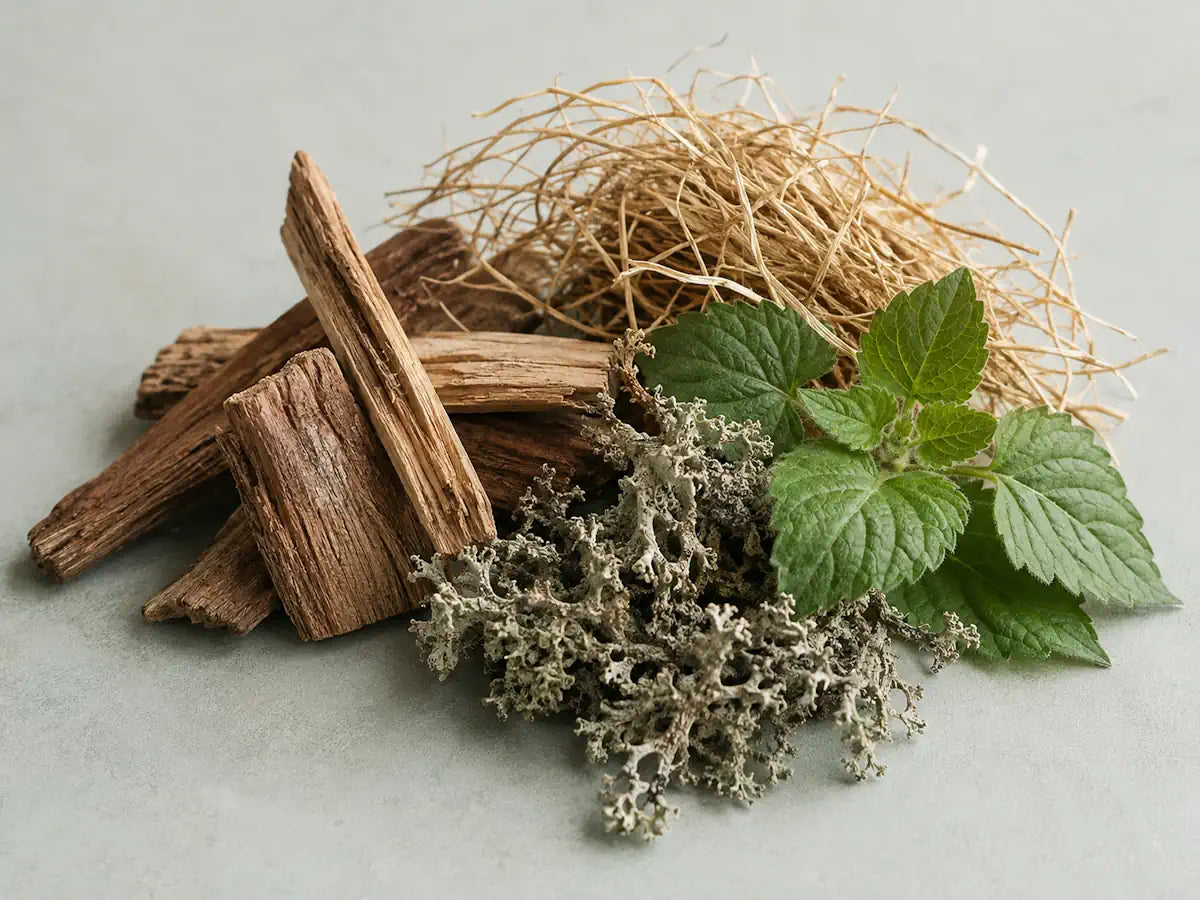
The Woody & Earthy category brings together individual fragrance notes with woody, earthy, mossy, root like or forest inspired qualities. Luxaro's category includes notes such as cedarwood, sandalwood, vetiver, patchouli, oakmoss, oud and guaiac wood, alongside constructed effects such as cashmere wood and woody notes. The category is broad because woody materials can smell dry, creamy, smoky, green or resinous, while earthy notes can feel damp, mossy, rooty or soil like.
Explore each note to understand its smell, character and role in a fragrance.
Birch in perfume usually smells smoky, dry and leathery, with tarry, burnt, woody and slightly medicinal sides. The familiar perfume note normally refers to a birch-tar effect rather...
Explore Birch
Cashmeran in perfume usually smells warm, woody and musky, with spicy, powdery, amber-like and slightly earthy sides. It may also show soft animalic, fruity or pine-like qualities. Cashmeran...
Explore Cashmeran
Cashmere wood in perfume usually smells soft, warm and woody, with musky, ambery, spicy and velvety sides. It is not a natural tree or one fixed ingredient. The...
Explore Cashmere Wood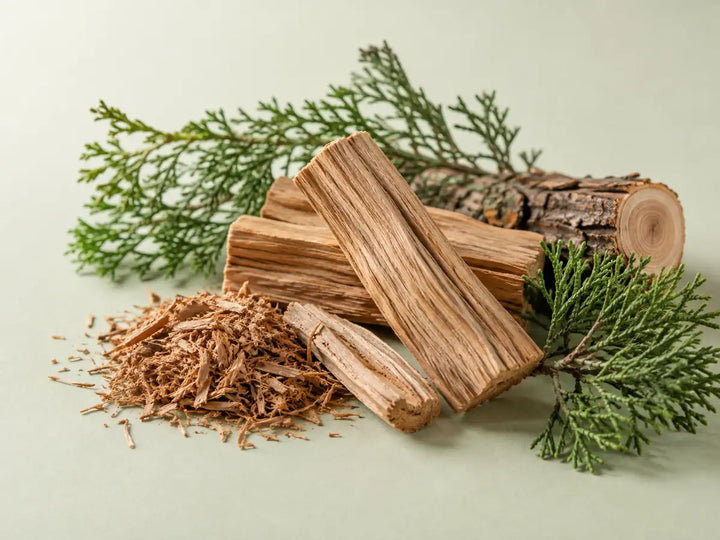
Cedarwood in perfume usually smells dry, warm and woody, with resinous, slightly smoky or pencil like sides. Some cedarwood notes feel smooth and creamy, while others are sharper...
Explore Cedarwood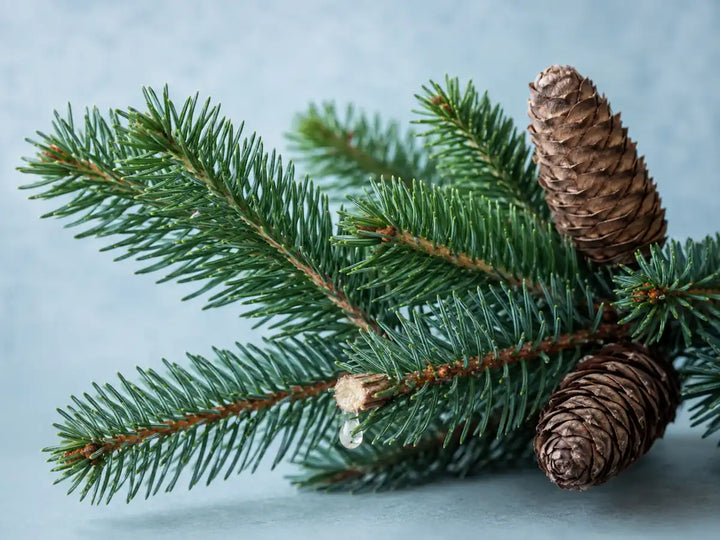
Fir in perfume usually smells fresh, green and coniferous, with woody, resinous and balsamic sides. It can suggest crushed evergreen needles, cool forest air, tree sap and freshly...
Explore Fir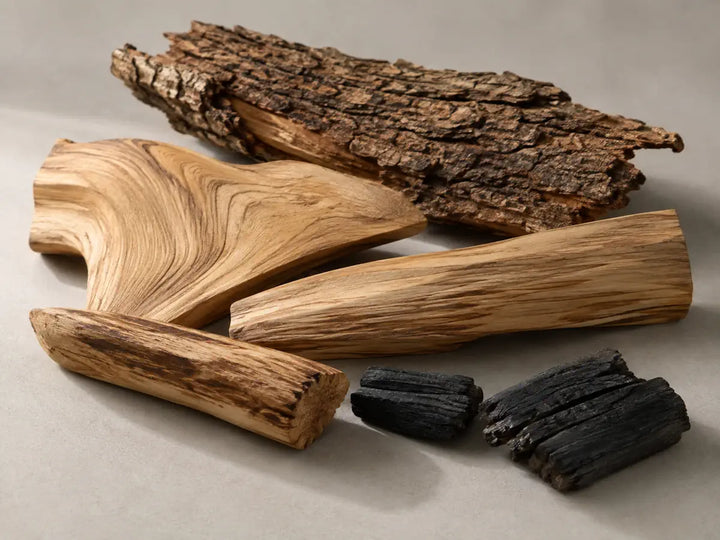
Guaiac wood in perfume usually smells smoky, warm and woody, with balsamic, rosy, tea-like and softly creamy sides. Its smoke is generally smoother and less tarry than birch....
Explore Guaiac Wood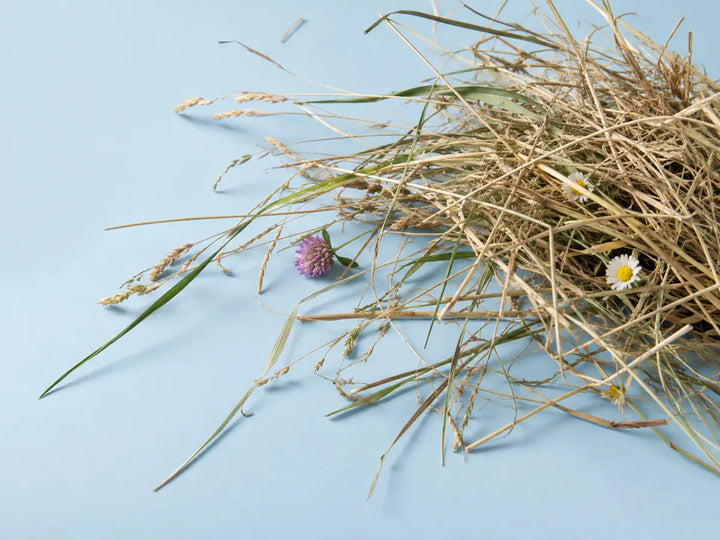
Hay in perfume usually smells dry, warm and softly sweet, with grassy, tobacco-like, honeyed and dried-fruit sides. It suggests sun-dried grass rather than freshly cut green lawn. Some...
Explore Hay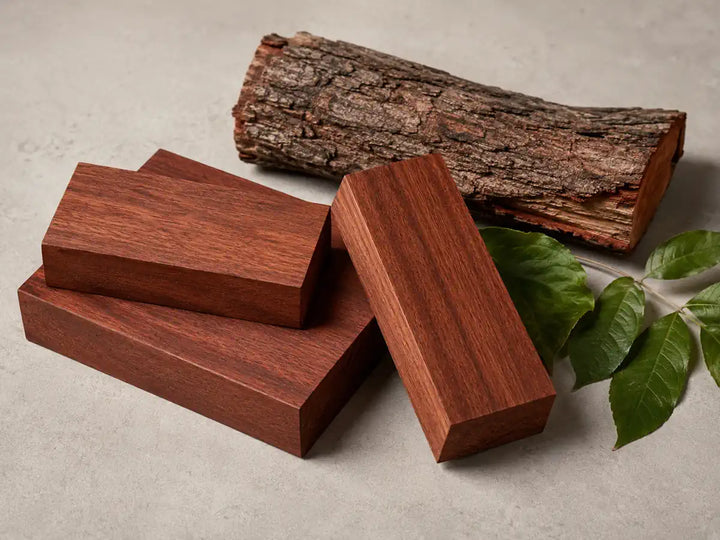
Mahogany in perfume usually smells dark, warm and woody, with polished, dry, slightly smoky and ambery sides. It is not normally an oil extracted from furniture timber. Instead,...
Explore Mahogany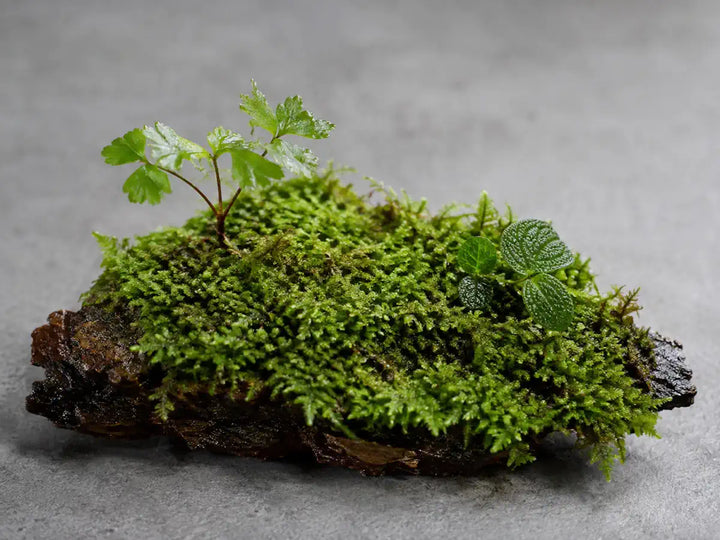
Moss in perfume usually smells earthy, damp and green, with forest-floor, woody, resinous and slightly smoky sides. It is a broad description rather than one precise material. A...
Explore Moss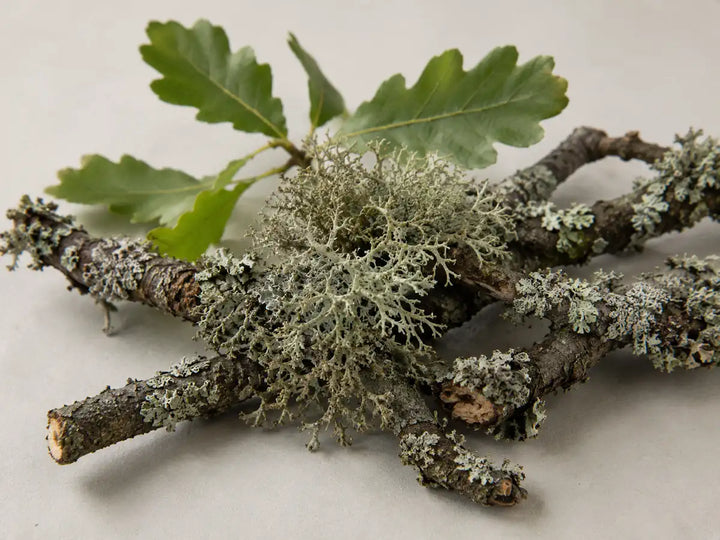
Oakmoss in perfume usually smells earthy, green and woody, with damp, mossy, slightly salty, leathery or forest like sides. It can create the impression of shaded woodland, wet...
Explore Oakmoss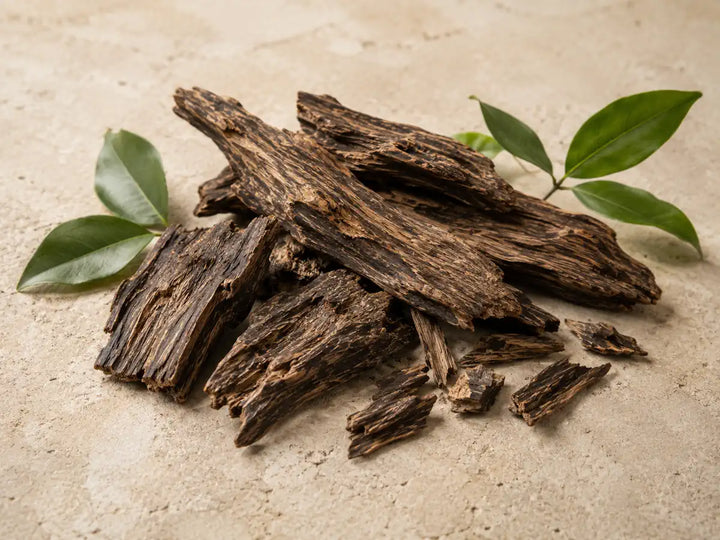
Oud in perfume usually smells dark, woody and resinous, with smoky, leathery, sweet or animalic sides. Some oud notes feel dry and medicinal, while others are smooth, warm...
Explore Oud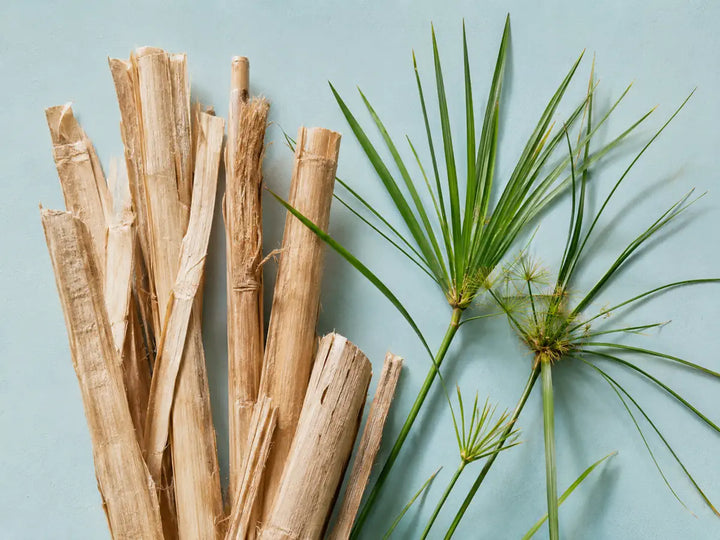
Papyrus in perfume usually smells dry, woody and earthy, with smoky, fibrous, green and slightly leathery sides. It is designed to suggest dried reeds, paper-like fibres and warm...
Explore Papyrus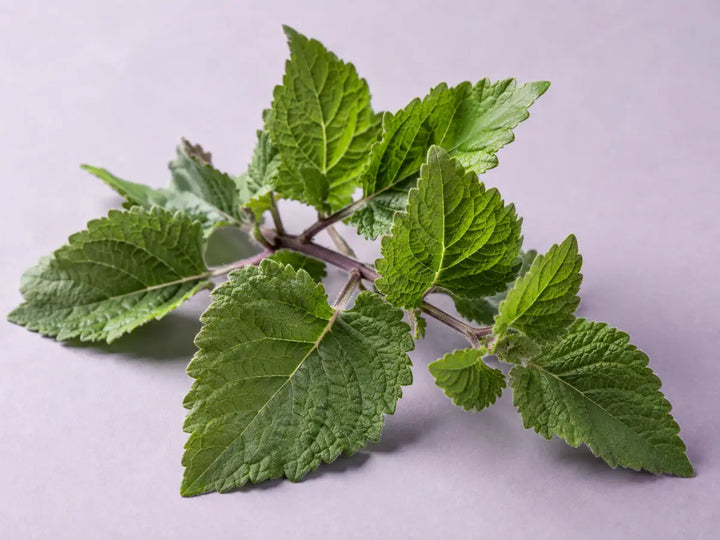
Patchouli in perfume usually smells earthy, woody and deep, with herbal, slightly sweet and sometimes camphor like sides. It can feel dark and damp in one fragrance but...
Explore Patchouli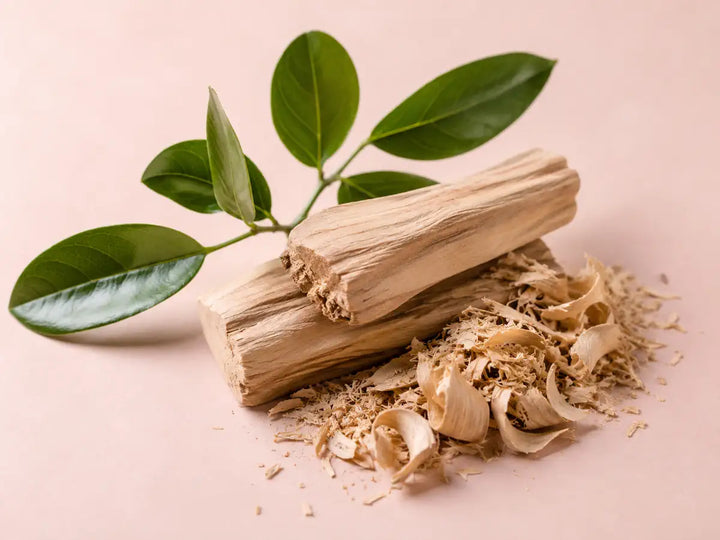
Sandalwood in perfume usually smells warm, creamy and softly woody. It can also have milky, balsamic, powdery or lightly spicy sides. Unlike sharper woods, sandalwood often feels smooth...
Explore Sandalwood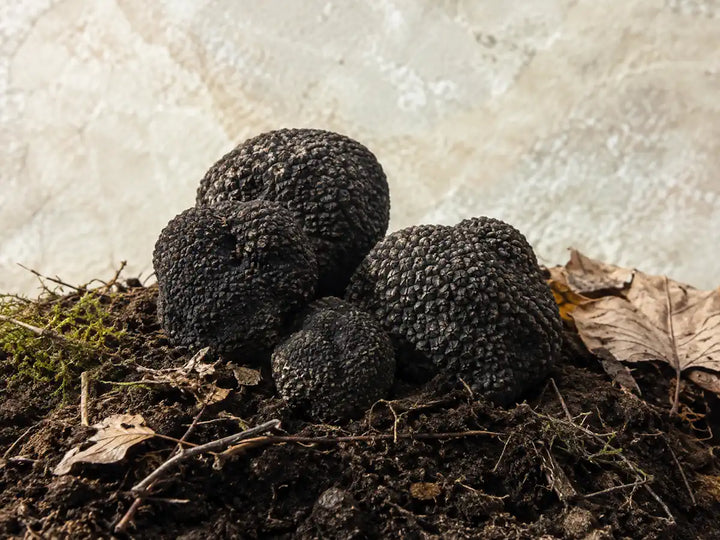
Truffle in perfume usually smells earthy, dark and mushroom-like, with damp, musky, woody and slightly animalic sides. Some truffle accords feel rich and luxurious, while others are sharper,...
Explore Truffle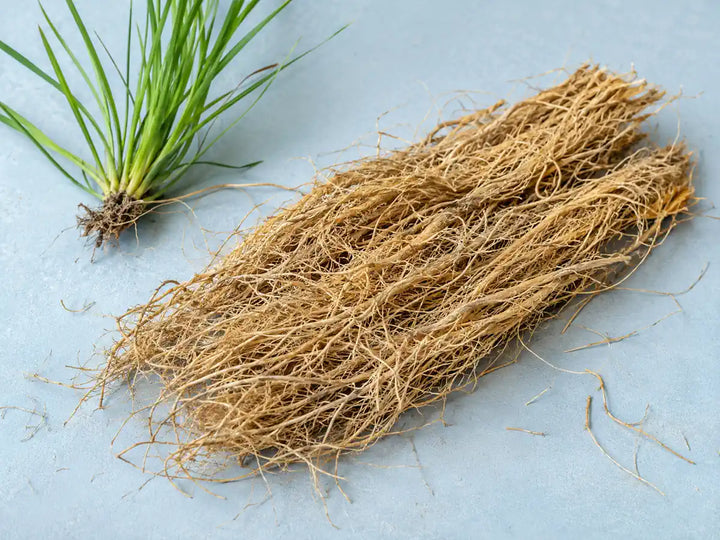
Vetiver in perfume usually smells earthy, woody and dry, with smoky, green, grassy or slightly bitter sides. Some vetiver notes feel dark, rooty and rugged, while others are...
Explore Vetiver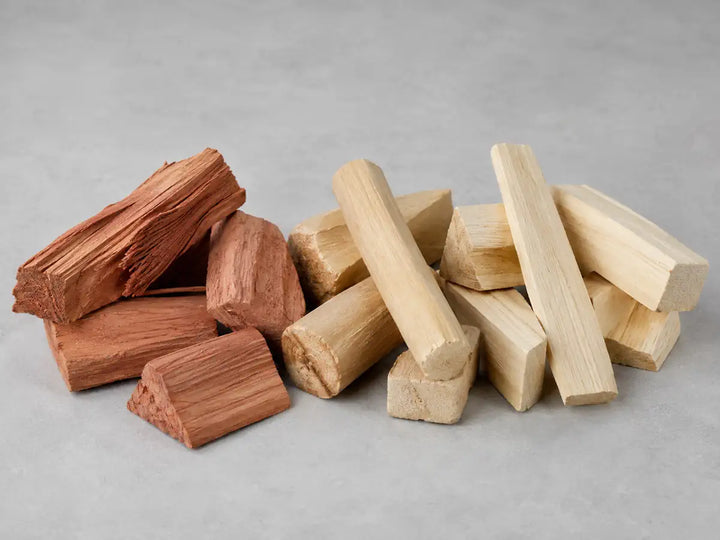
Woody notes in perfume can smell dry, warm, earthy, smoky, creamy or resinous. They do not describe one single ingredient because different woods and woody materials have very...
Explore Woody Notes


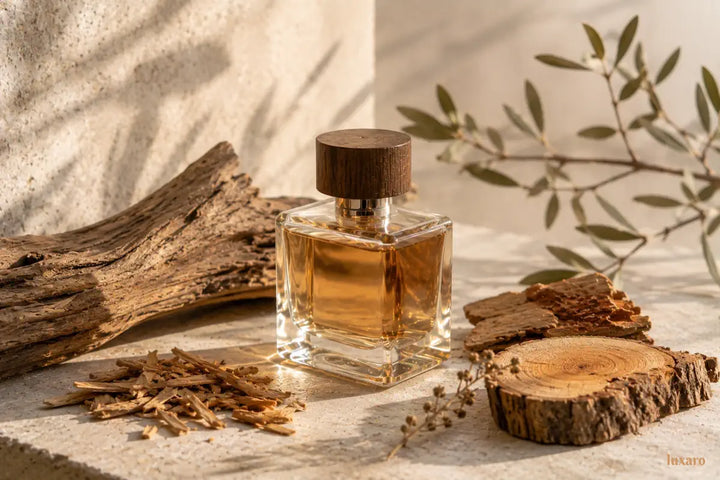
Discover what woody fragrances smell like, why woody perfumes feel elegant and grounding, and how fresh, smoky, creamy, and airy woods create modern luxury scents.
Read guide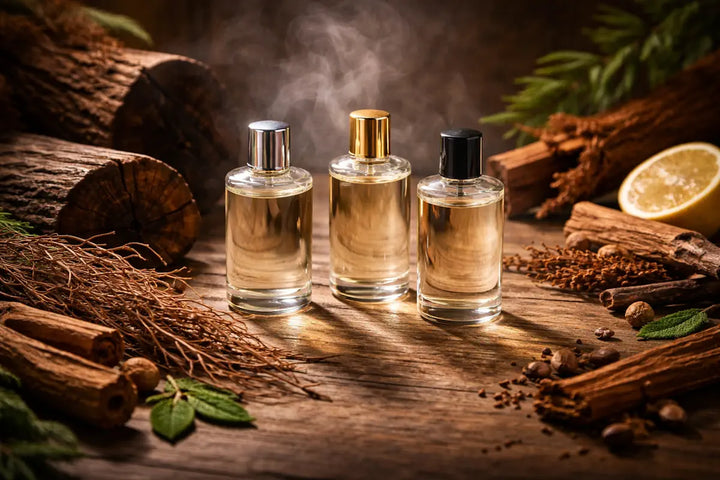
Learn how woody notes influence fragrance structure, longevity, and sillage. This guide explains how woods such as cedar and patchouli shape perfume compositions and why they remain central...
Read guide