




Fragrance note
Juniper
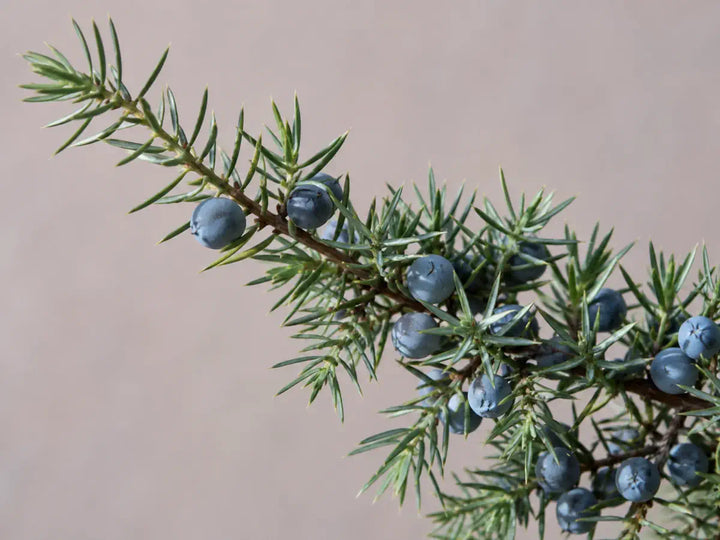
Juniper in perfume usually smells fresh, aromatic and coniferous, with gin-like, spicy, green and woody sides. It can feel crisp and sparkling near the start, before becoming drier...
Explore JuniperCart
Your cart is empty
Fragrance note guide
Angelica smells green, herbaceous and earthy, with peppery, spicy, musky and woody qualities. The root material can feel fresh and aromatic at first, but it also has surprising depth and persistence. In perfume, Angelica can add a natural green character while linking aromatic notes with woods, musk and earthy materials.

Juniper in perfume usually smells fresh, aromatic and coniferous, with gin-like, spicy, green and woody sides. It can feel crisp and sparkling near the start, before becoming drier...
Explore Juniper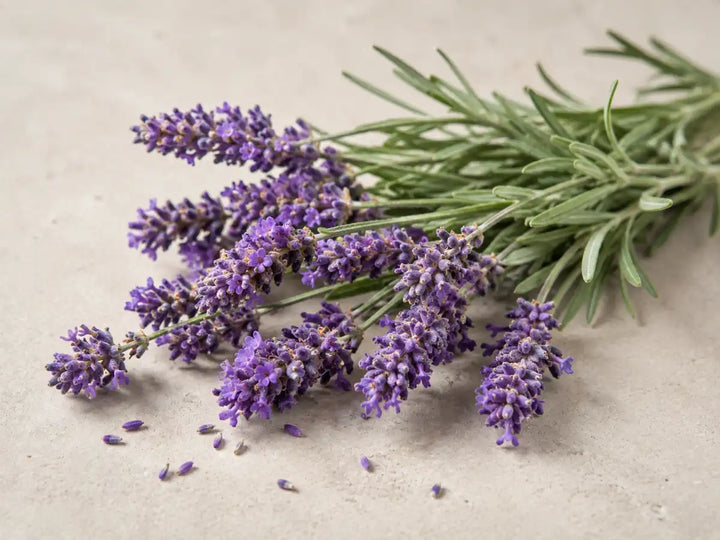
Lavender in perfume usually smells fresh, aromatic and softly floral, with herbal, clean, slightly sweet and sometimes powdery sides. Some lavender notes feel light, airy and calming, while...
Explore Lavender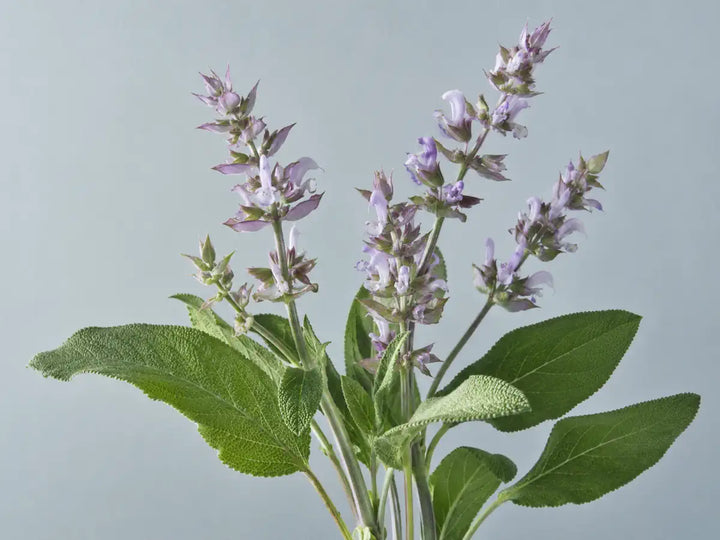
Clary sage in perfume usually smells herbal, aromatic and floral, with lavender-like, hay, tea, amber and softly tobacco-like sides. It is smoother and warmer than ordinary culinary sage....
Explore Clary Sage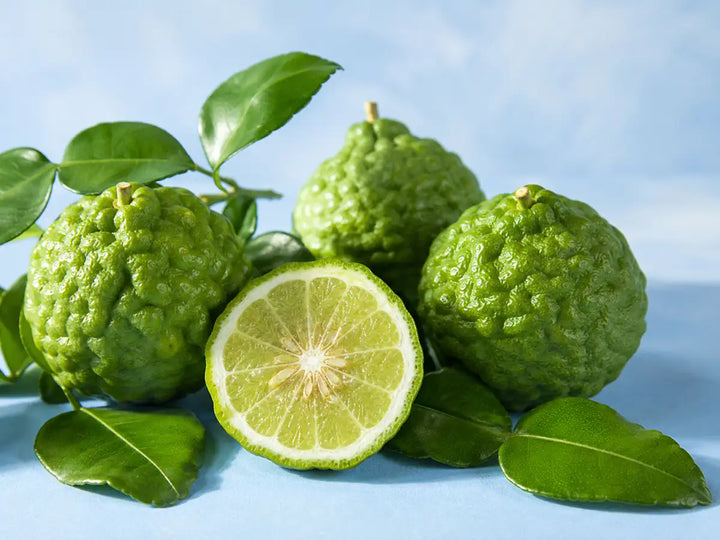
Bergamot in perfume smells fresh, bright and citrusy, with a soft floral character and a slightly bitter green edge. It is less sharp than lemon and often feels...
Explore Bergamot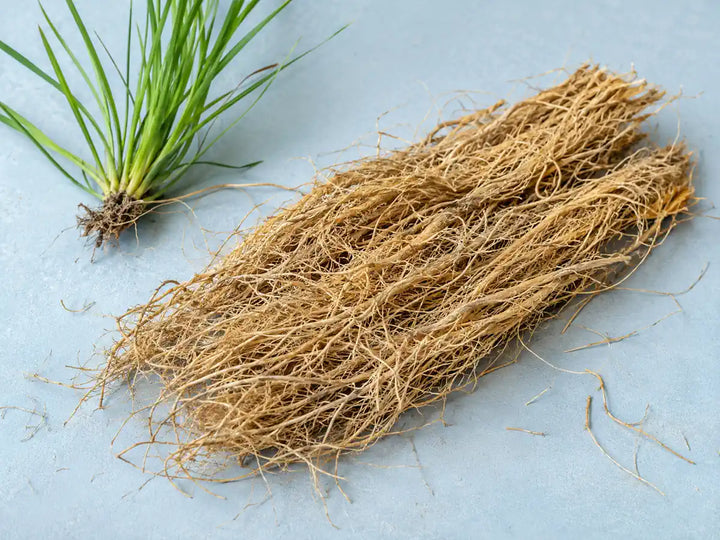
Vetiver in perfume usually smells earthy, woody and dry, with smoky, green, grassy or slightly bitter sides. Some vetiver notes feel dark, rooty and rugged, while others are...
Explore Vetiver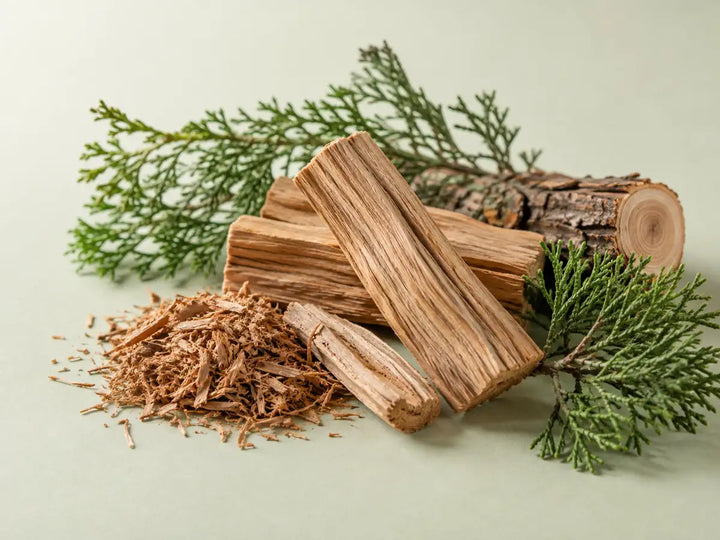
Cedarwood in perfume usually smells dry, warm and woody, with resinous, slightly smoky or pencil like sides. Some cedarwood notes feel smooth and creamy, while others are sharper...
Explore Cedarwood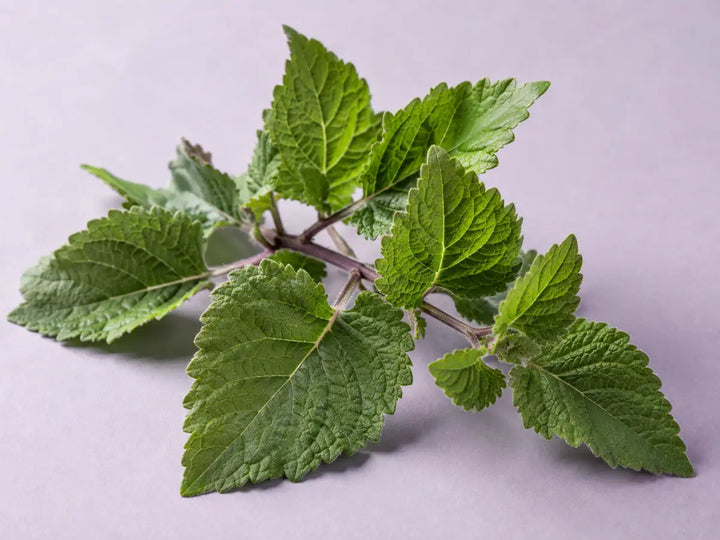
Patchouli in perfume usually smells earthy, woody and deep, with herbal, slightly sweet and sometimes camphor like sides. It can feel dark and damp in one fragrance but...
Explore Patchouli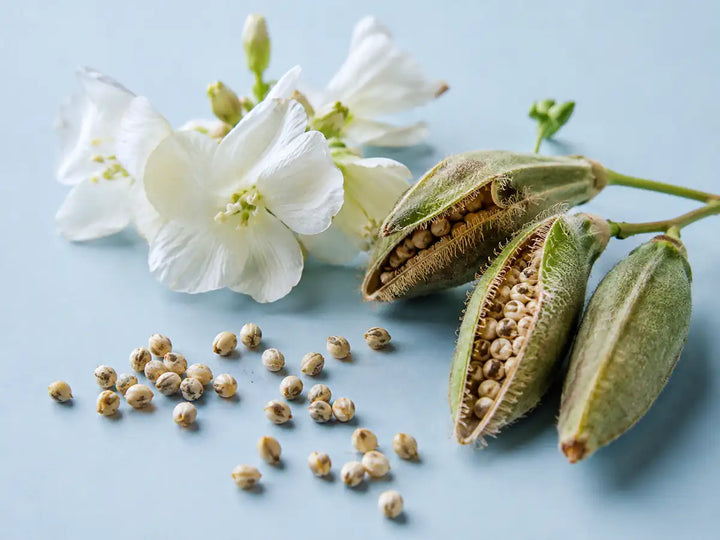
Musk in perfume can smell soft, warm, clean and slightly powdery, often with a smooth quality that is compared with fresh skin or clean fabric. Some musk notes...
Explore MuskThese fragrances use Angelica in the lasting foundation of the scent.

Juniper in perfume usually smells fresh, aromatic and coniferous, with gin-like, spicy, green and woody sides. It can feel crisp and sparkling near the start, before becoming drier...
Explore JuniperClary sage in perfume usually smells herbal, aromatic and floral, with lavender-like, hay, tea, amber and softly tobacco-like sides. It is smoother and warmer than ordinary culinary sage....
Explore Clary SageVetiver in perfume usually smells earthy, woody and dry, with smoky, green, grassy or slightly bitter sides. Some vetiver notes feel dark, rooty and rugged, while others are...
Explore VetiverCedarwood in perfume usually smells dry, warm and woody, with resinous, slightly smoky or pencil like sides. Some cedarwood notes feel smooth and creamy, while others are sharper...
Explore CedarwoodMusk in perfume can smell soft, warm, clean and slightly powdery, often with a smooth quality that is compared with fresh skin or clean fabric. Some musk notes...
Explore Musk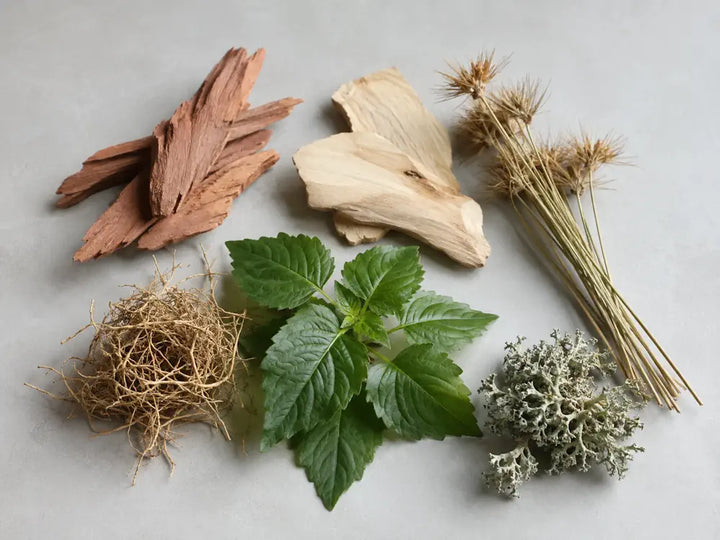
A woody accord can smell dry, smooth, creamy, earthy, smoky or resinous depending on the materials used. Cedarwood often gives a dry, structured quality, while sandalwood can feel...
Explore Woody
A fresh accord usually smells bright, clean and light, but there is no single fresh smell. Citrus can make it zesty, mint can add a cooling quality, green...
Explore Fresh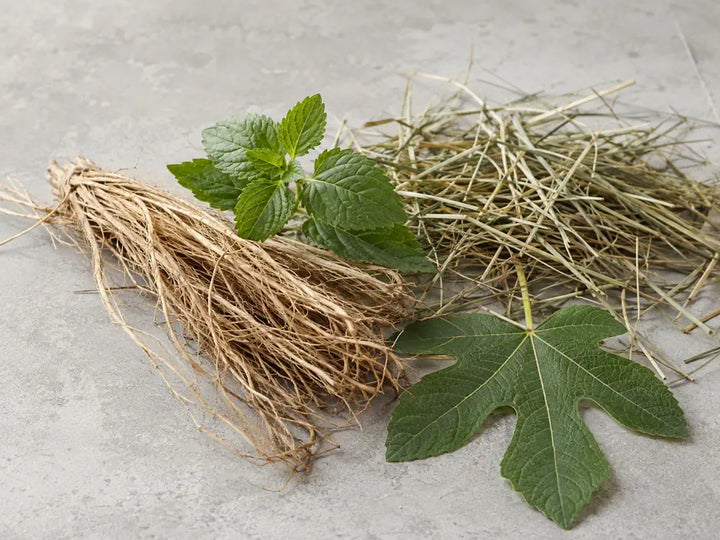
An earthy accord usually smells dry, woody, rooty or slightly damp, with a grounded quality that contrasts with brighter floral, citrus or fruity notes. Some earthy accords have...
Explore Earthy
Fresh & Bright fragrances generally smell crisp, open and energising rather than dense or heavy. Bergamot, lemon and grapefruit can provide sparkling citrus freshness, while mint and green...
Explore Fresh & Bright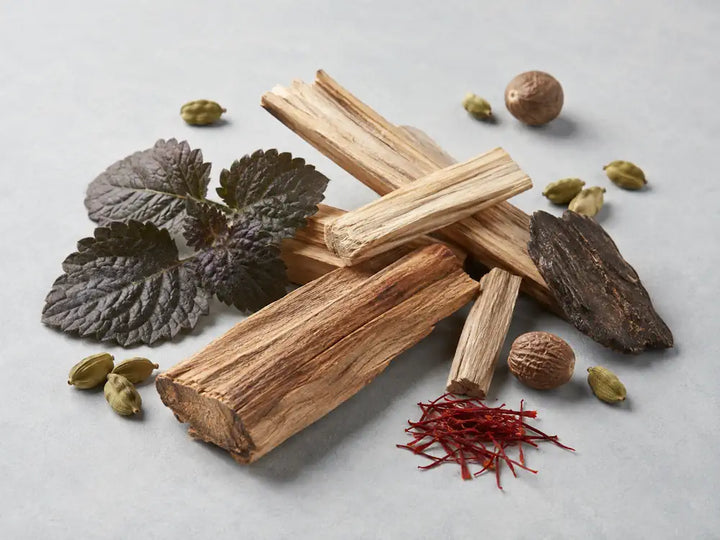
Spicy & Woody fragrances generally smell warm, dry and structured, with noticeable spice layered over woods or deeper earthy materials. Nutmeg can bring dry warmth, while cardamom often...
Explore Spicy & Woody