
Fragrance note
Cedarwood
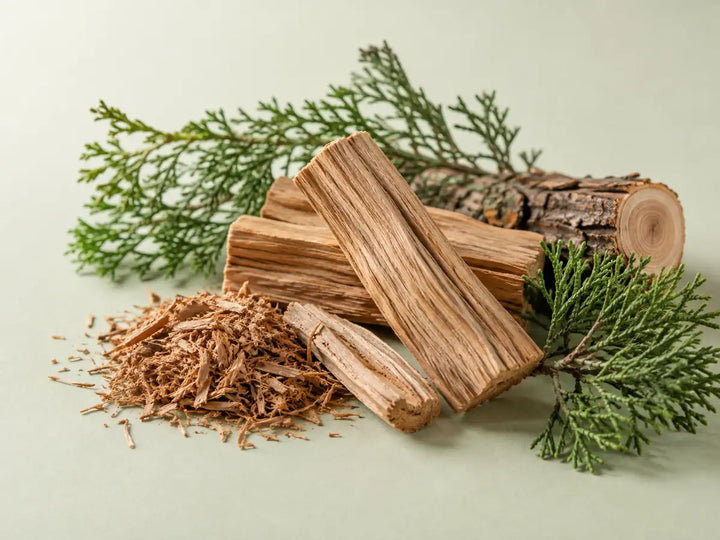
Cedarwood in perfume usually smells dry, warm and woody, with resinous, slightly smoky or pencil like sides. Some cedarwood notes feel smooth and creamy, while others are sharper...
Explore CedarwoodCart
Your cart is empty
Fragrance note guide
Papyrus in perfume usually smells dry, woody and earthy, with smoky, fibrous, green and slightly leathery sides. It is designed to suggest dried reeds, paper-like fibres and warm riverbank vegetation. Papyrus is generally treated as a constructed woody accord rather than one standard perfume extract. It is mainly used in the base.

Cedarwood in perfume usually smells dry, warm and woody, with resinous, slightly smoky or pencil like sides. Some cedarwood notes feel smooth and creamy, while others are sharper...
Explore Cedarwood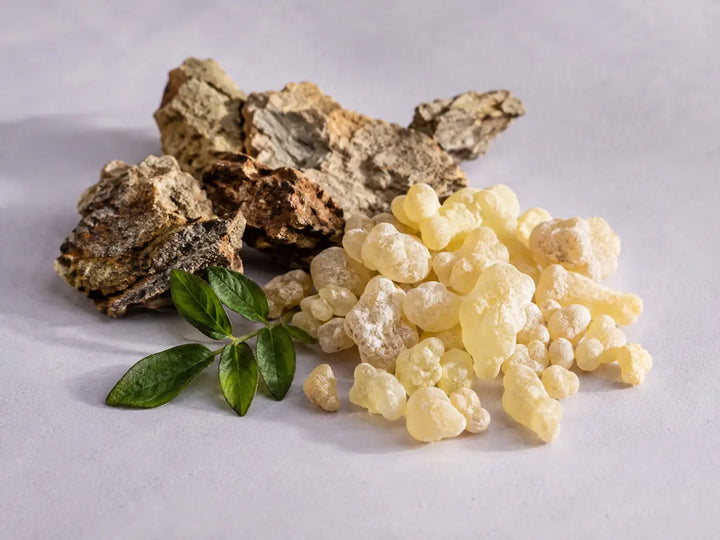
Incense in perfume usually smells resinous, smoky and woody, with warm amber, dry spice and sometimes fresh citrus or mineral sides. It does not always smell like thick...
Explore Incense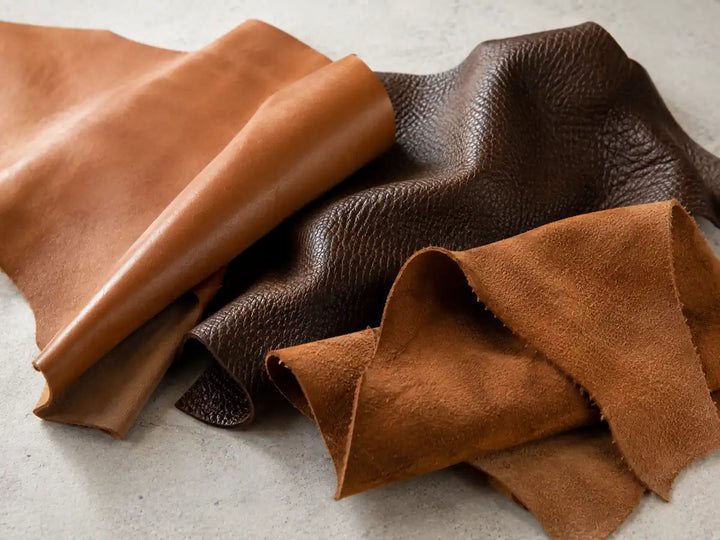
Leather in perfume usually smells dry, warm and slightly smoky, with woody, animalic, tarry or soft suede like sides. It does not normally come from untreated animal hide...
Explore Leather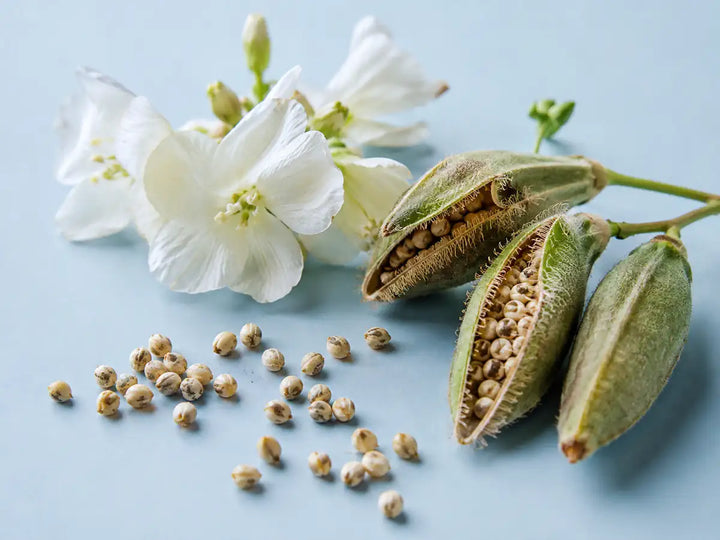
Musk in perfume can smell soft, warm, clean and slightly powdery, often with a smooth quality that is compared with fresh skin or clean fabric. Some musk notes...
Explore Musk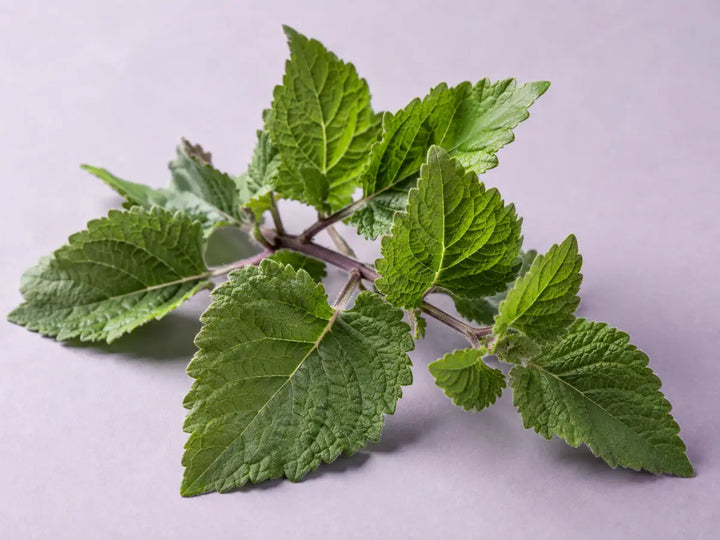
Patchouli in perfume usually smells earthy, woody and deep, with herbal, slightly sweet and sometimes camphor like sides. It can feel dark and damp in one fragrance but...
Explore Patchouli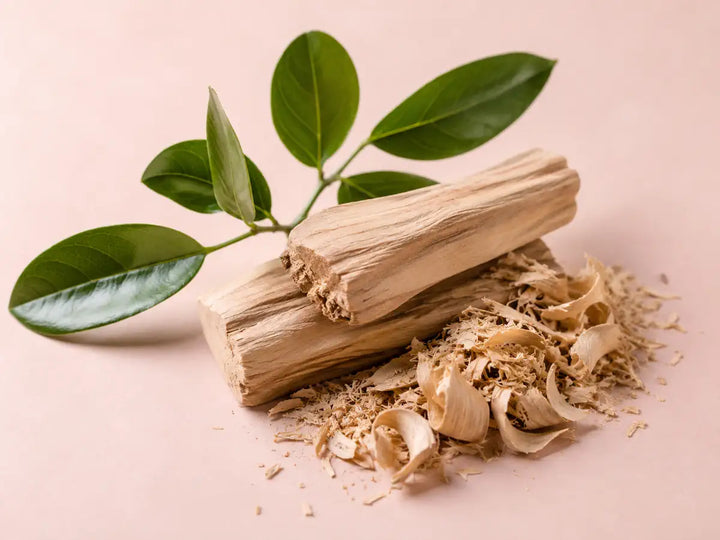
Sandalwood in perfume usually smells warm, creamy and softly woody. It can also have milky, balsamic, powdery or lightly spicy sides. Unlike sharper woods, sandalwood often feels smooth...
Explore Sandalwood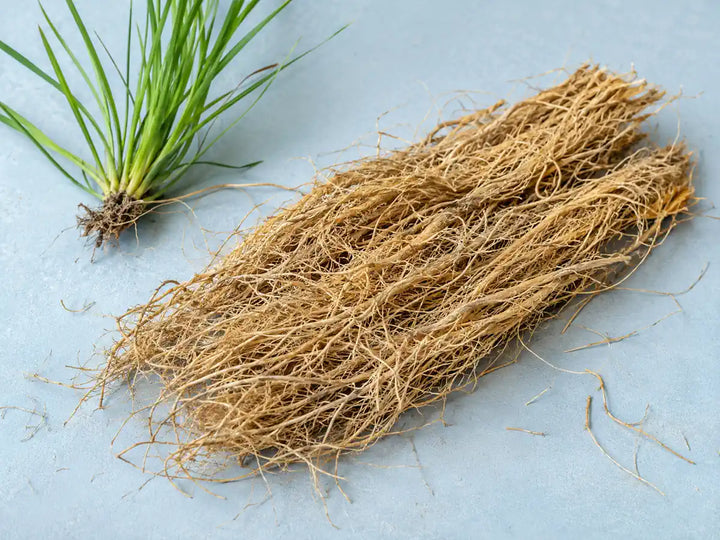
Vetiver in perfume usually smells earthy, woody and dry, with smoky, green, grassy or slightly bitter sides. Some vetiver notes feel dark, rooty and rugged, while others are...
Explore VetiverThese fragrances use Papyrus in the lasting foundation of the scent.

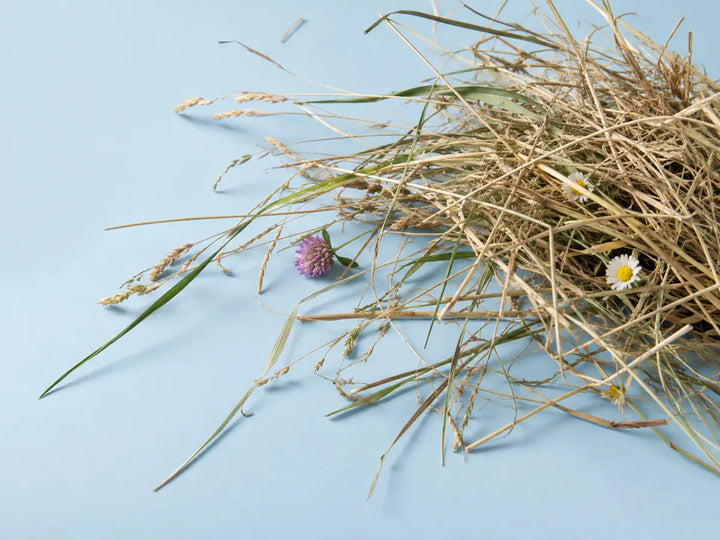
Hay in perfume usually smells dry, warm and softly sweet, with grassy, tobacco-like, honeyed and dried-fruit sides. It suggests sun-dried grass rather than freshly cut green lawn. Some...
Explore Hay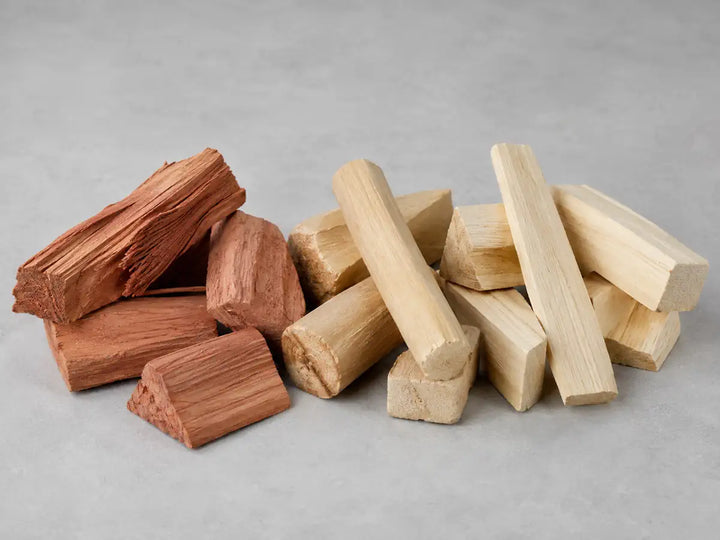
Woody notes in perfume can smell dry, warm, earthy, smoky, creamy or resinous. They do not describe one single ingredient because different woods and woody materials have very...
Explore Woody Notes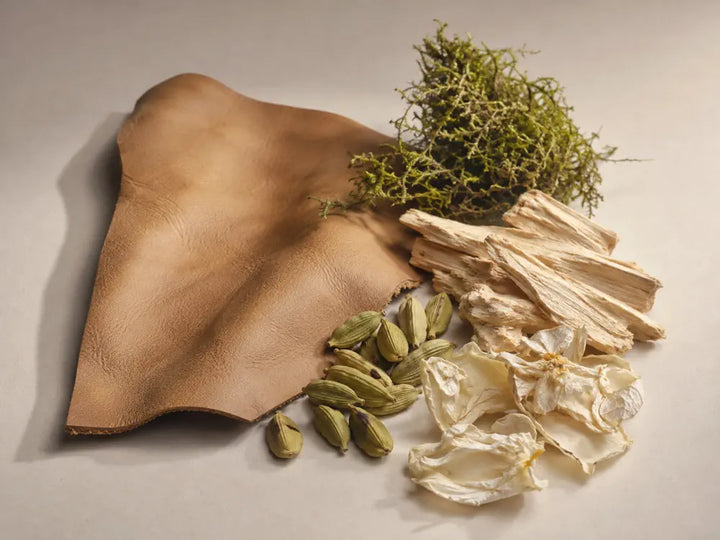
A leather accord usually smells dry, smooth and slightly smoky, but its character can vary widely. Some versions resemble clean suede, while others feel darker, woody, earthy or...
Explore Leather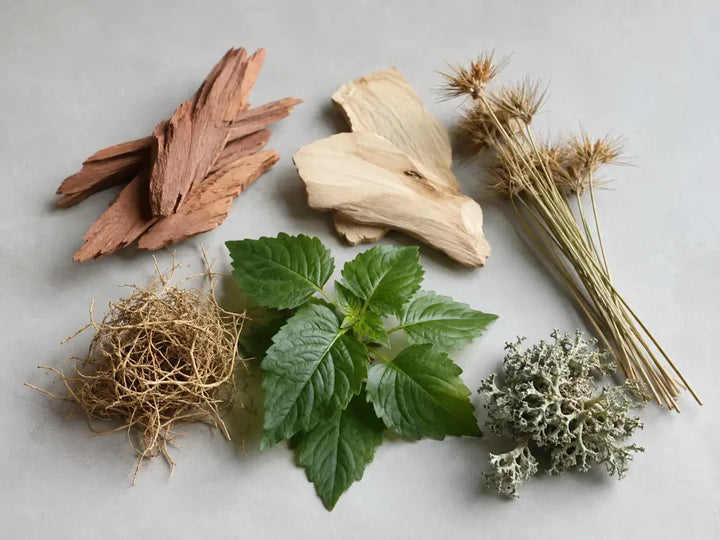
A woody accord can smell dry, smooth, creamy, earthy, smoky or resinous depending on the materials used. Cedarwood often gives a dry, structured quality, while sandalwood can feel...
Explore Woody