




Fragrance note
Honey
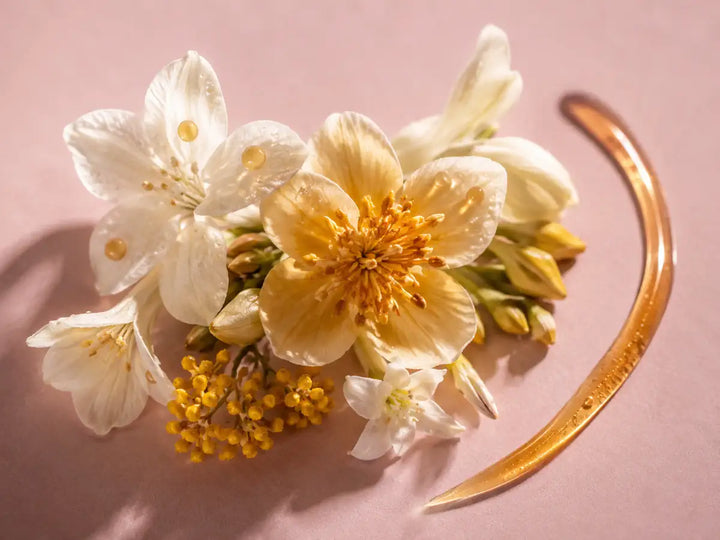
Honey in perfume usually smells sweet, warm and golden, with floral, waxy, balsamic and softly animalic sides. It may feel light and nectar-like or darker, richer and almost...
Explore HoneyCart
Your cart is empty
Fragrance note guide
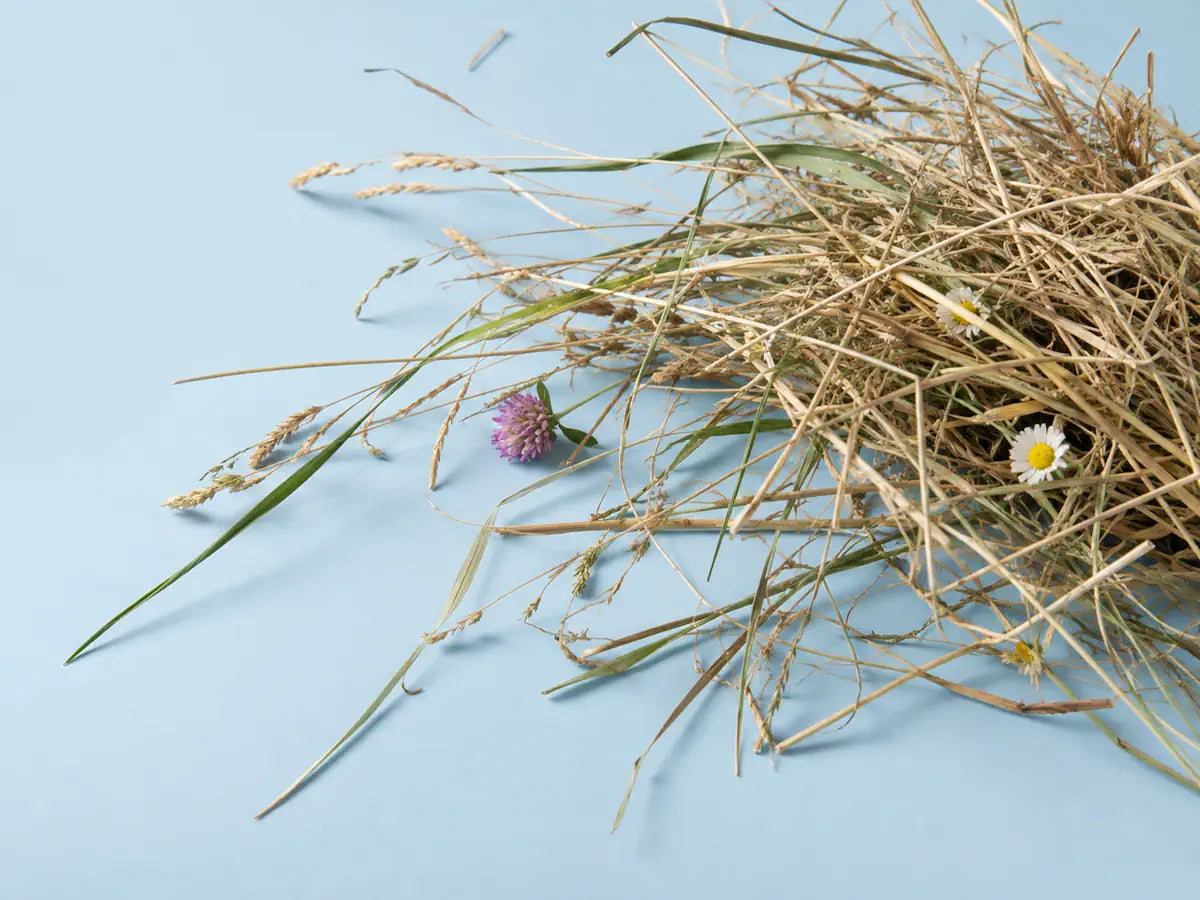
Hay in perfume usually smells dry, warm and softly sweet, with grassy, tobacco-like, honeyed and dried-fruit sides. It suggests sun-dried grass rather than freshly cut green lawn. Some hay notes feel dusty and rustic, while others are smooth, warm and almost vanilla-like. Hay is mainly used in the base.
Honey in perfume usually smells sweet, warm and golden, with floral, waxy, balsamic and softly animalic sides. It may feel light and nectar-like or darker, richer and almost...
Explore Honey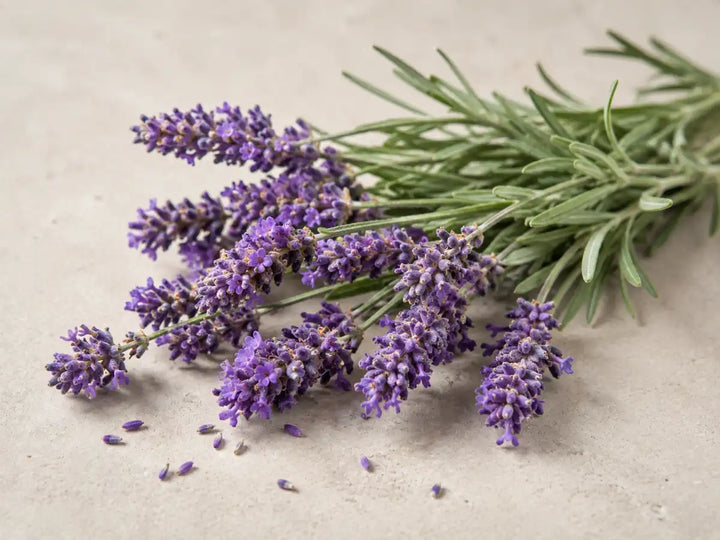
Lavender in perfume usually smells fresh, aromatic and softly floral, with herbal, clean, slightly sweet and sometimes powdery sides. Some lavender notes feel light, airy and calming, while...
Explore Lavender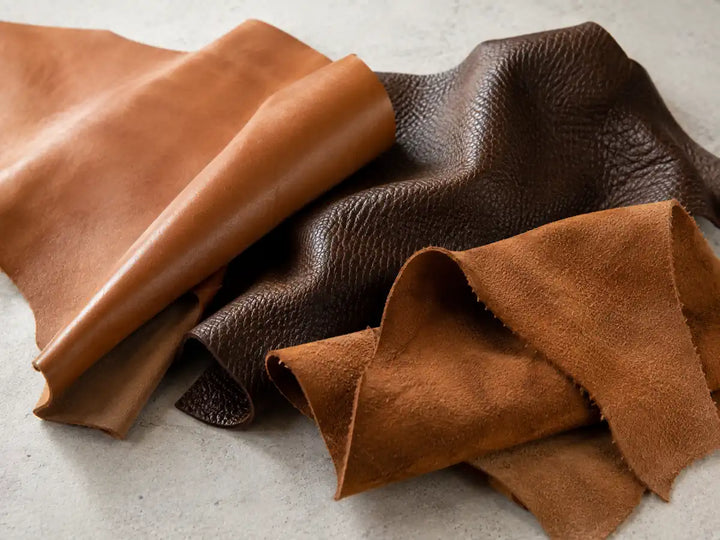
Leather in perfume usually smells dry, warm and slightly smoky, with woody, animalic, tarry or soft suede like sides. It does not normally come from untreated animal hide...
Explore Leather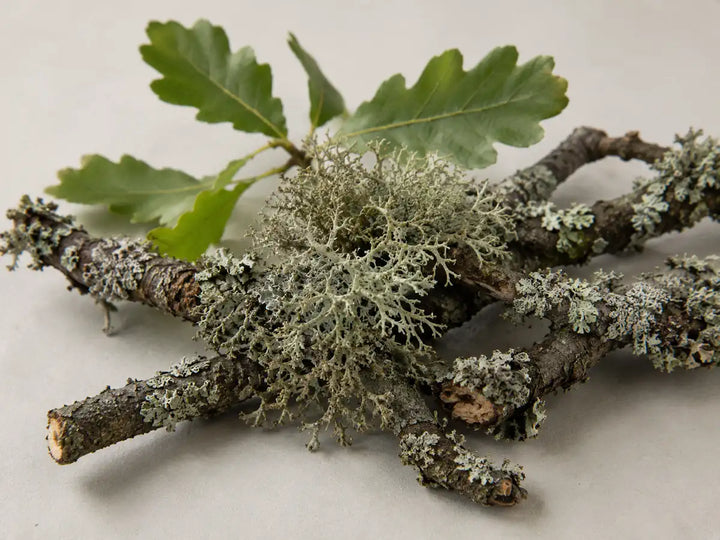
Oakmoss in perfume usually smells earthy, green and woody, with damp, mossy, slightly salty, leathery or forest like sides. It can create the impression of shaded woodland, wet...
Explore Oakmoss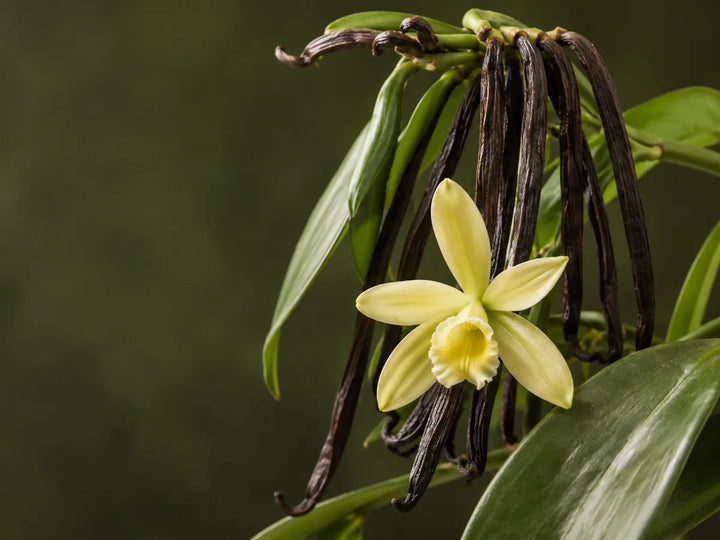
Vanilla in perfume usually smells sweet, warm and creamy. It can also have soft woody, powdery or spicy sides, depending on the material used and the notes around...
Explore Vanilla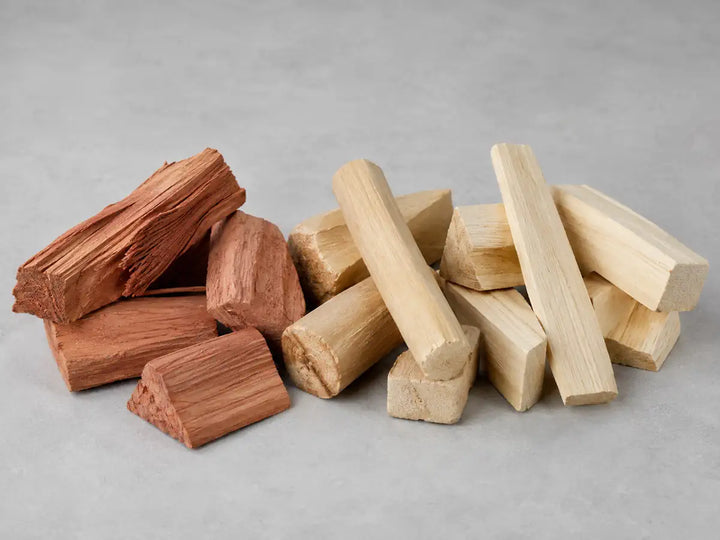
Woody notes in perfume can smell dry, warm, earthy, smoky, creamy or resinous. They do not describe one single ingredient because different woods and woody materials have very...
Explore Woody NotesThese fragrances use Hay in the lasting foundation of the scent.

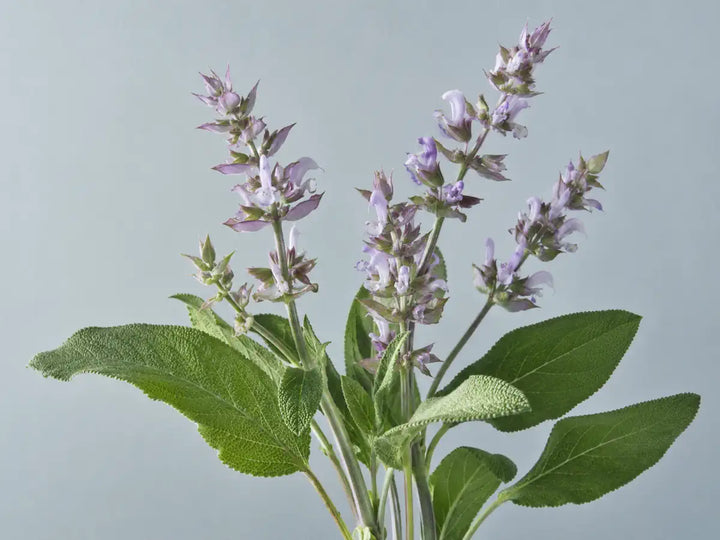
Clary sage in perfume usually smells herbal, aromatic and floral, with lavender-like, hay, tea, amber and softly tobacco-like sides. It is smoother and warmer than ordinary culinary sage....
Explore Clary Sage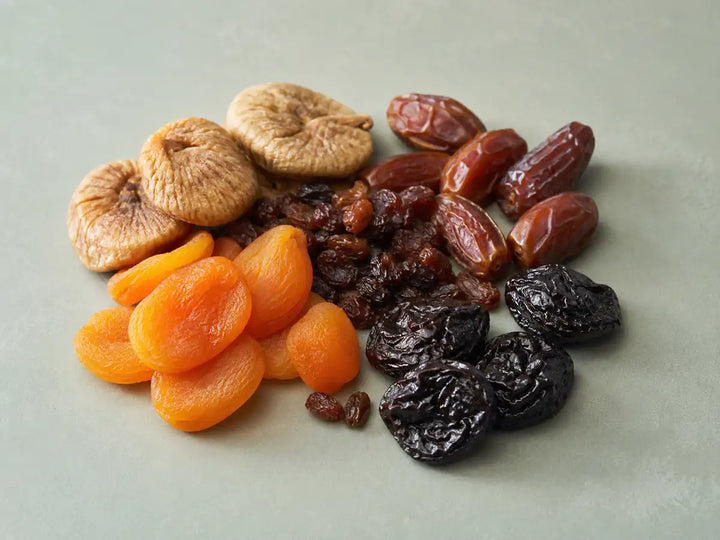
Dried fruit in perfume usually smells rich, sweet and concentrated, with raisin, prune, date, apricot and honeyed sides. It is darker and less juicy than a fresh-fruit note....
Explore Dried Fruit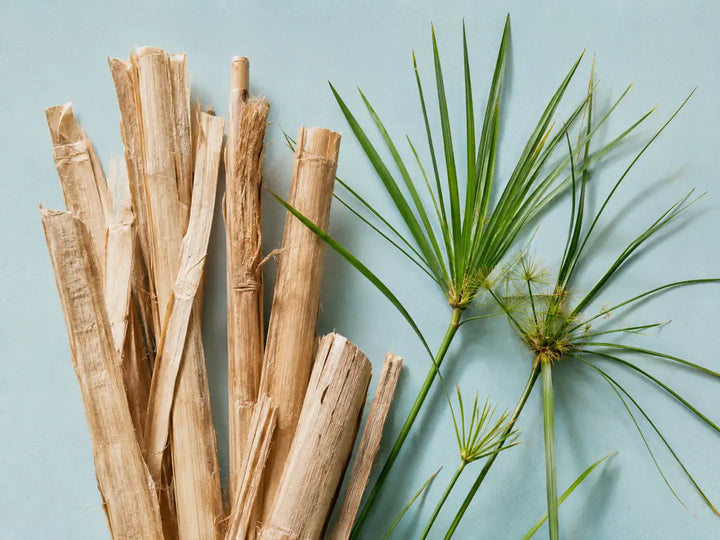
Papyrus in perfume usually smells dry, woody and earthy, with smoky, fibrous, green and slightly leathery sides. It is designed to suggest dried reeds, paper-like fibres and warm...
Explore Papyrus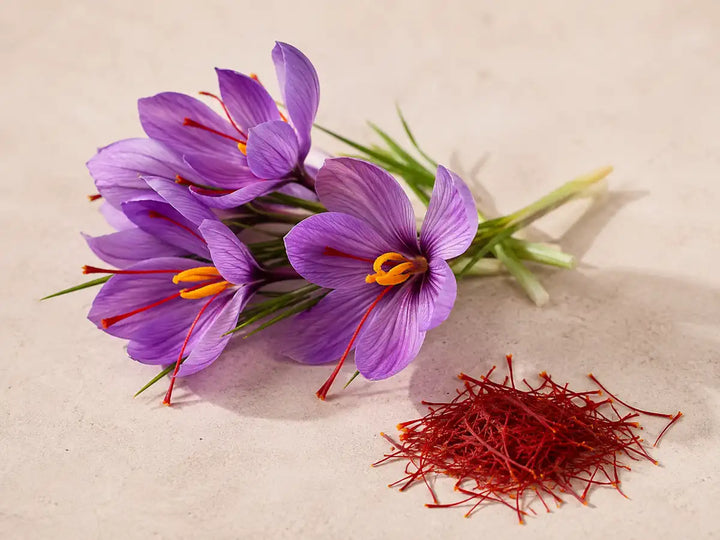
Saffron in perfume usually smells dry, warm and spicy, with leathery, hay-like, honeyed and sometimes slightly metallic sides. It is not normally sweet in the same way as...
Explore Saffron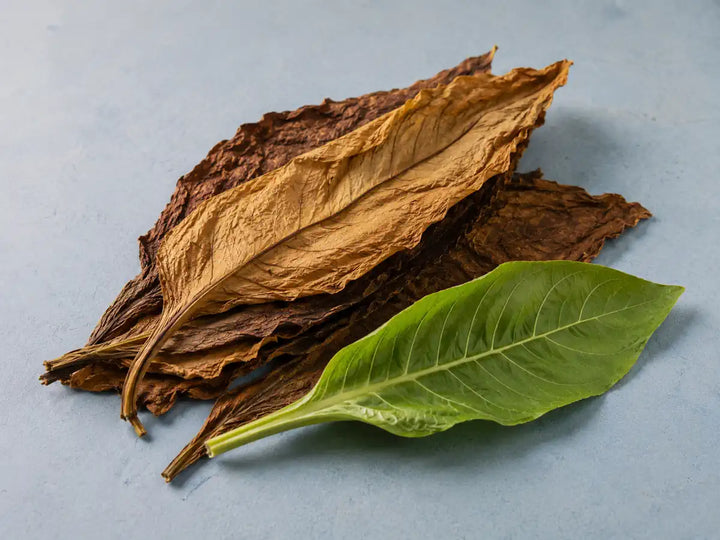
Tobacco in perfume usually smells warm, dry and slightly sweet, with honeyed, hay like, earthy, woody or smoky sides. It normally represents cured tobacco leaves rather than the...
Explore Tobacco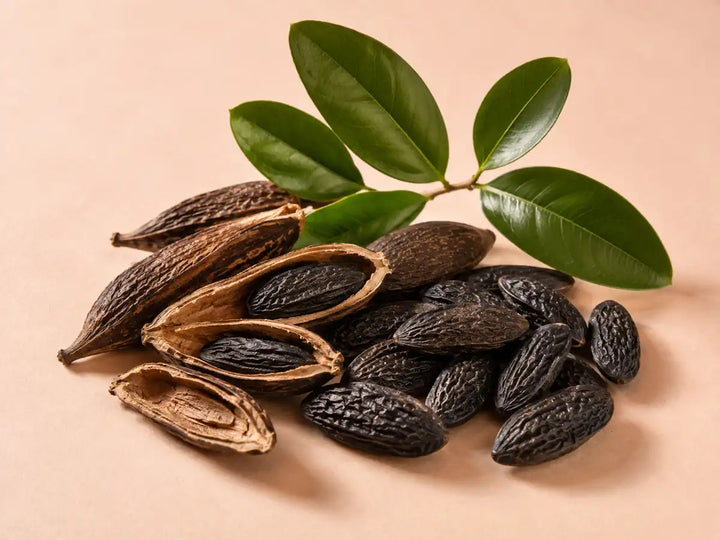
Tonka bean in perfume usually smells warm, sweet and powdery, with notes that can remind people of vanilla, almond, hay and soft tobacco. It is rich and comforting...
Explore Tonka Bean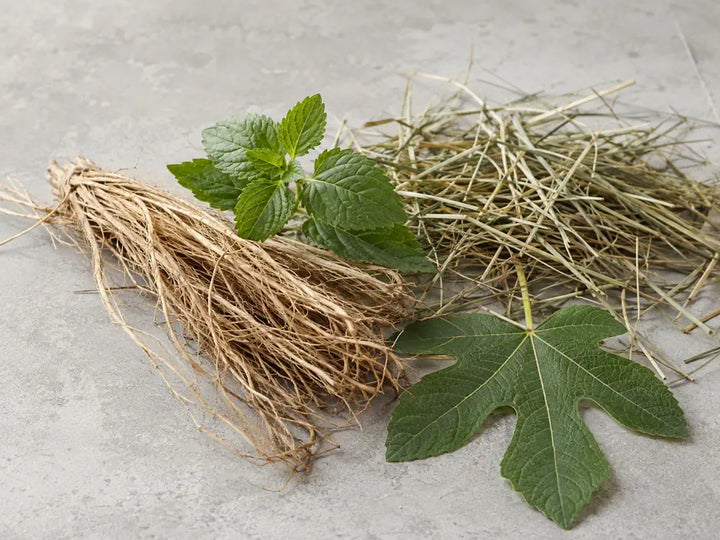
An earthy accord usually smells dry, woody, rooty or slightly damp, with a grounded quality that contrasts with brighter floral, citrus or fruity notes. Some earthy accords have...
Explore Earthy