
Fragrance note
Cacao
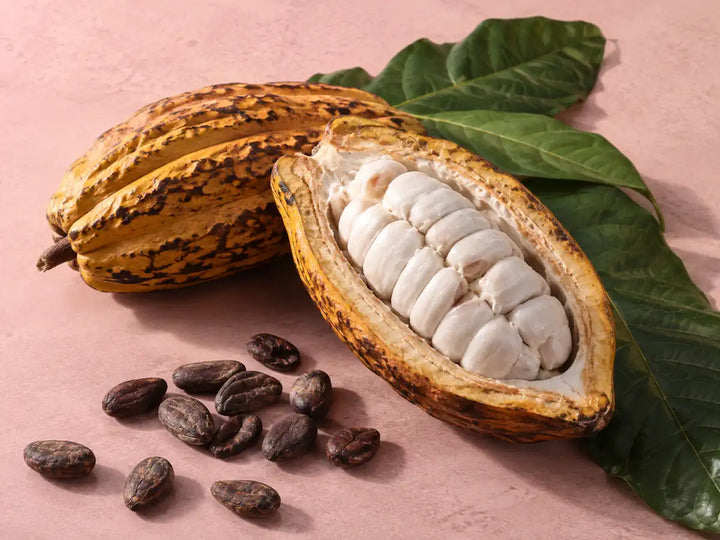
Cacao in perfume usually smells dark, powdery and chocolate-like, with bitter, earthy, roasted and softly sweet sides. It may suggest dry cocoa powder rather than a sugary chocolate...
Explore CacaoCart
Your cart is empty
Fragrance note guide
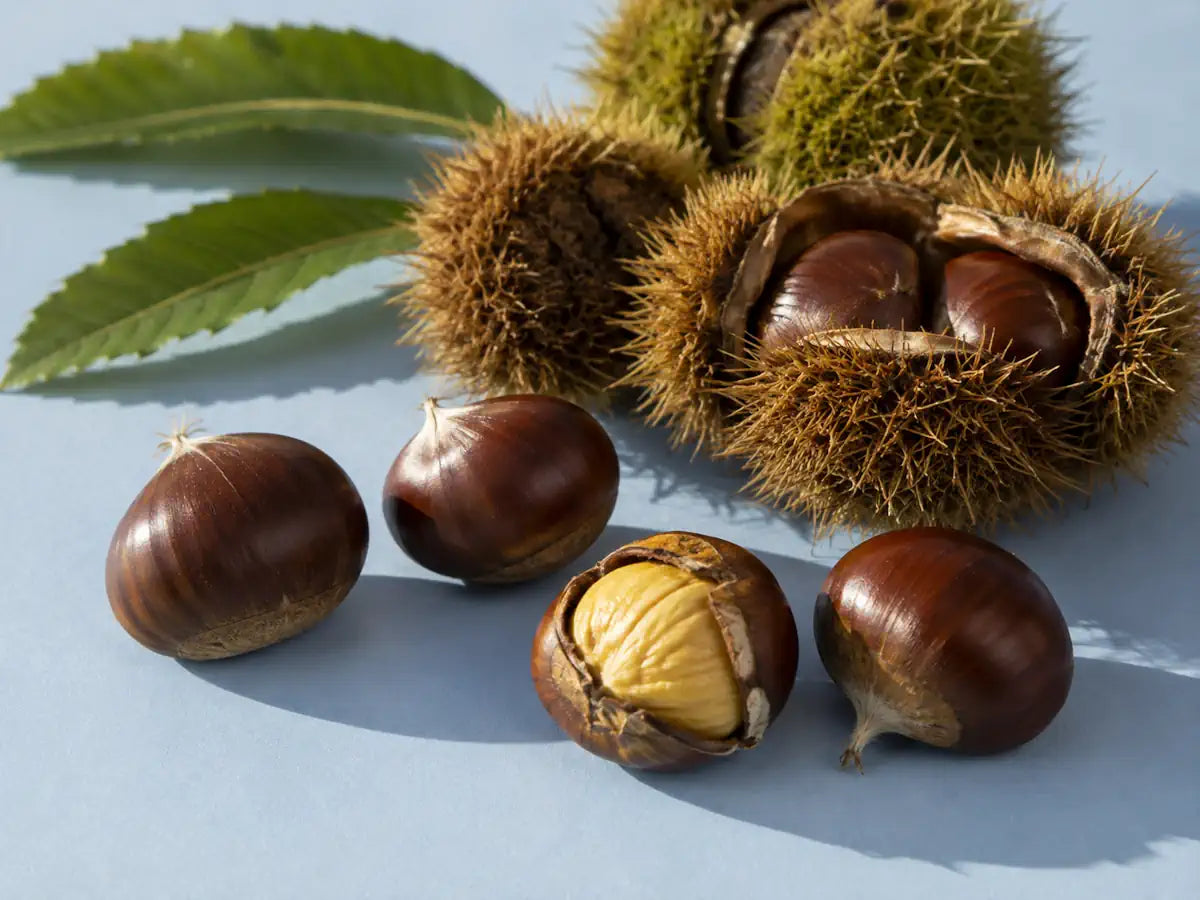
Chestnut in perfume usually smells warm, nutty and softly sweet, with roasted, creamy, woody and slightly earthy sides. It can suggest freshly roasted chestnuts, soft nut flesh or a smooth toasted accord. Chestnut is normally created with several fragrance materials rather than one standard chestnut extract. It may be used in the top or heart of warm gourmand and woody fragrances.
Cacao in perfume usually smells dark, powdery and chocolate-like, with bitter, earthy, roasted and softly sweet sides. It may suggest dry cocoa powder rather than a sugary chocolate...
Explore Cacao
Coffee in perfume usually smells warm, roasted and dark, with bitter, nutty, earthy and chocolate-like sides. Some coffee notes suggest freshly ground beans or strong espresso, while others...
Explore Coffee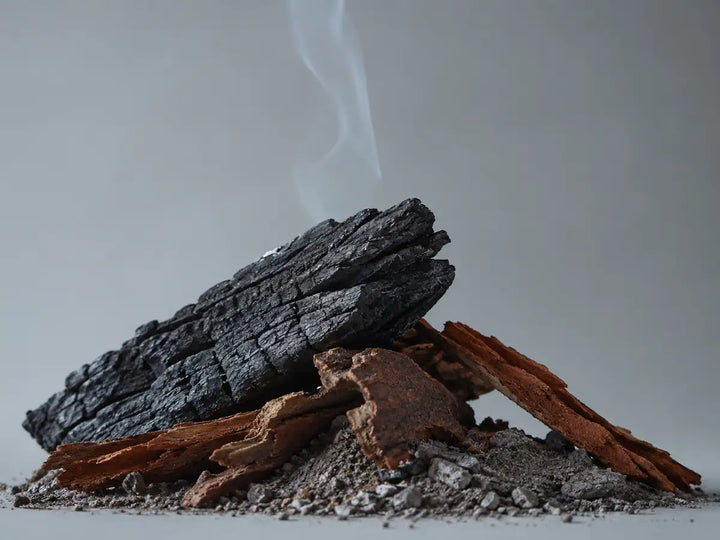
Smoke in perfume usually smells dry, dark and charred, with woody, ashy, leathery and incense-like sides. It is a constructed effect rather than smoke trapped inside a bottle....
Explore Smoke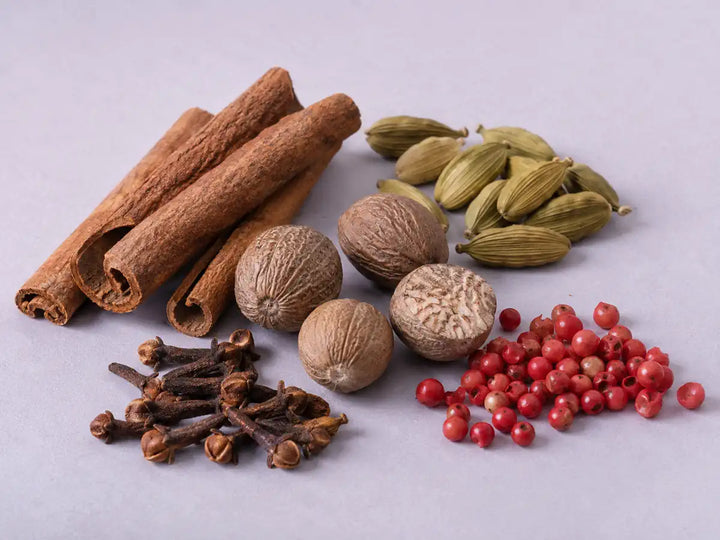
Spices in perfume can smell warm, dry, sweet, peppery, fresh or aromatic. The term does not describe one ingredient because cinnamon, cardamom, clove, nutmeg and pepper all smell...
Explore Spices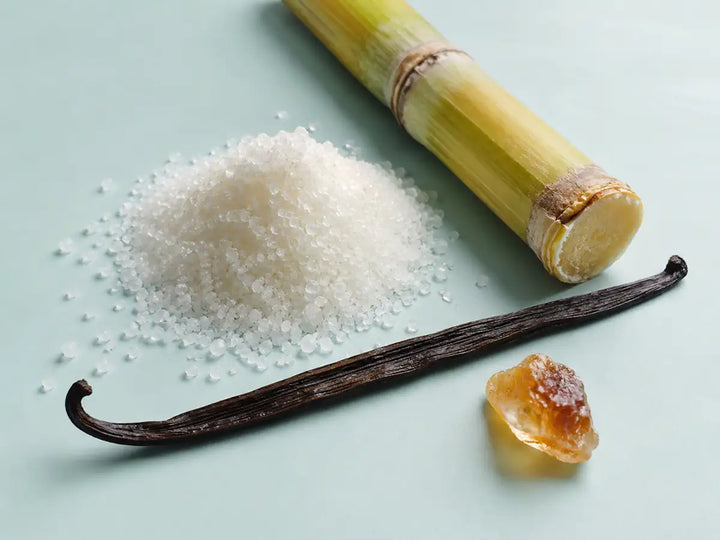
Sugar in perfume usually smells sweet, crystalline and gourmand, with candy, caramel, vanilla and lightly toasted sides. Plain sucrose is experienced mainly through taste, so a recognisable sugar...
Explore Sugar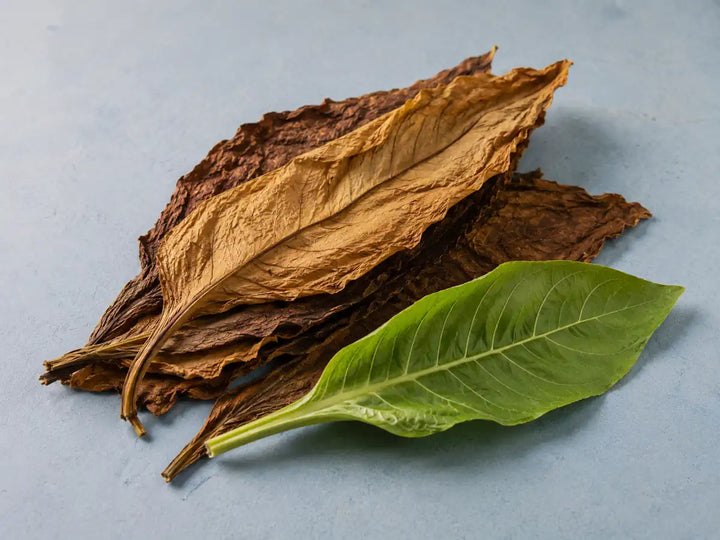
Tobacco in perfume usually smells warm, dry and slightly sweet, with honeyed, hay like, earthy, woody or smoky sides. It normally represents cured tobacco leaves rather than the...
Explore Tobacco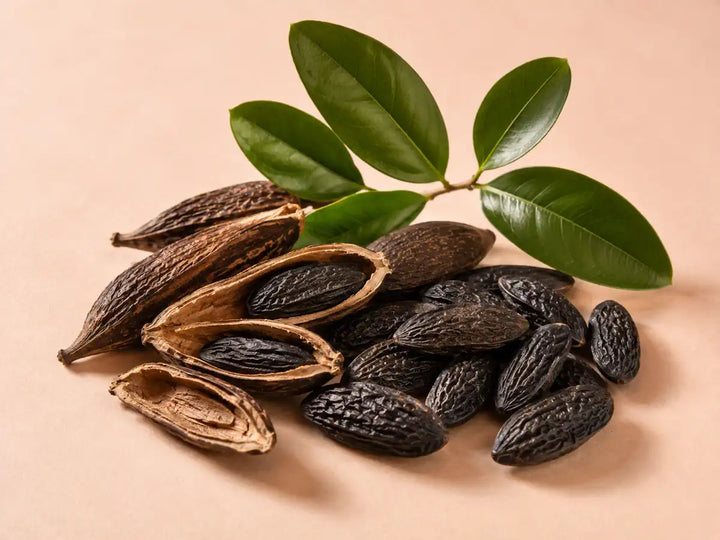
Tonka bean in perfume usually smells warm, sweet and powdery, with notes that can remind people of vanilla, almond, hay and soft tobacco. It is rich and comforting...
Explore Tonka Bean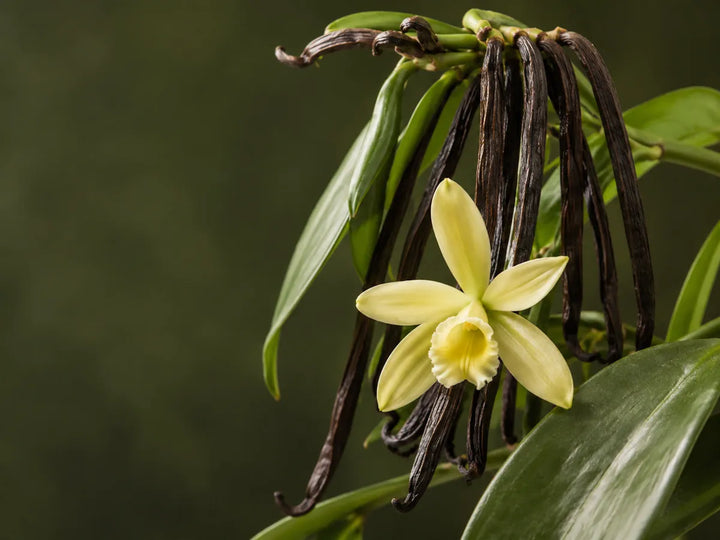
Vanilla in perfume usually smells sweet, warm and creamy. It can also have soft woody, powdery or spicy sides, depending on the material used and the notes around...
Explore Vanilla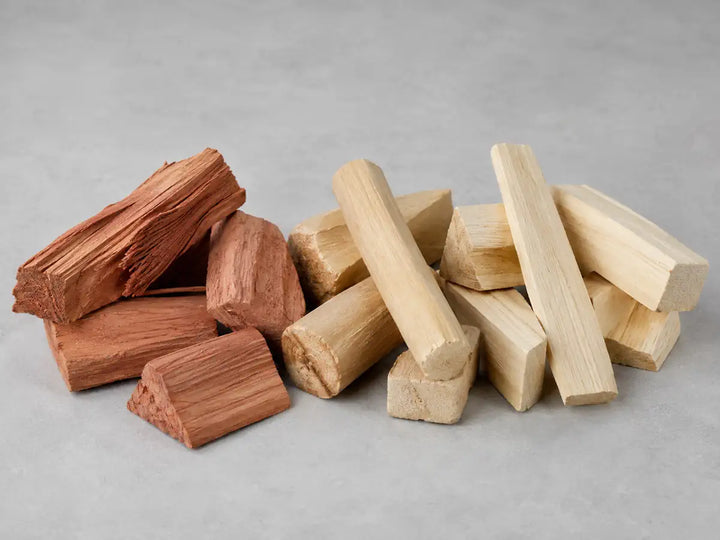
Woody notes in perfume can smell dry, warm, earthy, smoky, creamy or resinous. They do not describe one single ingredient because different woods and woody materials have very...
Explore Woody NotesThese fragrances introduce Chestnut near the opening of the scent.

These fragrances reveal Chestnut through the central body of the scent.

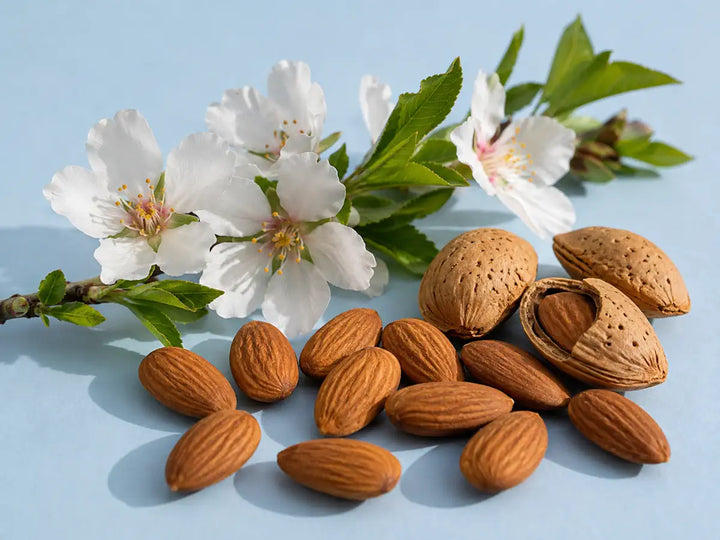
Almond in perfume usually smells sweet, nutty and slightly creamy, with a marzipan-like character. It can also have bitter, powdery or cherry-like sides, especially when the accord is...
Explore Almond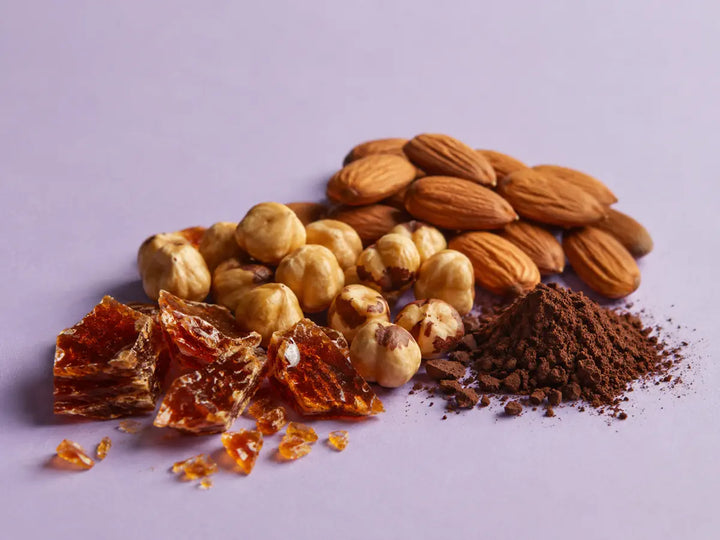
Praline in perfume usually smells sweet, nutty and caramelised, with vanilla, chocolate, toasted almond or hazelnut-like sides. It is a constructed gourmand accord rather than one natural fragrance...
Explore Praline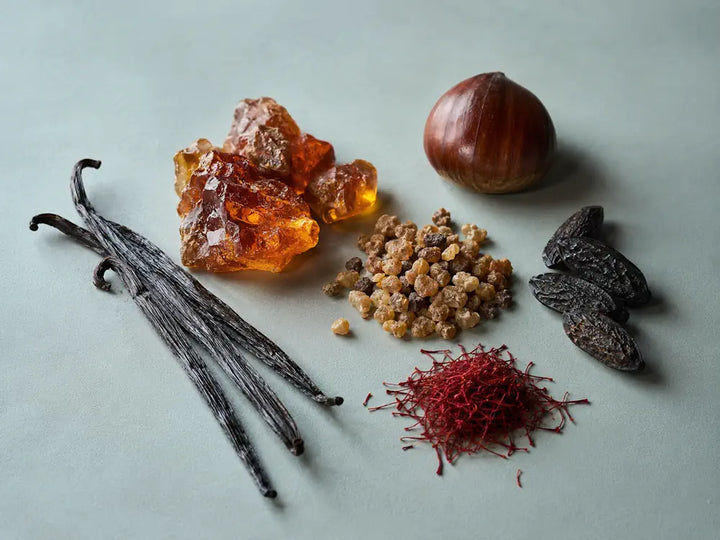
A warm accord usually smells smooth, deep and comforting, with possible ambery, resinous, spicy, woody or softly sweet qualities. Vanilla and tonka bean can make it smoother, amber...
Explore Warm