
Fragrance note
Citrus
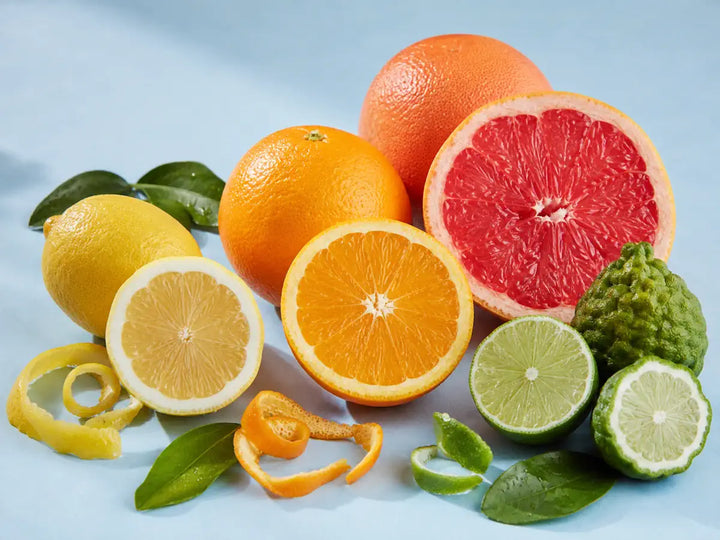
Citrus in perfume usually smells bright, fresh and zesty, with juicy, bitter, green and peel-like sides. The term does not describe one fruit because lemon, bergamot, orange, mandarin,...
Explore CitrusCart
Your cart is empty
Fragrance note guide
Hedione smells airy, transparent and floral, with jasmine-like, citrus and softly green qualities. It is a laboratory-created fragrance molecule rather than a flower or plant extract. Hedione may not smell heavy or obvious by itself, but it can make a perfume feel more radiant, open and diffusive. It is mainly used in the heart.

Citrus in perfume usually smells bright, fresh and zesty, with juicy, bitter, green and peel-like sides. The term does not describe one fruit because lemon, bergamot, orange, mandarin,...
Explore Citrus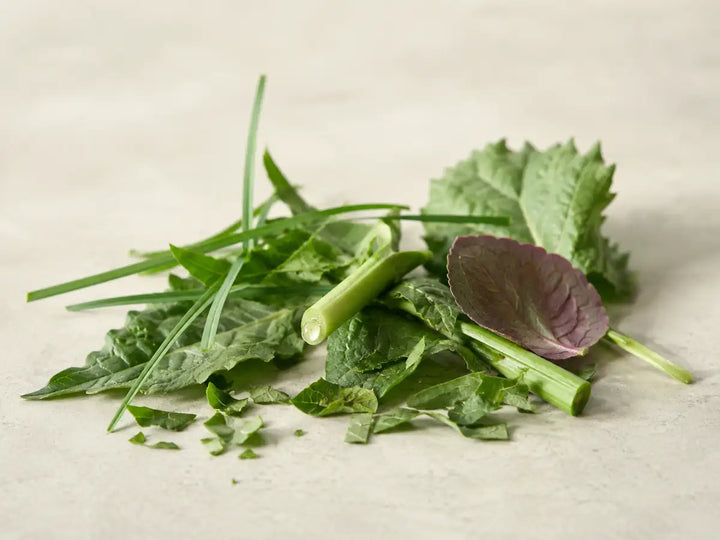
Green notes in perfume usually smell like crushed leaves, cut grass, snapped stems and fresh plant sap. They can be crisp, watery, bitter, herbal or slightly metallic. Green...
Explore Green Notes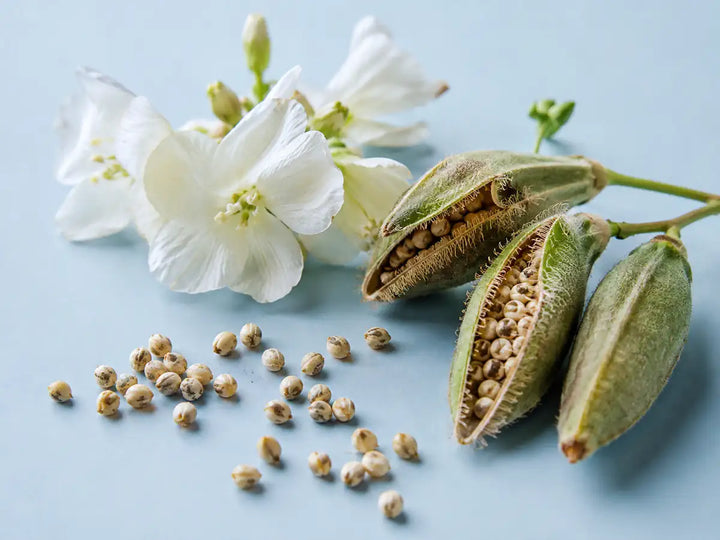
Musk in perfume can smell soft, warm, clean and slightly powdery, often with a smooth quality that is compared with fresh skin or clean fabric. Some musk notes...
Explore Musk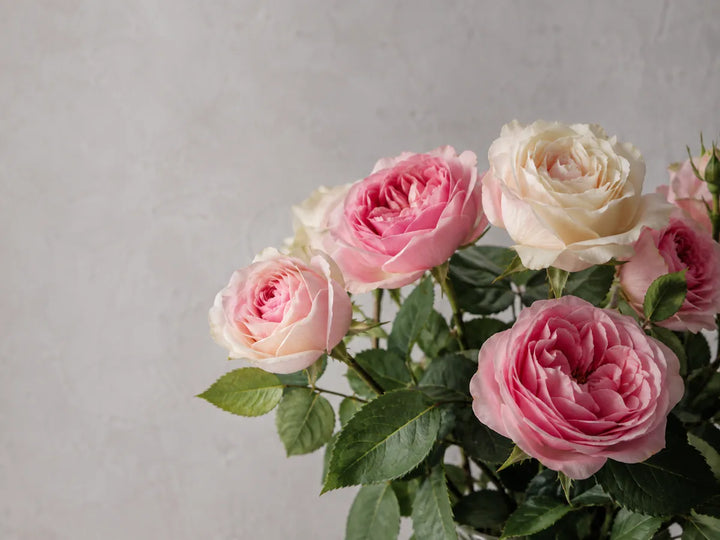
Rose in perfume usually smells floral, fresh and softly sweet, but it can also have green, fruity, honeyed or spicy sides. Some rose notes feel light and dewy,...
Explore Rose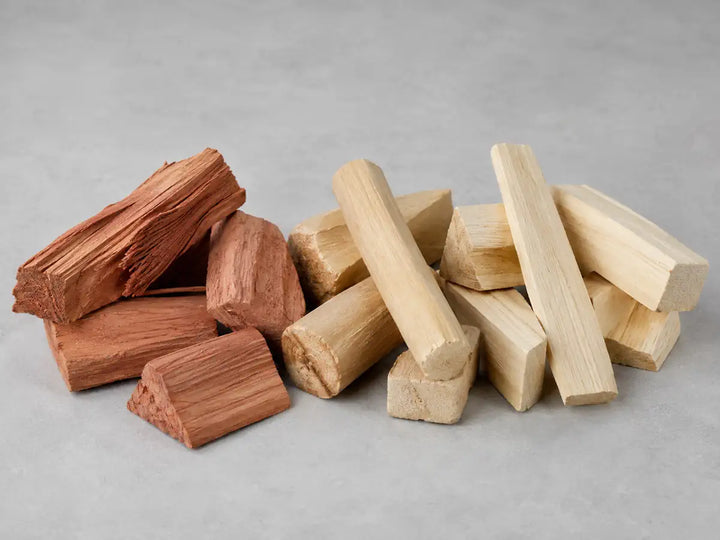
Woody notes in perfume can smell dry, warm, earthy, smoky, creamy or resinous. They do not describe one single ingredient because different woods and woody materials have very...
Explore Woody NotesThese fragrances reveal Hedione through the central body of the scent.

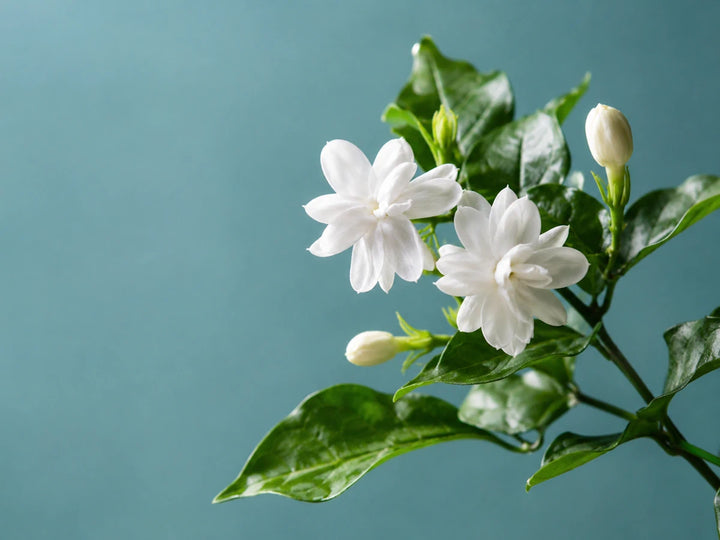
Jasmine in perfume usually smells rich, sweet and floral. It can also seem creamy, green, fruity or slightly spicy, depending on the type of jasmine and the other...
Explore Jasmine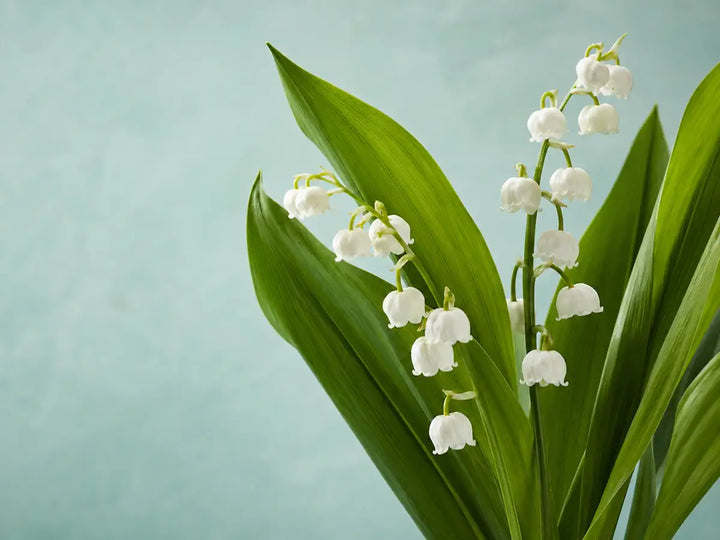
Lily-of-the-valley in perfume usually smells fresh, clean and green, with watery, dewy and softly sweet floral sides. It can suggest small white spring flowers, cool air and fresh...
Explore Lily-of-the-Valley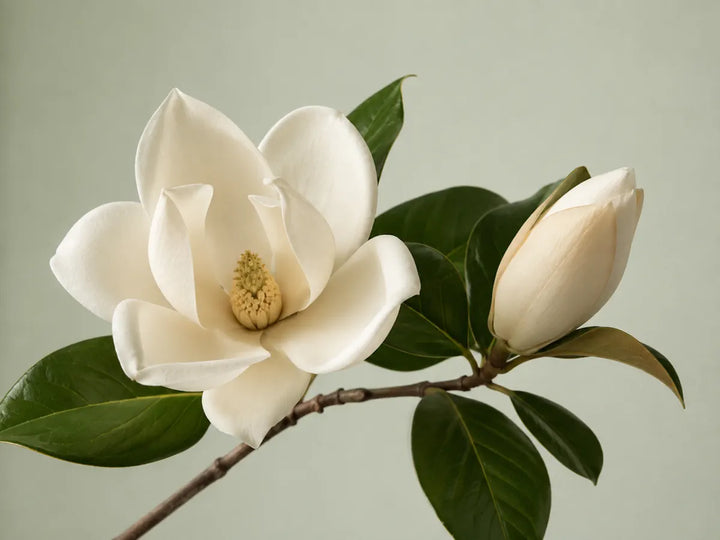
Magnolia in perfume usually smells fresh, floral and softly creamy, with green, fruity, citrus-like and lightly spicy sides. It is often more transparent than tuberose and less indolic...
Explore Magnolia