
Fragrance note
Jasmine
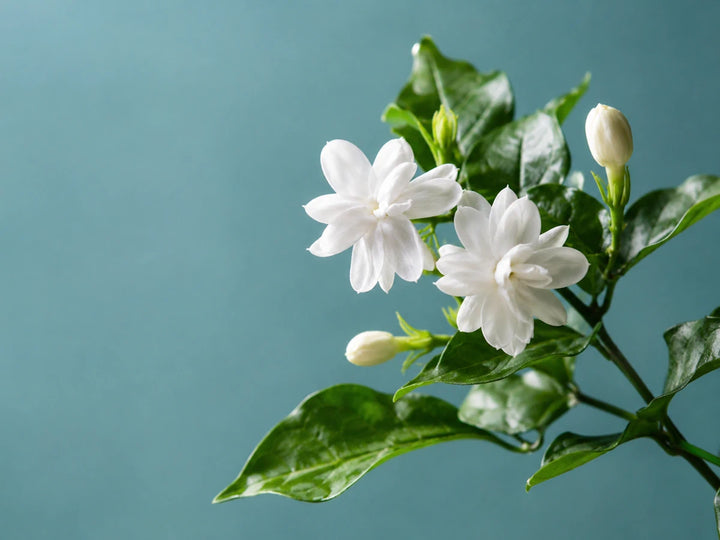
Jasmine in perfume usually smells rich, sweet and floral. It can also seem creamy, green, fruity or slightly spicy, depending on the type of jasmine and the other...
Explore JasmineCart
Your cart is empty
Fragrance note guide
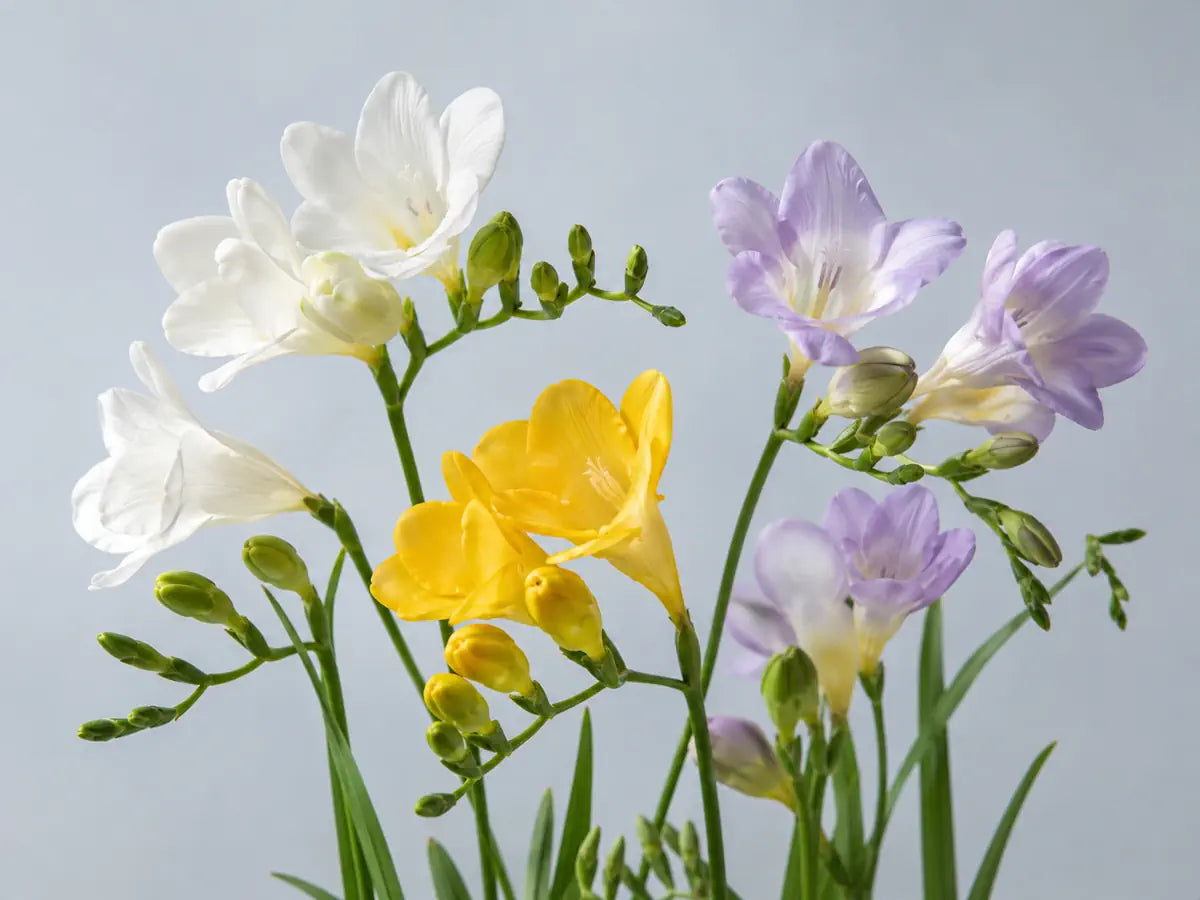
Freesia in perfume usually smells fresh, airy and softly floral, with green, citrusy and slightly peppery sides. It is lighter and more transparent than rich white flowers such as tuberose or gardenia. Some freesia accords also have a clean watery quality that makes a fragrance feel open and bright. Freesia is usually used in the heart, where it adds gentle floral freshness without making the perfume feel heavy.
Jasmine in perfume usually smells rich, sweet and floral. It can also seem creamy, green, fruity or slightly spicy, depending on the type of jasmine and the other...
Explore Jasmine
Citrus in perfume usually smells bright, fresh and zesty, with juicy, bitter, green and peel-like sides. The term does not describe one fruit because lemon, bergamot, orange, mandarin,...
Explore Citrus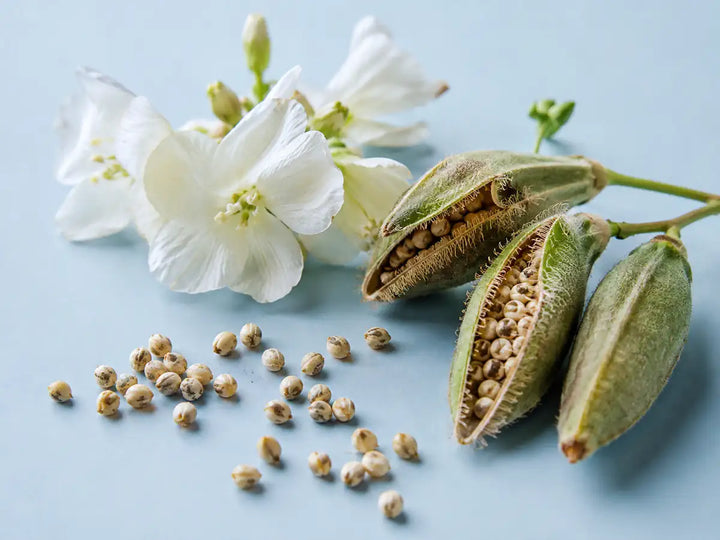
Musk in perfume can smell soft, warm, clean and slightly powdery, often with a smooth quality that is compared with fresh skin or clean fabric. Some musk notes...
Explore Musk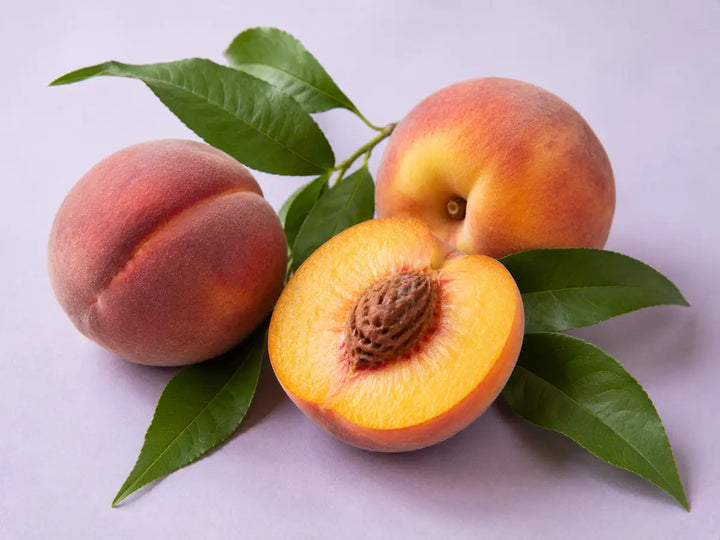
Peach in perfume usually smells juicy, sweet and fruity, with a soft velvety or creamy texture. Some peach notes feel fresh and slightly green, while others are richer,...
Explore Peach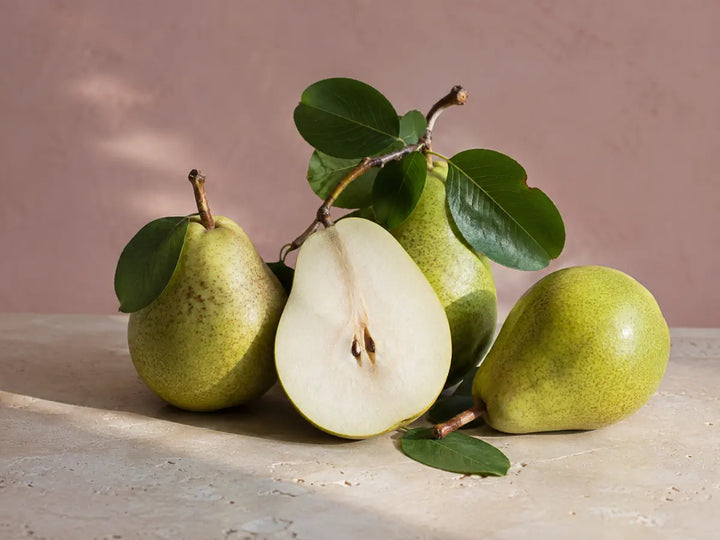
Pear in perfume usually smells juicy, fresh and softly sweet, with crisp green, watery and sometimes slightly floral sides. Some pear notes feel like a firm green pear,...
Explore Pear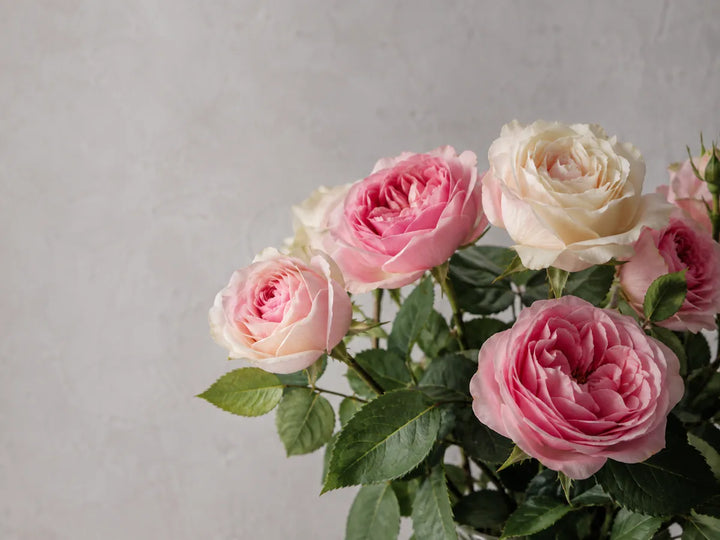
Rose in perfume usually smells floral, fresh and softly sweet, but it can also have green, fruity, honeyed or spicy sides. Some rose notes feel light and dewy,...
Explore Rose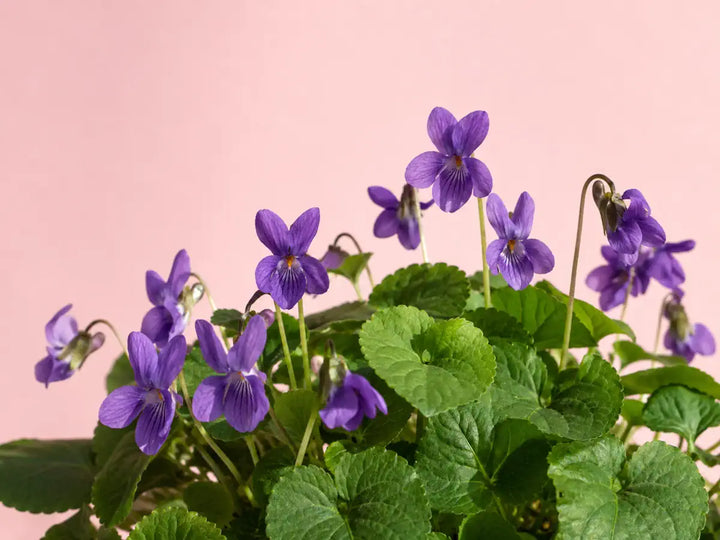
Violet in perfume usually smells soft, powdery and floral, with gentle sweetness and a slightly woody finish. Some violet notes feel like delicate petals or soft face powder,...
Explore Violet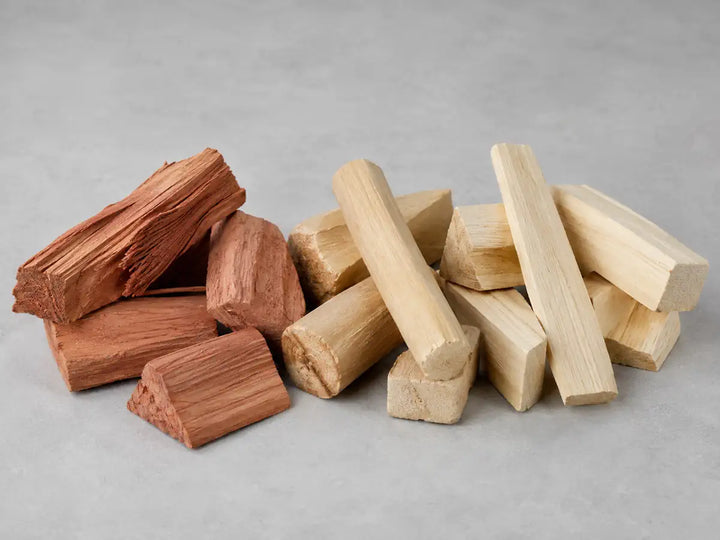
Woody notes in perfume can smell dry, warm, earthy, smoky, creamy or resinous. They do not describe one single ingredient because different woods and woody materials have very...
Explore Woody NotesThese fragrances reveal Freesia through the central body of the scent.


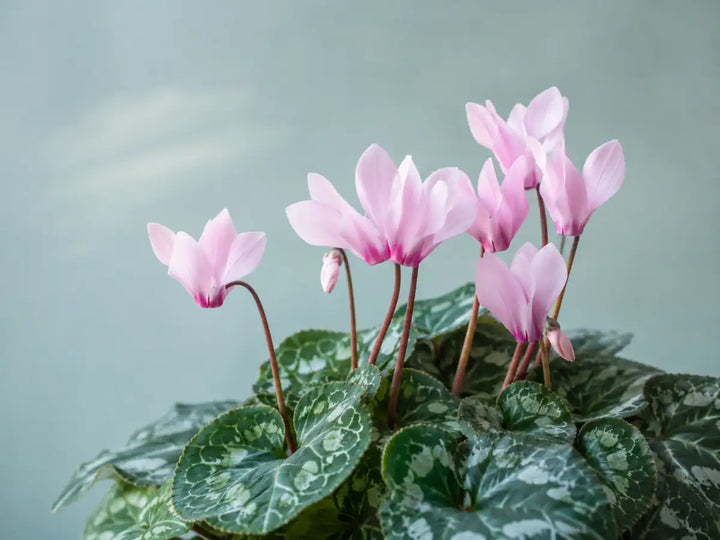
Cyclamen in perfume usually smells fresh, watery and floral, with clean, green, airy and slightly marine sides. It often suggests cool petals, fresh air and clear water rather...
Explore Cyclamen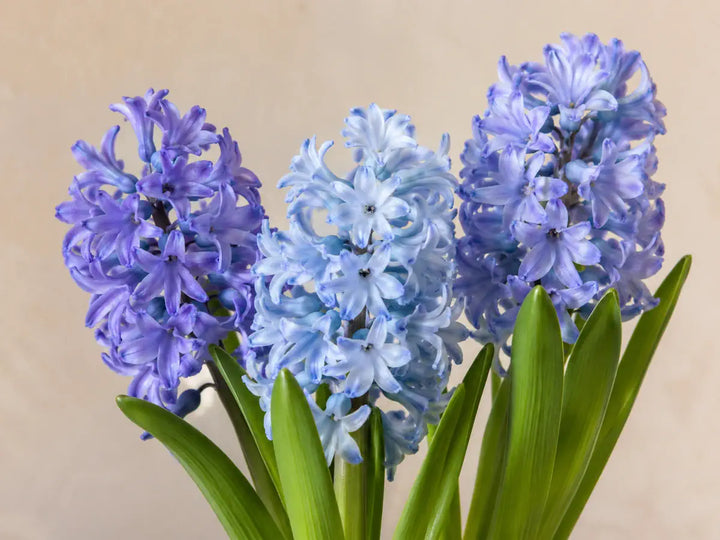
Hyacinth in perfume usually smells fresh, green and floral, with watery, earthy, slightly spicy and dewy sides. It has more leafy sharpness than many soft spring flowers. Some...
Explore Hyacinth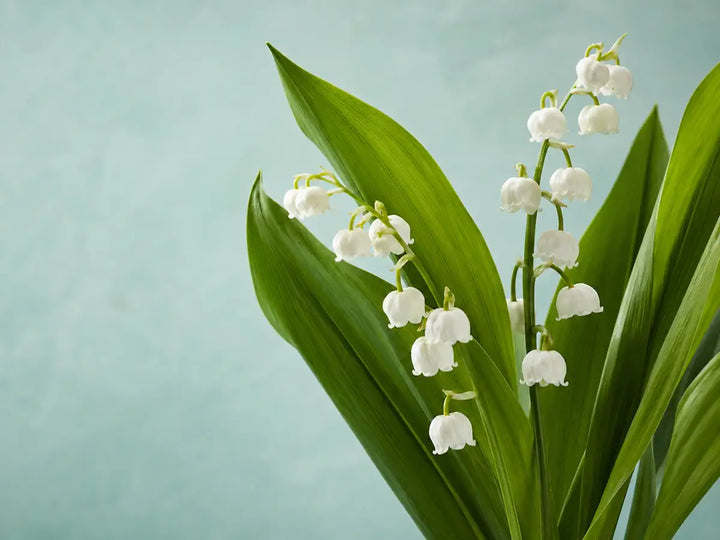
Lily-of-the-valley in perfume usually smells fresh, clean and green, with watery, dewy and softly sweet floral sides. It can suggest small white spring flowers, cool air and fresh...
Explore Lily-of-the-Valley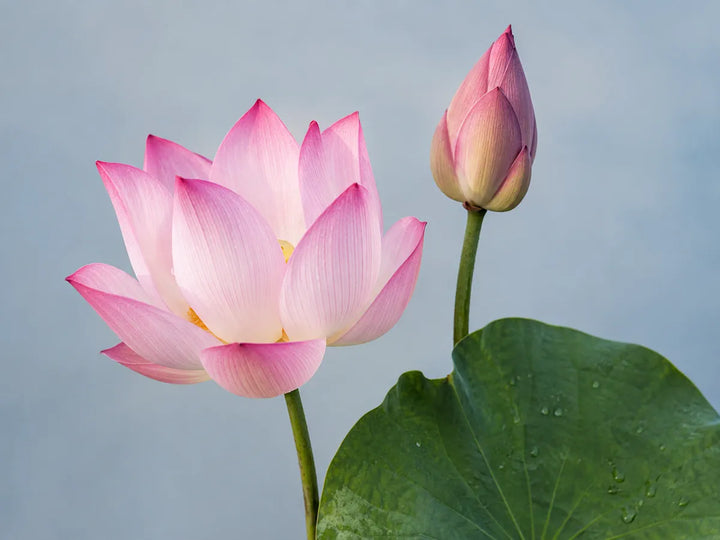
Lotus in perfume usually smells airy, watery and softly floral, with clean, green, herbal and lightly fruity sides. It is often used to suggest delicate petals floating above...
Explore Lotus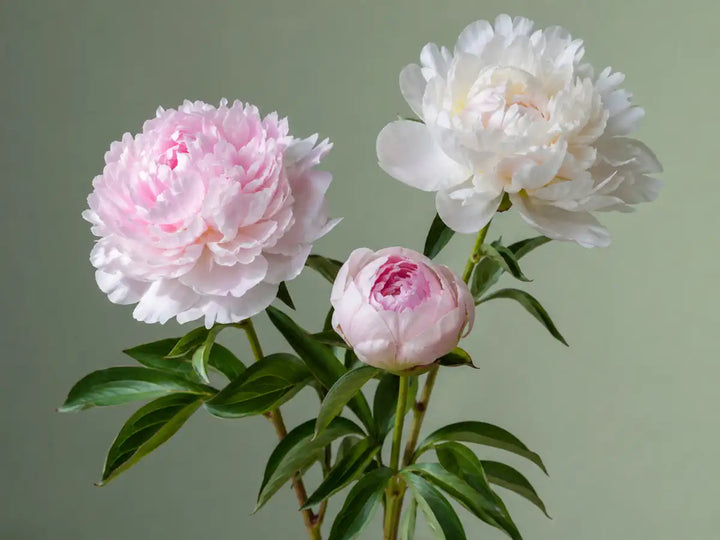
Peony in perfume usually smells fresh, airy and softly rosy, with green, watery and lightly fruity sides. It is normally cleaner and more transparent than a rich rose...
Explore Peony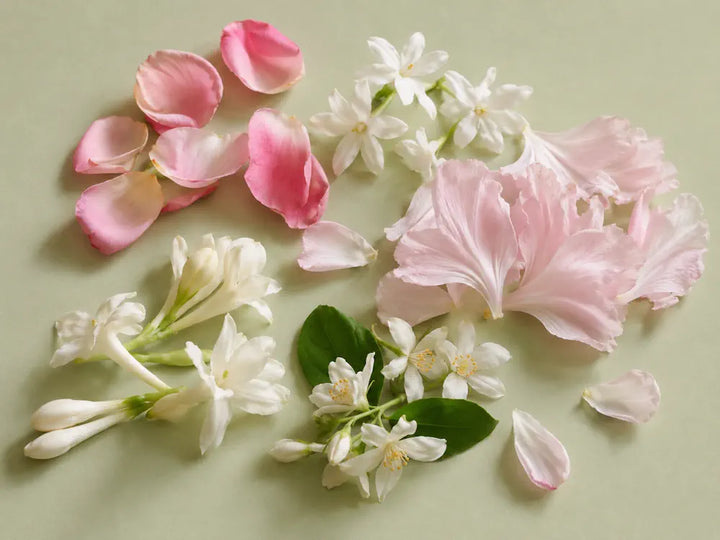
A floral accord can smell fresh, green, airy, powdery, creamy, sweet or intensely rich depending on the flowers and materials used. Rose may add a fresh, fruity or...
Explore Floral
Freesia in perfume is usually fresh, airy and softly sweet, with a light green or gently peppery edge. Learn how this floral note works and who may enjoy...
Read guide