
Fragrance note
Jasmine
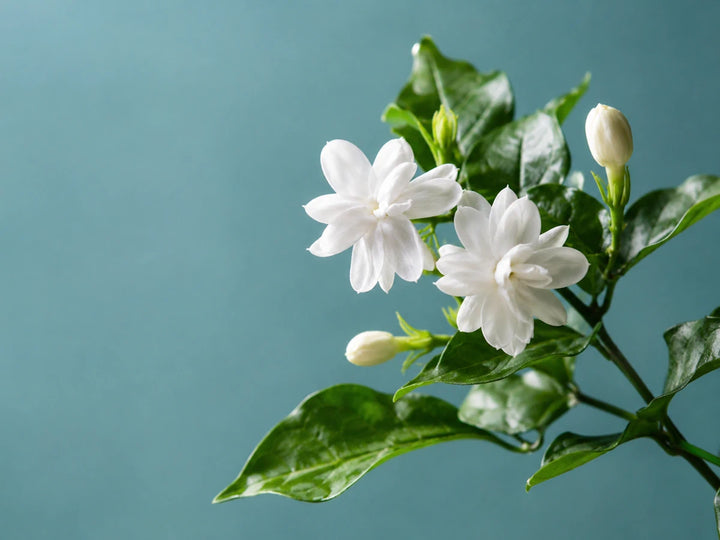
Jasmine in perfume usually smells rich, sweet and floral. It can also seem creamy, green, fruity or slightly spicy, depending on the type of jasmine and the other...
Explore JasmineCart
Your cart is empty
Fragrance note guide
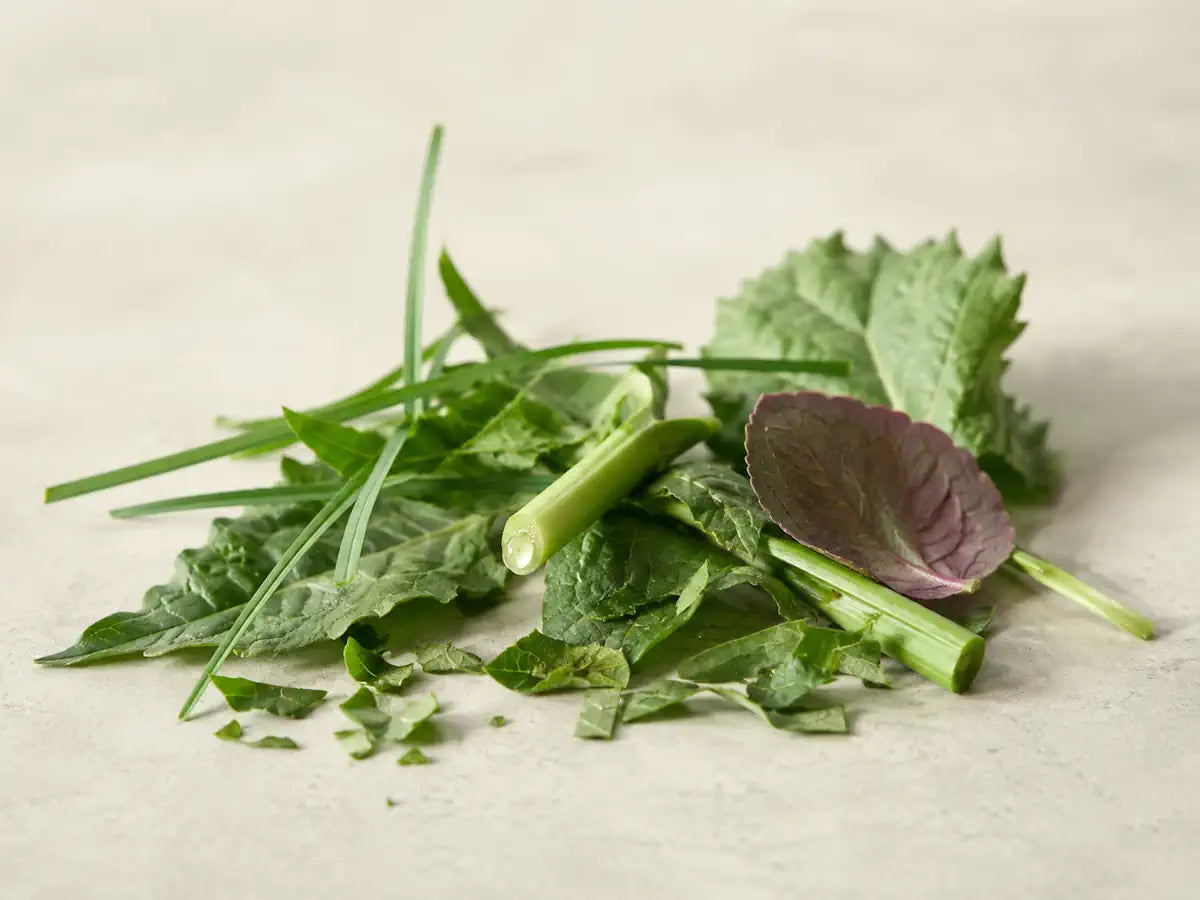
Green notes in perfume usually smell like crushed leaves, cut grass, snapped stems and fresh plant sap. They can be crisp, watery, bitter, herbal or slightly metallic. Green notes do not describe one ingredient. They are a broad group of natural materials and fragrance molecules used to create the impression of living vegetation and outdoor freshness. They are usually most noticeable near the top of a fragrance.
Jasmine in perfume usually smells rich, sweet and floral. It can also seem creamy, green, fruity or slightly spicy, depending on the type of jasmine and the other...
Explore Jasmine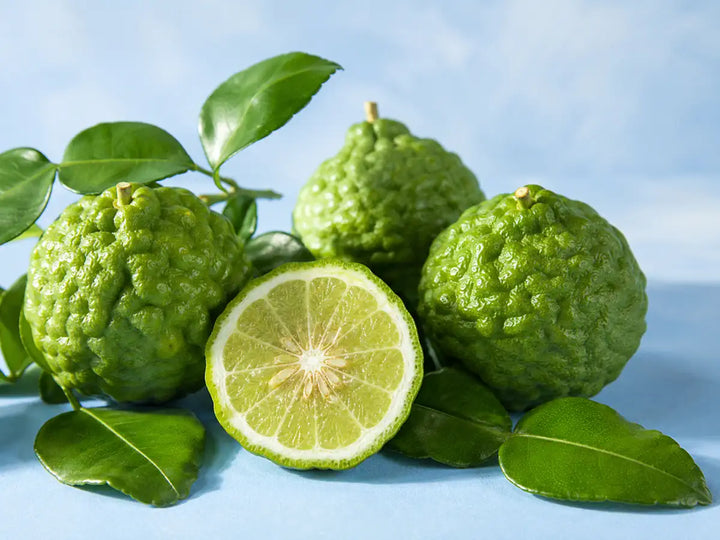
Bergamot in perfume smells fresh, bright and citrusy, with a soft floral character and a slightly bitter green edge. It is less sharp than lemon and often feels...
Explore Bergamot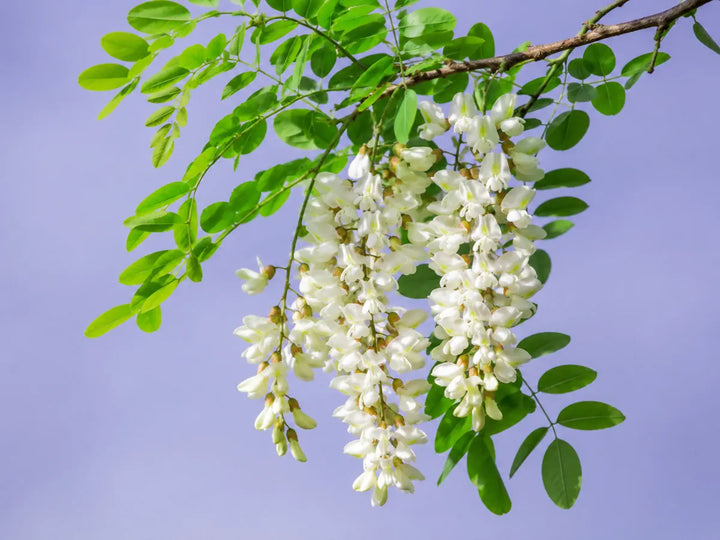
Black locust in perfume usually smells sweet, floral and honeyed, with green, powdery and softly orange-blossom-like sides. The effect can suggest clusters of white spring flowers and light...
Explore Black Locust
Citrus in perfume usually smells bright, fresh and zesty, with juicy, bitter, green and peel-like sides. The term does not describe one fruit because lemon, bergamot, orange, mandarin,...
Explore Citrus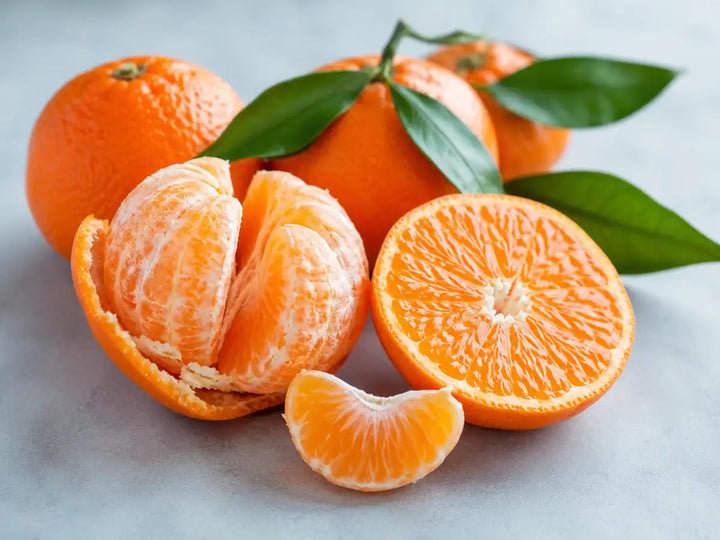
Clementine in perfume usually smells sweet, juicy and zesty, with bright citrus peel, soft green freshness and a lightly floral character. It is generally rounder and less sharply...
Explore Clementine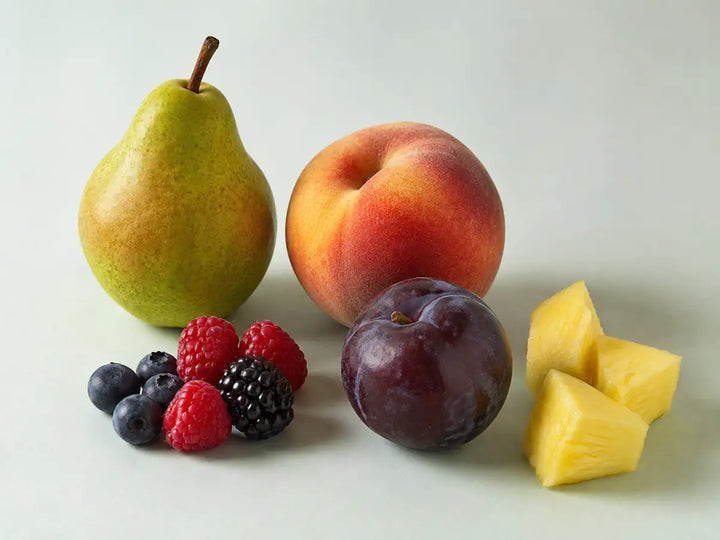
Fruity notes in perfume can smell juicy, sweet, tart, green, creamy or syrupy depending on the fruits being represented. The term is a broad category rather than one...
Explore Fruity Notes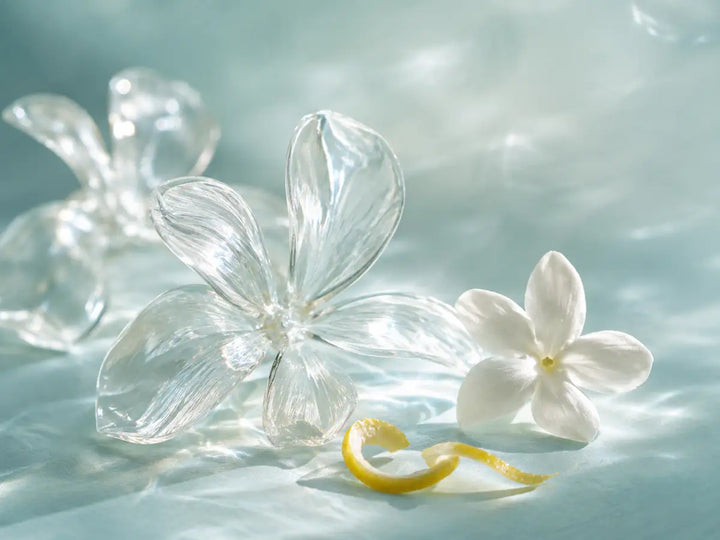
Hedione smells airy, transparent and floral, with jasmine-like, citrus and softly green qualities. It is a laboratory-created fragrance molecule rather than a flower or plant extract. Hedione may...
Explore Hedione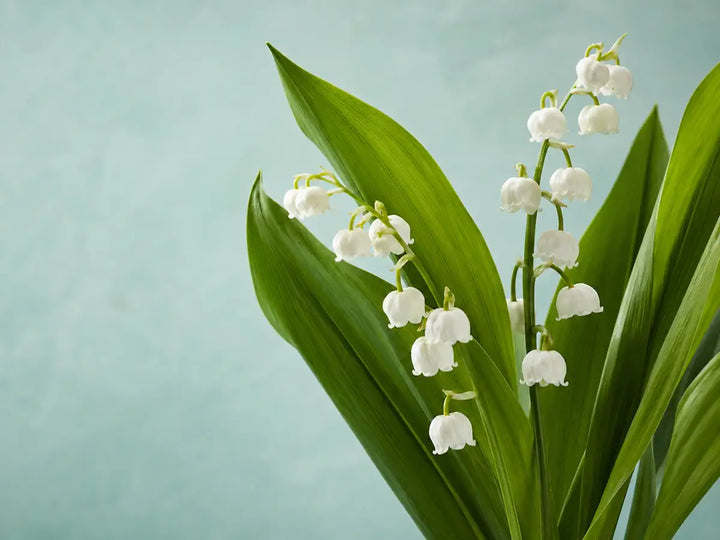
Lily-of-the-valley in perfume usually smells fresh, clean and green, with watery, dewy and softly sweet floral sides. It can suggest small white spring flowers, cool air and fresh...
Explore Lily-of-the-Valley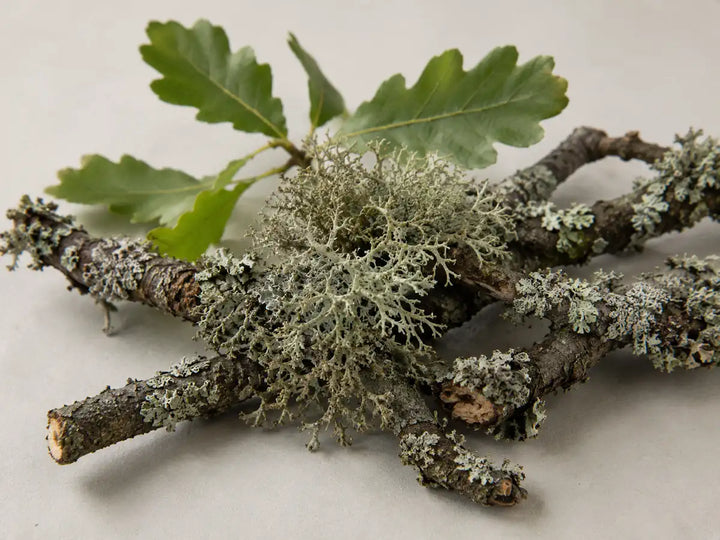
Oakmoss in perfume usually smells earthy, green and woody, with damp, mossy, slightly salty, leathery or forest like sides. It can create the impression of shaded woodland, wet...
Explore Oakmoss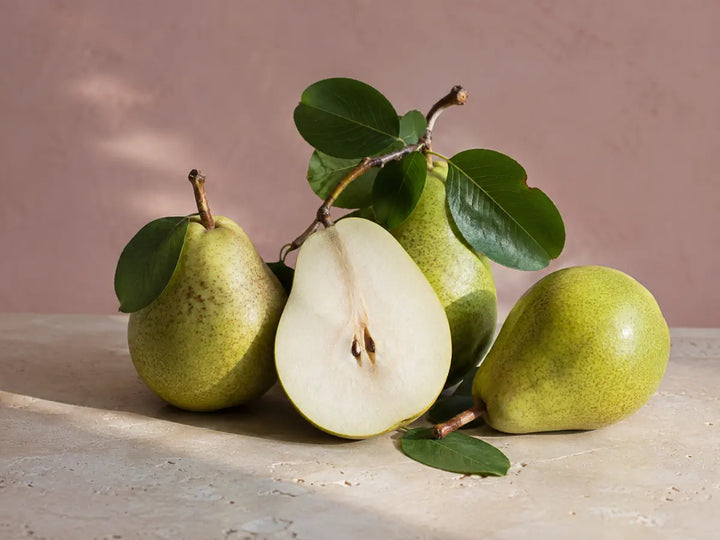
Pear in perfume usually smells juicy, fresh and softly sweet, with crisp green, watery and sometimes slightly floral sides. Some pear notes feel like a firm green pear,...
Explore Pear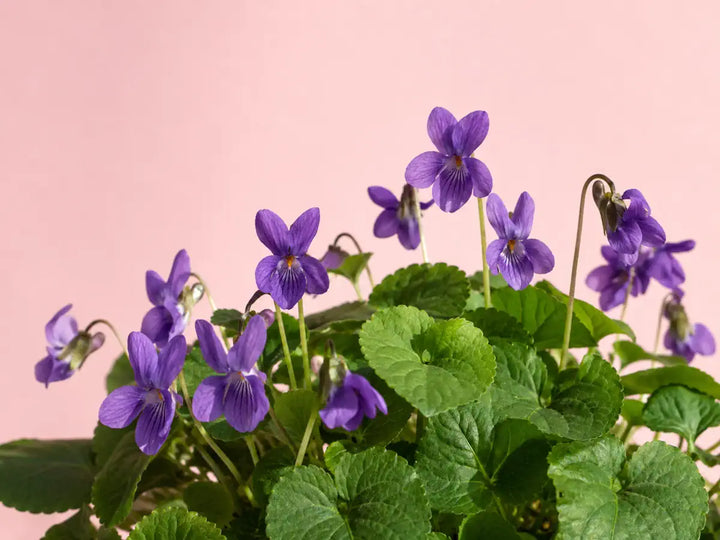
Violet in perfume usually smells soft, powdery and floral, with gentle sweetness and a slightly woody finish. Some violet notes feel like delicate petals or soft face powder,...
Explore Violet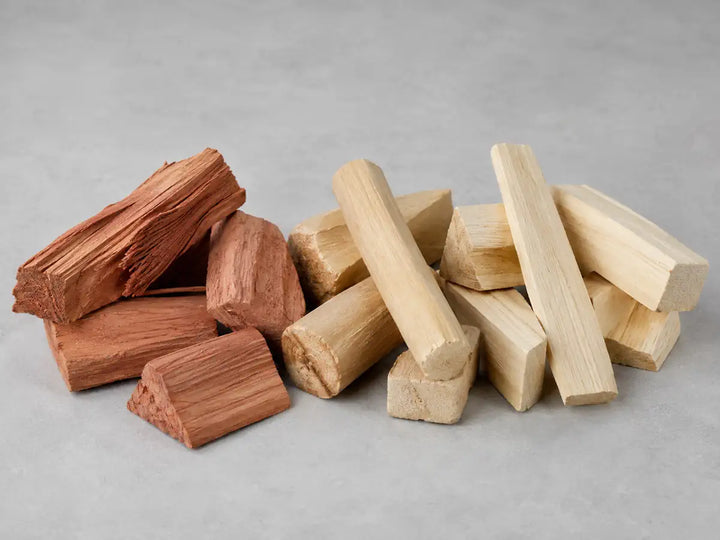
Woody notes in perfume can smell dry, warm, earthy, smoky, creamy or resinous. They do not describe one single ingredient because different woods and woody materials have very...
Explore Woody NotesThese fragrances introduce Green Notes near the opening of the scent.


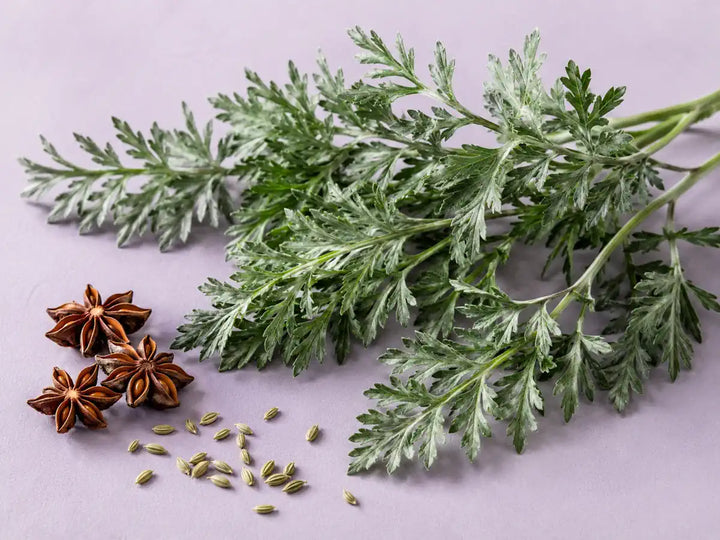
Absinthe in perfume usually smells bitter, green and herbal, with anise-like, liquorice, camphoraceous and slightly medicinal sides. It can feel sharp and cool rather than sweet. The note...
Explore Absinthe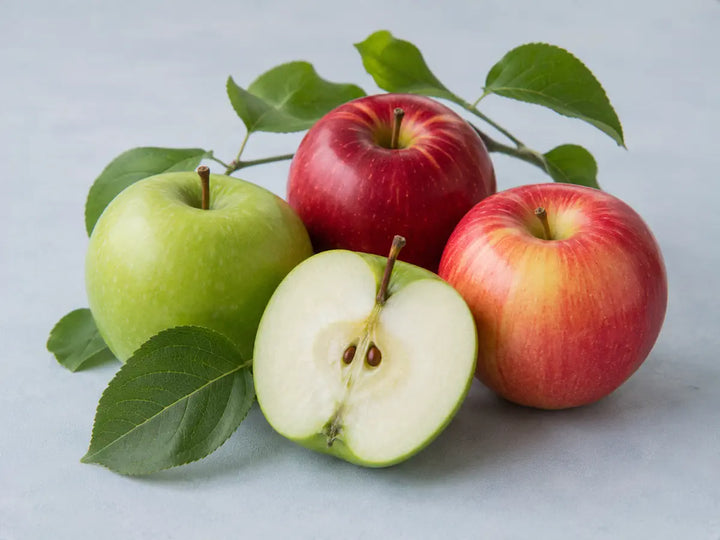
Apple in perfume usually smells crisp, juicy and fresh, with green, sweet and slightly tart sides. Green apple accords tend to feel sharper and more energetic, while red...
Explore Apple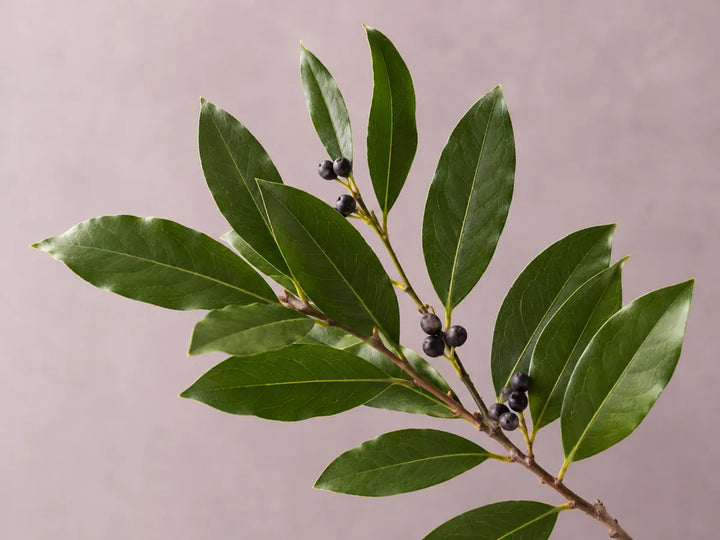
Bay leaf in perfume usually smells green, herbal and spicy, with eucalyptus-like, woody and slightly medicinal sides. It is drier and more aromatic than many soft leafy notes....
Explore Bay Leaf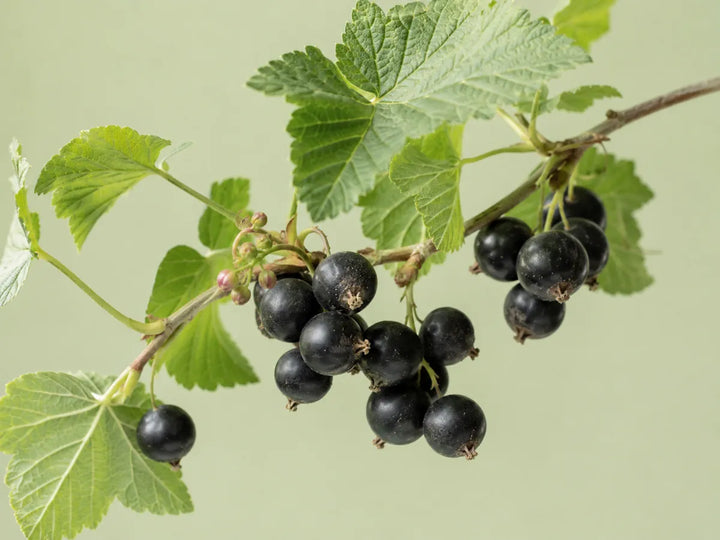
Blackcurrant in perfume usually smells dark, tart and juicy, with green, leafy and slightly sharp sides. It can suggest ripe berries, crushed leaves or a rich fruit syrup,...
Explore Blackcurrant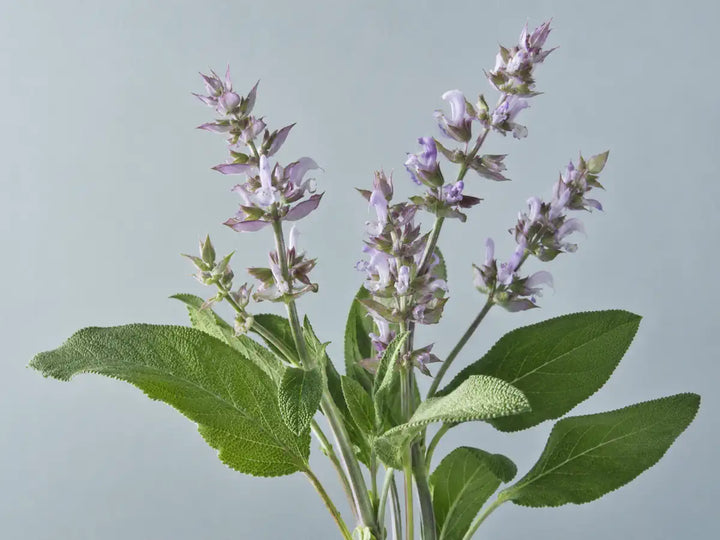
Clary sage in perfume usually smells herbal, aromatic and floral, with lavender-like, hay, tea, amber and softly tobacco-like sides. It is smoother and warmer than ordinary culinary sage....
Explore Clary Sage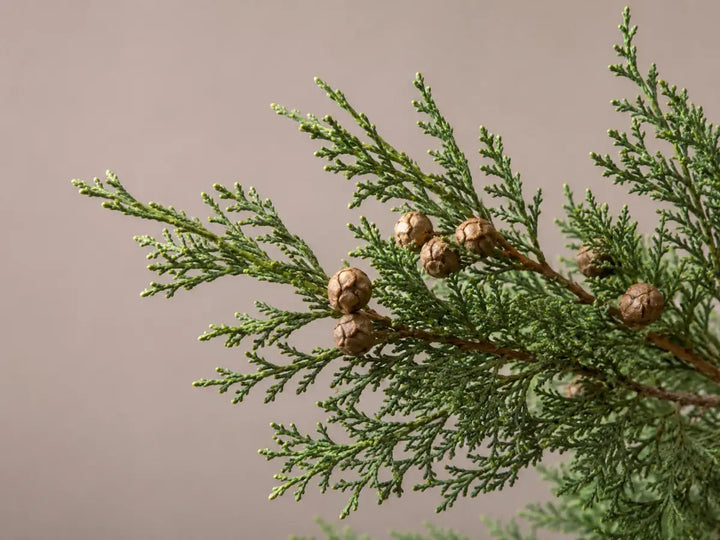
Cypress leaf in perfume usually smells green, aromatic and woody, with pine-like, peppery and resinous sides. It feels drier and more structured than a soft leafy note. Some...
Explore Cypress Leaf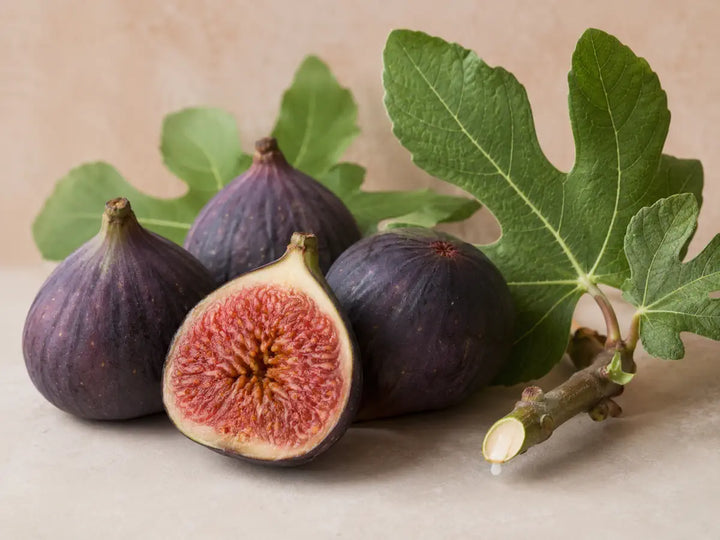
Fig in perfume usually smells green, milky and softly sweet, with fruity, leafy, creamy and woody sides. A fig note can represent the ripe fruit, the broad green...
Explore Fig
Fir in perfume usually smells fresh, green and coniferous, with woody, resinous and balsamic sides. It can suggest crushed evergreen needles, cool forest air, tree sap and freshly...
Explore Fir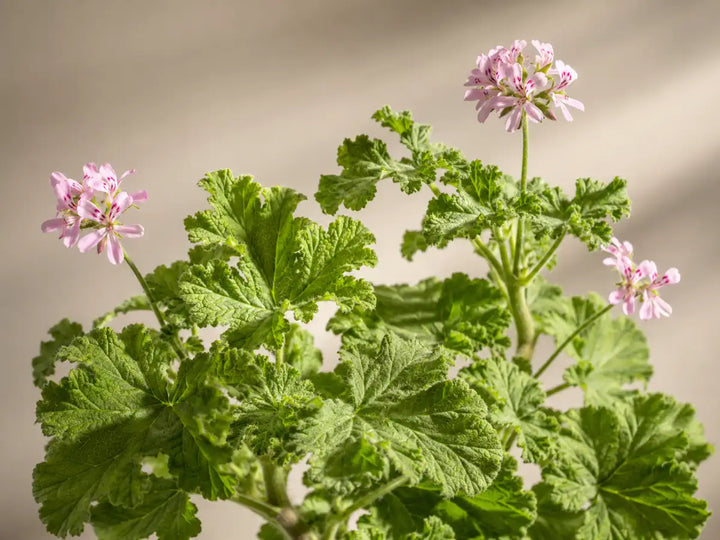
Geranium in perfume usually smells rosy, green and aromatic, with minty, leafy, herbal and lightly fruity sides. It resembles rose but generally feels sharper, fresher and more strongly...
Explore Geranium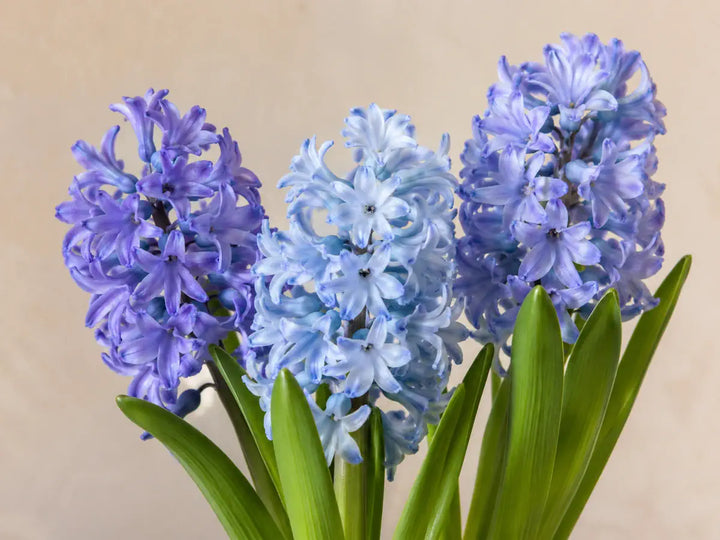
Hyacinth in perfume usually smells fresh, green and floral, with watery, earthy, slightly spicy and dewy sides. It has more leafy sharpness than many soft spring flowers. Some...
Explore Hyacinth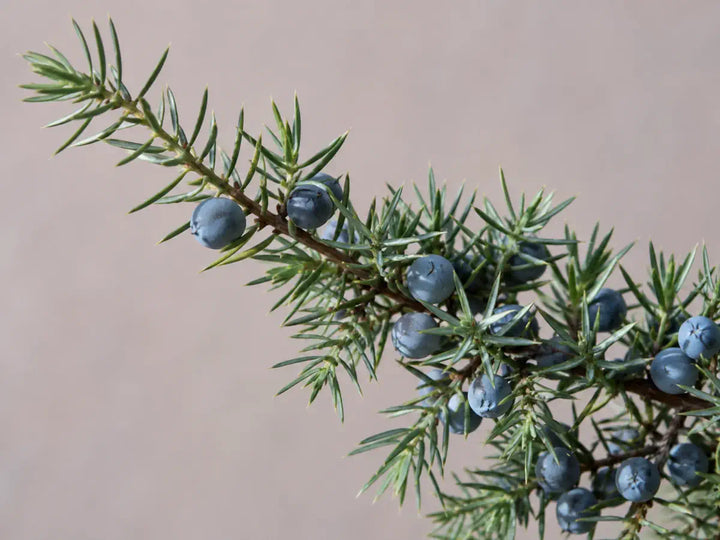
Juniper in perfume usually smells fresh, aromatic and coniferous, with gin-like, spicy, green and woody sides. It can feel crisp and sparkling near the start, before becoming drier...
Explore Juniper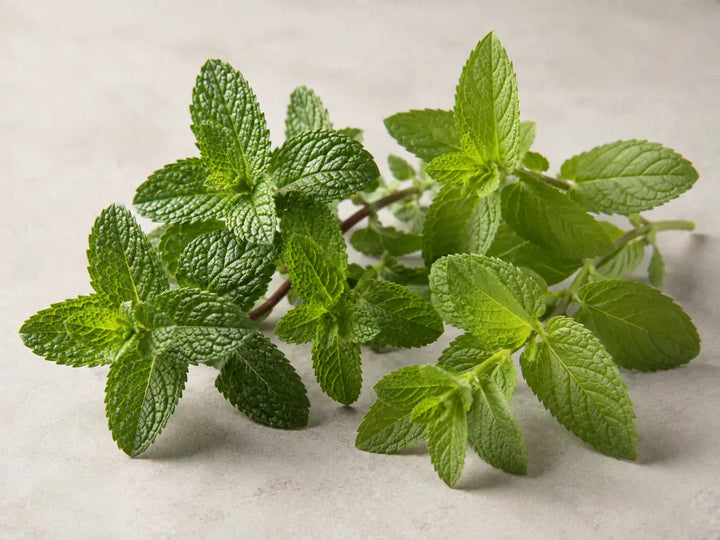
Mint in perfume usually smells cool, fresh and green, with herbal, sweet and sometimes camphor-like sides. Peppermint can feel sharp and icy, while spearmint is often softer, greener...
Explore Mint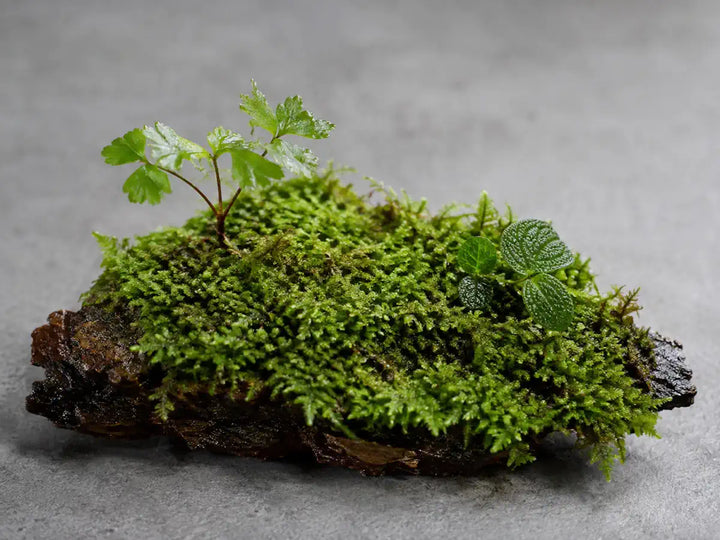
Moss in perfume usually smells earthy, damp and green, with forest-floor, woody, resinous and slightly smoky sides. It is a broad description rather than one precise material. A...
Explore Moss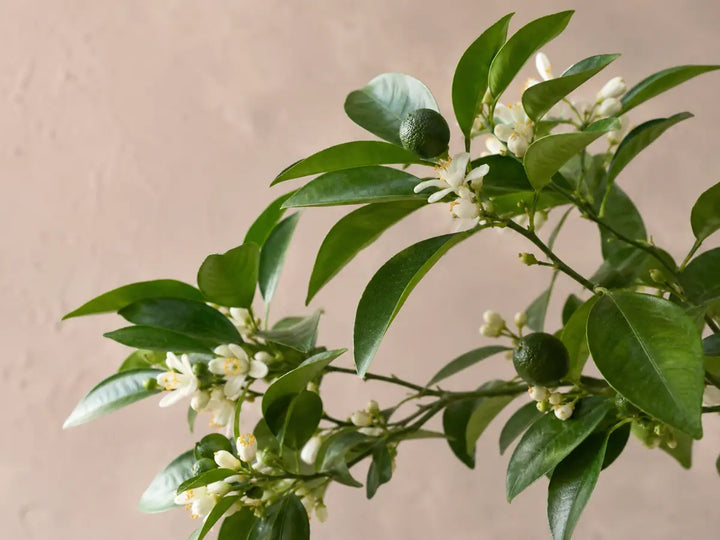
Petitgrain in perfume usually smells green, citrusy and aromatic, with leafy, woody, floral and slightly bitter sides. It is less juicy than orange peel and greener than neroli....
Explore Petitgrain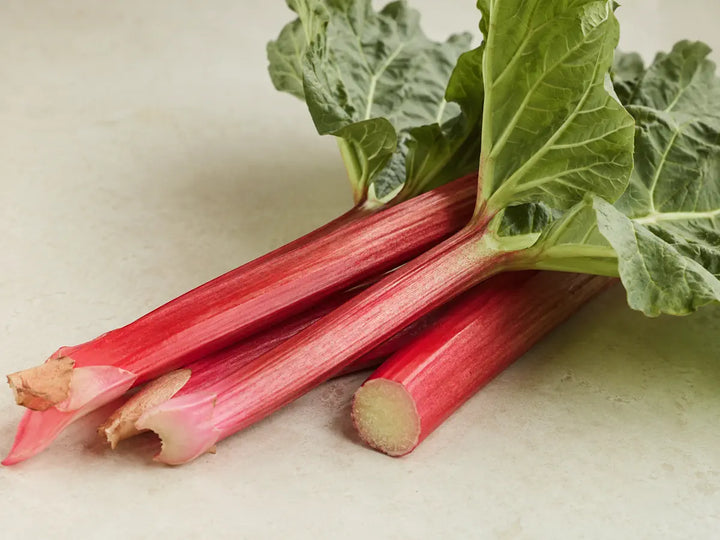
Rhubarb in perfume usually smells tart, green and sharply fruity, with watery, vegetal and slightly sour sides. It can suggest freshly cut pink stalks rather than a sweet...
Explore Rhubarb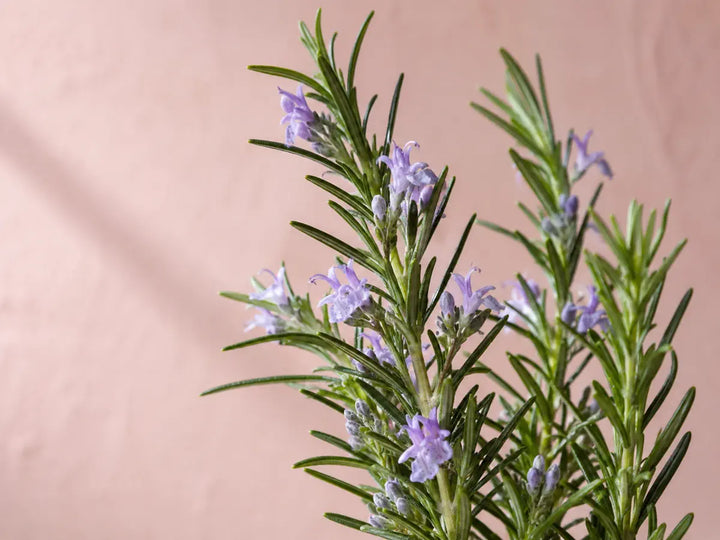
Rosemary in perfume usually smells fresh, herbal and aromatic, with camphoraceous, minty, pine-like and lightly woody sides. It has a clean and stimulating character that can feel cool,...
Explore Rosemary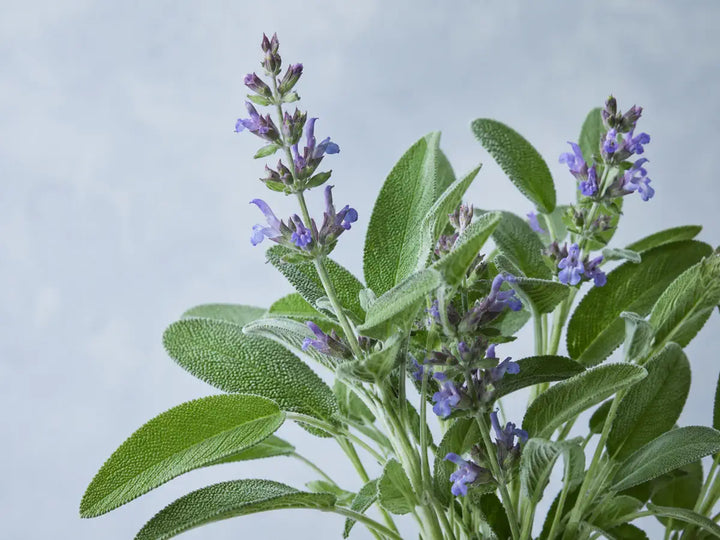
Sage in perfume usually smells dry, herbal and aromatic, with camphoraceous, eucalyptus-like, earthy and lightly woody sides. It is generally sharper and more medicinal than clary sage, which...
Explore Sage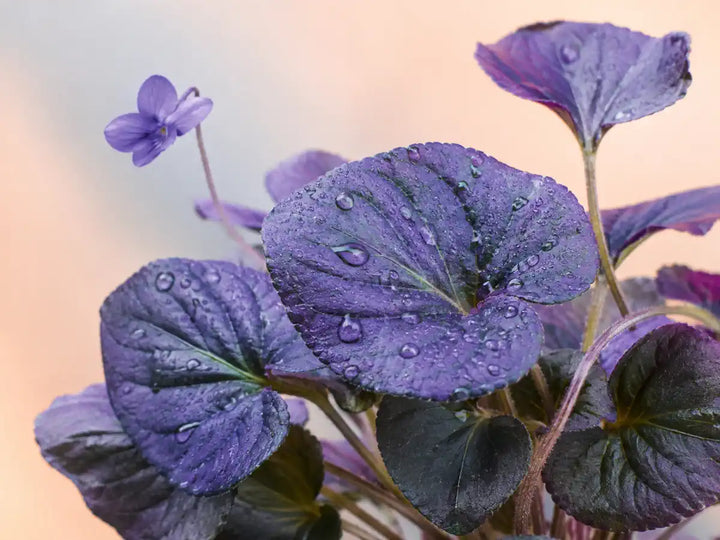
Violet leaf in perfume usually smells green, watery and cool, with metallic, leafy, cucumber-like and earthy sides. It is very different from the sweet powdery smell associated with...
Explore Violet Leaf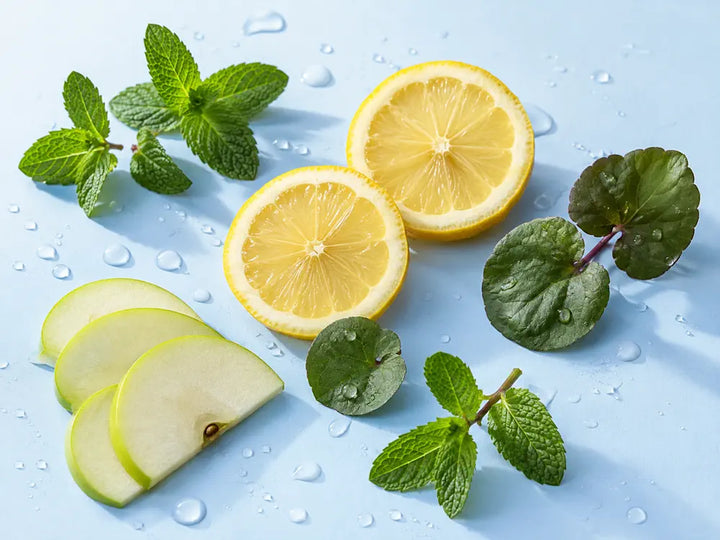
A fresh accord usually smells bright, clean and light, but there is no single fresh smell. Citrus can make it zesty, mint can add a cooling quality, green...
Explore Fresh
Fresh & Bright fragrances generally smell crisp, open and energising rather than dense or heavy. Bergamot, lemon and grapefruit can provide sparkling citrus freshness, while mint and green...
Explore Fresh & Bright