
Fragrance note
Absinthe
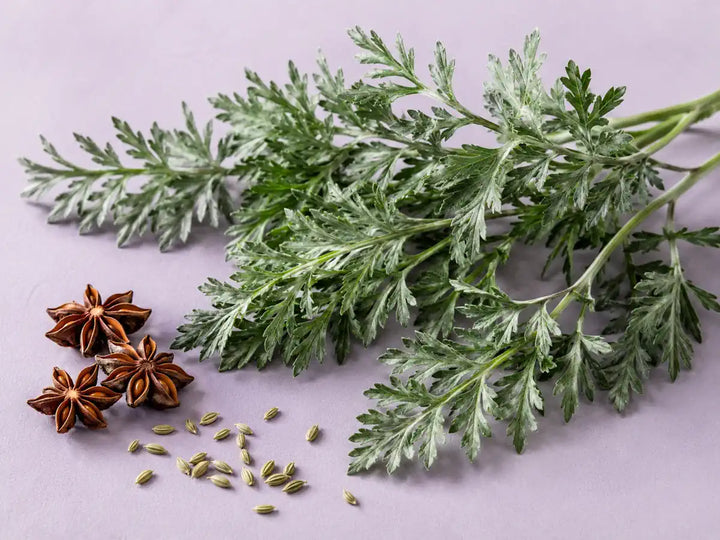
Absinthe in perfume usually smells bitter, green and herbal, with anise-like, liquorice, camphoraceous and slightly medicinal sides. It can feel sharp and cool rather than sweet. The note...
Explore AbsintheCart
Your cart is empty
Fragrance note guide
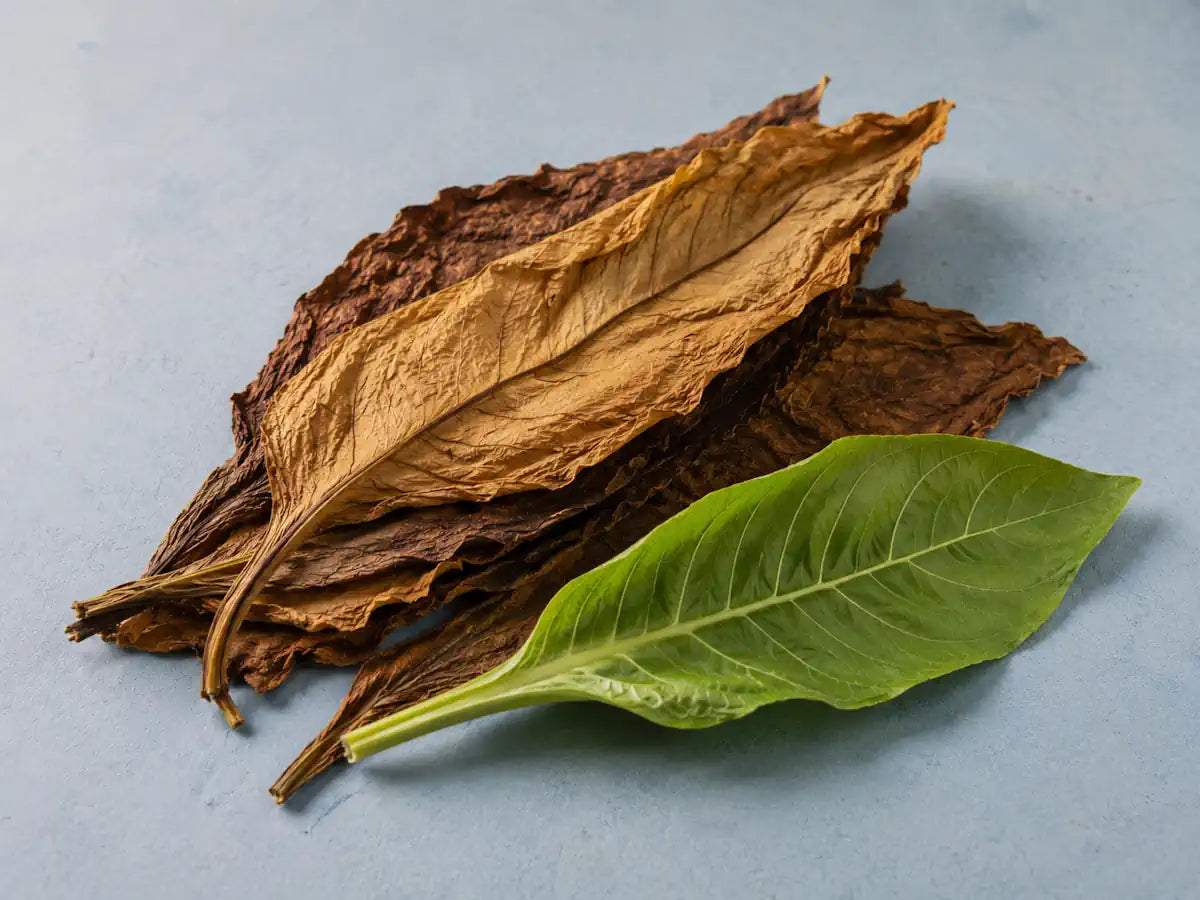
Tobacco in perfume usually smells warm, dry and slightly sweet, with honeyed, hay like, earthy, woody or smoky sides. It normally represents cured tobacco leaves rather than the smell of cigarette smoke. Depending on the composition, tobacco can feel smooth and comforting or dark and leathery.
Absinthe in perfume usually smells bitter, green and herbal, with anise-like, liquorice, camphoraceous and slightly medicinal sides. It can feel sharp and cool rather than sweet. The note...
Explore Absinthe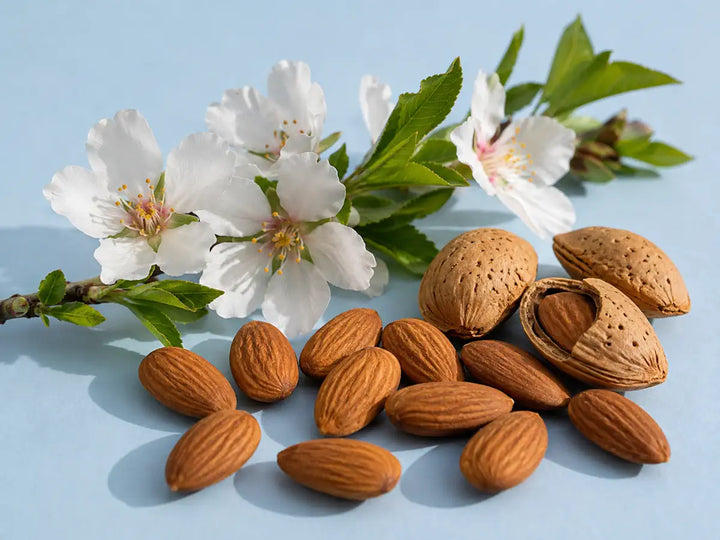
Almond in perfume usually smells sweet, nutty and slightly creamy, with a marzipan-like character. It can also have bitter, powdery or cherry-like sides, especially when the accord is...
Explore Almond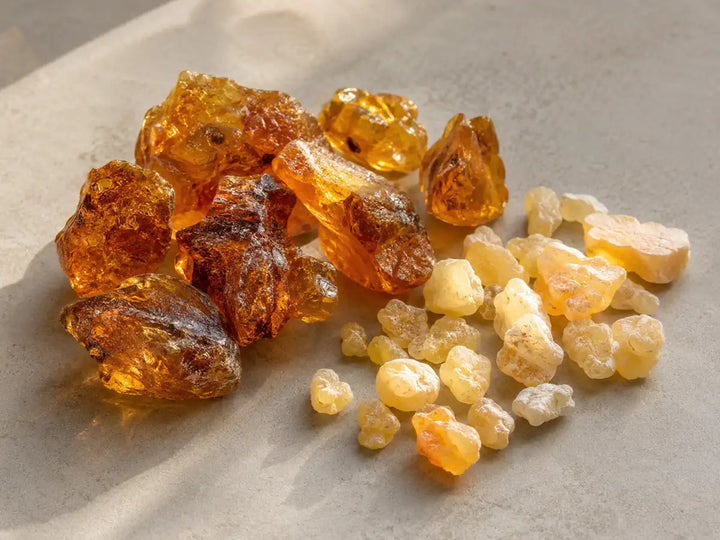
Amber in perfume usually smells warm, sweet and resinous, with soft vanilla, balsamic, powdery or slightly smoky sides. It is not normally taken from fossilised amber. In perfumery,...
Explore Amber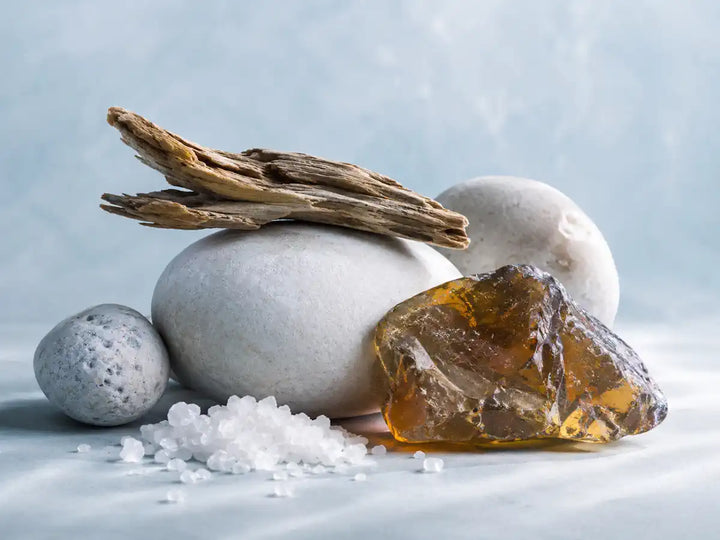
Ambergris in perfume usually smells warm, mineral and ambery, with marine, musky, woody and sometimes tobacco-like sides. Modern ambergris accords can feel clean and velvety or dry, salty...
Explore Ambergris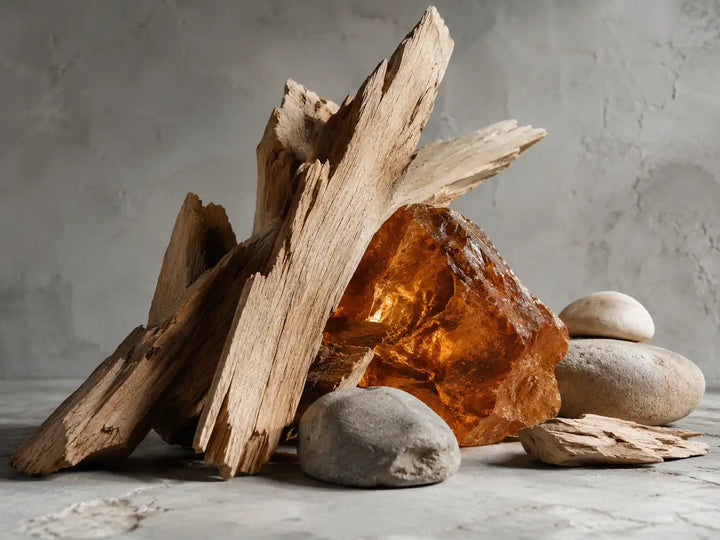
Amberwood in perfume usually smells dry, warm and strongly woody, with ambery, cedar-like, mineral and sometimes musky sides. It is generally sharper and drier than a sweet traditional...
Explore Amberwood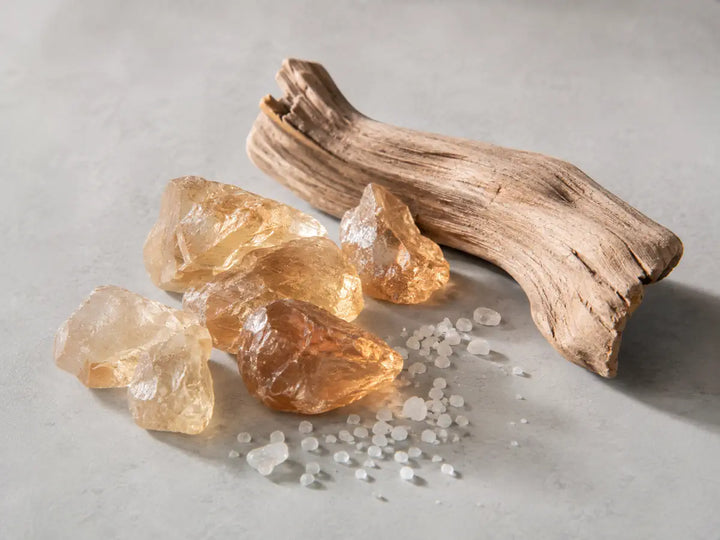
Ambroxan in perfume usually smells dry, warm and ambery, with woody, musky, mineral and sometimes slightly salty sides. It can feel clean and smooth rather than sweet, even...
Explore Ambroxan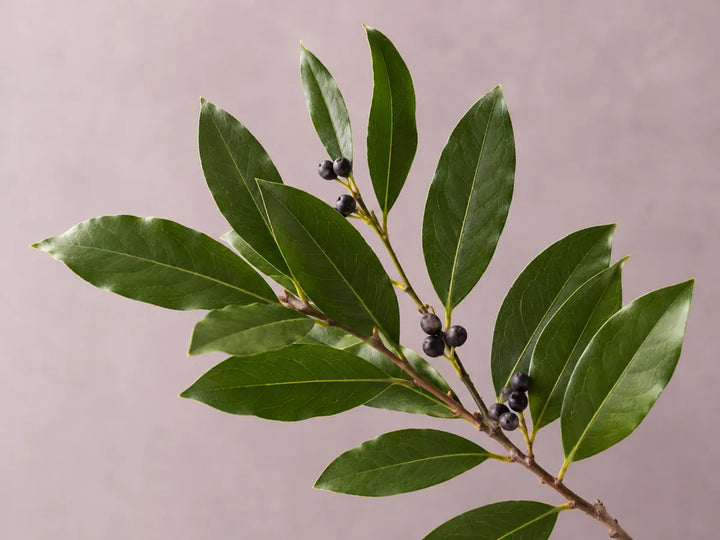
Bay leaf in perfume usually smells green, herbal and spicy, with eucalyptus-like, woody and slightly medicinal sides. It is drier and more aromatic than many soft leafy notes....
Explore Bay Leaf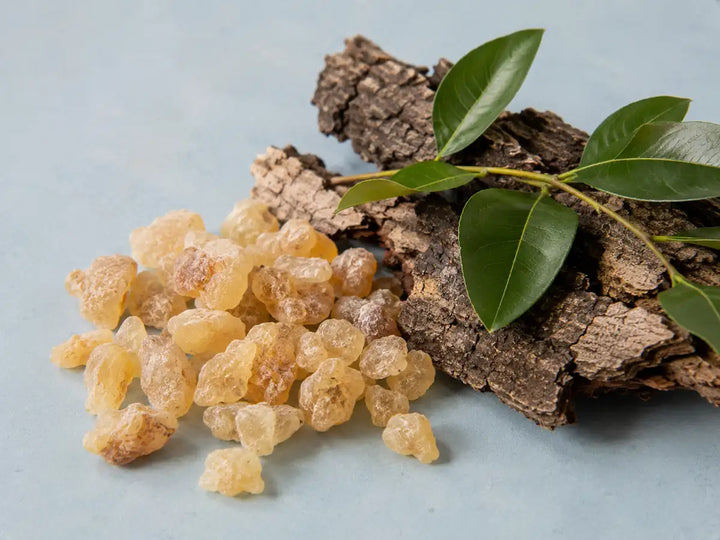
Benzoin in perfume usually smells sweet, warm and balsamic, with vanilla-like, creamy, powdery and slightly resinous sides. It can also suggest caramel, cinnamon or warm cereal depending on...
Explore Benzoin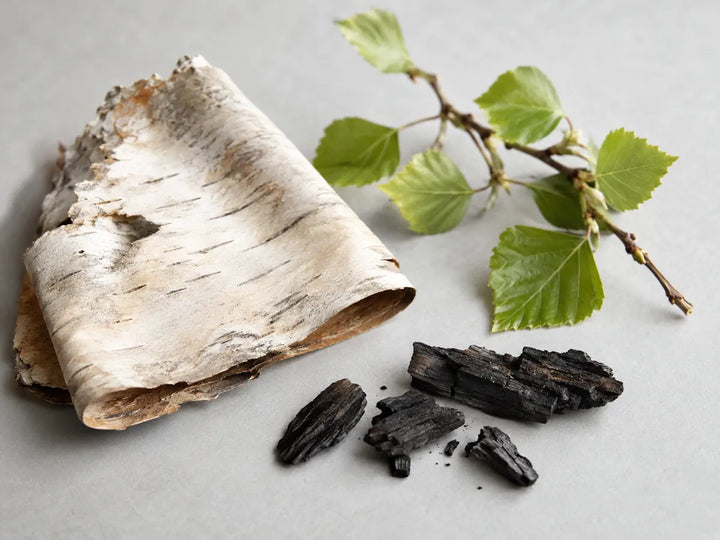
Birch in perfume usually smells smoky, dry and leathery, with tarry, burnt, woody and slightly medicinal sides. The familiar perfume note normally refers to a birch-tar effect rather...
Explore Birch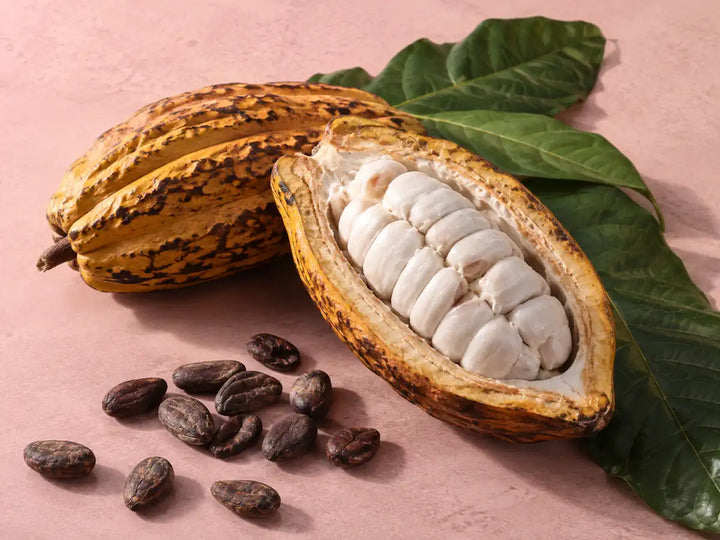
Cacao in perfume usually smells dark, powdery and chocolate-like, with bitter, earthy, roasted and softly sweet sides. It may suggest dry cocoa powder rather than a sugary chocolate...
Explore Cacao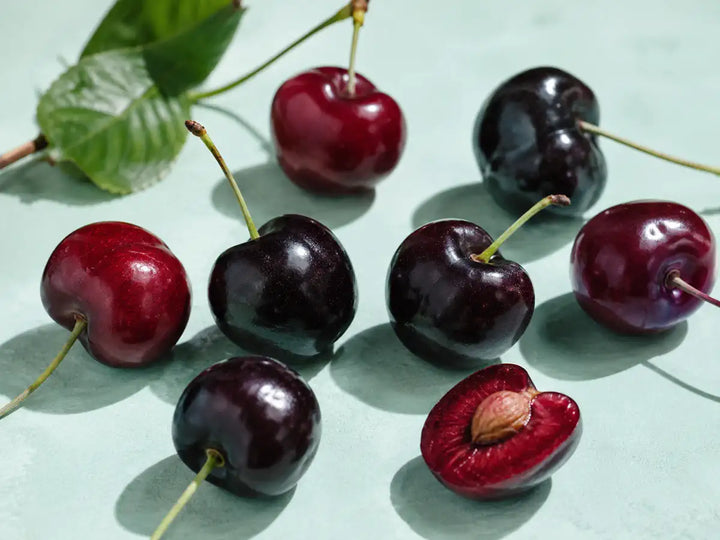
Cherry in perfume usually smells juicy, sweet and fruity, with tart, almond-like and sometimes liqueur-like sides. A bright cherry note can feel fresh and playful, while black cherry...
Explore Cherry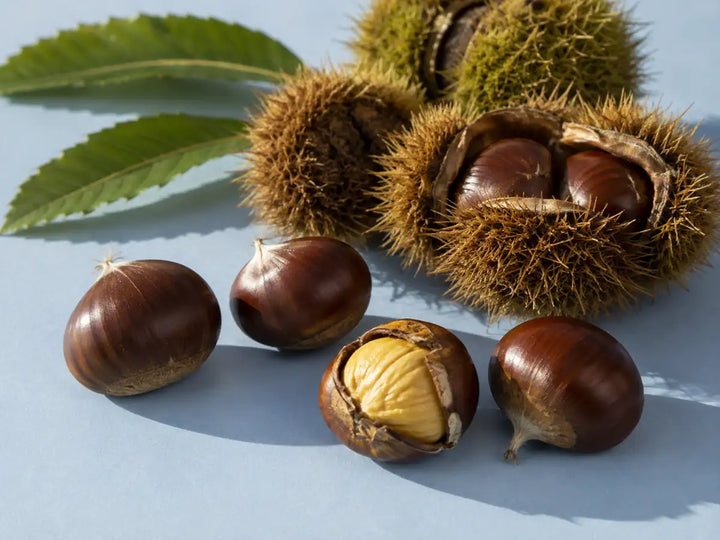
Chestnut in perfume usually smells warm, nutty and softly sweet, with roasted, creamy, woody and slightly earthy sides. It can suggest freshly roasted chestnuts, soft nut flesh or...
Explore Chestnut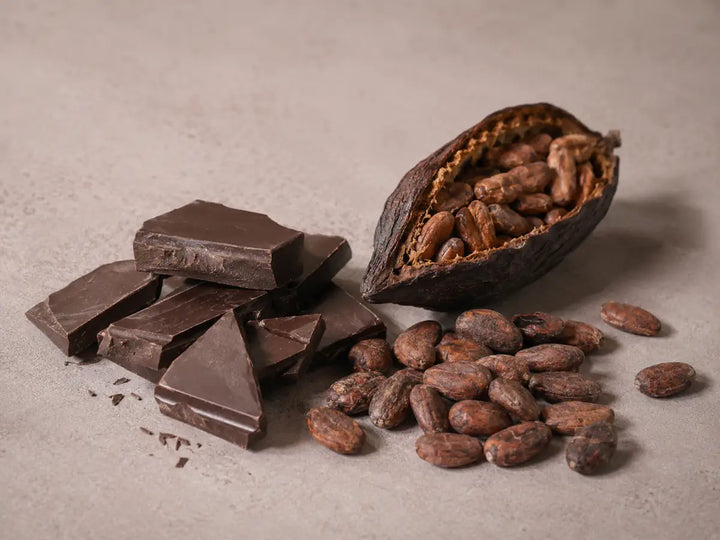
Chocolate in perfume usually smells sweet, creamy and cocoa-like, with dark, powdery, roasted and vanilla-like sides. It is often smoother and more dessert-like than a dry cacao note....
Explore Chocolate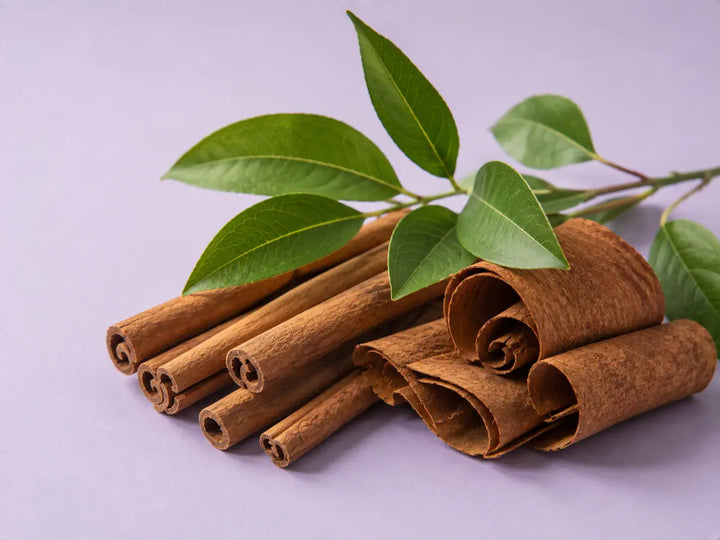
Cinnamon in perfume usually smells warm, sweet and spicy, with dry, woody and sometimes slightly hot sides. It can feel comforting and smooth in one fragrance but sharper...
Explore Cinnamon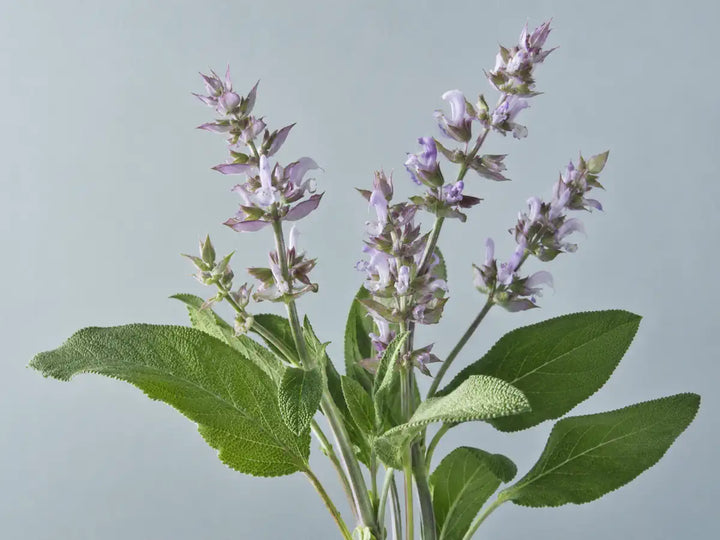
Clary sage in perfume usually smells herbal, aromatic and floral, with lavender-like, hay, tea, amber and softly tobacco-like sides. It is smoother and warmer than ordinary culinary sage....
Explore Clary Sage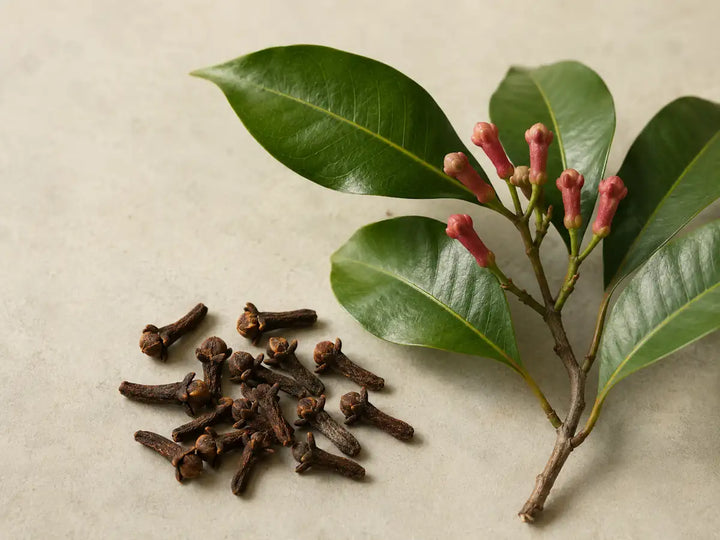
Clove in perfume usually smells warm, sweet and spicy, with woody, powdery, smoky and slightly medicinal sides. It is sharper and more intense than cinnamon, with a recognisable...
Explore Clove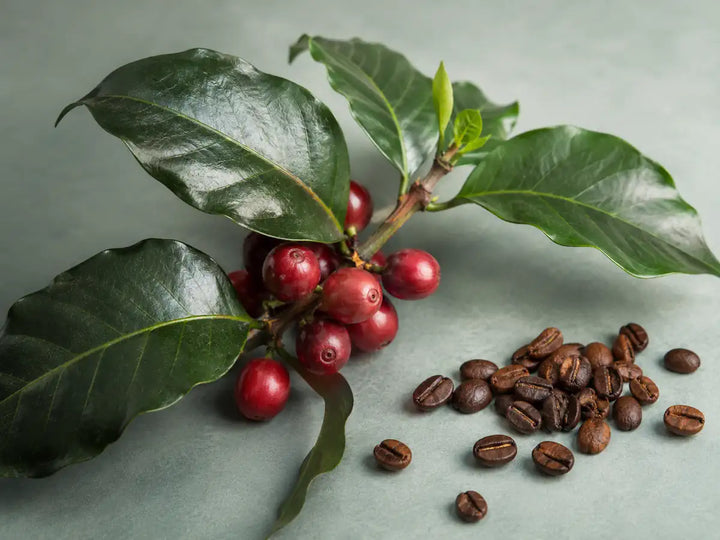
Coffee in perfume usually smells warm, roasted and dark, with bitter, nutty, earthy and chocolate-like sides. Some coffee notes suggest freshly ground beans or strong espresso, while others...
Explore Coffee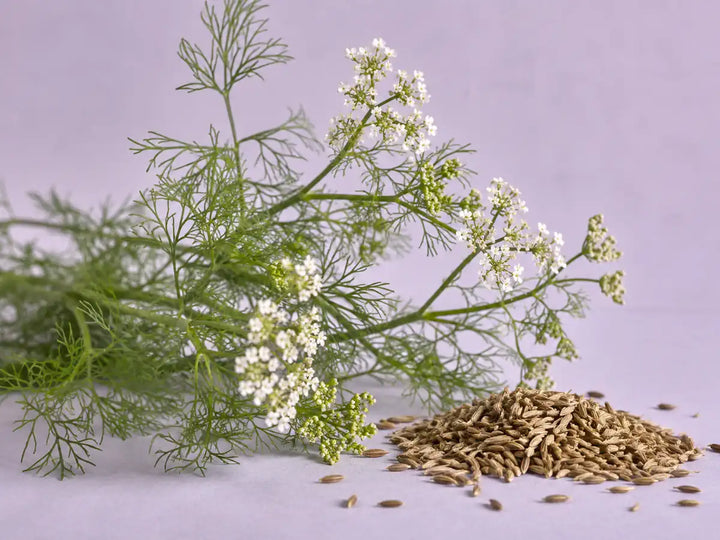
Cumin in perfume usually smells warm, dry and spicy, with earthy, herbal and softly animalic sides. In small amounts, it can add realistic warmth and depth without smelling...
Explore Cumin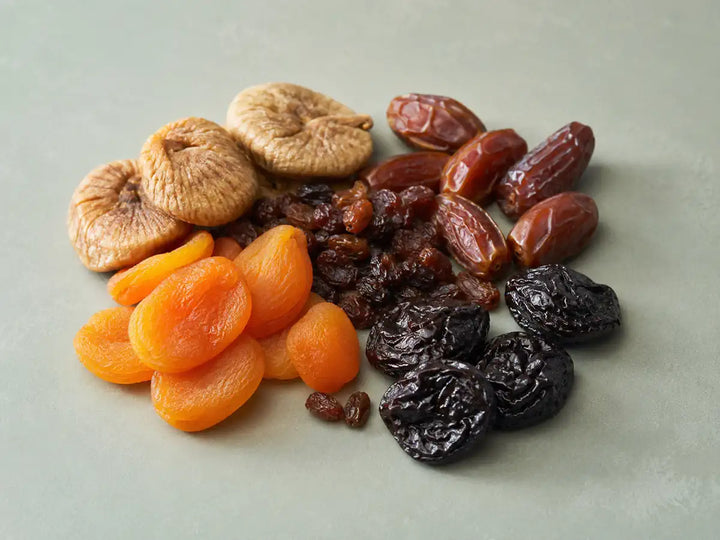
Dried fruit in perfume usually smells rich, sweet and concentrated, with raisin, prune, date, apricot and honeyed sides. It is darker and less juicy than a fresh-fruit note....
Explore Dried Fruit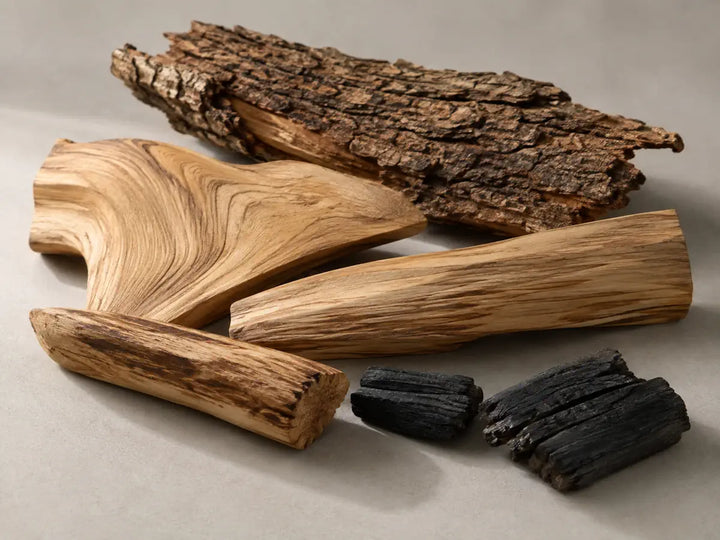
Guaiac wood in perfume usually smells smoky, warm and woody, with balsamic, rosy, tea-like and softly creamy sides. Its smoke is generally smoother and less tarry than birch....
Explore Guaiac Wood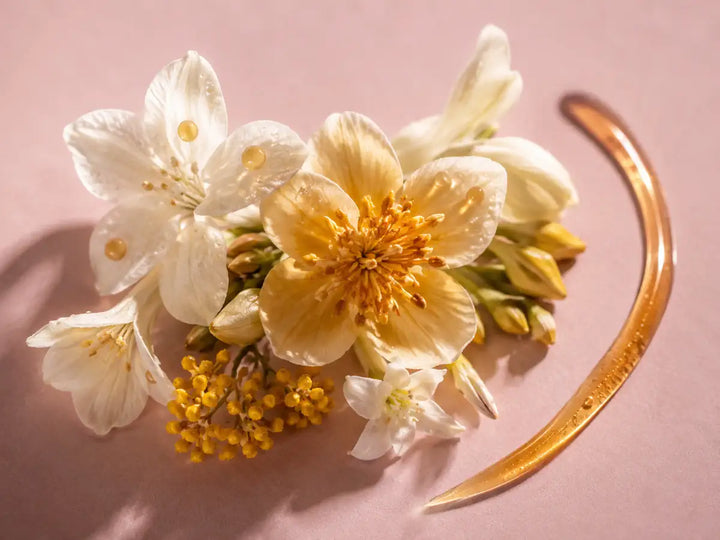
Honey in perfume usually smells sweet, warm and golden, with floral, waxy, balsamic and softly animalic sides. It may feel light and nectar-like or darker, richer and almost...
Explore Honey
Leather in perfume usually smells dry, warm and slightly smoky, with woody, animalic, tarry or soft suede like sides. It does not normally come from untreated animal hide...
Explore Leather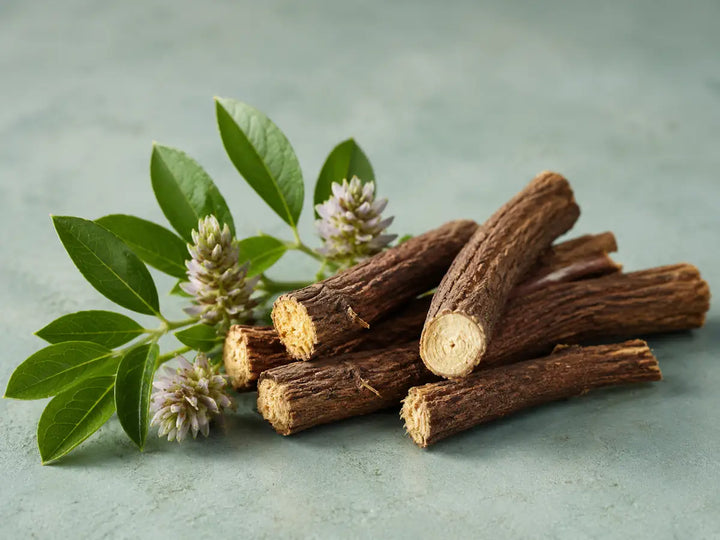
Licorice in perfume usually smells sweet, dark and aromatic, with anise-like, herbal, earthy and balsamic sides. In British English, it is normally written as liquorice. Some liquorice accords...
Explore Licorice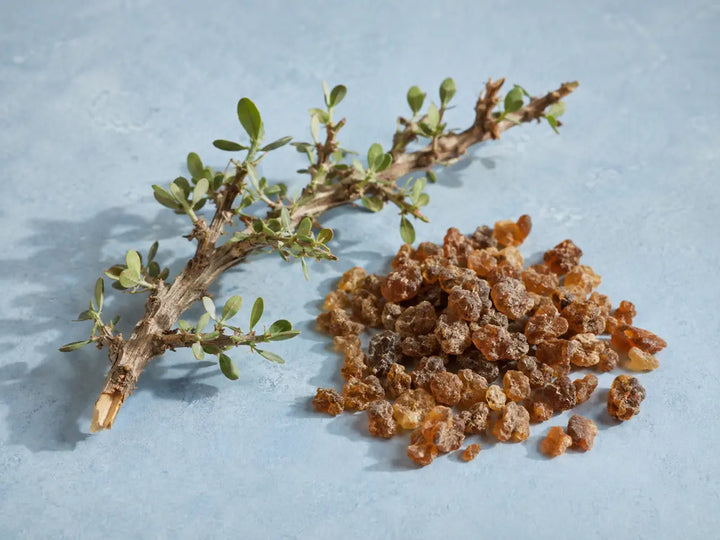
Myrrh in perfume usually smells warm, resinous and balsamic, with smoky, earthy, liquorice-like and softly sweet sides. Some myrrh materials feel dark and medicinal, while others are smoother,...
Explore Myrrh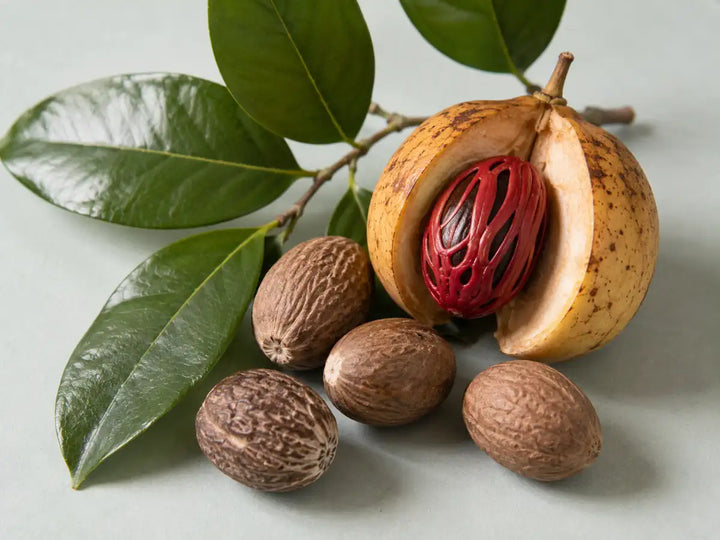
Nutmeg in perfume usually smells warm, dry and gently spicy, with woody, aromatic, sweet and slightly earthy sides. It is generally softer and rounder than black pepper and...
Explore Nutmeg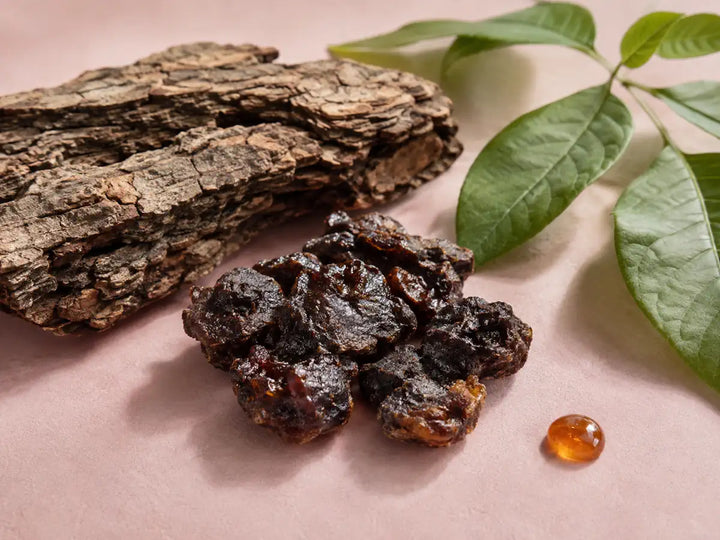
Peru balsam in perfume usually smells sweet, balsamic and warm, with vanilla, cinnamon, amber and powdery sides. It has a smooth resinous character that can resemble dark vanilla,...
Explore Peru Balsam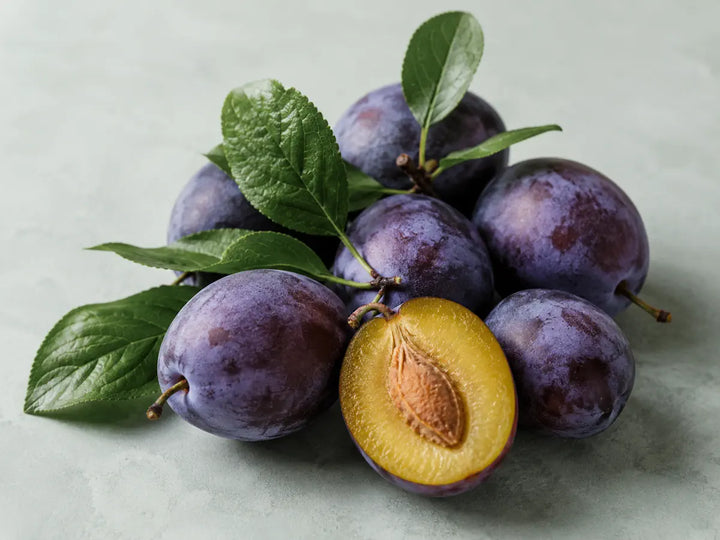
Plum in perfume usually smells rich, juicy and darkly fruity, with sweet, jammy, wine-like or slightly spicy sides. Some plum notes feel fresh and tart, while others are...
Explore Plum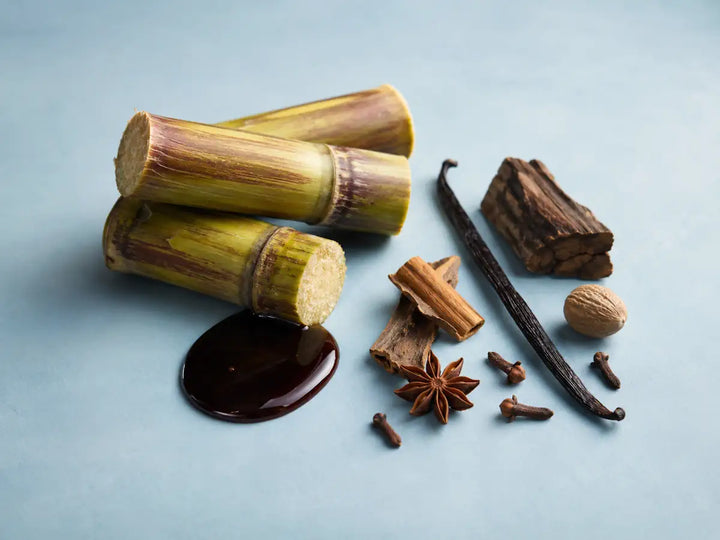
Rum in perfume usually smells warm, sweet and alcoholic, with molasses, oak, vanilla, fruity and spicy sides. A rum accord can suggest dark aged spirit, golden rum or...
Explore Rum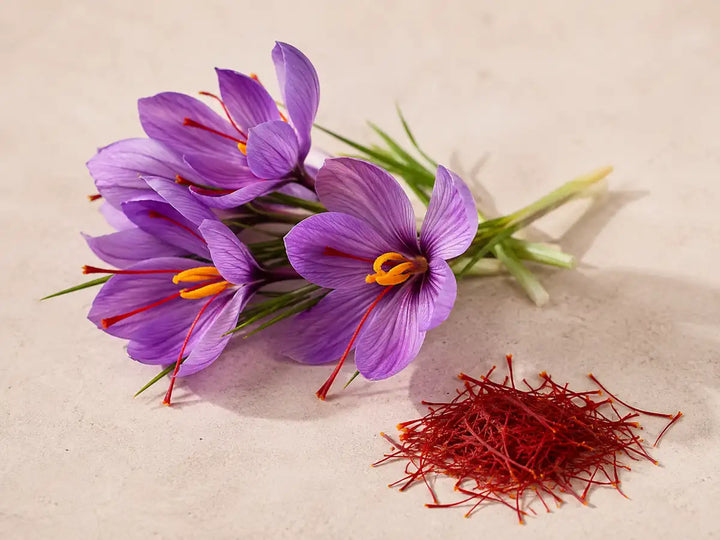
Saffron in perfume usually smells dry, warm and spicy, with leathery, hay-like, honeyed and sometimes slightly metallic sides. It is not normally sweet in the same way as...
Explore Saffron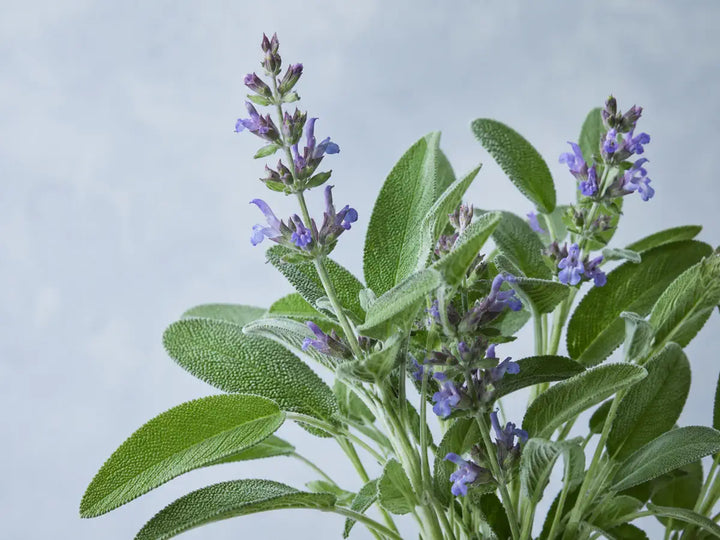
Sage in perfume usually smells dry, herbal and aromatic, with camphoraceous, eucalyptus-like, earthy and lightly woody sides. It is generally sharper and more medicinal than clary sage, which...
Explore Sage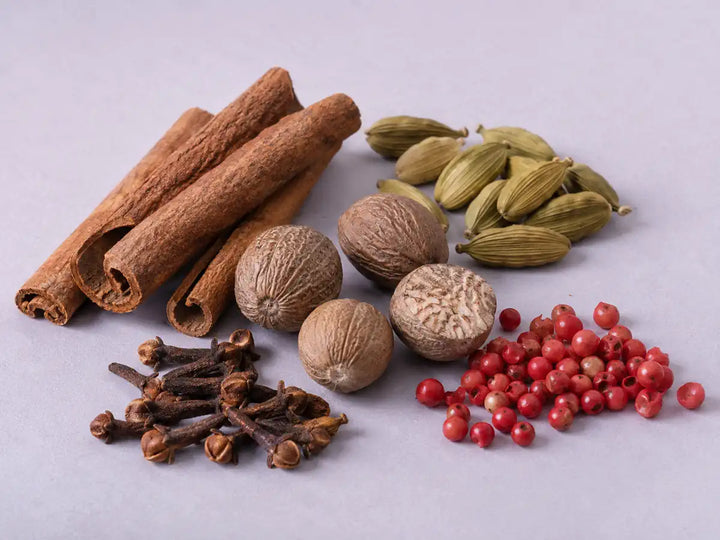
Spices in perfume can smell warm, dry, sweet, peppery, fresh or aromatic. The term does not describe one ingredient because cinnamon, cardamom, clove, nutmeg and pepper all smell...
Explore Spices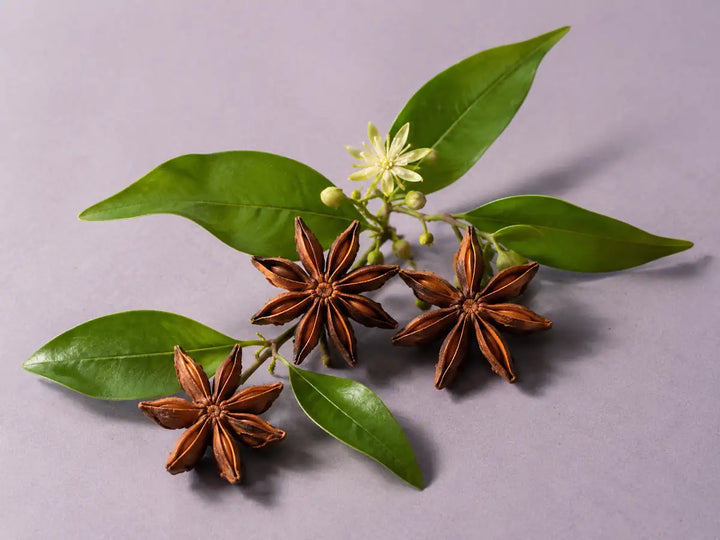
Star anise in perfume usually smells sweet, aromatic and spicy, with liquorice-like, herbal, warm and slightly medicinal sides. It is brighter and often cleaner than a dark liquorice...
Explore Star Anise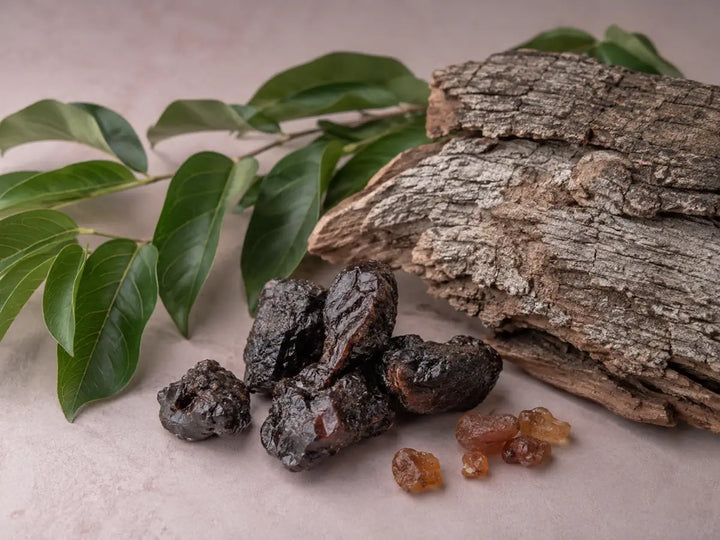
Styrax in perfume usually smells balsamic, smoky and sweet, with leather, vanilla, resinous and slightly animalic sides. It is darker and smokier than benzoin and can resemble warm...
Explore Styrax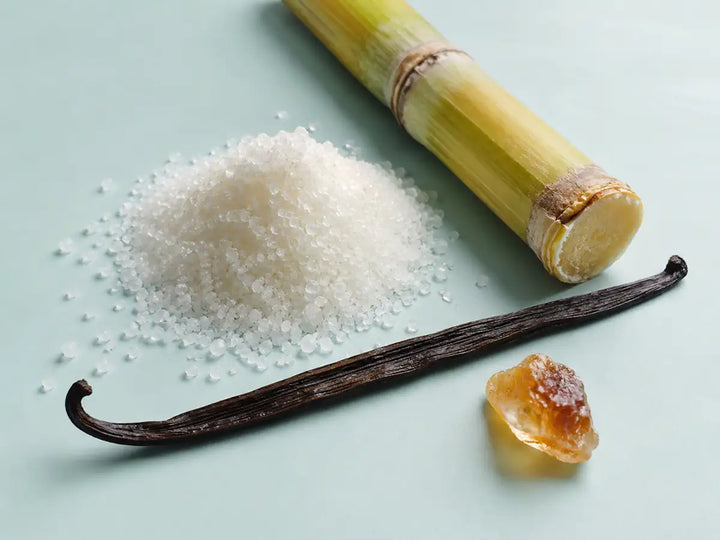
Sugar in perfume usually smells sweet, crystalline and gourmand, with candy, caramel, vanilla and lightly toasted sides. Plain sucrose is experienced mainly through taste, so a recognisable sugar...
Explore Sugar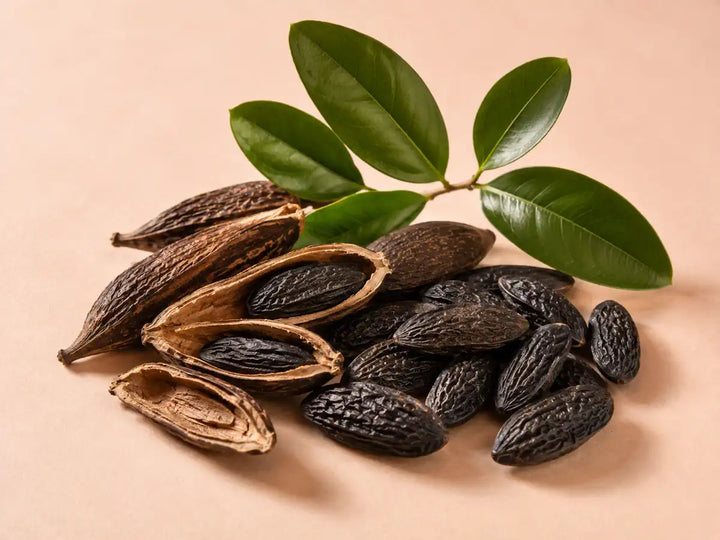
Tonka bean in perfume usually smells warm, sweet and powdery, with notes that can remind people of vanilla, almond, hay and soft tobacco. It is rich and comforting...
Explore Tonka Bean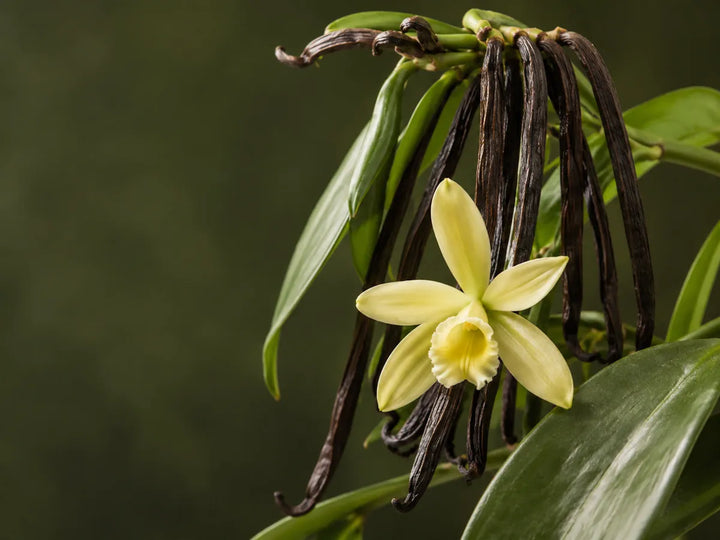
Vanilla in perfume usually smells sweet, warm and creamy. It can also have soft woody, powdery or spicy sides, depending on the material used and the notes around...
Explore Vanilla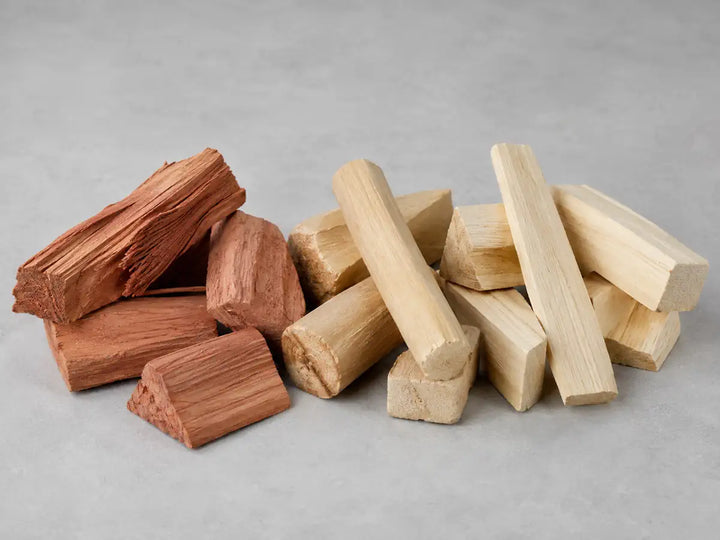
Woody notes in perfume can smell dry, warm, earthy, smoky, creamy or resinous. They do not describe one single ingredient because different woods and woody materials have very...
Explore Woody NotesThese fragrances introduce Tobacco near the opening of the scent.

These fragrances use Tobacco in the lasting foundation of the scent.


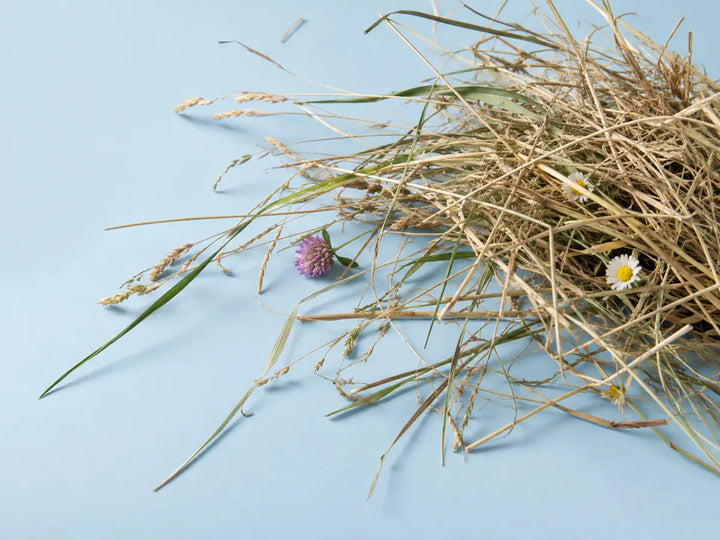
Hay in perfume usually smells dry, warm and softly sweet, with grassy, tobacco-like, honeyed and dried-fruit sides. It suggests sun-dried grass rather than freshly cut green lawn. Some...
Explore Hay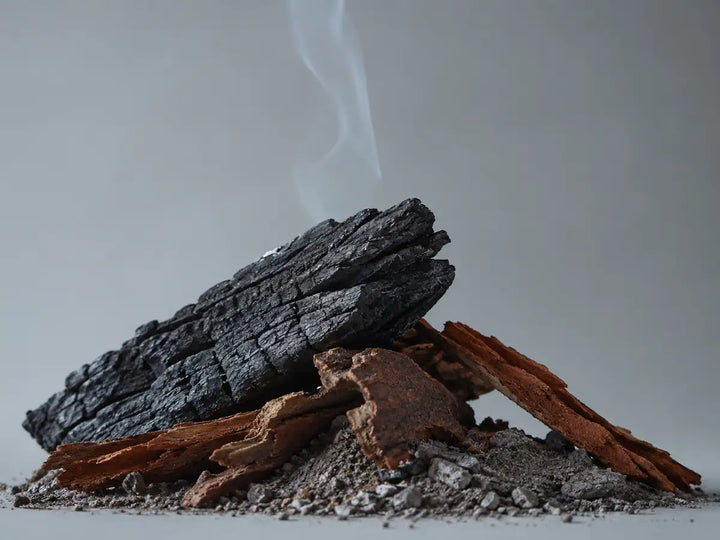
Smoke in perfume usually smells dry, dark and charred, with woody, ashy, leathery and incense-like sides. It is a constructed effect rather than smoke trapped inside a bottle....
Explore Smoke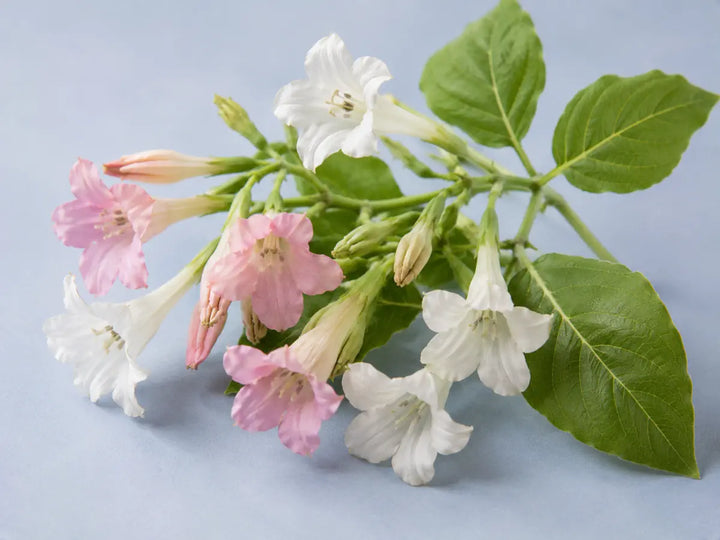
Tobacco blossom in perfume usually smells soft, dry and floral, with green, lightly spicy and sometimes hay-like sides. It is different from tobacco leaf, which is normally warmer,...
Explore Tobacco Blossom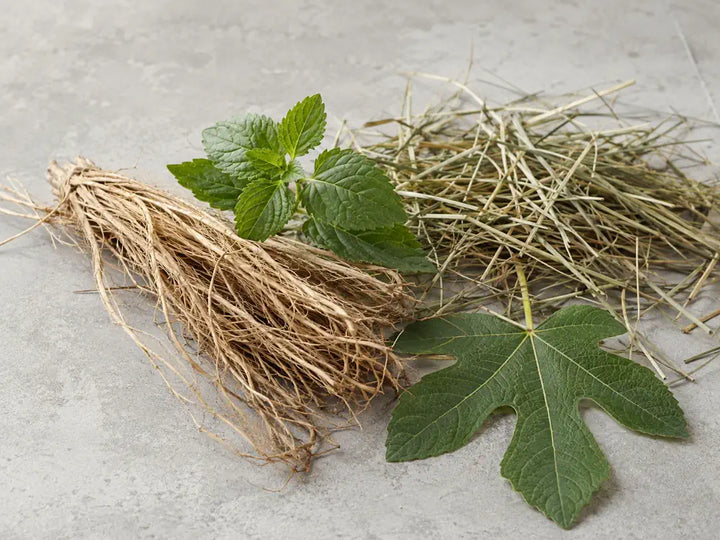
An earthy accord usually smells dry, woody, rooty or slightly damp, with a grounded quality that contrasts with brighter floral, citrus or fruity notes. Some earthy accords have...
Explore Earthy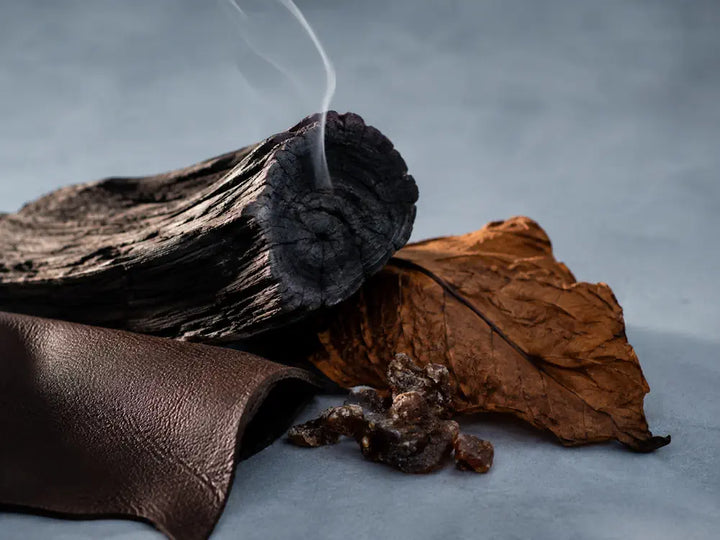
A smoky accord can smell like dry wood smoke, glowing embers, incense, burnt leaves, tobacco or lightly charred materials. Some versions are dark and tar-like, while others are...
Explore Smoky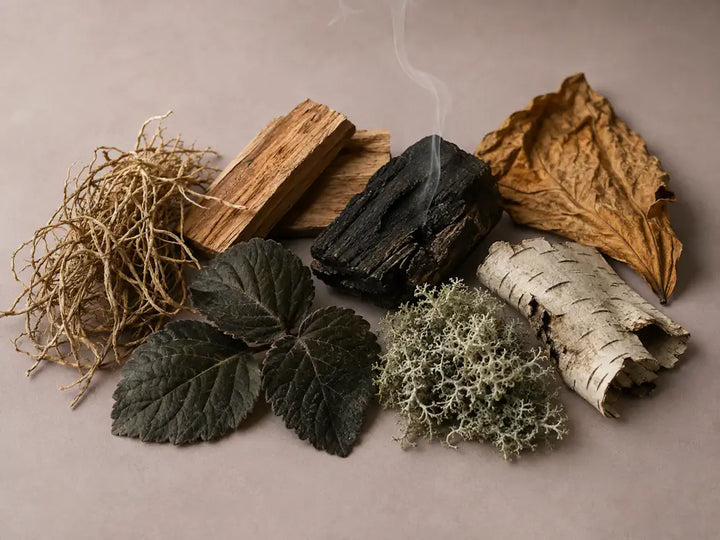
Woody & Smoky fragrances usually smell dry, earthy or woody, often with touches of smoke, leather or tobacco. Cedarwood can give a clear, dry structure, while vetiver and...
Explore Woody & Smoky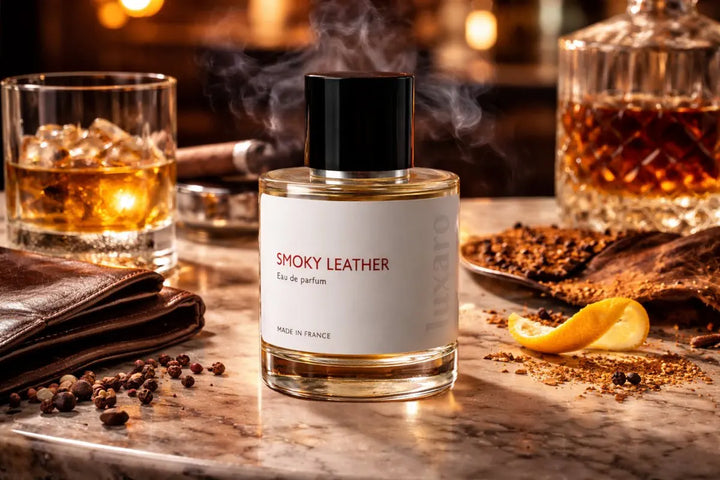
Discover how tobacco, vanilla, woods and smoke work together to create warm, comforting fragrances and why this fragrance family remains so popular.
Read guide