




Fragrance note
Cacao
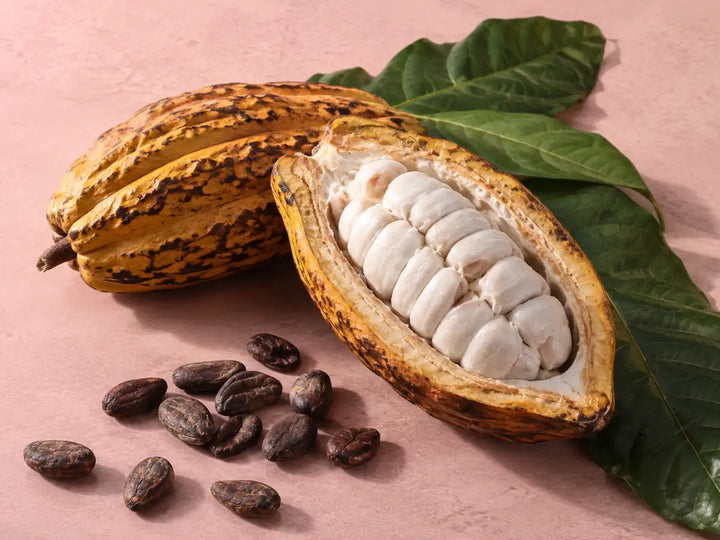
Cacao in perfume usually smells dark, powdery and chocolate-like, with bitter, earthy, roasted and softly sweet sides. It may suggest dry cocoa powder rather than a sugary chocolate...
Explore CacaoCart
Your cart is empty
Fragrance note guide
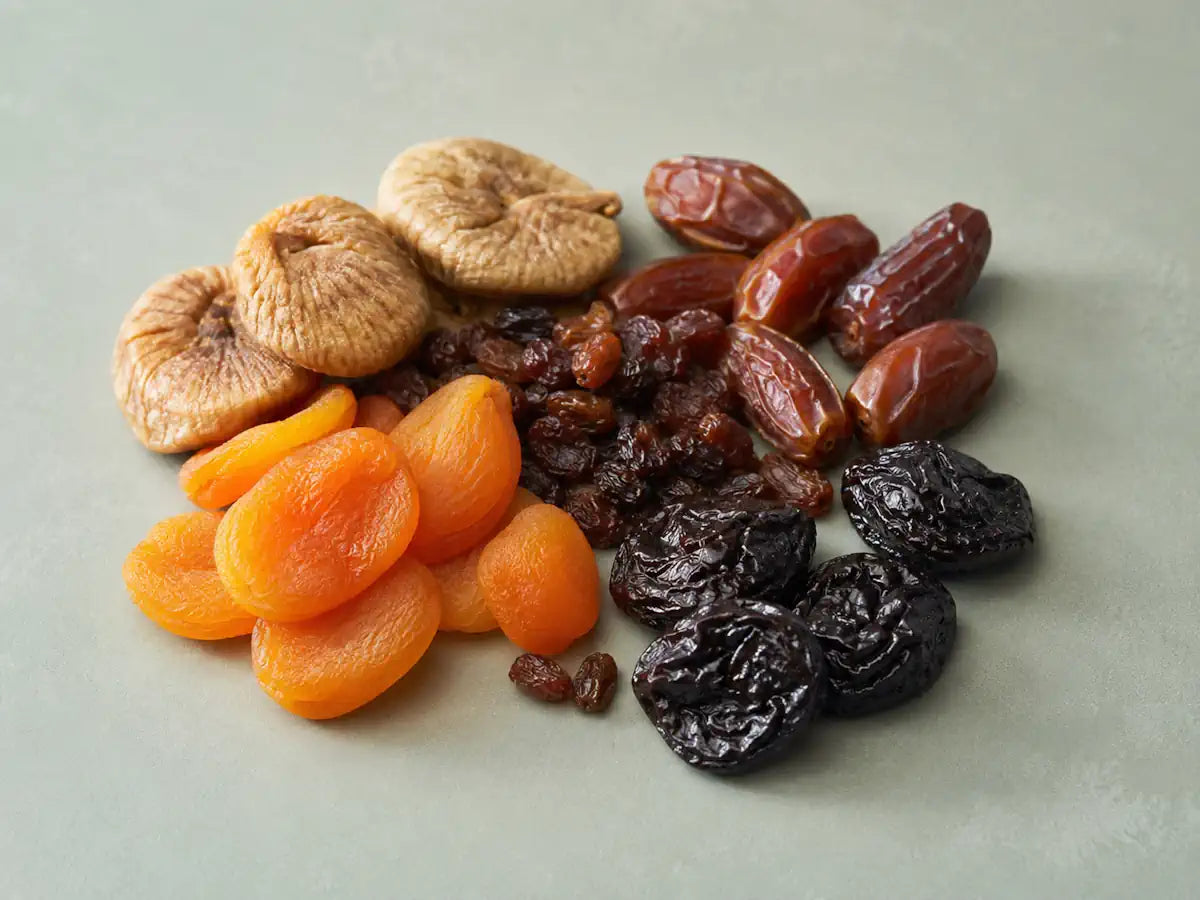
Dried fruit in perfume usually smells rich, sweet and concentrated, with raisin, prune, date, apricot and honeyed sides. It is darker and less juicy than a fresh-fruit note. Some dried-fruit accords feel sticky and syrupy, while others are leathery, wine-like or touched with tobacco. Dried fruit is mainly used in the base.
Cacao in perfume usually smells dark, powdery and chocolate-like, with bitter, earthy, roasted and softly sweet sides. It may suggest dry cocoa powder rather than a sugary chocolate...
Explore Cacao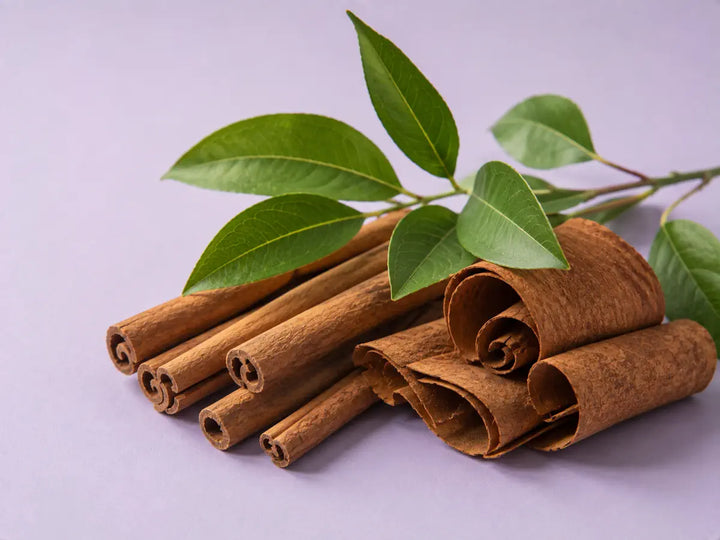
Cinnamon in perfume usually smells warm, sweet and spicy, with dry, woody and sometimes slightly hot sides. It can feel comforting and smooth in one fragrance but sharper...
Explore Cinnamon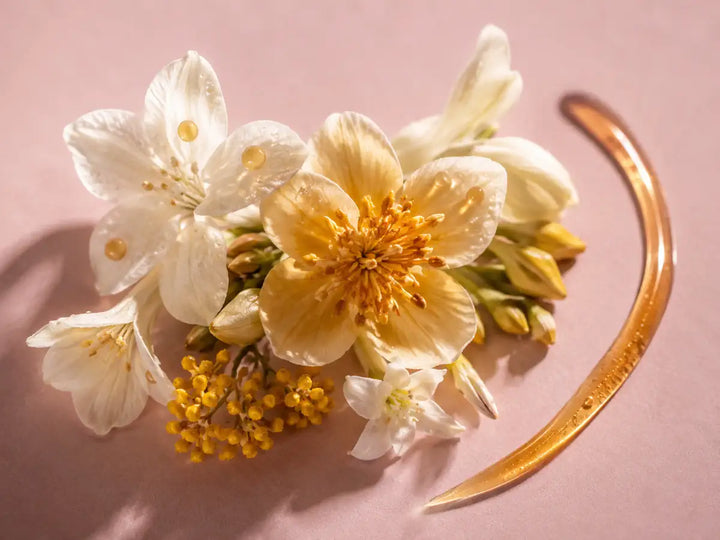
Honey in perfume usually smells sweet, warm and golden, with floral, waxy, balsamic and softly animalic sides. It may feel light and nectar-like or darker, richer and almost...
Explore Honey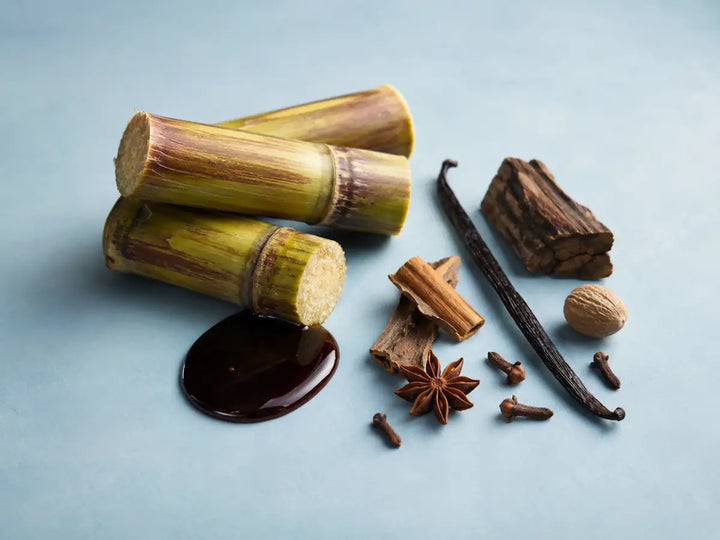
Rum in perfume usually smells warm, sweet and alcoholic, with molasses, oak, vanilla, fruity and spicy sides. A rum accord can suggest dark aged spirit, golden rum or...
Explore Rum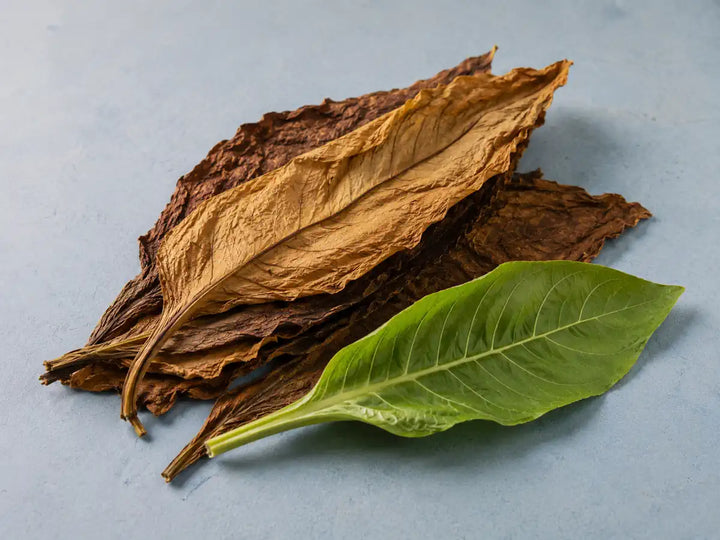
Tobacco in perfume usually smells warm, dry and slightly sweet, with honeyed, hay like, earthy, woody or smoky sides. It normally represents cured tobacco leaves rather than the...
Explore Tobacco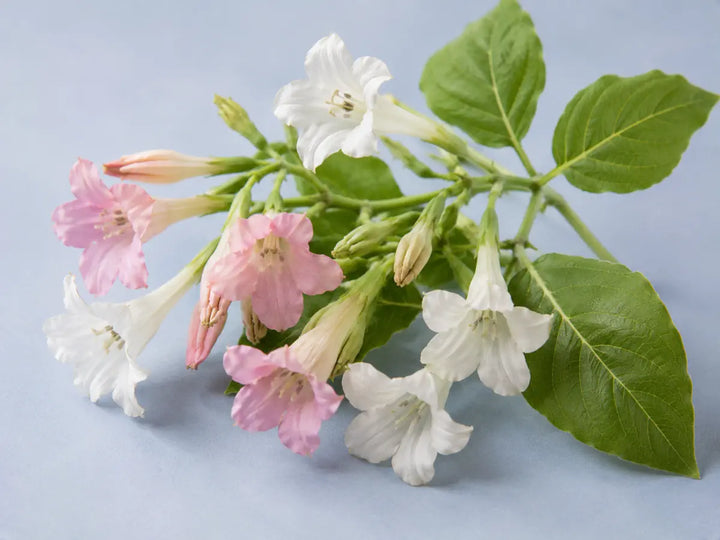
Tobacco blossom in perfume usually smells soft, dry and floral, with green, lightly spicy and sometimes hay-like sides. It is different from tobacco leaf, which is normally warmer,...
Explore Tobacco Blossom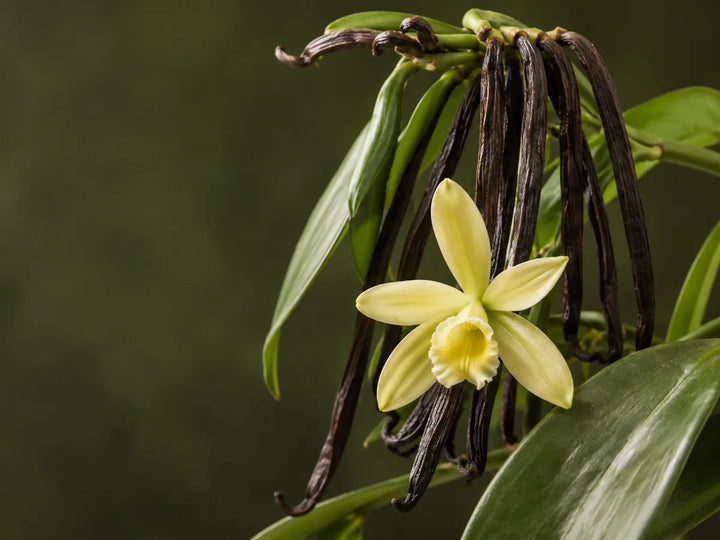
Vanilla in perfume usually smells sweet, warm and creamy. It can also have soft woody, powdery or spicy sides, depending on the material used and the notes around...
Explore Vanilla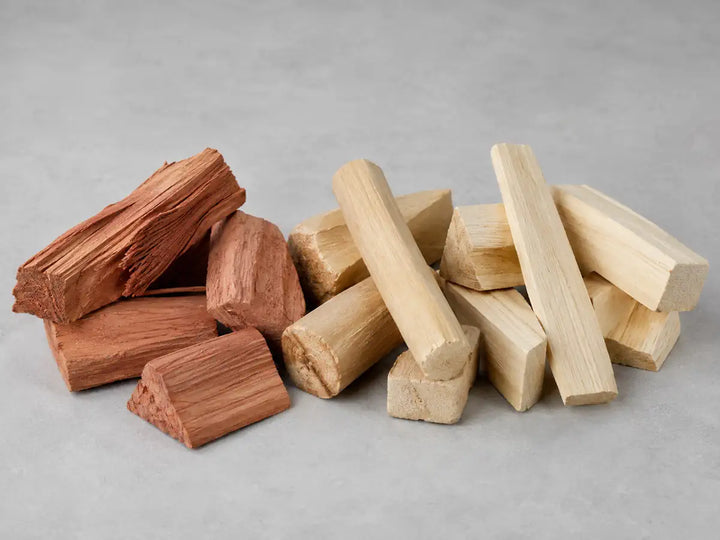
Woody notes in perfume can smell dry, warm, earthy, smoky, creamy or resinous. They do not describe one single ingredient because different woods and woody materials have very...
Explore Woody NotesThese fragrances use Dried Fruit in the lasting foundation of the scent.

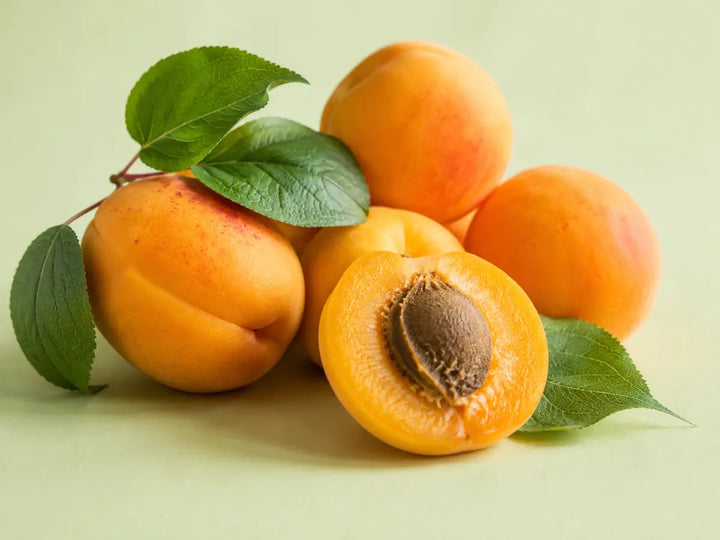
Apricot in perfume usually smells soft, fruity and velvety, with sweet, tart, creamy and sometimes lightly leathery sides. It is generally less juicy than peach and can feel...
Explore Apricot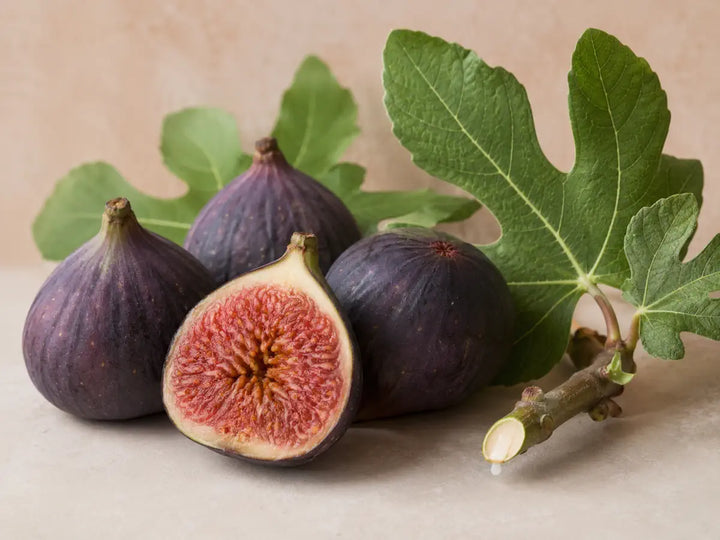
Fig in perfume usually smells green, milky and softly sweet, with fruity, leafy, creamy and woody sides. A fig note can represent the ripe fruit, the broad green...
Explore Fig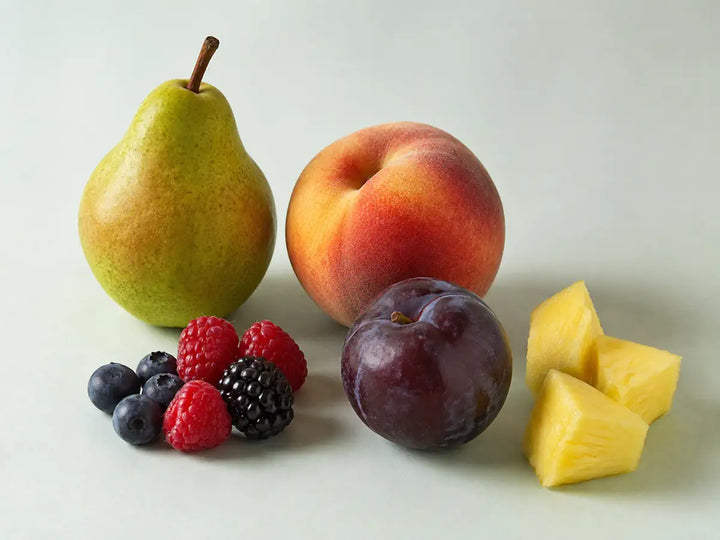
Fruity notes in perfume can smell juicy, sweet, tart, green, creamy or syrupy depending on the fruits being represented. The term is a broad category rather than one...
Explore Fruity Notes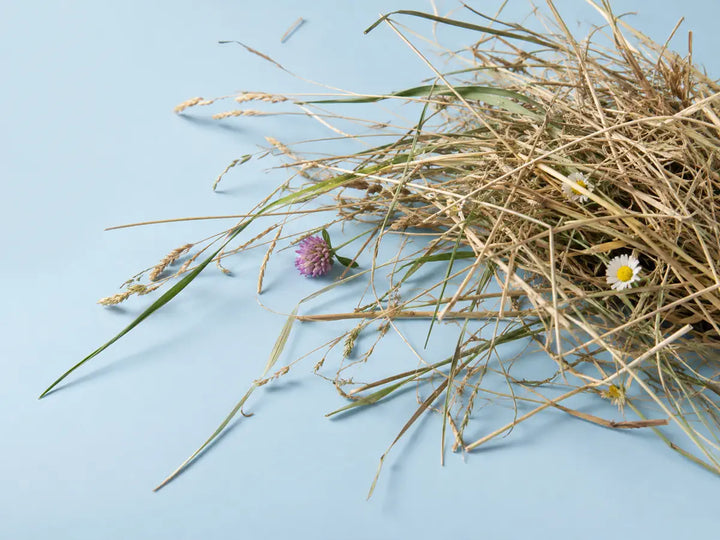
Hay in perfume usually smells dry, warm and softly sweet, with grassy, tobacco-like, honeyed and dried-fruit sides. It suggests sun-dried grass rather than freshly cut green lawn. Some...
Explore Hay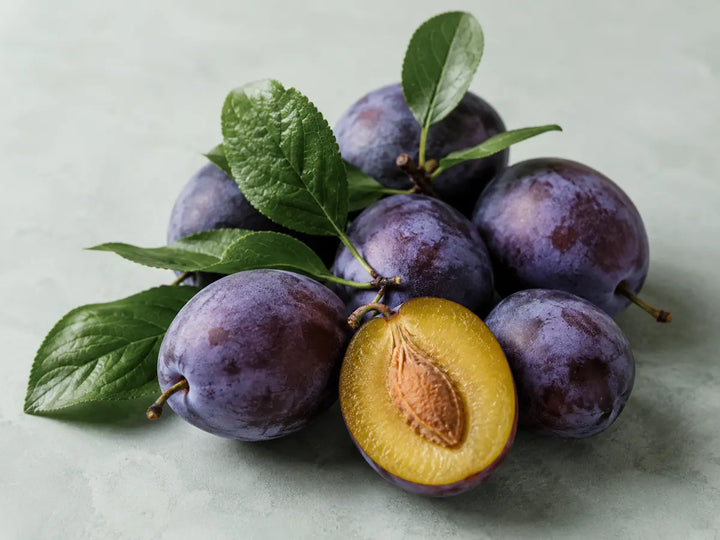
Plum in perfume usually smells rich, juicy and darkly fruity, with sweet, jammy, wine-like or slightly spicy sides. Some plum notes feel fresh and tart, while others are...
Explore Plum