




Fragrance note
Bergamot
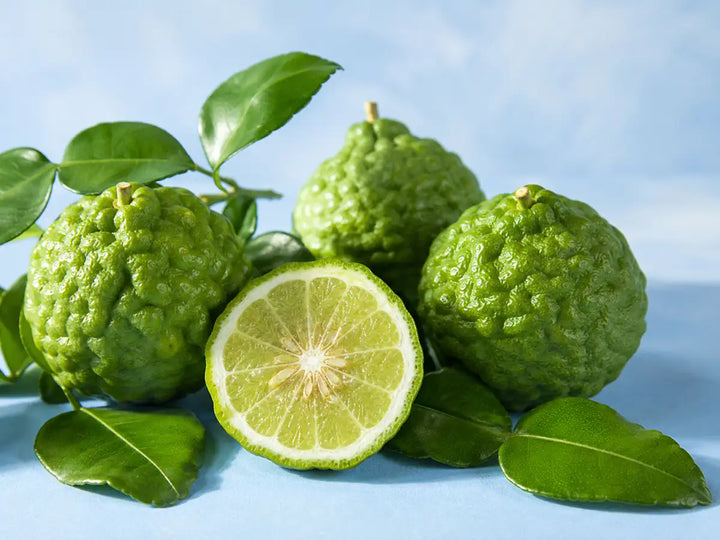
Bergamot in perfume smells fresh, bright and citrusy, with a soft floral character and a slightly bitter green edge. It is less sharp than lemon and often feels...
Explore BergamotCart
Your cart is empty
Fragrance note guide
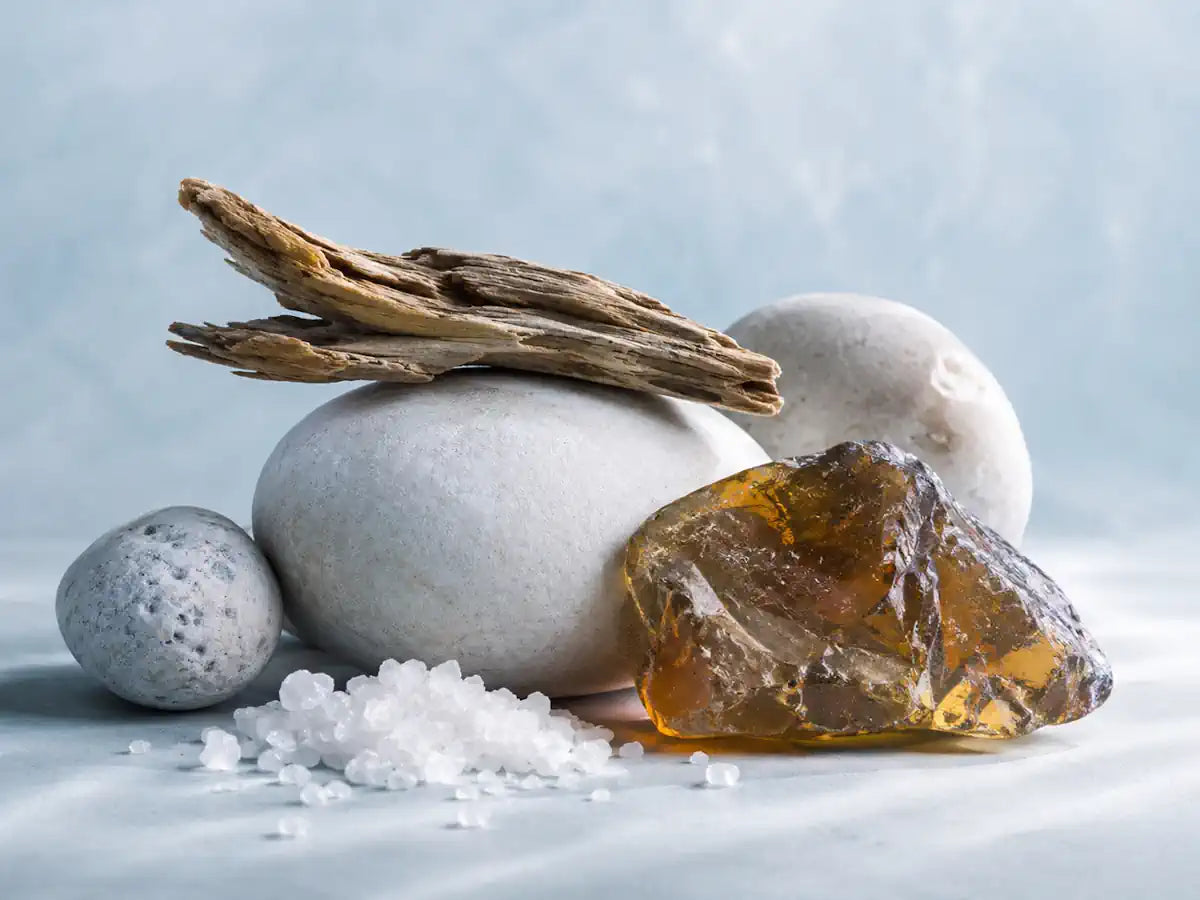
Ambergris in perfume usually smells warm, mineral and ambery, with marine, musky, woody and sometimes tobacco-like sides. Modern ambergris accords can feel clean and velvety or dry, salty and animalic. Natural ambergris is associated with sperm whales, but vegan perfumes use laboratory-made or biotechnology-derived fragrance materials to create a similar effect. Ambergris-style notes can appear early and remain noticeable as the perfume develops.
Bergamot in perfume smells fresh, bright and citrusy, with a soft floral character and a slightly bitter green edge. It is less sharp than lemon and often feels...
Explore Bergamot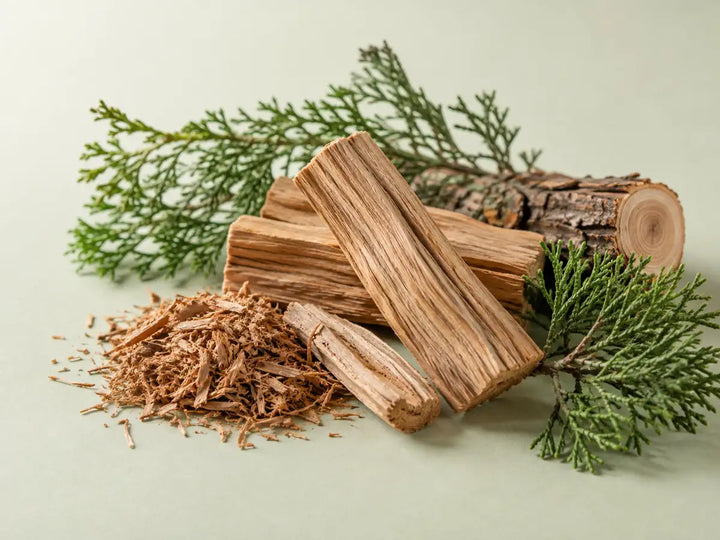
Cedarwood in perfume usually smells dry, warm and woody, with resinous, slightly smoky or pencil like sides. Some cedarwood notes feel smooth and creamy, while others are sharper...
Explore Cedarwood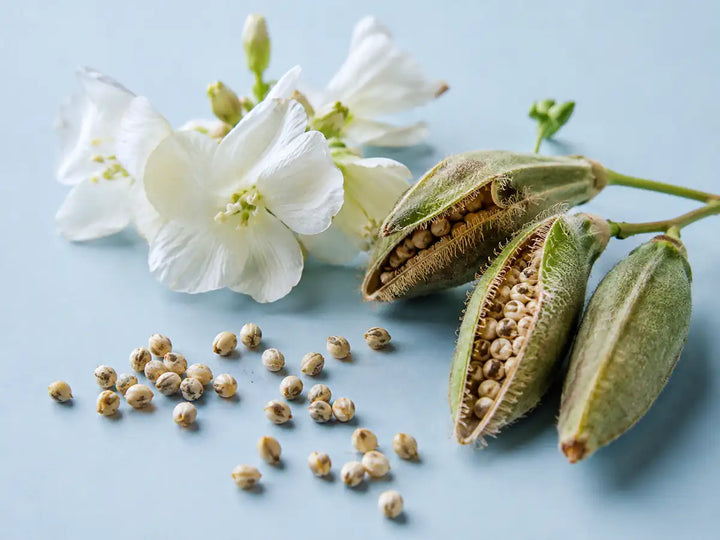
Musk in perfume can smell soft, warm, clean and slightly powdery, often with a smooth quality that is compared with fresh skin or clean fabric. Some musk notes...
Explore Musk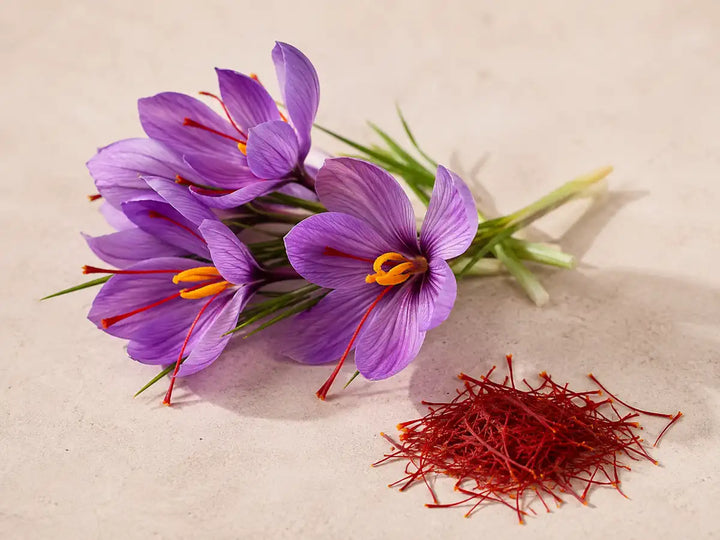
Saffron in perfume usually smells dry, warm and spicy, with leathery, hay-like, honeyed and sometimes slightly metallic sides. It is not normally sweet in the same way as...
Explore Saffron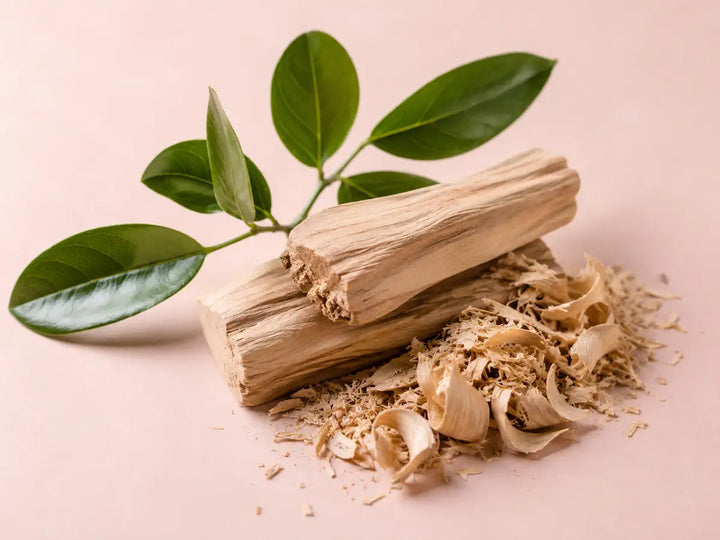
Sandalwood in perfume usually smells warm, creamy and softly woody. It can also have milky, balsamic, powdery or lightly spicy sides. Unlike sharper woods, sandalwood often feels smooth...
Explore Sandalwood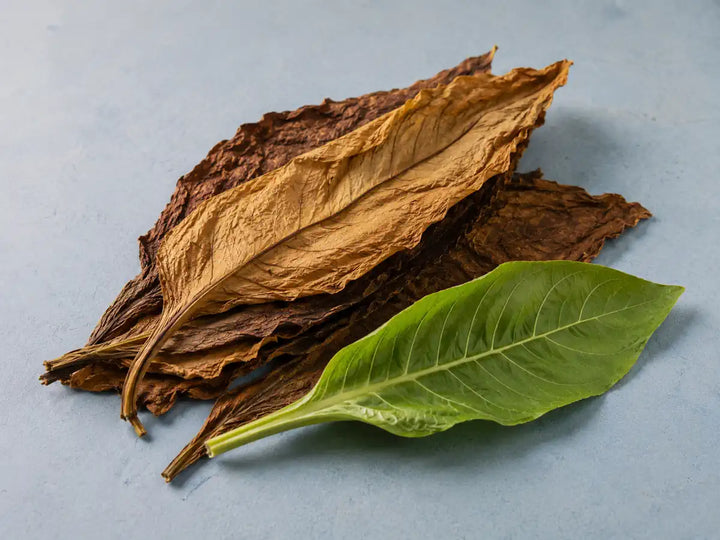
Tobacco in perfume usually smells warm, dry and slightly sweet, with honeyed, hay like, earthy, woody or smoky sides. It normally represents cured tobacco leaves rather than the...
Explore Tobacco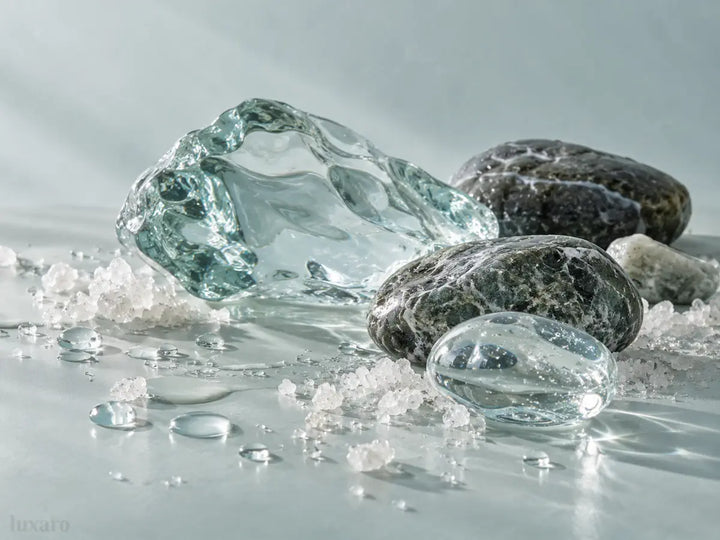
Calone smells fresh, watery and marine, with strong ozonic qualities and a distinctive melon-like character. It is a synthetic aroma material used to create aquatic and sea-breeze effects...
Explore CaloneThese fragrances reveal Ambergris through the central body of the scent.

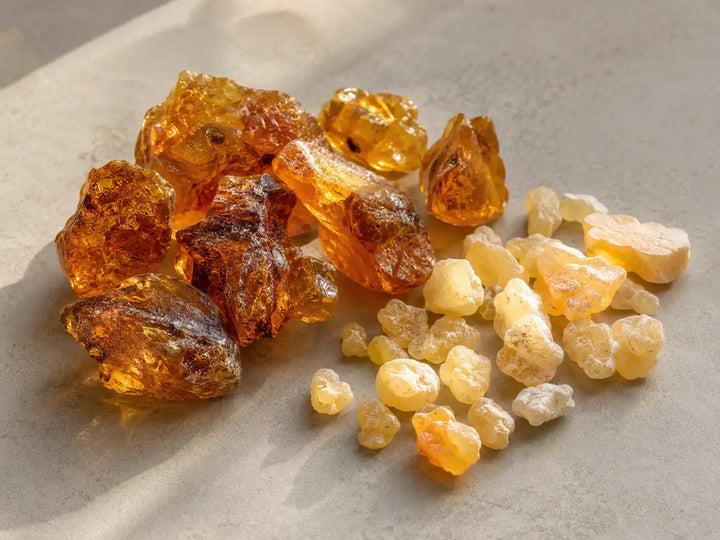
Amber in perfume usually smells warm, sweet and resinous, with soft vanilla, balsamic, powdery or slightly smoky sides. It is not normally taken from fossilised amber. In perfumery,...
Explore Amber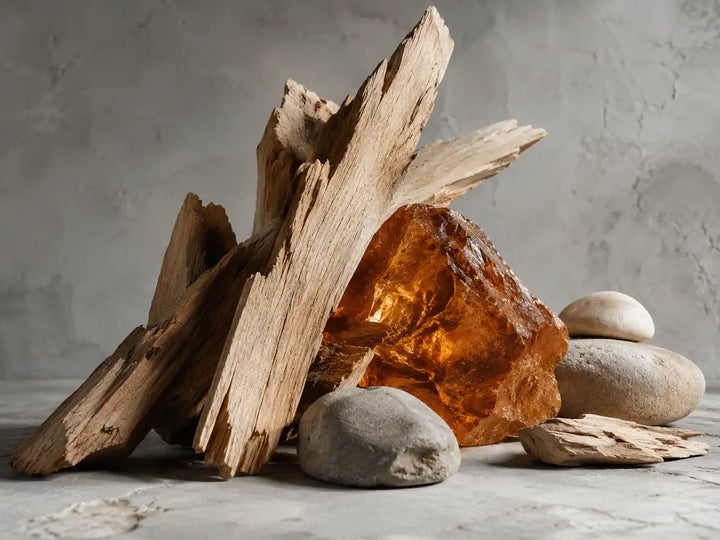
Amberwood in perfume usually smells dry, warm and strongly woody, with ambery, cedar-like, mineral and sometimes musky sides. It is generally sharper and drier than a sweet traditional...
Explore Amberwood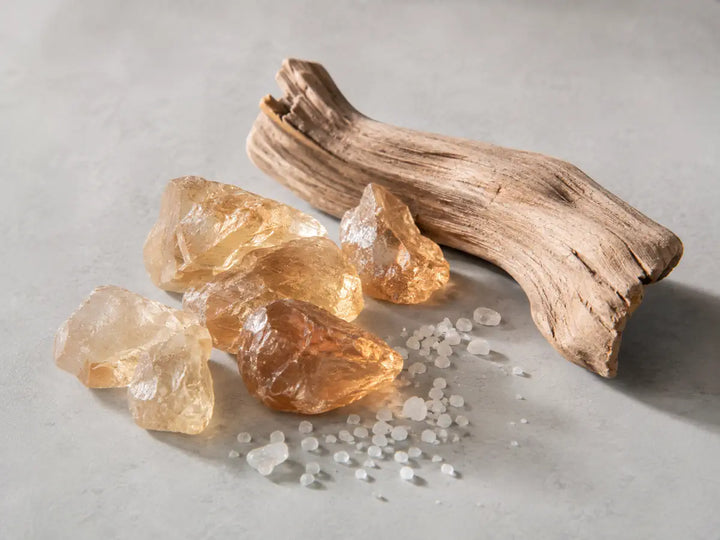
Ambroxan in perfume usually smells dry, warm and ambery, with woody, musky, mineral and sometimes slightly salty sides. It can feel clean and smooth rather than sweet, even...
Explore Ambroxan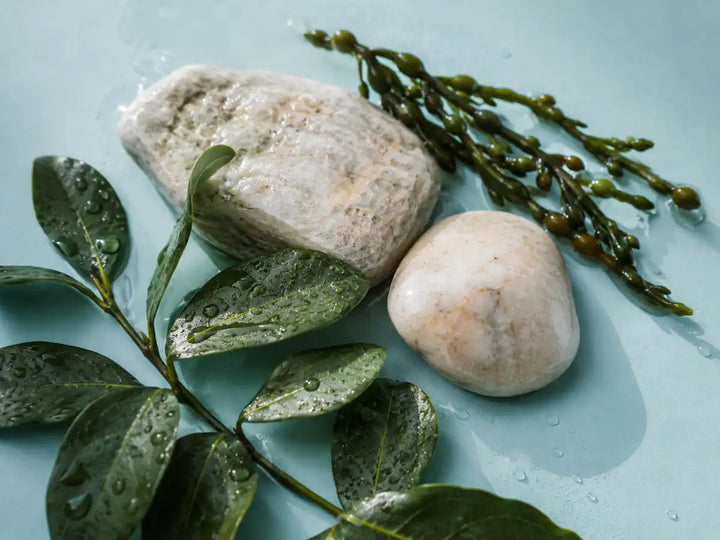
Marine notes in perfume usually smell fresh, watery and airy, with salty, ozonic, mineral and sea-breeze sides. They are constructed accords rather than liquid extracted directly from seawater....
Explore Marine Notes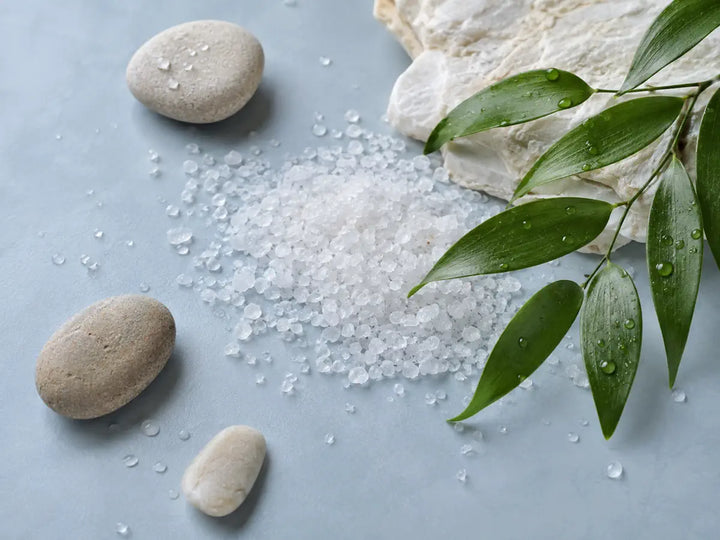
Sea salt in perfume usually smells mineral, airy and marine, with clean, salty, watery and sun-warmed skin sides. Salt crystals themselves do not provide the full smell associated...
Explore Sea Salt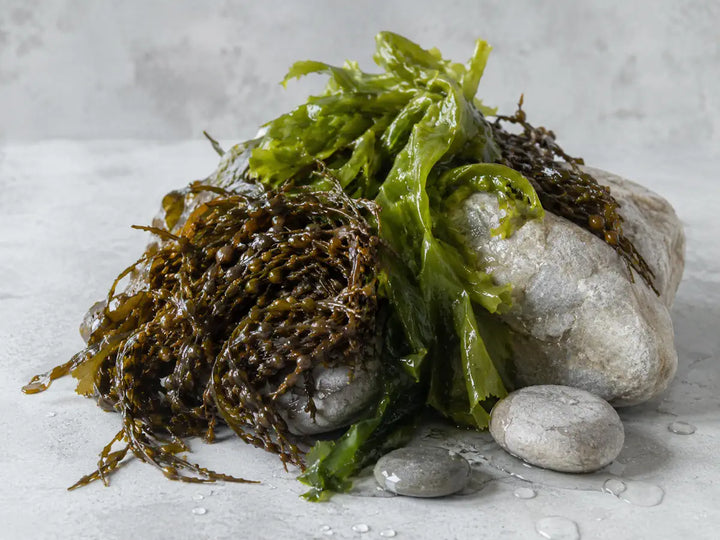
Seaweed in perfume usually smells salty, green and marine, with iodine-like, mineral, earthy and slightly animalic sides. It is darker and more organic than a clean watery marine...
Explore SeaweedCalone smells fresh, watery and marine, with strong ozonic qualities and a distinctive melon-like character. It is a synthetic aroma material used to create aquatic and sea-breeze effects...
Explore Calone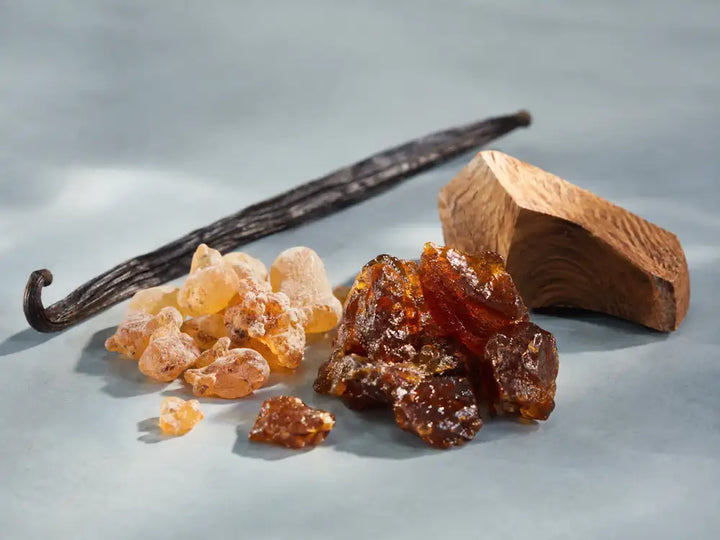
An amber accord usually smells warm, rich and softly sweet, with a smooth depth that can feel resinous, balsamic or slightly powdery. Some amber accords are soft and...
Explore Amber