
Fragrance note
Cedarwood
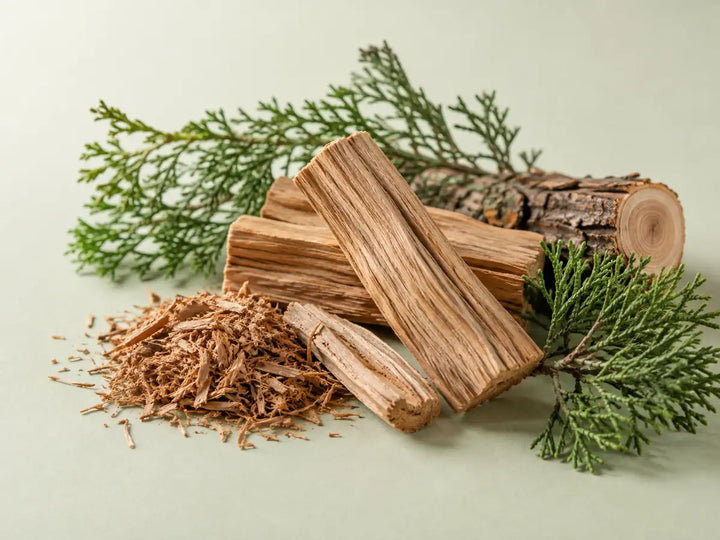
Cedarwood in perfume usually smells dry, warm and woody, with resinous, slightly smoky or pencil like sides. Some cedarwood notes feel smooth and creamy, while others are sharper...
Explore CedarwoodCart
Your cart is empty
Fragrance note guide
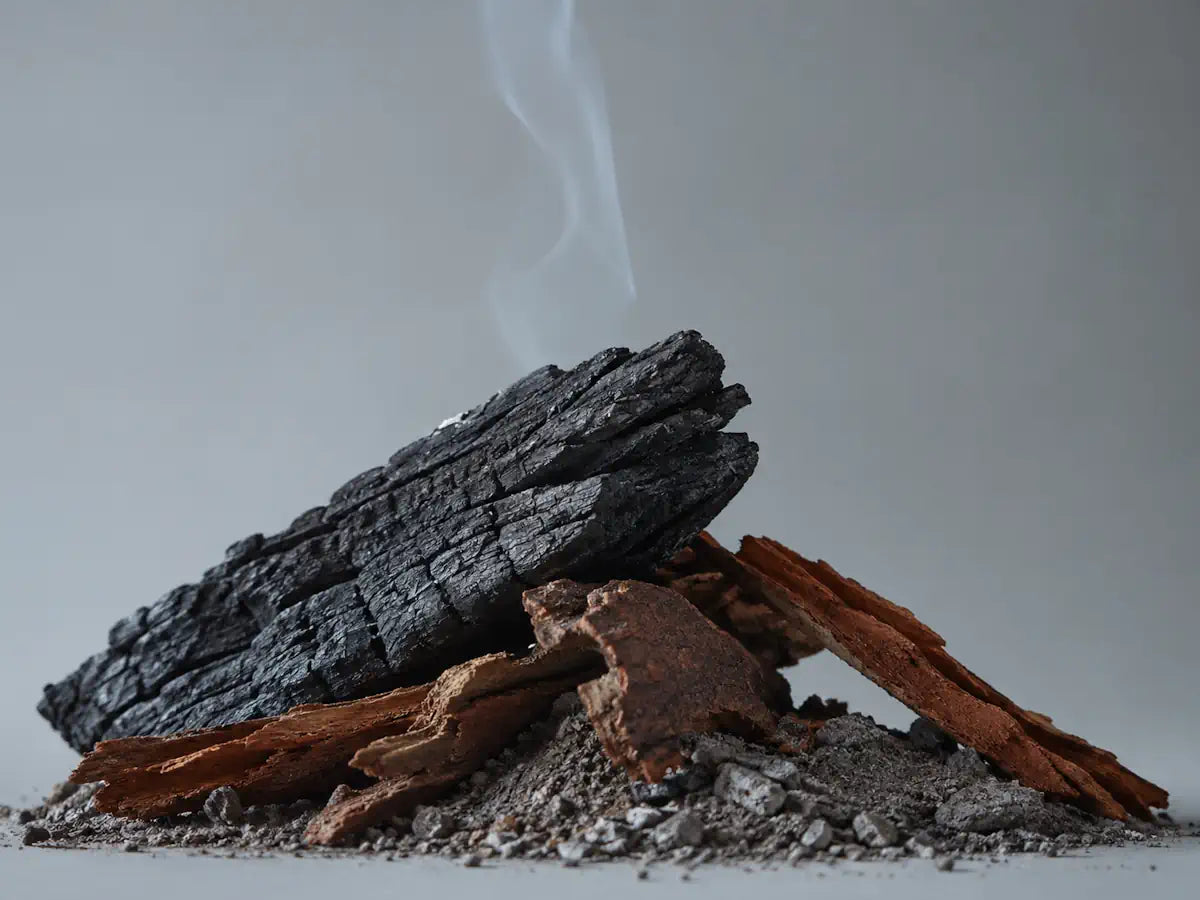
Smoke in perfume usually smells dry, dark and charred, with woody, ashy, leathery and incense-like sides. It is a constructed effect rather than smoke trapped inside a bottle. Some smoke accords suggest a fireplace or burnt wood, while others feel cleaner and closer to incense. Smoke is mainly used in the base.
Cedarwood in perfume usually smells dry, warm and woody, with resinous, slightly smoky or pencil like sides. Some cedarwood notes feel smooth and creamy, while others are sharper...
Explore Cedarwood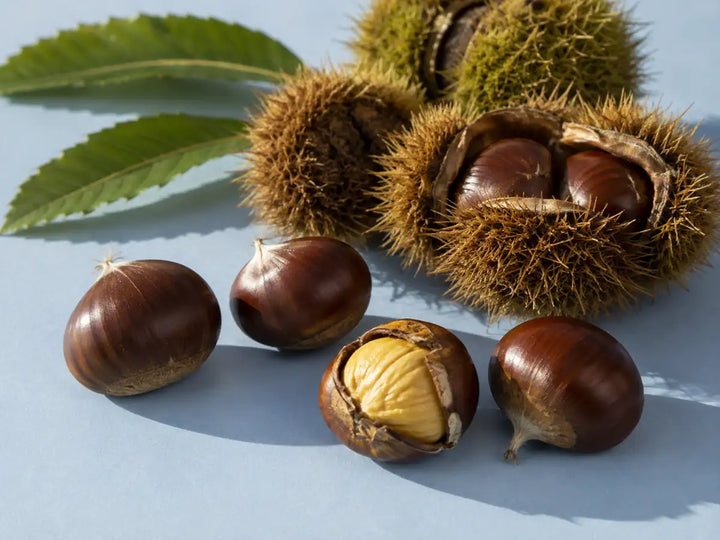
Chestnut in perfume usually smells warm, nutty and softly sweet, with roasted, creamy, woody and slightly earthy sides. It can suggest freshly roasted chestnuts, soft nut flesh or...
Explore Chestnut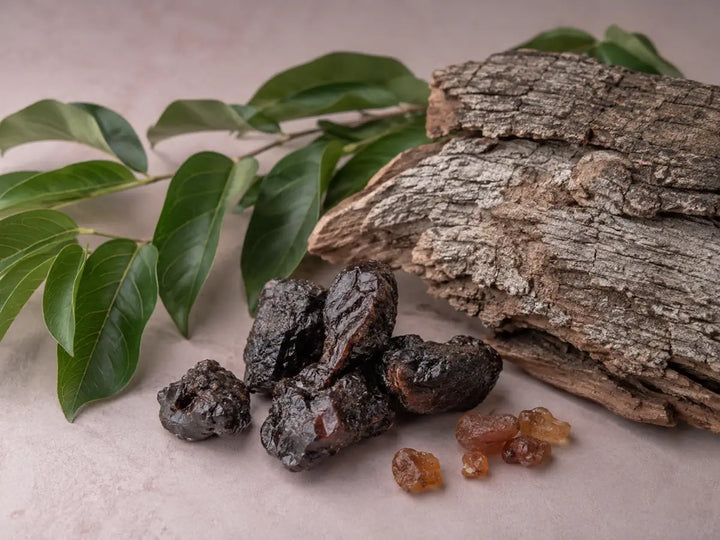
Styrax in perfume usually smells balsamic, smoky and sweet, with leather, vanilla, resinous and slightly animalic sides. It is darker and smokier than benzoin and can resemble warm...
Explore Styrax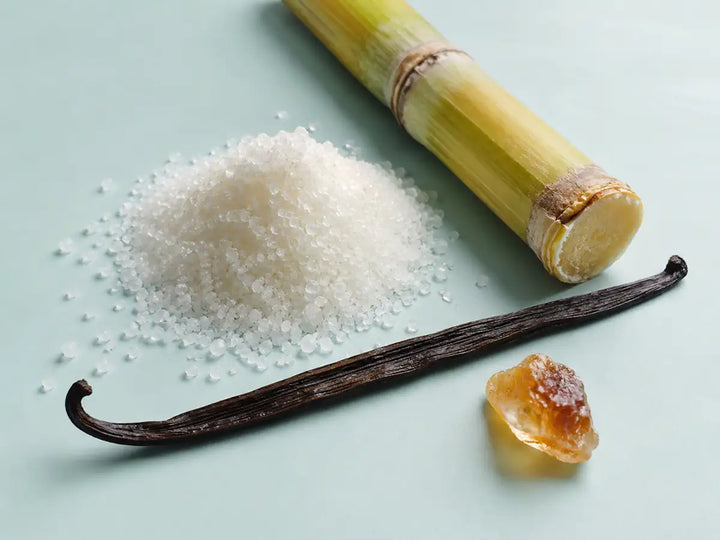
Sugar in perfume usually smells sweet, crystalline and gourmand, with candy, caramel, vanilla and lightly toasted sides. Plain sucrose is experienced mainly through taste, so a recognisable sugar...
Explore Sugar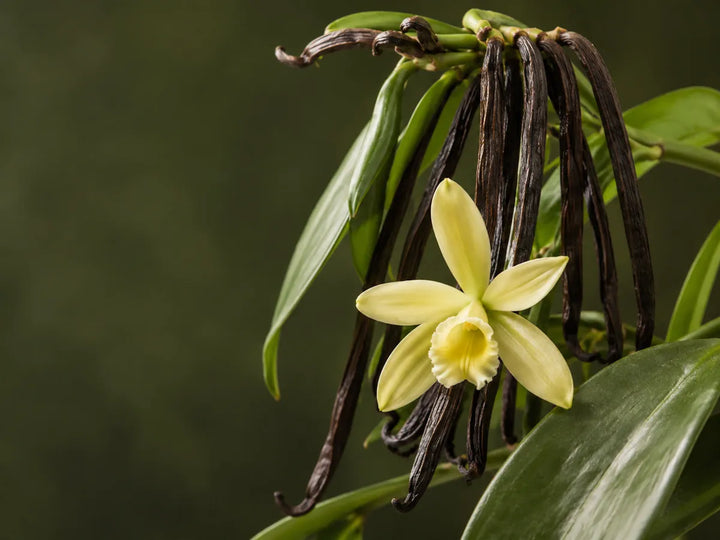
Vanilla in perfume usually smells sweet, warm and creamy. It can also have soft woody, powdery or spicy sides, depending on the material used and the notes around...
Explore Vanilla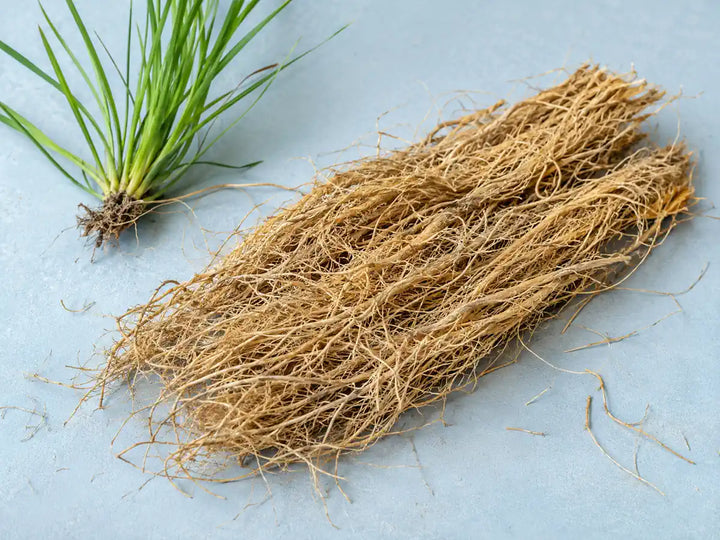
Vetiver in perfume usually smells earthy, woody and dry, with smoky, green, grassy or slightly bitter sides. Some vetiver notes feel dark, rooty and rugged, while others are...
Explore VetiverThese fragrances use Smoke in the lasting foundation of the scent.

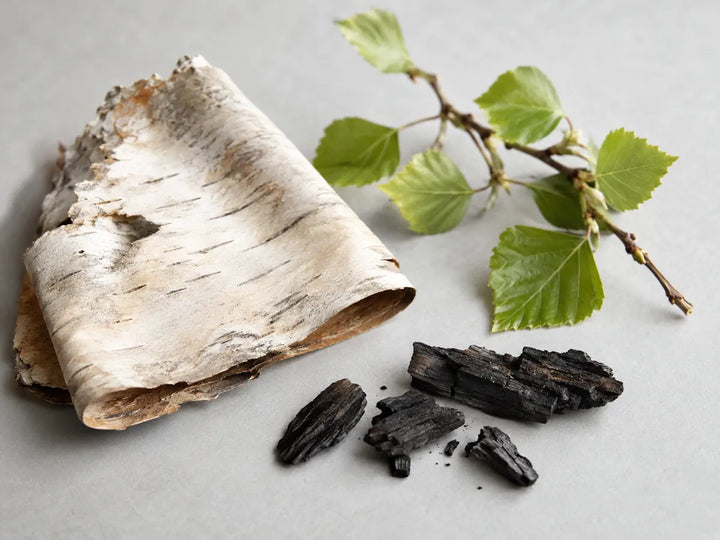
Birch in perfume usually smells smoky, dry and leathery, with tarry, burnt, woody and slightly medicinal sides. The familiar perfume note normally refers to a birch-tar effect rather...
Explore Birch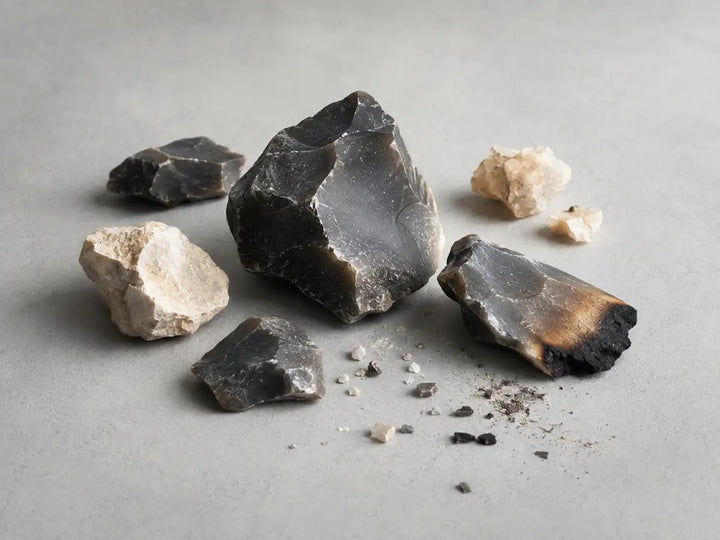
Flint in perfume usually smells dry, mineral and smoky, with metallic, stony and slightly earthy sides. It does not come from extracting scent from pieces of flint. It...
Explore Flint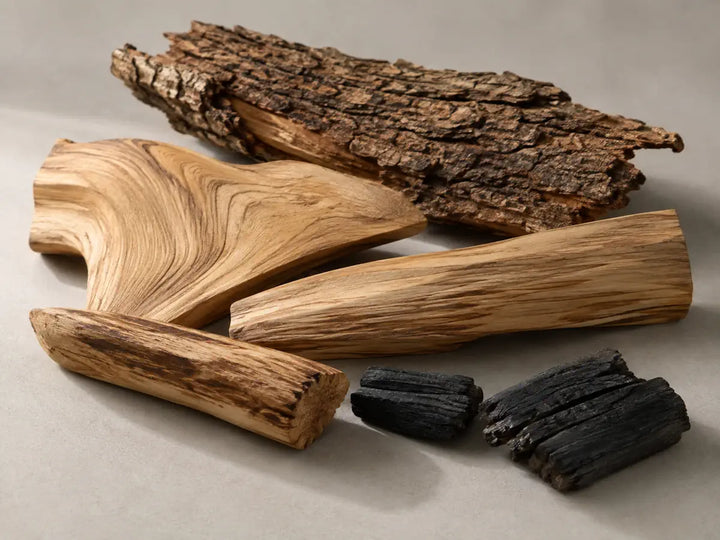
Guaiac wood in perfume usually smells smoky, warm and woody, with balsamic, rosy, tea-like and softly creamy sides. Its smoke is generally smoother and less tarry than birch....
Explore Guaiac Wood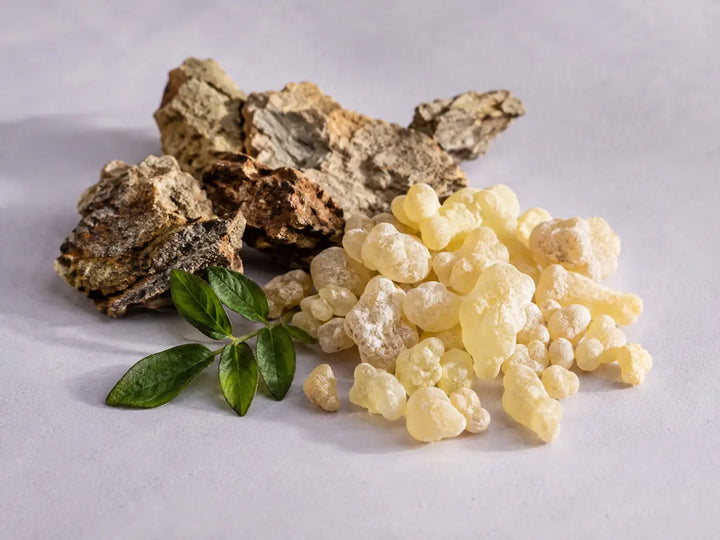
Incense in perfume usually smells resinous, smoky and woody, with warm amber, dry spice and sometimes fresh citrus or mineral sides. It does not always smell like thick...
Explore Incense
Leather in perfume usually smells dry, warm and slightly smoky, with woody, animalic, tarry or soft suede like sides. It does not normally come from untreated animal hide...
Explore Leather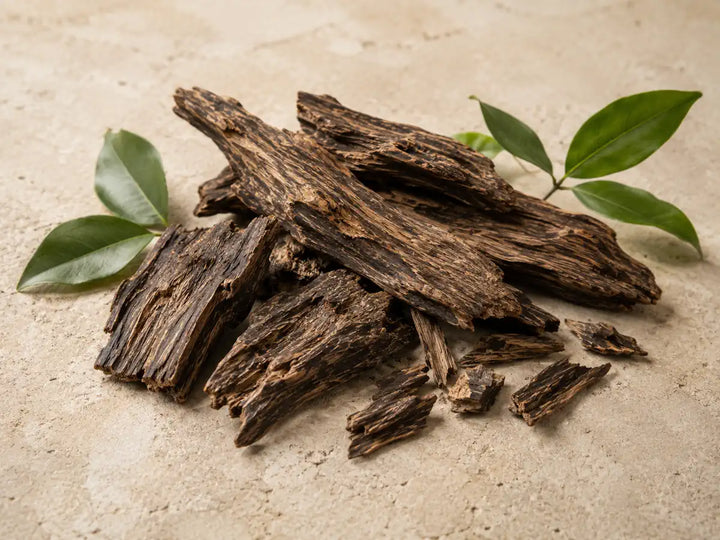
Oud in perfume usually smells dark, woody and resinous, with smoky, leathery, sweet or animalic sides. Some oud notes feel dry and medicinal, while others are smooth, warm...
Explore Oud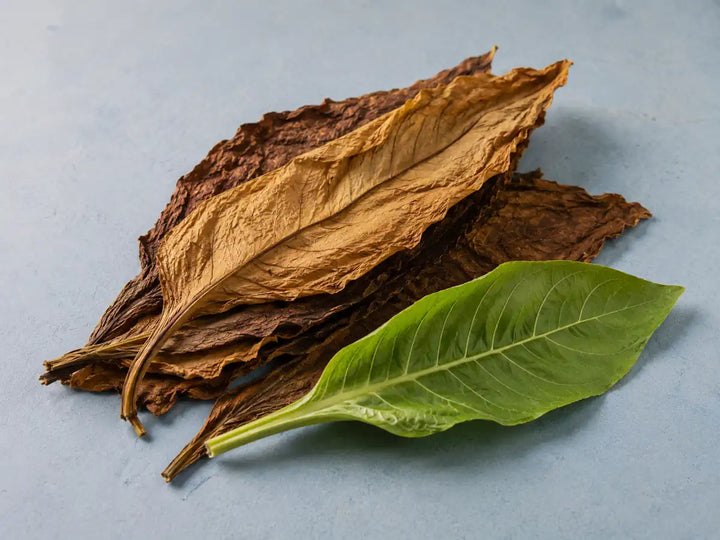
Tobacco in perfume usually smells warm, dry and slightly sweet, with honeyed, hay like, earthy, woody or smoky sides. It normally represents cured tobacco leaves rather than the...
Explore Tobacco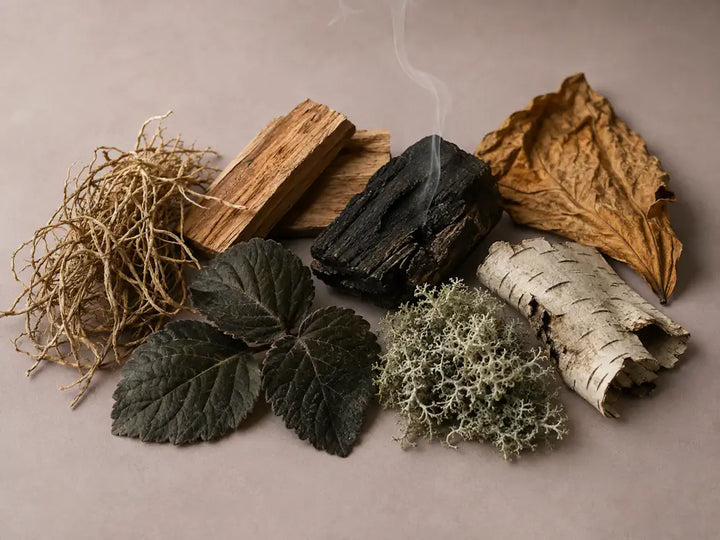
Woody & Smoky fragrances usually smell dry, earthy or woody, often with touches of smoke, leather or tobacco. Cedarwood can give a clear, dry structure, while vetiver and...
Explore Woody & Smoky
Discover why smoky fragrances feel warm, cozy, and addictive, how smoke works with vanilla, woods, amber, and tobacco, and why smoky perfumes became so popular in modern niche...
Read guide