
Fragrance note
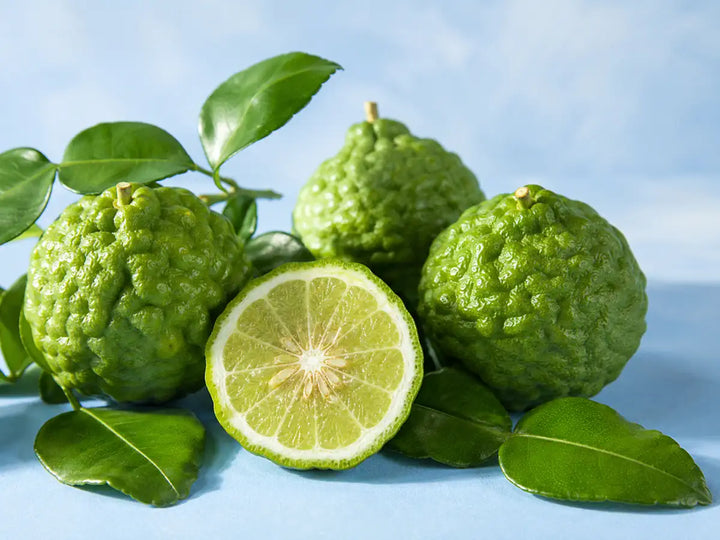
Bergamot
Bergamot in perfume smells fresh, bright and citrusy, with a soft floral character and a slightly bitter green edge. It is less sharp than lemon and often feels...
Explore BergamotCart
Your cart is empty
Fragrance note guide
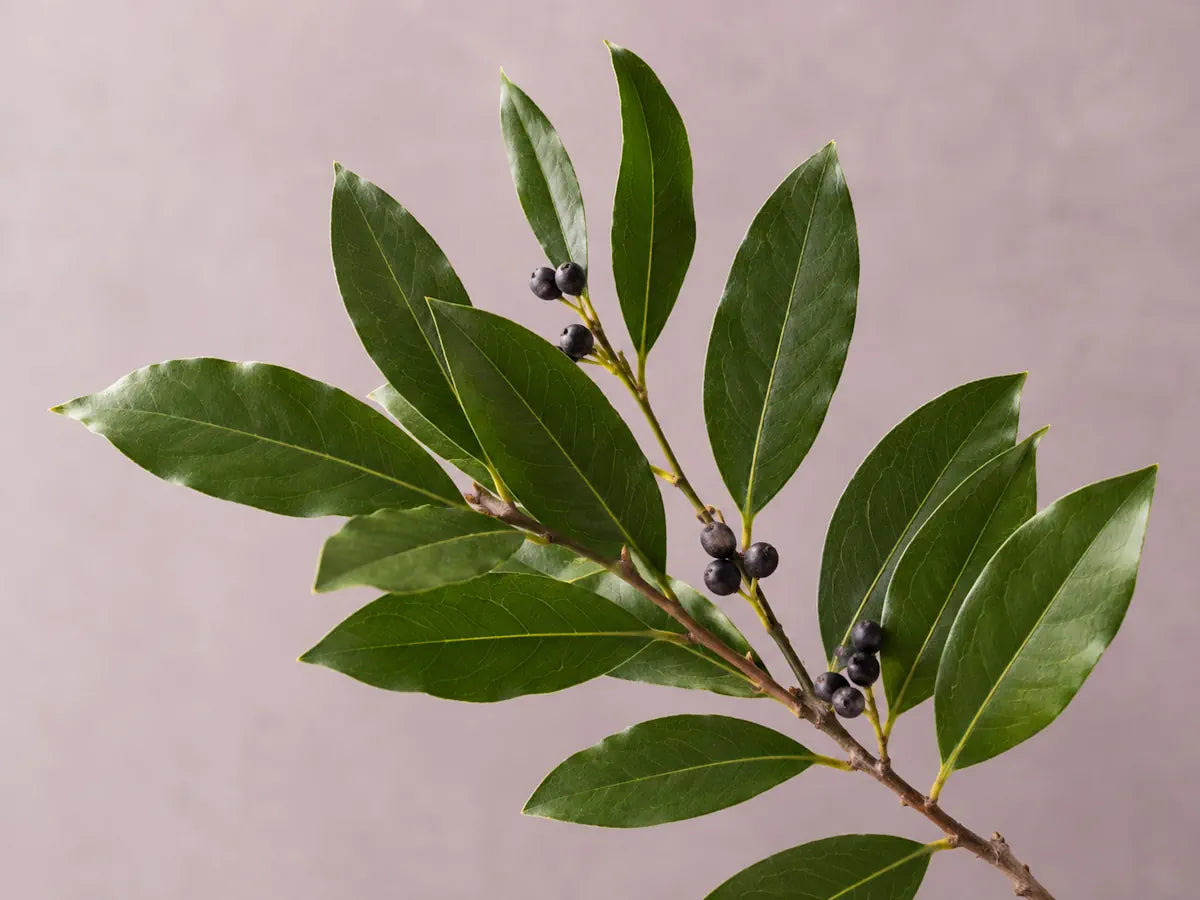
Bay leaf in perfume usually smells green, herbal and spicy, with eucalyptus-like, woody and slightly medicinal sides. It is drier and more aromatic than many soft leafy notes. Some bay materials feel fresh and camphoraceous, while others reveal warmer spice and clove-like nuances. Bay leaf is normally used near the top.
Bergamot in perfume smells fresh, bright and citrusy, with a soft floral character and a slightly bitter green edge. It is less sharp than lemon and often feels...
Explore Bergamot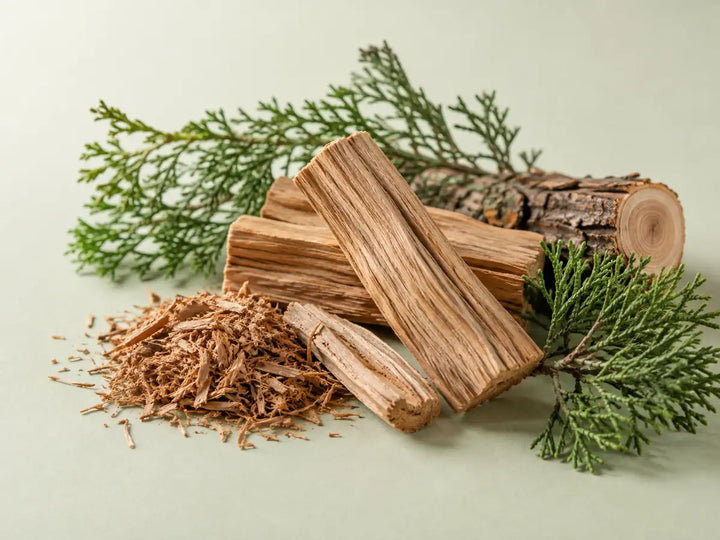
Cedarwood in perfume usually smells dry, warm and woody, with resinous, slightly smoky or pencil like sides. Some cedarwood notes feel smooth and creamy, while others are sharper...
Explore Cedarwood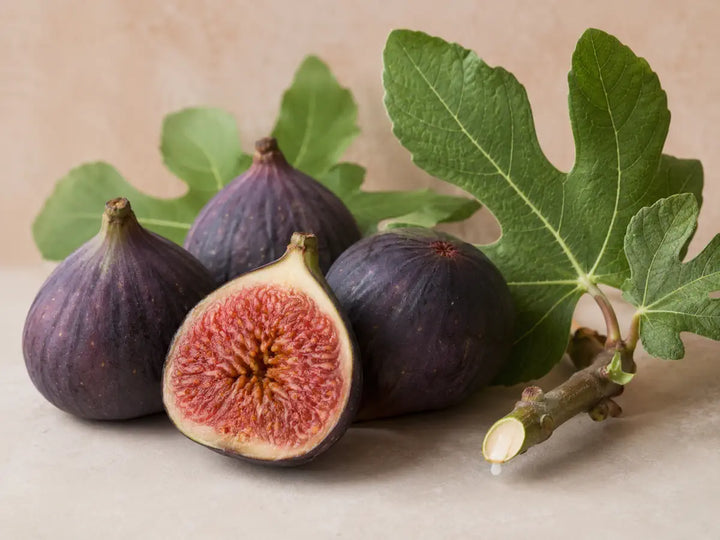
Fig in perfume usually smells green, milky and softly sweet, with fruity, leafy, creamy and woody sides. A fig note can represent the ripe fruit, the broad green...
Explore Fig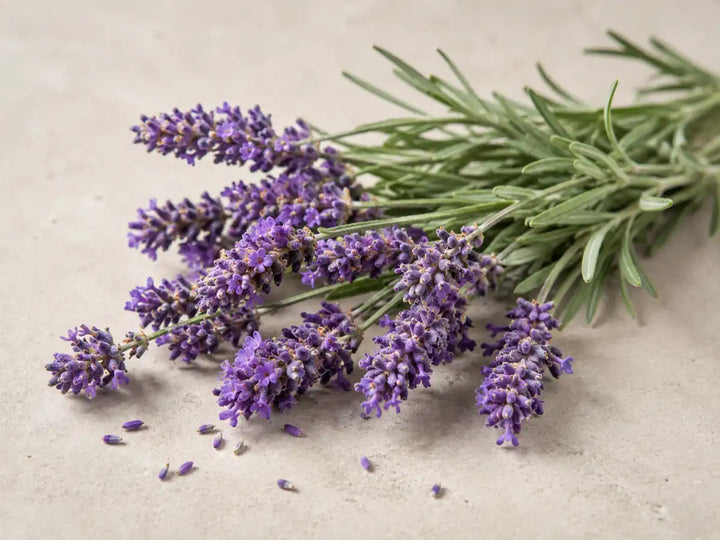
Lavender in perfume usually smells fresh, aromatic and softly floral, with herbal, clean, slightly sweet and sometimes powdery sides. Some lavender notes feel light, airy and calming, while...
Explore Lavender
Leather in perfume usually smells dry, warm and slightly smoky, with woody, animalic, tarry or soft suede like sides. It does not normally come from untreated animal hide...
Explore Leather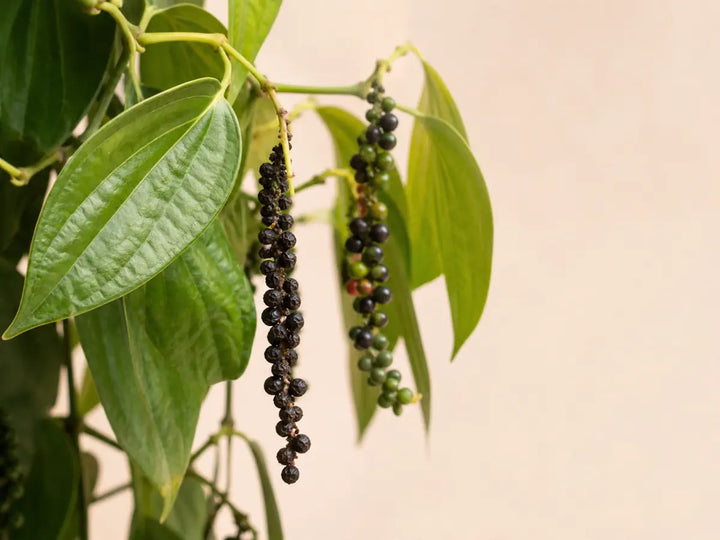
Pepper in perfume usually smells dry, fresh and spicy, with aromatic, citrus-like and woody sides. It can create a lively tingling sensation without necessarily smelling hot like food....
Explore Pepper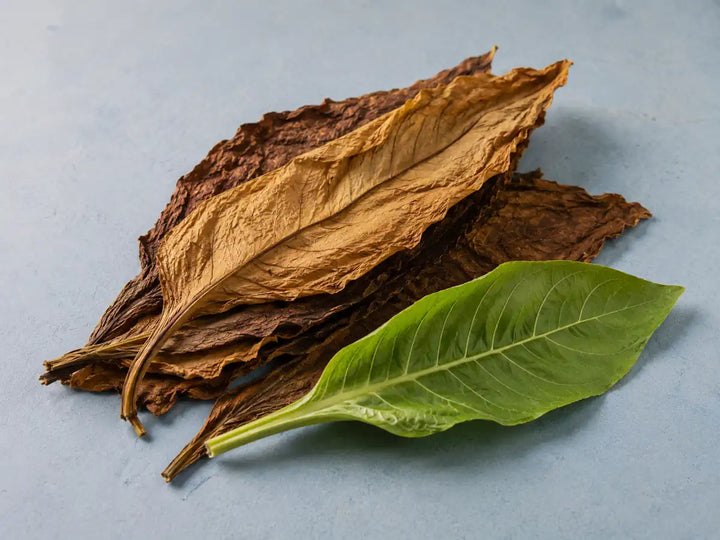
Tobacco in perfume usually smells warm, dry and slightly sweet, with honeyed, hay like, earthy, woody or smoky sides. It normally represents cured tobacco leaves rather than the...
Explore TobaccoThese fragrances introduce Bay Leaf near the opening of the scent.

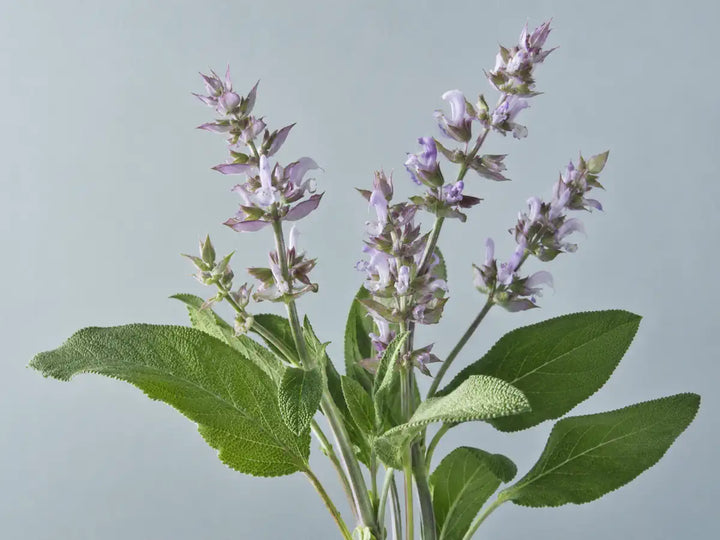
Clary sage in perfume usually smells herbal, aromatic and floral, with lavender-like, hay, tea, amber and softly tobacco-like sides. It is smoother and warmer than ordinary culinary sage....
Explore Clary Sage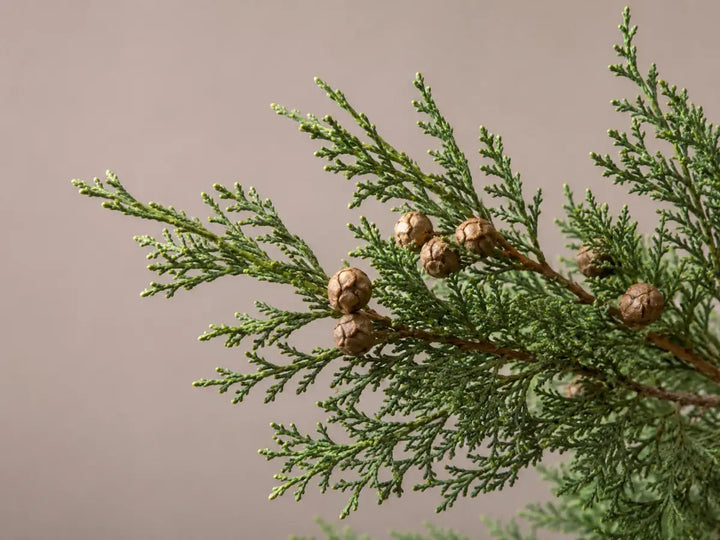
Cypress leaf in perfume usually smells green, aromatic and woody, with pine-like, peppery and resinous sides. It feels drier and more structured than a soft leafy note. Some...
Explore Cypress Leaf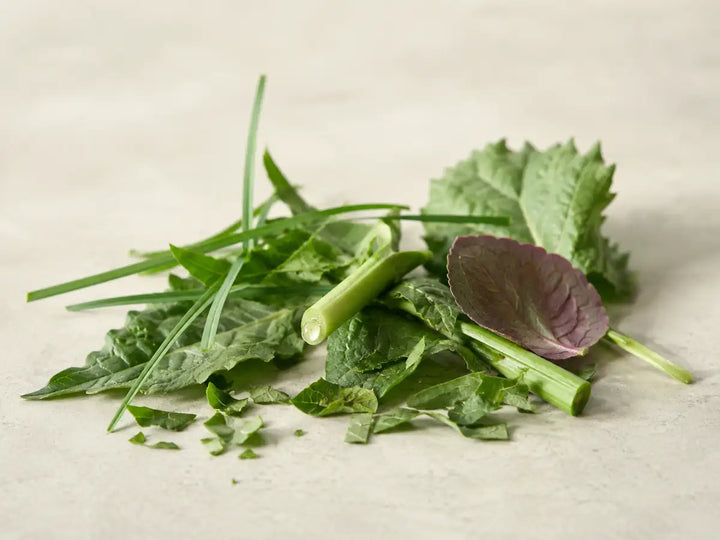
Green notes in perfume usually smell like crushed leaves, cut grass, snapped stems and fresh plant sap. They can be crisp, watery, bitter, herbal or slightly metallic. Green...
Explore Green Notes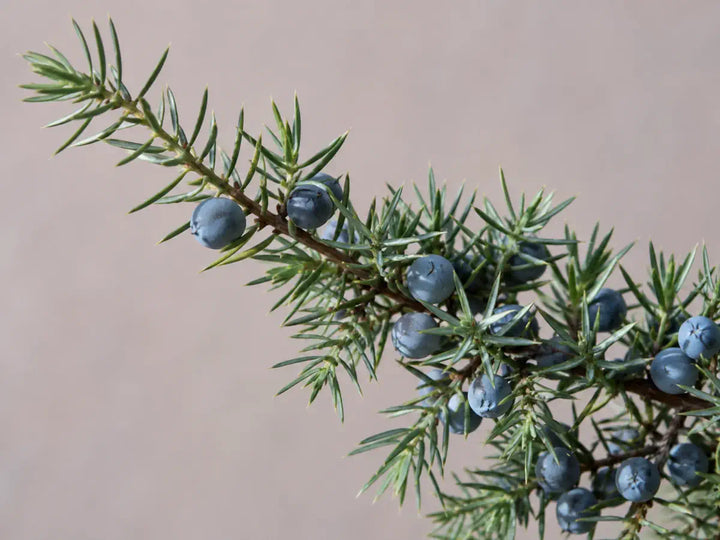
Juniper in perfume usually smells fresh, aromatic and coniferous, with gin-like, spicy, green and woody sides. It can feel crisp and sparkling near the start, before becoming drier...
Explore Juniper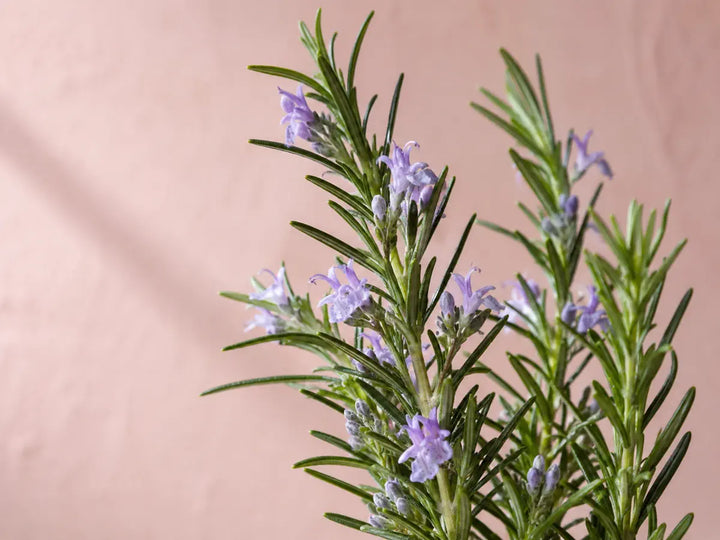
Rosemary in perfume usually smells fresh, herbal and aromatic, with camphoraceous, minty, pine-like and lightly woody sides. It has a clean and stimulating character that can feel cool,...
Explore Rosemary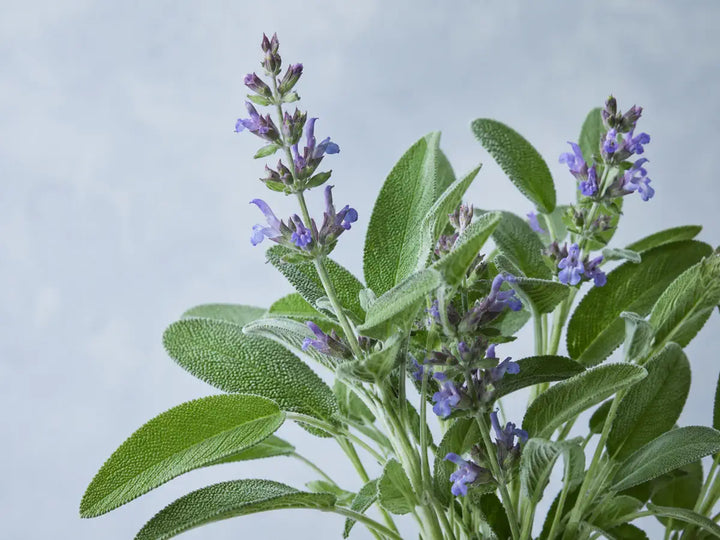
Sage in perfume usually smells dry, herbal and aromatic, with camphoraceous, eucalyptus-like, earthy and lightly woody sides. It is generally sharper and more medicinal than clary sage, which...
Explore Sage