
Fragrance note
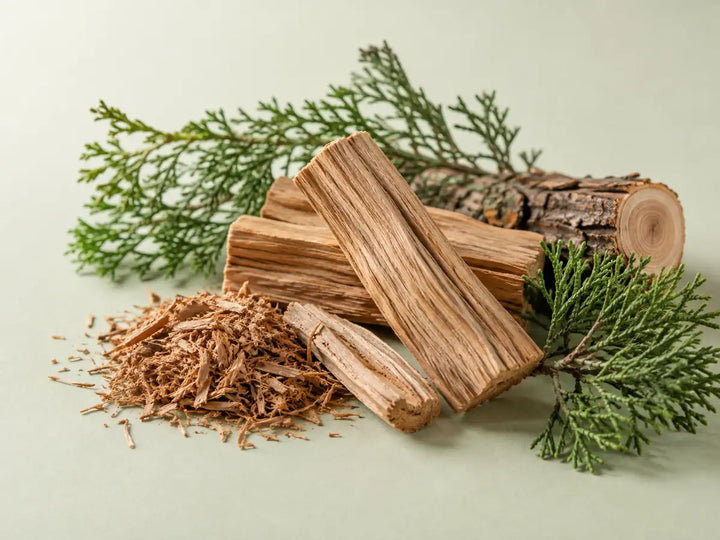
Cedarwood
Cedarwood in perfume usually smells dry, warm and woody, with resinous, slightly smoky or pencil like sides. Some cedarwood notes feel smooth and creamy, while others are sharper...
Explore CedarwoodCart
Your cart is empty
Fragrance note guide
Ambroxan in perfume usually smells dry, warm and ambery, with woody, musky, mineral and sometimes slightly salty sides. It can feel clean and smooth rather than sweet, even though it belongs to the wider ambery family. Ambroxan is a long-lasting fragrance molecule rather than a natural piece of ambergris. Perfumers mainly use it in the base to add warmth, diffusion and a scent that remains noticeable for a long time.
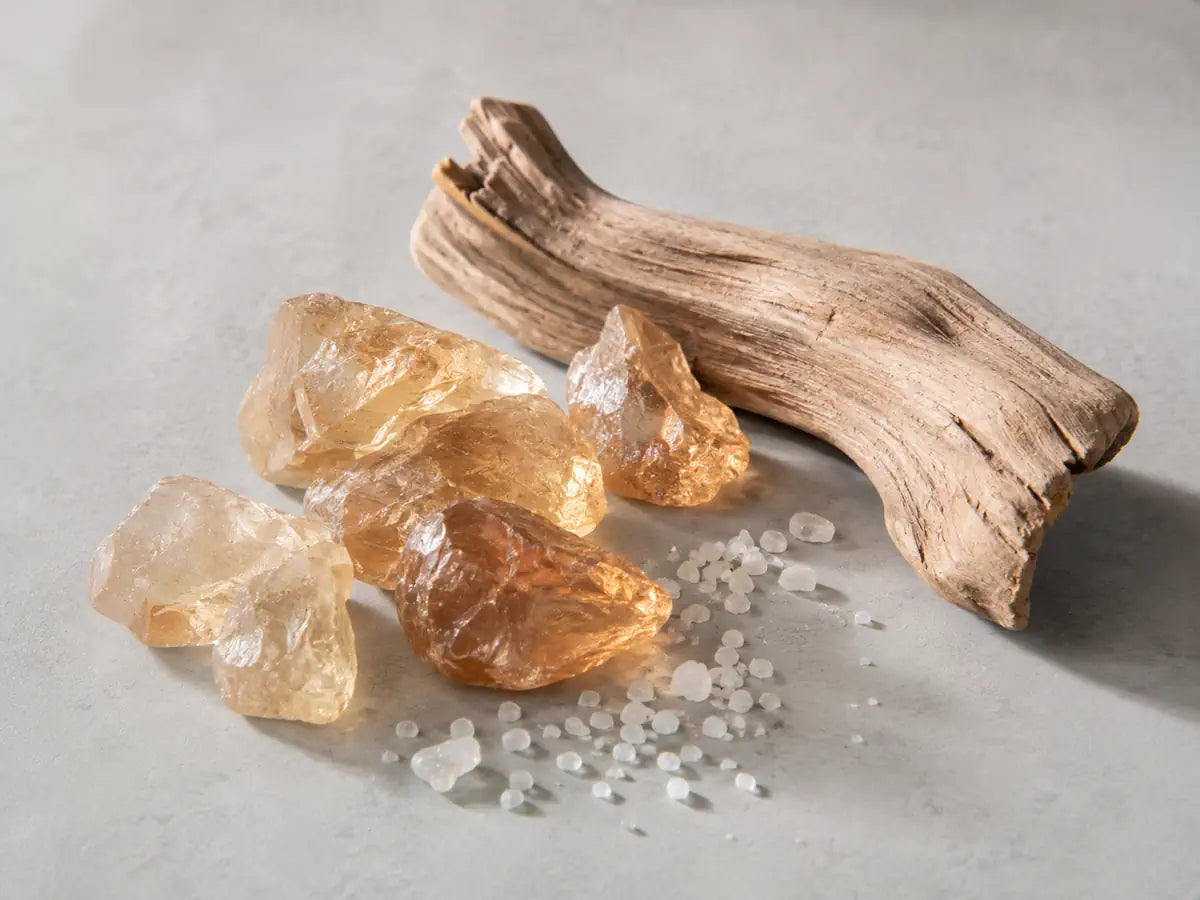
Cedarwood in perfume usually smells dry, warm and woody, with resinous, slightly smoky or pencil like sides. Some cedarwood notes feel smooth and creamy, while others are sharper...
Explore Cedarwood
Citrus in perfume usually smells bright, fresh and zesty, with juicy, bitter, green and peel-like sides. The term does not describe one fruit because lemon, bergamot, orange, mandarin,...
Explore Citrus
Leather in perfume usually smells dry, warm and slightly smoky, with woody, animalic, tarry or soft suede like sides. It does not normally come from untreated animal hide...
Explore Leather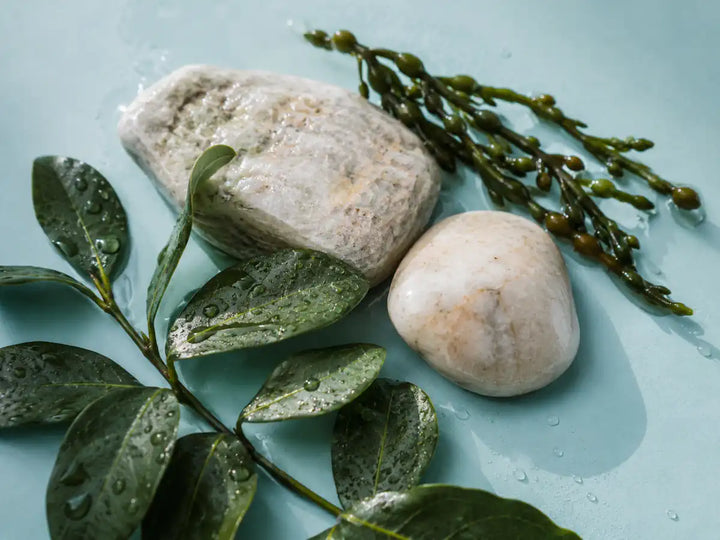
Marine notes in perfume usually smell fresh, watery and airy, with salty, ozonic, mineral and sea-breeze sides. They are constructed accords rather than liquid extracted directly from seawater....
Explore Marine Notes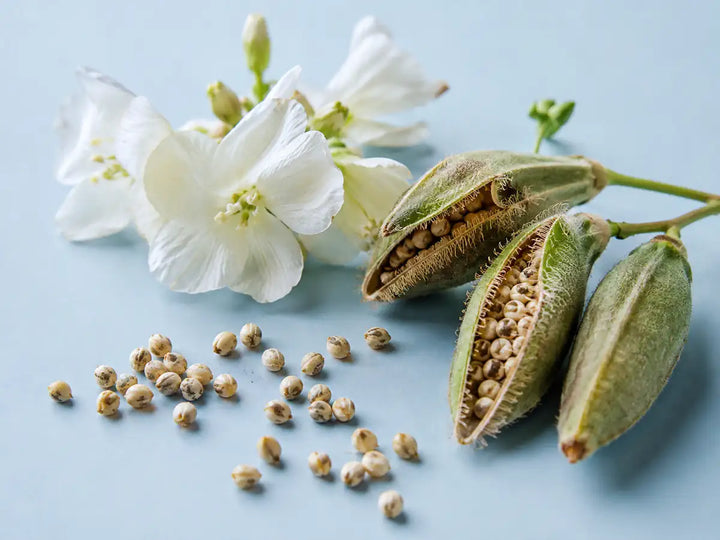
Musk in perfume can smell soft, warm, clean and slightly powdery, often with a smooth quality that is compared with fresh skin or clean fabric. Some musk notes...
Explore Musk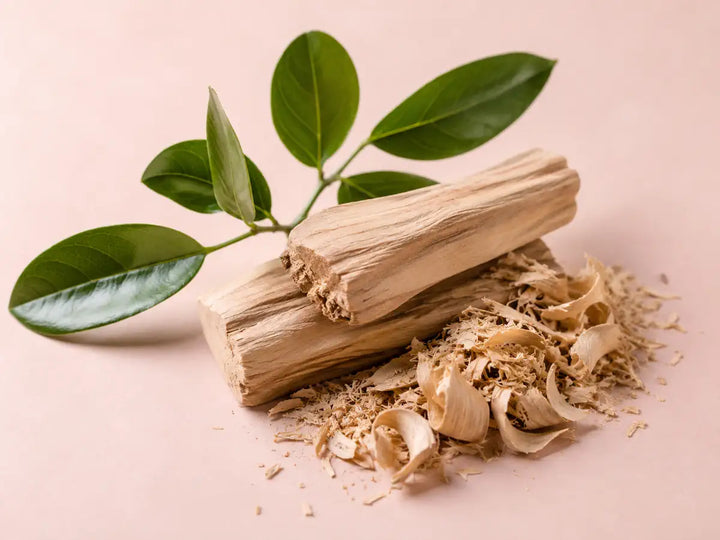
Sandalwood in perfume usually smells warm, creamy and softly woody. It can also have milky, balsamic, powdery or lightly spicy sides. Unlike sharper woods, sandalwood often feels smooth...
Explore Sandalwood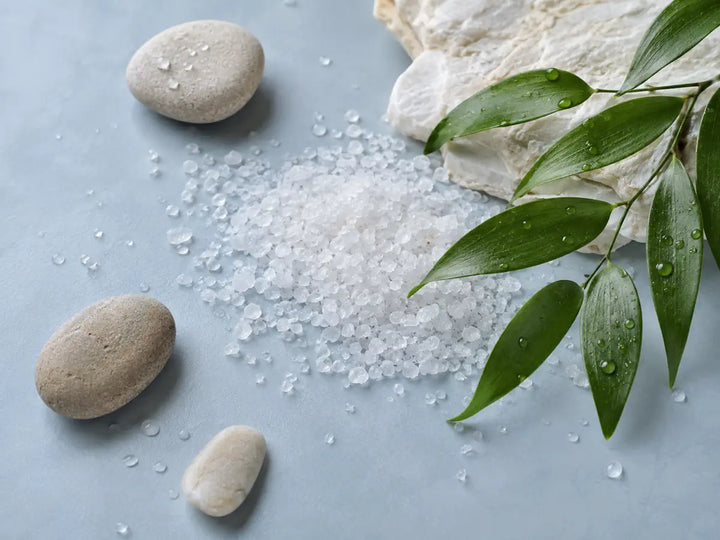
Sea salt in perfume usually smells mineral, airy and marine, with clean, salty, watery and sun-warmed skin sides. Salt crystals themselves do not provide the full smell associated...
Explore Sea Salt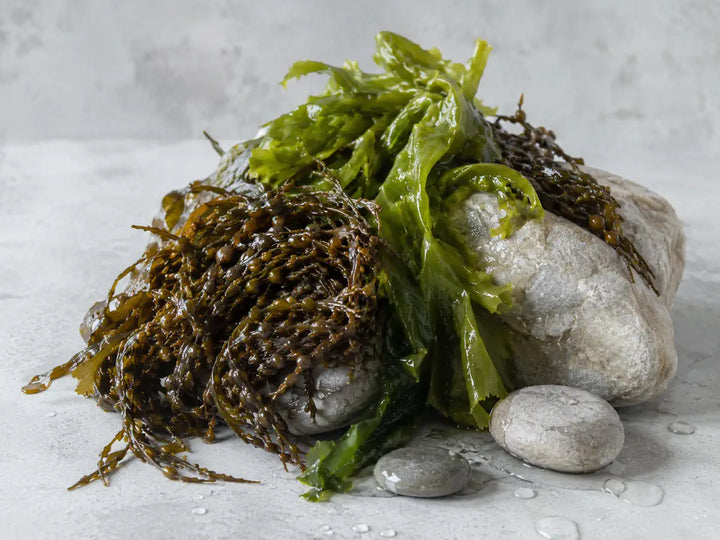
Seaweed in perfume usually smells salty, green and marine, with iodine-like, mineral, earthy and slightly animalic sides. It is darker and more organic than a clean watery marine...
Explore Seaweed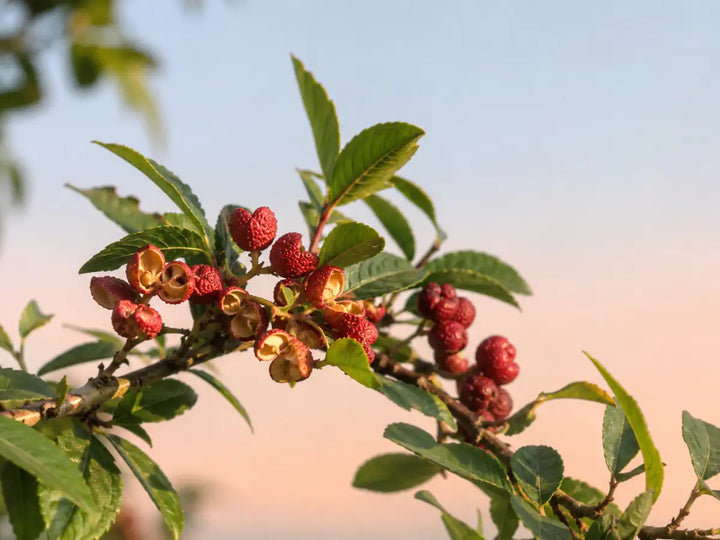
Sichuan pepper in perfume usually smells citrusy, spicy and fresh, with metallic, floral, green and tingling sides. It is not closely related to black pepper and has a...
Explore Sichuan Pepper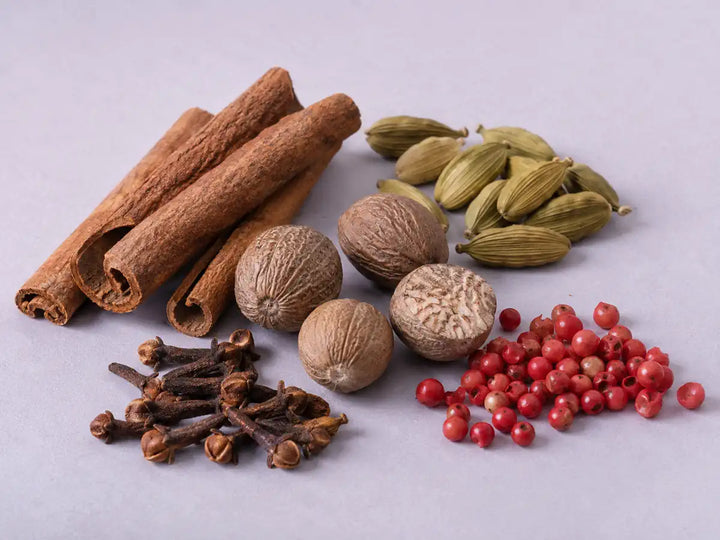
Spices in perfume can smell warm, dry, sweet, peppery, fresh or aromatic. The term does not describe one ingredient because cinnamon, cardamom, clove, nutmeg and pepper all smell...
Explore Spices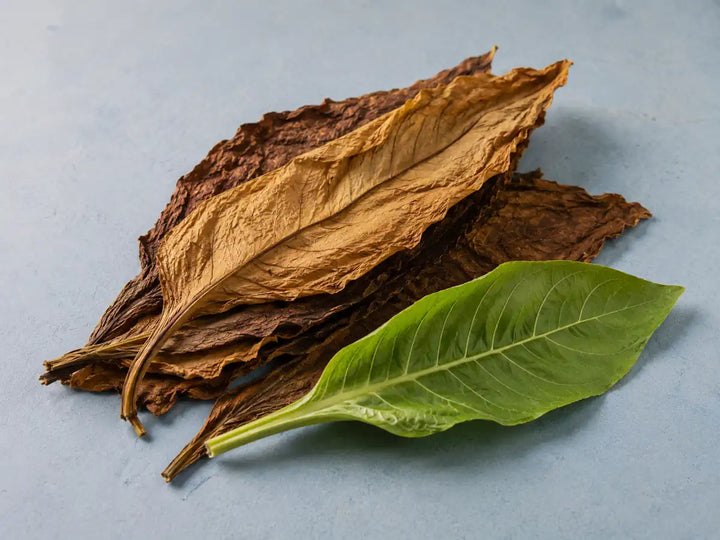
Tobacco in perfume usually smells warm, dry and slightly sweet, with honeyed, hay like, earthy, woody or smoky sides. It normally represents cured tobacco leaves rather than the...
Explore TobaccoThese fragrances reveal Ambroxan through the central body of the scent.

These fragrances use Ambroxan in the lasting foundation of the scent.


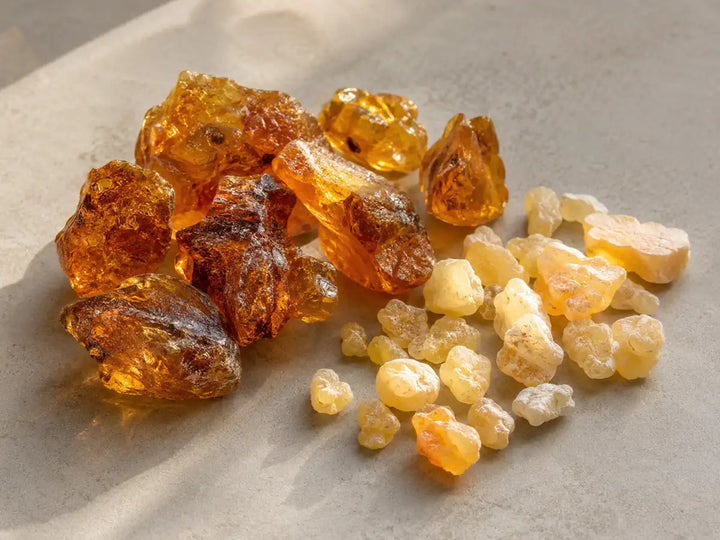
Amber in perfume usually smells warm, sweet and resinous, with soft vanilla, balsamic, powdery or slightly smoky sides. It is not normally taken from fossilised amber. In perfumery,...
Explore Amber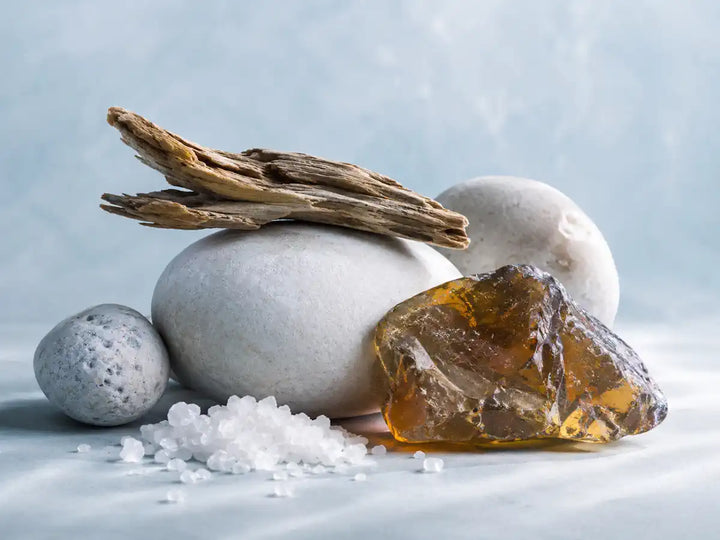
Ambergris in perfume usually smells warm, mineral and ambery, with marine, musky, woody and sometimes tobacco-like sides. Modern ambergris accords can feel clean and velvety or dry, salty...
Explore Ambergris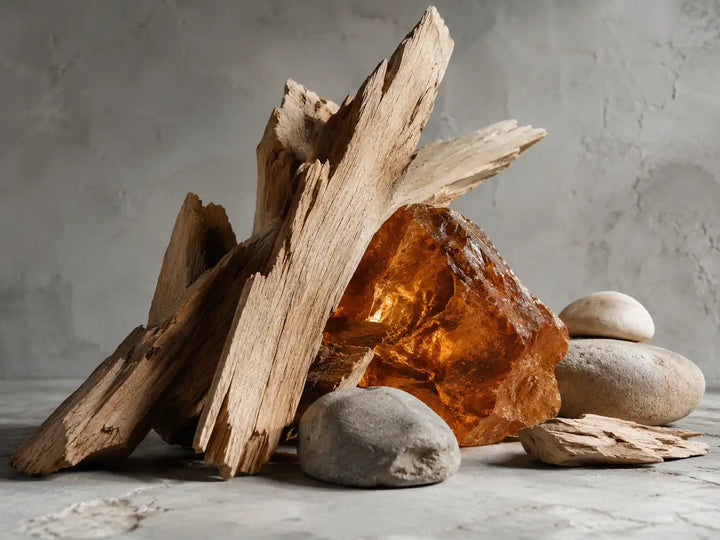
Amberwood in perfume usually smells dry, warm and strongly woody, with ambery, cedar-like, mineral and sometimes musky sides. It is generally sharper and drier than a sweet traditional...
Explore Amberwood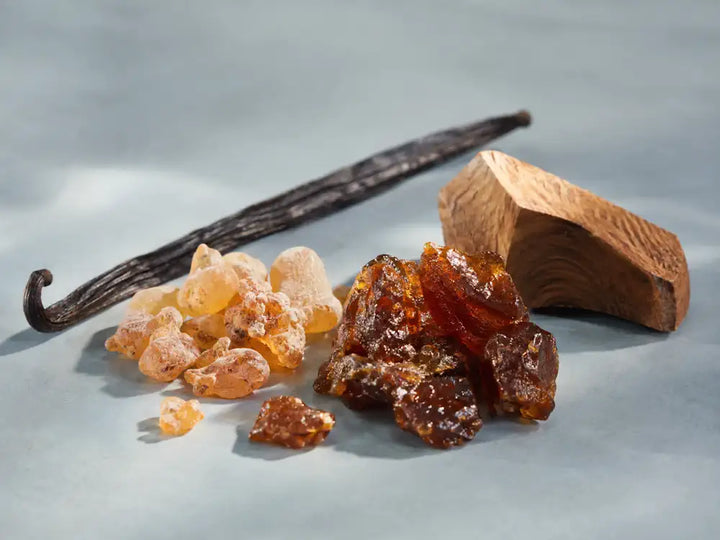
An amber accord usually smells warm, rich and softly sweet, with a smooth depth that can feel resinous, balsamic or slightly powdery. Some amber accords are soft and...
Explore Amber