
Fragrance note
Jasmine
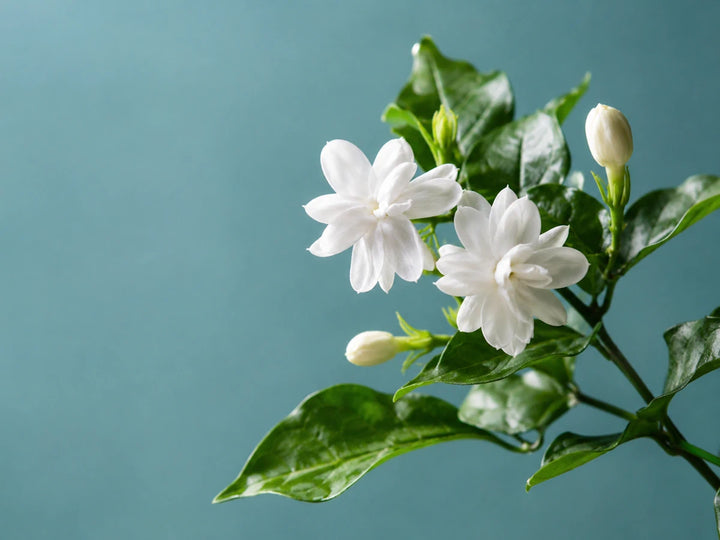
Jasmine in perfume usually smells rich, sweet and floral. It can also seem creamy, green, fruity or slightly spicy, depending on the type of jasmine and the other...
Explore JasmineCart
Your cart is empty
Fragrance accord guide
A floral accord can smell fresh, green, airy, powdery, creamy, sweet or intensely rich depending on the flowers and materials used. Rose may add a fresh, fruity or gently spicy quality, jasmine can bring richness and warmth, iris can feel powdery or soft, and tuberose can give a fuller white-floral effect. Peony and freesia tend to create a lighter impression, while orange blossom can move between fresh, sweet and richer floral qualities. The balance between them determines the final character.
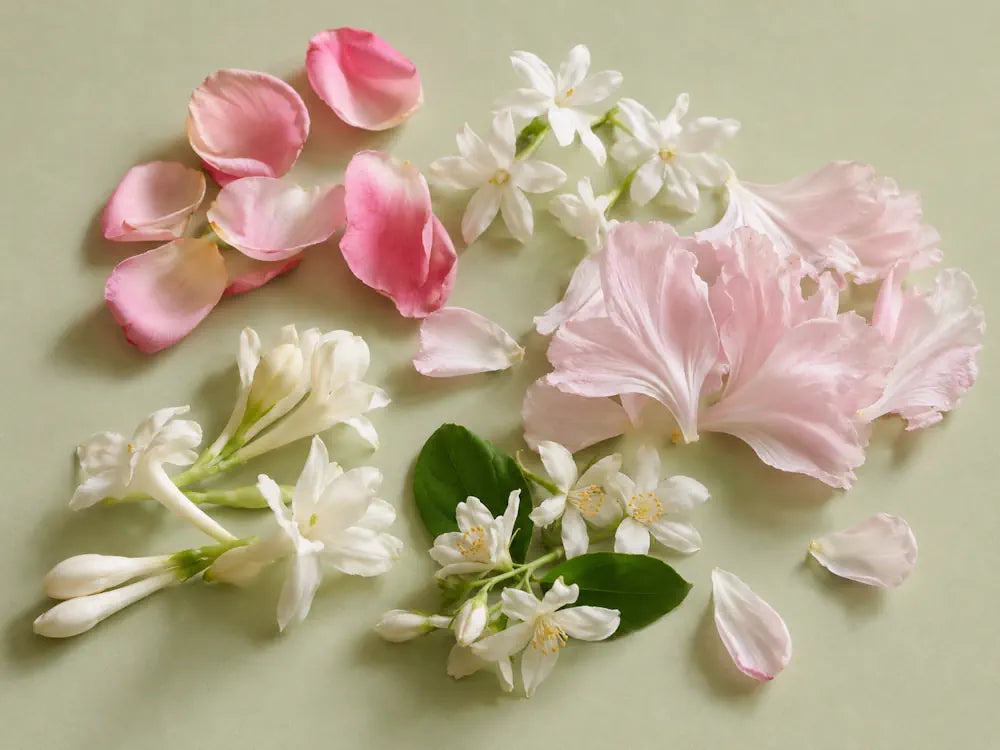
Jasmine in perfume usually smells rich, sweet and floral. It can also seem creamy, green, fruity or slightly spicy, depending on the type of jasmine and the other...
Explore Jasmine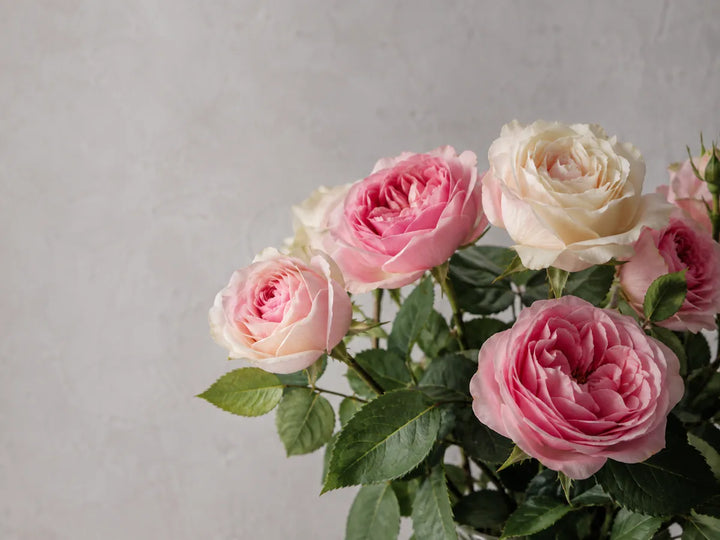
Rose in perfume usually smells floral, fresh and softly sweet, but it can also have green, fruity, honeyed or spicy sides. Some rose notes feel light and dewy,...
Explore Rose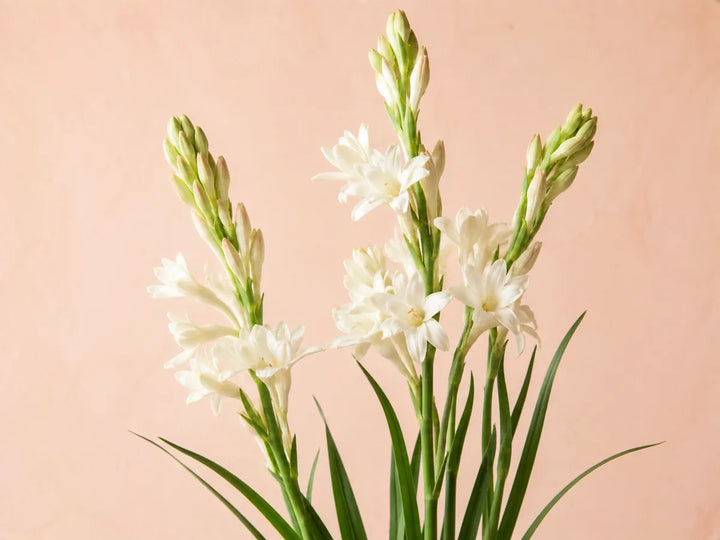
Tuberose in perfume usually smells rich, creamy and strongly floral, with sweet, warm, green and sometimes coconut-like sides. It is much fuller and heavier than delicate flowers such...
Explore Tuberose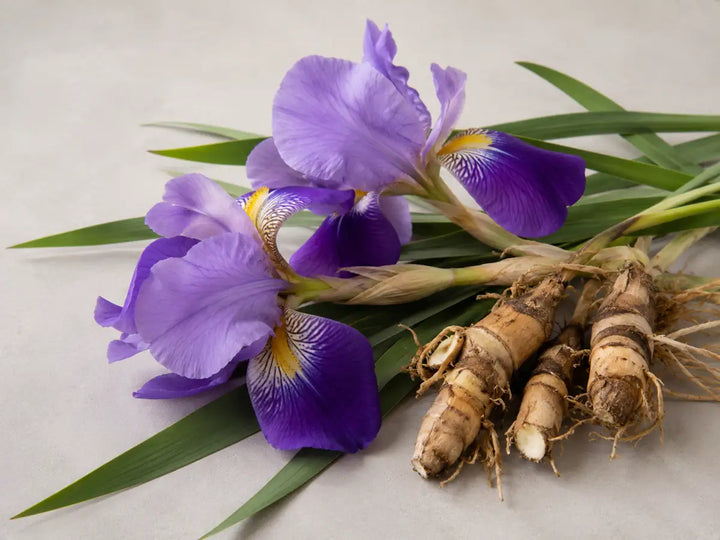
Iris in perfume usually smells powdery, soft and floral, with woody, earthy, violet-like and sometimes buttery sides. The perfume material does not normally come from the fresh iris...
Explore Iris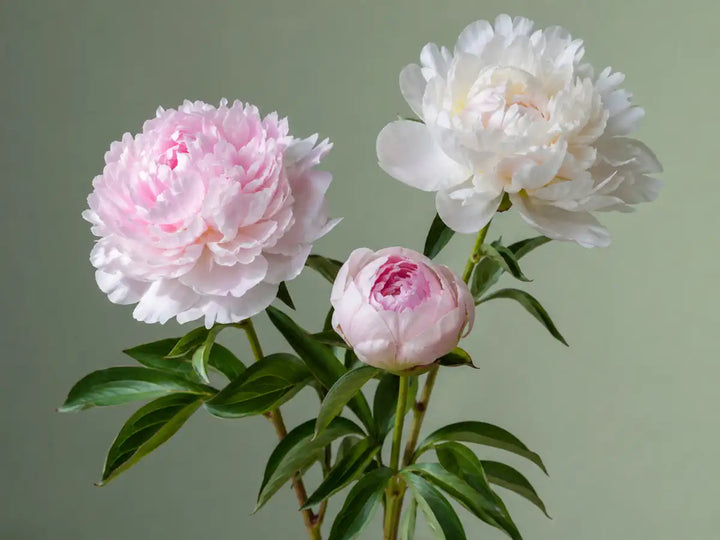
Peony in perfume usually smells fresh, airy and softly rosy, with green, watery and lightly fruity sides. It is normally cleaner and more transparent than a rich rose...
Explore Peony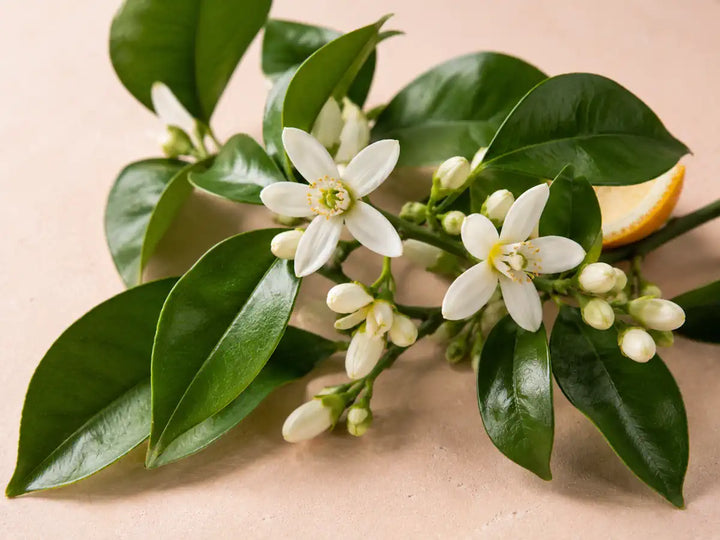
Orange blossom in perfume usually smells rich, white floral and softly sweet, with citrusy, honeyed, green and slightly creamy sides. It can feel bright and fresh in one...
Explore Orange Blossom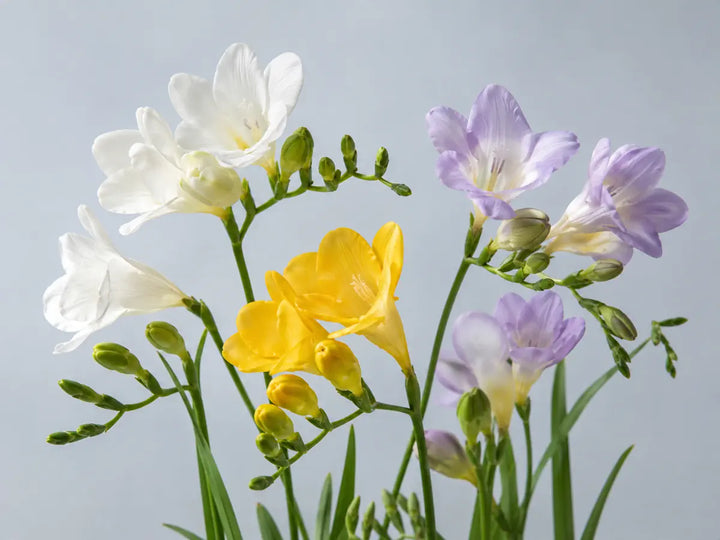
Freesia in perfume usually smells fresh, airy and softly floral, with green, citrusy and slightly peppery sides. It is lighter and more transparent than rich white flowers such...
Explore Freesia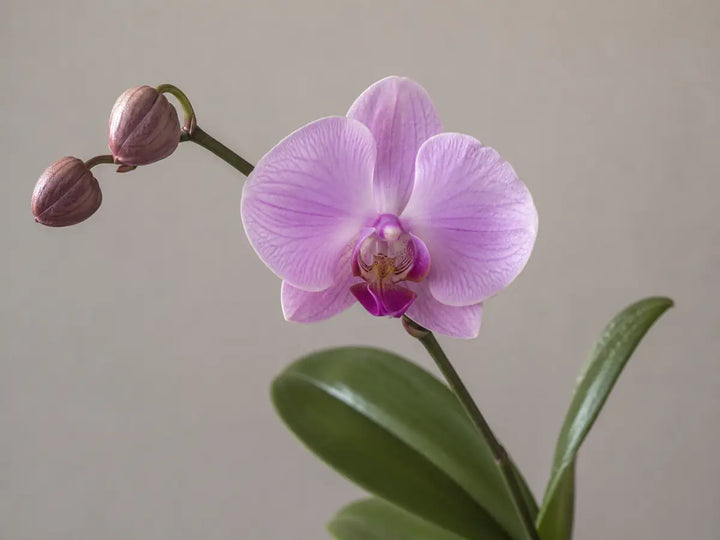
Orchid in perfume usually smells creamy, floral and softly sweet, although there is no single natural orchid smell. Different orchid species can smell fruity, spicy, green, powdery, vanilla-like...
Explore Orchid


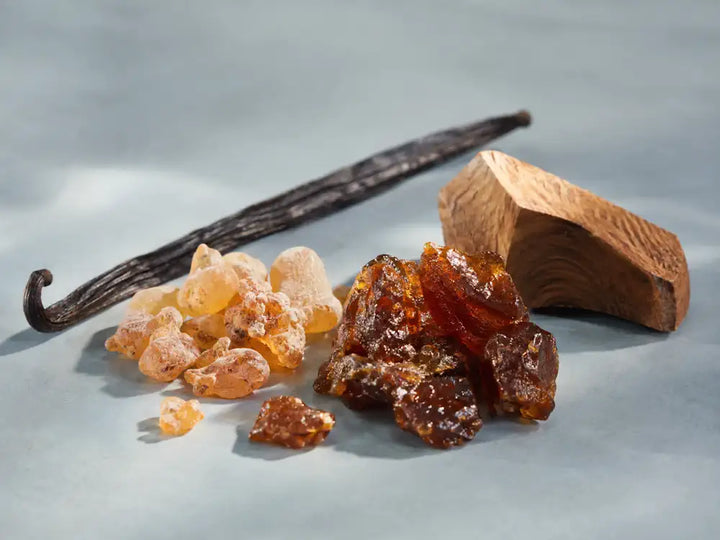
An amber accord usually smells warm, rich and softly sweet, with a smooth depth that can feel resinous, balsamic or slightly powdery. Some amber accords are soft and...
Explore Amber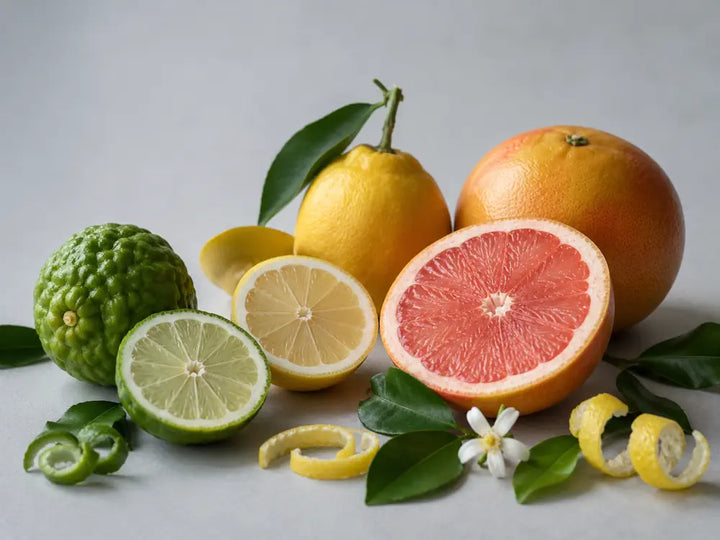
A citrus accord normally smells bright, fresh and zesty, but it can range from sharp and tart to soft and lightly sweet. Lemon and lime tend to bring...
Explore Citrus
A fresh accord usually smells bright, clean and light, but there is no single fresh smell. Citrus can make it zesty, mint can add a cooling quality, green...
Explore Fresh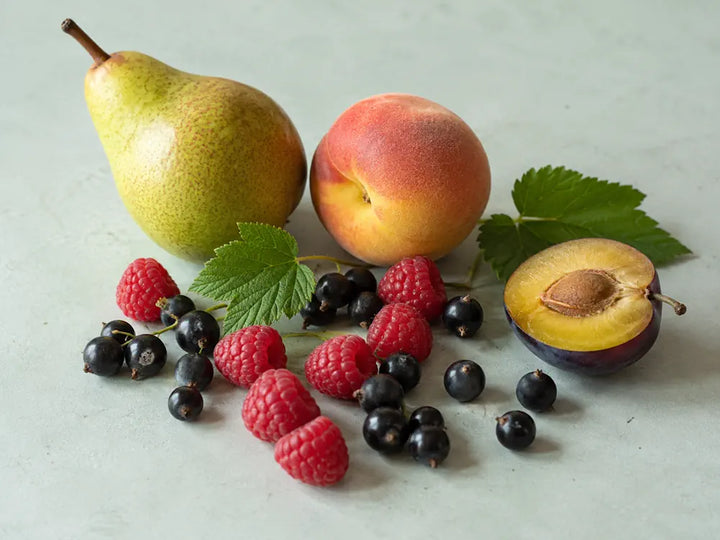
A fruity accord can smell crisp and fresh, juicy and sweet, tart and sharp, or deep and ripe. Apple and pear often give a cleaner, watery or crunchy...
Explore Fruity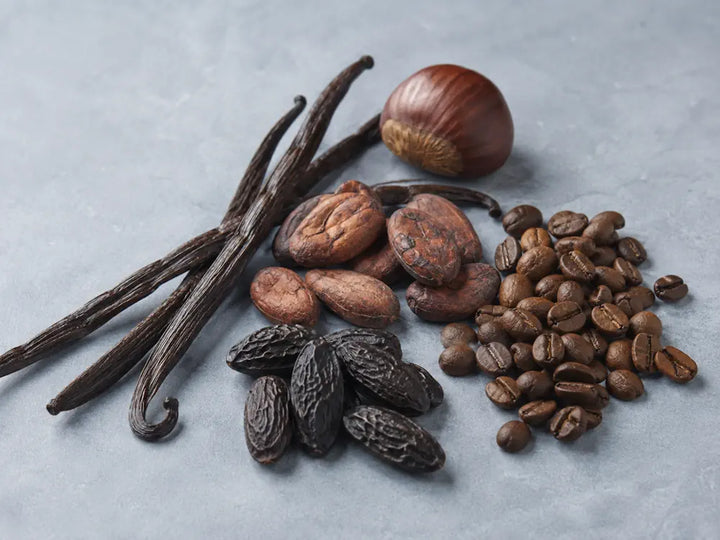
A gourmand accord usually smells edible or dessert-like, with qualities that may be sweet, creamy, nutty, roasted or warm. Vanilla and marshmallow can make it soft and comforting,...
Explore Gourmand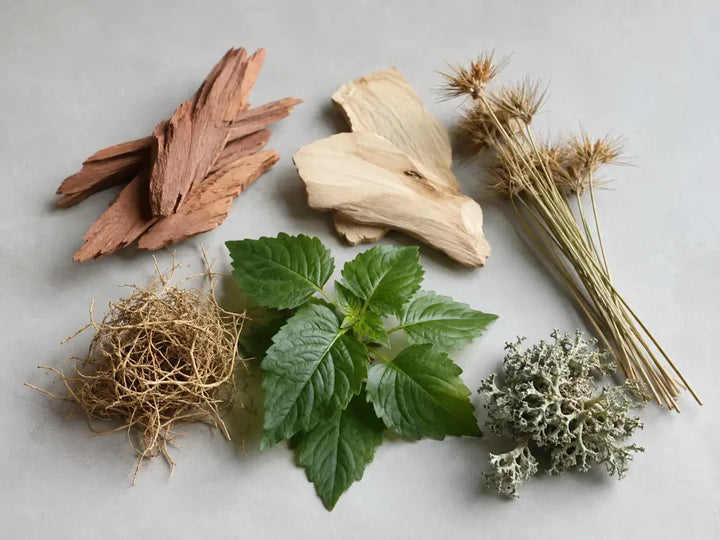
A woody accord can smell dry, smooth, creamy, earthy, smoky or resinous depending on the materials used. Cedarwood often gives a dry, structured quality, while sandalwood can feel...
Explore Woody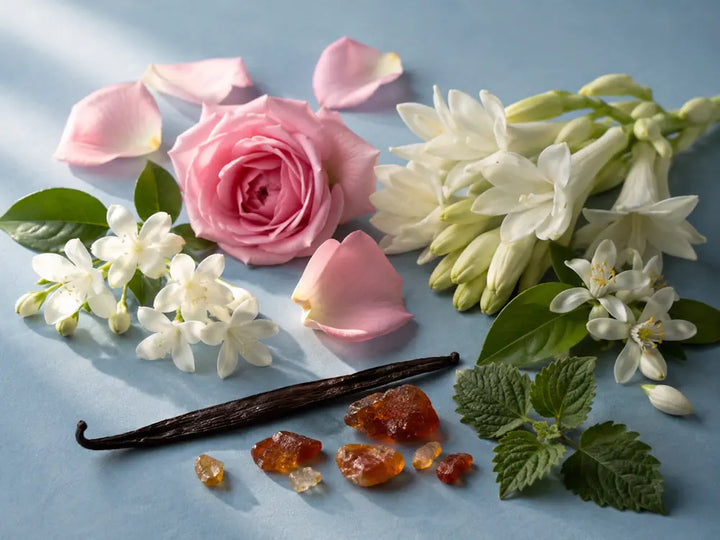
Floral & Warm fragrances typically smell floral first or have a clearly noticeable floral character, with a softer and deeper background that prevents the scent from feeling purely...
Explore Floral & Warm
Fresh & Bright fragrances generally smell crisp, open and energising rather than dense or heavy. Bergamot, lemon and grapefruit can provide sparkling citrus freshness, while mint and green...
Explore Fresh & Bright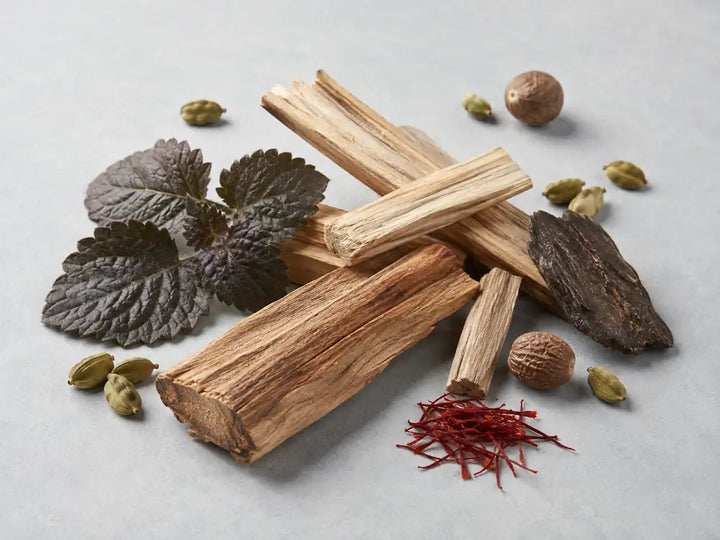
Spicy & Woody fragrances generally smell warm, dry and structured, with noticeable spice layered over woods or deeper earthy materials. Nutmeg can bring dry warmth, while cardamom often...
Explore Spicy & Woody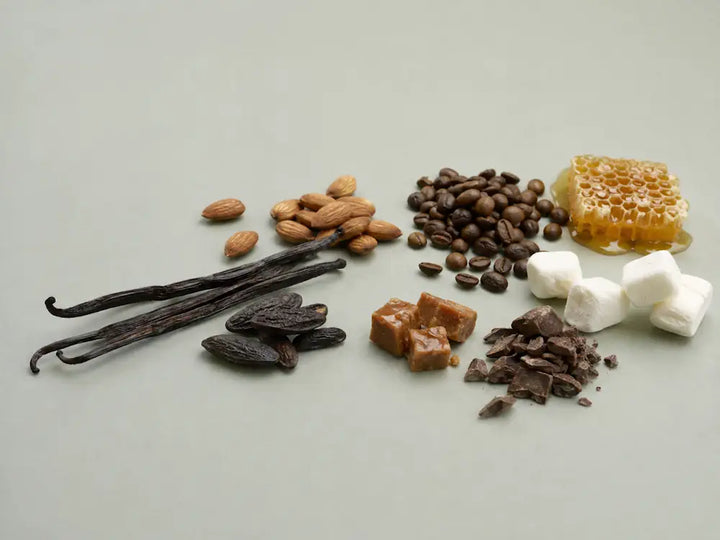
Sweet & Gourmand fragrances usually smell soft, sweet, creamy, edible or comforting, but they can range from light and smooth to dark and roasted. Vanilla and marshmallow can...
Explore Sweet & Gourmand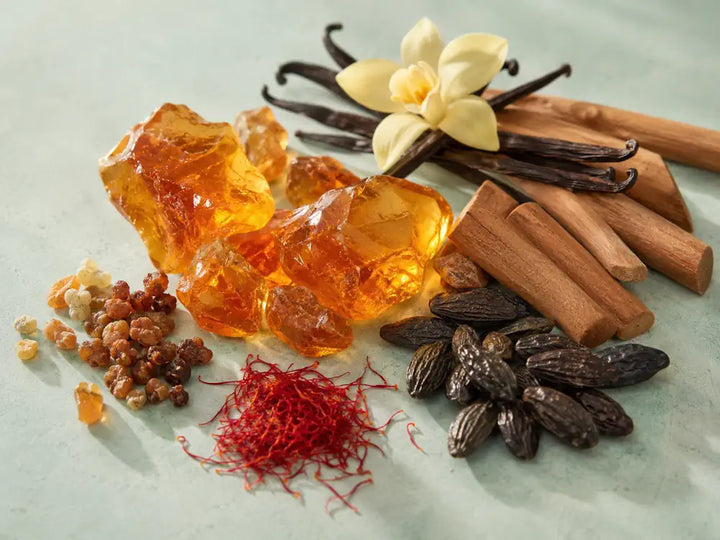
Warm & Ambery fragrances generally smell smooth, rich and enveloping. Vanilla and tonka bean can create softer sweetness, sandalwood adds a creamy woody quality, and resins such as...
Explore Warm & Ambery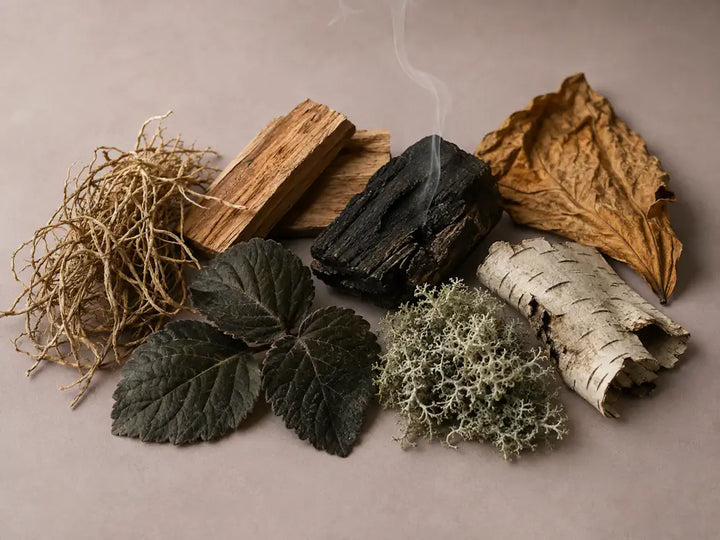
Woody & Smoky fragrances usually smell dry, earthy or woody, often with touches of smoke, leather or tobacco. Cedarwood can give a clear, dry structure, while vetiver and...
Explore Woody & Smoky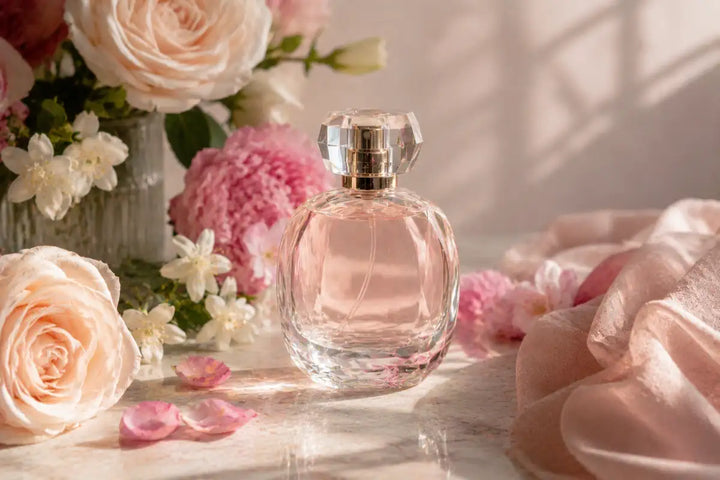
Discover why floral fragrances feel elegant and comforting, how fruity and soft florals create romantic moods, and why floral perfumes remain timeless and wearable.
Read guide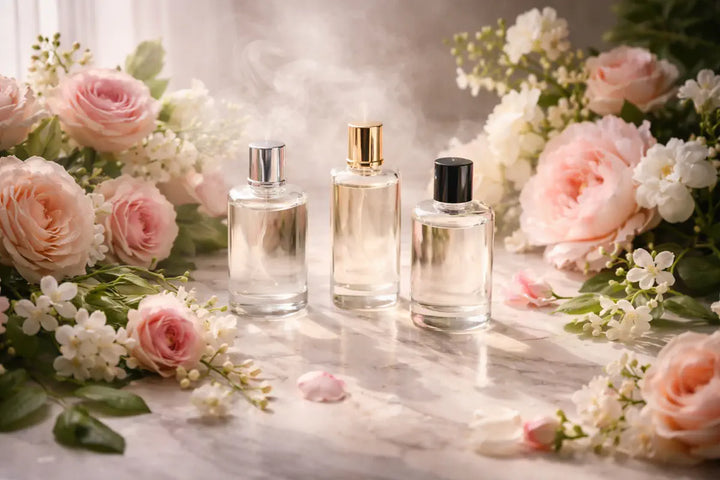
Explore why floral notes remain one of the most beloved elements in perfumery. Learn how flowers shape fragrance structure, influence projection and sillage, and appear in many inspired...
Read guide
Fresh, airy, softly floral and lightly woody fragrances often work best in offices, but application and projection matter too. Learn how to choose and wear perfume thoughtfully in...
Read guide