
Fragrance note
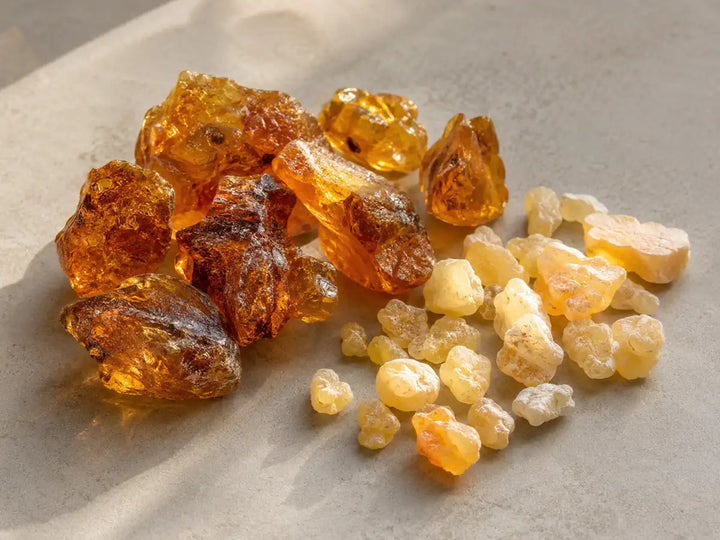
Amber
Amber in perfume usually smells warm, sweet and resinous, with soft vanilla, balsamic, powdery or slightly smoky sides. It is not normally taken from fossilised amber. In perfumery,...
Explore AmberCart
Your cart is empty
Fragrance note guide
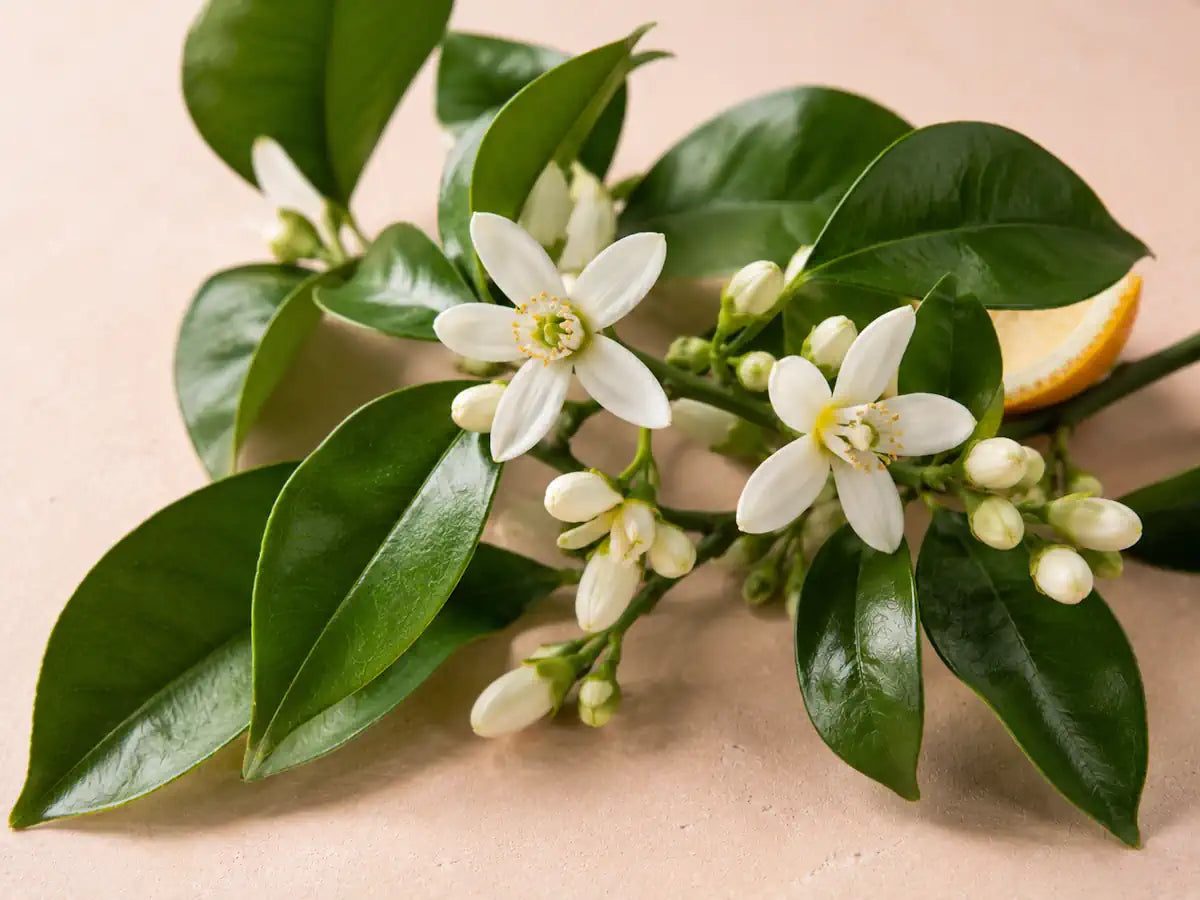
Orange blossom in perfume usually smells rich, white floral and softly sweet, with citrusy, honeyed, green and slightly creamy sides. It can feel bright and fresh in one composition but warmer, fuller and more sensual in another. The note comes from the fragrant white flowers of the bitter orange tree. Perfumers use orange blossom to connect citrus freshness with deeper floral warmth, making it suitable for light colognes, floral fragrances, amber scents and sweeter gourmand styles.
Amber in perfume usually smells warm, sweet and resinous, with soft vanilla, balsamic, powdery or slightly smoky sides. It is not normally taken from fossilised amber. In perfumery,...
Explore Amber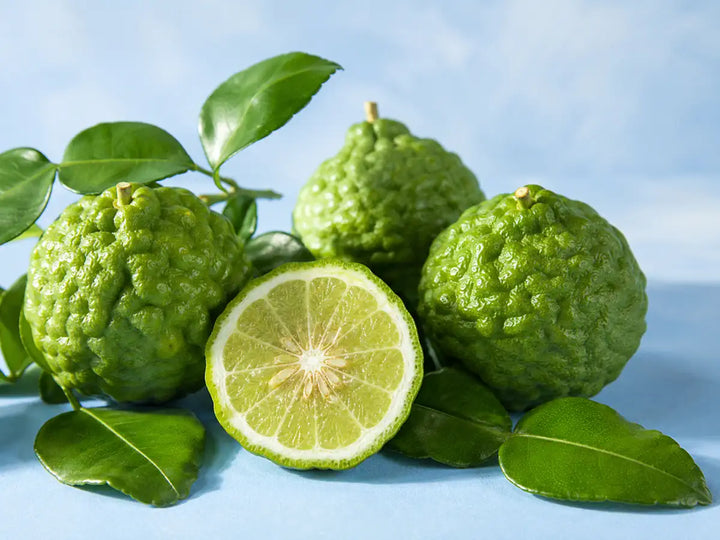
Bergamot in perfume smells fresh, bright and citrusy, with a soft floral character and a slightly bitter green edge. It is less sharp than lemon and often feels...
Explore Bergamot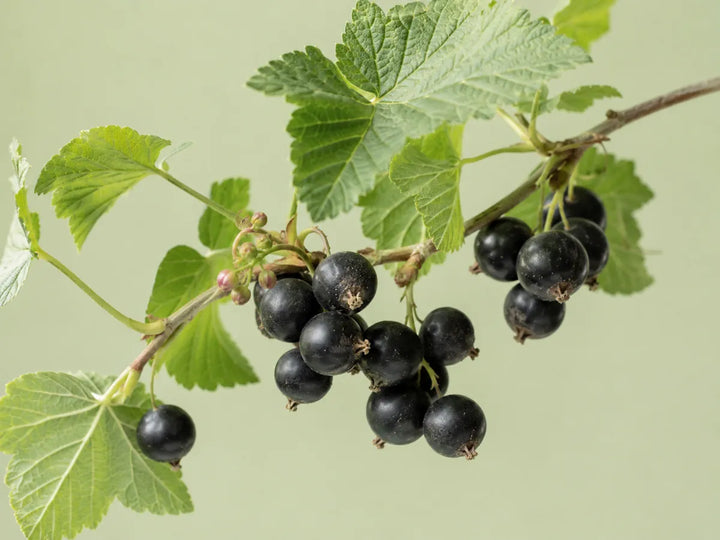
Blackcurrant in perfume usually smells dark, tart and juicy, with green, leafy and slightly sharp sides. It can suggest ripe berries, crushed leaves or a rich fruit syrup,...
Explore Blackcurrant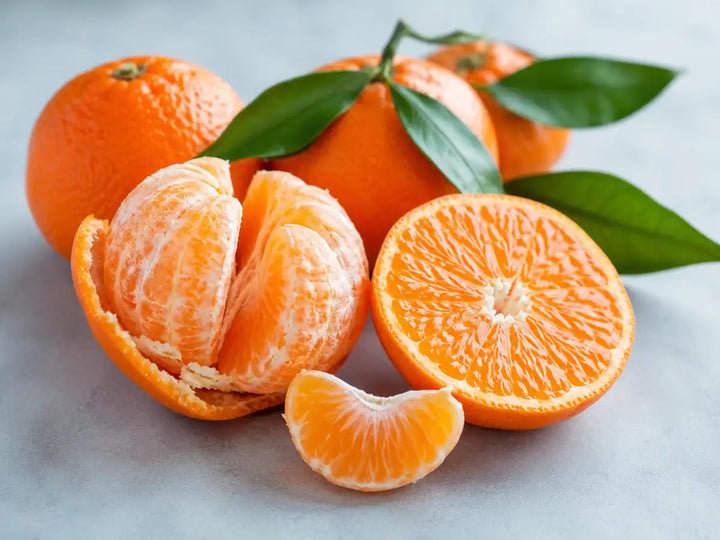
Clementine in perfume usually smells sweet, juicy and zesty, with bright citrus peel, soft green freshness and a lightly floral character. It is generally rounder and less sharply...
Explore Clementine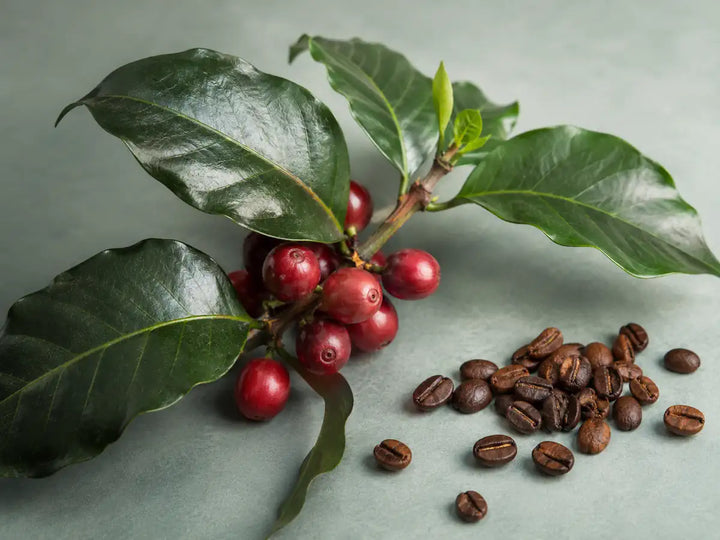
Coffee in perfume usually smells warm, roasted and dark, with bitter, nutty, earthy and chocolate-like sides. Some coffee notes suggest freshly ground beans or strong espresso, while others...
Explore Coffee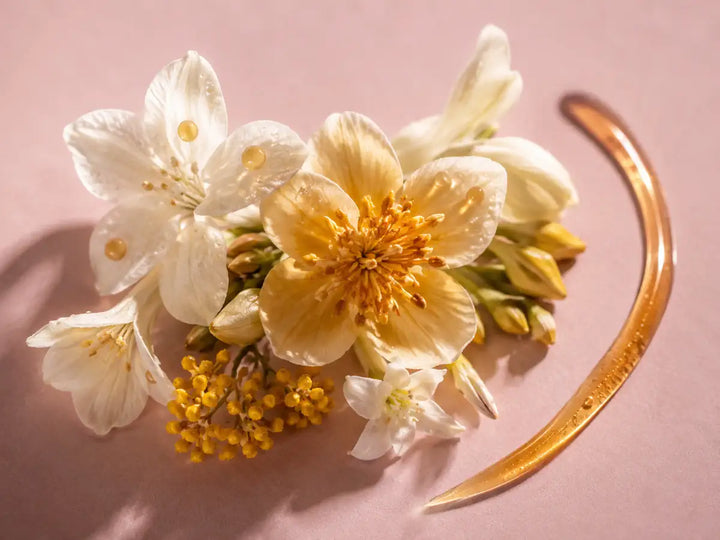
Honey in perfume usually smells sweet, warm and golden, with floral, waxy, balsamic and softly animalic sides. It may feel light and nectar-like or darker, richer and almost...
Explore Honey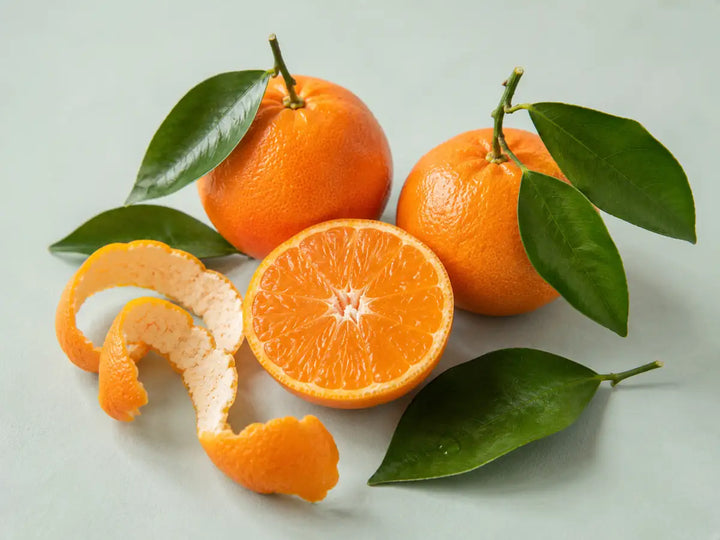
Mandarin in perfume usually smells sweet, juicy and zesty, with soft fruity, floral and slightly green sides. It is generally rounder and less sharp than lemon, making it...
Explore Mandarin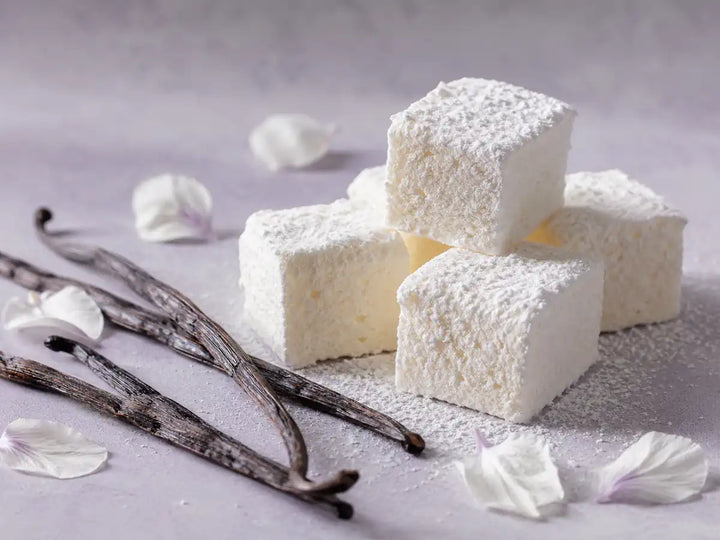
Marshmallow in perfume usually smells soft, sweet and powdery, with vanilla, sugary, creamy and fluffy sides. The perfume note normally represents the confection rather than the natural marsh-mallow...
Explore Marshmallow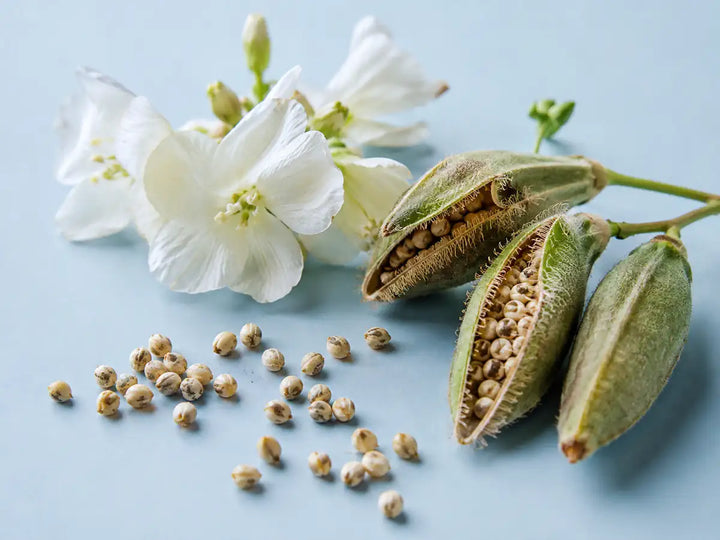
Musk in perfume can smell soft, warm, clean and slightly powdery, often with a smooth quality that is compared with fresh skin or clean fabric. Some musk notes...
Explore Musk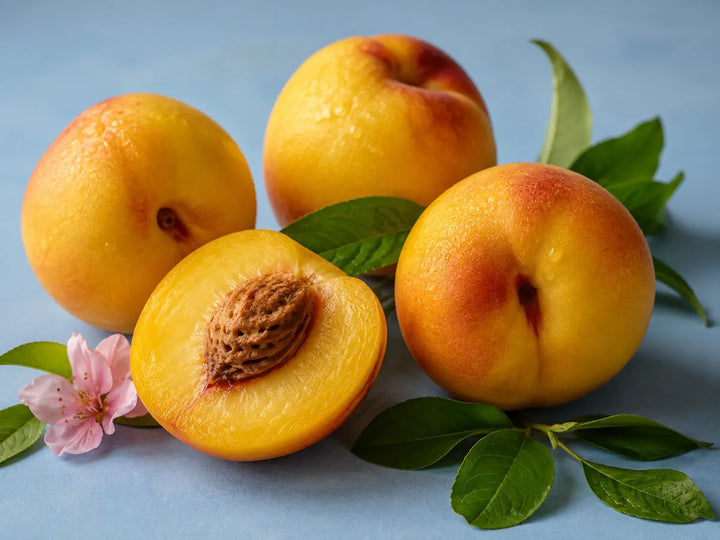
Nectarine in perfume usually smells juicy, sweet and fruity, with peach-like, floral, fresh and lightly tart sides. It resembles peach but often feels brighter, smoother-skinned and less powdery....
Explore Nectarine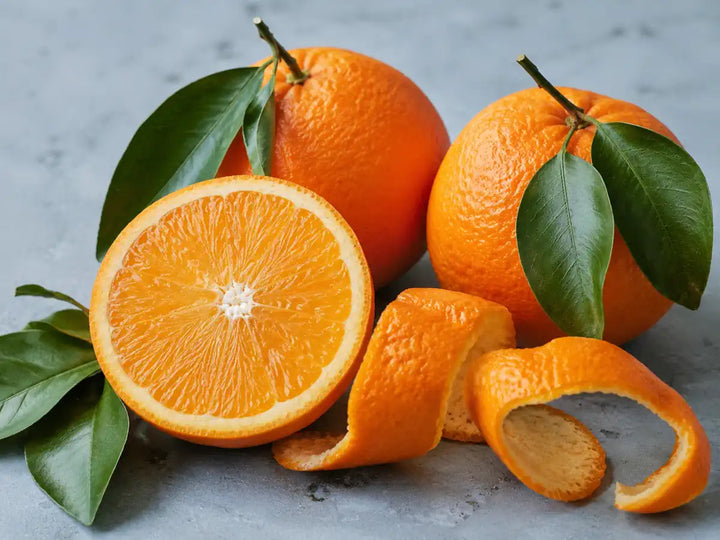
Orange in perfume usually smells juicy, sweet and zesty, with the fresh character of newly peeled fruit. It is softer and sweeter than lemon, while usually feeling less...
Explore Orange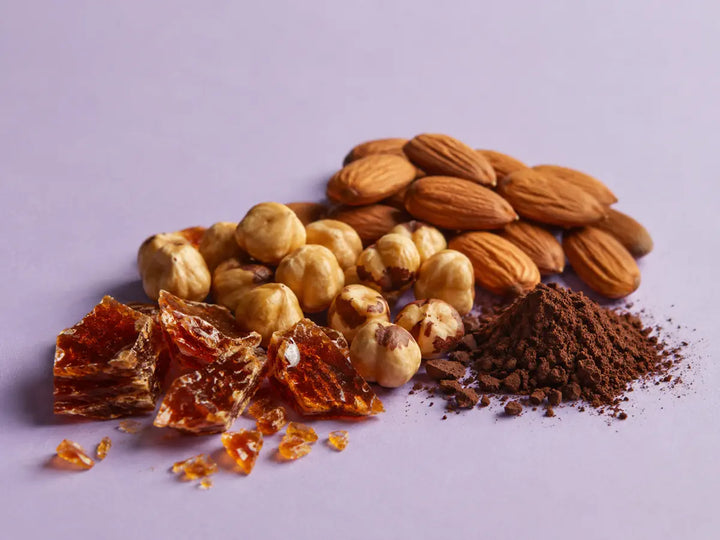
Praline in perfume usually smells sweet, nutty and caramelised, with vanilla, chocolate, toasted almond or hazelnut-like sides. It is a constructed gourmand accord rather than one natural fragrance...
Explore Praline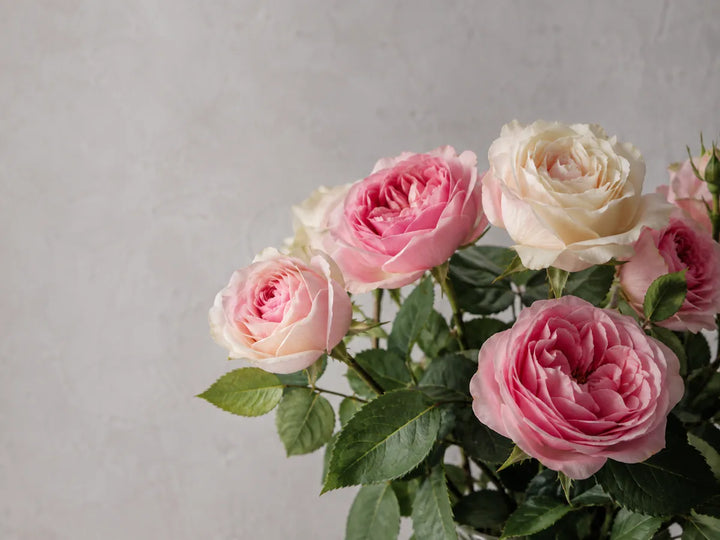
Rose in perfume usually smells floral, fresh and softly sweet, but it can also have green, fruity, honeyed or spicy sides. Some rose notes feel light and dewy,...
Explore Rose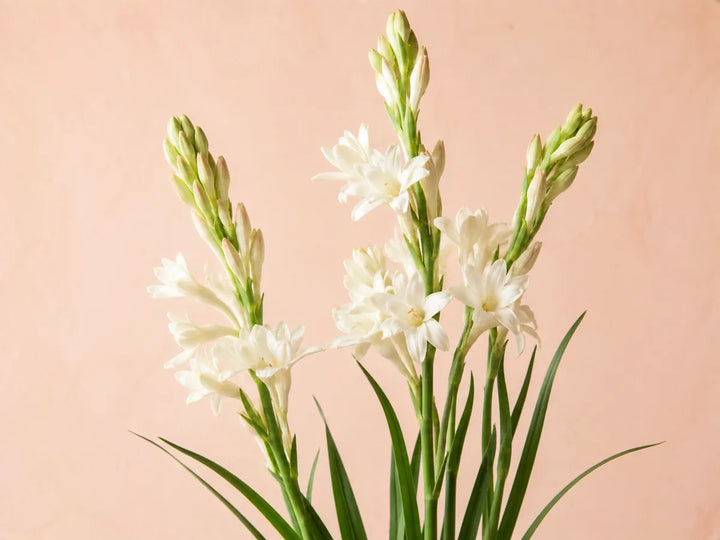
Tuberose in perfume usually smells rich, creamy and strongly floral, with sweet, warm, green and sometimes coconut-like sides. It is much fuller and heavier than delicate flowers such...
Explore Tuberose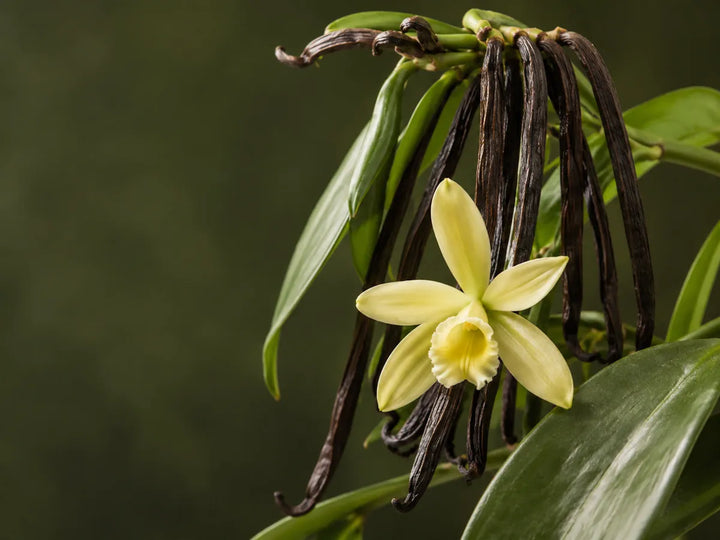
Vanilla in perfume usually smells sweet, warm and creamy. It can also have soft woody, powdery or spicy sides, depending on the material used and the notes around...
Explore Vanilla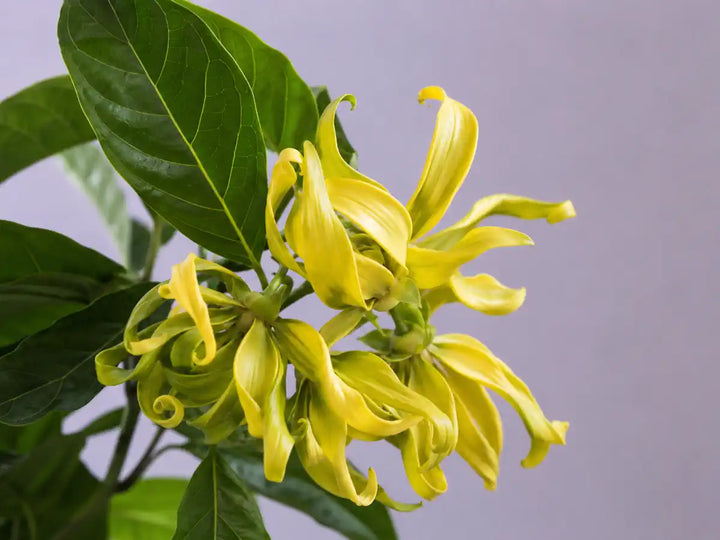
Ylang-ylang in perfume usually smells rich, creamy and floral, with sweet, spicy, fruity and slightly banana-like sides. It is a warm tropical white-floral note with more density than...
Explore Ylang-YlangThese fragrances introduce Orange Blossom near the opening of the scent.


These fragrances reveal Orange Blossom through the central body of the scent.


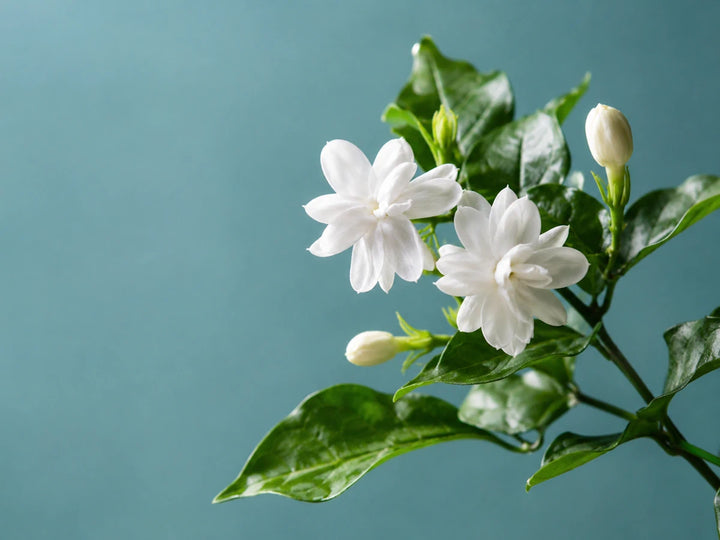
Jasmine in perfume usually smells rich, sweet and floral. It can also seem creamy, green, fruity or slightly spicy, depending on the type of jasmine and the other...
Explore Jasmine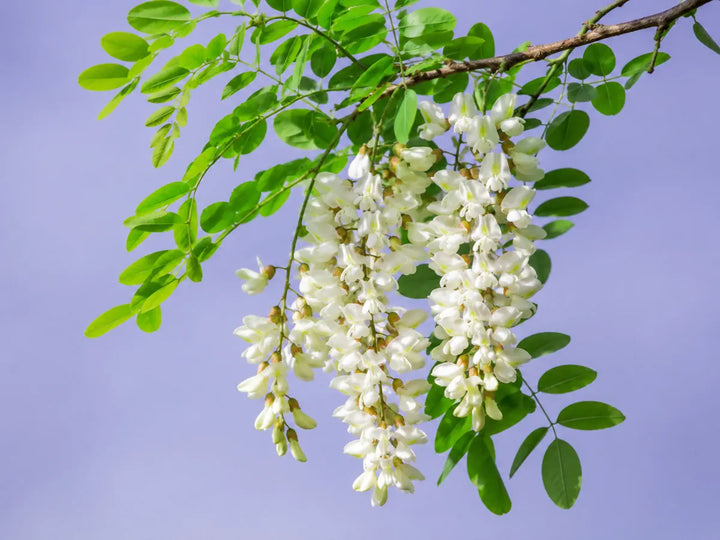
Black locust in perfume usually smells sweet, floral and honeyed, with green, powdery and softly orange-blossom-like sides. The effect can suggest clusters of white spring flowers and light...
Explore Black Locust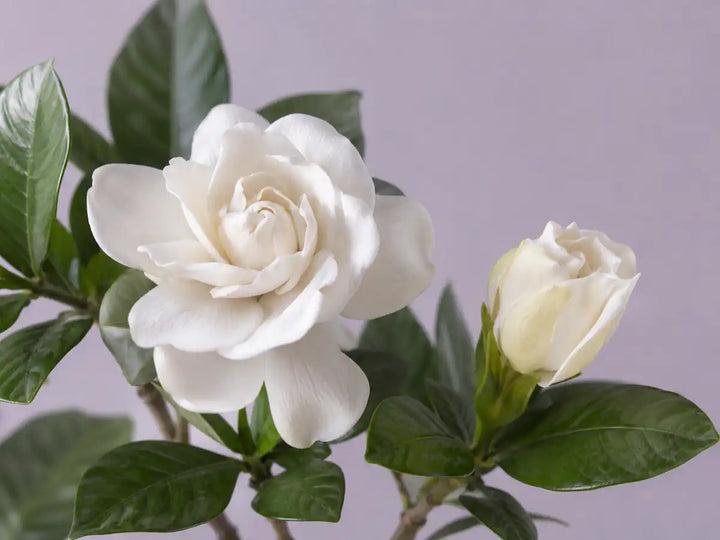
Gardenia in perfume usually smells rich, creamy and floral, with sweet white-petal, green and softly fruity sides. It can feel smoother and more velvety than jasmine, although the...
Explore Gardenia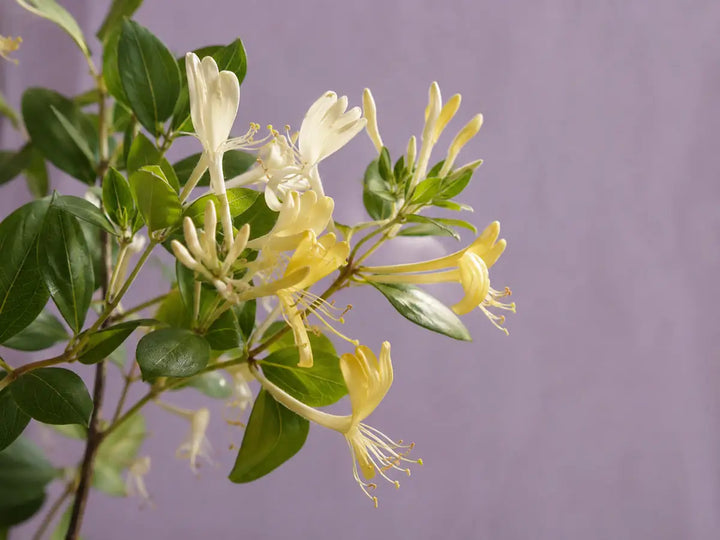
Honeysuckle in perfume usually smells sweet, floral and nectar-like, with jasmine, honeyed, green and softly creamy sides. It can feel like warm evening flowers with a fresh leafy...
Explore Honeysuckle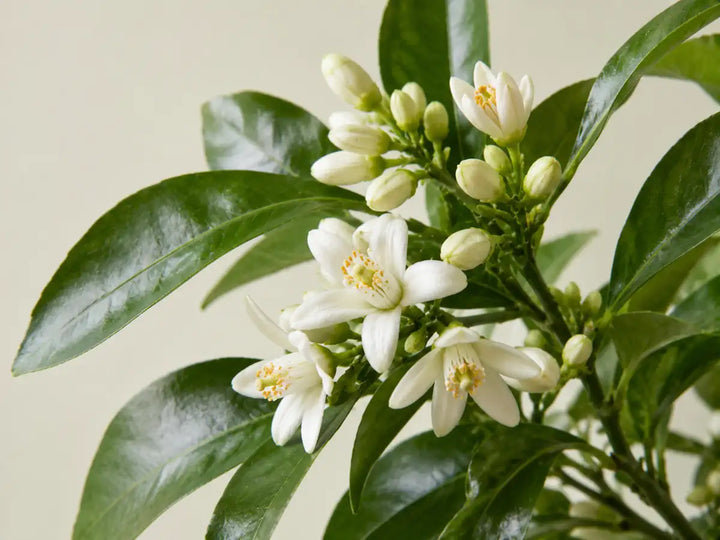
Neroli in perfume usually smells fresh, floral and green, with citrusy, slightly bitter and softly sweet sides. It has the scent of white orange flowers but generally feels...
Explore Neroli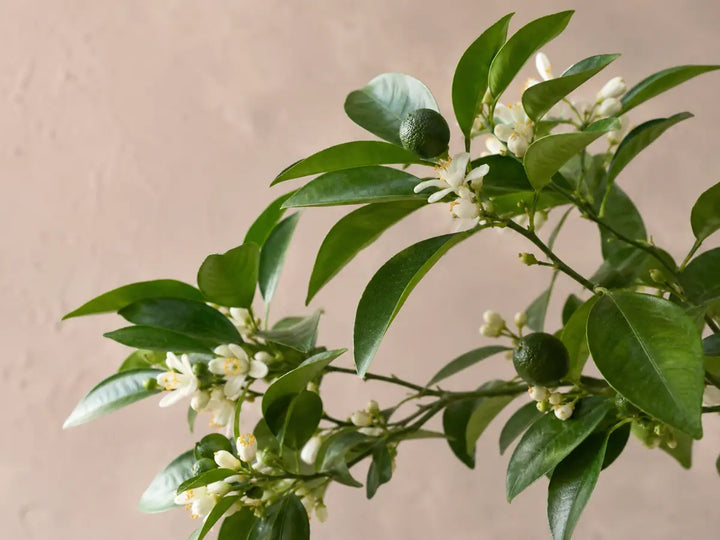
Petitgrain in perfume usually smells green, citrusy and aromatic, with leafy, woody, floral and slightly bitter sides. It is less juicy than orange peel and greener than neroli....
Explore Petitgrain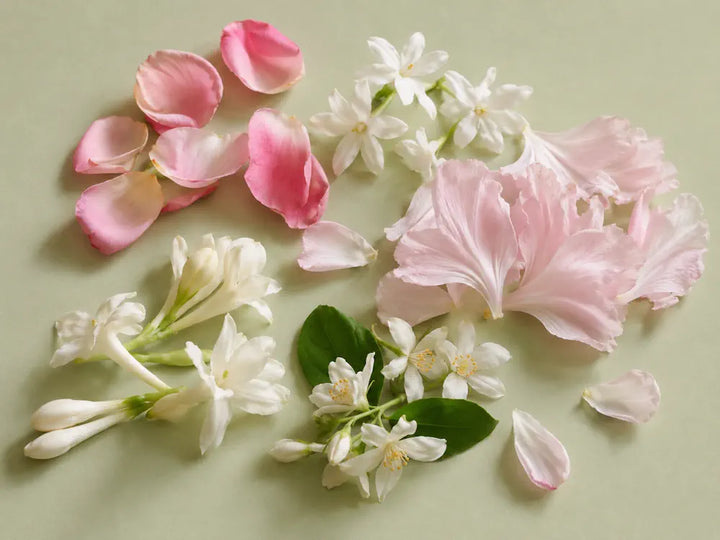
A floral accord can smell fresh, green, airy, powdery, creamy, sweet or intensely rich depending on the flowers and materials used. Rose may add a fresh, fruity or...
Explore Floral
Floral & Warm fragrances typically smell floral first or have a clearly noticeable floral character, with a softer and deeper background that prevents the scent from feeling purely...
Explore Floral & Warm