
Fragrance note
Jasmine
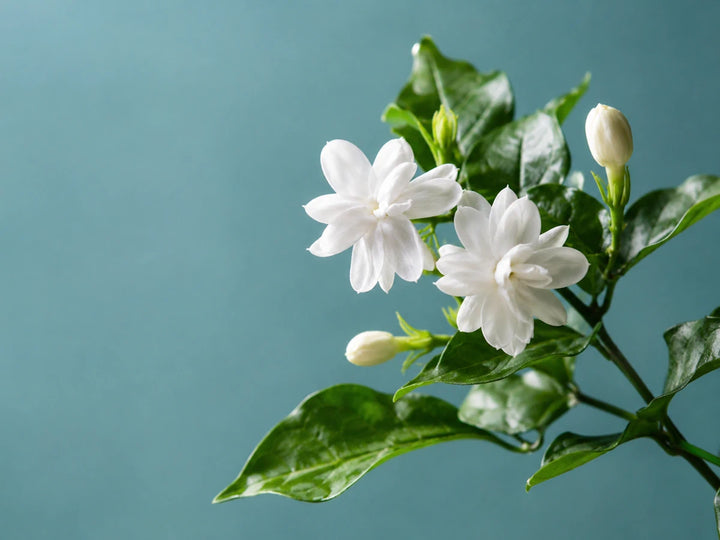
Jasmine in perfume usually smells rich, sweet and floral. It can also seem creamy, green, fruity or slightly spicy, depending on the type of jasmine and the other...
Explore JasmineCart
Your cart is empty
Fragrance note guide
Ambrette in perfume usually smells soft, musky and slightly fruity, with floral, powdery, nutty and sometimes cognac-like sides. It is a plant-derived musk rather than an animal musk. Some ambrette materials feel clean and skin-like, while others are richer, warmer and more earthy. The note can appear near the top and remain as a soft musky thread through the fragrance.

Jasmine in perfume usually smells rich, sweet and floral. It can also seem creamy, green, fruity or slightly spicy, depending on the type of jasmine and the other...
Explore Jasmine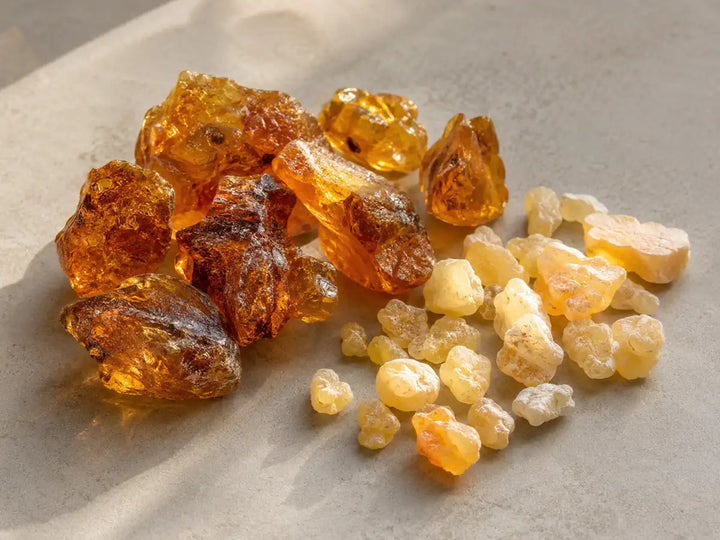
Amber in perfume usually smells warm, sweet and resinous, with soft vanilla, balsamic, powdery or slightly smoky sides. It is not normally taken from fossilised amber. In perfumery,...
Explore Amber
Citrus in perfume usually smells bright, fresh and zesty, with juicy, bitter, green and peel-like sides. The term does not describe one fruit because lemon, bergamot, orange, mandarin,...
Explore Citrus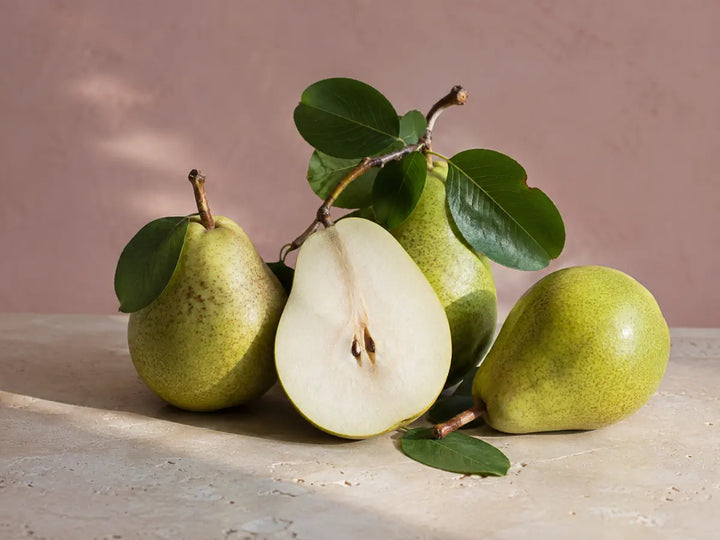
Pear in perfume usually smells juicy, fresh and softly sweet, with crisp green, watery and sometimes slightly floral sides. Some pear notes feel like a firm green pear,...
Explore Pear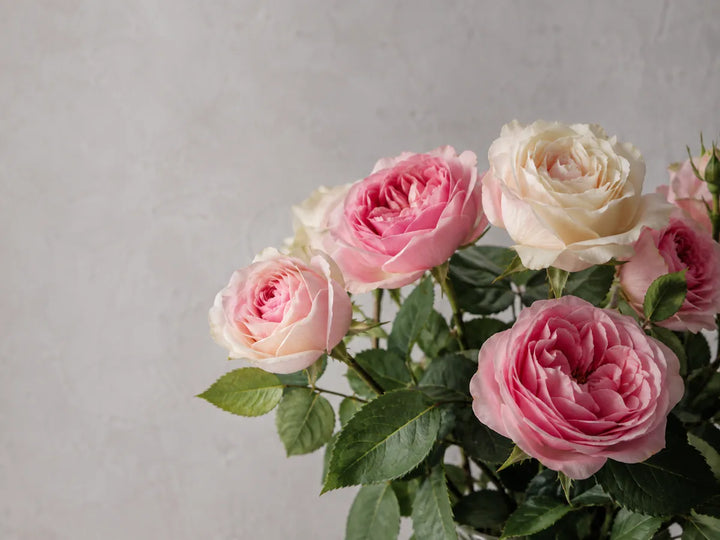
Rose in perfume usually smells floral, fresh and softly sweet, but it can also have green, fruity, honeyed or spicy sides. Some rose notes feel light and dewy,...
Explore Rose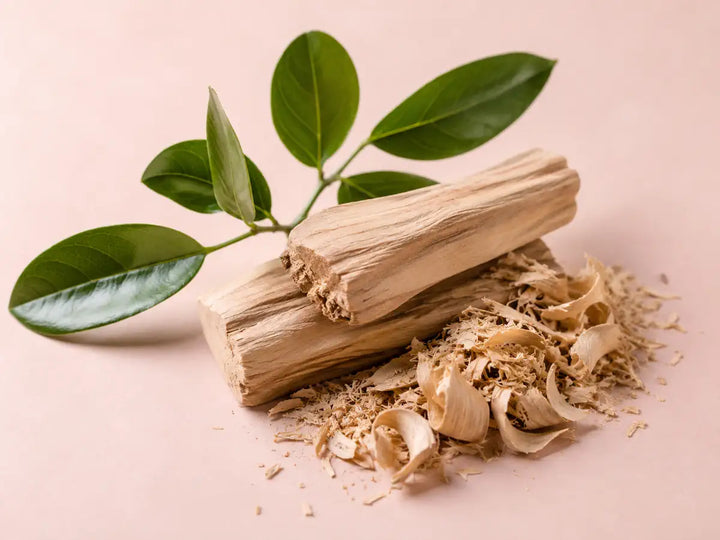
Sandalwood in perfume usually smells warm, creamy and softly woody. It can also have milky, balsamic, powdery or lightly spicy sides. Unlike sharper woods, sandalwood often feels smooth...
Explore SandalwoodThese fragrances introduce Ambrette near the opening of the scent.

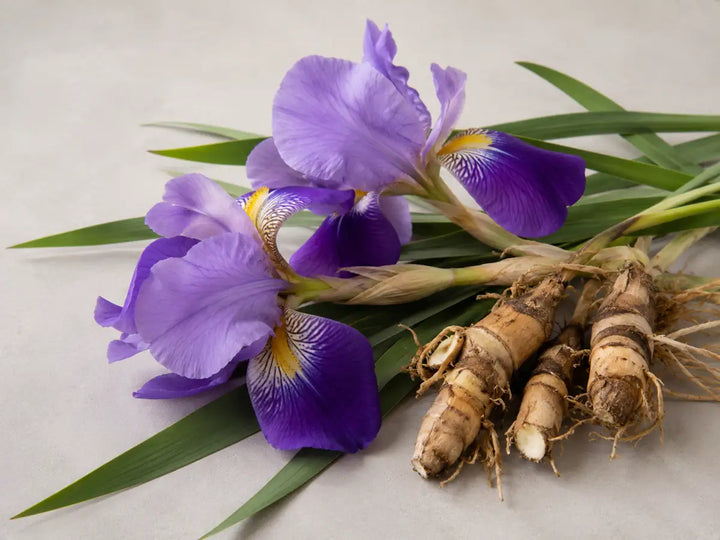
Iris in perfume usually smells powdery, soft and floral, with woody, earthy, violet-like and sometimes buttery sides. The perfume material does not normally come from the fresh iris...
Explore Iris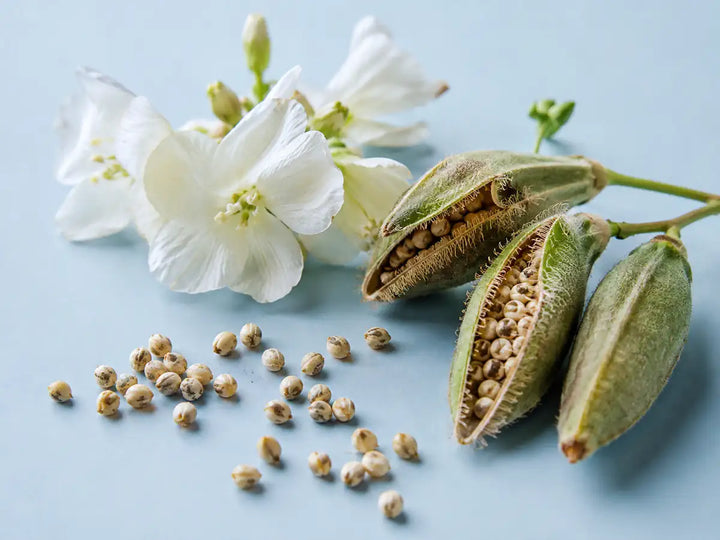
Musk in perfume can smell soft, warm, clean and slightly powdery, often with a smooth quality that is compared with fresh skin or clean fabric. Some musk notes...
Explore Musk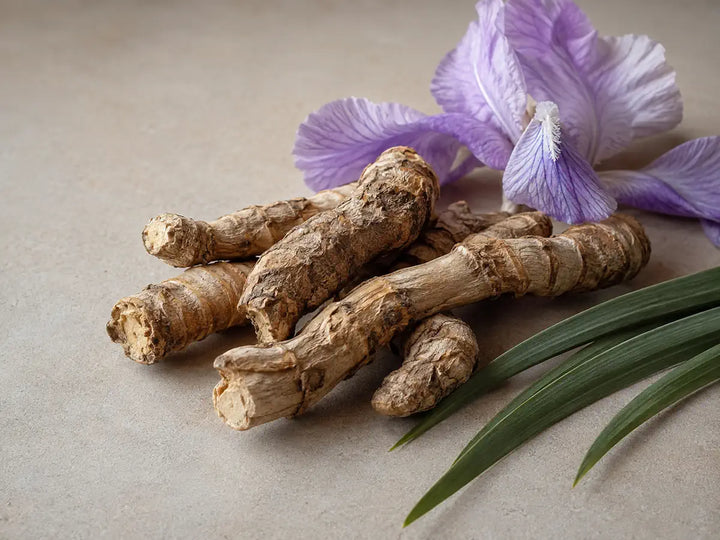
Orris in perfume usually smells powdery, floral and woody, with violet, buttery, earthy and velvety sides. It comes from iris rhizomes rather than the fresh iris flower. Natural...
Explore Orris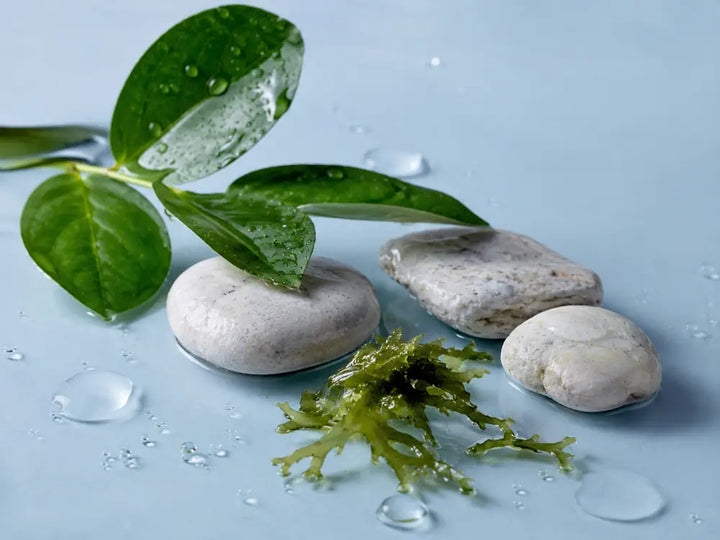
An aquatic accord usually smells cool, clean, watery and airy. Marine versions may have salty, seaweed-like or slightly mineral qualities, while softer aquatic accords can smell more like...
Explore Aquatic