

Fragrance note
Bergamot
Bergamot in perfume smells fresh, bright and citrusy, with a soft floral character and a slightly bitter green edge. It is less sharp than lemon and often feels...
Explore BergamotCart
Your cart is empty
Fragrance note guide
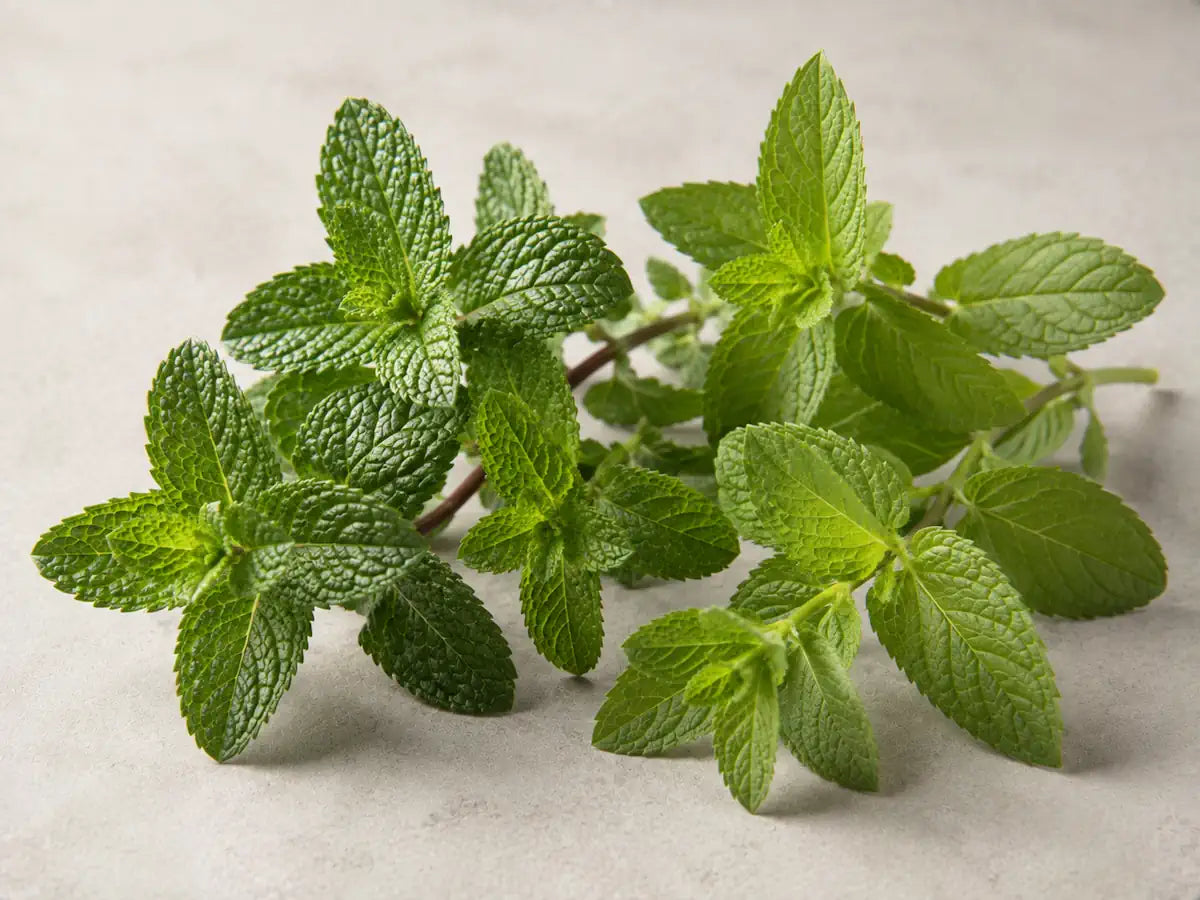
Mint in perfume usually smells cool, fresh and green, with herbal, sweet and sometimes camphor-like sides. Peppermint can feel sharp and icy, while spearmint is often softer, greener and slightly sweeter. A mint note creates an immediate cooling impression, so it is mainly used near the opening of a fragrance.
Bergamot in perfume smells fresh, bright and citrusy, with a soft floral character and a slightly bitter green edge. It is less sharp than lemon and often feels...
Explore Bergamot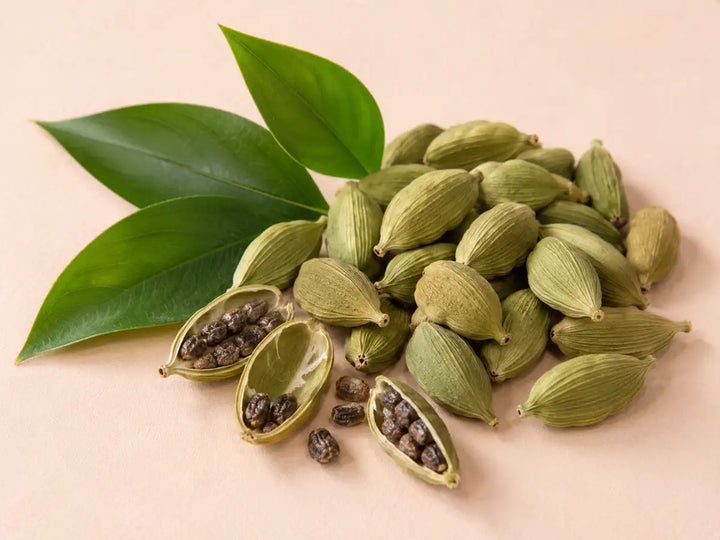
Cardamom in perfume usually smells fresh, green and spicy, with citrusy, aromatic, woody and slightly cooling sides. It is lighter and fresher than many warm spices, so it...
Explore Cardamom
Cedarwood in perfume usually smells dry, warm and woody, with resinous, slightly smoky or pencil like sides. Some cedarwood notes feel smooth and creamy, while others are sharper...
Explore Cedarwood
Chocolate in perfume usually smells sweet, creamy and cocoa-like, with dark, powdery, roasted and vanilla-like sides. It is often smoother and more dessert-like than a dry cacao note....
Explore Chocolate
Fir in perfume usually smells fresh, green and coniferous, with woody, resinous and balsamic sides. It can suggest crushed evergreen needles, cool forest air, tree sap and freshly...
Explore Fir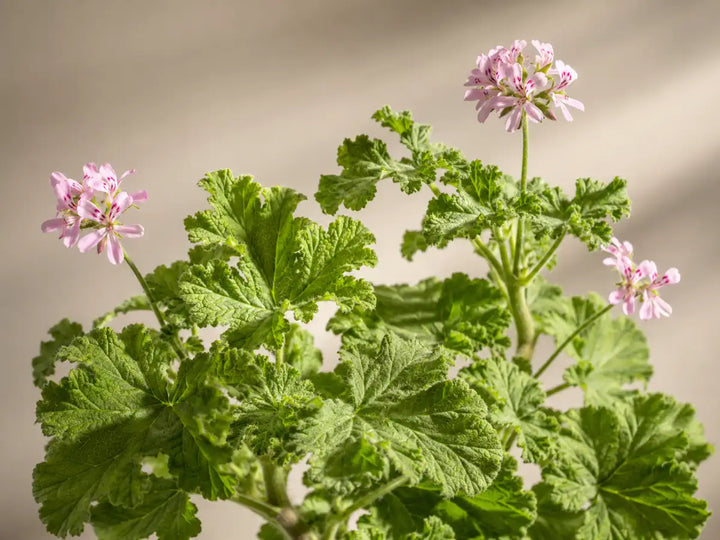
Geranium in perfume usually smells rosy, green and aromatic, with minty, leafy, herbal and lightly fruity sides. It resembles rose but generally feels sharper, fresher and more strongly...
Explore Geranium
Grapefruit in perfume usually smells fresh, tart and juicy, with a slightly bitter peel character and a clean, sparkling edge. It may also have green, dry or lightly...
Explore Grapefruit
Lavender in perfume usually smells fresh, aromatic and softly floral, with herbal, clean, slightly sweet and sometimes powdery sides. Some lavender notes feel light, airy and calming, while...
Explore Lavender
Lemon in perfume usually smells bright, fresh and sharply citrusy, with a clean, zesty character that often suggests freshly cut peel. It may also have green, lightly floral...
Explore Lemon
Lime in perfume usually smells sharp, zesty and green, with juicy, bitter, sparkling and slightly herbal sides. It is often brighter and more sour than orange or mandarin,...
Explore Lime
Sage in perfume usually smells dry, herbal and aromatic, with camphoraceous, eucalyptus-like, earthy and lightly woody sides. It is generally sharper and more medicinal than clary sage, which...
Explore Sage
Tonka bean in perfume usually smells warm, sweet and powdery, with notes that can remind people of vanilla, almond, hay and soft tobacco. It is rich and comforting...
Explore Tonka Bean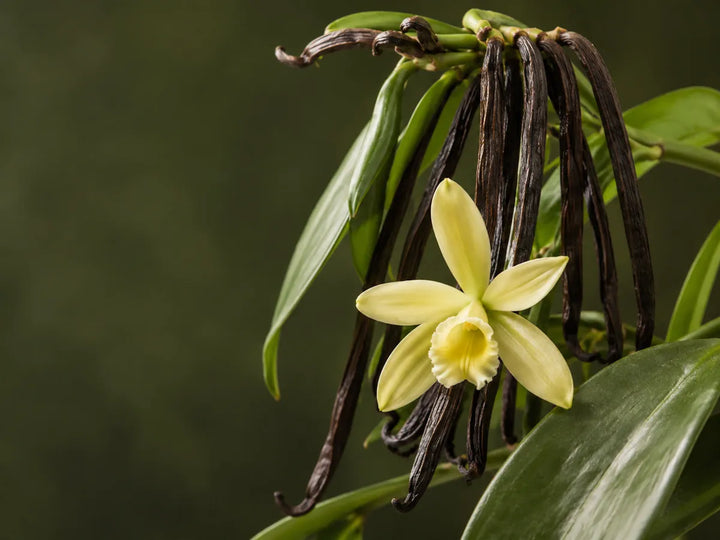
Vanilla in perfume usually smells sweet, warm and creamy. It can also have soft woody, powdery or spicy sides, depending on the material used and the notes around...
Explore Vanilla
Yuzu in perfume usually smells bright, tart and aromatic, with lemon, grapefruit, mandarin, green and lightly floral sides. It is sharper and more fragrant than a simple sweet...
Explore YuzuThese fragrances introduce Mint near the opening of the scent.



Absinthe in perfume usually smells bitter, green and herbal, with anise-like, liquorice, camphoraceous and slightly medicinal sides. It can feel sharp and cool rather than sweet. The note...
Explore Absinthe
Green notes in perfume usually smell like crushed leaves, cut grass, snapped stems and fresh plant sap. They can be crisp, watery, bitter, herbal or slightly metallic. Green...
Explore Green Notes
An icy accord in perfume usually smells cool, clean and watery, with ozonic, airy, minty and sometimes metallic sides. It is an abstract effect rather than an extract...
Explore Icy Accord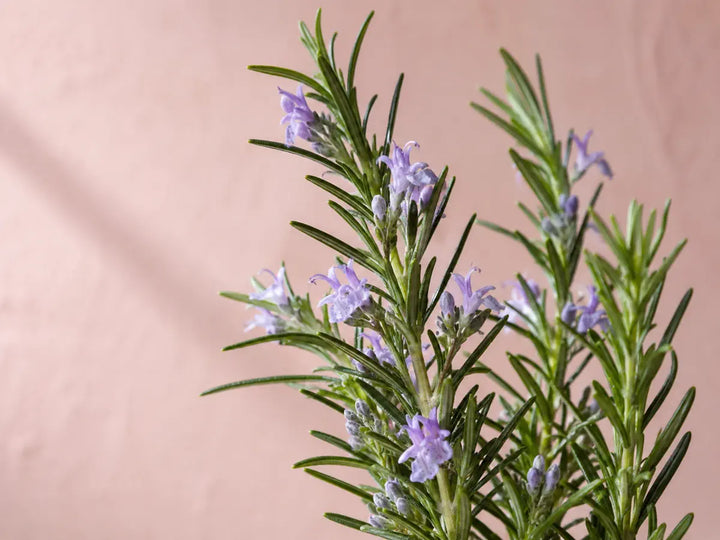
Rosemary in perfume usually smells fresh, herbal and aromatic, with camphoraceous, minty, pine-like and lightly woody sides. It has a clean and stimulating character that can feel cool,...
Explore Rosemary
A fresh accord usually smells bright, clean and light, but there is no single fresh smell. Citrus can make it zesty, mint can add a cooling quality, green...
Explore Fresh
Fresh & Bright fragrances generally smell crisp, open and energising rather than dense or heavy. Bergamot, lemon and grapefruit can provide sparkling citrus freshness, while mint and green...
Explore Fresh & Bright