
Fragrance note
Jasmine
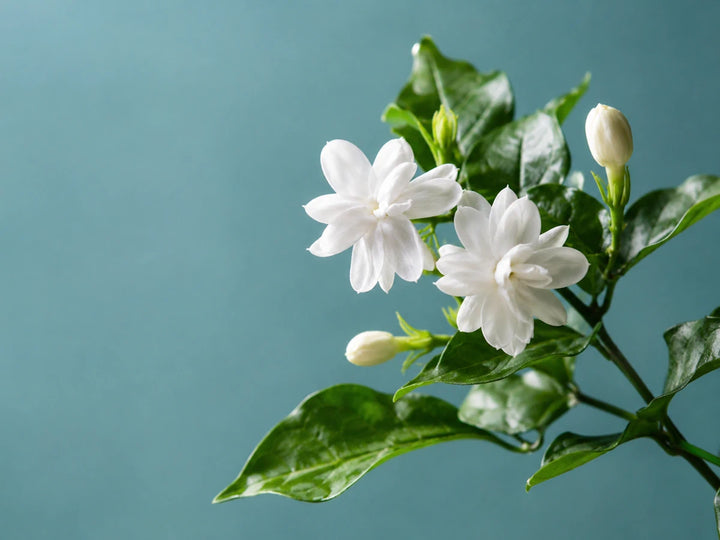
Jasmine in perfume usually smells rich, sweet and floral. It can also seem creamy, green, fruity or slightly spicy, depending on the type of jasmine and the other...
Explore JasmineCart
Your cart is empty
Fragrance note guide
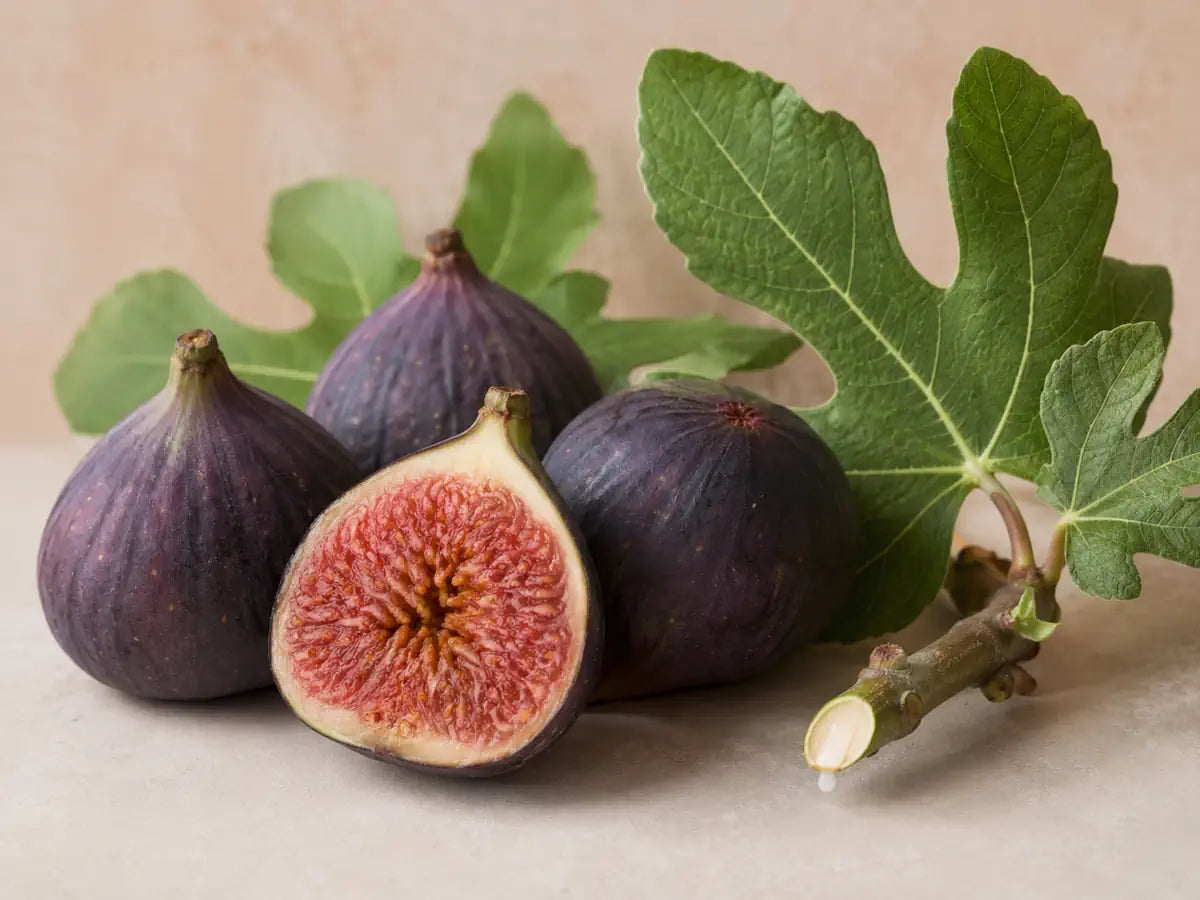
Fig in perfume usually smells green, milky and softly sweet, with fruity, leafy, creamy and woody sides. A fig note can represent the ripe fruit, the broad green leaves, the milky sap or the whole tree. Some fig accords are lush and fruity, while others are dry, leafy and almost woody. Fig is mainly used near the top.
Jasmine in perfume usually smells rich, sweet and floral. It can also seem creamy, green, fruity or slightly spicy, depending on the type of jasmine and the other...
Explore Jasmine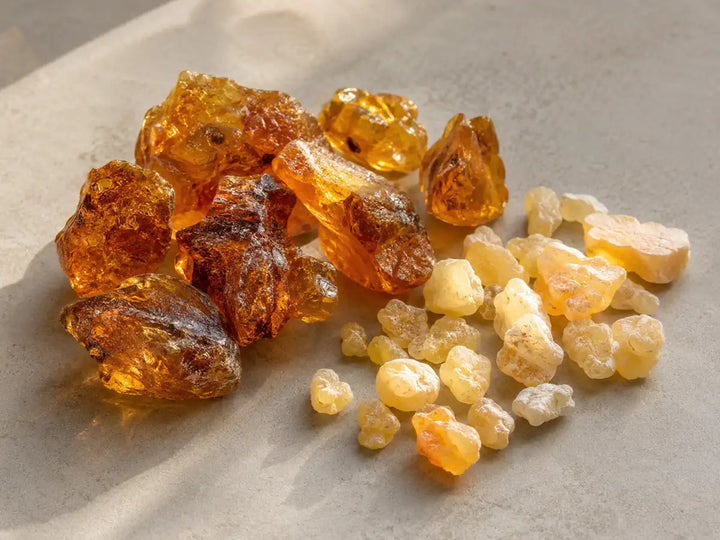
Amber in perfume usually smells warm, sweet and resinous, with soft vanilla, balsamic, powdery or slightly smoky sides. It is not normally taken from fossilised amber. In perfumery,...
Explore Amber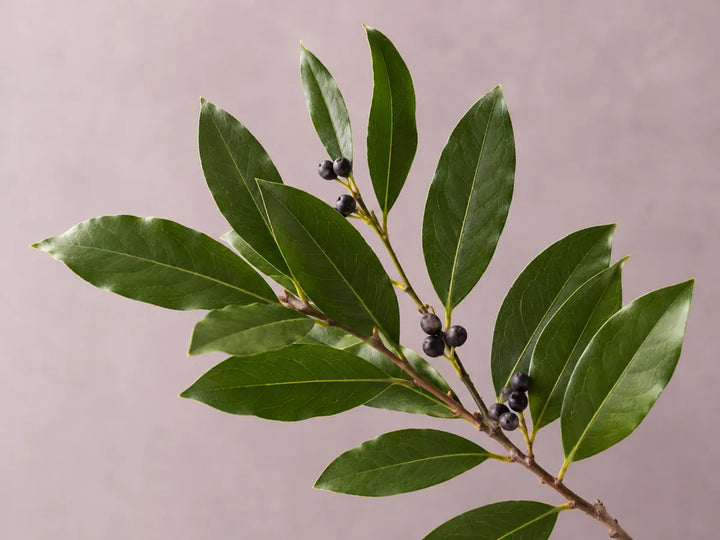
Bay leaf in perfume usually smells green, herbal and spicy, with eucalyptus-like, woody and slightly medicinal sides. It is drier and more aromatic than many soft leafy notes....
Explore Bay Leaf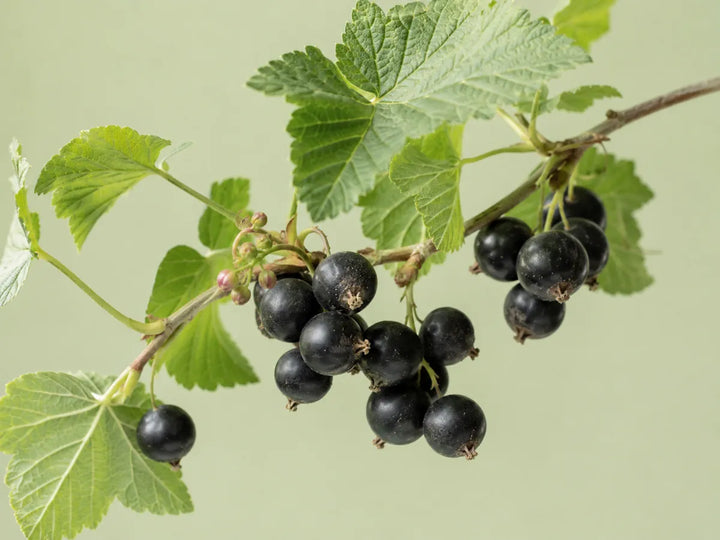
Blackcurrant in perfume usually smells dark, tart and juicy, with green, leafy and slightly sharp sides. It can suggest ripe berries, crushed leaves or a rich fruit syrup,...
Explore Blackcurrant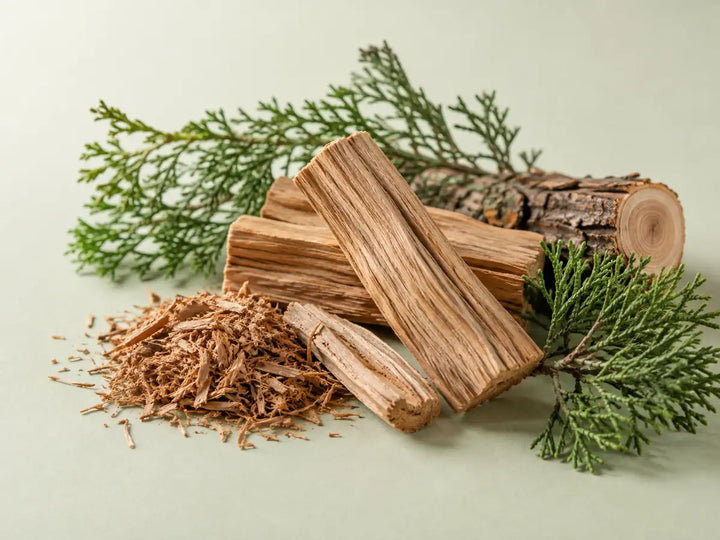
Cedarwood in perfume usually smells dry, warm and woody, with resinous, slightly smoky or pencil like sides. Some cedarwood notes feel smooth and creamy, while others are sharper...
Explore Cedarwood
Citrus in perfume usually smells bright, fresh and zesty, with juicy, bitter, green and peel-like sides. The term does not describe one fruit because lemon, bergamot, orange, mandarin,...
Explore Citrus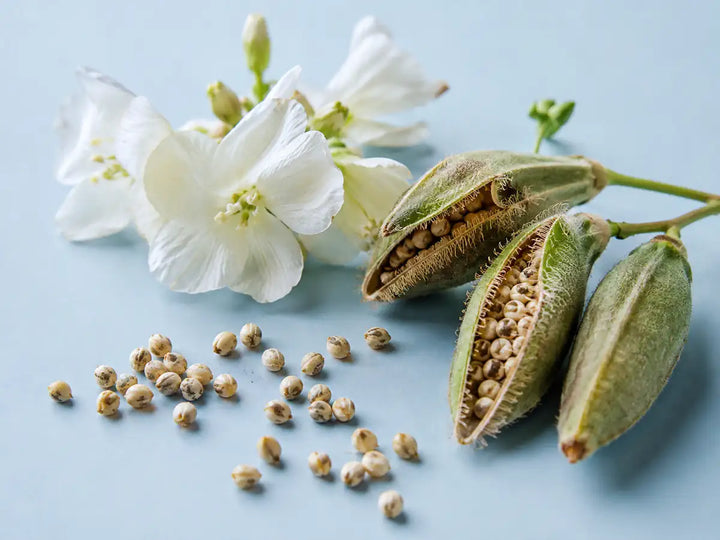
Musk in perfume can smell soft, warm, clean and slightly powdery, often with a smooth quality that is compared with fresh skin or clean fabric. Some musk notes...
Explore Musk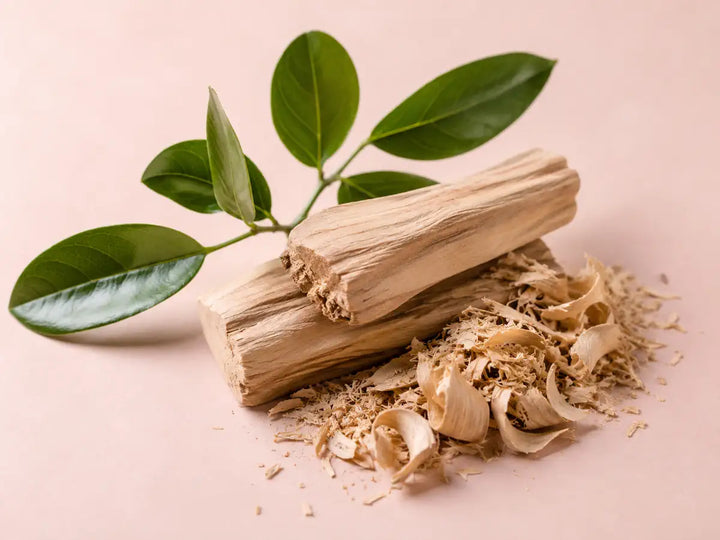
Sandalwood in perfume usually smells warm, creamy and softly woody. It can also have milky, balsamic, powdery or lightly spicy sides. Unlike sharper woods, sandalwood often feels smooth...
Explore Sandalwood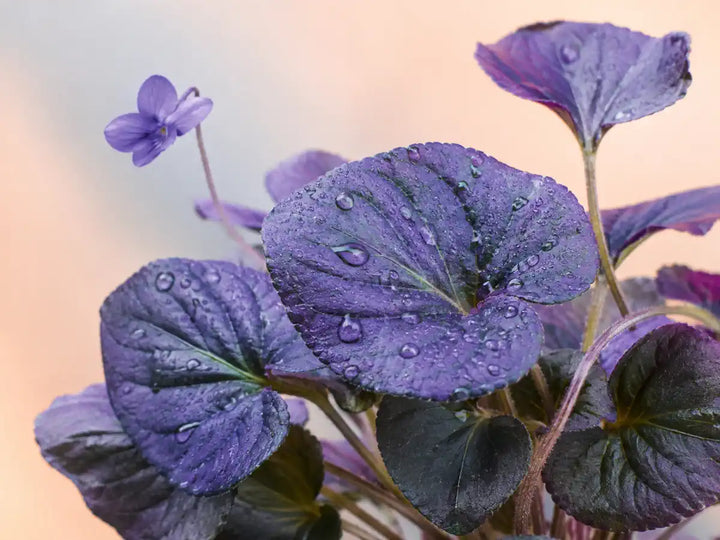
Violet leaf in perfume usually smells green, watery and cool, with metallic, leafy, cucumber-like and earthy sides. It is very different from the sweet powdery smell associated with...
Explore Violet LeafThese fragrances introduce Fig near the opening of the scent.

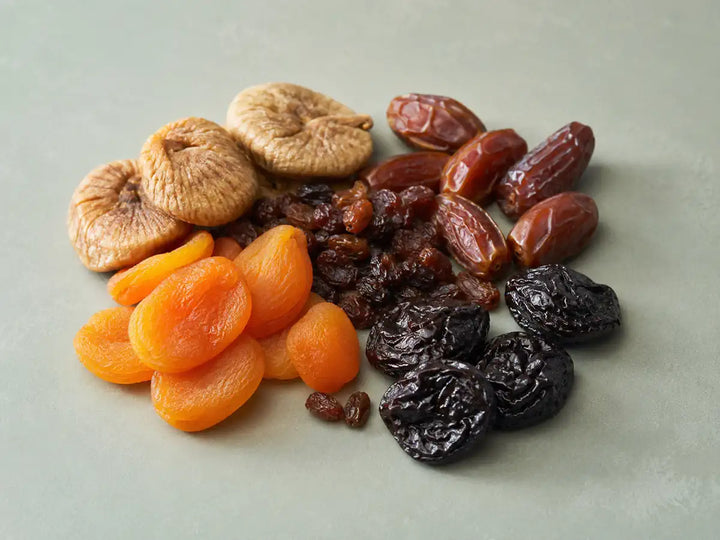
Dried fruit in perfume usually smells rich, sweet and concentrated, with raisin, prune, date, apricot and honeyed sides. It is darker and less juicy than a fresh-fruit note....
Explore Dried Fruit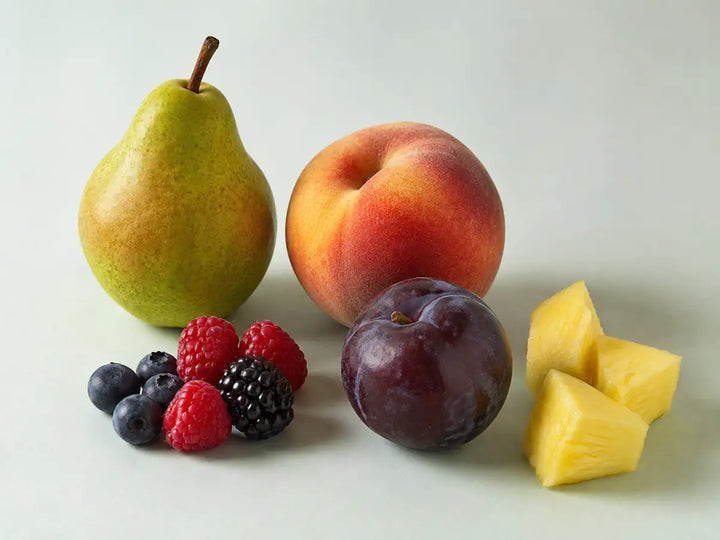
Fruity notes in perfume can smell juicy, sweet, tart, green, creamy or syrupy depending on the fruits being represented. The term is a broad category rather than one...
Explore Fruity Notes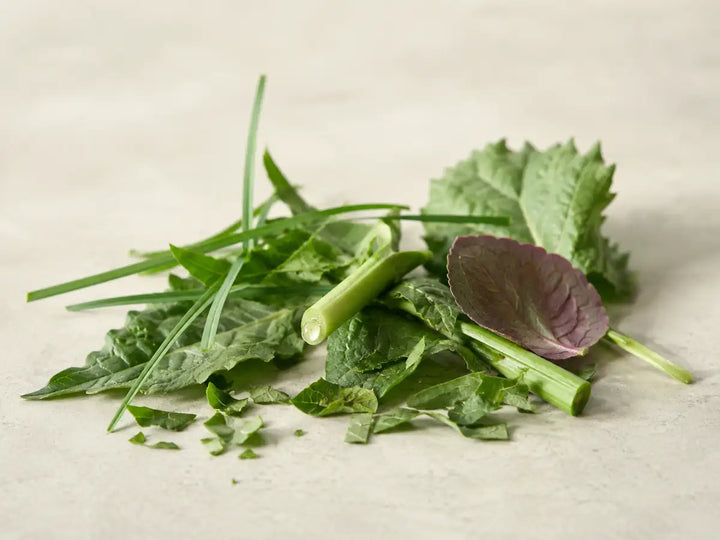
Green notes in perfume usually smell like crushed leaves, cut grass, snapped stems and fresh plant sap. They can be crisp, watery, bitter, herbal or slightly metallic. Green...
Explore Green Notes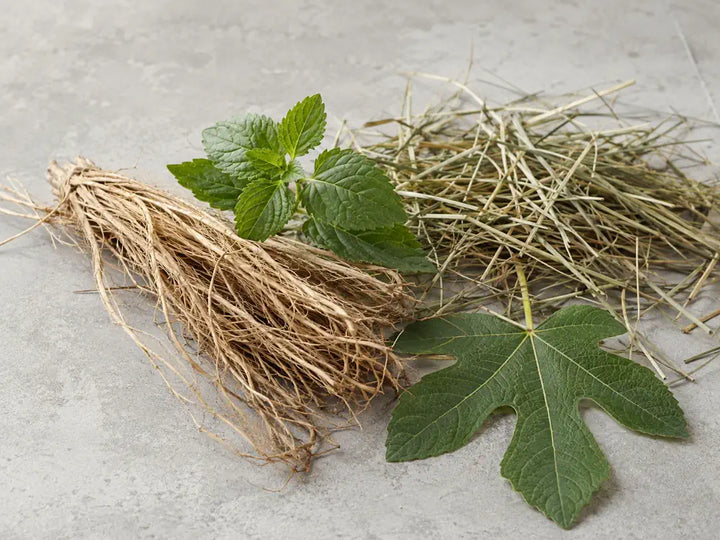
An earthy accord usually smells dry, woody, rooty or slightly damp, with a grounded quality that contrasts with brighter floral, citrus or fruity notes. Some earthy accords have...
Explore Earthy