
Fragrance note
Vanilla
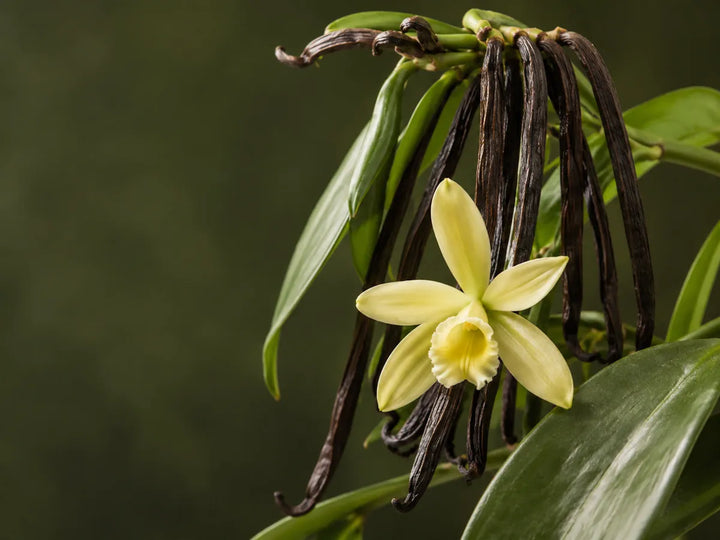
Vanilla in perfume usually smells sweet, warm and creamy. It can also have soft woody, powdery or spicy sides, depending on the material used and the notes around...
Explore VanillaCart
Your cart is empty
Fragrance accord guide
A warm accord usually smells smooth, deep and comforting, with possible ambery, resinous, spicy, woody or softly sweet qualities. Vanilla and tonka bean can make it smoother, amber and amberwood can add depth, while myrrh and Peru balsam can bring richer balsamic character. Saffron can introduce a drier leathery warmth, and chestnut can add a softer roasted or nutty impression.
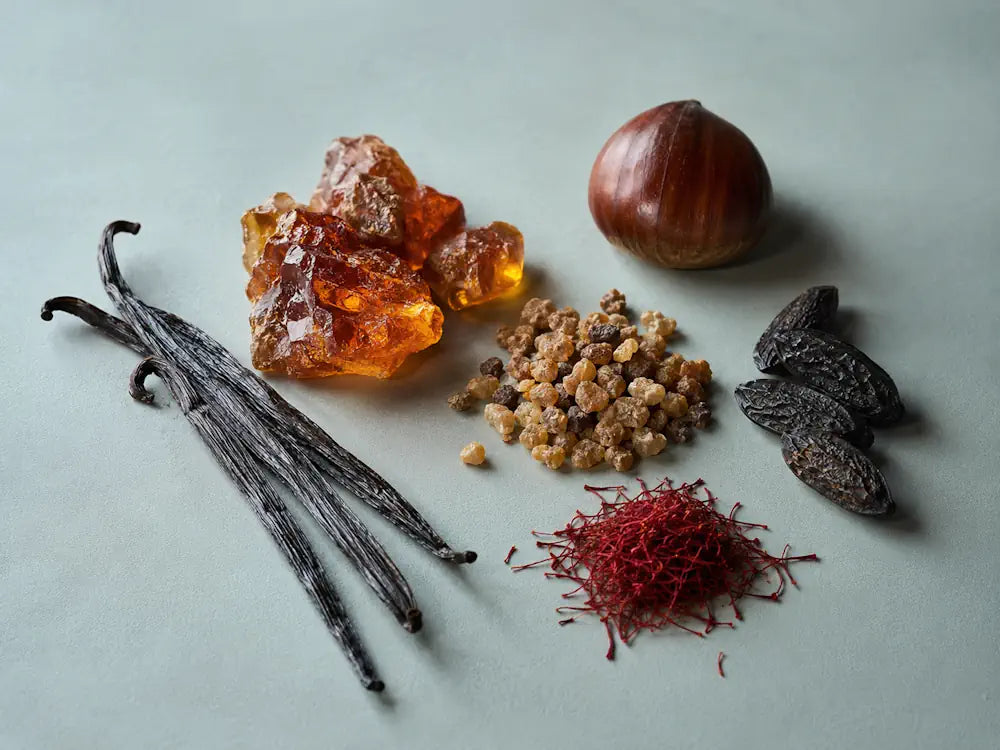
Vanilla in perfume usually smells sweet, warm and creamy. It can also have soft woody, powdery or spicy sides, depending on the material used and the notes around...
Explore Vanilla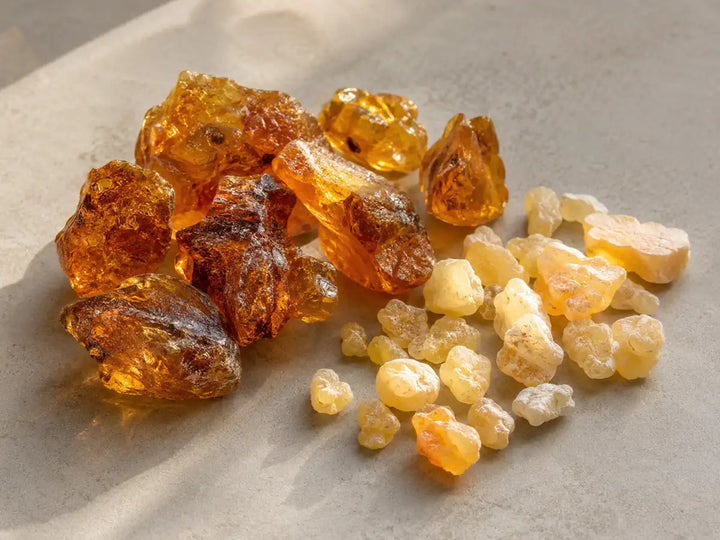
Amber in perfume usually smells warm, sweet and resinous, with soft vanilla, balsamic, powdery or slightly smoky sides. It is not normally taken from fossilised amber. In perfumery,...
Explore Amber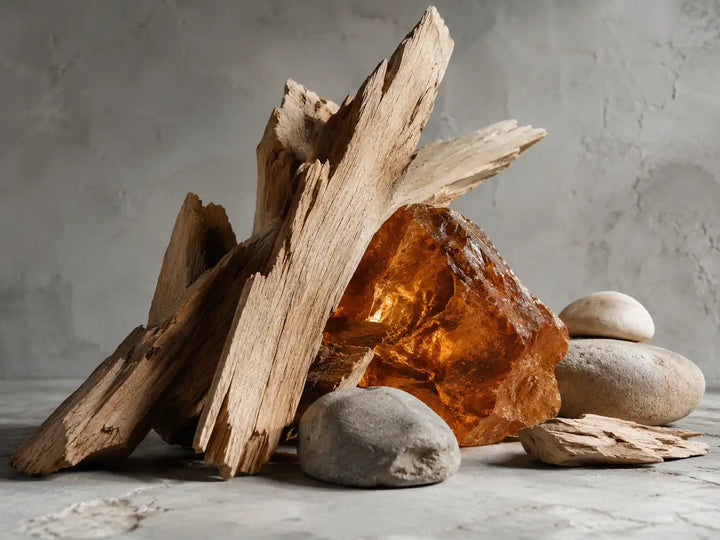
Amberwood in perfume usually smells dry, warm and strongly woody, with ambery, cedar-like, mineral and sometimes musky sides. It is generally sharper and drier than a sweet traditional...
Explore Amberwood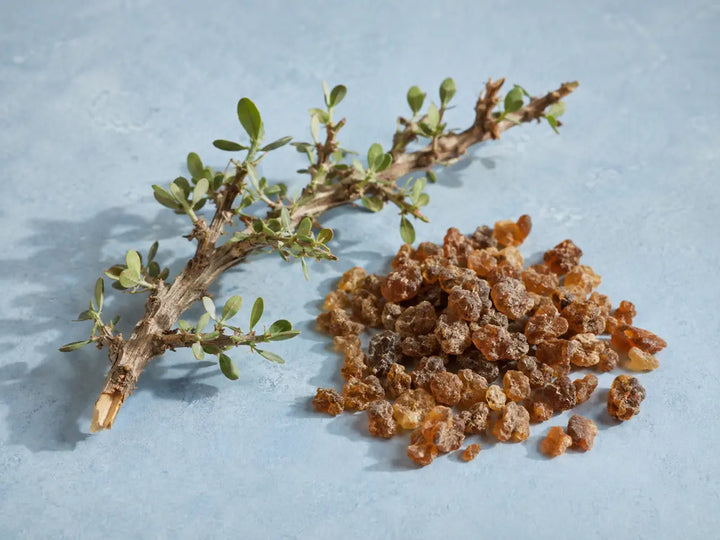
Myrrh in perfume usually smells warm, resinous and balsamic, with smoky, earthy, liquorice-like and softly sweet sides. Some myrrh materials feel dark and medicinal, while others are smoother,...
Explore Myrrh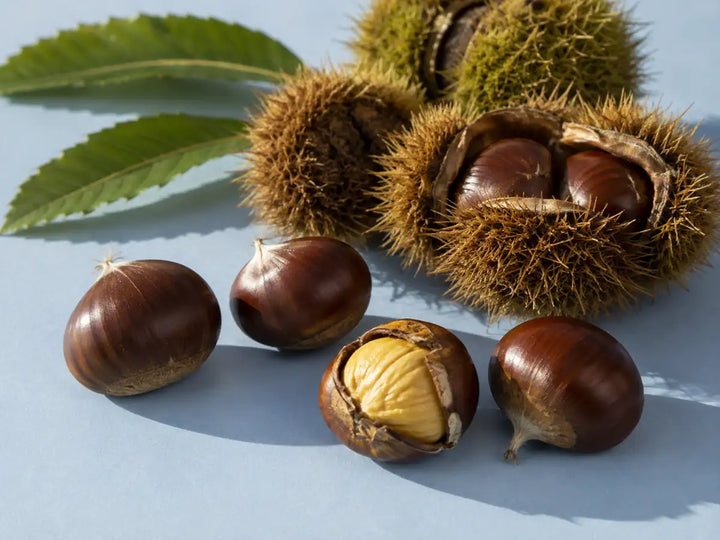
Chestnut in perfume usually smells warm, nutty and softly sweet, with roasted, creamy, woody and slightly earthy sides. It can suggest freshly roasted chestnuts, soft nut flesh or...
Explore Chestnut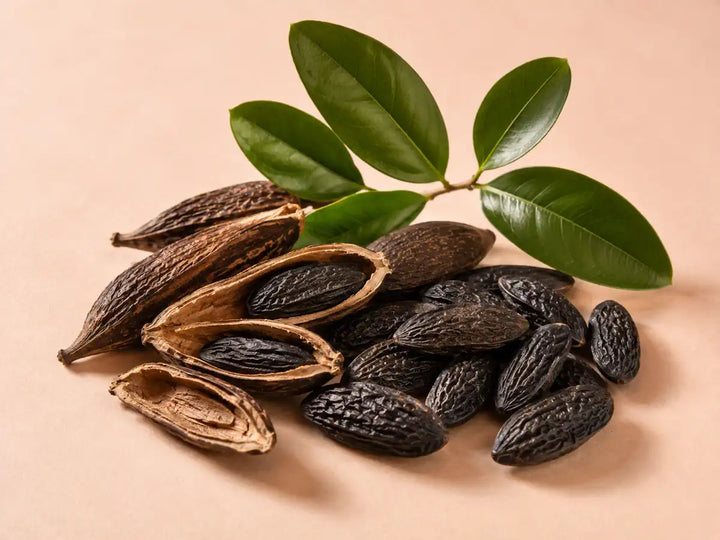
Tonka bean in perfume usually smells warm, sweet and powdery, with notes that can remind people of vanilla, almond, hay and soft tobacco. It is rich and comforting...
Explore Tonka Bean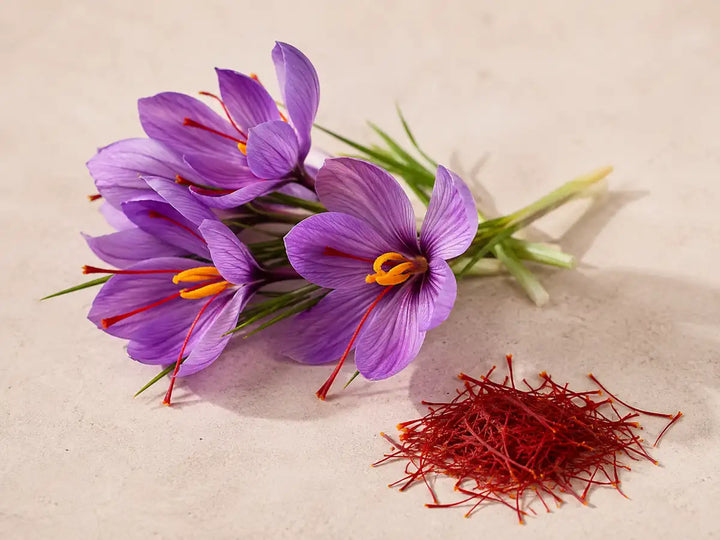
Saffron in perfume usually smells dry, warm and spicy, with leathery, hay-like, honeyed and sometimes slightly metallic sides. It is not normally sweet in the same way as...
Explore Saffron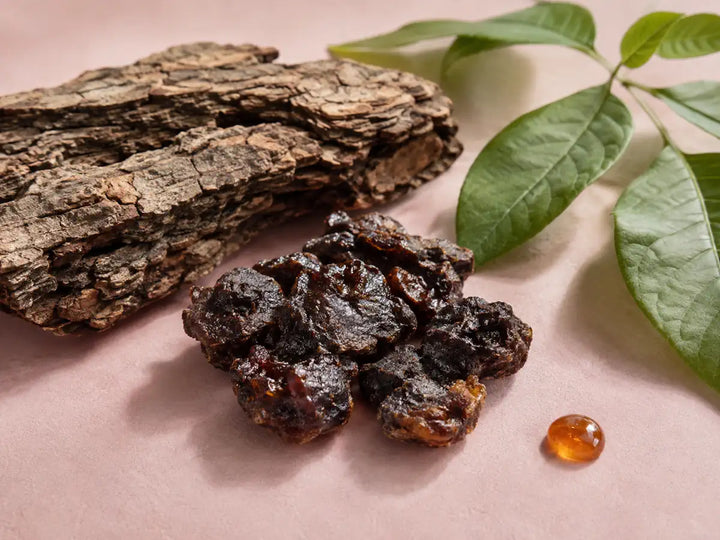
Peru balsam in perfume usually smells sweet, balsamic and warm, with vanilla, cinnamon, amber and powdery sides. It has a smooth resinous character that can resemble dark vanilla,...
Explore Peru Balsam


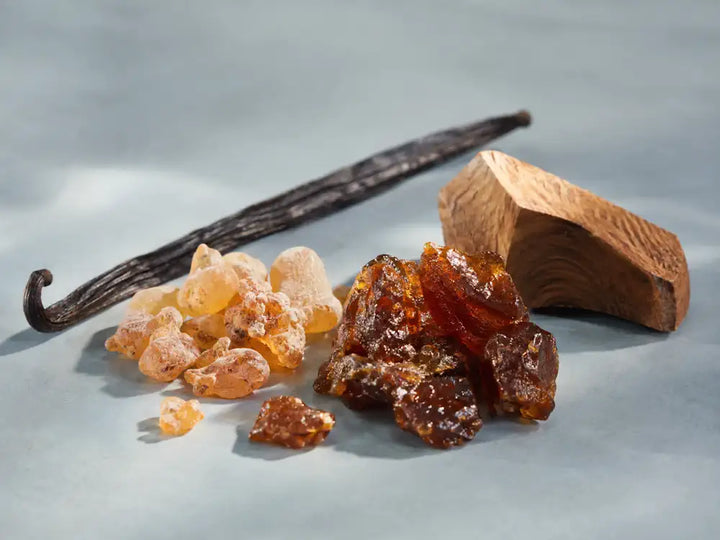
An amber accord usually smells warm, rich and softly sweet, with a smooth depth that can feel resinous, balsamic or slightly powdery. Some amber accords are soft and...
Explore Amber
A fresh accord usually smells bright, clean and light, but there is no single fresh smell. Citrus can make it zesty, mint can add a cooling quality, green...
Explore Fresh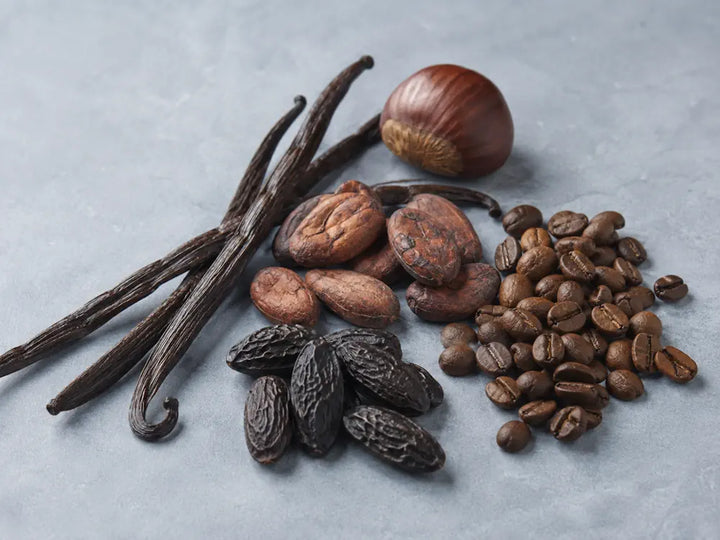
A gourmand accord usually smells edible or dessert-like, with qualities that may be sweet, creamy, nutty, roasted or warm. Vanilla and marshmallow can make it soft and comforting,...
Explore Gourmand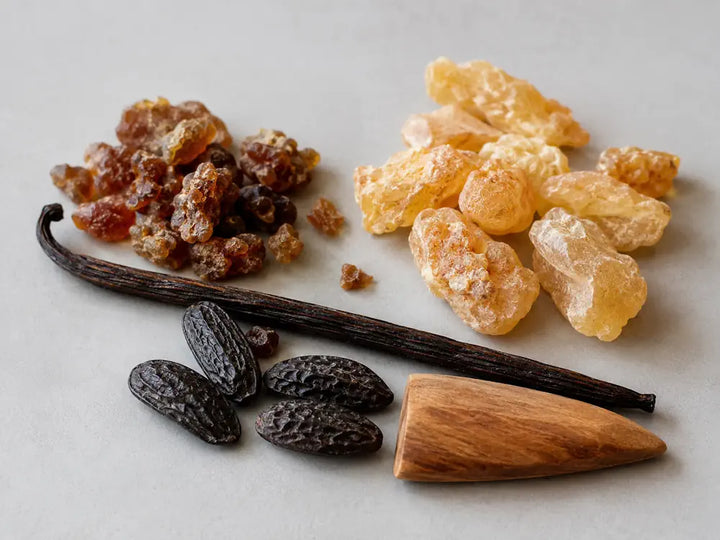
A resinous accord usually smells deep, warm and balsamic, with qualities that may be sweet, earthy, smoky, woody or slightly medicinal. Myrrh can make the effect darker and...
Explore Resinous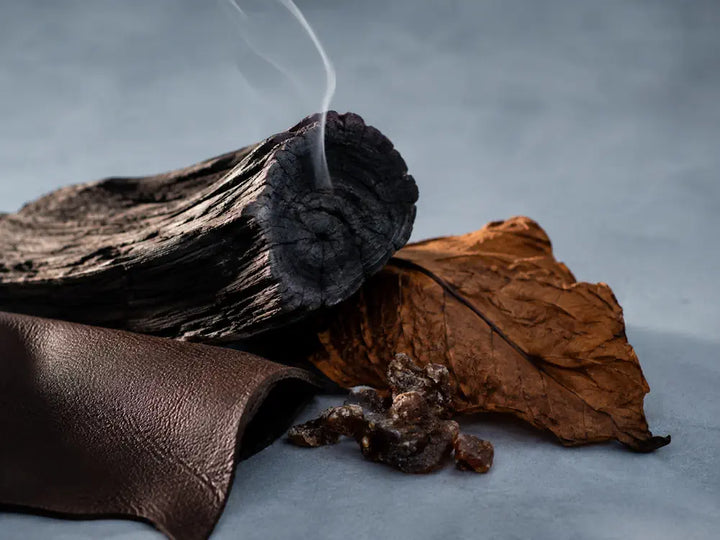
A smoky accord can smell like dry wood smoke, glowing embers, incense, burnt leaves, tobacco or lightly charred materials. Some versions are dark and tar-like, while others are...
Explore Smoky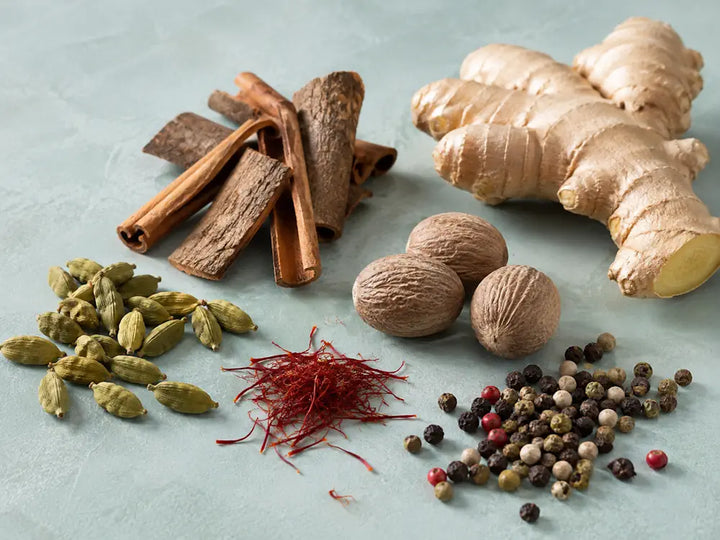
A spicy accord can smell warm and sweet, dry and peppery, fresh and aromatic, or earthy and leathery. Cinnamon and nutmeg generally push the accord towards warmth, cardamom...
Explore Spicy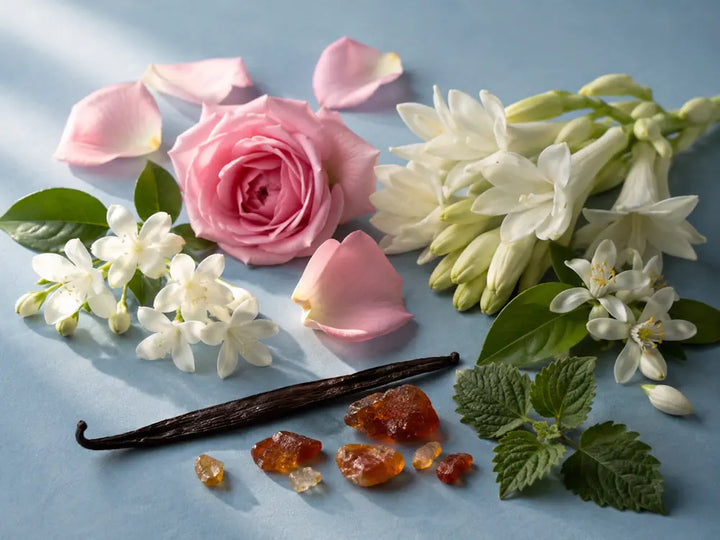
Floral & Warm fragrances typically smell floral first or have a clearly noticeable floral character, with a softer and deeper background that prevents the scent from feeling purely...
Explore Floral & Warm
Fresh & Bright fragrances generally smell crisp, open and energising rather than dense or heavy. Bergamot, lemon and grapefruit can provide sparkling citrus freshness, while mint and green...
Explore Fresh & Bright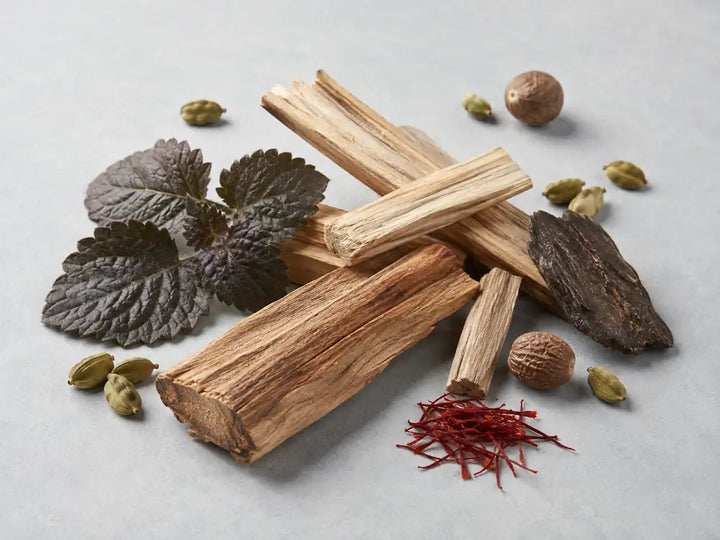
Spicy & Woody fragrances generally smell warm, dry and structured, with noticeable spice layered over woods or deeper earthy materials. Nutmeg can bring dry warmth, while cardamom often...
Explore Spicy & Woody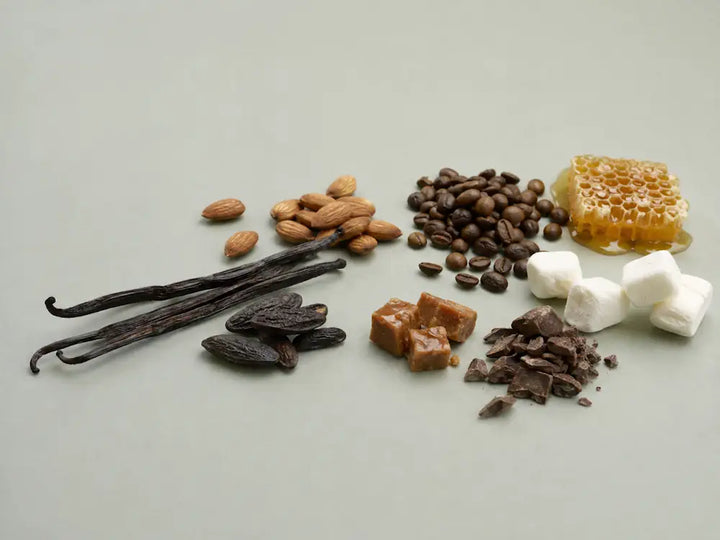
Sweet & Gourmand fragrances usually smell soft, sweet, creamy, edible or comforting, but they can range from light and smooth to dark and roasted. Vanilla and marshmallow can...
Explore Sweet & Gourmand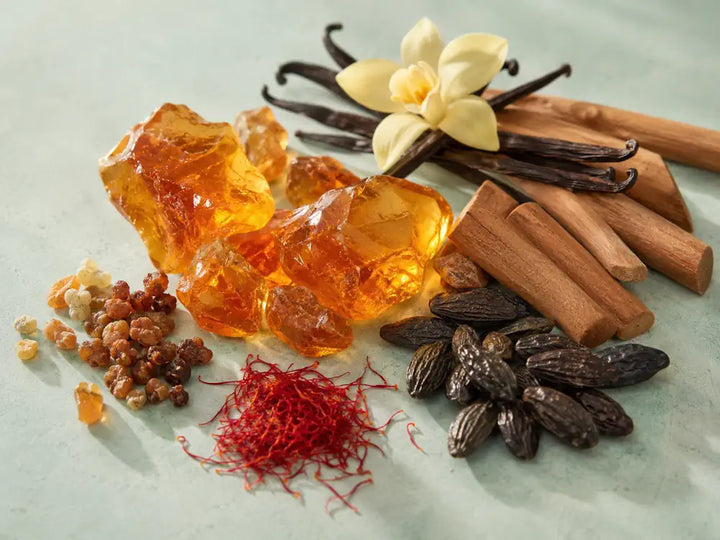
Warm & Ambery fragrances generally smell smooth, rich and enveloping. Vanilla and tonka bean can create softer sweetness, sandalwood adds a creamy woody quality, and resins such as...
Explore Warm & Ambery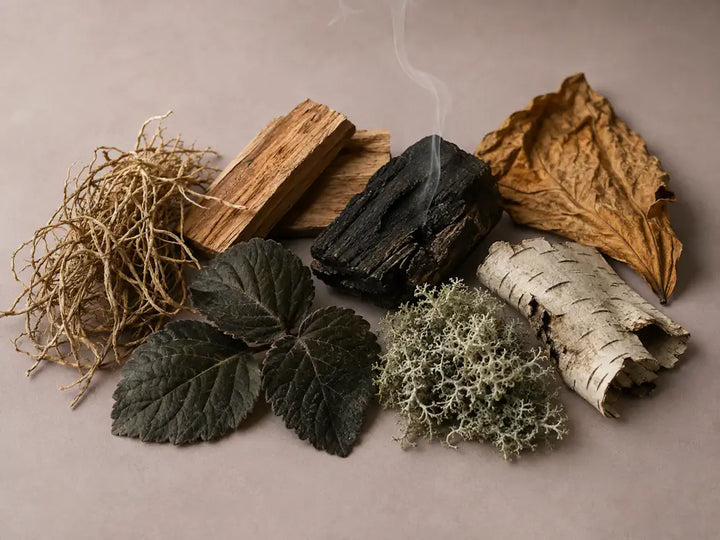
Woody & Smoky fragrances usually smell dry, earthy or woody, often with touches of smoke, leather or tobacco. Cedarwood can give a clear, dry structure, while vetiver and...
Explore Woody & Smoky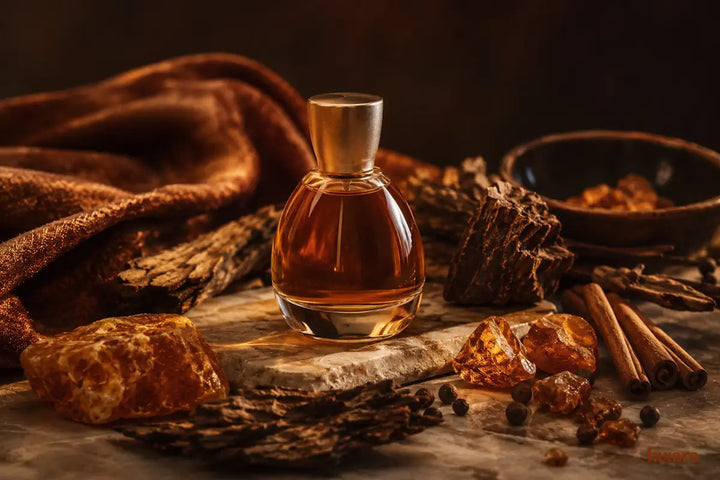
Amber is one of the most popular fragrance notes in perfumery, yet many people struggle to describe it. Learn why amber feels warm, smooth and comforting, how it...
Read guide
Discover why sweet and spicy fragrances remain so popular and how warmth, vanilla, woods and aromatic notes create a comforting scent experience.
Read guide