
Fragrance note
Jasmine
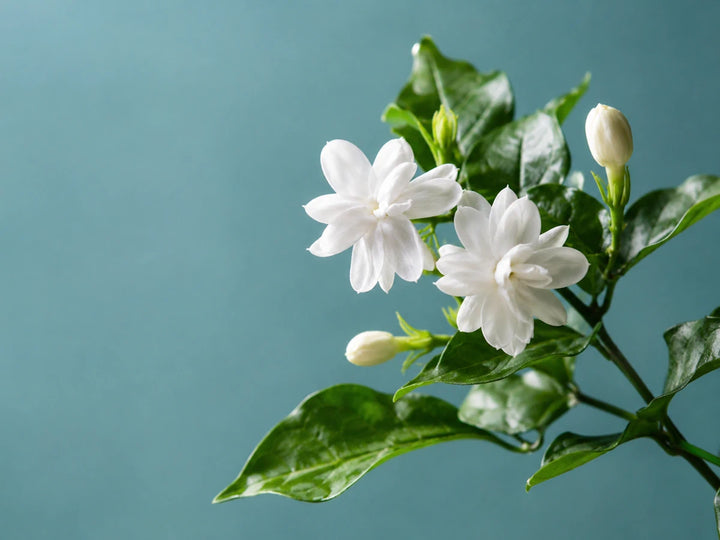
Jasmine in perfume usually smells rich, sweet and floral. It can also seem creamy, green, fruity or slightly spicy, depending on the type of jasmine and the other...
Explore JasmineCart
Your cart is empty
Fragrance note guide
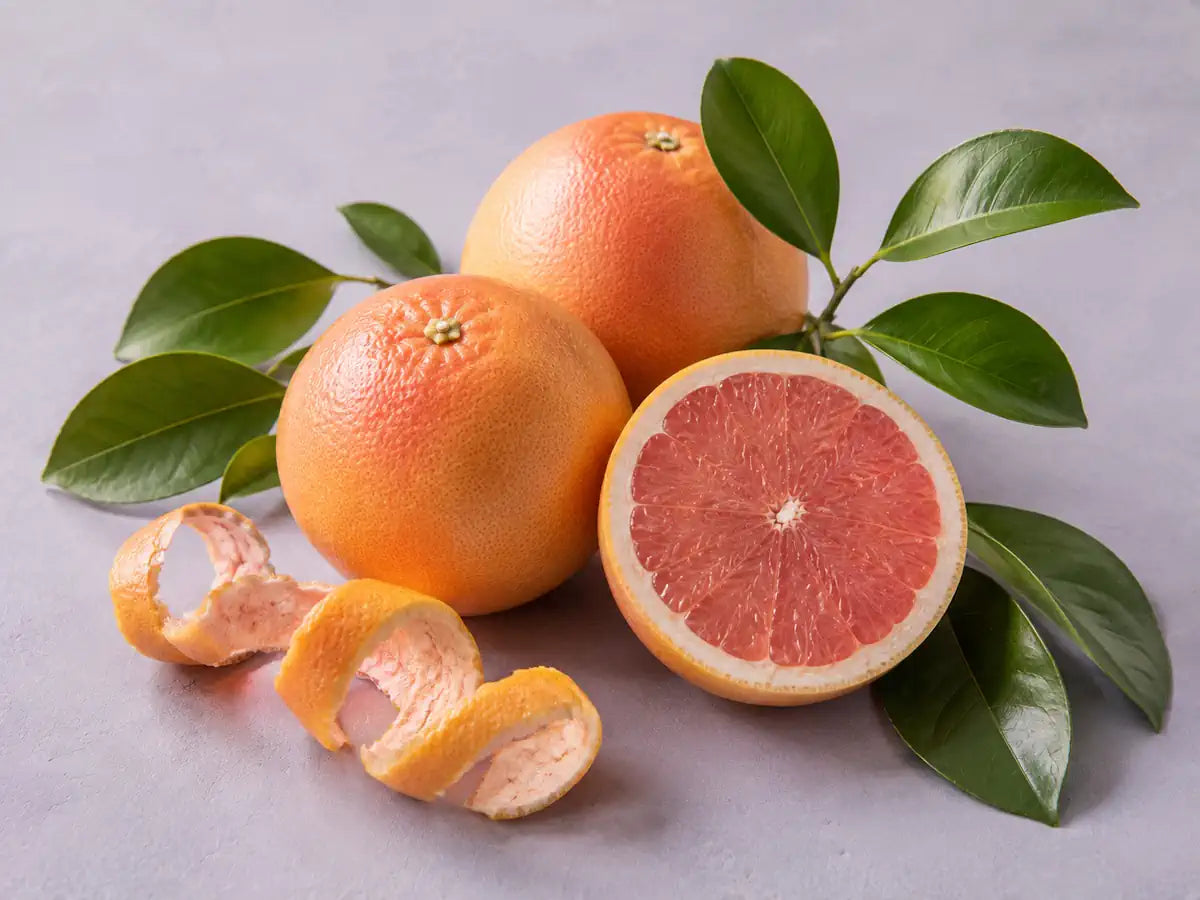
Grapefruit in perfume usually smells fresh, tart and juicy, with a slightly bitter peel character and a clean, sparkling edge. It may also have green, dry or lightly aromatic sides. Compared with orange, grapefruit usually feels sharper, less sweet and more bitter, which gives it a crisp modern quality. Perfumers mainly use grapefruit in the opening of a fragrance, where it can brighten woody, floral, aromatic and marine compositions without adding the softer sweetness associated with many other citrus notes.
Jasmine in perfume usually smells rich, sweet and floral. It can also seem creamy, green, fruity or slightly spicy, depending on the type of jasmine and the other...
Explore Jasmine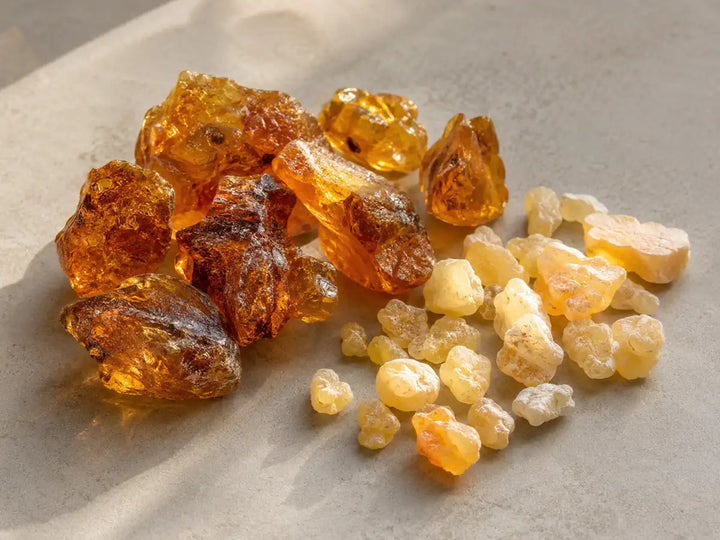
Amber in perfume usually smells warm, sweet and resinous, with soft vanilla, balsamic, powdery or slightly smoky sides. It is not normally taken from fossilised amber. In perfumery,...
Explore Amber
Cedarwood in perfume usually smells dry, warm and woody, with resinous, slightly smoky or pencil like sides. Some cedarwood notes feel smooth and creamy, while others are sharper...
Explore Cedarwood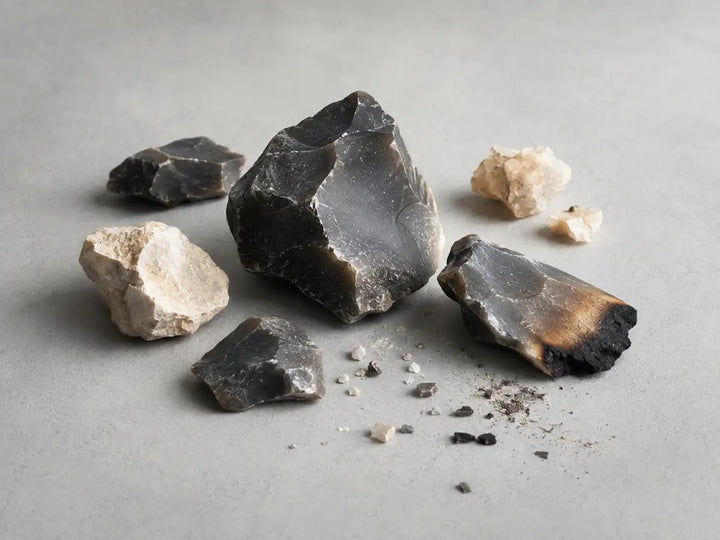
Flint in perfume usually smells dry, mineral and smoky, with metallic, stony and slightly earthy sides. It does not come from extracting scent from pieces of flint. It...
Explore Flint
Juniper in perfume usually smells fresh, aromatic and coniferous, with gin-like, spicy, green and woody sides. It can feel crisp and sparkling near the start, before becoming drier...
Explore Juniper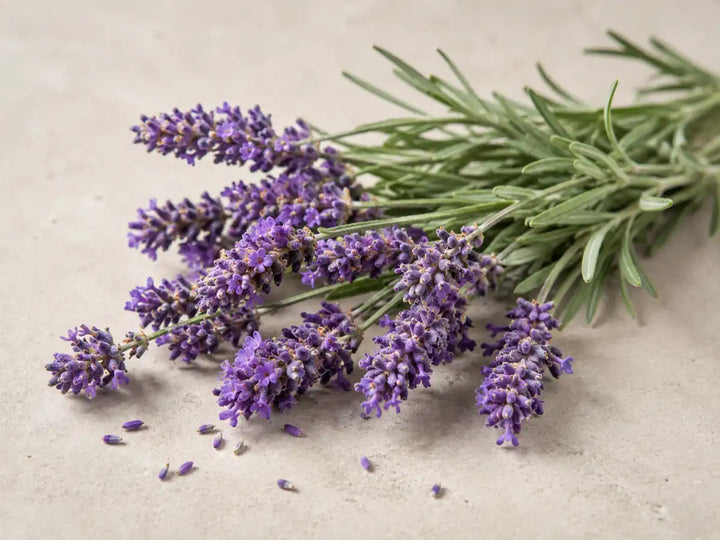
Lavender in perfume usually smells fresh, aromatic and softly floral, with herbal, clean, slightly sweet and sometimes powdery sides. Some lavender notes feel light, airy and calming, while...
Explore Lavender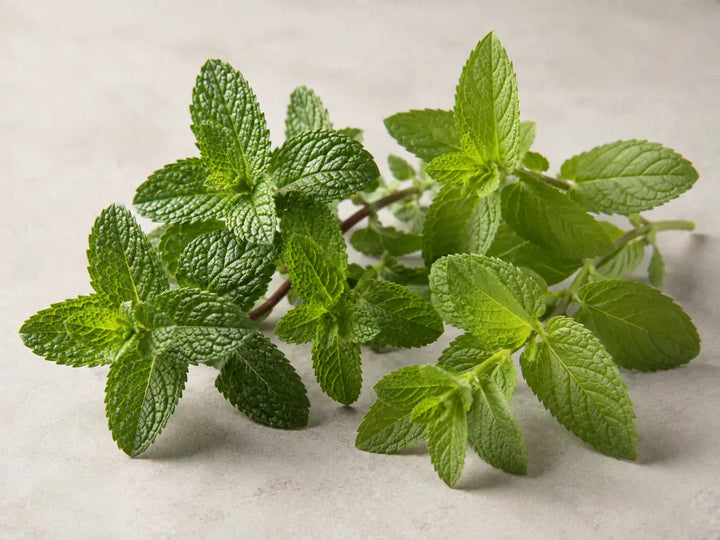
Mint in perfume usually smells cool, fresh and green, with herbal, sweet and sometimes camphor-like sides. Peppermint can feel sharp and icy, while spearmint is often softer, greener...
Explore Mint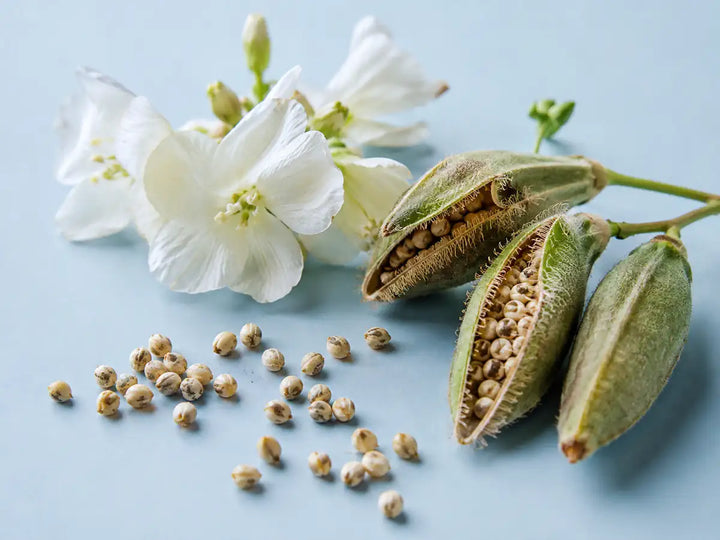
Musk in perfume can smell soft, warm, clean and slightly powdery, often with a smooth quality that is compared with fresh skin or clean fabric. Some musk notes...
Explore Musk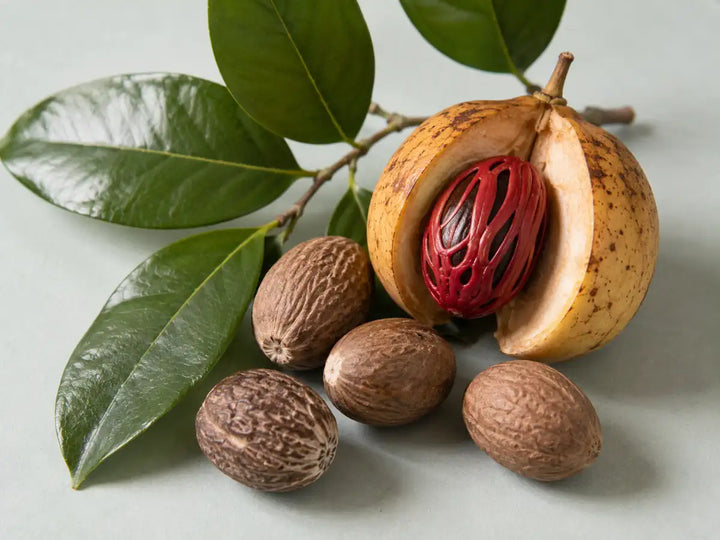
Nutmeg in perfume usually smells warm, dry and gently spicy, with woody, aromatic, sweet and slightly earthy sides. It is generally softer and rounder than black pepper and...
Explore Nutmeg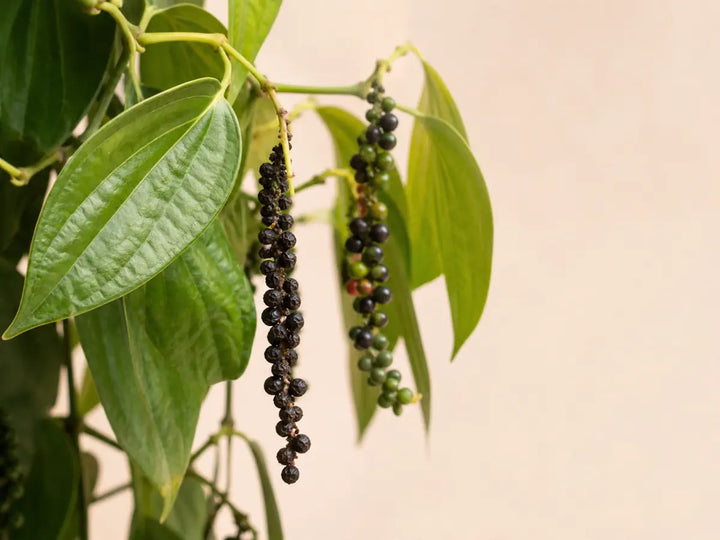
Pepper in perfume usually smells dry, fresh and spicy, with aromatic, citrus-like and woody sides. It can create a lively tingling sensation without necessarily smelling hot like food....
Explore Pepper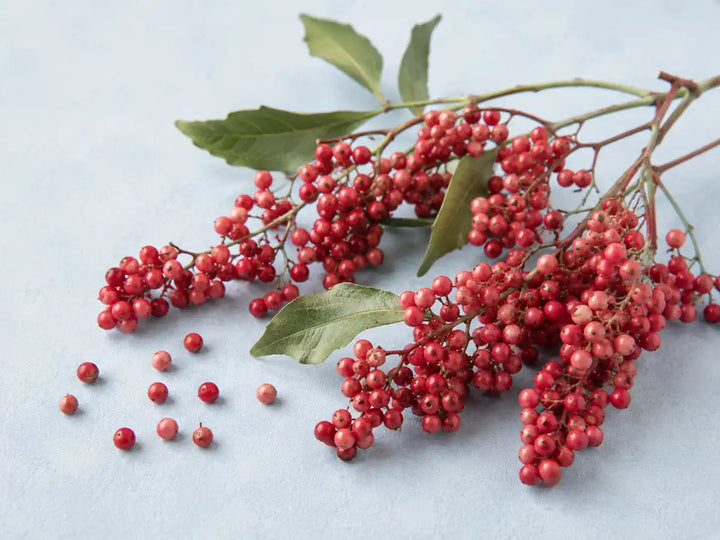
Pink pepper in perfume usually smells fresh, sparkling and gently spicy, with rosy, fruity, citrusy and slightly woody sides. It feels brighter and softer than black pepper and...
Explore Pink Pepper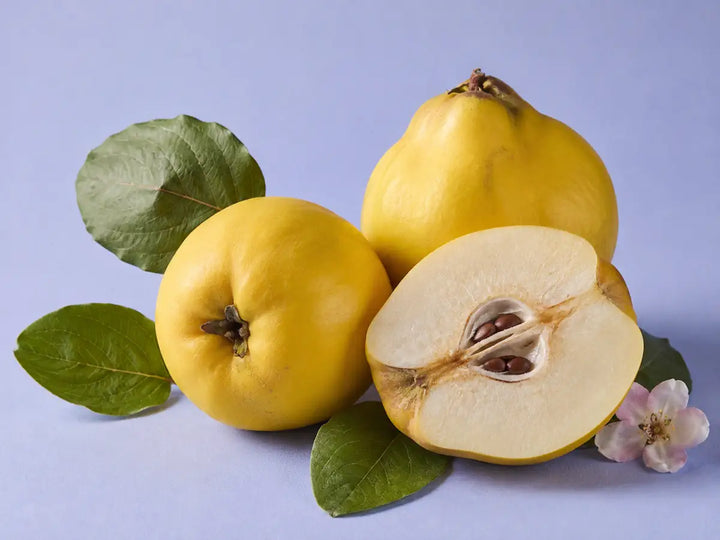
Quince in perfume usually smells tart, fruity and aromatic, with apple, pear, citrus, floral and softly honeyed sides. It can feel crisp and green when unripe, becoming sweeter...
Explore Quince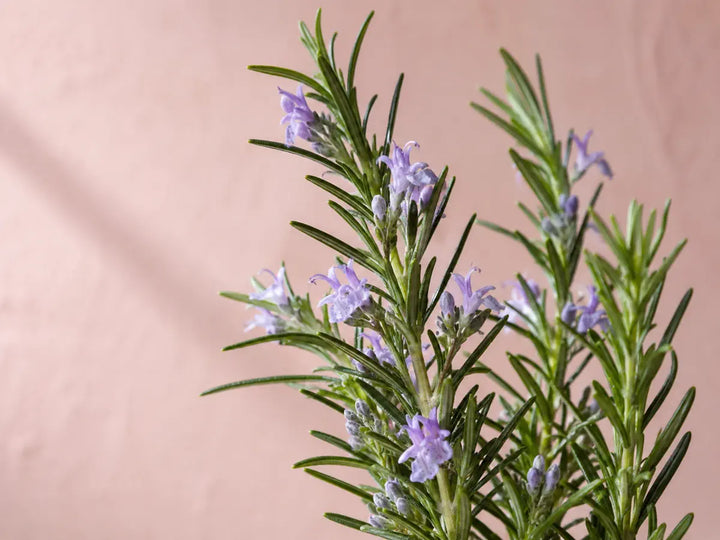
Rosemary in perfume usually smells fresh, herbal and aromatic, with camphoraceous, minty, pine-like and lightly woody sides. It has a clean and stimulating character that can feel cool,...
Explore Rosemary
Vetiver in perfume usually smells earthy, woody and dry, with smoky, green, grassy or slightly bitter sides. Some vetiver notes feel dark, rooty and rugged, while others are...
Explore Vetiver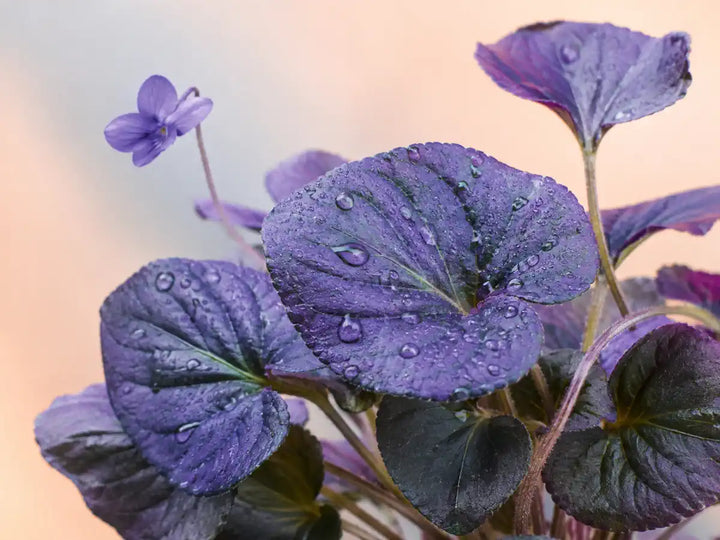
Violet leaf in perfume usually smells green, watery and cool, with metallic, leafy, cucumber-like and earthy sides. It is very different from the sweet powdery smell associated with...
Explore Violet LeafThese fragrances introduce Grapefruit near the opening of the scent.


These fragrances reveal Grapefruit through the central body of the scent.

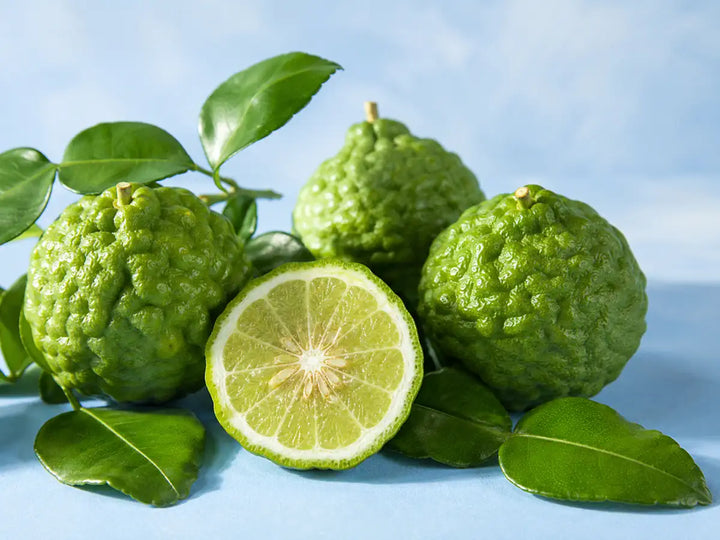
Bergamot in perfume smells fresh, bright and citrusy, with a soft floral character and a slightly bitter green edge. It is less sharp than lemon and often feels...
Explore Bergamot
Citrus in perfume usually smells bright, fresh and zesty, with juicy, bitter, green and peel-like sides. The term does not describe one fruit because lemon, bergamot, orange, mandarin,...
Explore Citrus
Clementine in perfume usually smells sweet, juicy and zesty, with bright citrus peel, soft green freshness and a lightly floral character. It is generally rounder and less sharply...
Explore Clementine
Lemon in perfume usually smells bright, fresh and sharply citrusy, with a clean, zesty character that often suggests freshly cut peel. It may also have green, lightly floral...
Explore Lemon
Lime in perfume usually smells sharp, zesty and green, with juicy, bitter, sparkling and slightly herbal sides. It is often brighter and more sour than orange or mandarin,...
Explore Lime
Mandarin in perfume usually smells sweet, juicy and zesty, with soft fruity, floral and slightly green sides. It is generally rounder and less sharp than lemon, making it...
Explore Mandarin
Orange in perfume usually smells juicy, sweet and zesty, with the fresh character of newly peeled fruit. It is softer and sweeter than lemon, while usually feeling less...
Explore Orange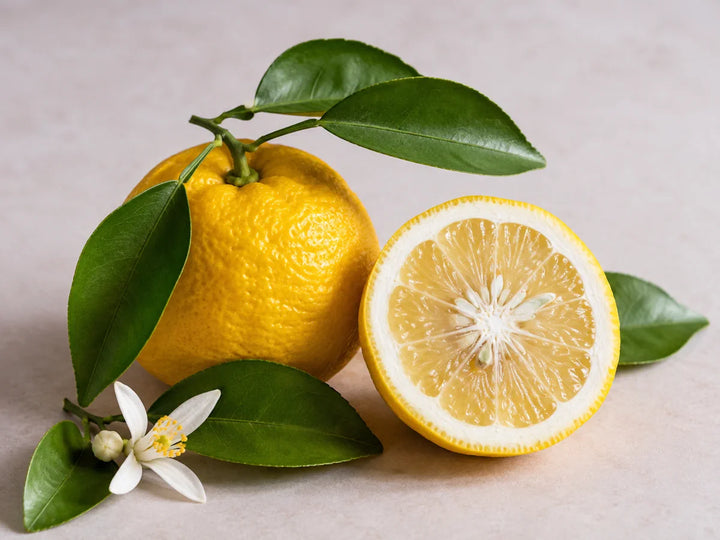
Yuzu in perfume usually smells bright, tart and aromatic, with lemon, grapefruit, mandarin, green and lightly floral sides. It is sharper and more fragrant than a simple sweet...
Explore Yuzu
An aquatic accord usually smells cool, clean, watery and airy. Marine versions may have salty, seaweed-like or slightly mineral qualities, while softer aquatic accords can smell more like...
Explore Aquatic
A citrus accord normally smells bright, fresh and zesty, but it can range from sharp and tart to soft and lightly sweet. Lemon and lime tend to bring...
Explore Citrus
A fresh accord usually smells bright, clean and light, but there is no single fresh smell. Citrus can make it zesty, mint can add a cooling quality, green...
Explore Fresh
Fresh & Bright fragrances generally smell crisp, open and energising rather than dense or heavy. Bergamot, lemon and grapefruit can provide sparkling citrus freshness, while mint and green...
Explore Fresh & Bright