
Freesia works especially well in fresh fruity floral perfumes because it adds floral brightness without making the fragrance feel heavy. Its airy character can soften juicy pear, melon or citrus notes, while its green and gently peppery sides stop sweeter fruit from becoming too rich. The result often feels fresh, open and well balanced.
In perfumery, freesia is usually created as an accord, meaning several fragrance materials are blended to suggest the flower. Our detailed guide to the freesia fragrance note looks more closely at its individual scent character. Here, the focus is on the job freesia performs within a complete fragrance and why it pairs so naturally with fruit and other flowers.
As the fragrance develops, freesia can help the bright opening flow smoothly into the floral heart. It can give rose a fresher edge, keep pear or melon feeling clear, and create a gentle bridge towards musk or soft woods in the base. Freesia does not normally need to dominate the perfume. Its value comes from adding lift, balance and continuity to the other notes around it.

Why freesia often feels light and fresh
Some floral notes can feel full, creamy or noticeably sweet. Freesia is often perceived differently. It tends to give a fragrance a lighter, more transparent floral character, which is why it appears in many fresh floral and fruity floral compositions.
That airy character is one reason freesia appears in so many everyday perfumes. Rather than relying on strong sweetness, it helps create the impression of freshness and clarity. If you're interested in the wider picture, our guide explains why fresh fragrance styles can feel light and clean.
Its sweetness is usually gentle rather than syrupy. There may also be a green, slightly peppery quality that stops the note from becoming too soft or powdery. This makes freesia a useful choice when a perfumer wants a fragrance to feel floral without making flowers the only thing a person notices.
Of course, a perfume is not defined by one note alone. Freesia can feel brighter with citrus or fruit, softer with rose, or cleaner when paired with white musk. The whole formula decides how the final fragrance develops.
What does a freesia accord mean?
An accord is a combination of materials used to create a particular scent impression. In this case, a freesia accord is designed to express the flower’s fresh, sweet, green and airy qualities.
This is common in perfumery. Some natural scents are difficult to capture in a stable form, while an accord allows a perfumer to shape the character they want the fragrance to have. It may be more sparkling, greener, softer or more floral depending on the rest of the composition.
For the wearer, the practical point is simple: a listed freesia note tells you about the feeling a perfume is aiming for. It often suggests a floral heart that is light and fresh rather than heavy.
Where freesia appears as a fragrance develops
Freesia is often used in the heart of a fragrance. The heart is the stage that becomes clearer after the first bright notes begin to settle.
A fresh fruity floral perfume may open with pear, melon, citrus or apple. Freesia can then move forward with other flowers, adding softness while keeping the scent lively. Later, musk, amber or woods may give the fragrance a smoother finish.
This structure helps explain why a perfume can smell juicy at first but more floral after a few minutes. The fruit gives the opening its lift, while freesia helps connect that brightness to the softer base.
How freesia works with fruit, rose and musk
Freesia works especially well with fruit because both can create a sense of freshness. A crisp pear note, for example, may feel more floral and polished when freesia is present beside it. Readers who enjoy that effect may also find it useful to understand why pear fragrances often feel fresh and easy to wear.
With rose, freesia can make a floral heart feel lighter and less formal. Rose often brings a petal-like softness, while freesia can add a clearer, breezier edge. The result may feel more like a fresh floral composition than a deep rose perfume.
Soft musks can extend that clean, airy feeling into the dry down. They do not make every freesia fragrance smell the same, but they can help the floral character remain smooth after the brighter fruit notes have faded.
How freesia differs from other floral notes
Floral notes can feel very different from one another, even when they all appear in the heart of a perfume.
| Floral note | Often described as | General effect in a perfume |
|---|---|---|
| Freesia | Fresh, airy, softly sweet, green | Keeps a floral scent light and open |
| Rose | Petal-like, soft, fresh or fruity | Adds a familiar floral elegance |
| Jasmine | Fuller, warmer and sometimes creamy | Gives more depth and presence |
| Lily of the valley | Cool, green and watery | Creates a crisp, spring-like floral feel |
These are useful guides rather than fixed rules. A perfume can make the same floral note feel very different depending on what surrounds it. That is one reason it helps to test a fragrance on skin instead of judging it only from a note list.
For a broader introduction to floral styles, read our guide to why floral fragrances can feel elegant and comforting.
Who may enjoy freesia in perfume?
Freesia may suit people who enjoy floral fragrances but do not want them to feel too dense, sweet or formal. It is often a good note to explore if you like perfumes that feel fresh, soft and easy to wear.
You may enjoy it if you prefer:
- light florals over creamy white florals
- fruit notes balanced by flowers
- clean, airy fragrance styles
- a noticeable floral heart without a heavy dry down
- perfumes that feel fresh but not sharply citrus-led
If you are unsure, test the fragrance for at least half an hour. The first few minutes may highlight fruit or citrus, while freesia can become easier to notice once the opening settles.
A fresh fruity floral example
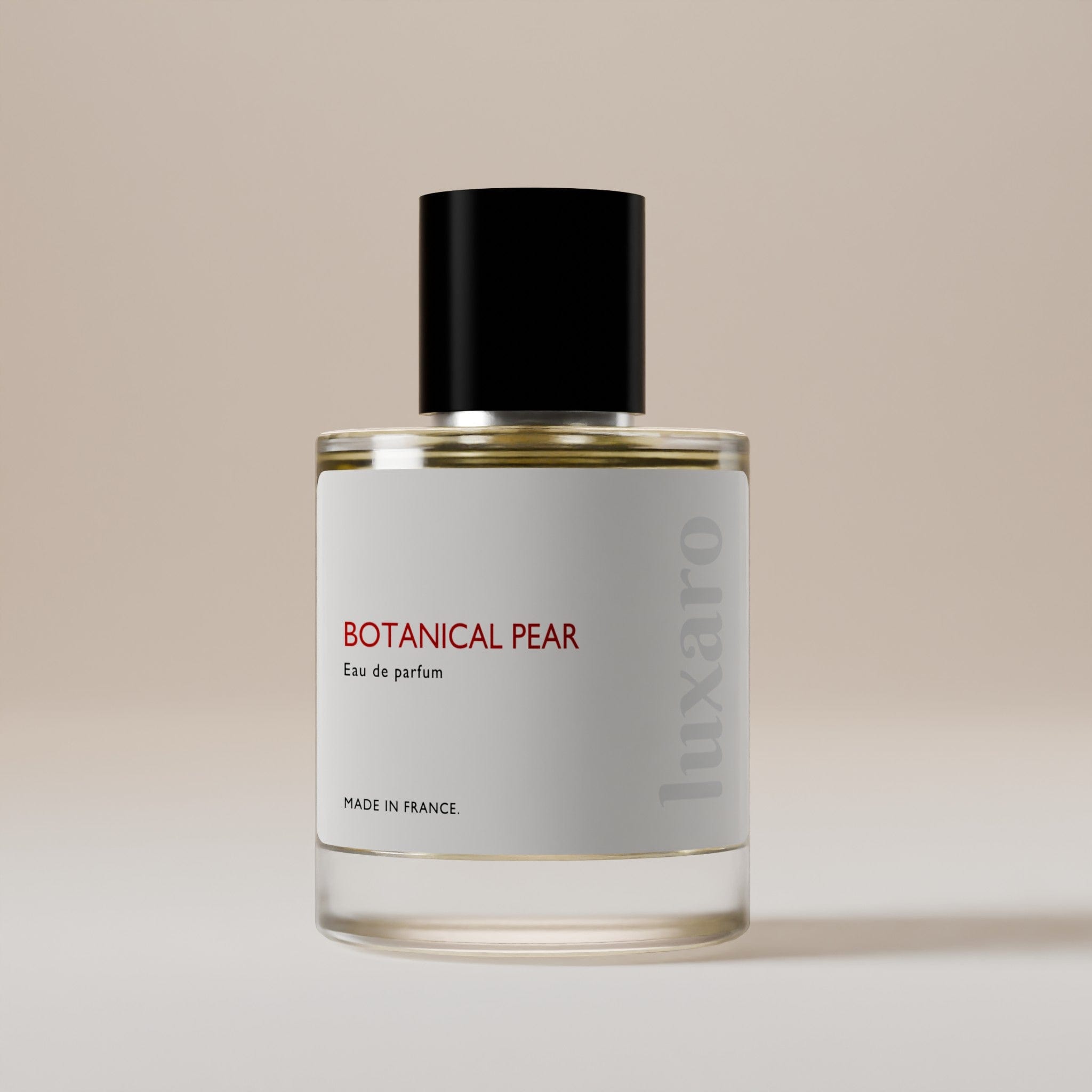
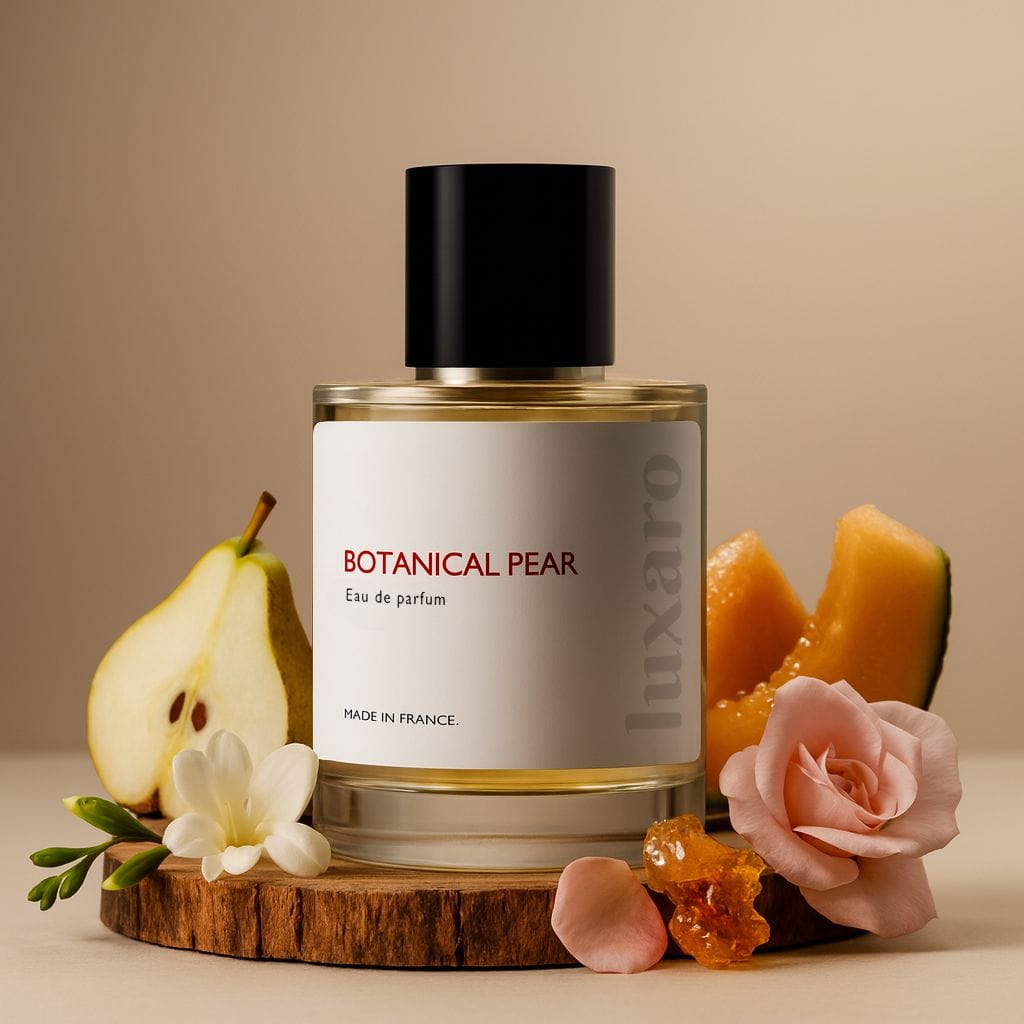
Freesia makes most sense when you see how it works within a complete fragrance structure. Botanical Pear has pear and melon at the opening, followed by a freesia and rose heart, then patchouli, rhubarb, musk and amber in the base.
This light fruity floral fragrance with a freesia and rose heart shows how the note can help bridge a crisp fruit opening and a clean, gently warm finish. It is not there simply to make the perfume smell floral. It helps the whole composition feel softer and more balanced as it develops.
The key point to remember
Freesia in perfume is usually a fresh, airy floral note with gentle sweetness and a subtle green lift. It is often used to make fruit notes feel more polished, to keep rose lighter, and to give a fragrance a floral character without making it feel heavy.
FAQs
Is freesia sweet in perfume?
Usually, but the sweetness is often light rather than sugary. Green, airy or gently peppery facets can help freesia feel fresh and balanced.
Is freesia in perfume the same as the natural flower?
Not exactly. Freesia is generally recreated as an accord rather than captured as a direct natural extract, so its character can vary from one fragrance to another.
Is freesia a top note or a heart note?
Freesia is commonly used as a heart note, where it helps connect a fresh opening to a softer base. However, its position can vary depending on the formula.