
Fragrance note
Fruity Notes
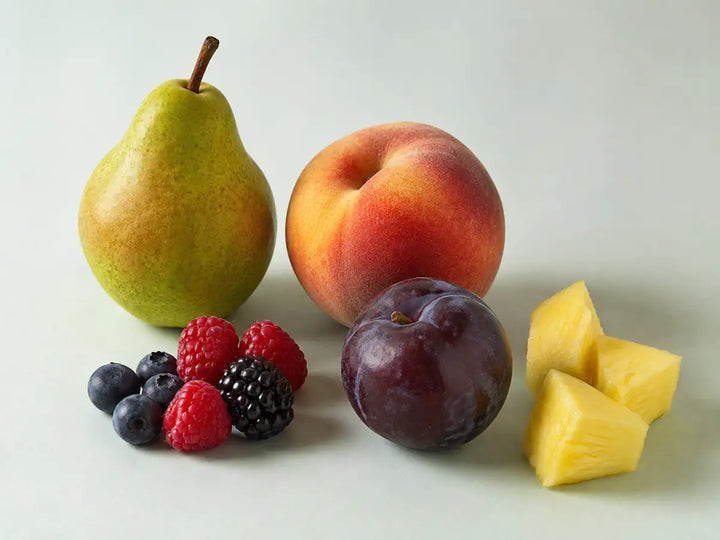
Fruity notes in perfume can smell juicy, sweet, tart, green, creamy or syrupy depending on the fruits being represented. The term is a broad category rather than one...
Explore Fruity NotesCart
Your cart is empty
Fragrance note guide
Gardenia in perfume usually smells rich, creamy and floral, with sweet white-petal, green and softly fruity sides. It can feel smoother and more velvety than jasmine, although the two may share a warm white-floral character. Some gardenia accords are fresh and green, while others are fuller, sweeter and almost buttery. Gardenia is normally used in the heart of a fragrance.

Fruity notes in perfume can smell juicy, sweet, tart, green, creamy or syrupy depending on the fruits being represented. The term is a broad category rather than one...
Explore Fruity Notes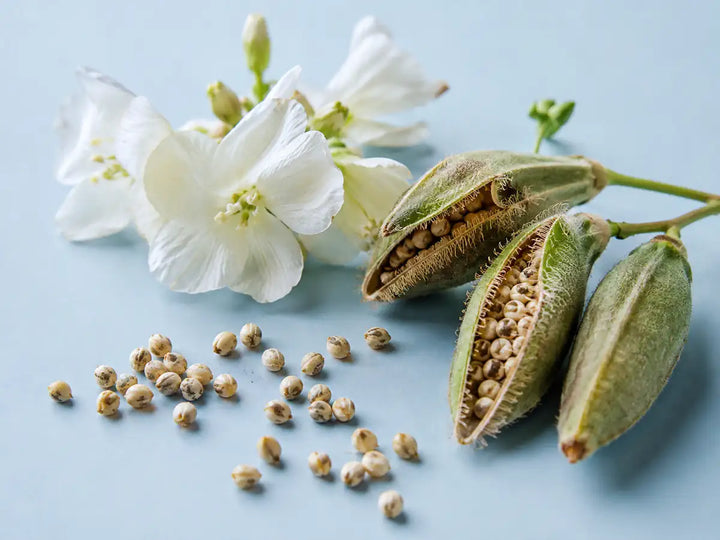
Musk in perfume can smell soft, warm, clean and slightly powdery, often with a smooth quality that is compared with fresh skin or clean fabric. Some musk notes...
Explore Musk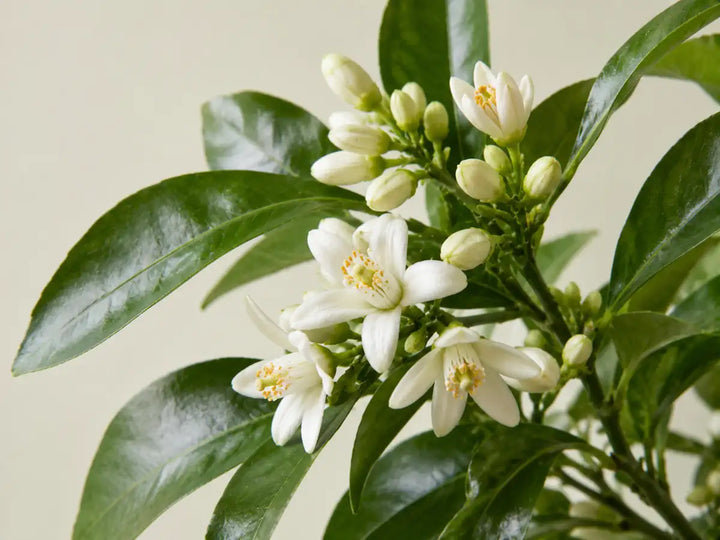
Neroli in perfume usually smells fresh, floral and green, with citrusy, slightly bitter and softly sweet sides. It has the scent of white orange flowers but generally feels...
Explore Neroli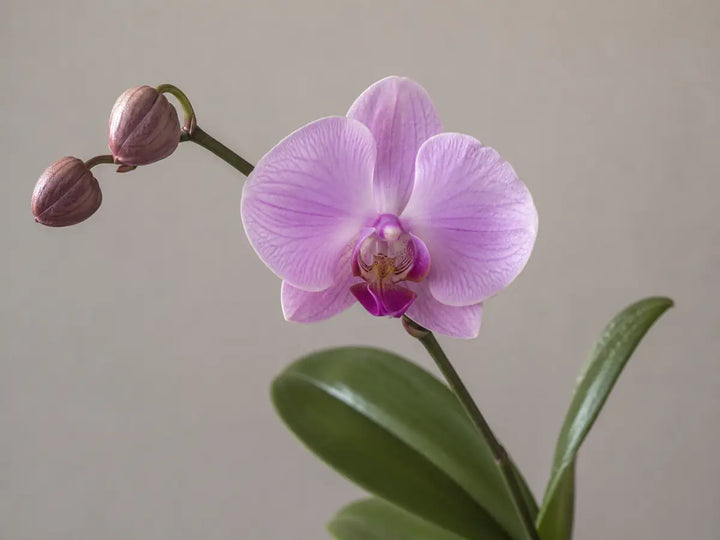
Orchid in perfume usually smells creamy, floral and softly sweet, although there is no single natural orchid smell. Different orchid species can smell fruity, spicy, green, powdery, vanilla-like...
Explore Orchid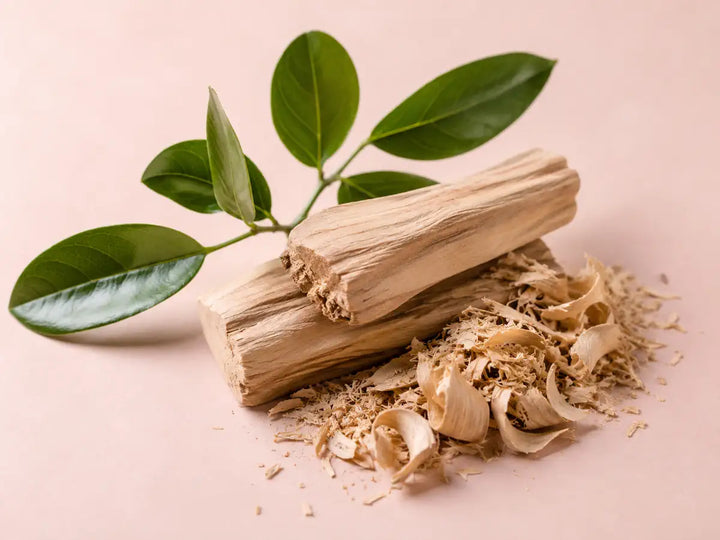
Sandalwood in perfume usually smells warm, creamy and softly woody. It can also have milky, balsamic, powdery or lightly spicy sides. Unlike sharper woods, sandalwood often feels smooth...
Explore SandalwoodThese fragrances reveal Gardenia through the central body of the scent.


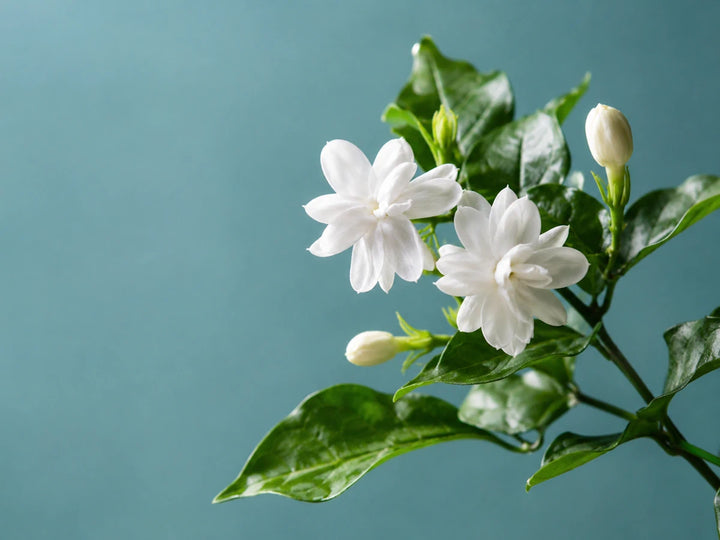
Jasmine in perfume usually smells rich, sweet and floral. It can also seem creamy, green, fruity or slightly spicy, depending on the type of jasmine and the other...
Explore Jasmine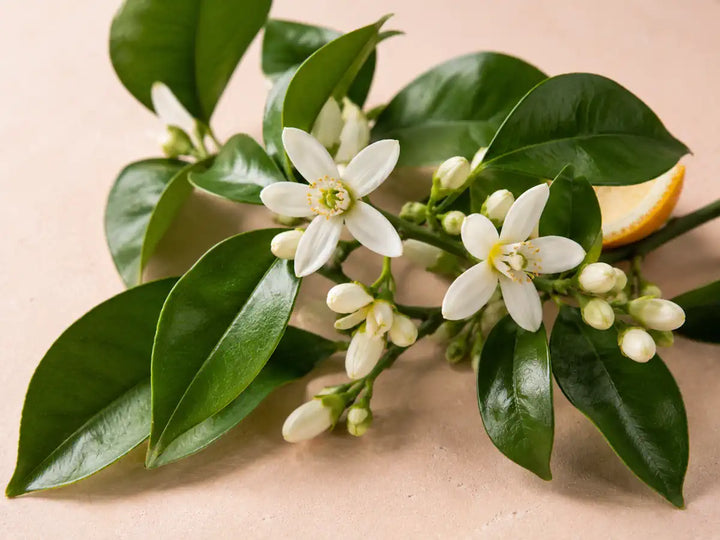
Orange blossom in perfume usually smells rich, white floral and softly sweet, with citrusy, honeyed, green and slightly creamy sides. It can feel bright and fresh in one...
Explore Orange Blossom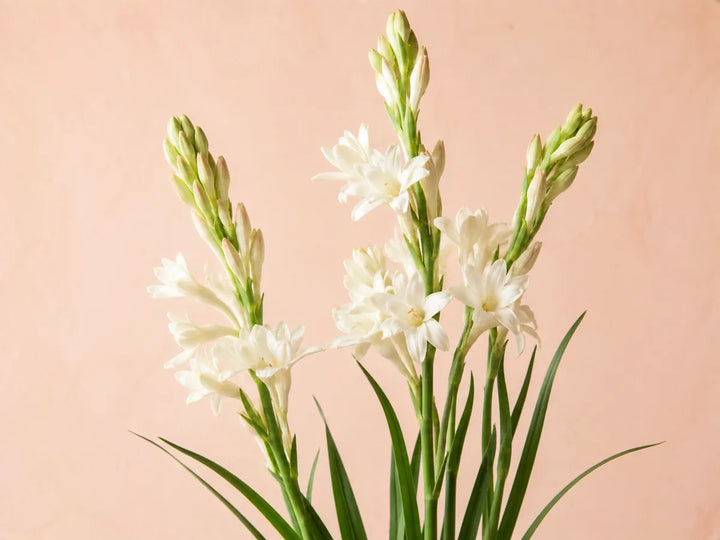
Tuberose in perfume usually smells rich, creamy and strongly floral, with sweet, warm, green and sometimes coconut-like sides. It is much fuller and heavier than delicate flowers such...
Explore Tuberose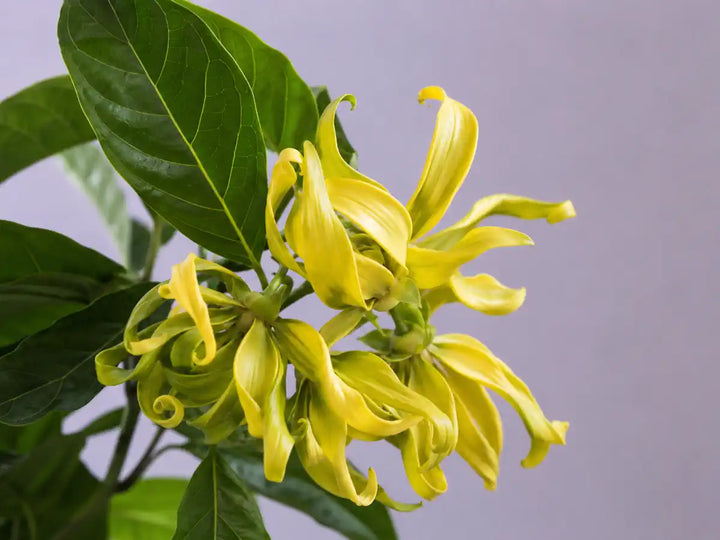
Ylang-ylang in perfume usually smells rich, creamy and floral, with sweet, spicy, fruity and slightly banana-like sides. It is a warm tropical white-floral note with more density than...
Explore Ylang-Ylang