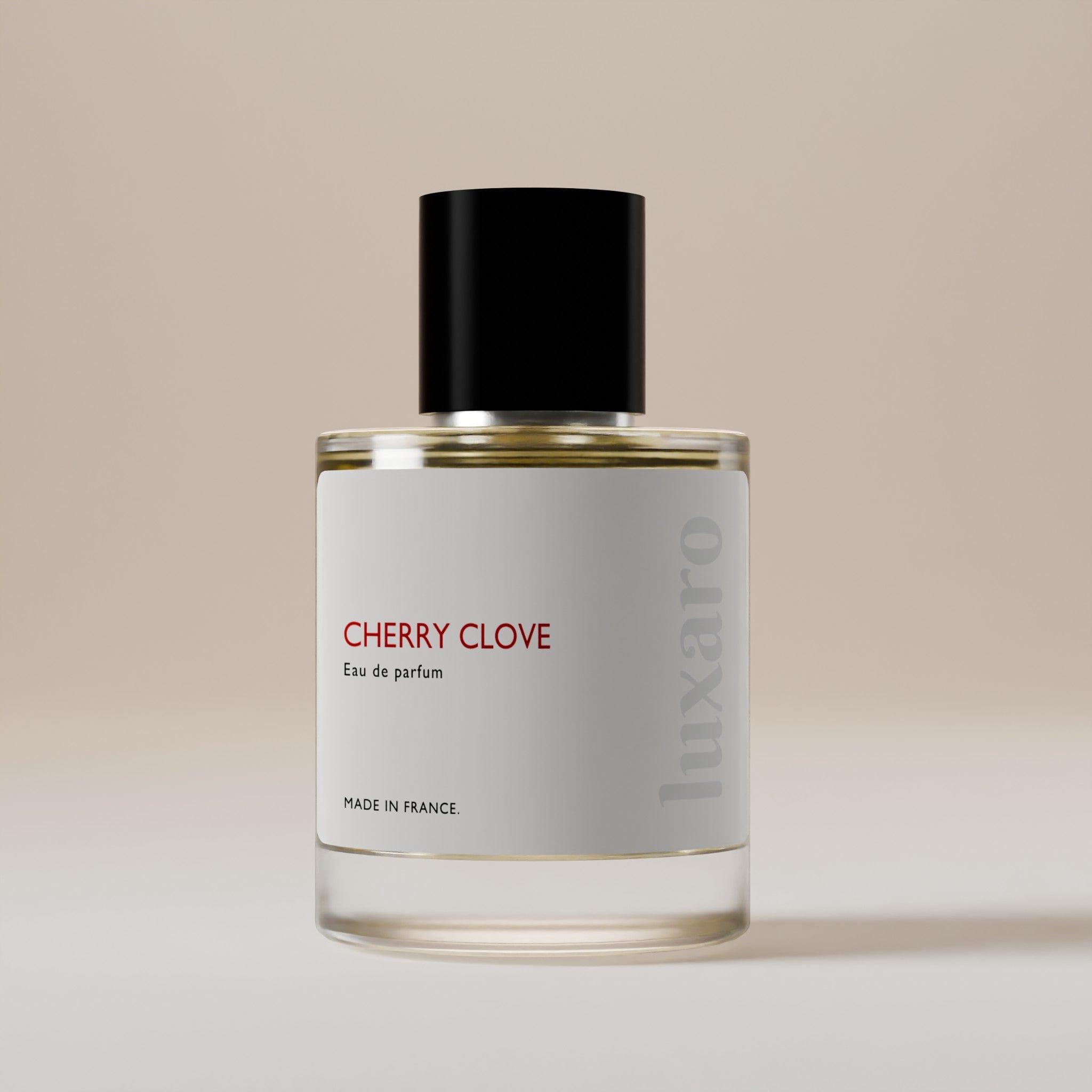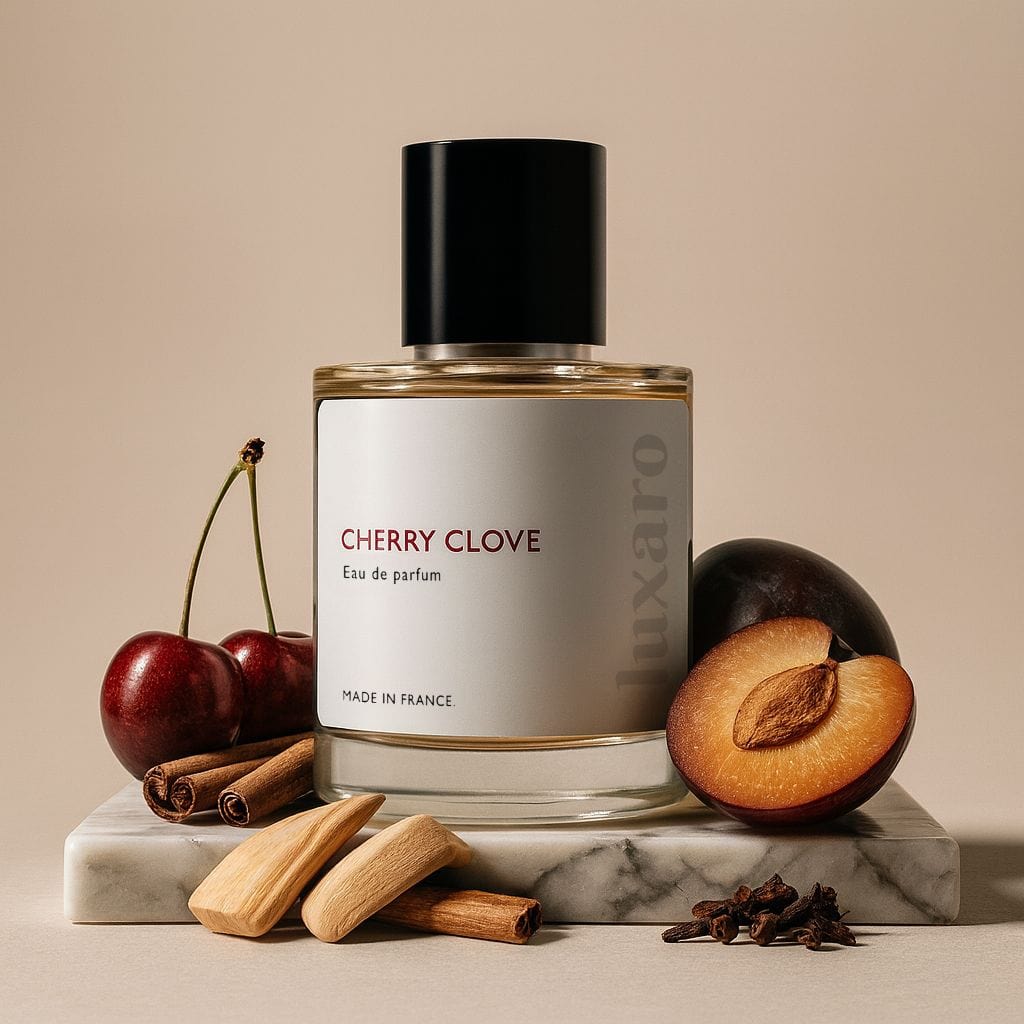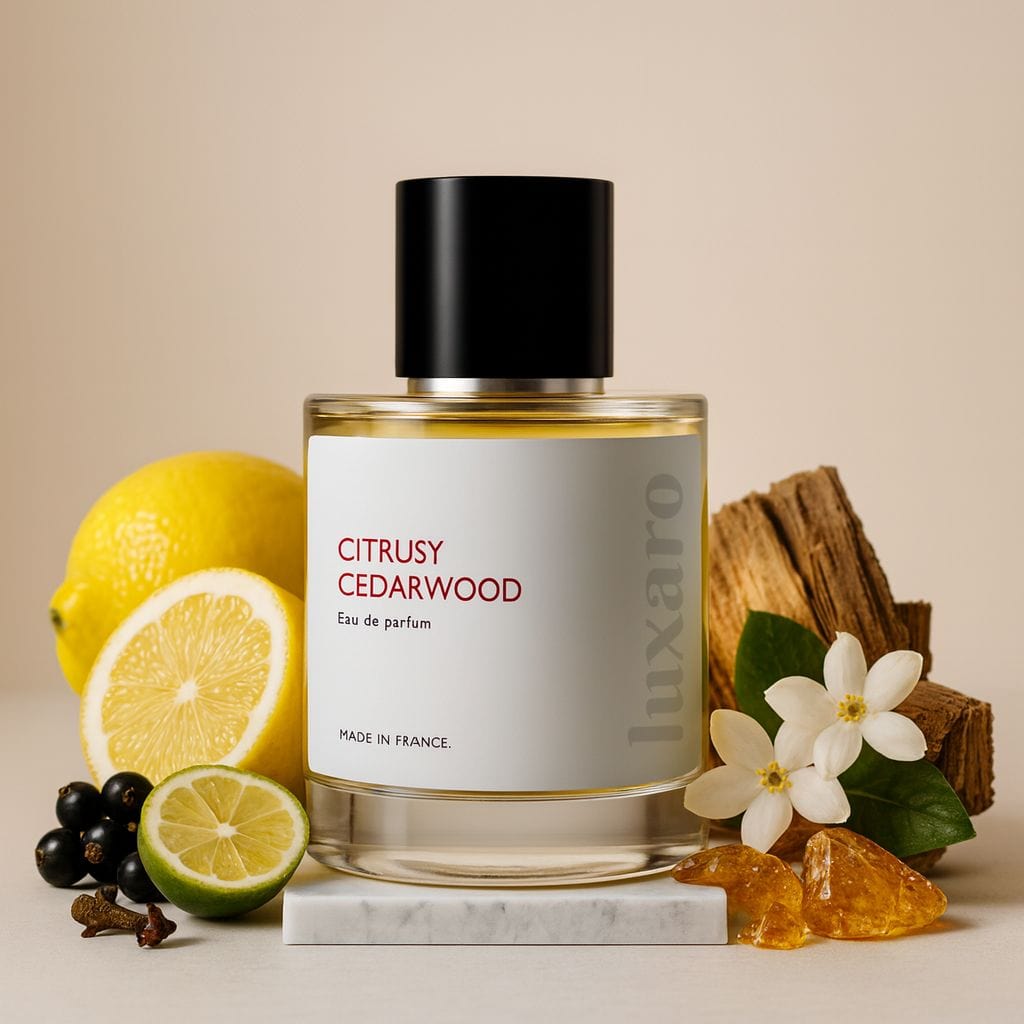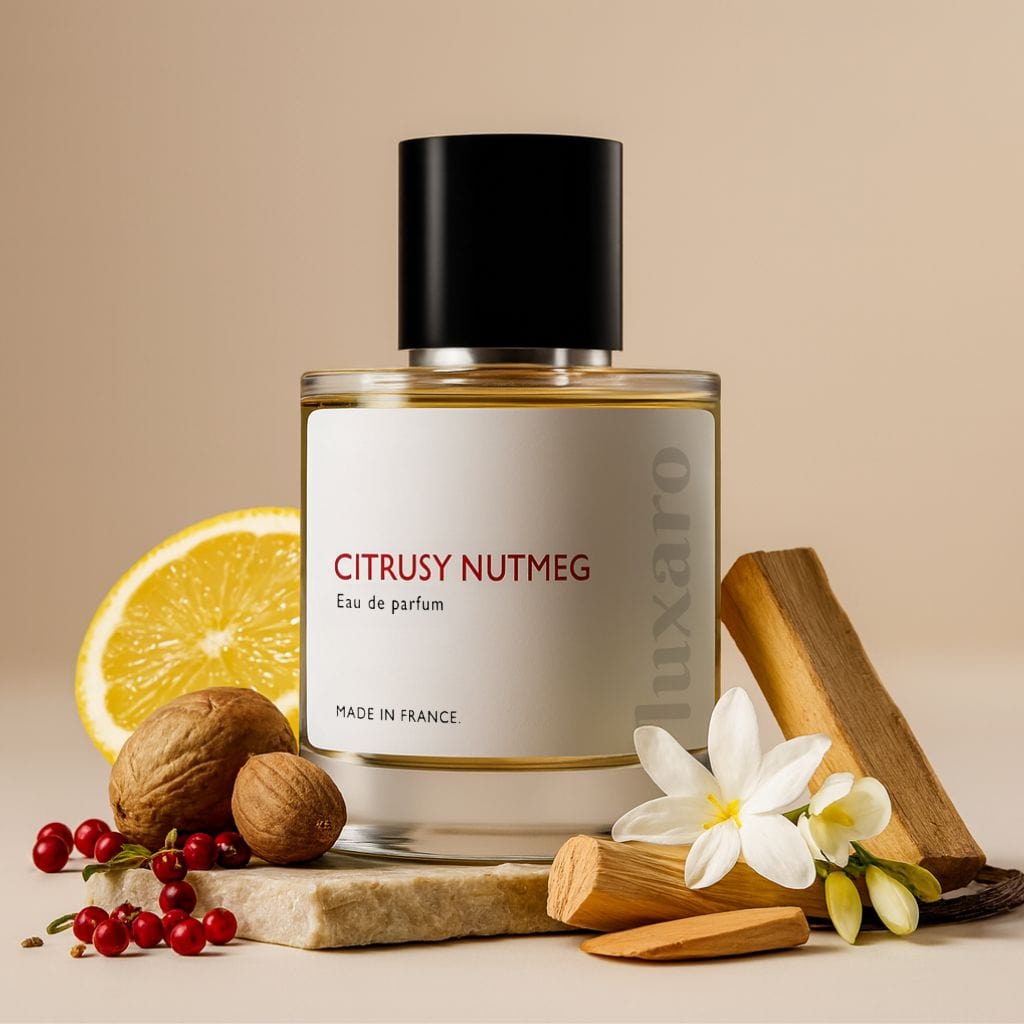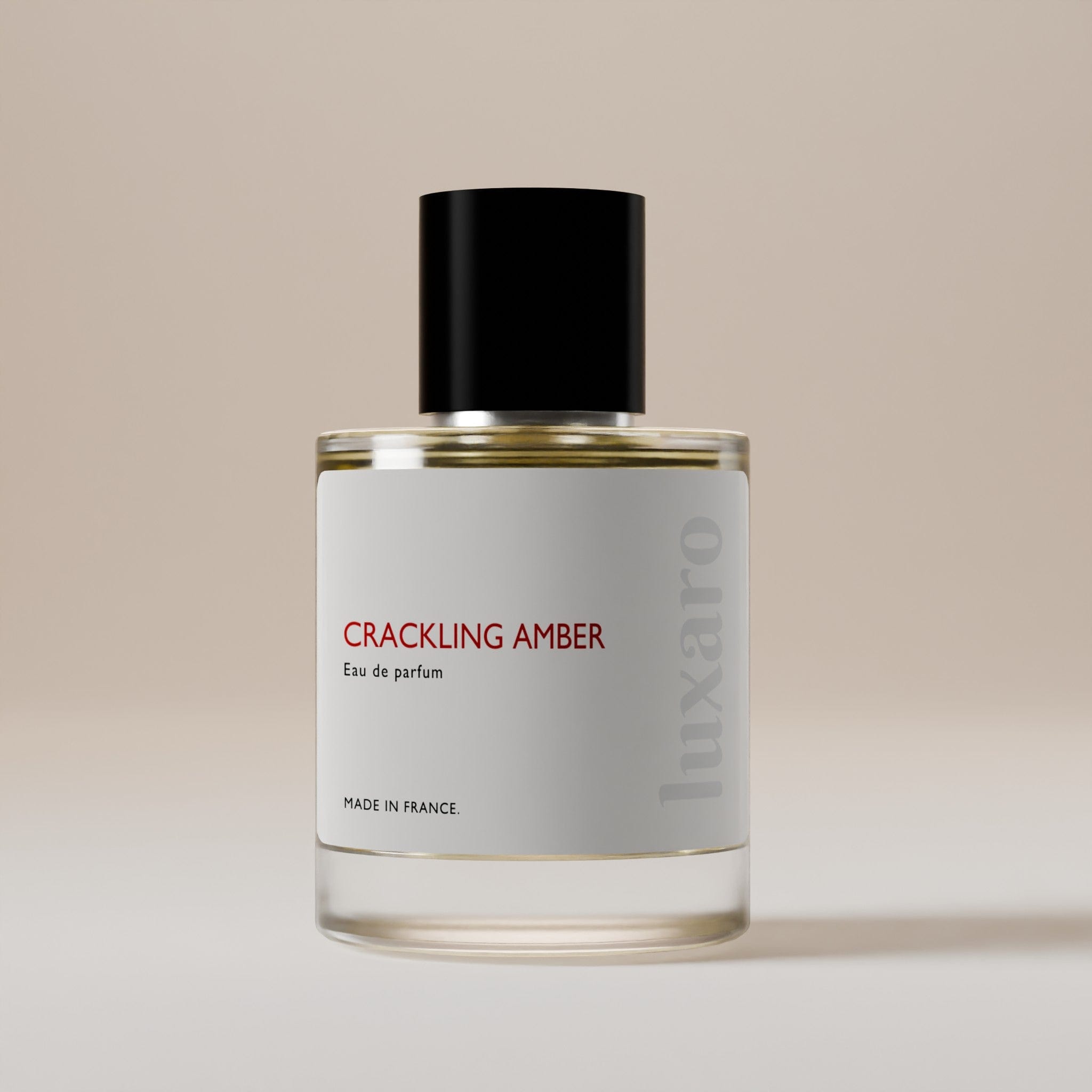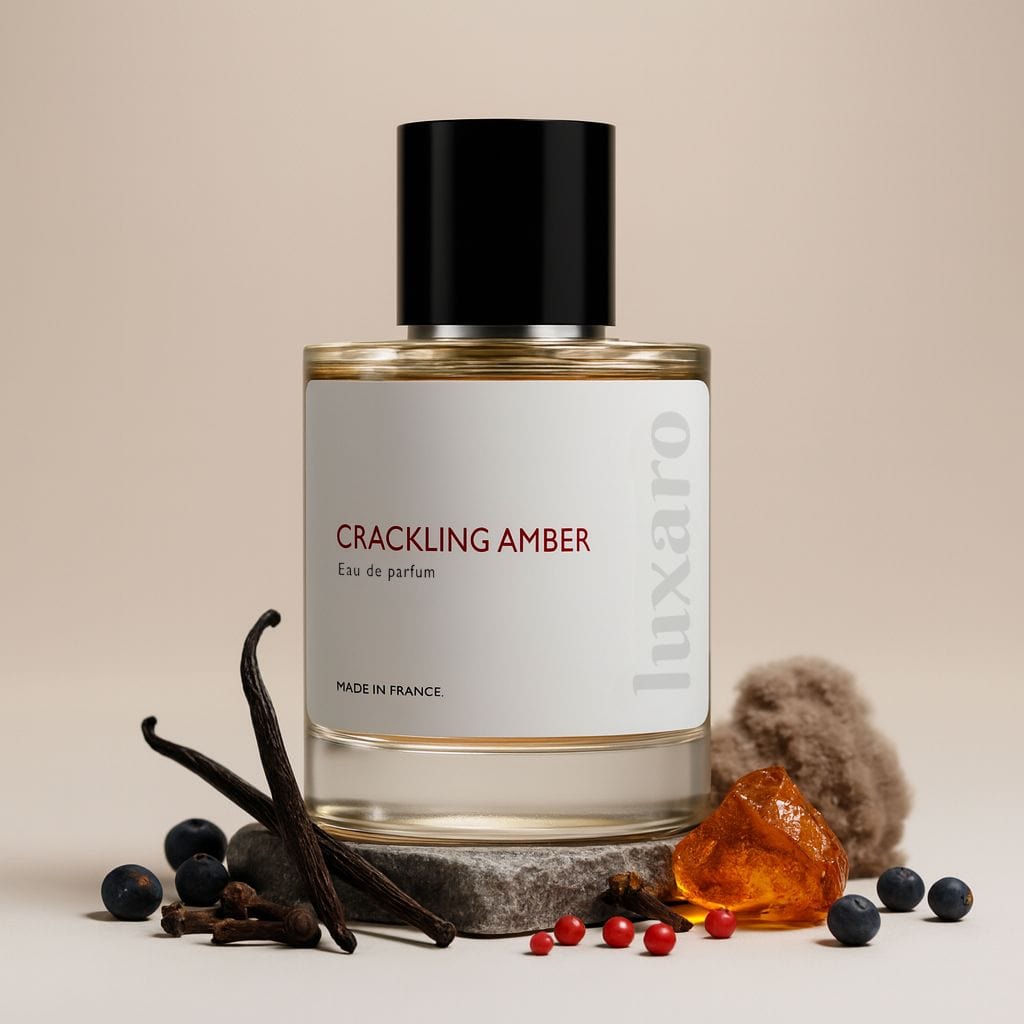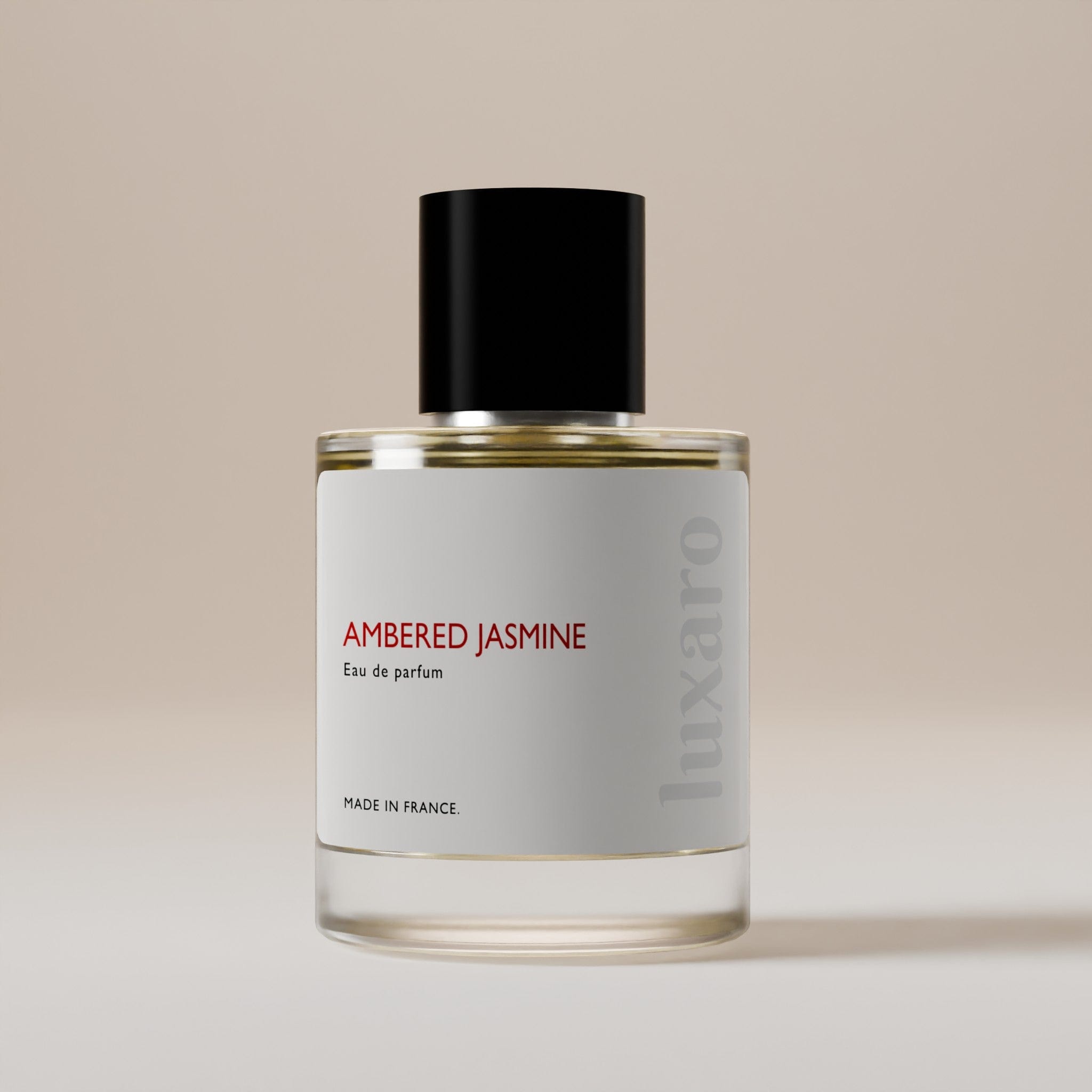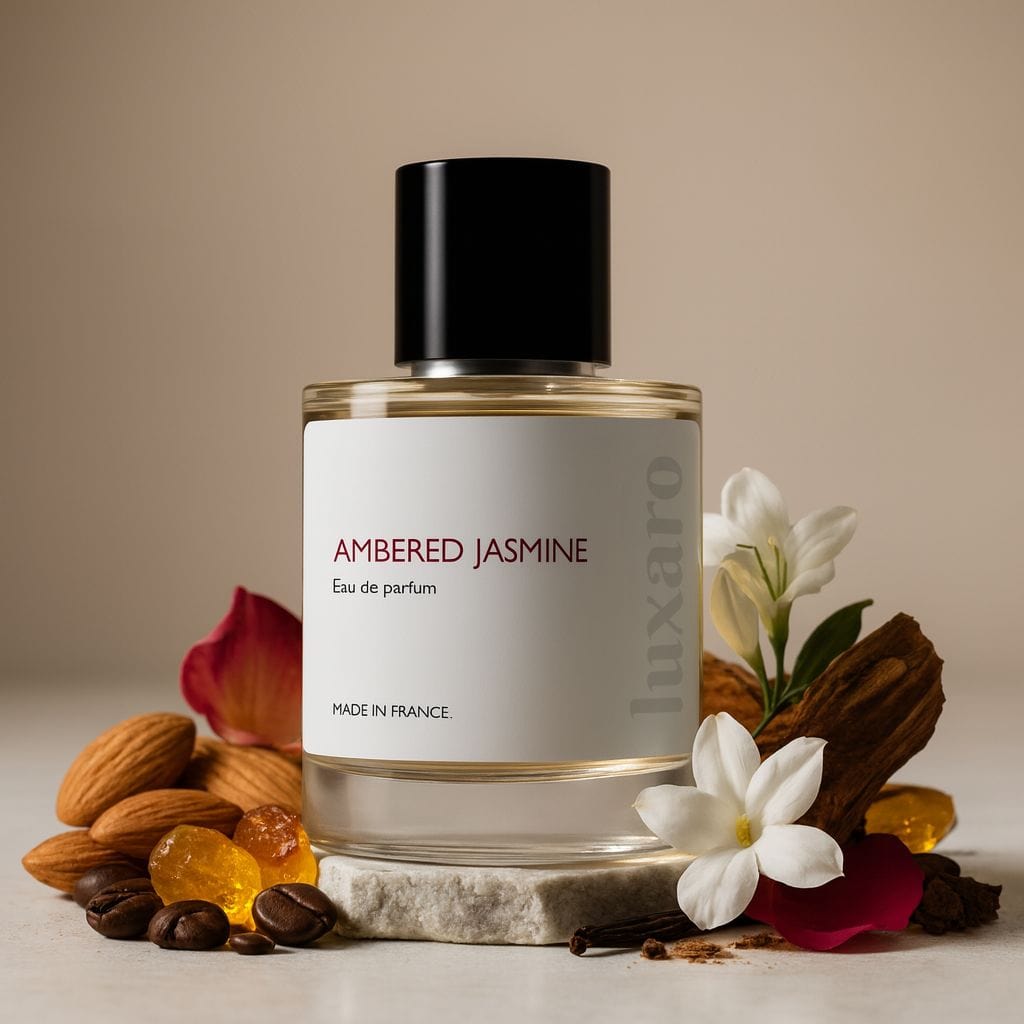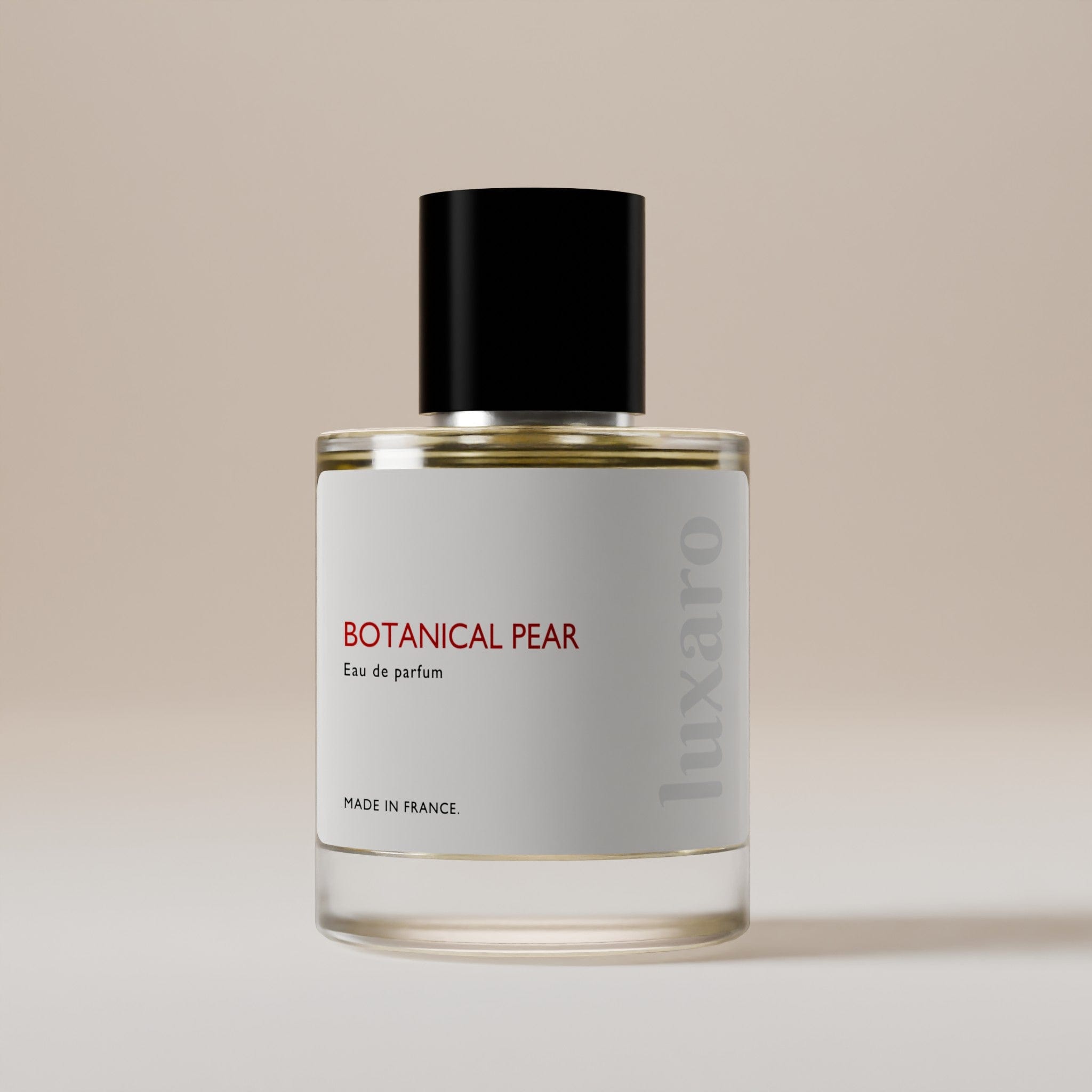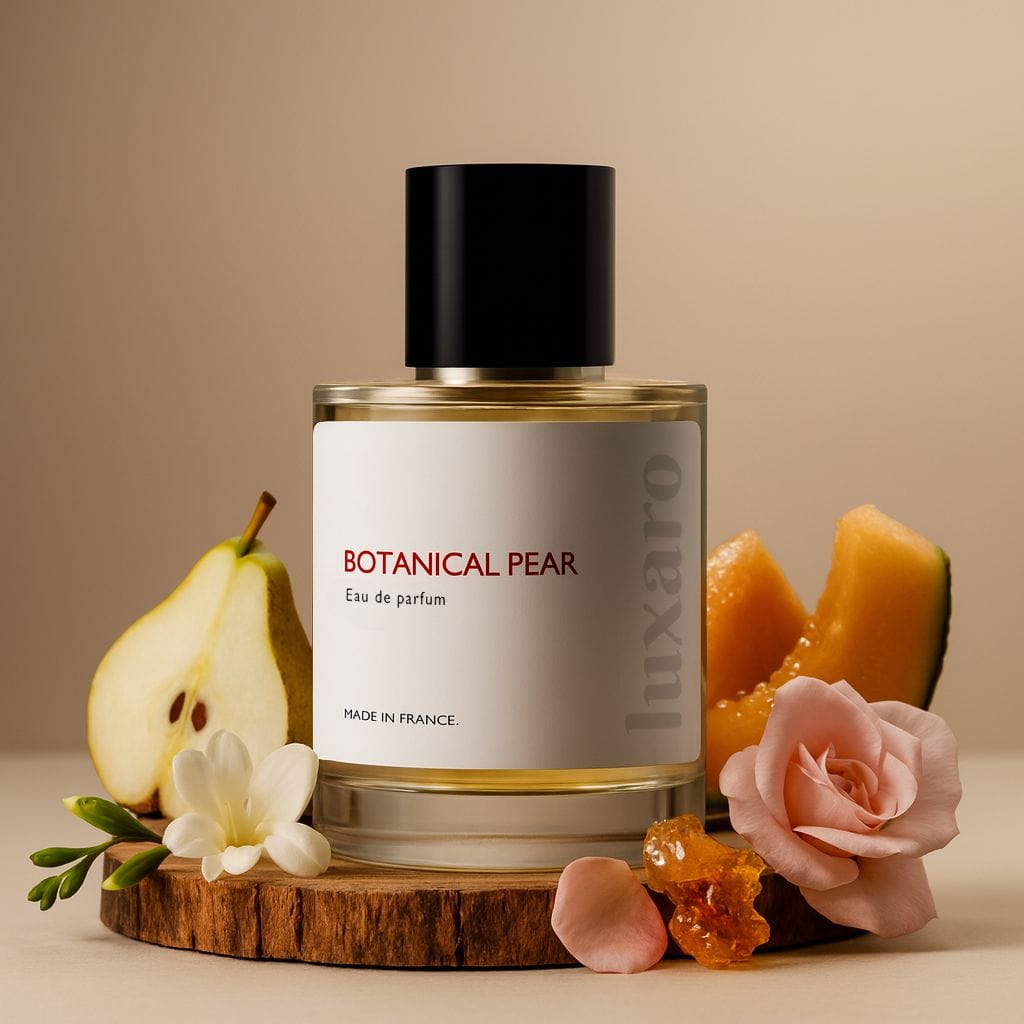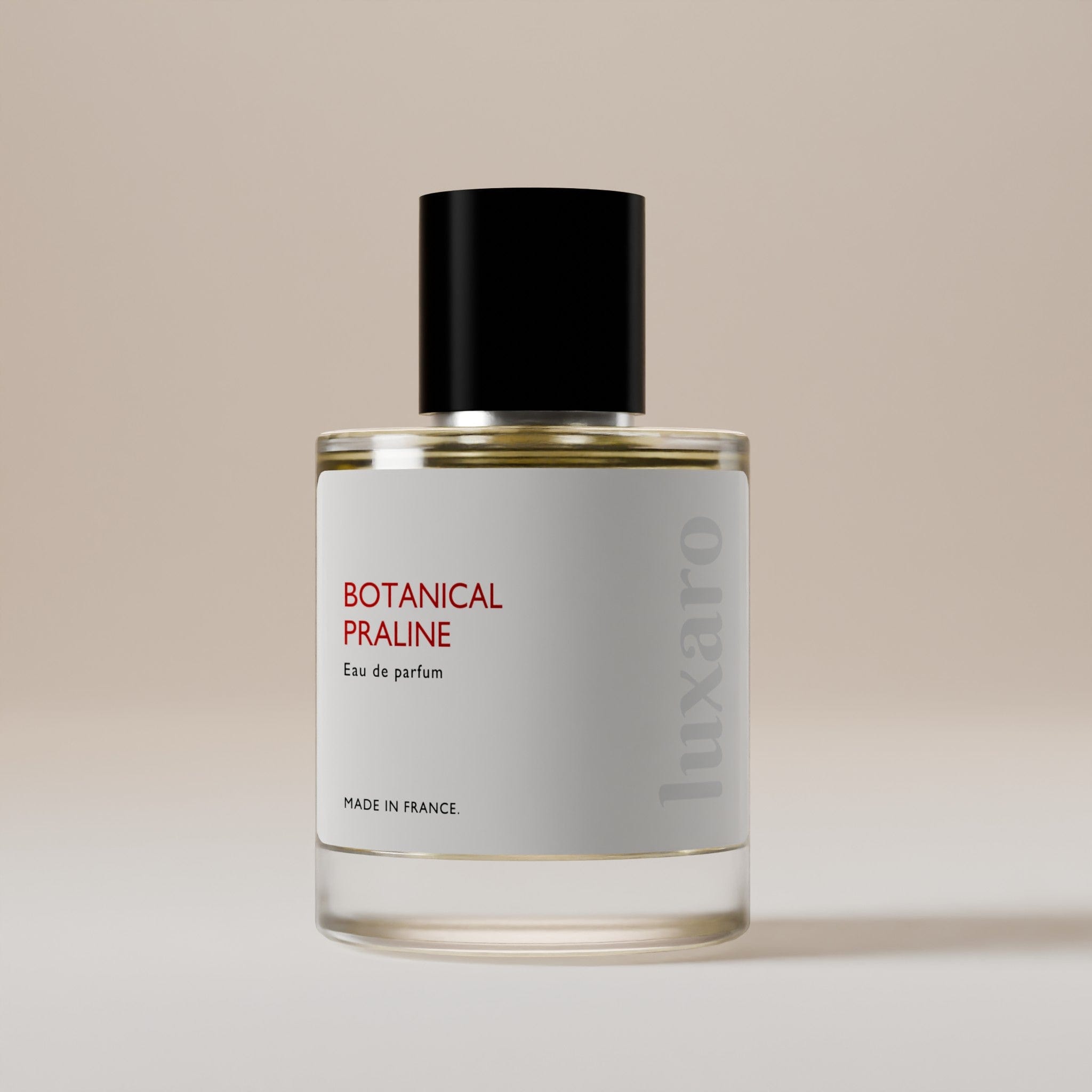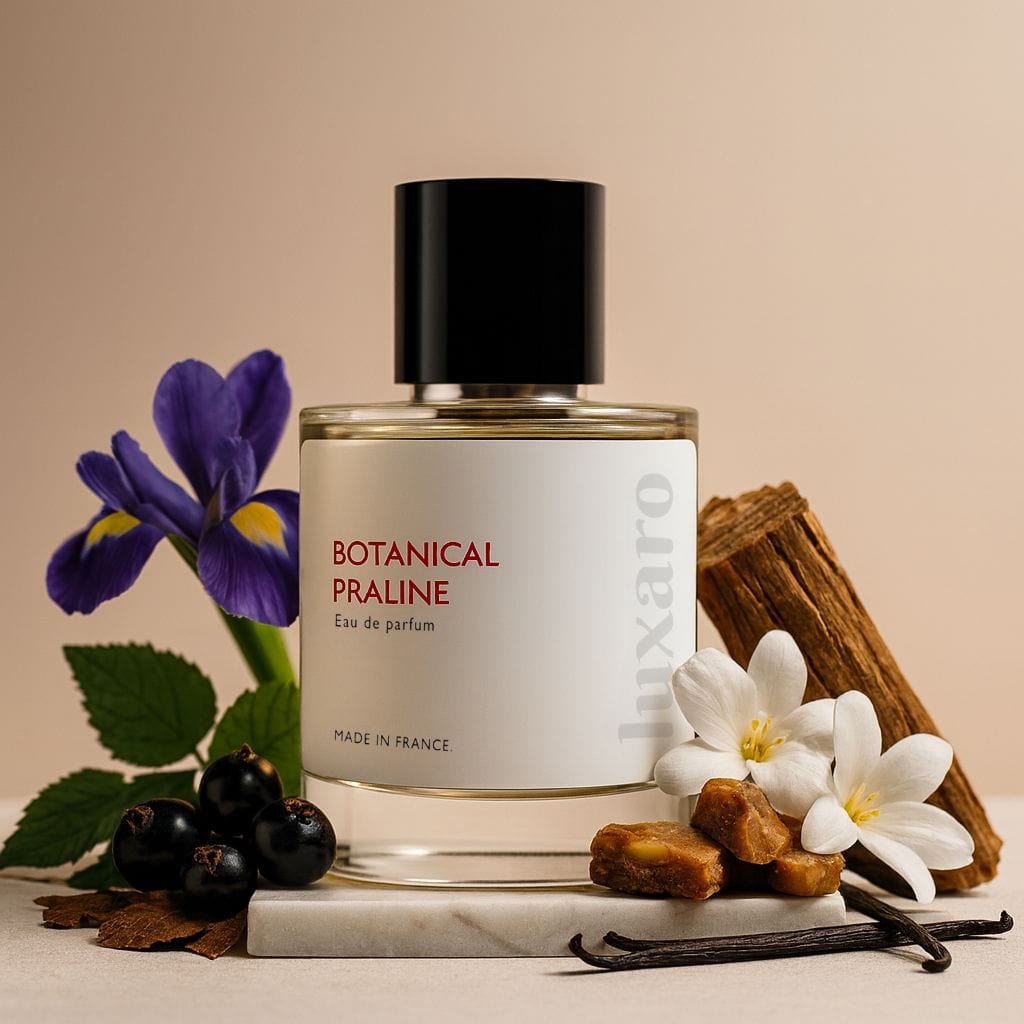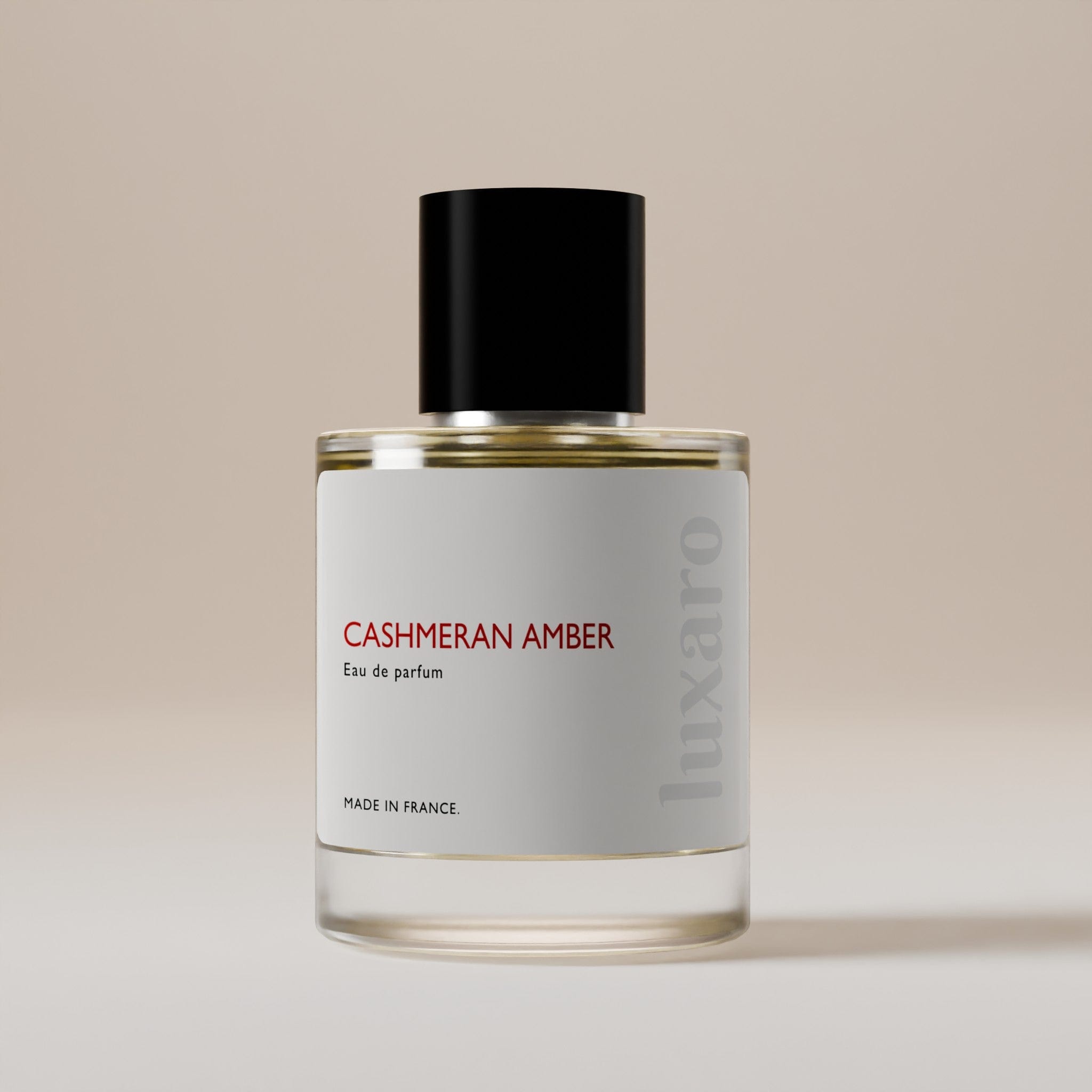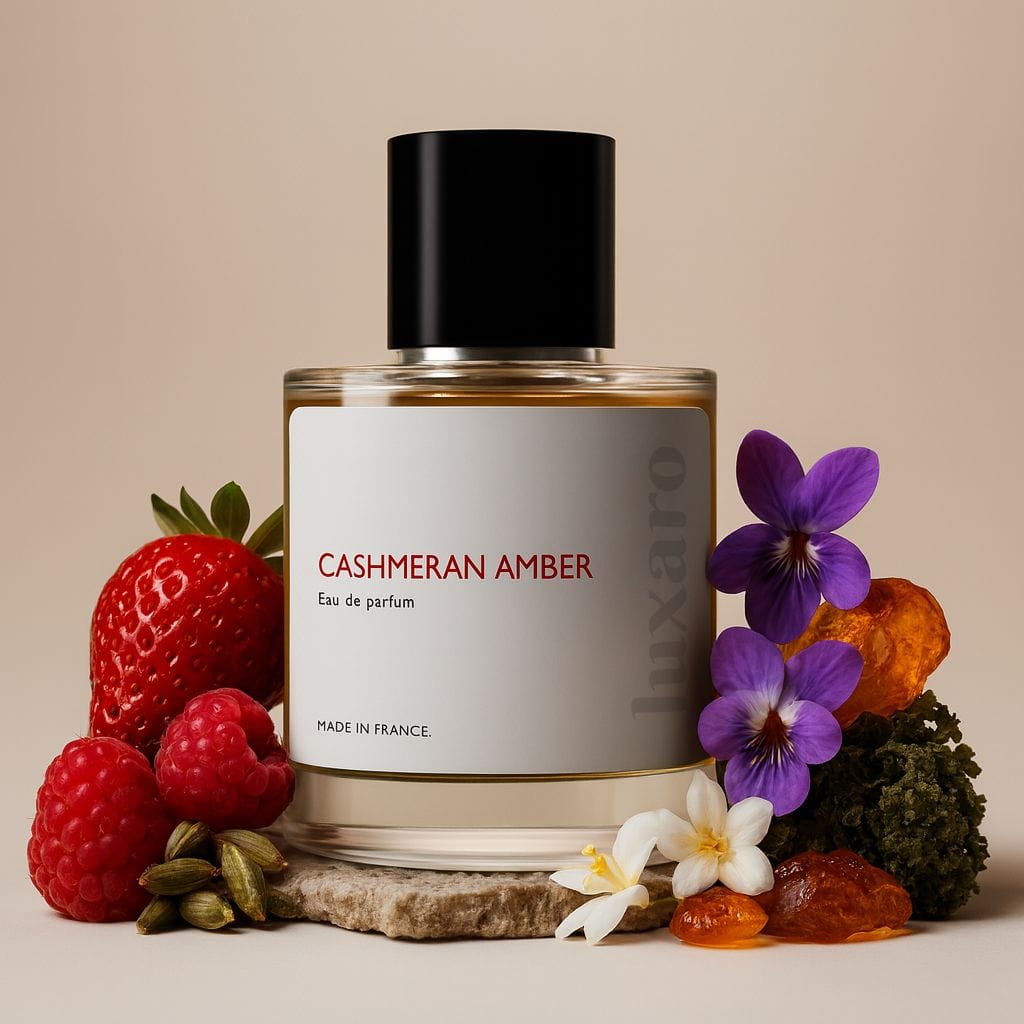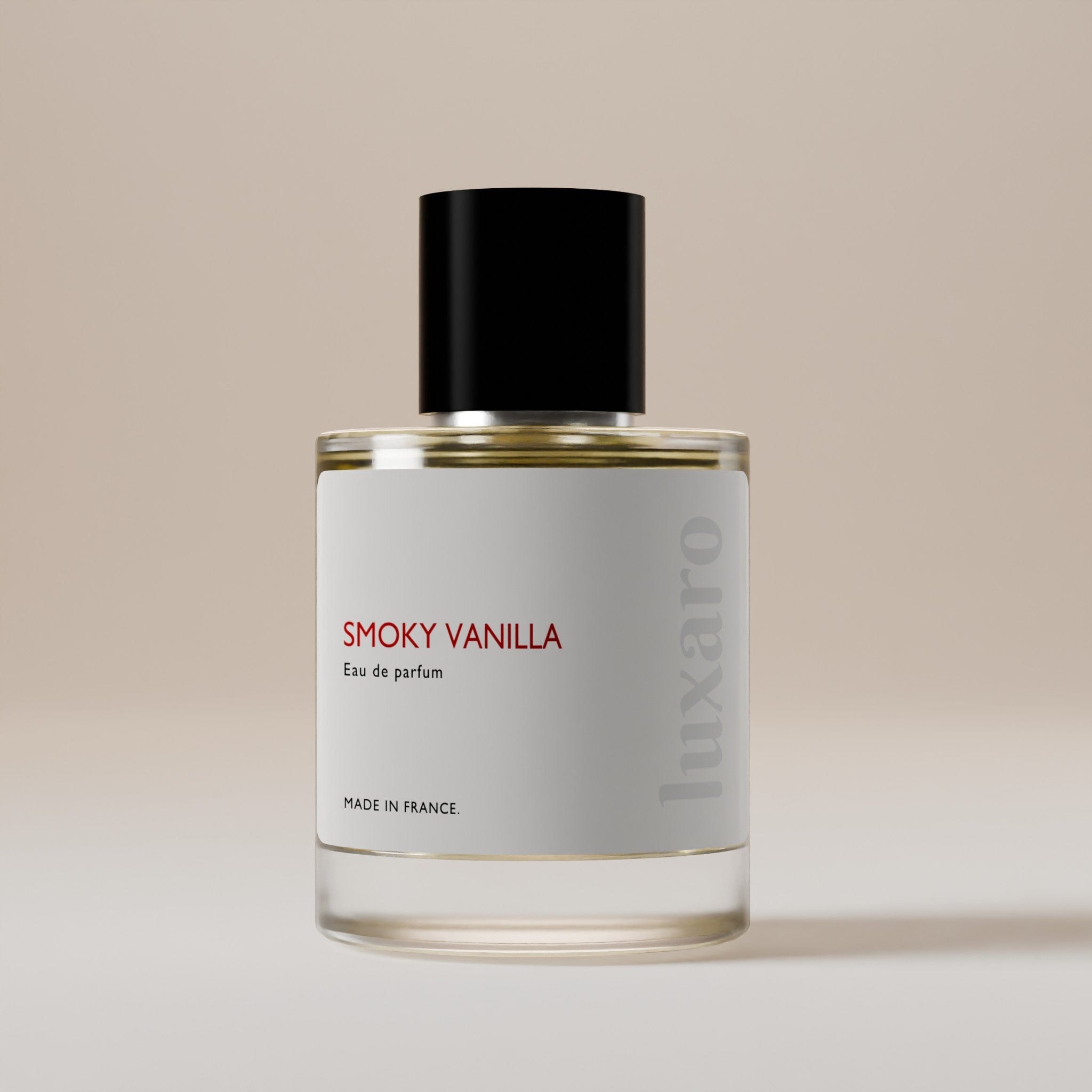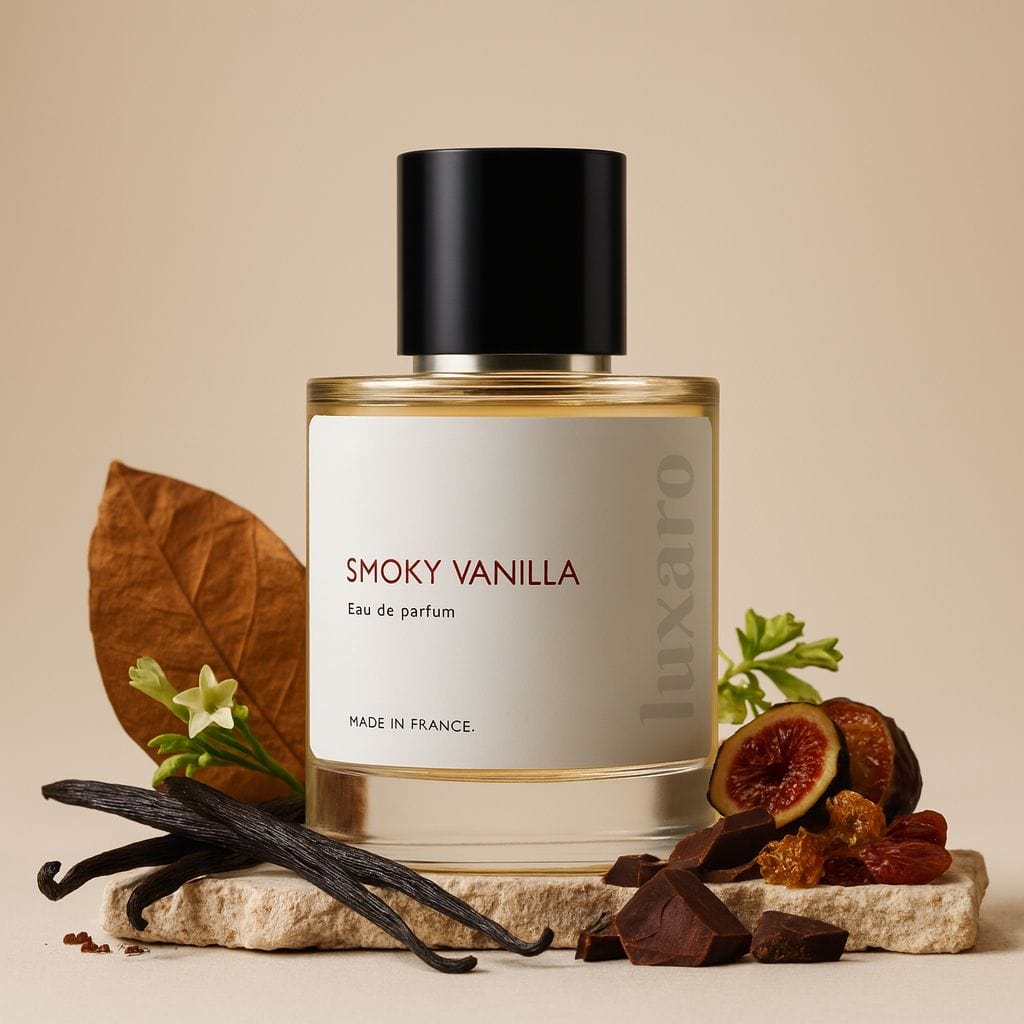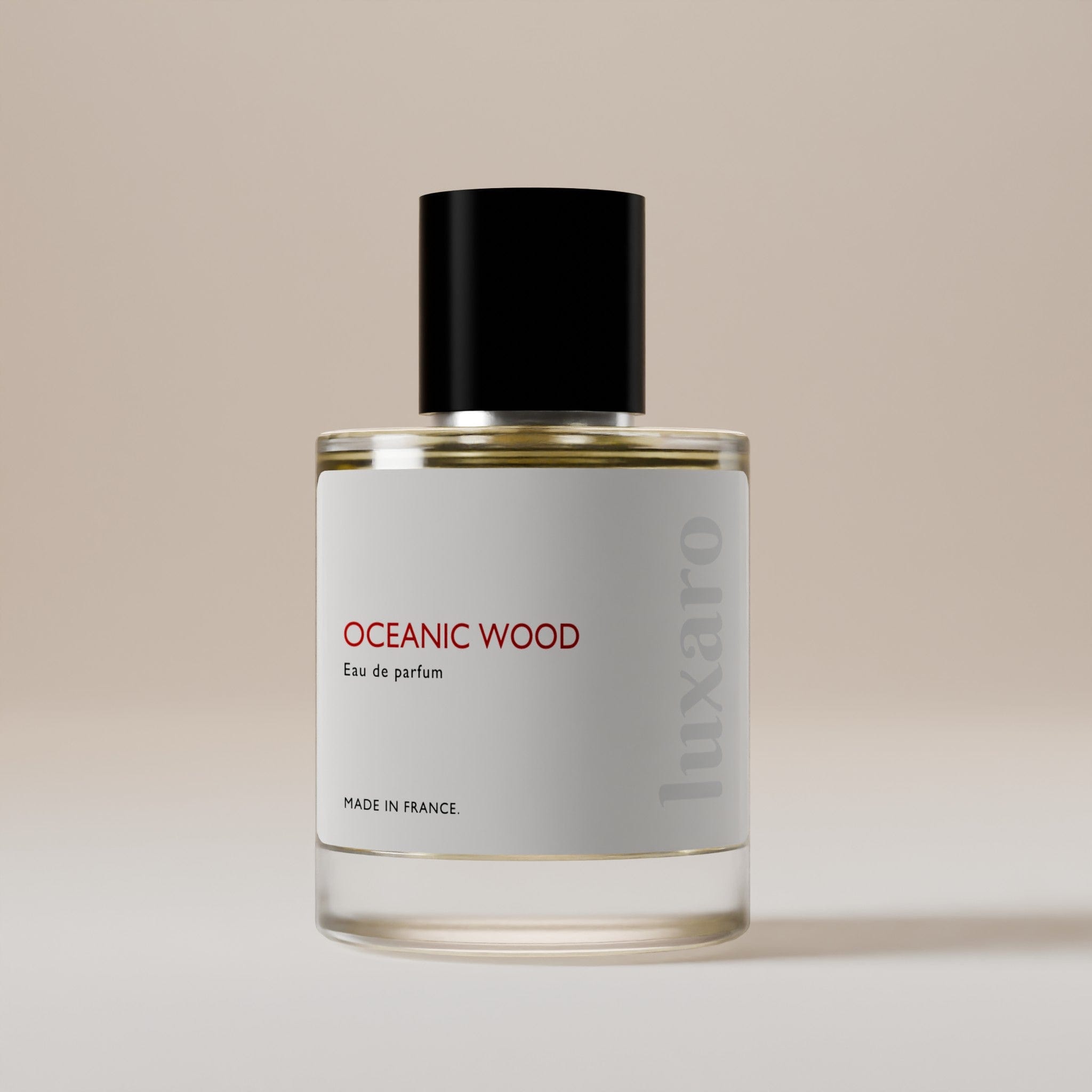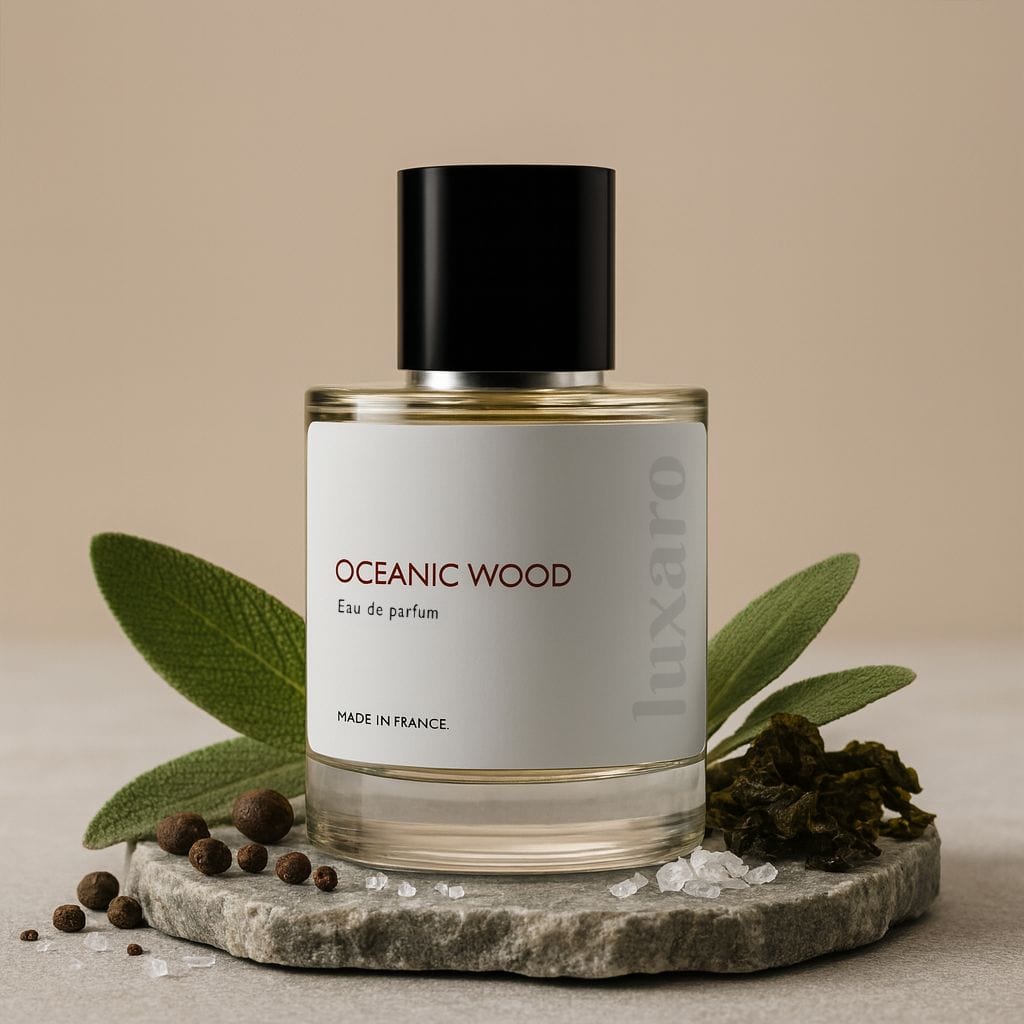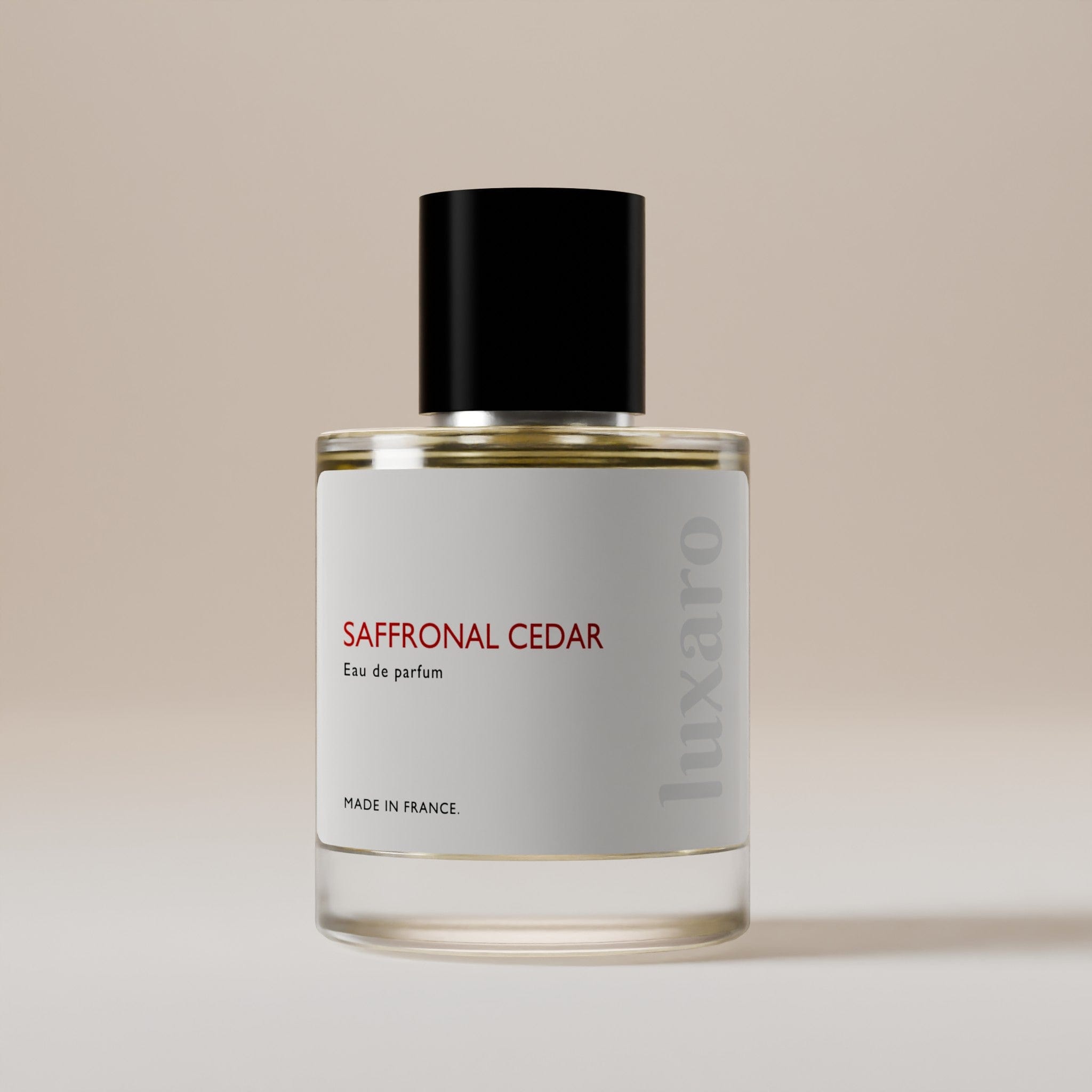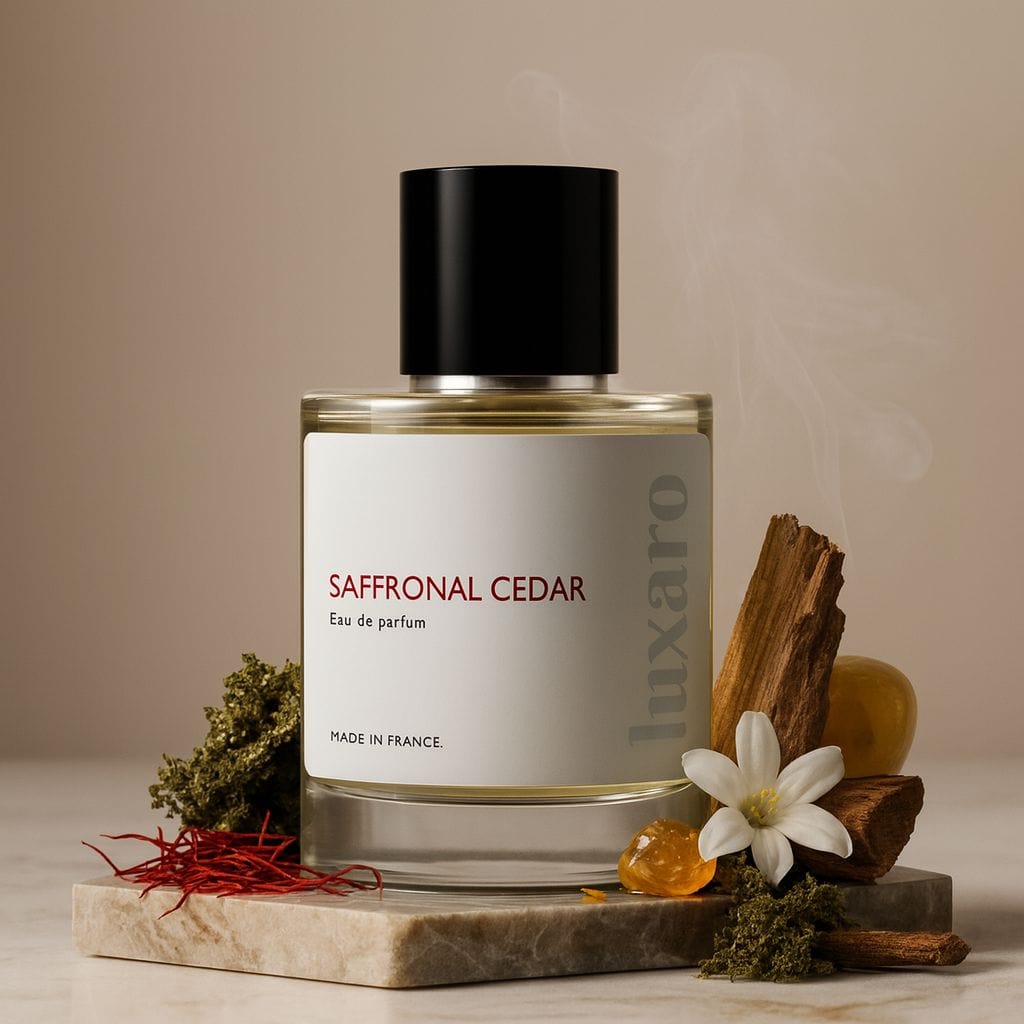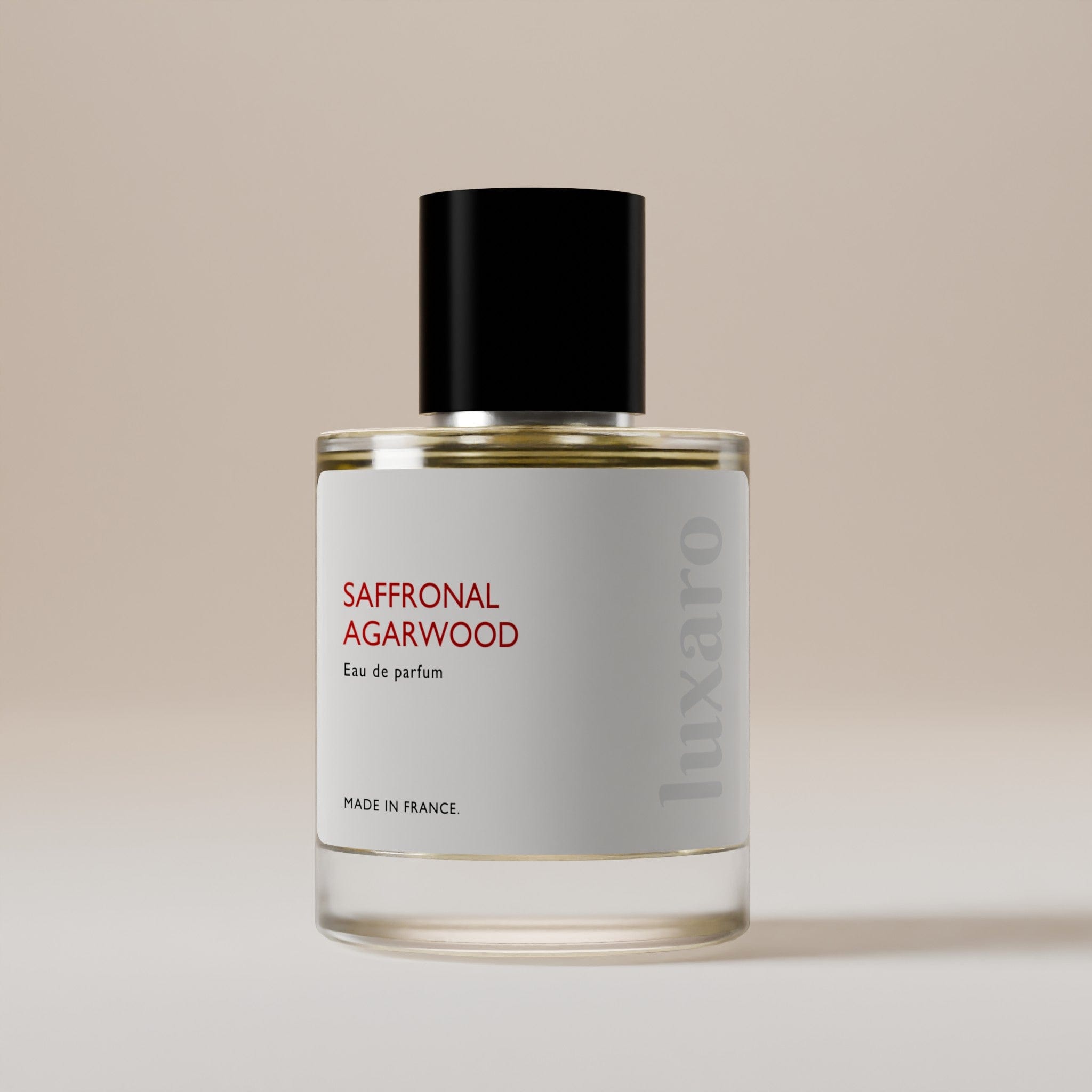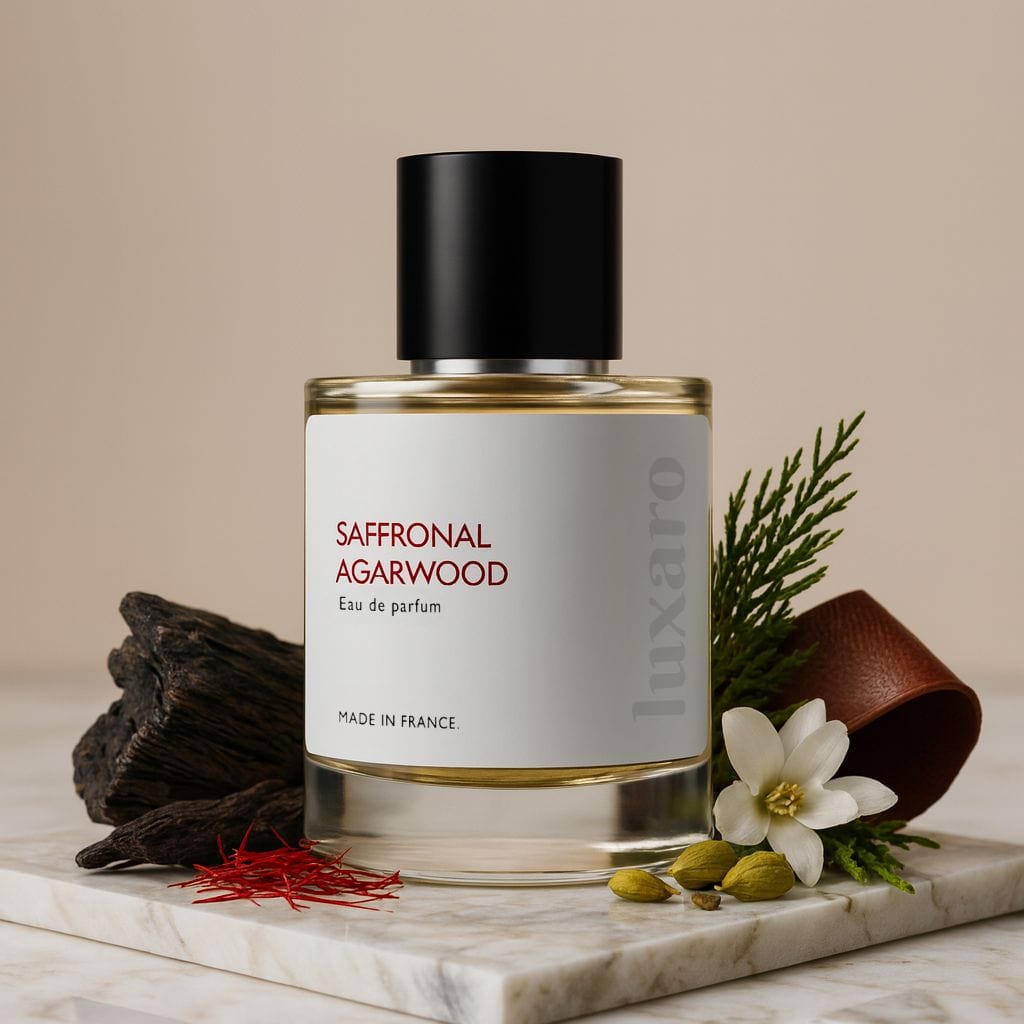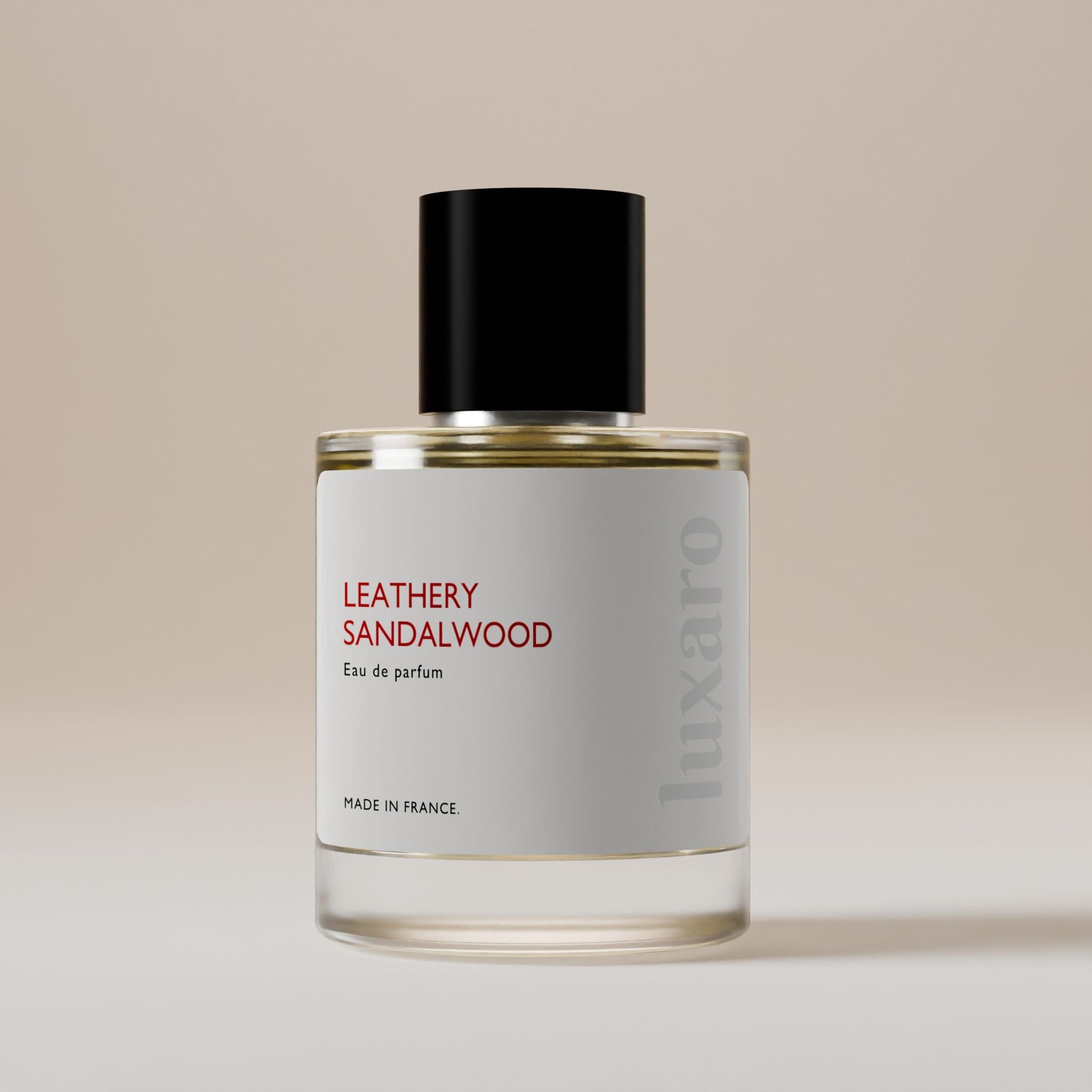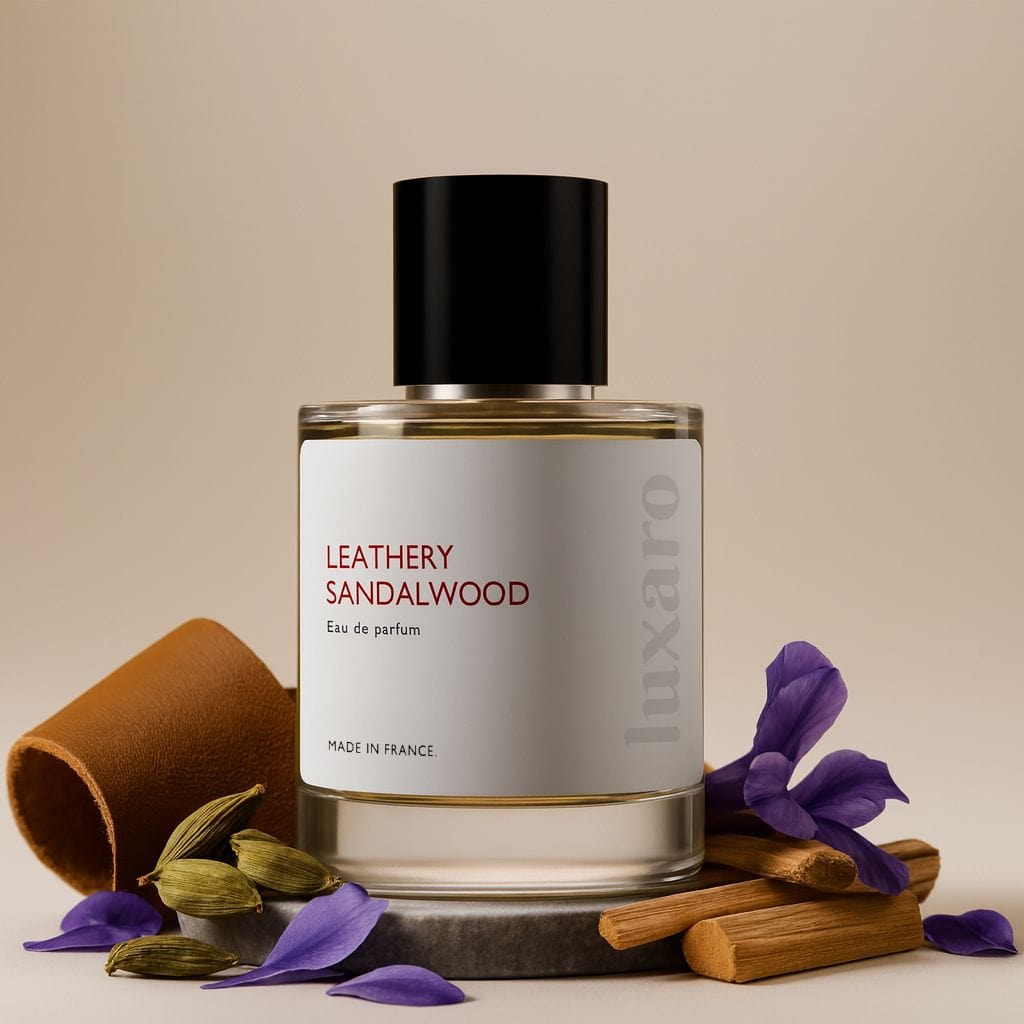

“Made in France” on a perfume is an origin statement, but it is not an automatic guarantee that the perfume will smell better, last longer or contain only French ingredients. Under French origin rules, a product may qualify if it is entirely obtained in France or undergoes its last substantial transformation there.
That distinction matters. A fragrance brand can be based in one country, work with perfumers in another and source fragrance materials internationally. Luxaro is a UK-based fragrance brand, while our perfumes are made in Grasse, France.
From my experience, the words “Made in France” are useful information, but they should be understood properly. The country tells you where meaningful production took place. It does not tell you everything about the perfumer, formula, materials, testing or finished result.

What Qualifies a Perfume as Made in France?
“Made in France” means the perfume meets the relevant rules for claiming French origin. It does not necessarily mean every part of the product originated in France.
The French government’s guidance on the “Made in France” origin claim explains that a product may qualify if it is wholly obtained in France or undergoes its last substantial transformation there. The precise origin rules can vary according to the type of product.
For perfume buyers, the simplest way to understand this is that the claim concerns the origin of the finished product and its manufacturing. It should not be read as a promise that every ingredient, bottle component or piece of packaging was produced in France.
This is also why “French-inspired”, “created with French expertise” and “Made in France” should not automatically be treated as interchangeable claims. They can describe different relationships with France.
Does Every Ingredient in a French-Made Perfume Come From France?
No. A perfume can be made in France while containing fragrance materials sourced from other countries.
Perfumery depends on an international supply of natural extracts and aroma materials. Vanilla, citrus, woods, flowers, spices and resins do not all grow in one country, and many modern fragrance materials are produced through specialist supply chains.

French origin therefore does not mean that every material inside the formula grew or was manufactured in France. It describes where the qualifying production took place.
One thing I have learned from working with experienced perfumers is that the origin of a material is only part of the decision. Its scent, consistency, stability and behaviour within the complete formula also matter. A good perfumer selects materials because they serve the fragrance, rather than trying to make every ingredient come from one place.
Is a French Perfume Brand the Same as a Perfume Made in France?
No. A French brand and a French-made perfume describe two separate things.
A brand may be founded or headquartered in France while manufacturing some products elsewhere. Equally, a company based outside France can have its perfumes developed and manufactured there.
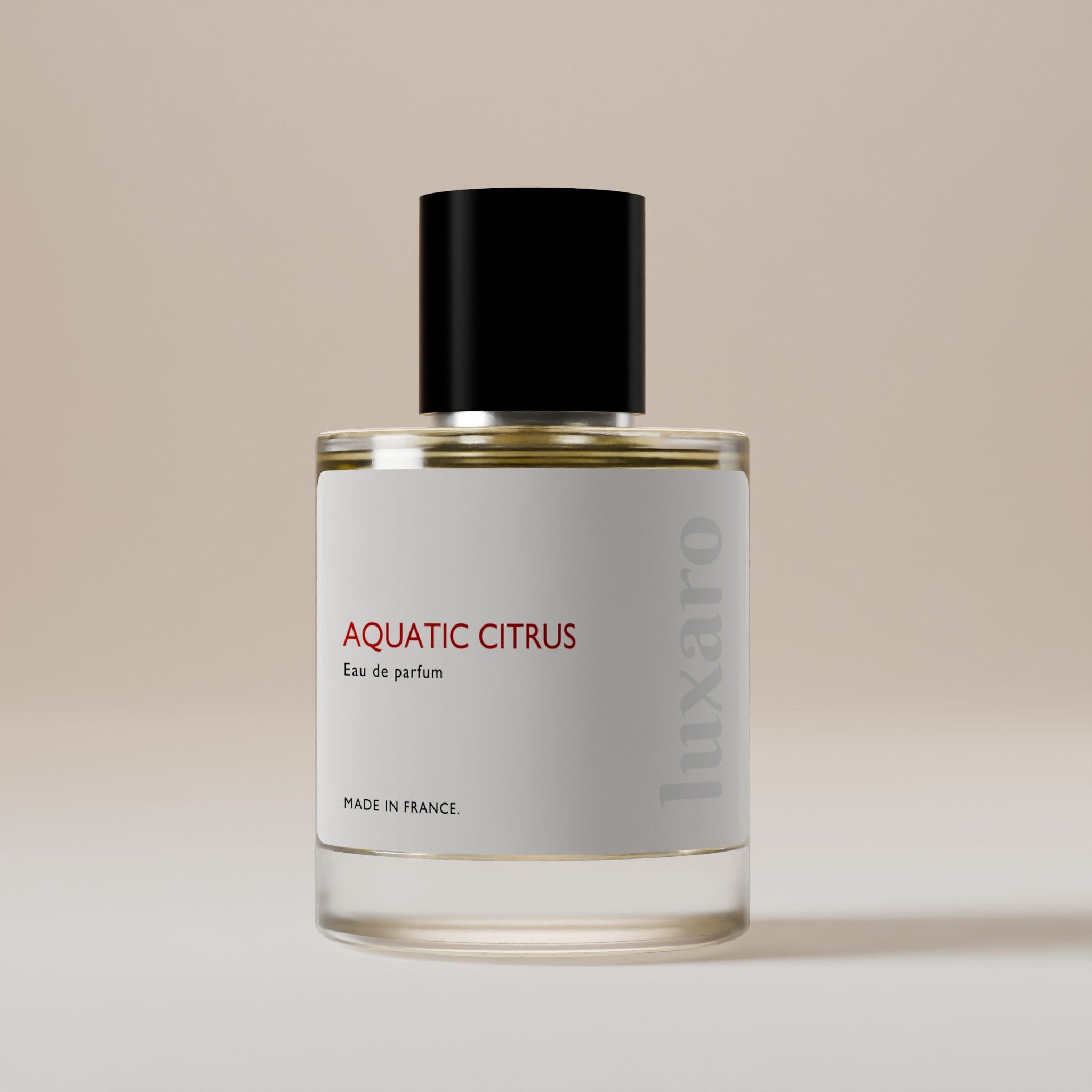
Luxaro is a clear example. We are a UK-based fragrance brand, but our perfumes are made in Grasse with experienced perfumers. Describing Luxaro as a French company would therefore be inaccurate, while saying that our perfumes are made in France describes their manufacturing origin.
“French-inspired” is looser wording. It might describe a fragrance influenced by French perfumery without confirming that it was made in France at all.
For the broader question of technique and reputation, I have also explained what makes French perfume different from perfume made elsewhere.
Does “Made in France” Guarantee a Better Perfume?
No. “Made in France” does not guarantee that a perfume is well balanced, long-lasting or suitable for you.
France has a strong perfume industry, but location cannot correct a weak formula, unsuitable materials, poor manufacturing or rushed development. Two perfumes made in the same country can differ greatly in quality.
From my experience building Luxaro, the factors that make a greater practical difference include:
- The knowledge of the perfumer.
- The suitability and consistency of the materials.
- The balance of the complete composition.
- The time allowed for testing and refinement.
- Manufacturing and quality-control standards.
- How the fragrance performs during its full drydown.
The country line cannot show you how experienced perfumers develop and refine inspired fragrances, which is one reason the finished perfume still needs to be judged on its own merits.
I regard French manufacture as a meaningful part of Luxaro’s story because it gives us access to people whose knowledge I value. I do not regard the country name as a substitute for assessing the fragrance itself.
Why Does Grasse Still Matter to French Perfumery?
Grasse matters because it has a concentrated community of perfumers, producers and specialists whose knowledge has developed over generations.
UNESCO recognises the perfume-making skills of the Pays de Grasse. Its description covers perfume-plant cultivation, knowledge and processing of natural raw materials, and the art of perfume composition.

That recognition concerns cultural knowledge and practice. It is not a quality award for every perfume carrying the name of Grasse.
Having visited Grasse and worked with perfumers there, what stands out to me is the concentration of experience. Our perfumers have more than 40 years of experience, and their value comes from what they know and how they work, rather than simply having a French address.
If you want the fuller history, my guide to why Grasse became the perfume capital of the world explains how that expertise developed.
Do French-Made Perfumes All Smell Similar?
No. French manufacture does not describe a particular smell or fragrance family.
Perfumes made in France can be fresh, floral, fruity, resinous, leathery, woody, sweet or smoky. The formula and creative brief determine the scent, not the country name.
Three less frequently featured examples from the Luxaro collection show that range:
Grapefruit Blooms with grapefruit, jasmine and soft musk has a bright citrus opening and a gentle floral drydown.
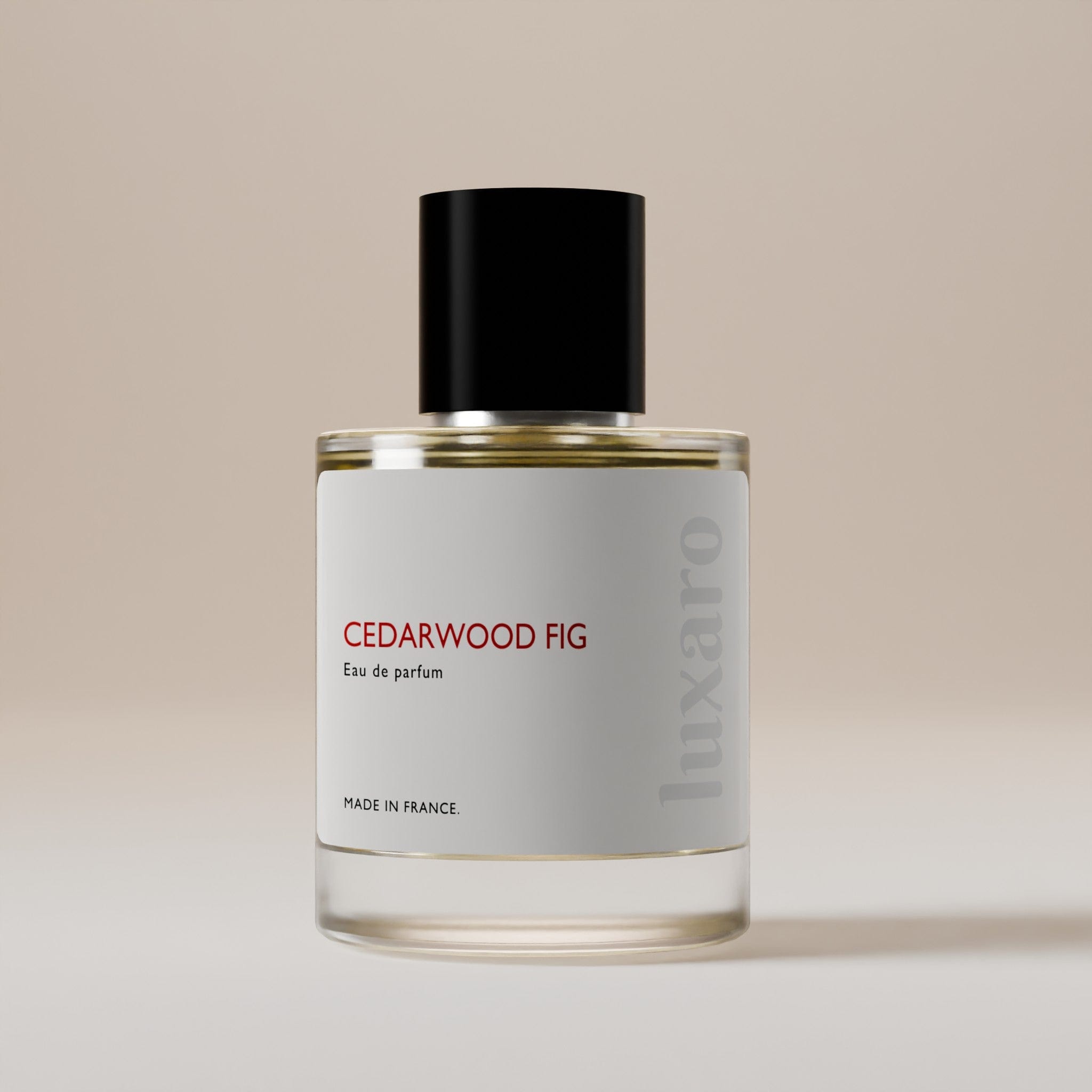
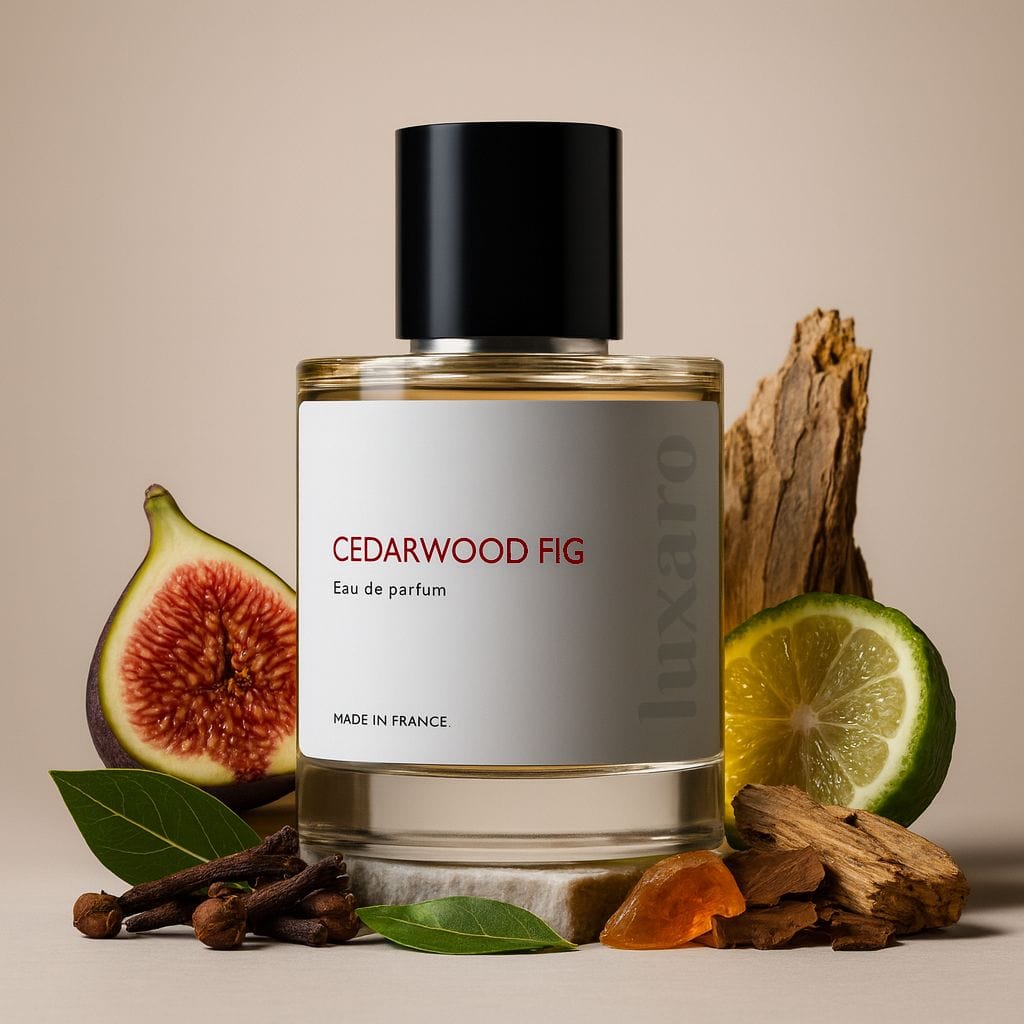
Cedarwood Fig with fig, cedarwood and tobacco moves in a greener, earthier direction with soft smoke in the base.
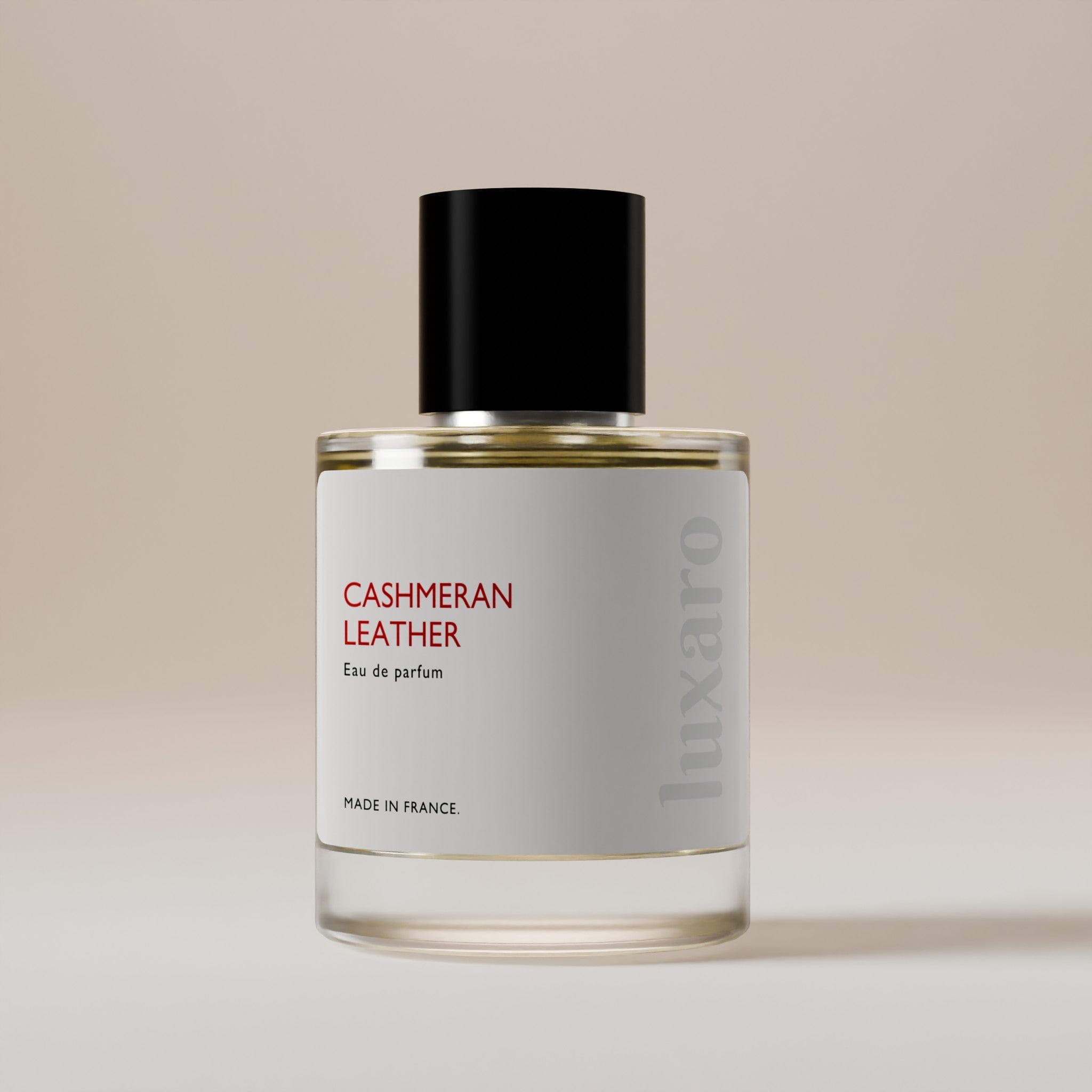
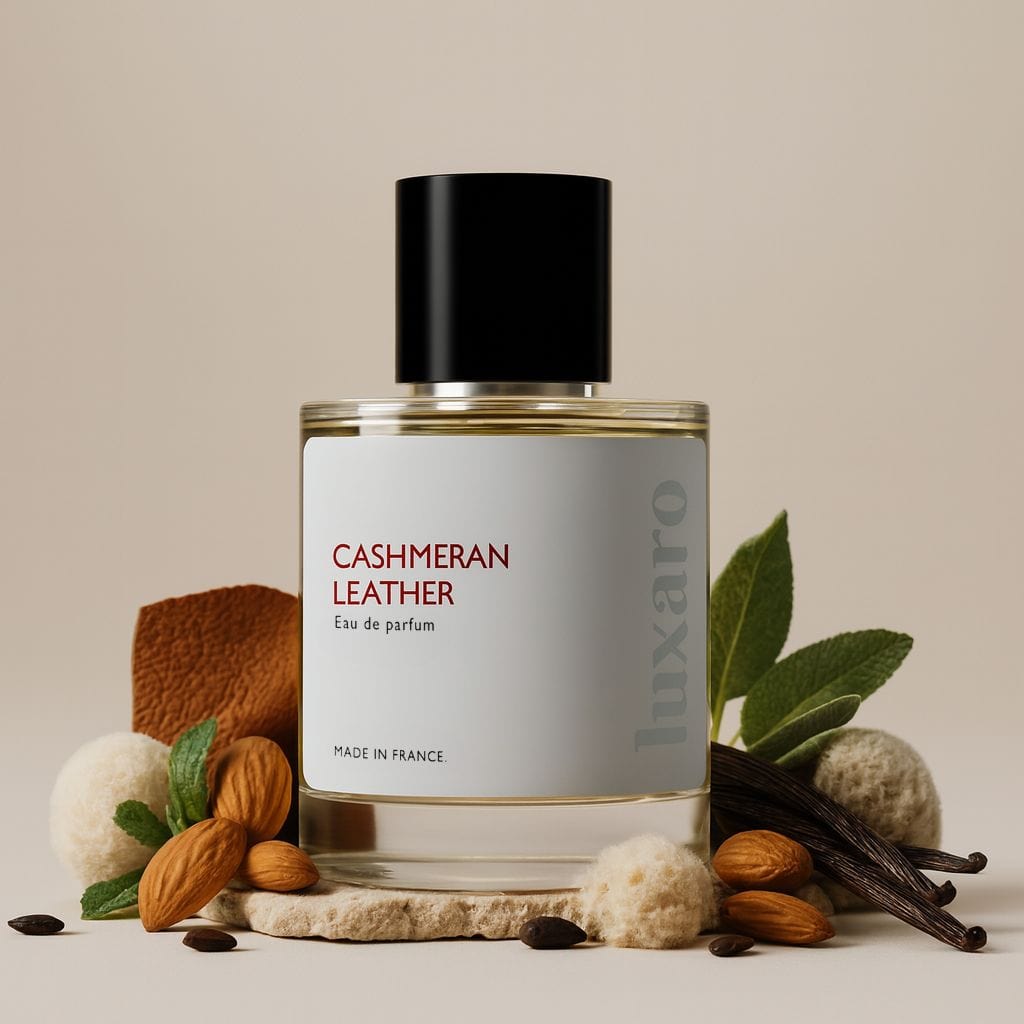
Cashmeran Leather with lavender, leather and warm amber is smoother, deeper and more aromatic.
All three are made in Grasse, but they do not smell alike. French manufacture describes where the perfumes are made; it does not confine them to one scent direction.
Can an Affordable Perfume Genuinely Be Made in France?
Yes. A perfume can be made in France without carrying the price of a major designer fragrance.
Manufacturing location is only one part of a perfume’s retail price. Advertising, celebrity campaigns, elaborate bottles, shop distribution, licensing, packaging and brand positioning can all influence what the customer eventually pays.
This does not mean every affordable French-made perfume offers good value. The same principle applies at every price: examine the finished fragrance, the information supplied by the brand and what you receive for your money.
I chose to have Luxaro perfumes made in Grasse because I wanted to work with experienced perfumers. Our prices are not intended to reproduce the advertising and presentation costs associated with some established designer houses. The aim is to place a greater share of the attention on the fragrance itself.
How Can I Judge a French-Made Perfume Before Buying It?
Treat “Made in France” as one useful piece of information and then assess the perfume more fully.
Before buying, I would check:
- Whether the brand clearly distinguishes its own location from the manufacturing location.
- Whether the origin claim is specific rather than relying on vague French imagery.
- Whether the fragrance concentration and quantity are stated.
- Whether an ingredient list is available.
- Whether the notes and fragrance family are explained clearly.
- Whether performance claims sound realistic.
- Whether reviews discuss the actual scent and development.
- Whether you can test the perfume before committing to the unopened bottle.
Once you try it, do not judge it only from the first spray. Notice whether the opening settles smoothly, whether the heart feels balanced and whether you still enjoy the drydown later.
“Made in France” can tell you something real about origin. Your nose still needs to decide whether the perfume is right for you.
FAQs
Is “Made in France” a perfume quality certification?
No. It is an origin claim governed by applicable rules, not a certificate promising that every perfume carrying it will meet the same quality standard.
Does “Made in France” mean all the perfume ingredients are French?
No. A French-made perfume may contain materials sourced internationally. The claim relates to the qualifying manufacture of the finished product.
Can a UK fragrance brand sell perfume made in France?
Yes. A company’s home country and its manufacturing location can be different. Luxaro is a UK-based brand whose perfumes are made in Grasse, France.
Is perfume made in Grasse automatically better?
No. Grasse offers access to considerable fragrance expertise, but the perfumer, formula, materials, testing and production standards still determine the finished result.
Does French-made perfume always last longer?
No. Longevity depends on the formula, materials, concentration, application, skin and environment. Country of manufacture alone cannot predict performance.
Does “Made in France” mean a perfume contains only natural ingredients?
No. French-made perfumes may contain natural extracts, aroma molecules or a combination of both. The origin claim does not describe how the formula is constructed.
Are Luxaro perfumes made in France?
Yes. Luxaro is based in the UK, while its perfumes are made in Grasse, France, with experienced perfumers who have more than 40 years of experience.