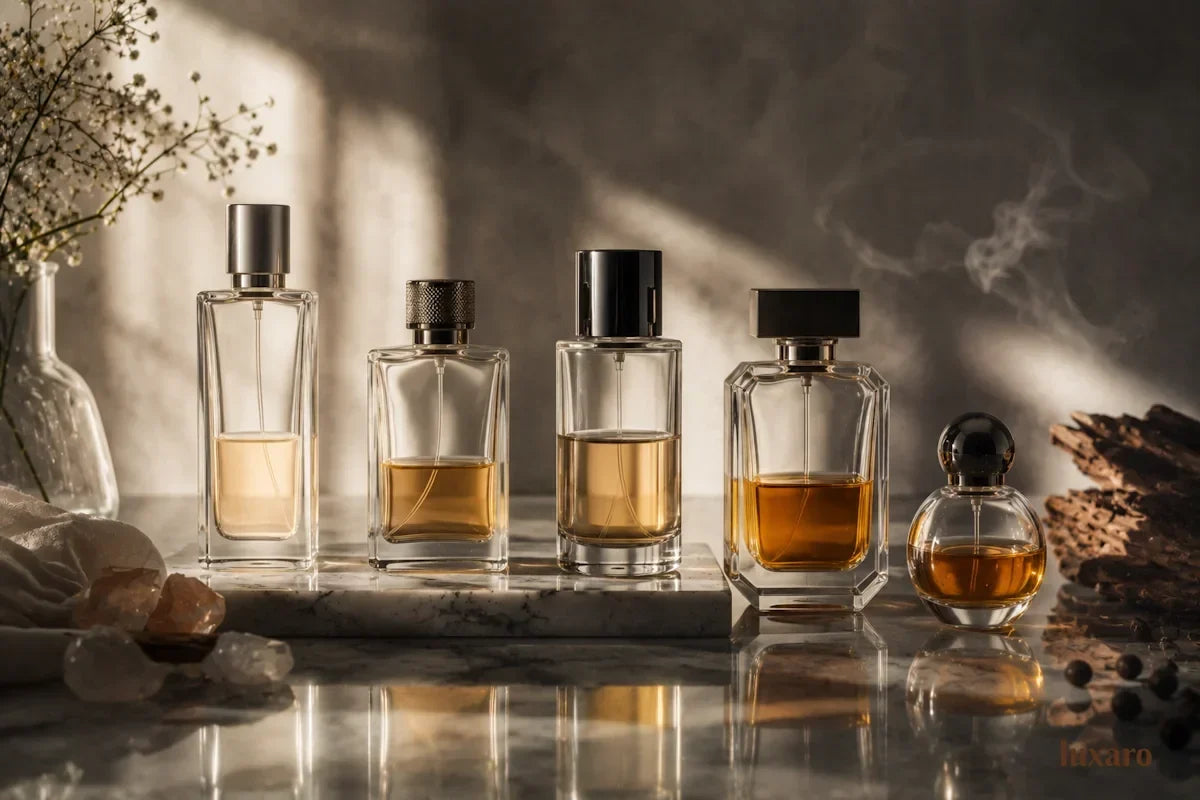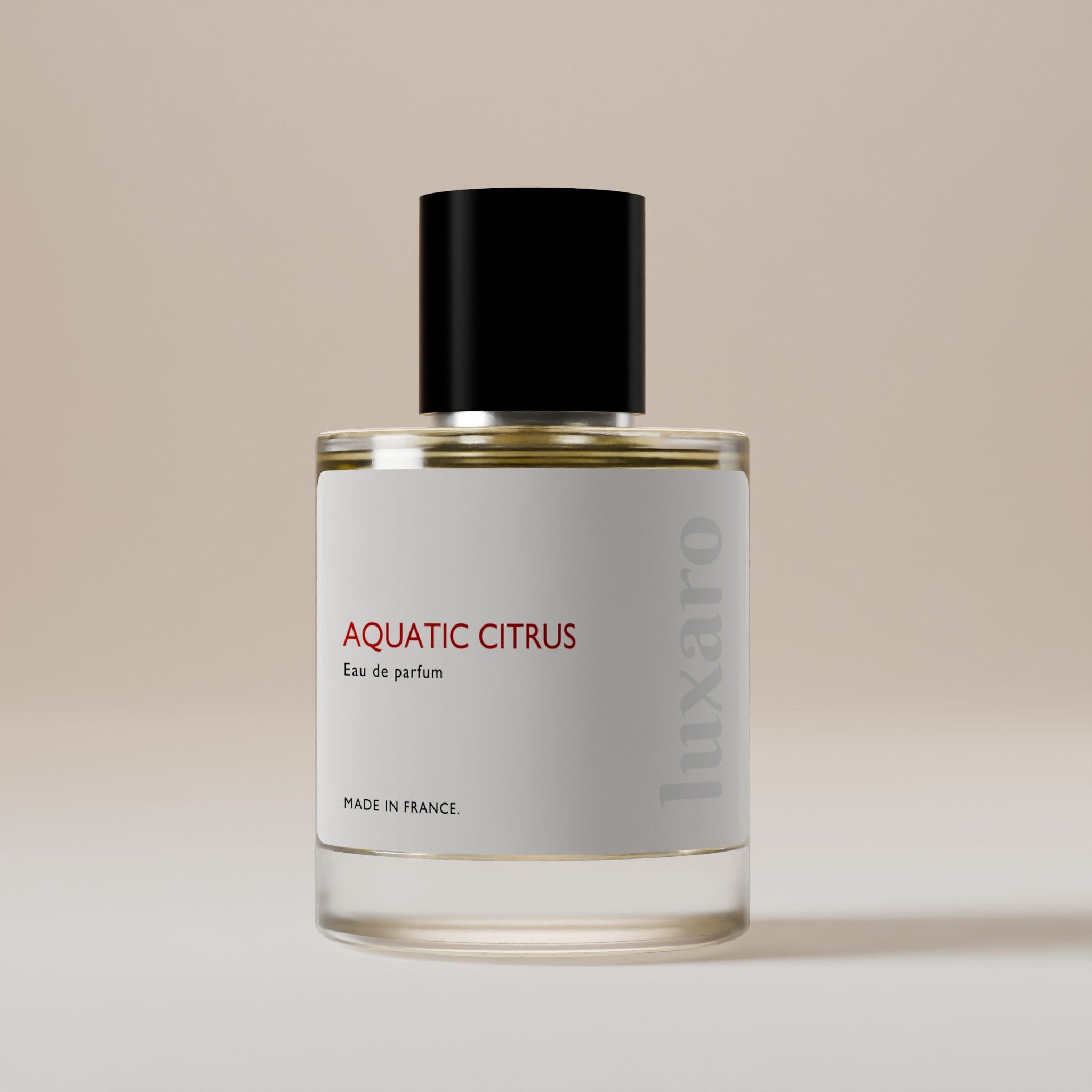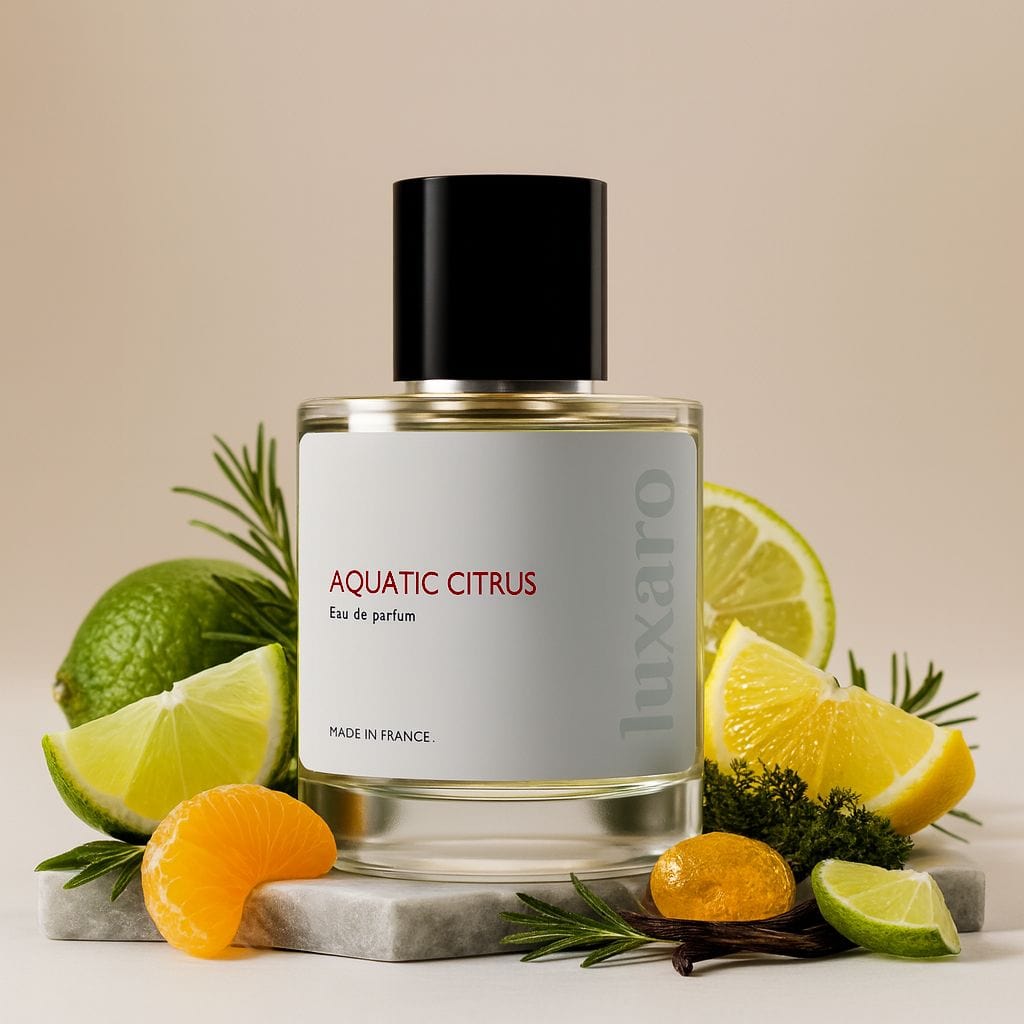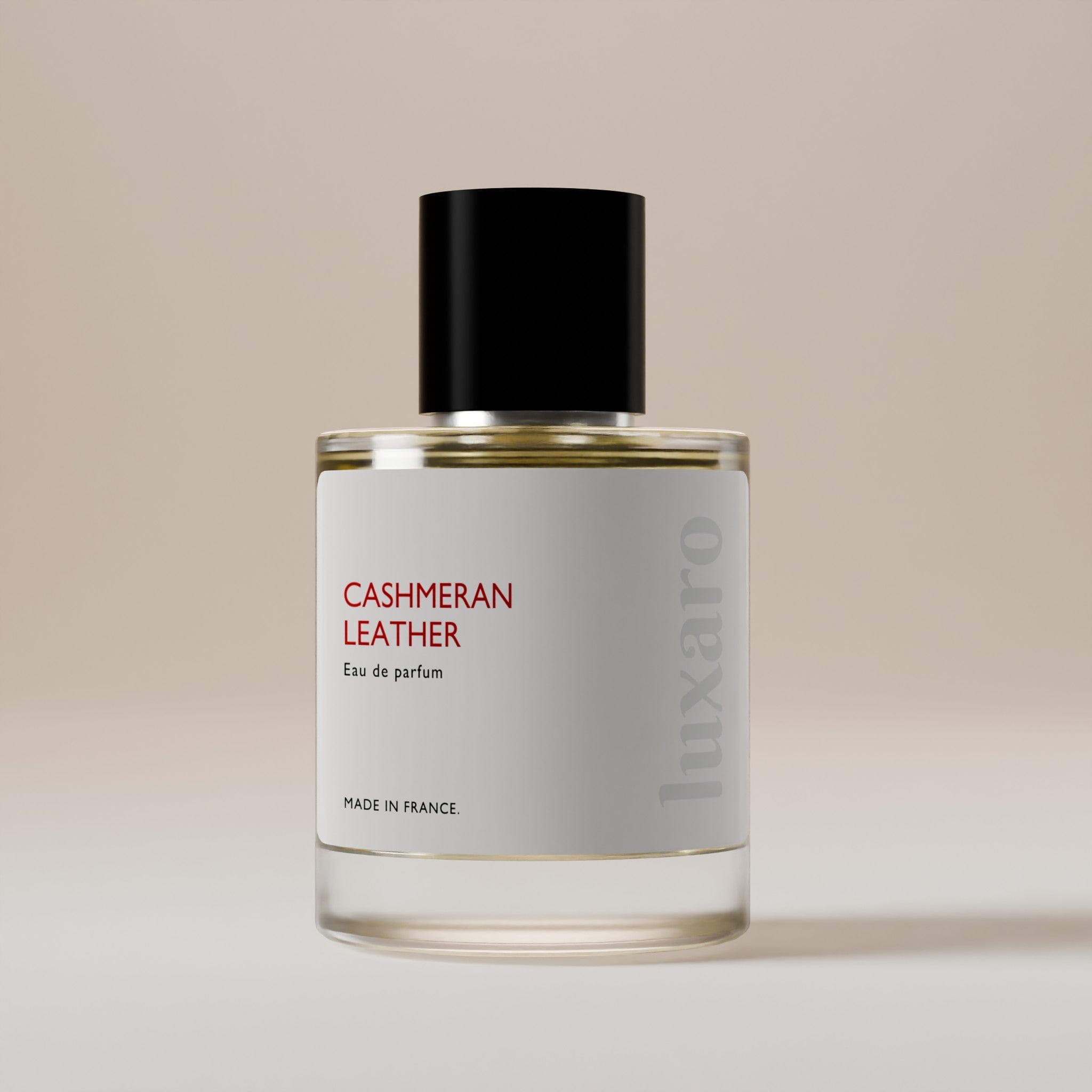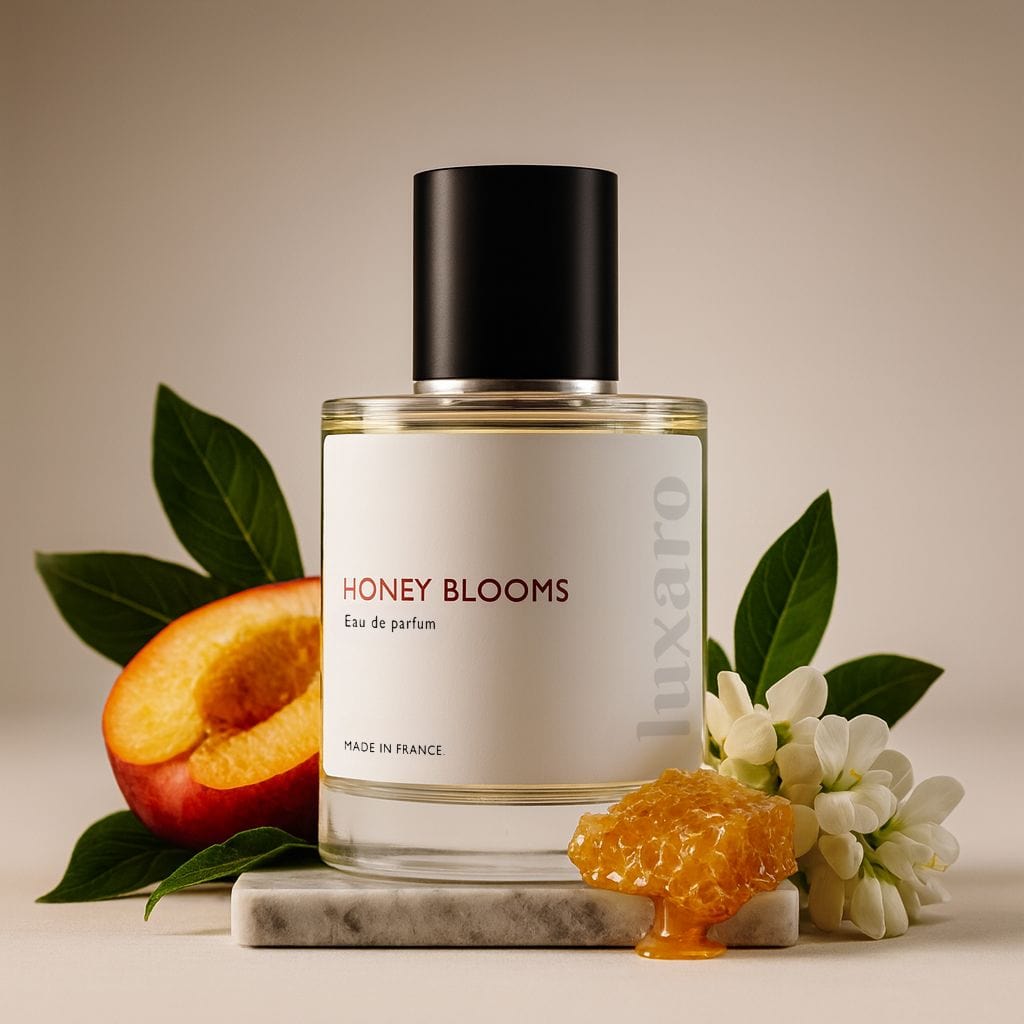

Inspired scents are created by experienced perfumers who carefully study an original fragrance, understand how it changes over time, and spend weeks developing a fragrance that captures its overall character. It's a detailed process involving testing, refinement, and quality control, not simply mixing a few ingredients together.
One of the biggest misconceptions I've come across is that inspired fragrances are quick and easy to make. After working closely with perfumers in Grasse, France, and seeing the process first hand, I can confidently say that creating a high-quality inspired fragrance takes far more time and skill than most people realise.

When customers ask how inspired fragrances are created, what do they usually assume?
Most customers assume brands buy ready-made perfume oils, mix them with perfume alcohol, bottle them, and sell them without doing much else.
I think social media has helped create this misunderstanding. I've seen videos where people mix fragrance oils together in a few minutes and call themselves perfume makers. While those videos can be interesting, they don't reflect how established fragrance brands develop their collections.
At Luxaro, we work with experienced perfumers in Grasse, France, who have more than 40 years of experience. Creating one inspired fragrance often takes several weeks before the first sample is even ready. There's a lot more happening behind the scenes than people expect.
Can you describe, in simple terms, how an inspired fragrance is actually developed?
Inspired fragrances are developed by carefully studying the original perfume, understanding its structure, creating similar accords, and refining the fragrance until it captures the same overall character.
The process begins by purchasing the original fragrance. Our perfumers then spend time smelling and analysing it, not just once but repeatedly. They look at how the fragrance develops from the first spray through to the dry down because every stage matters.
They don't simply copy a list of notes. They focus on understanding how the fragrance behaves as a whole.
Part of that work is understanding and rebuilding the fragrance accords that give a perfume its recognisable character.
Creating the first version usually takes around three to four weeks.
Once the sample arrives, I compare it carefully with the original. If I feel something could be improved, I'll discuss it with our perfumers.
In reality, major changes are rarely needed because of the experience they bring. Before sending me a sample, they have already asked more than ten experienced noses to evaluate the fragrance, so it's usually extremely close to what we're aiming for.
How involved are you in choosing the final version?
I'm responsible for deciding whether a fragrance joins the Luxaro collection, while our experienced perfumers create the fragrance itself.
When they send me a fragrance, it's normally the version they believe offers the best overall quality. They also explain that different versions could be produced using different grades of ingredients. For example, they could make a lower-cost version, a medium-quality version, or one using the highest quality raw materials available.
For me, that decision has always been straightforward.
I choose the highest quality version every time.
People are spending their hard-earned money, and I believe they deserve a fragrance that meets their expectations. Customer satisfaction has always been far more important to me than simply reducing costs.
Can you share a real example where creating an inspired fragrance took much longer than expected?
Yes, some inspired fragrances are far more difficult to create than others.
While many fragrances take around three to four weeks to develop, I've had projects that took well over six weeks before they were ready.
One fragrance I really wanted to add to the Luxaro collection took almost two months because the formula was extremely complex and relied on several rare and expensive raw materials.
When we received the quotation, just one kilogram of perfume oil was going to cost more than €3,000.
By the time it reached the finished bottle, the retail price would have needed to be well over £50 simply to cover production costs.
As much as I loved the fragrance, it wasn't possible to offer it at the kind of price I wanted for Luxaro customers.
Experiences like this show that creating an inspired fragrance isn't simply about copying another perfume. Every fragrance has its own challenges.
What have you learned from working with perfumers who have over 40 years of experience?
The biggest lesson I've learned is patience and just how much work goes into creating one fragrance.
Before visiting our perfumers in Grasse, I honestly didn't realise how much time and care went into every stage of development. Seeing them work gave me enormous respect for their experience.
They don't rush the process or look for shortcuts. Their focus is always on producing the best fragrance they possibly can because they know quality matters to me and, more importantly, to my customers.
What surprised me most was that creating the perfume oil is only the beginning.
Once the oil has been completed, it's sent to our manufacturer, where it's blended with perfume alcohol before going through further production, including maceration. That stage alone can take another month or more before the fragrance is ready to be bottled.
From the first idea to the finished bottle, creating a fragrance can easily take several months.
Why can't perfumers simply recreate another fragrance ingredient for ingredient?
Perfumers can't simply recreate another fragrance ingredient for ingredient because ingredients change over time, regulations evolve, and perfume creation involves far more than following a recipe.
Some raw materials that were used years ago are now restricted or no longer available. Others have become much more expensive or difficult to source.
Understanding what perfume is actually made from also explains why a perfumer may combine natural extracts, aroma molecules and functional materials rather than rely on a short public note list.
Even when the same materials are available, two experienced perfumers can still produce slightly different results, just like two chefs following the same recipe.
The goal isn't to recreate every ingredient exactly.
The goal is to create a fragrance that captures the same overall smell, feeling, and character while meeting today's safety standards.
What role does testing play before you decide to sell a fragrance?
Testing plays a huge role because I want every fragrance to smell close to the original while also performing well in everyday use.
I compare every fragrance with the original and pay attention to:
• The opening
• The dry down
• Longevity
• Projection
• Overall balance
• Wearability
I also understand that skin chemistry affects how every fragrance performs.
If the fragrance smells very similar to the original and the longevity and projection are also close, I don't ask our perfumers to increase performance just to make bigger claims.
The reason is simple. Increasing longevity often means adding more fixatives. Fixatives have their own smell, and using too many of them can change the fragrance itself. It's also one of the reasons a higher perfume concentration doesn't automatically mean better performance or better value, something I explain in more detail in my article on how perfume concentration affects price and performance.
That is why I have explained what perfume fixatives do and why balance matters in a separate guide.
I'd rather keep the fragrance true to its original character than sacrifice the smell simply to increase performance.
Have customers ever been surprised by how much work goes into creating an inspired fragrance?
Yes, many customers are genuinely surprised when they learn how long the process takes.
Quite a few people assume a fragrance can be created in a few hours because that's what they've seen online. They're often amazed when I explain that creating one fragrance can take up to three months from the first stage of development to the finished bottle.
I've also spoken to customers about why some brands sell fragrances at extremely low prices. Out of curiosity, I've ordered from several of those brands myself.
In many cases, all I could smell was strong alcohol or a fragrance that simply didn't smell pleasant. Some performed so poorly that I ended up using them as air fresheners after cooking instead of wearing them.
Of course, a low price doesn't automatically mean poor quality.
However, when fragrances are sold very cheaply, there is often a reason. Lower-quality ingredients, cheaper alcohol, skipping proper maceration, and limited quality control can all affect the final product.
In your opinion, what makes a good inspired fragrance?
A good inspired fragrance captures the character of the original while also smelling balanced, lasting well, projecting naturally, and being enjoyable to wear.
For me, all of those things matter.
There's no point creating a fragrance that smells identical for the first few minutes if it performs poorly afterwards.
Equally, there's no point making something that lasts all day if it no longer reminds people of the fragrance that inspired it.
The best inspired fragrances achieve a balance between accuracy, quality, performance, and wearability.
That's always the standard I expect before adding a fragrance to the Luxaro collection.
If someone asked you, "Are inspired fragrances just copies?" what would your honest answer be?
No, inspired fragrances are not simply copies. They are carefully developed fragrances created by experienced perfumers who spend weeks analysing, testing, and refining them to capture the character of the original.
After working closely with perfumers in Grasse and seeing the process for myself, I've gained enormous respect for the skill involved. Creating a great inspired fragrance requires experience, patience, technical knowledge, and countless small decisions along the way.
That's why I don't see inspired fragrances as simple copies.
I see them as carefully developed fragrances created by talented perfumers who understand just how complex perfume making really is.