
Attar often stays closer to the skin and may release its scent more slowly, while alcohol-based spray perfume usually creates wider projection at the beginning. Neither format is guaranteed to last longer or smell stronger. The formula, fragrance materials, amount applied, your skin and the surrounding conditions all affect the result.
In simple terms, choose attar if you prefer precise application and a more personal scent around the body. Choose spray perfume if you want easier distribution, a more noticeable opening and a broader scent trail. The best option is the one that suits how and where you actually wear fragrance.

What Is the Difference Between Attar and Spray Perfume?
Attar is usually an oil-based fragrance applied in small dabs or with a roll-on, while conventional spray perfume normally disperses fragrance materials in a volatile carrier such as alcohol.
Traditional North Indian attar has a more specific meaning. Research from the Australian National University explains that aromatic flowers, herbs or spices are distilled into an oil base, often sandalwood, using a long-established process. It also notes that products sold as attar today are not all made this way. Some are modern fragrance oils, synthetic blends or commercial perfumes using the same name.
That distinction matters. “Attar” on a label does not tell you the full formula, just as “perfume” does not tell you how a fragrance will perform. Check the ingredient information and application format rather than relying on the name alone.
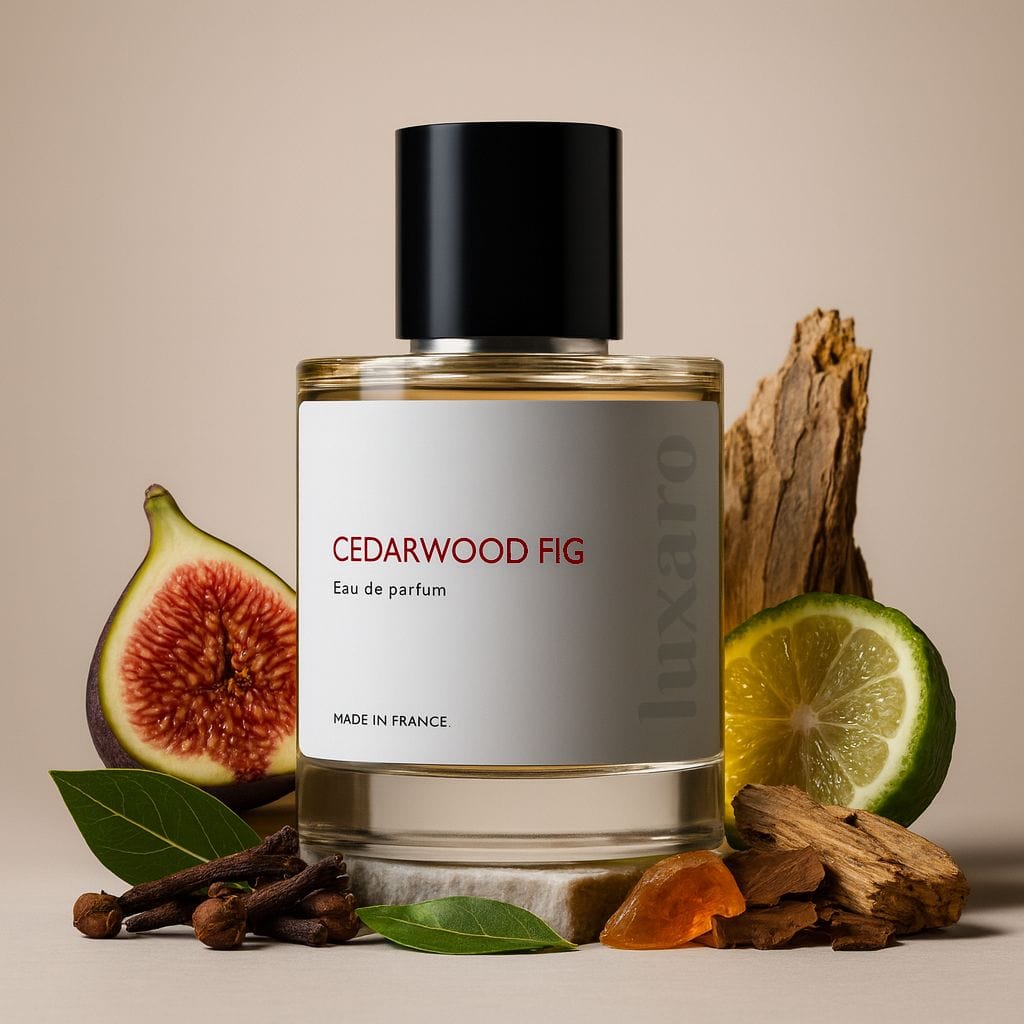
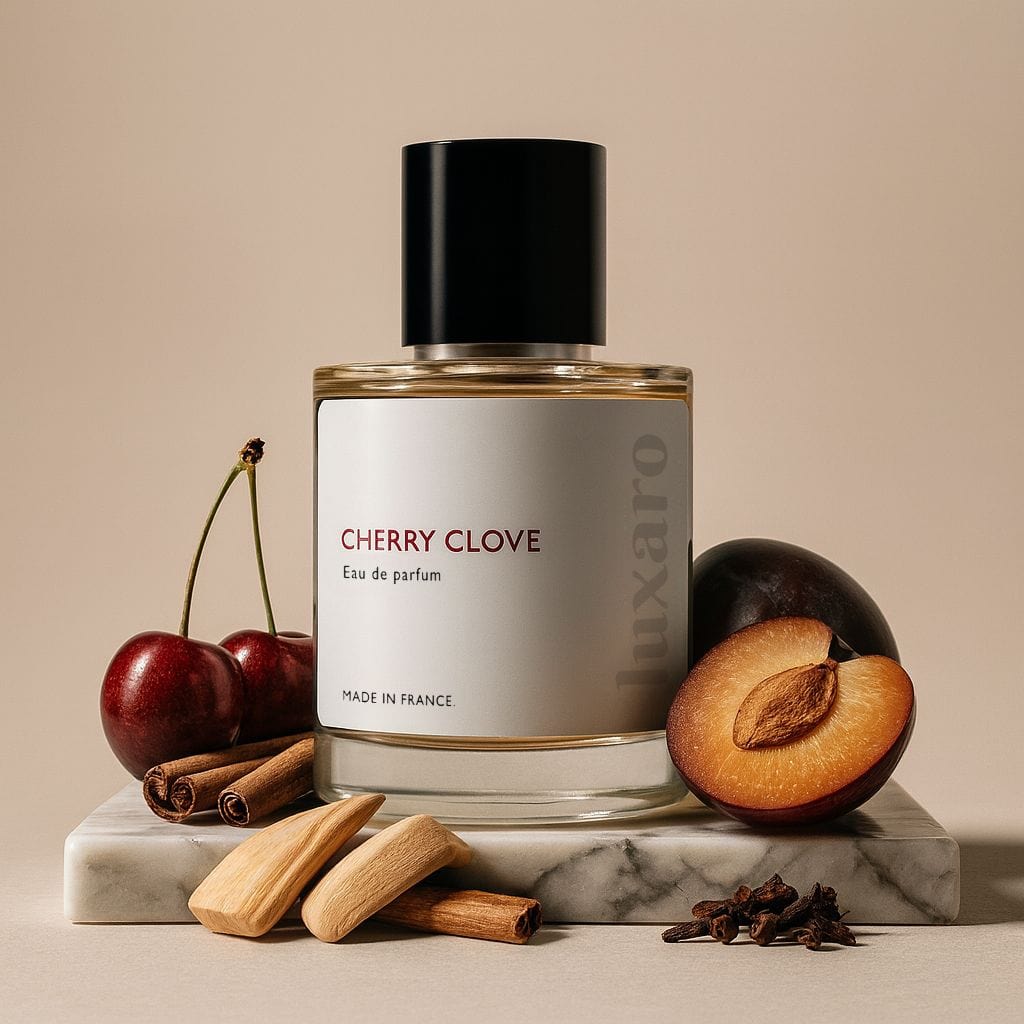
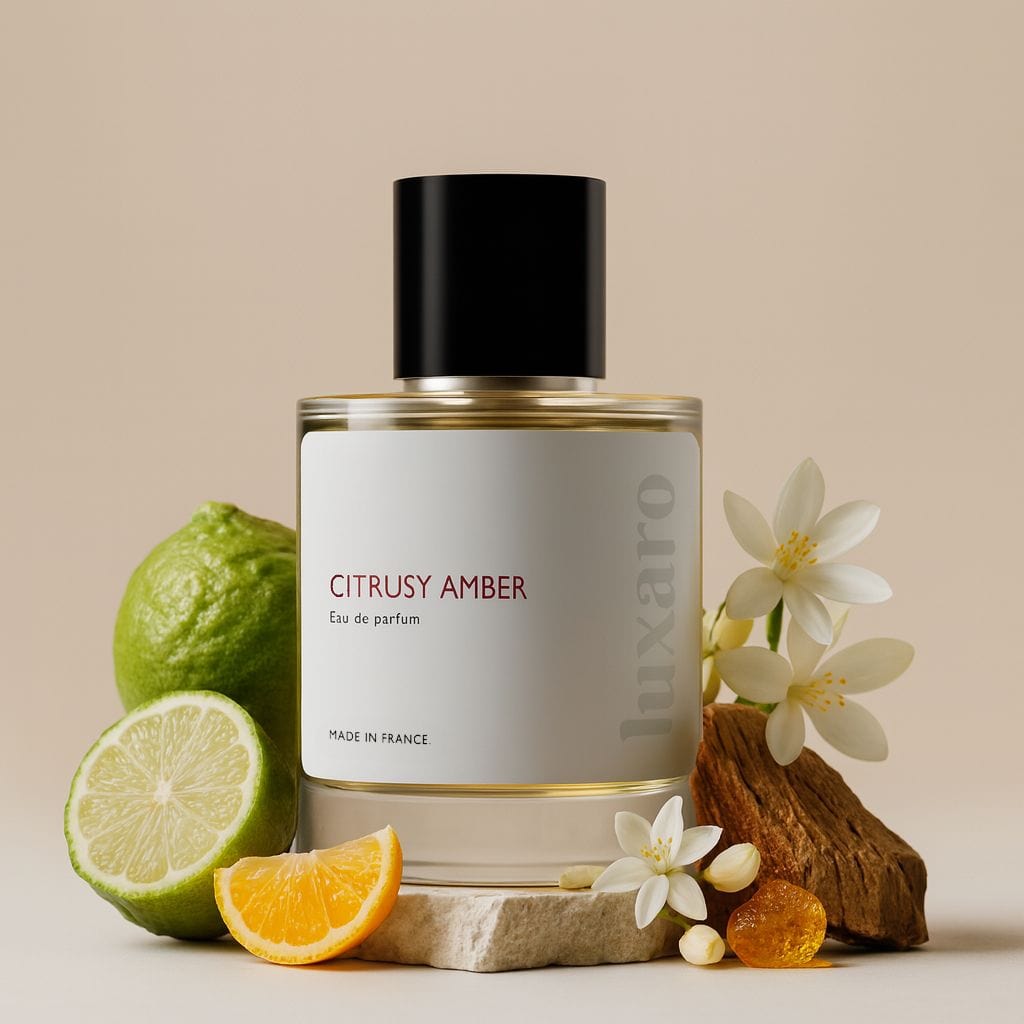
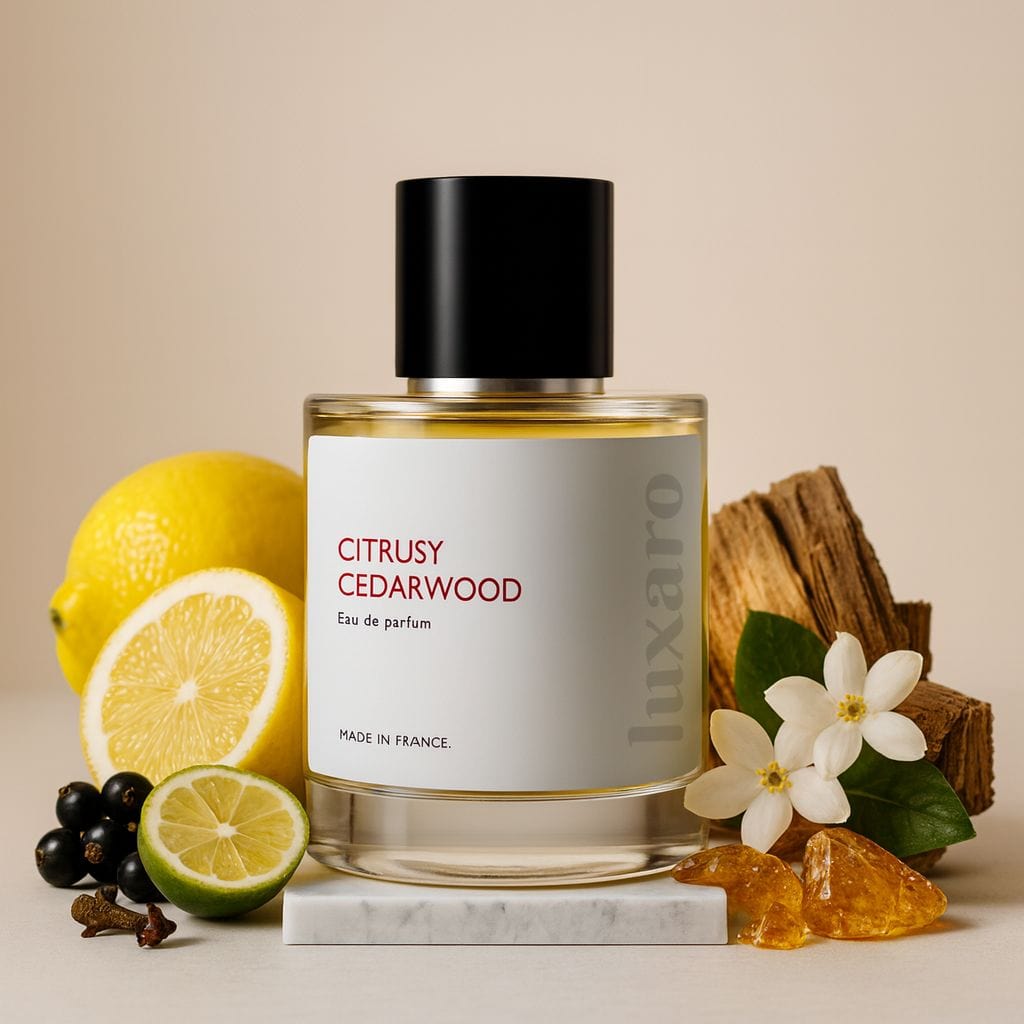
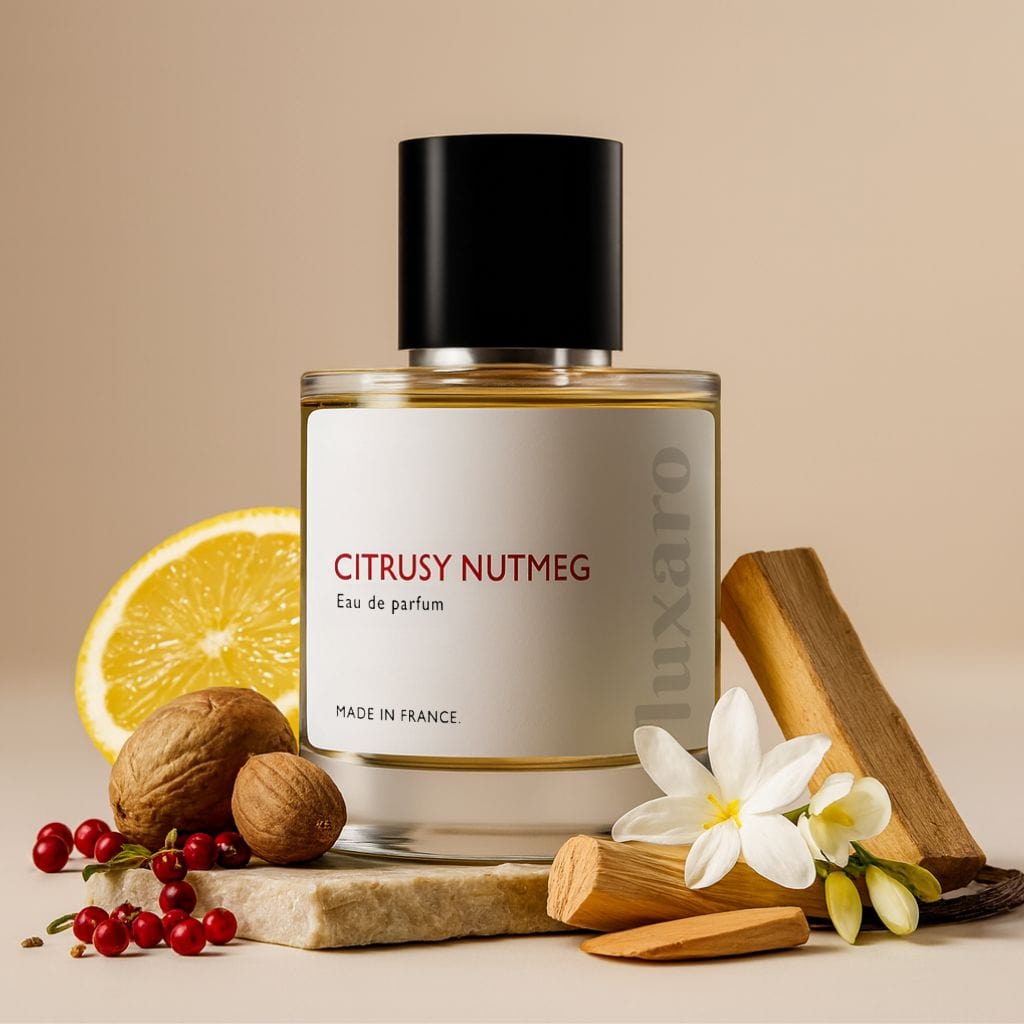
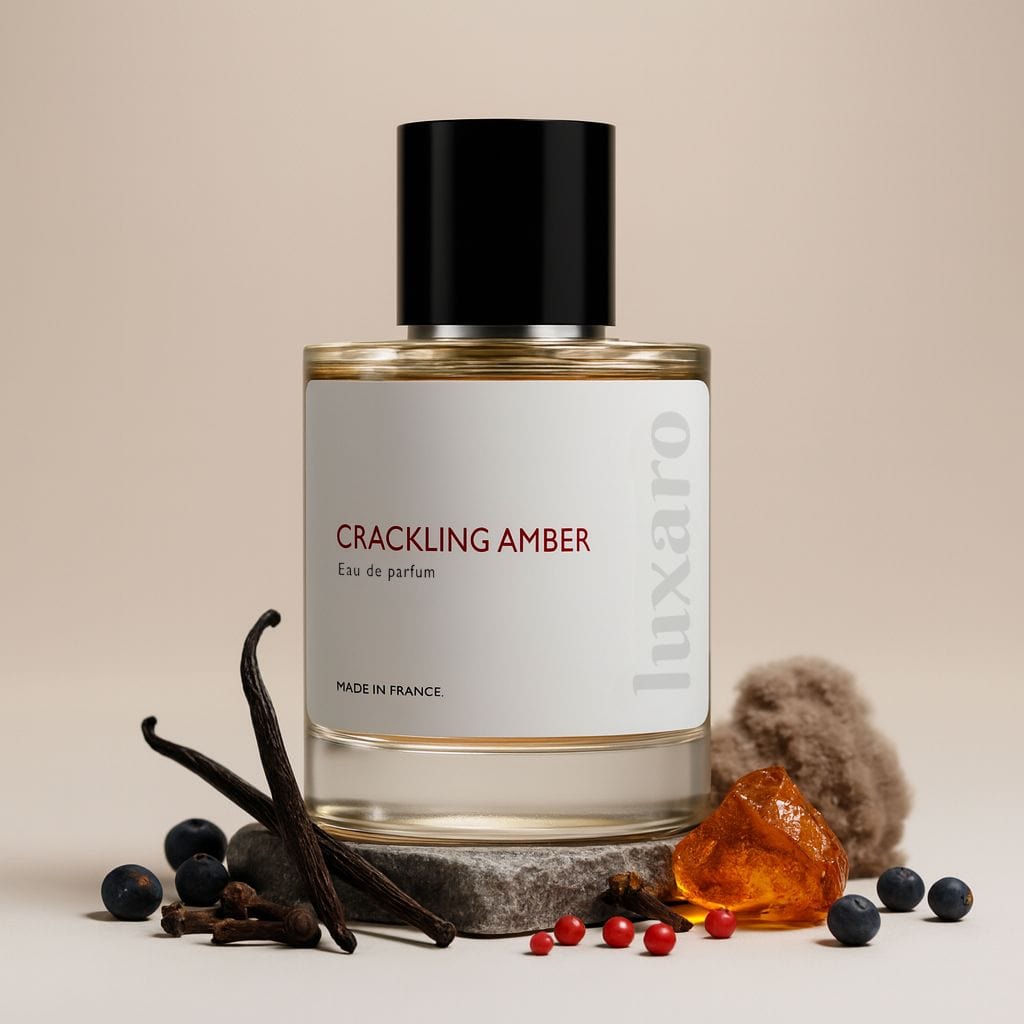
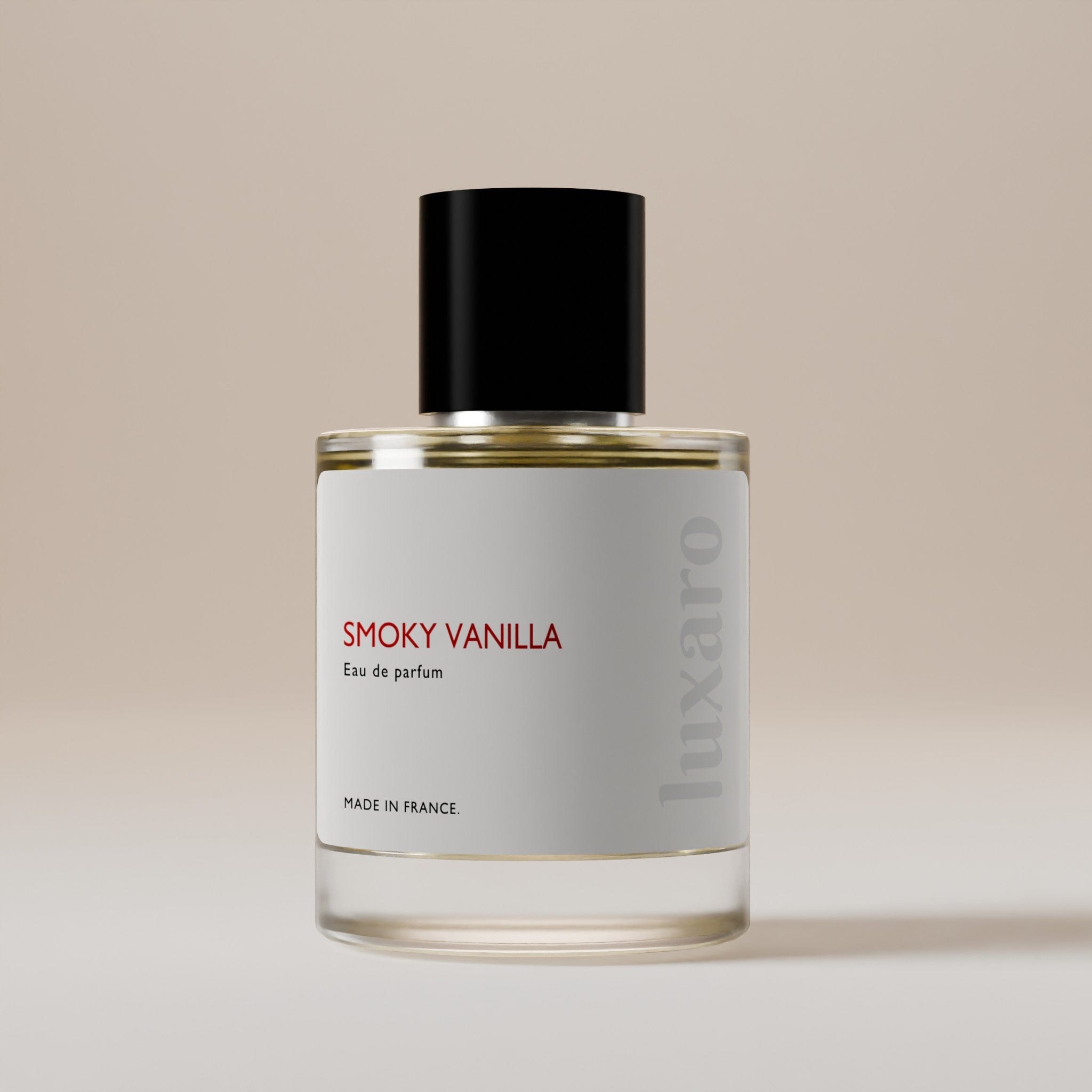
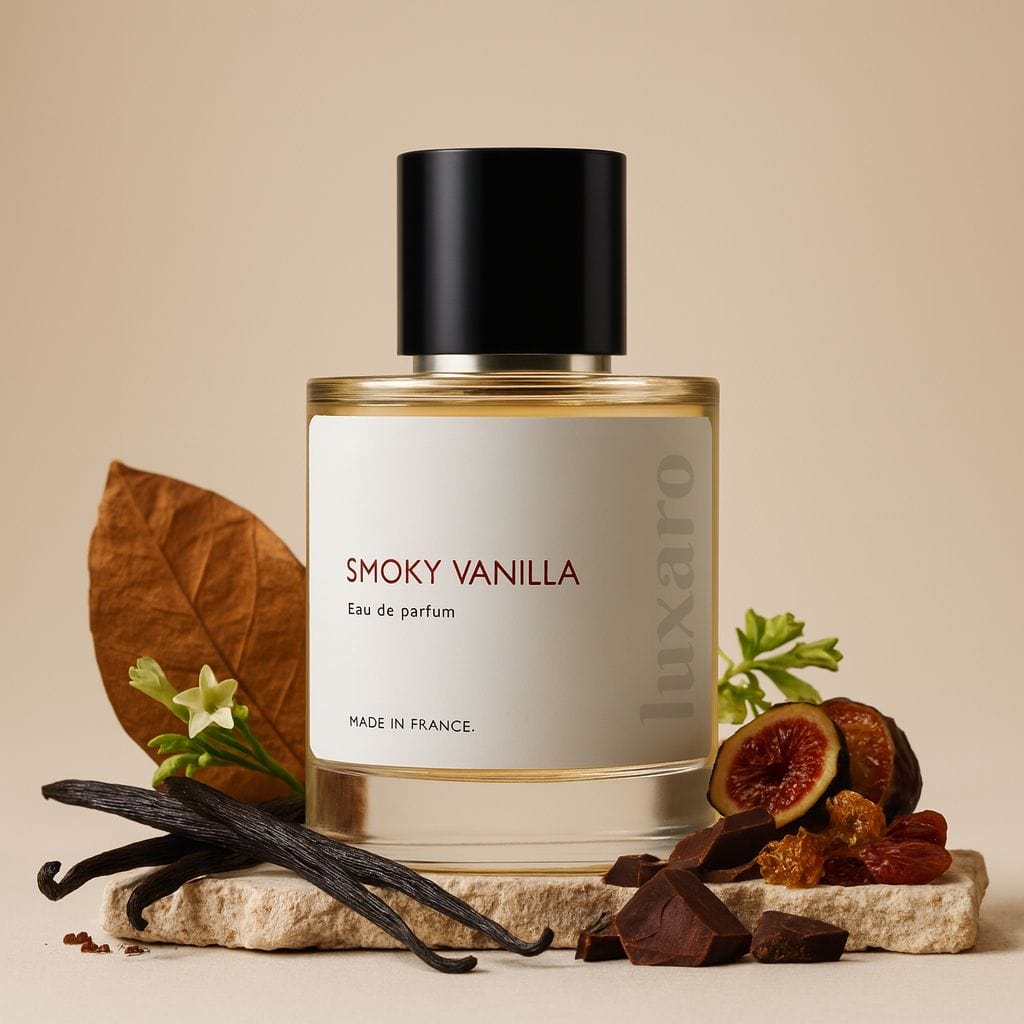
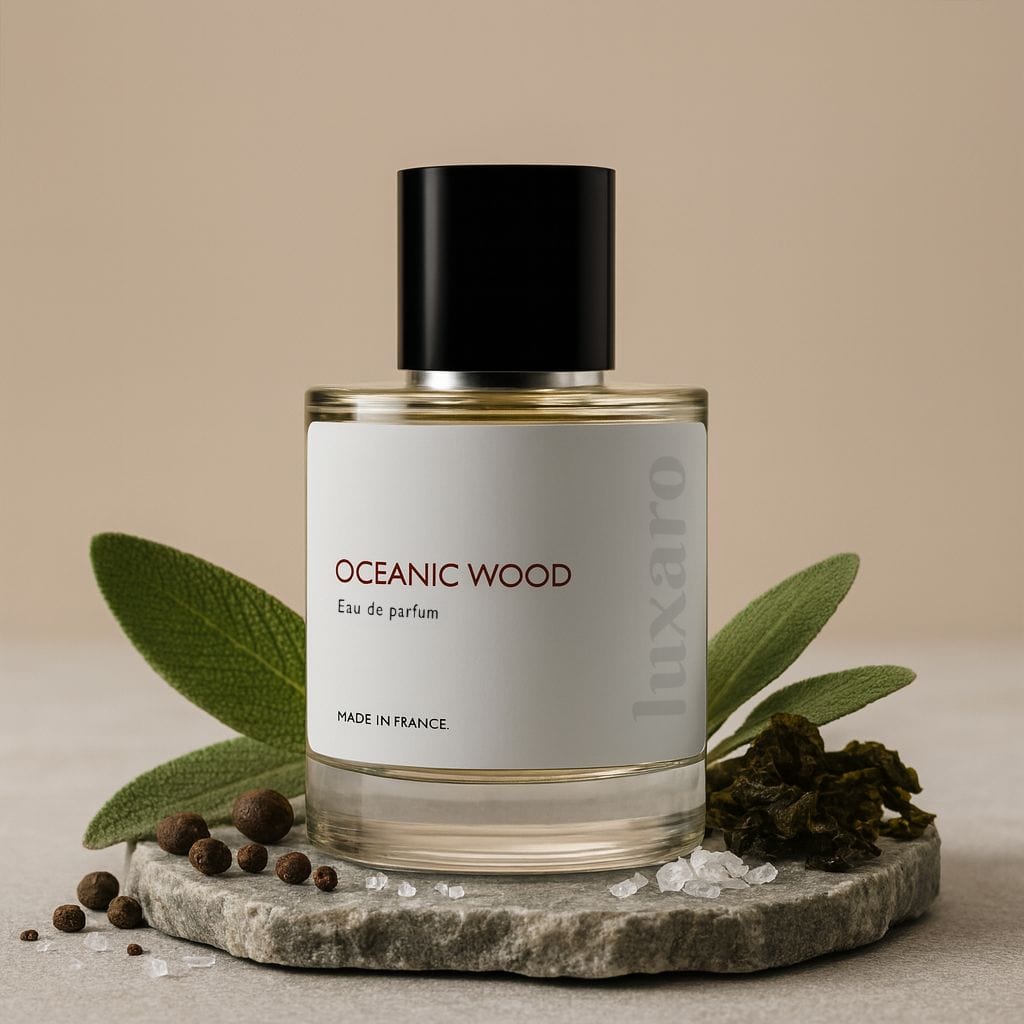
Luxaro fragrances are Eau de Parfum sprays made in Grasse, France with experienced perfumers. They are alcohol-based spray perfumes, not attars. That gives me a clear basis for explaining how the spray format behaves, while the characteristics of any individual attar still depend on its maker and formula.
Which Usually Projects Further: Attar or Spray Perfume?
Alcohol-based spray perfume usually projects further at the beginning, while attar often creates a denser scent that stays nearer to the skin. This is a broad tendency, not a rule for every formula.
An atomiser spreads perfume across a wider area in fine droplets. As the alcohol evaporates, volatile fragrance materials enter the surrounding air and create the opening that other people may notice. An oil applied to one or two small areas generally releases scent more gradually and from a smaller surface.
In a feature published by Vogue, Amouage creative director Renaud Salmon makes the same broad distinction: alcohol-based sprays have wider throw, while attars tend to remain closer to the body. That is useful guidance, but it is not a guarantee for every formula.
One thing I have learned from working with our perfumers is not to judge projection from the carrier alone. A soft spray can sit close to the skin, while a potent attar can be very noticeable at close range. The materials, dose and balance of the formula still matter. That is why it helps to understand how perfume projection differs from longevity before deciding that one format performs better.
Does Attar Last Longer Than Perfume?
Attar can last longer on the skin, but it does not always outlast spray perfume. Oil-based fragrances often evaporate more slowly, yet the ingredients and structure of the formula have a major influence on how long the scent remains detectable.
A woody or resinous attar may linger for a long time. A light floral oil may fade sooner. In the same way, an Eau de Parfum with persistent woods, musk, vanilla or patchouli may remain noticeable after a brighter spray has settled.
This is where projection and longevity are easily confused. A scent can last for hours without travelling far from the body. Another can create a strong opening and then become quiet relatively quickly. It also explains why perfume concentration does not predict performance by itself.
From my experience testing fragrances, I would rather assess the full wear than make a promise based on “oil” or “spray”. Check the scent shortly after application, later in the day and again close to the skin. That gives a more useful picture than judging only the first few minutes.
Is Attar Stronger Because It Contains More Fragrance Oil?
No. A high proportion of fragrance material can make an attar feel rich or persistent, but it does not automatically give it wider projection.
Strength can mean several different things: how intense the opening feels, how far the scent reaches, how long it lasts or how dense it smells close to the skin. An oil can be concentrated yet intimate because it remains in a small application area. A spray with a lower concentration may feel more noticeable at first because it is distributed widely and contains materials that diffuse readily.
The amount you apply changes the comparison too. One small dab of attar is not equivalent to several sprays across the neck and clothing. A fair test uses a normal amount of each format and considers both close-range scent and reach through the air.
Are All Attars Natural and Alcohol-Free?
No. Traditional attar is normally oil-based and alcohol-free, but the modern retail use of the word is much broader. A product labelled attar may contain natural extracts, synthetic fragrance materials, carrier oils or a mixture of these.
Natural and synthetic are not simple measures of quality, safety or performance. What matters is whether the materials are appropriate for fragrance use and how well the complete formula has been made. If the distinction matters to you, read the ingredient list and ask the manufacturer what it means by “attar”.
Alcohol-free also answers only one ingredient question. If your concern is religious rather than technical, our guide to recognised Islamic views on alcohol-based perfume treats that subject separately and explains why oil-based does not automatically mean halal-certified.
How Does the Application Method Change the Way They Wear?
Attar is usually applied to a few small areas, while spray perfume covers a broader surface. That difference changes both the opening and how easily you can control the scent.
With an attar, start with a tiny amount on a pulse point and allow it to settle before adding more. Oil can spread, and a formula that seems quiet immediately after application may become clearer as it warms on the skin. Avoid applying an unfamiliar oil directly to pale or delicate fabric because some formulas can leave a mark.
With spray perfume, use a normal number of sprays rather than trying to match the apparent concentration of an oil. The mist gives quick, even distribution, but overspraying can make the opening uncomfortable in a shared space. Skin and clothing may also hold the fragrance differently, so test both only where the product instructions allow it.
Which Is Better for Work, Travel or Close Settings?
Attar is often useful when you want a controlled, close-to-skin scent, while spray perfume is often better when you want a clearer presence around you. The setting matters more than choosing a universal winner.
For an office, public transport or close conversation, a small amount of attar can be easy to keep personal. A moderately applied spray can work just as well, especially if its projection is balanced. The problem is usually excessive application rather than the format itself.
For travel or touch-ups, a compact oil can be convenient if its container seals securely. A spray is quicker to distribute and may be more familiar to use. In either case, protect the container from heat and leakage, and apply with consideration for the people around you.
Can You Layer Attar With Spray Perfume?
Yes. Attar and spray perfume can be worn together, and the combination can provide a close oil base with a more noticeable scent around it. The safest approach is to use very little of each.
Test the combination on separate blotters or small areas first. If they work together, apply the attar sparingly, let it settle and add a light spray rather than a full second application. Similar notes can make the pairing easier, but contrast can also work if one fragrance does not overwhelm the other.
I would stop if the mixture becomes muddy or excessively sweet. Layering should make the result more enjoyable, not simply stronger.
Which Should You Choose: Attar or Perfume?
Choose attar if you prefer precise application, an oil texture and a scent that often stays close to the body. Choose spray perfume if you prefer quick application, broader early projection and a more noticeable trail. If possible, test both formats on your skin before deciding.
I would also choose by fragrance direction rather than carrier alone. If you decide that Eau de Parfum suits you, Luxaro offers several distinct examples rather than one repeated scent profile.
For a bright opening that becomes floral and warm, Oakmoss Forest with bergamot, rose and a warm vanilla base shows how a spray can move through contrasting stages without becoming heavy.
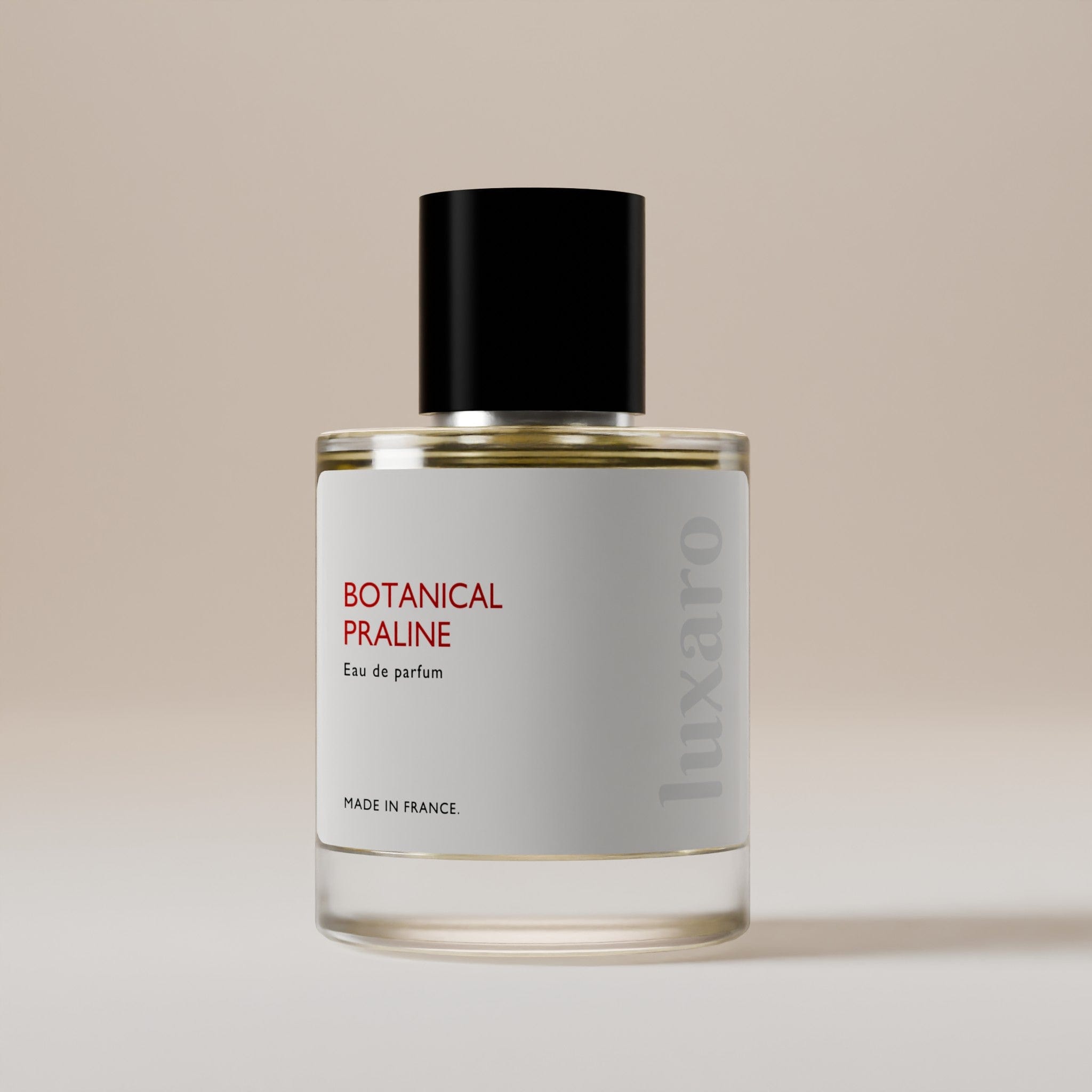
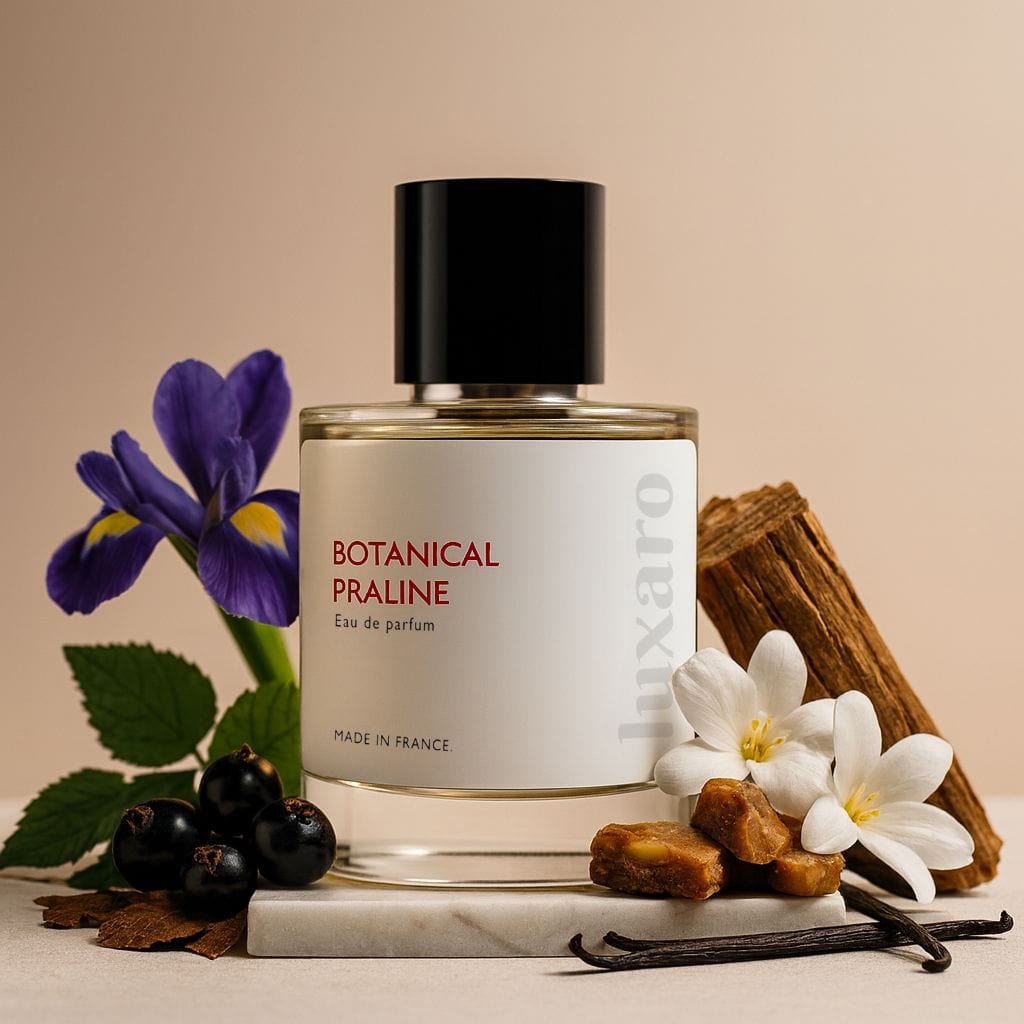
If you prefer a sweeter fragrance, Botanical Praline with pear, iris, praline and vanilla develops from fruit and soft flowers into a creamy base.
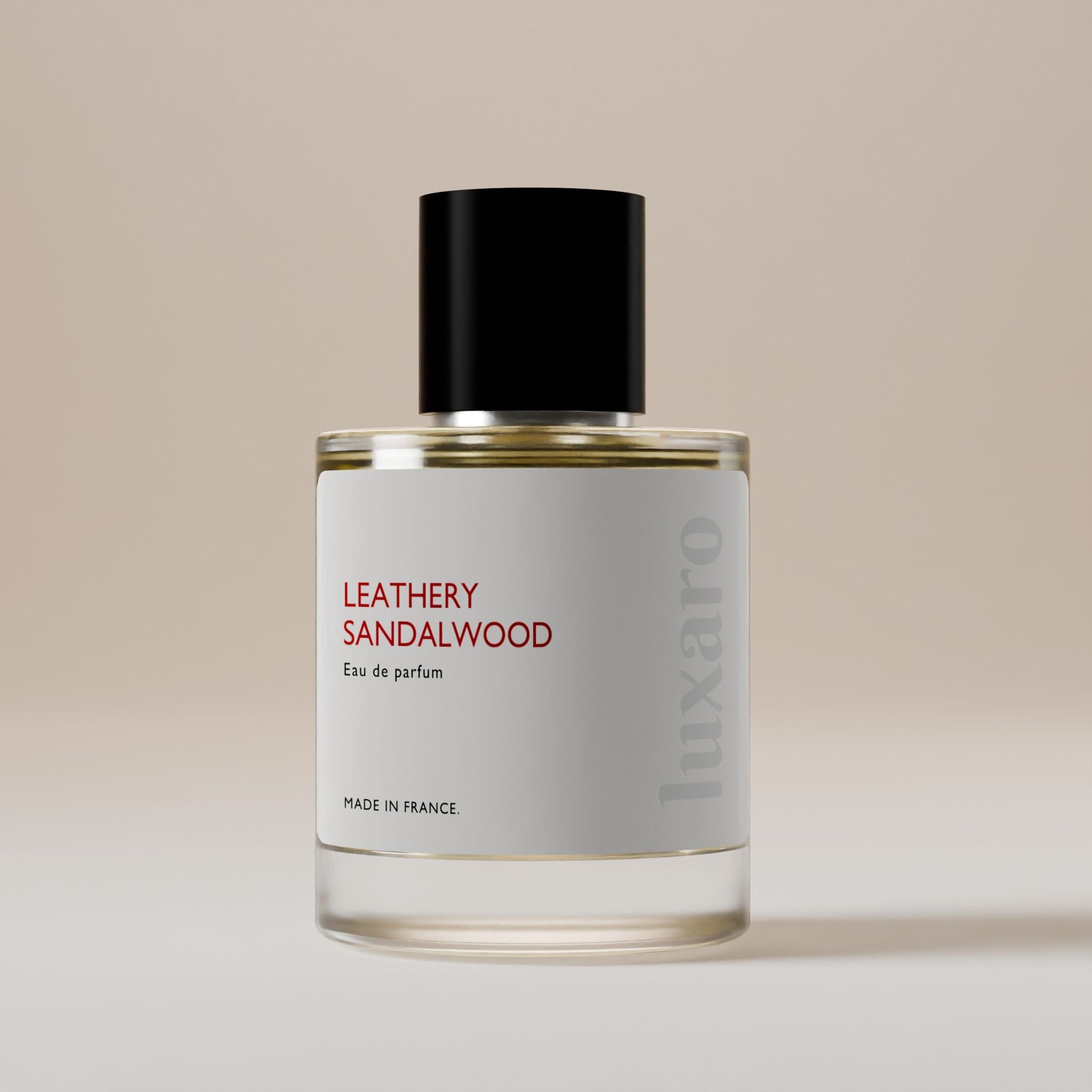
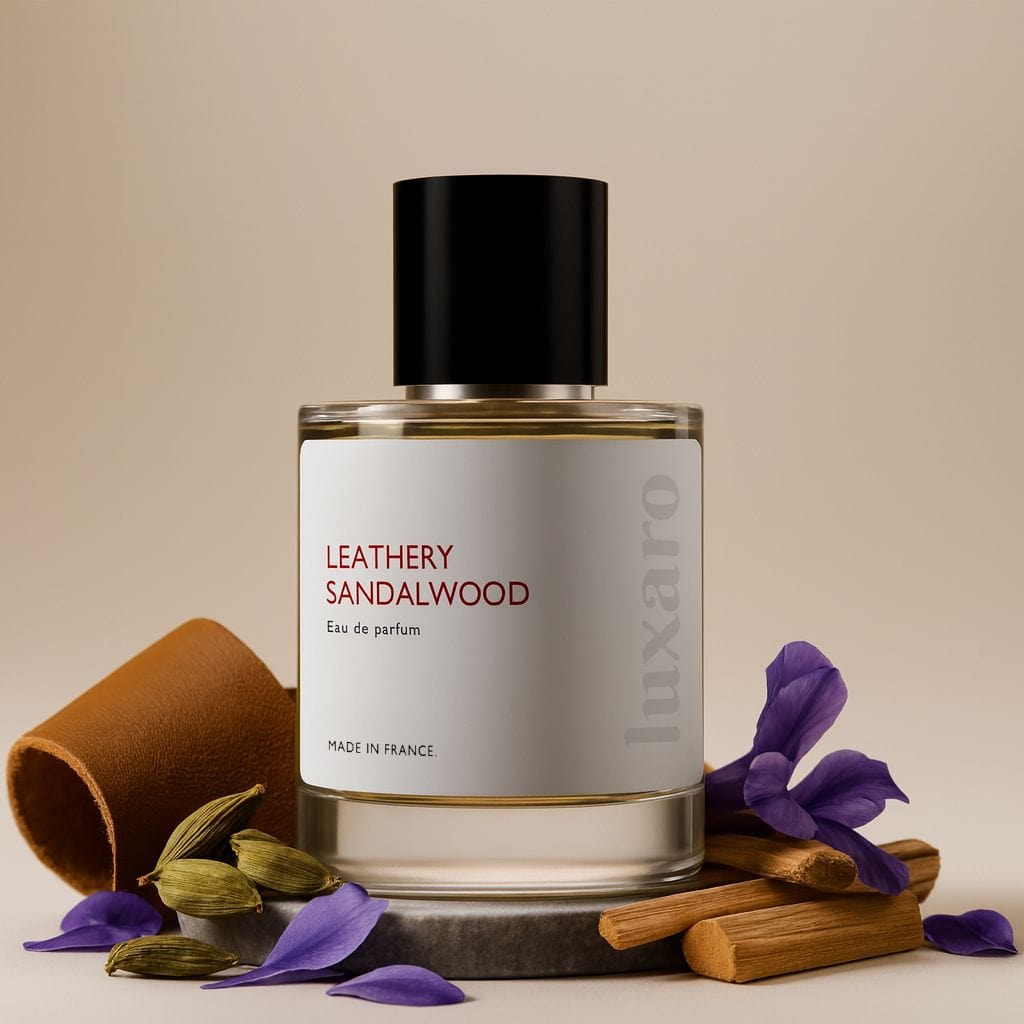
For a drier unisex direction, Leathery Sandalwood with cardamom, sandalwood and leather combines soft spice, woods and a restrained leathery finish.
These are spray-perfume recommendations, not claims that spray is better than attar. My view is simple: decide how much reach you want, consider where you will wear the fragrance, then choose the formula you genuinely enjoy. Format can shape the experience, but it cannot replace smelling the perfume on your own skin.
FAQs
Does attar project more than perfume?
Usually not. Alcohol-based spray perfume commonly projects further at the beginning because the atomiser covers a wider area and volatile materials enter the air quickly. Attar often smells denser close to the skin.
Does attar last longer than Eau de Parfum?
It can, but there is no guarantee. Oil may release fragrance more slowly, while the individual materials, formula, amount applied, skin and environment determine the final wear time.
Is attar the same as perfume oil?
The terms overlap in modern retail, but they are not always identical. Traditional attar refers to a particular distillation process, while “perfume oil” can describe many oil-based fragrance blends.
Does attar contain alcohol?
Traditional oil-based attar is generally alcohol-free. Modern products labelled attar vary, so check the ingredient list or ask the manufacturer if avoiding alcohol is important to you.
Can attar be sprayed?
Classic attar is normally dabbed or rolled onto the skin. Some modern products use “attar” for different fragrance formats, so follow the application instructions supplied with the product.
Can I wear attar and spray perfume together?
Yes. Use a small amount of attar first, allow it to settle, then add a light spray. Test the pairing before wearing a full application because two rich fragrances can quickly become overpowering.