
Most spray perfumes contain three broad parts: fragrance concentrate, an alcohol-based carrier and, in many formulas, water. The fragrance concentrate creates the scent, the alcohol helps dissolve and disperse it, and water may be used to adjust the finished formula. Some perfumes also contain small amounts of supporting materials such as antioxidants, stabilisers, UV filters or colourants, although these are not present in every fragrance.
That sounds simple until you look at an ingredient label. One word, “Parfum”, can represent a complex mixture of aromatic materials, while names such as limonene, linalool and citral may be listed separately. The note description adds another layer because it tells you what the perfume is intended to smell like rather than revealing its exact recipe.
One thing I have learned through building Luxaro and working with our experienced perfumers in Grasse is that each part of the formula has a purpose. A good perfume is not made by placing a few attractive ingredients in alcohol. The materials have to dissolve, work together, develop coherently and remain stable in the finished bottle.

What Is Fragrance Concentrate or Perfume Oil?
Fragrance concentrate, sometimes called perfume oil, is the aromatic part of the formula. It can contain a large number of natural extracts, synthetic aroma molecules and other materials selected to create the intended smell and performance.
The word “oil” can be misleading here. Perfume oil does not necessarily mean one botanical oil, nor does it mean the finished product is an oil-based roll-on. In professional fragrance making, the term commonly describes the concentrated aromatic mixture before it is diluted into the finished perfume.
Natural materials may include essential oils, absolutes, resins and extracts. Synthetic aroma molecules can provide familiar smells, support consistency or create effects that are difficult to obtain directly from nature. Perfumers often use both within the same composition.
IFRA’s explanation of natural and synthetic fragrance materials makes an important point: both are made of chemical compounds, and natural origin alone does not establish that a material is safer or better. From my experience, the useful question is not whether a formula belongs entirely to one camp. It is whether the perfumer has chosen suitable materials and balanced them well.
Before visiting our perfumers in Grasse, I did not fully appreciate that completing the perfume oil is only the beginning. Once the concentrate is ready, it still has to be combined with the carrier and taken through the remaining production stages before it becomes the perfume a customer sprays.
Why Is Alcohol Used in Spray Perfume?
Alcohol is used because it is an effective carrier for fragrance concentrate. It helps dissolve aromatic materials, allows the perfume to be sprayed as a fine mist and begins evaporating after application so the fragrance can move into the surrounding air.

The type most people see on a perfume label is Alcohol Denat. This is ethanol that has been denatured, meaning it has been made unsuitable for drinking. In a fragrance, its job is technical: it carries the aromatic mixture and helps distribute it across the skin or clothing.
Luxaro perfumes use Alcohol Denat. Once our perfumers have completed the concentrate, it is blended with perfume alcohol and goes through further production, including maceration, before bottling. That process matters because the finished fragrance needs to smell balanced, not like separate layers of alcohol and perfume oil.
Alcohol content and perfume concentration are related, but they are not opposites on a simple scale of bad and good. A higher proportion of concentrate does not automatically make a fragrance better or longer lasting. My guide to what perfume concentration tells you about a fragrance explains why the materials and their balance matter alongside the percentage.
Does Perfume Always Contain Water?
No. Water is present in many alcohol-based perfumes, but it is not a universal ingredient and it may not appear in every formula.
Where it is used, purified water can help adjust the alcohol strength and the overall formulation. Its presence does not mean that a perfume has simply been watered down. The amount is part of a deliberate formula that must remain clear, stable and suitable for spraying.
Ingredient lists give the clearest answer for an individual product. If “Aqua” or “Water” appears, water has been used. If it does not appear, it should not be assumed merely because water is common in some other fragrances.
Are Natural Perfume Ingredients Better Than Synthetic Ones?
No. Natural ingredients are not automatically better, safer or more refined than synthetic aroma molecules. Both can be valuable, and both must be chosen and used appropriately.
Natural extracts can bring depth and variation, but their smell may change with harvest, climate, origin and extraction. Some are scarce or expensive, and some contain naturally occurring substances that must be assessed carefully. Synthetic materials can offer consistency, precision and smells that cannot be obtained by simply pressing or distilling a plant.

One thing I have learned from working with experienced perfumers is that the finished balance matters more than a simplistic natural-versus-synthetic argument. A well-made composition may combine both so that each material does the job it is best suited to do.
Luxaro perfumes are vegan and cruelty-free. That affects the materials and practices we accept, but it does not mean our perfumes are made only from botanicals. Modern perfumery gives experienced perfumers a much wider palette than that.
Are Fragrance Notes the Same as Perfume Ingredients?
No. Fragrance notes describe the smells you are meant to recognise, while ingredients are the actual materials used to build the formula.
A jasmine note may include jasmine extract, aroma molecules that reproduce particular facets of jasmine, or a blend of several materials. A marine note does not mean seawater has been poured into the bottle. It describes an airy, salty or ocean-like impression created by the composition.
That is why it helps to understand the difference between fragrance notes and actual ingredients before reading a perfume page. The note list helps you imagine the wearing experience. The ingredient list serves a different purpose and will not reveal the exact confidential recipe.
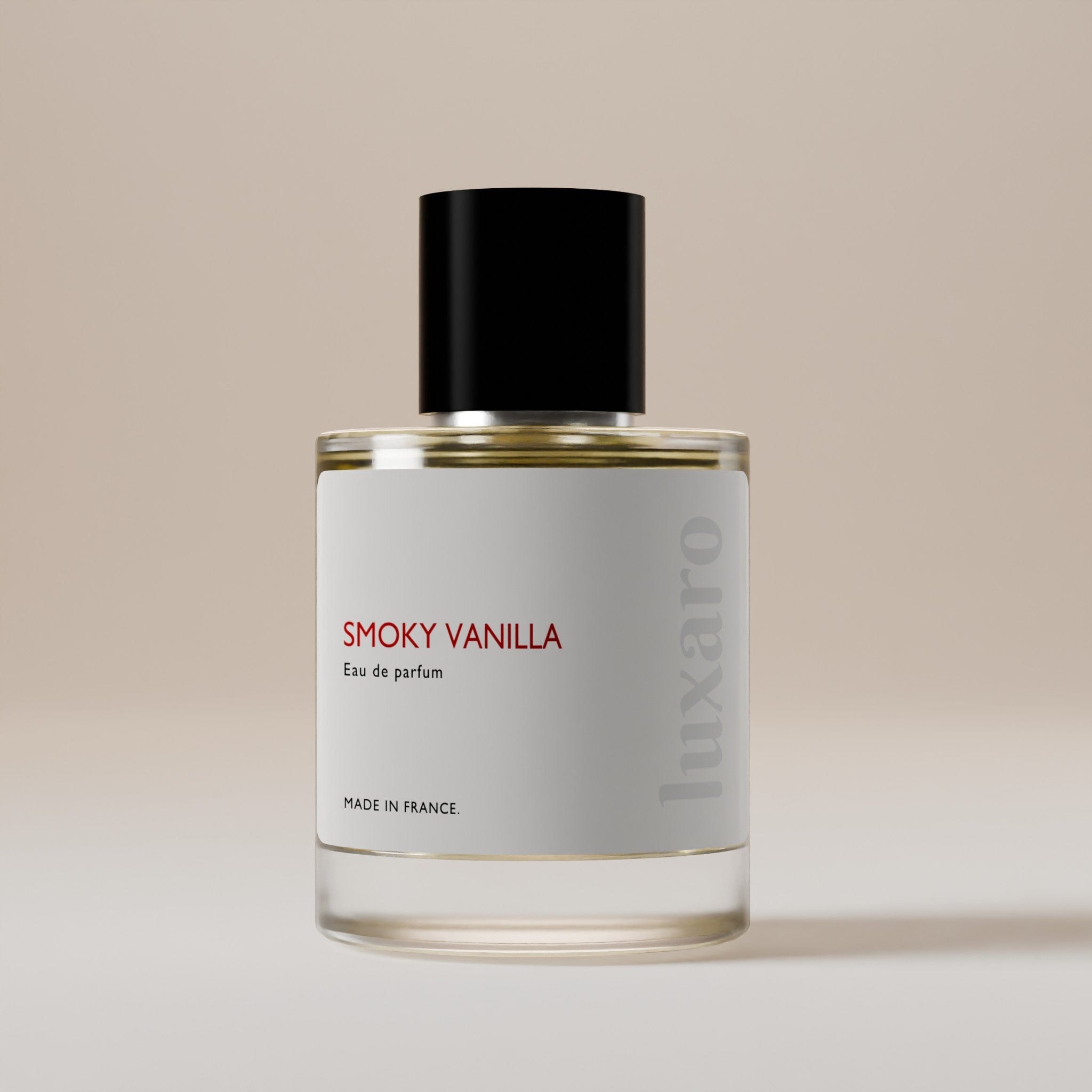
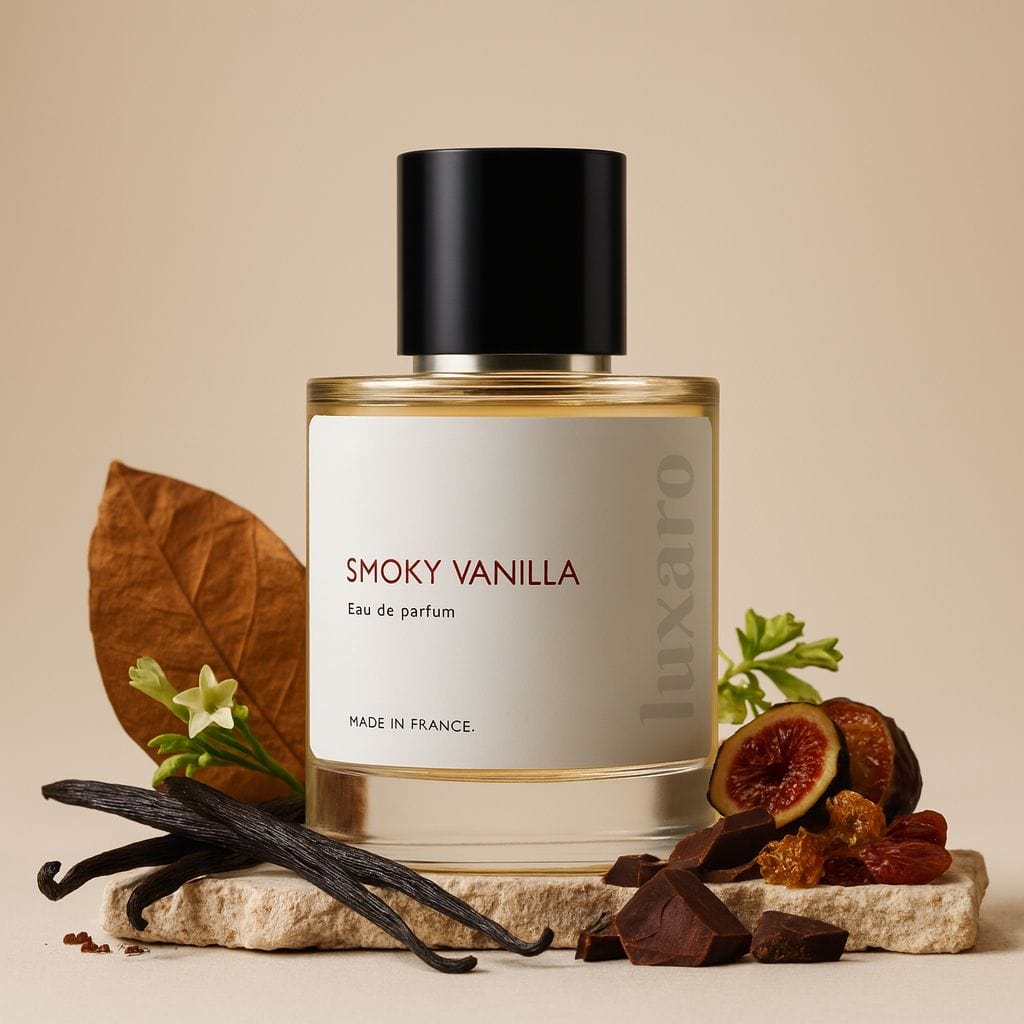
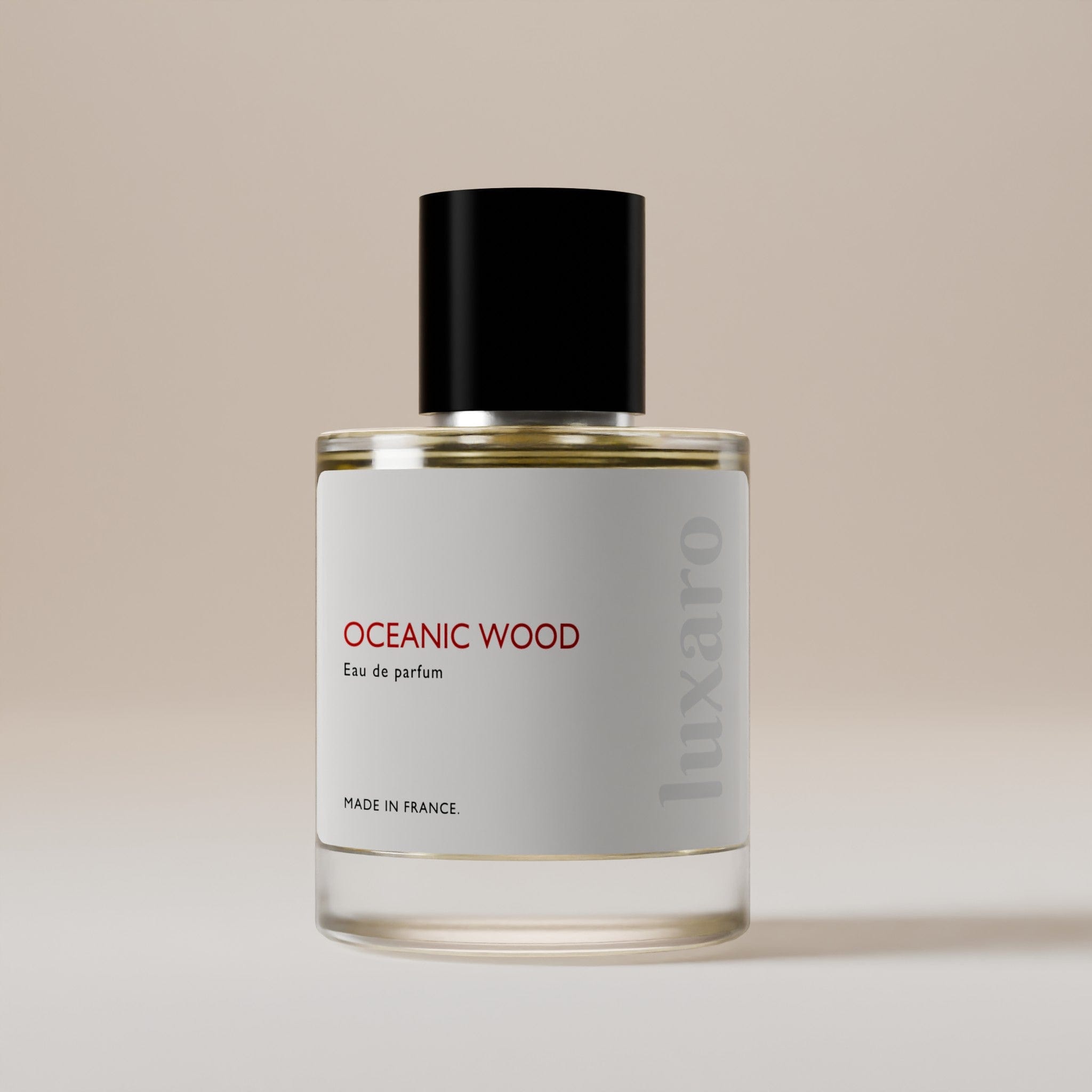
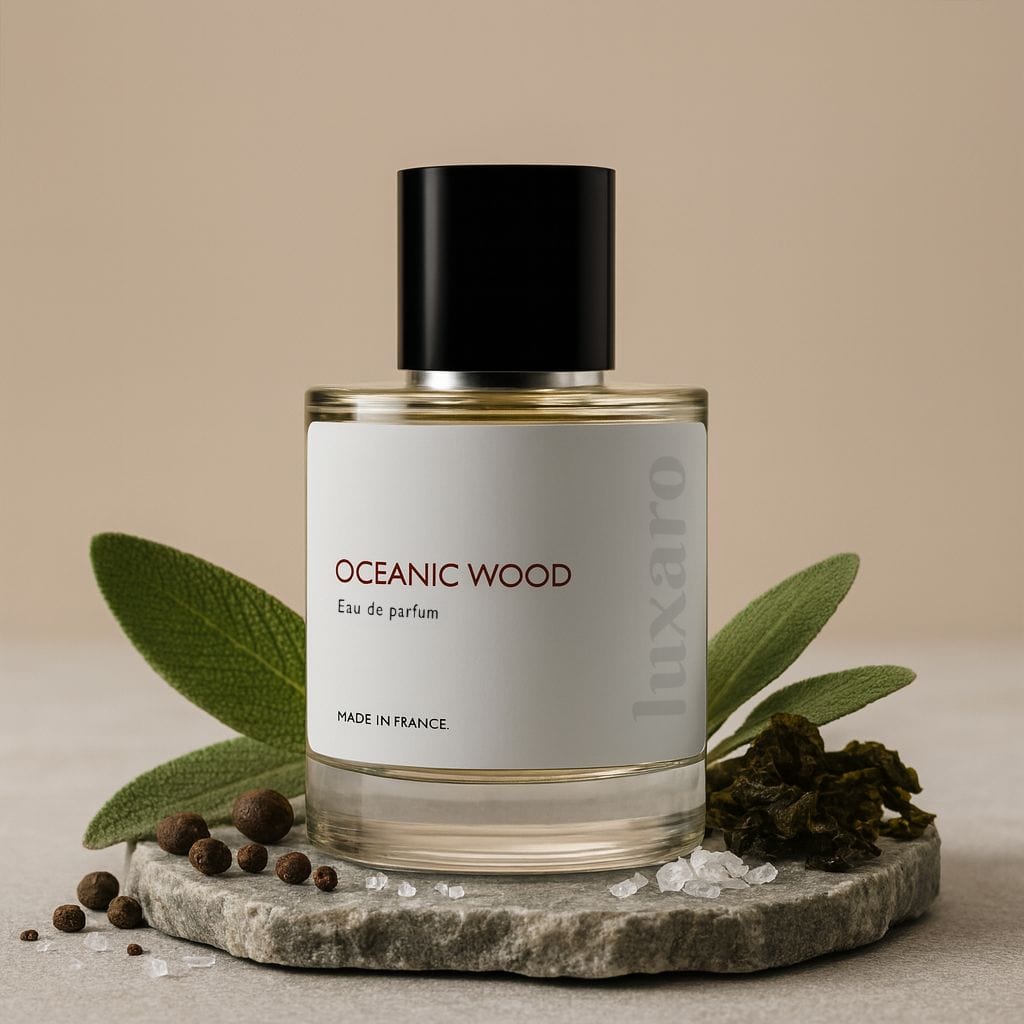
You can see that distinction clearly in three different Luxaro fragrances:
-
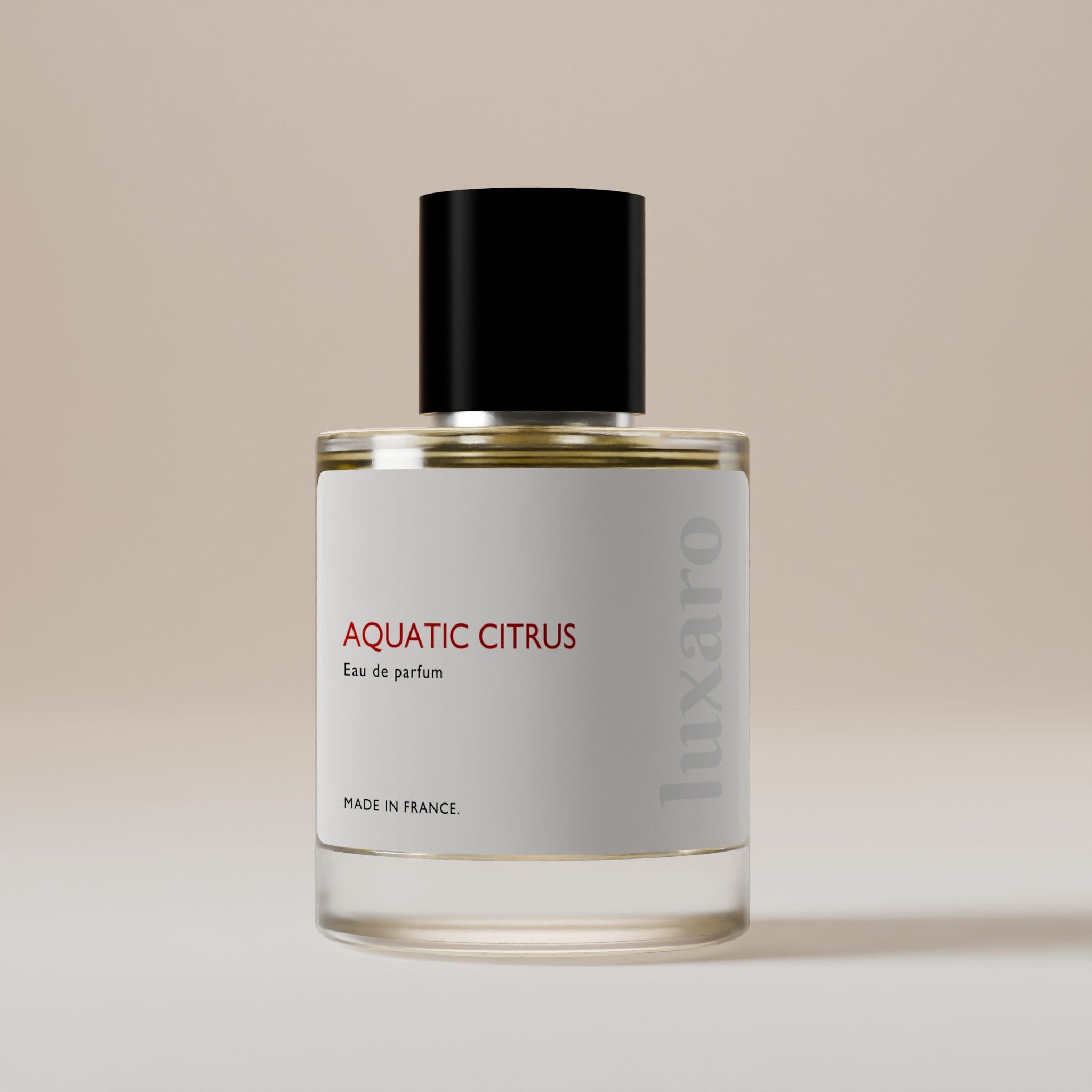
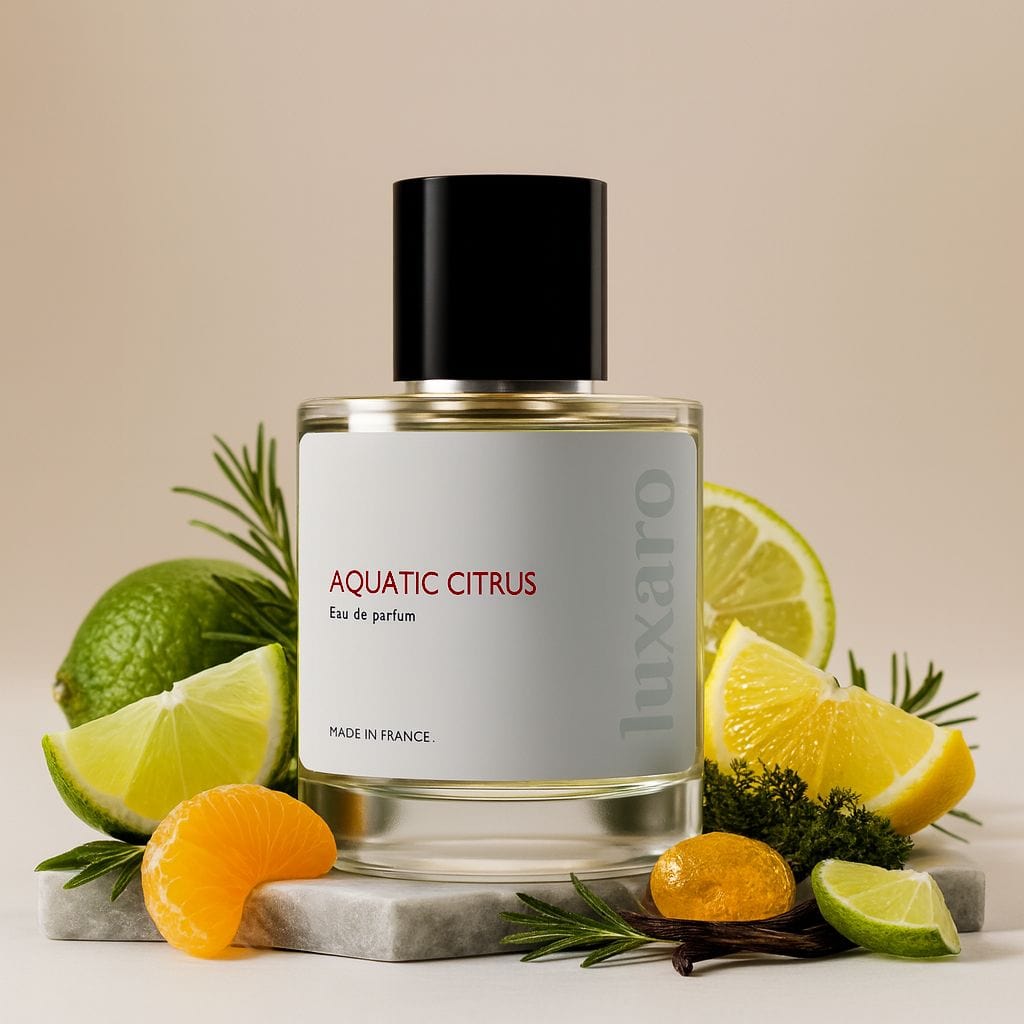
Aquatic Citrus with lime, marine notes and cedar is a useful choice if you enjoy a bright, fresh opening and a clean woody drydown. “Sea notes” describes the impression; it is not a literal ingredient declaration.
-
Floral Tuberose with jasmine and creamy white florals is a clearer fit for someone who enjoys a smooth floral direction. Its short note story is much easier to understand before wearing than a technical label full of ingredient names.
-
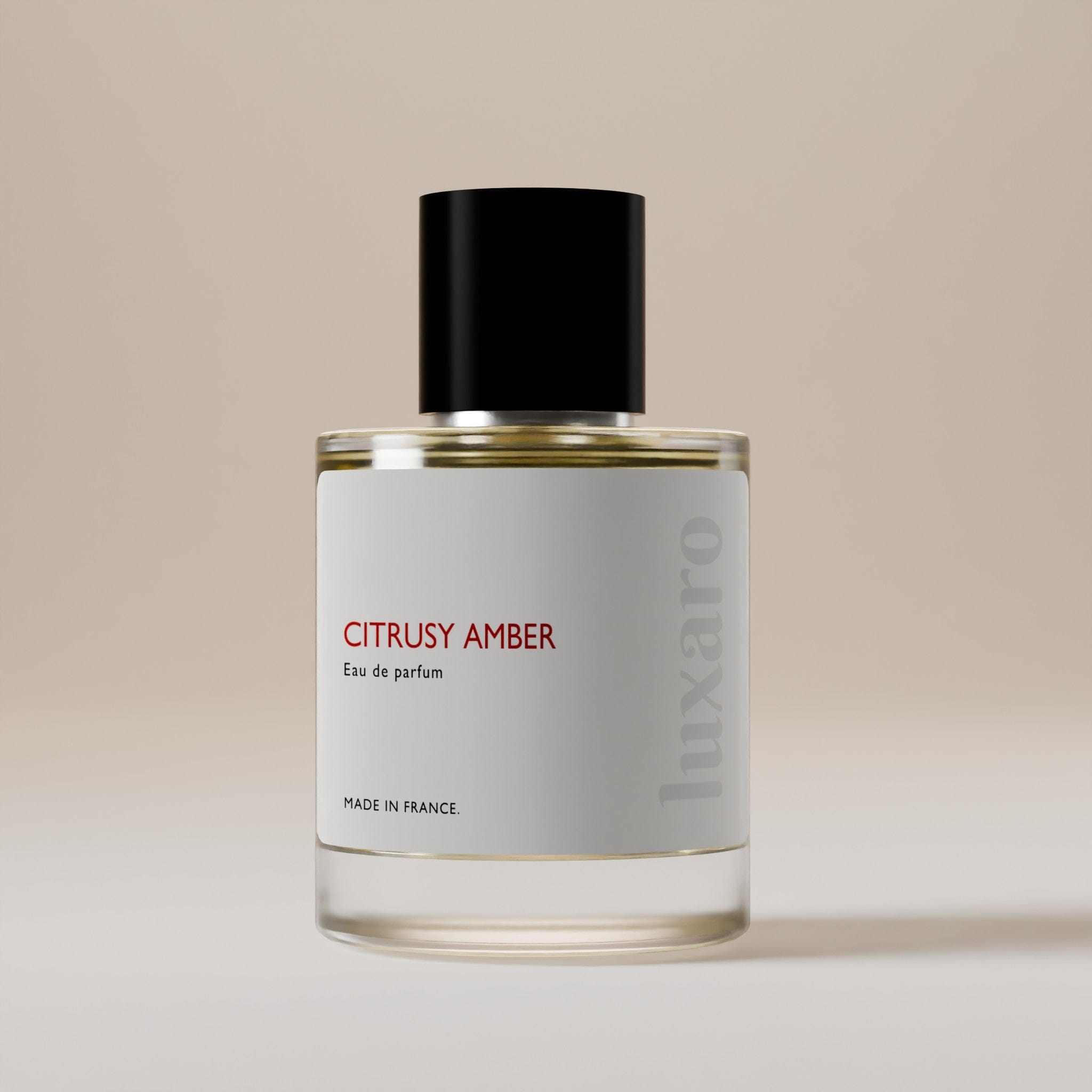
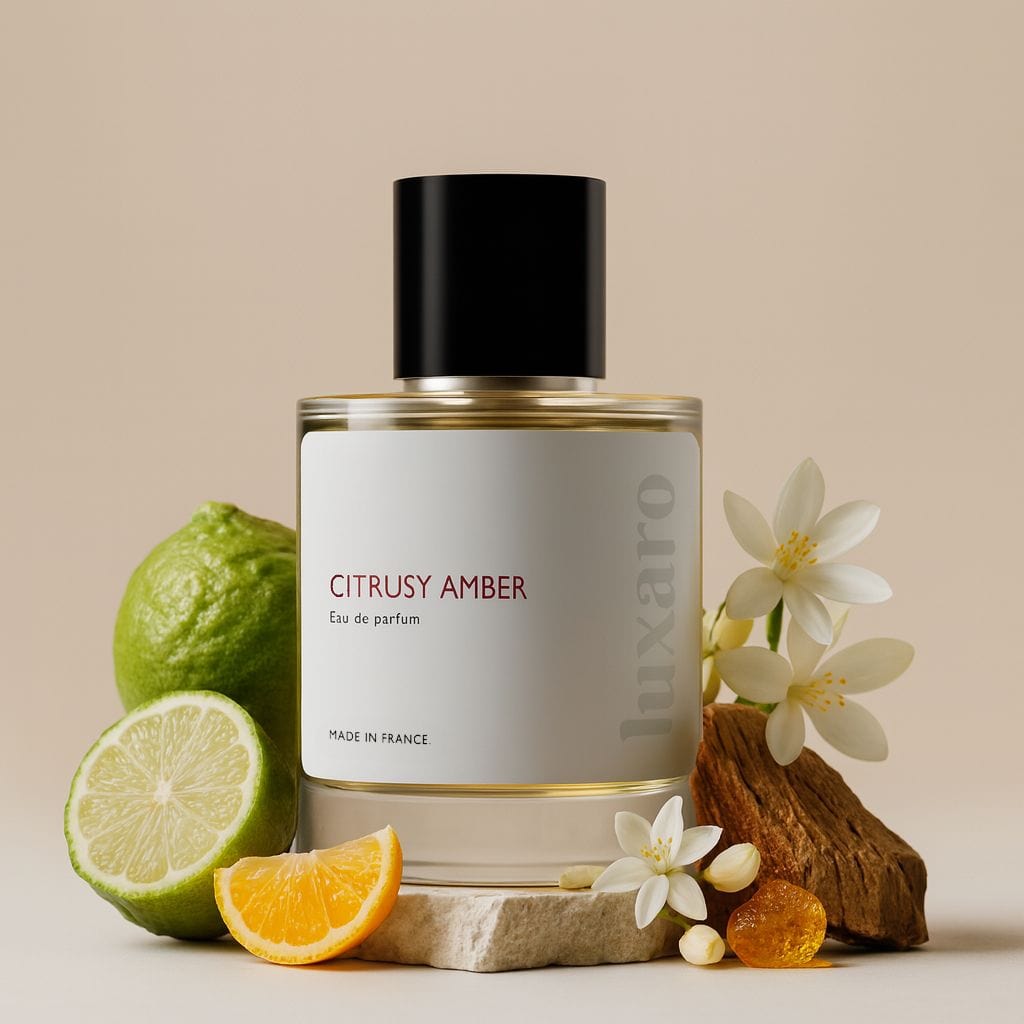
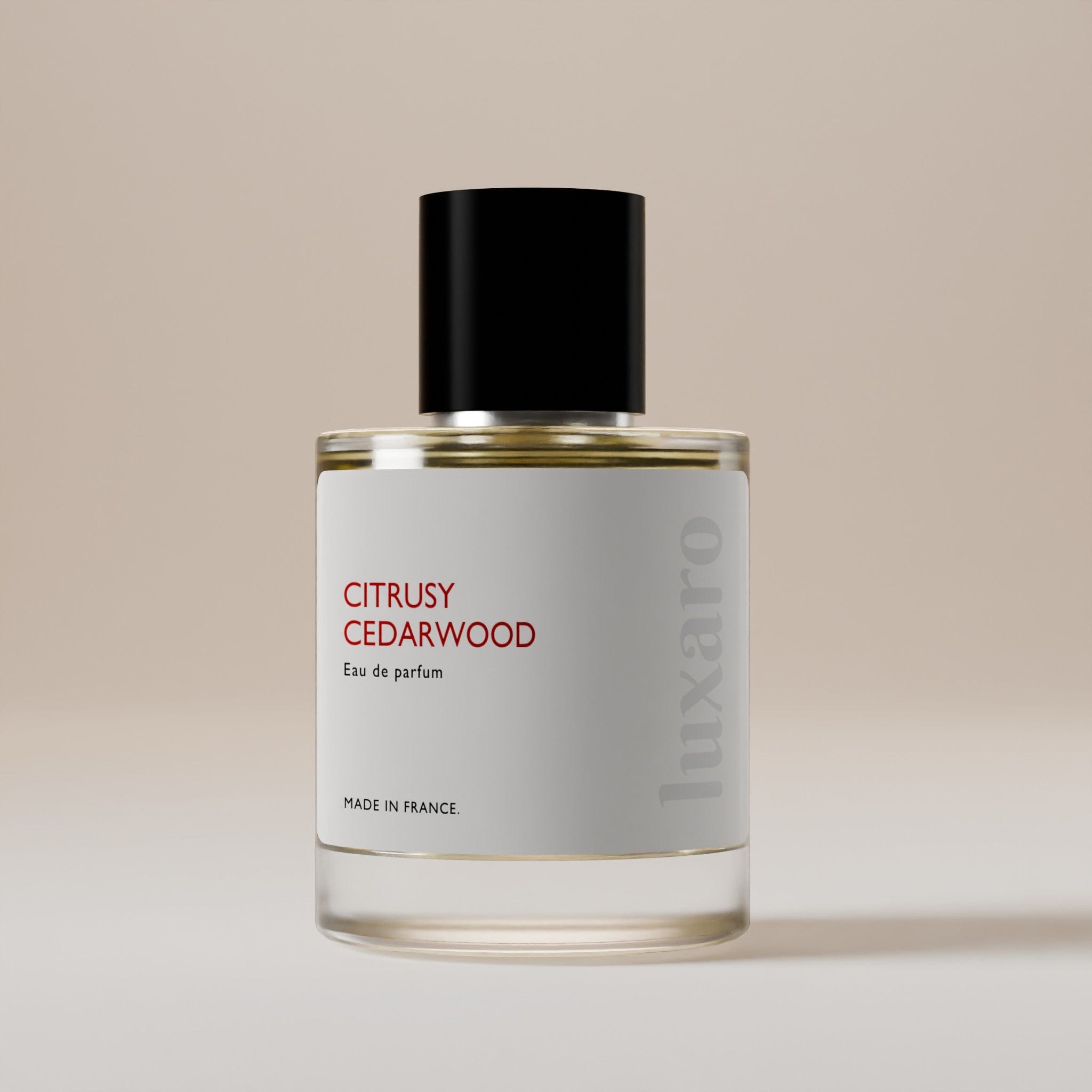
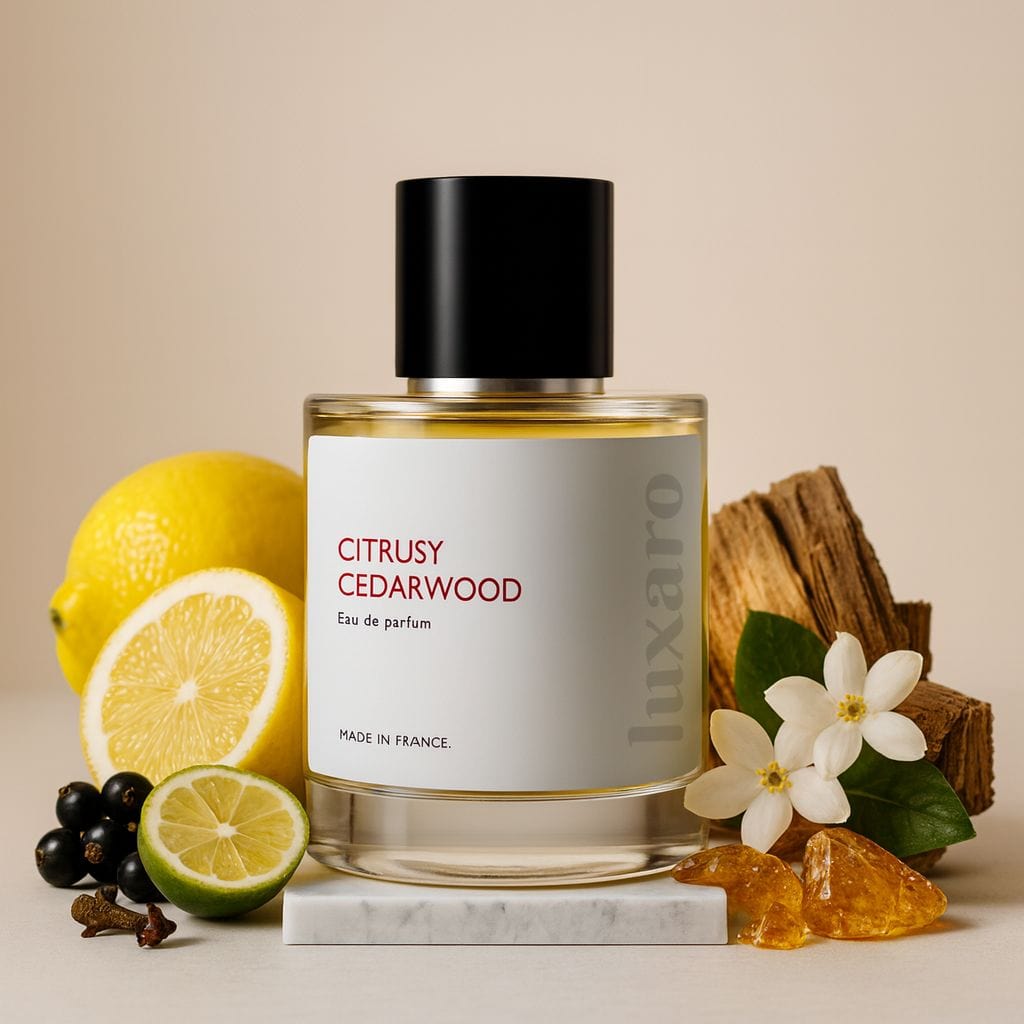
Zesty Cedarwood with orange, amber and woods moves from citrus into warm spice and a woody base. Terms such as amber describe the combined effect of the composition rather than one universal substance called amber.
These note descriptions help you choose among scent directions. They should not be treated as complete lists of the raw materials inside each formula.
What Do Fixatives, Antioxidants and Other Supporting Ingredients Do?
Supporting ingredients help a perfume behave as intended, but they do not all perform the same job. A fixative can influence evaporation and the way a fragrance develops. An antioxidant can help protect materials from oxidation. A stabiliser can support the formula’s condition over time. Colourants and UV filters may be used in some perfumes for appearance or protection, although not every brand or formula uses them.
Fixatives are especially easy to misunderstand because they are not always one separate ingredient added at the end. Some aromatic materials contribute scent, texture and lastingness at the same time. I explain that overlap in how perfume fixatives support a composition.
Luxaro perfumes are made without added colourants or UV filters. Our focus is on the fragrance itself, while the complete formula still has to meet the necessary standards for stability, safety and normal use.
Why Does the Ingredient List Say “Parfum” or “Fragrance”?
“Parfum” or “Fragrance” is the label term for the aromatic mixture within the product. It may cover many individual fragrance materials rather than one ingredient with one smell.
Fragrance formulas are valuable intellectual property, so the precise recipe and proportions are not printed on the box. That does not mean the full formula is unknown to the people responsible for safety and compliance. In Great Britain, the Responsible Person must know the ingredients, keep the required product information and ensure that a qualified safety assessment is completed before the cosmetic product is made available.
Names such as limonene, linalool, citral, geraniol or eugenol may then appear separately on the label where disclosure rules apply. Some occur naturally within essential oils as well as being available from other sources. Their presence beside “Parfum” does not mean they were necessarily poured in as a second, unrelated perfume. It means the label is providing the information required for the finished product.
The UK guidance on cosmetic ingredient labelling confirms that cosmetic packaging must provide an ingredient list and that claims must not imply characteristics the product does not have.
Can an Ingredient List Tell Me How a Perfume Will Smell?
Only partly. An ingredient list can tell you what has been declared in the finished product, but it cannot show the exact proportions, the confidential composition of “Parfum” or the way the materials will smell together on your skin.
This is why a technical label should be read alongside the note description, scent family and actual wear test. Two perfumes can display several of the same labelled ingredients and still smell completely different because their concentrates, proportions and structures are different.
I would use the ingredient list for transparency and to check any substance you know you need to avoid. I would use the note list to understand the intended scent direction. Then I would test the fragrance through its opening, heart and drydown before deciding whether I actually enjoy it.
Can You Judge Perfume Quality From the Ingredient List?
Not reliably. The label gives useful information, but it does not reveal ingredient grades, proportions, the perfumer’s skill, the time spent refining the formula or how well the finished perfume performs.
This matters because perfume quality depends on decisions that a short list cannot show. Materials need to be selected for the intended effect, balanced with one another, assessed in the finished concentration and tested after production. Expensive materials can still produce an unbalanced perfume, while a skilful blend of appropriate natural and synthetic materials can smell coherent and distinctive.
As the founder of Luxaro, I assess the finished fragrance rather than judging it from one fashionable ingredient name. I pay attention to the opening, drydown, longevity, projection and overall balance. Our perfumes are made in Grasse, France, with experienced perfumers who have more than 40 years of experience, but each formula still has to earn its place in the collection by smelling and wearing as intended.
The ingredient list is valuable, especially for transparency and known sensitivities. It is not a scorecard for the complete perfume.
FAQs
What are the three main ingredients in perfume?
The three broad components are fragrance concentrate, an alcohol-based carrier and, in many formulas, water. Some perfumes also contain small amounts of supporting ingredients.
Is perfume mostly alcohol?
Alcohol is often the largest single ingredient in a spray perfume, but the fragrance concentrate creates its smell. The proportion varies according to the type and formula of the fragrance.
What does “Parfum” mean on an ingredient list?
“Parfum” means the aromatic mixture used to create the fragrance. It can contain many individual natural and synthetic materials within one confidential composition.
Are perfume notes actual ingredients?
Not necessarily. Notes describe recognisable scent impressions, while ingredients are the materials used to create them. One note may be produced by several materials.
Are synthetic perfume ingredients harmful?
Synthetic origin does not make an ingredient inherently harmful, just as natural origin does not make one automatically safe. Suitability depends on the material, concentration, exposure and assessment of the finished product.
Why are names such as limonene and linalool listed separately?
These are fragrance substances that may need to be declared separately under cosmetic labelling rules. They can occur within natural extracts as well as other fragrance materials.
Do Luxaro product pages show their ingredients?
Yes. Luxaro product pages publish the ingredient list for each perfume alongside its fragrance notes. The two lists serve different purposes: one identifies declared formula components, while the other explains how the scent is intended to smell.