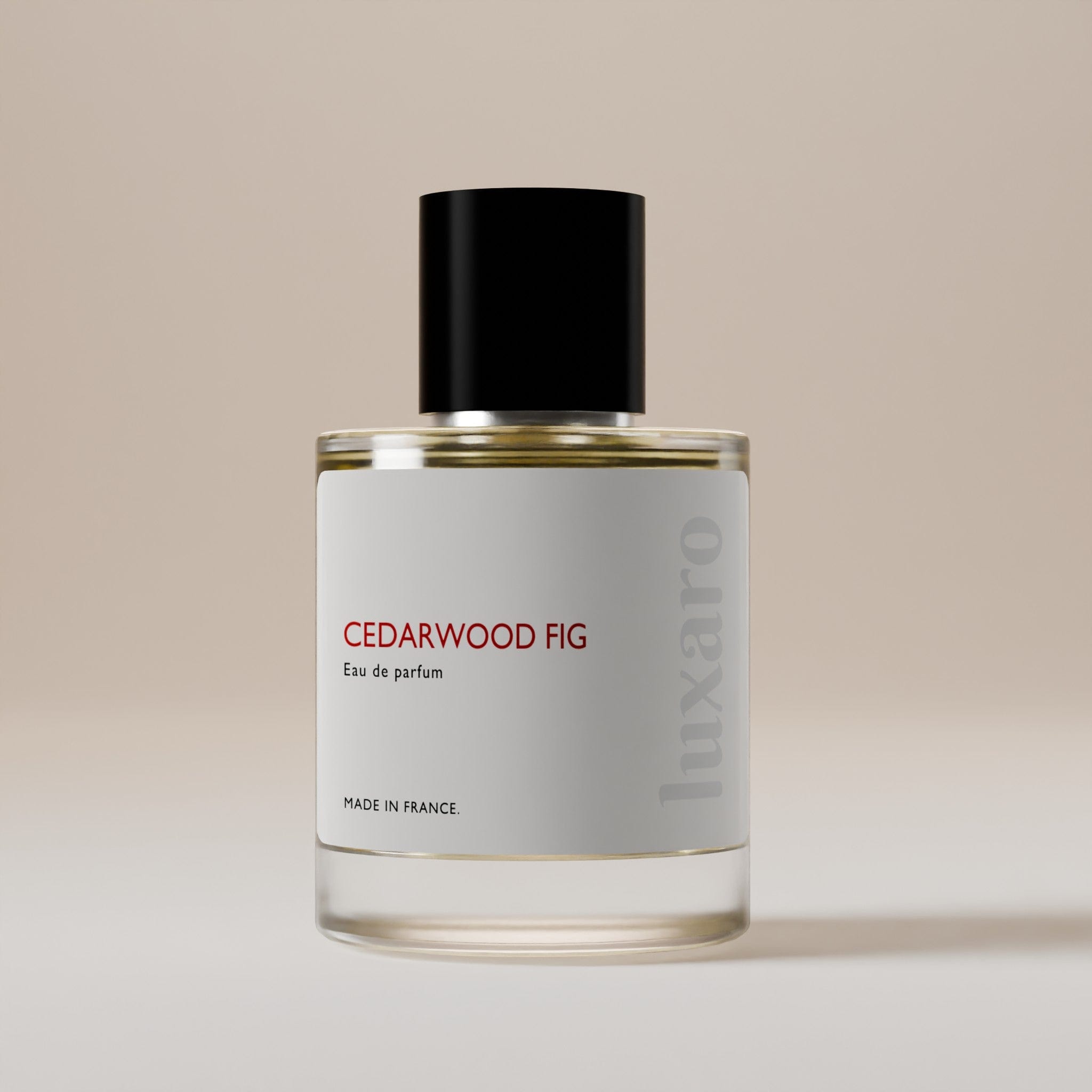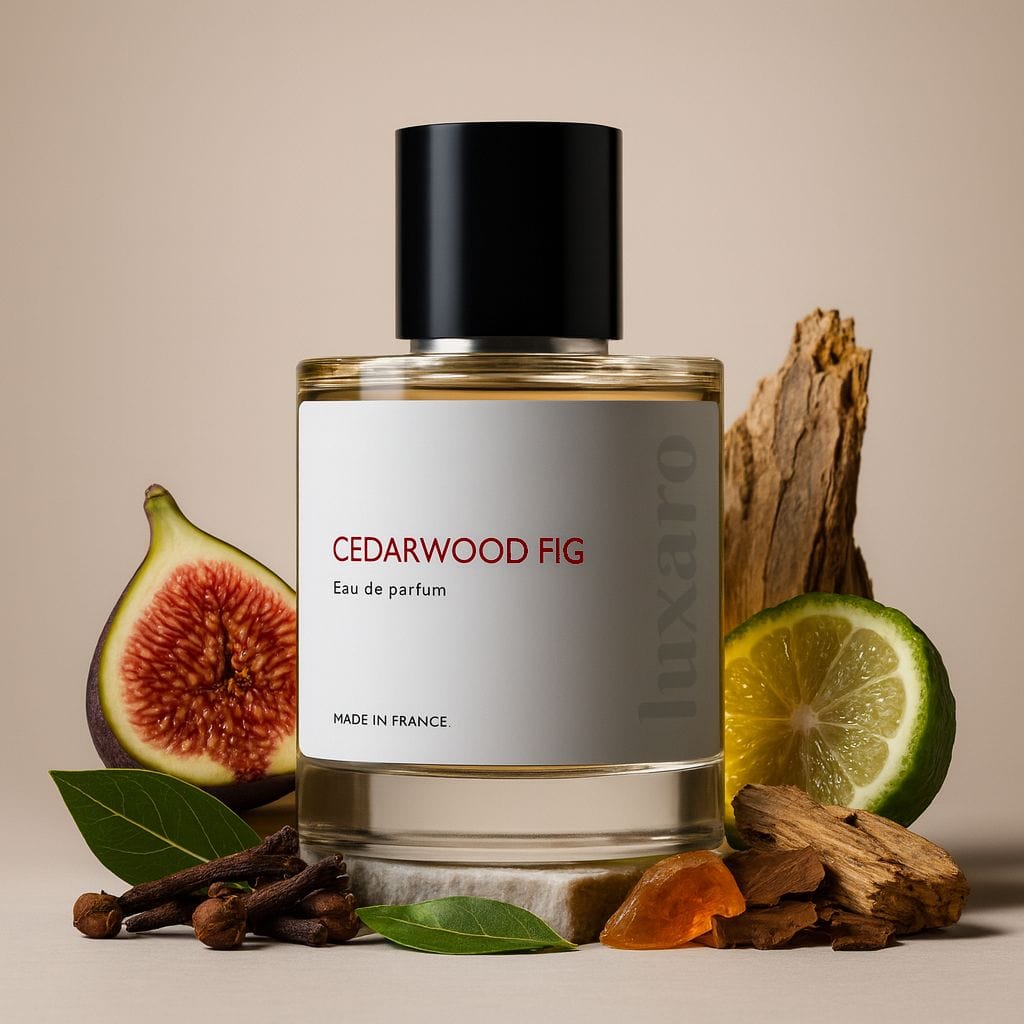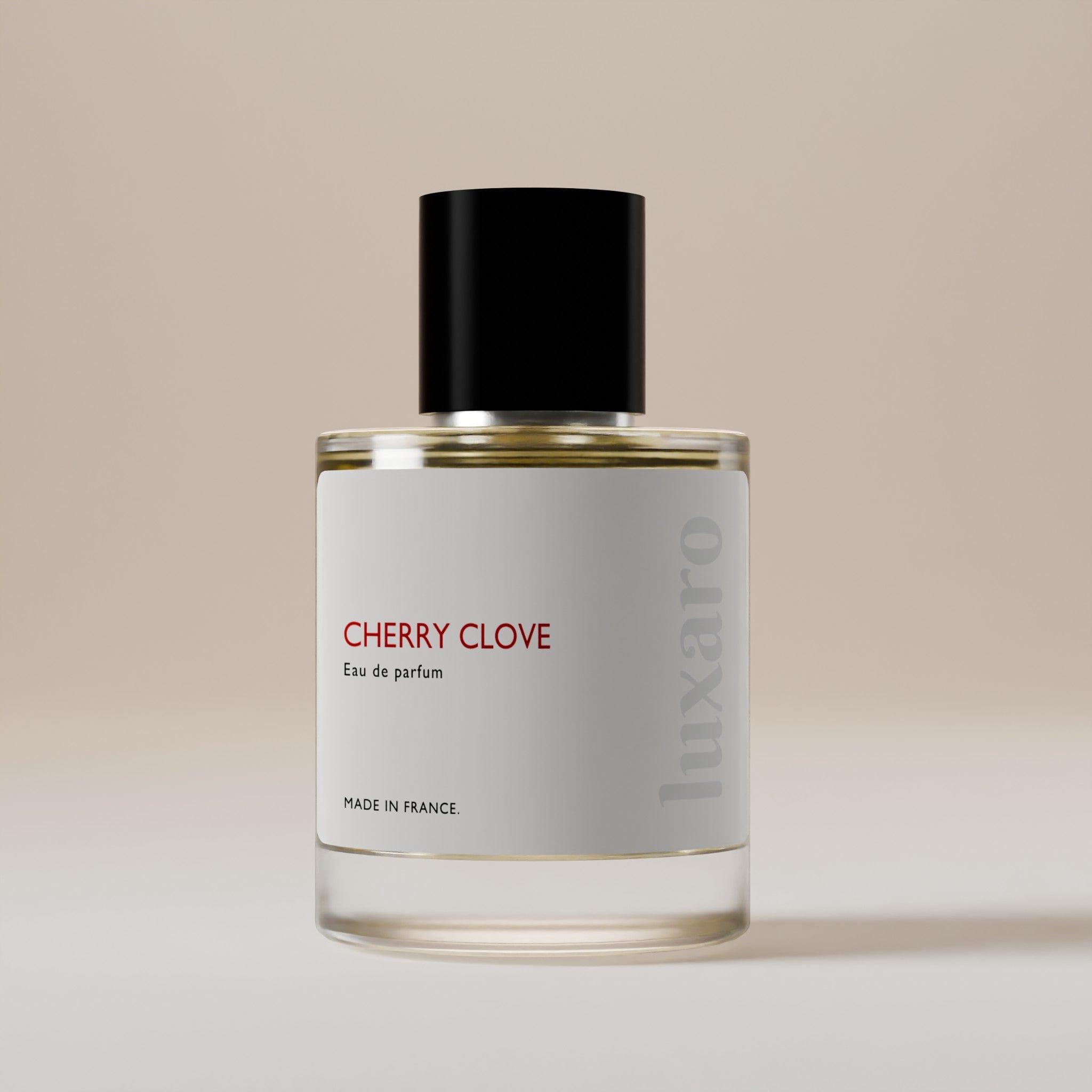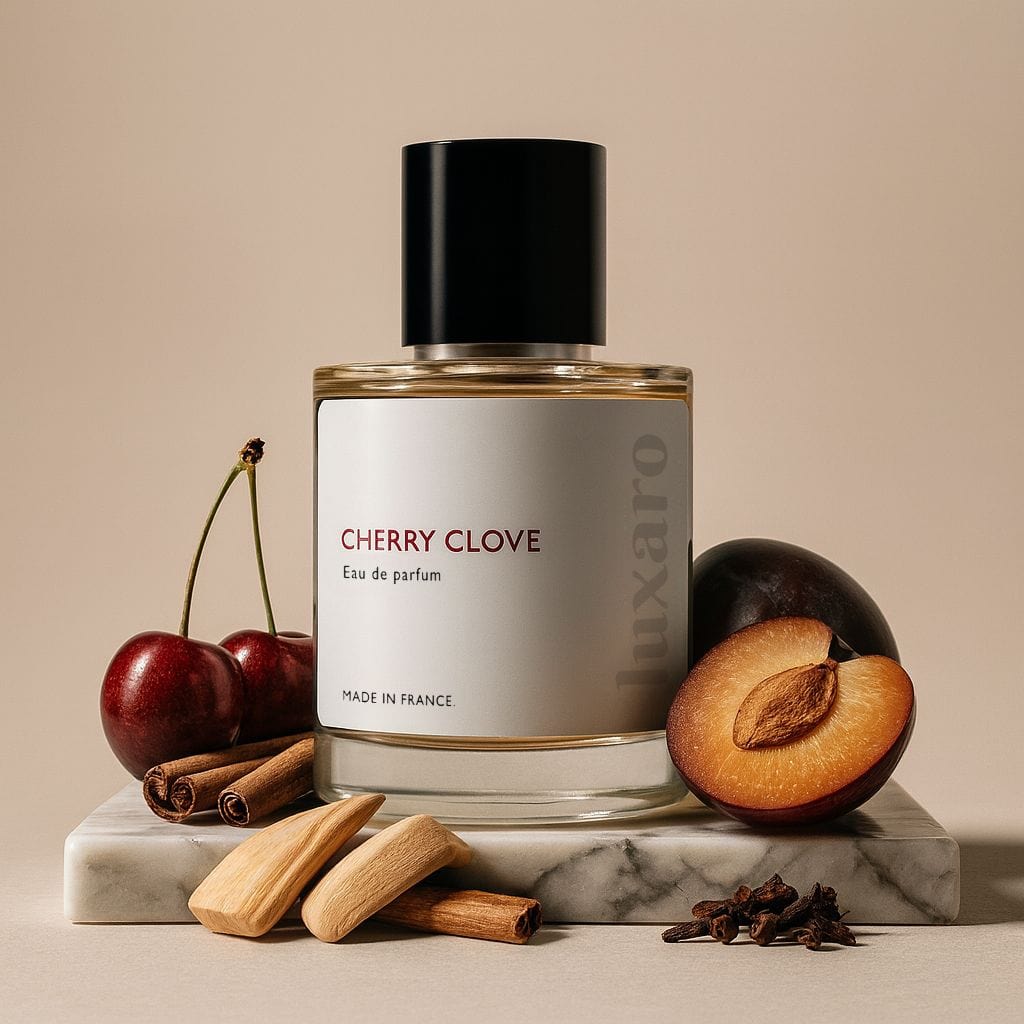

French perfume often feels different because experienced perfumers spend time carefully developing, testing, and refining each fragrance rather than rushing the process. While France has earned a worldwide reputation for fine perfumery, I've learned through my own experience that it's the knowledge, patience, and attention to detail of the people creating the fragrance that make the biggest difference.
Before founding Luxaro, I assumed French perfume was simply associated with luxury brands and a long history of perfume making. After working closely with experienced French perfumers, I realised there is much more to it than that.
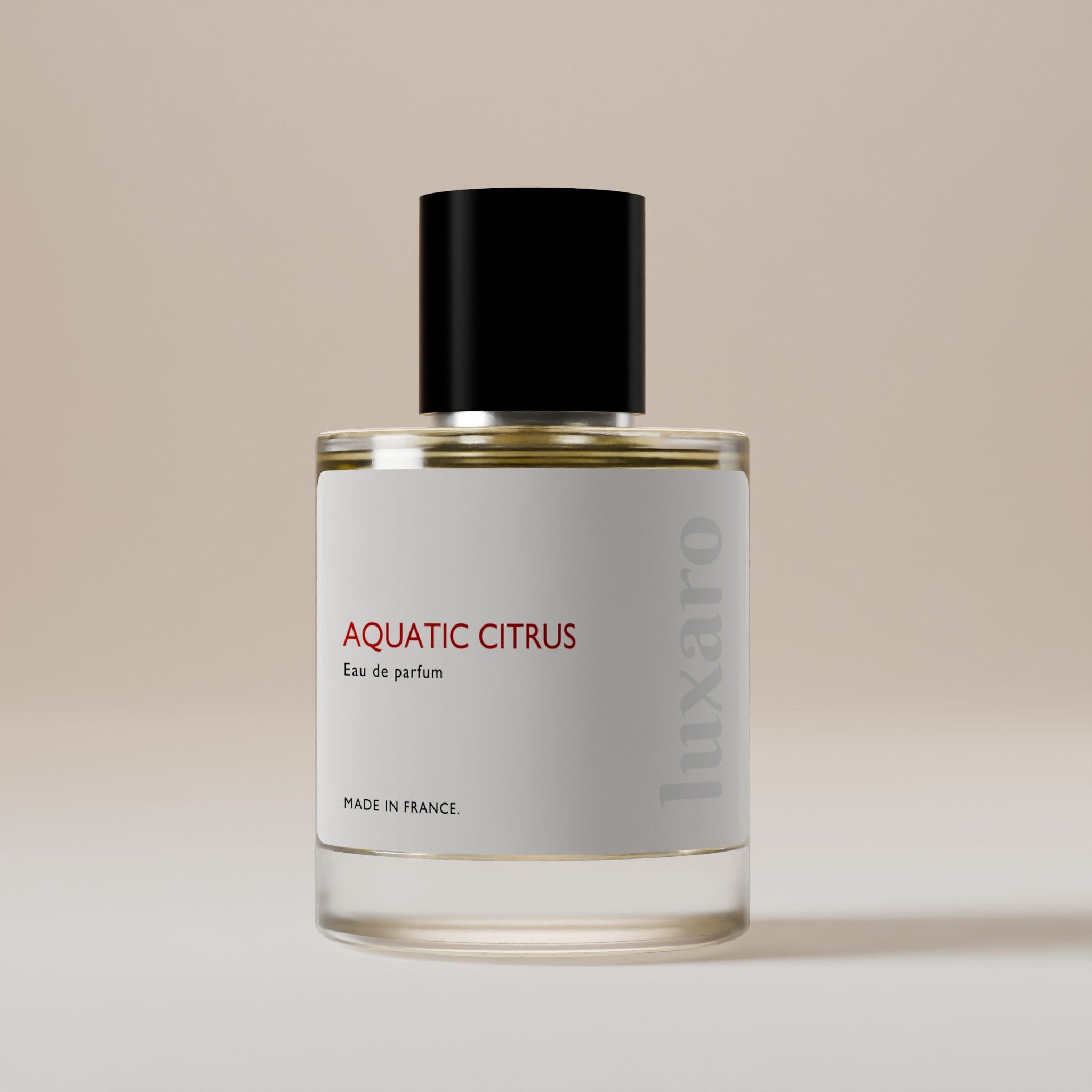
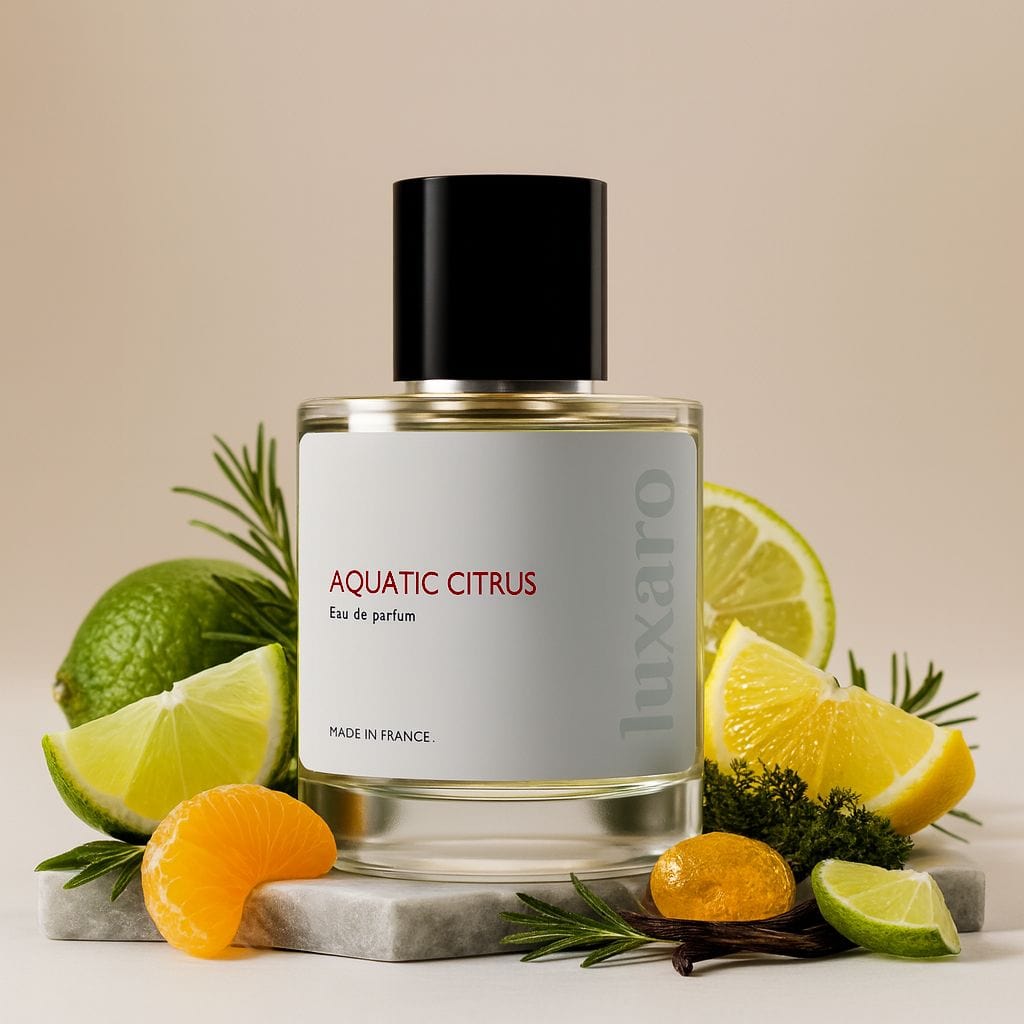
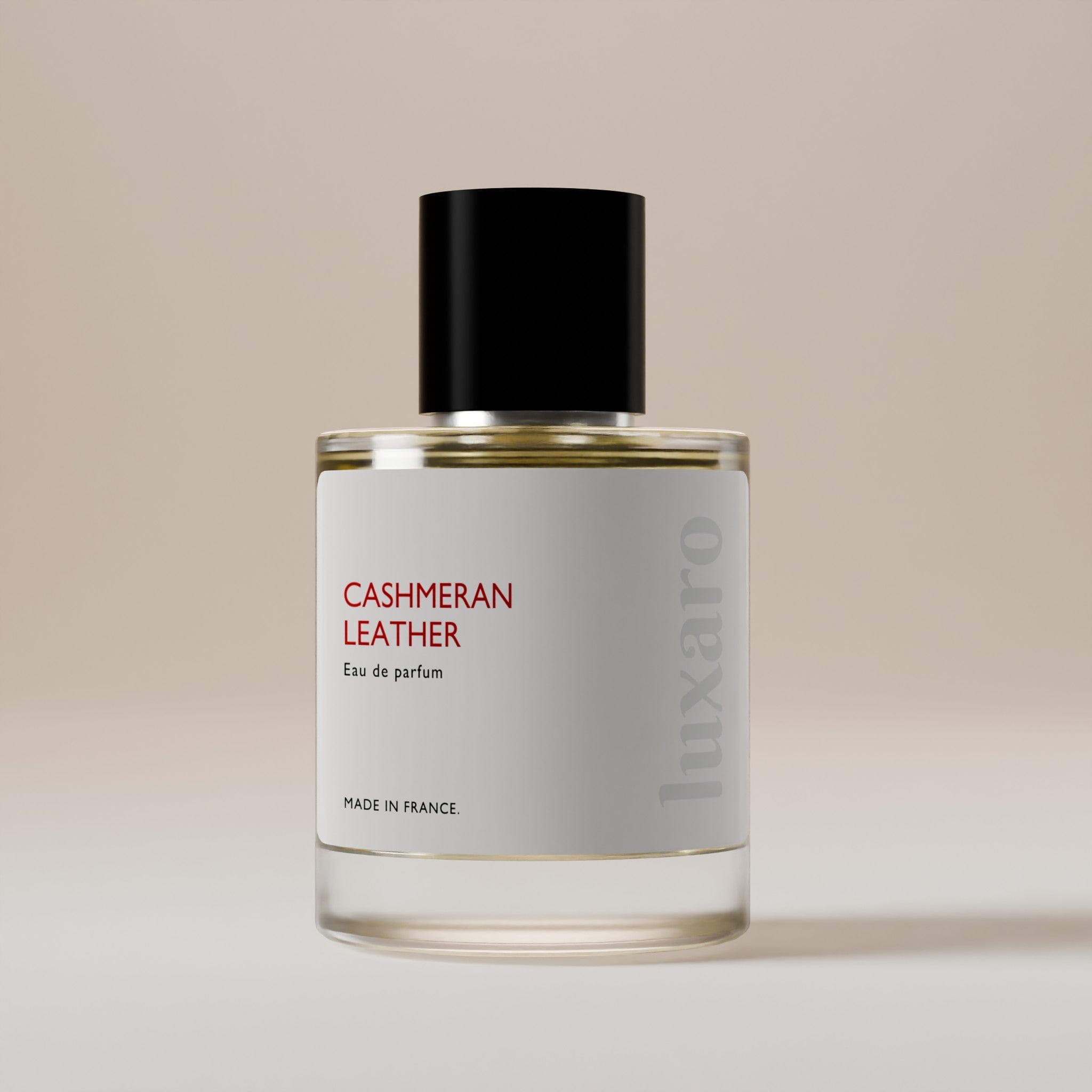
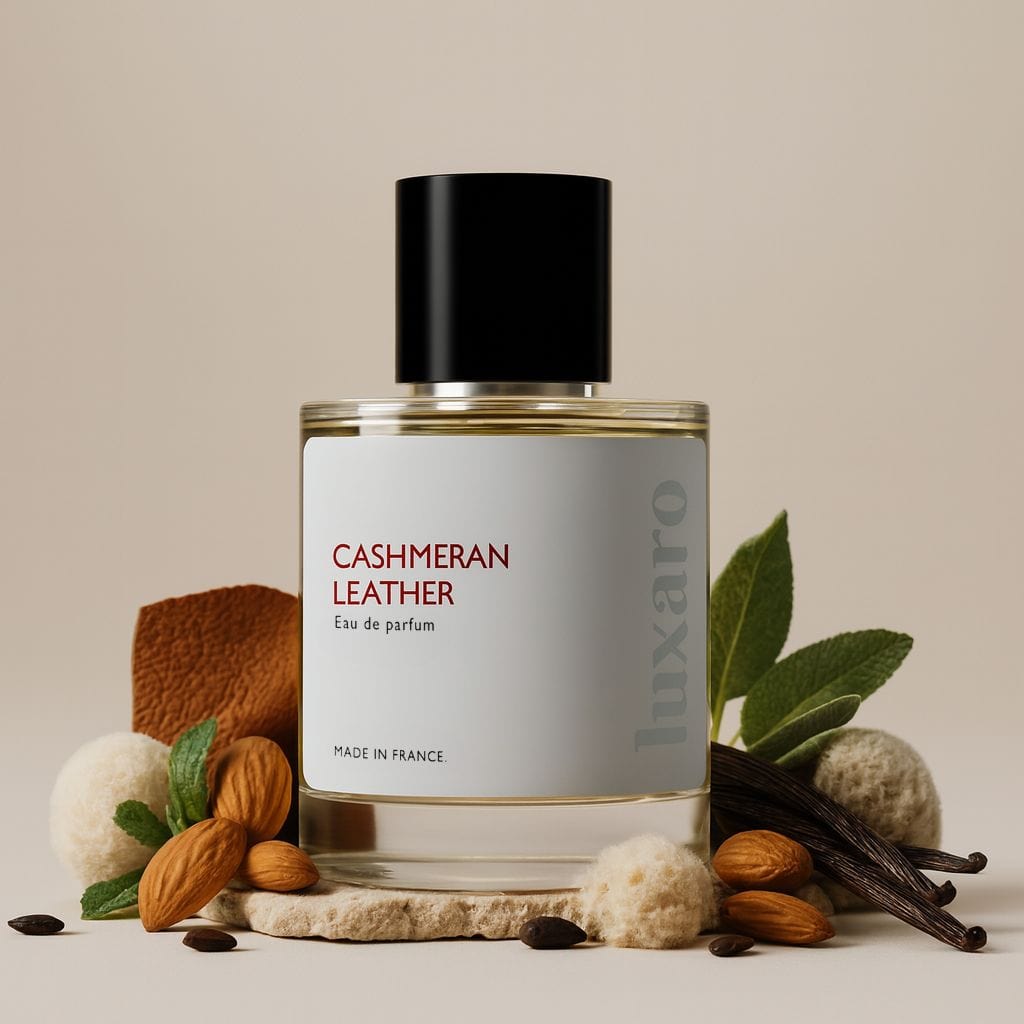
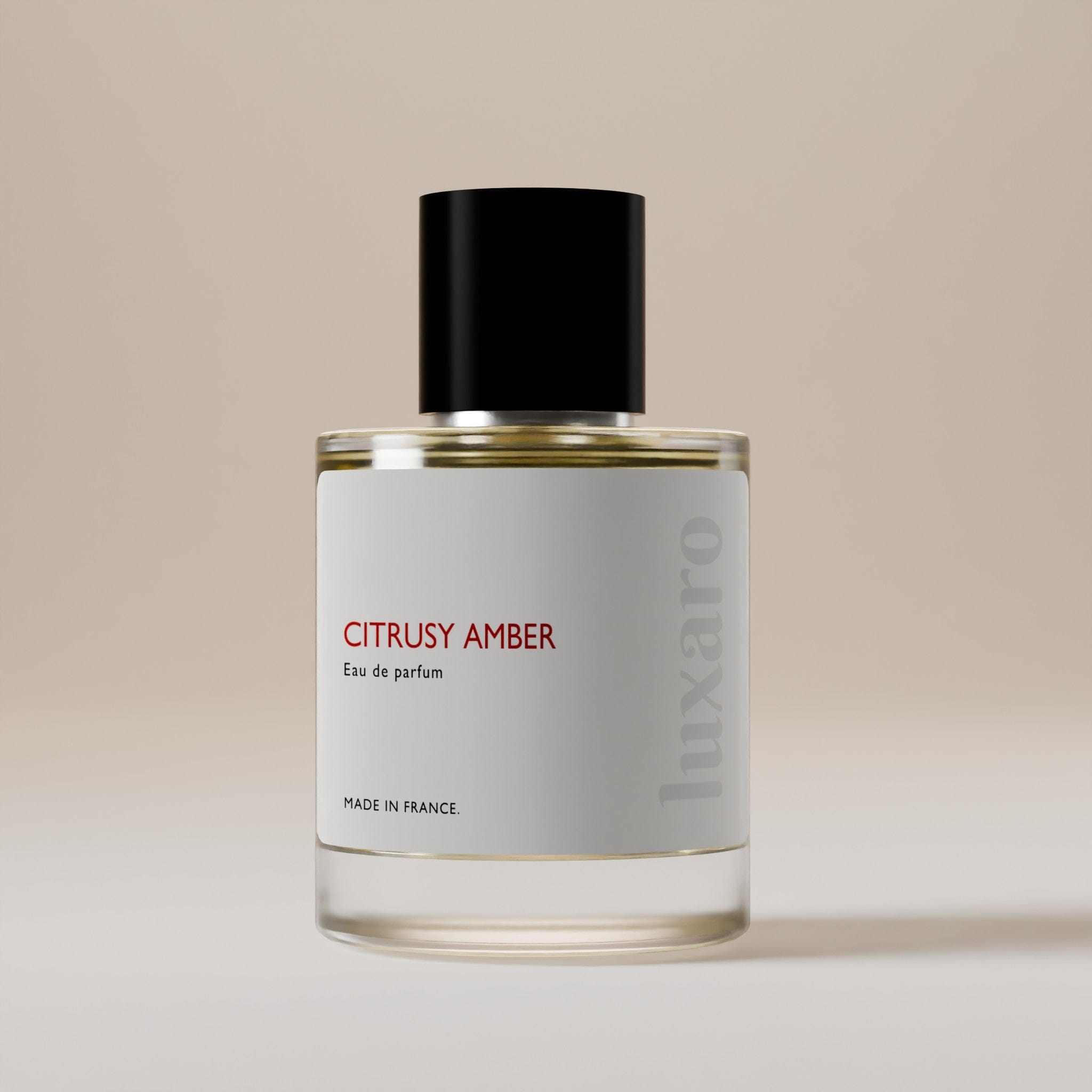
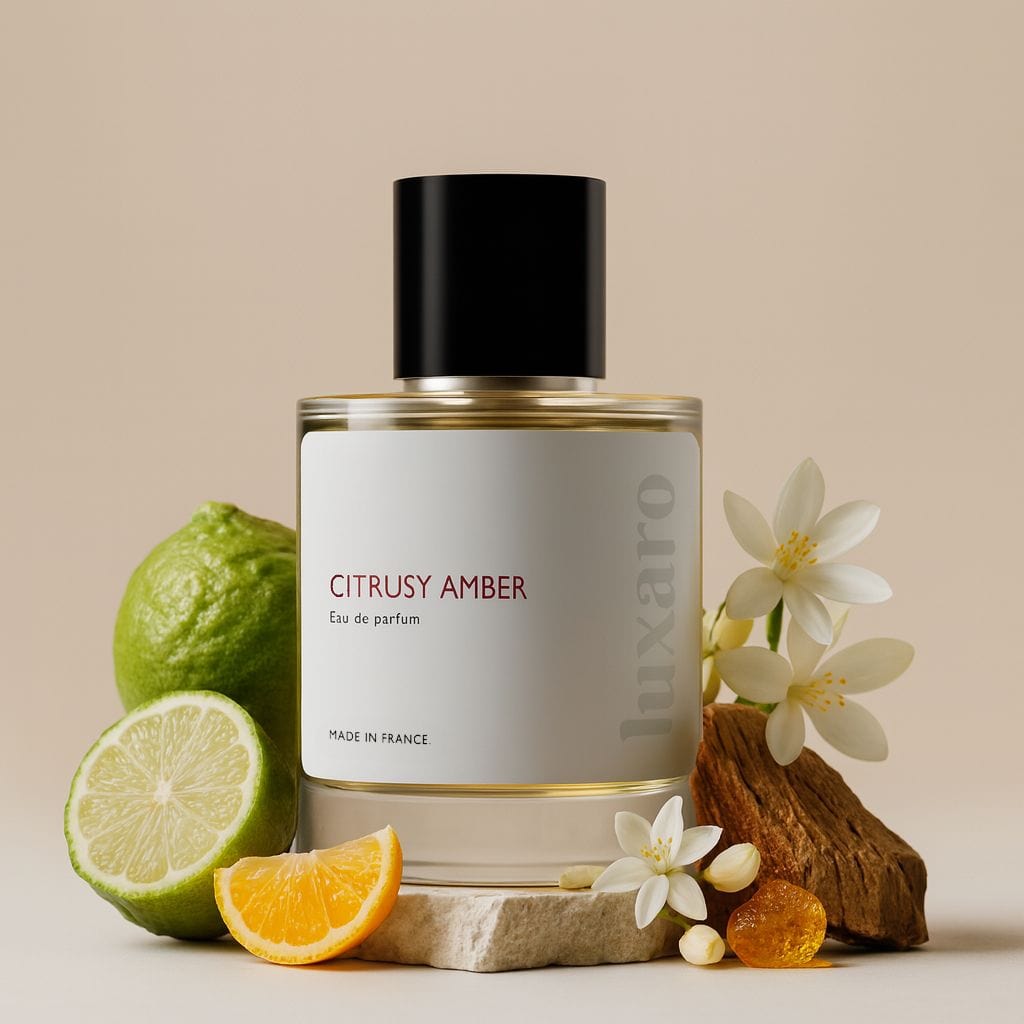
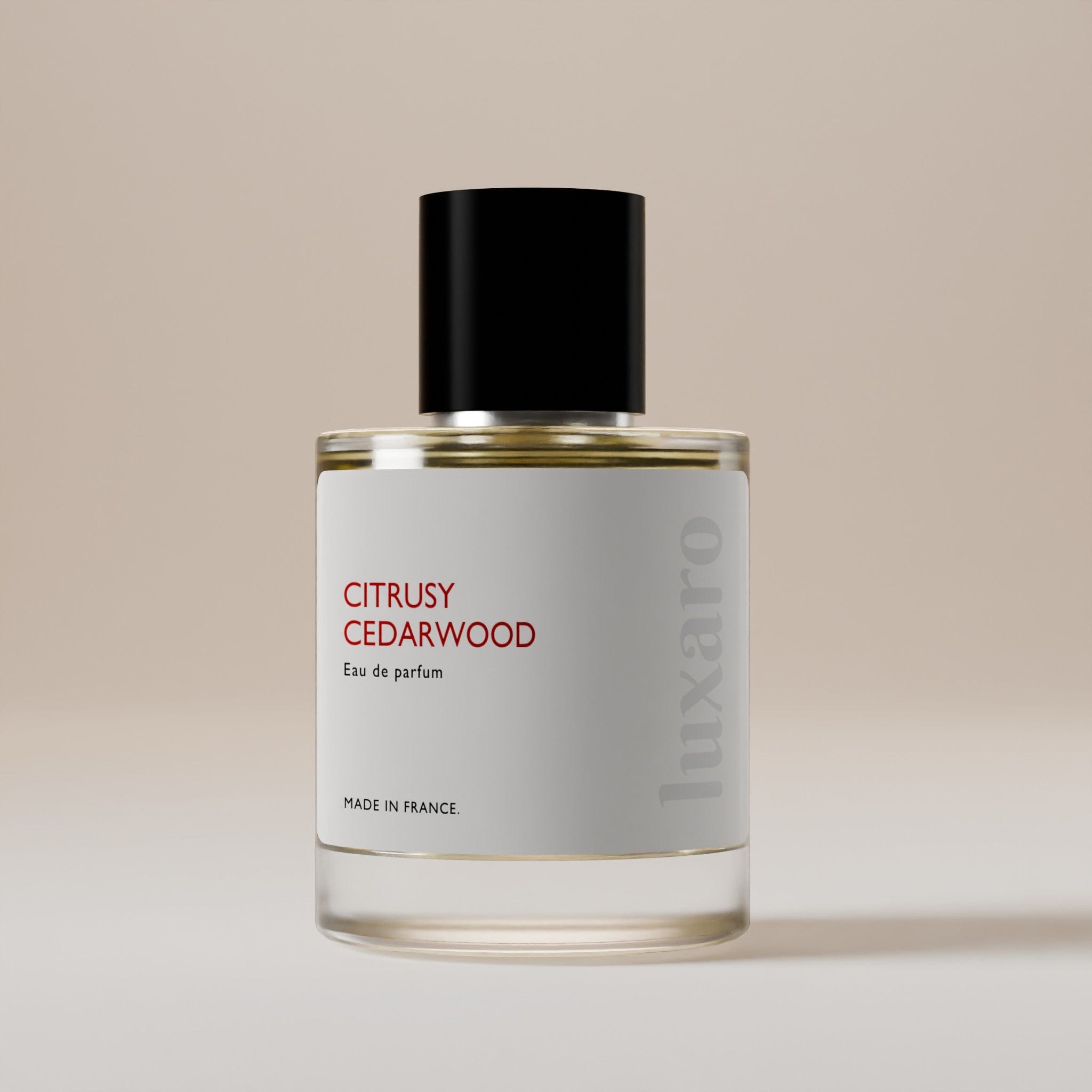
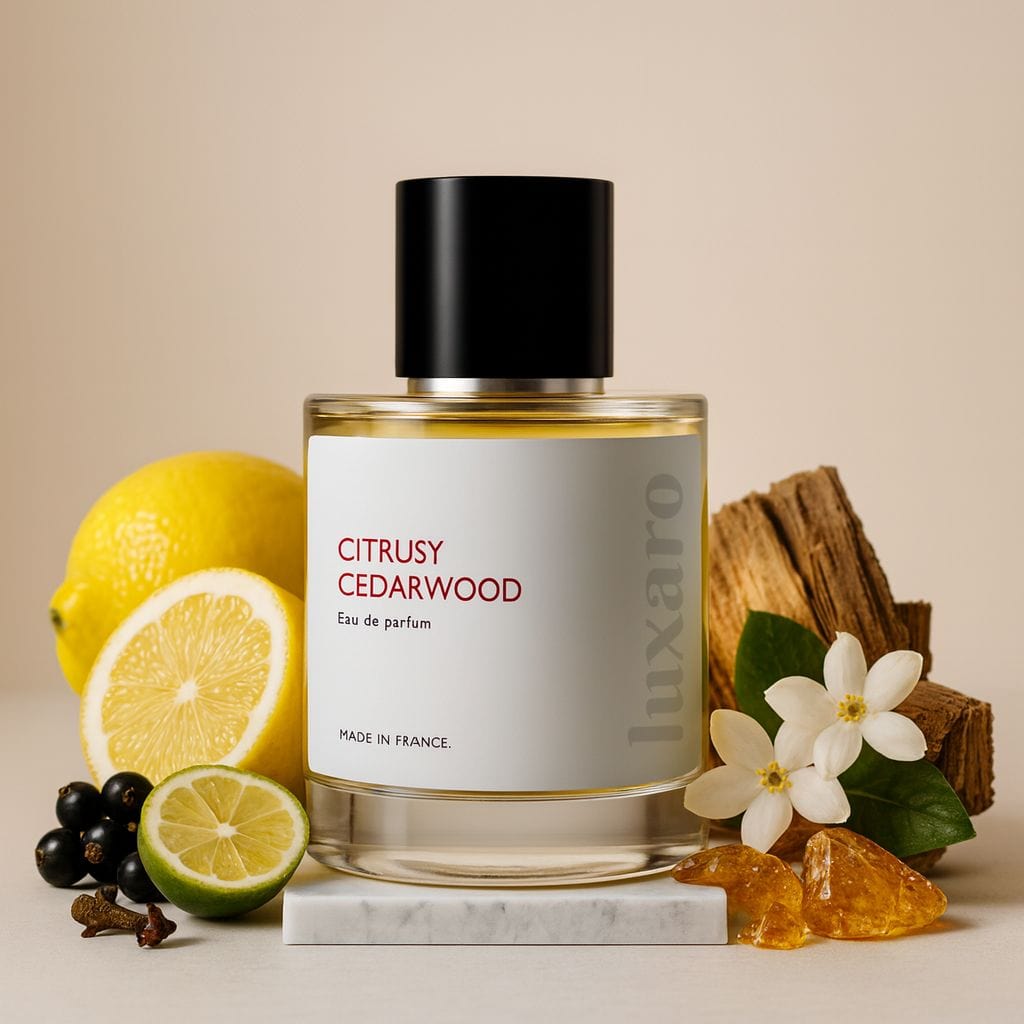
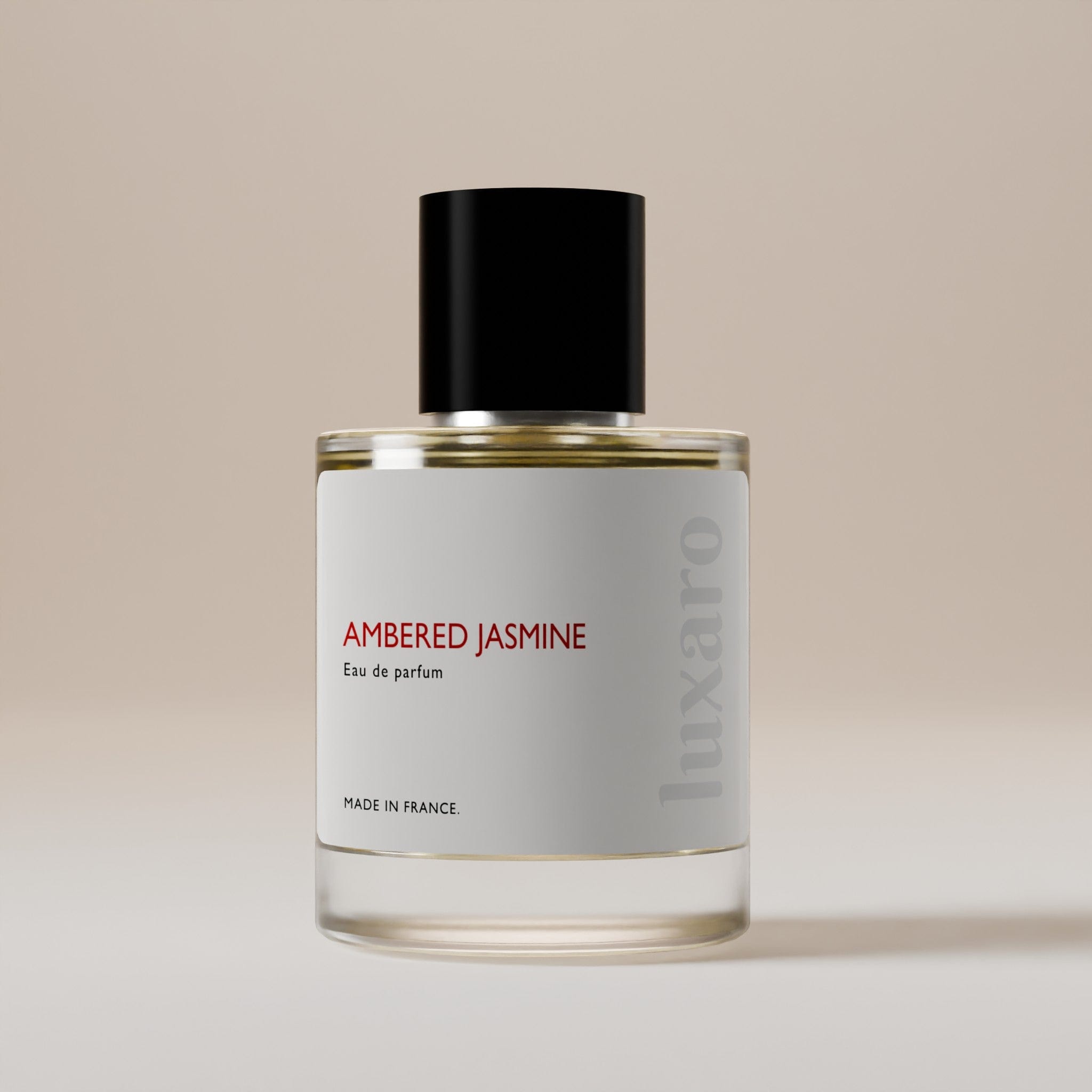
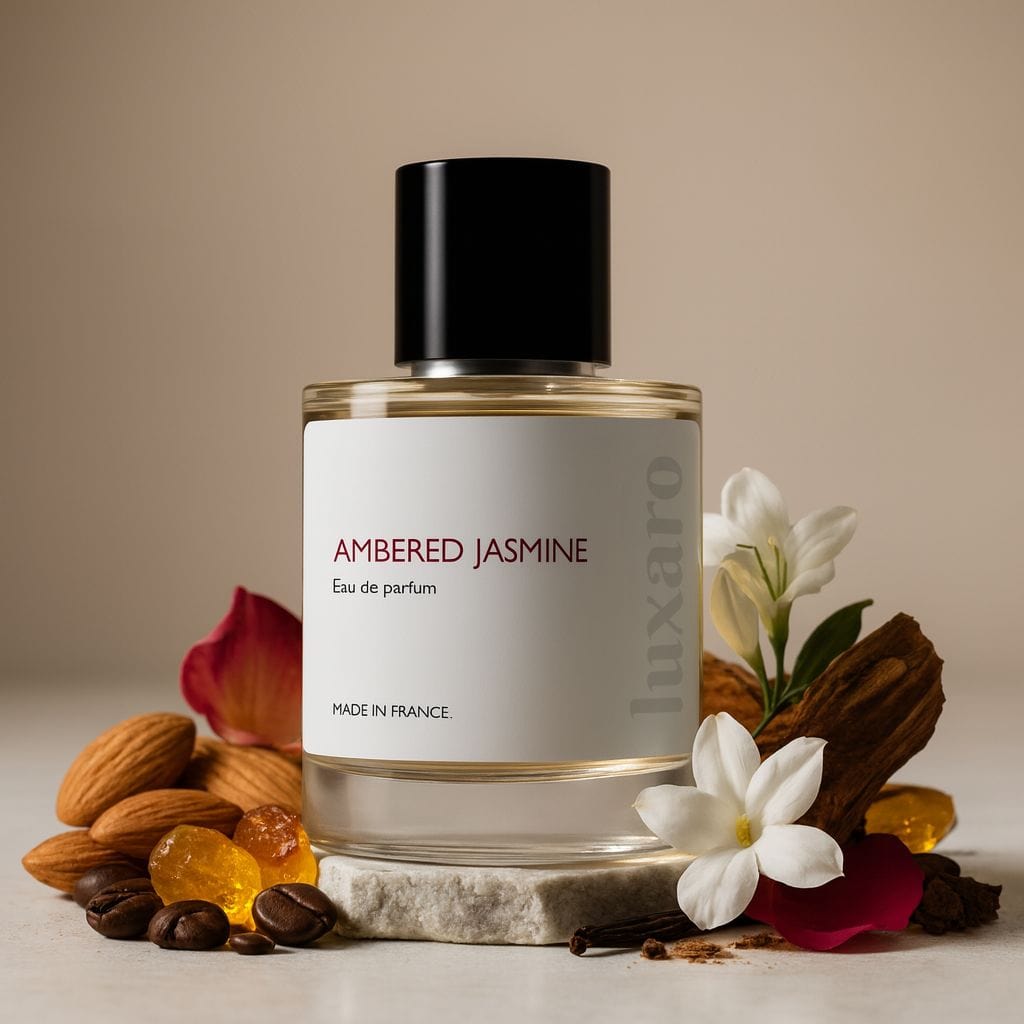
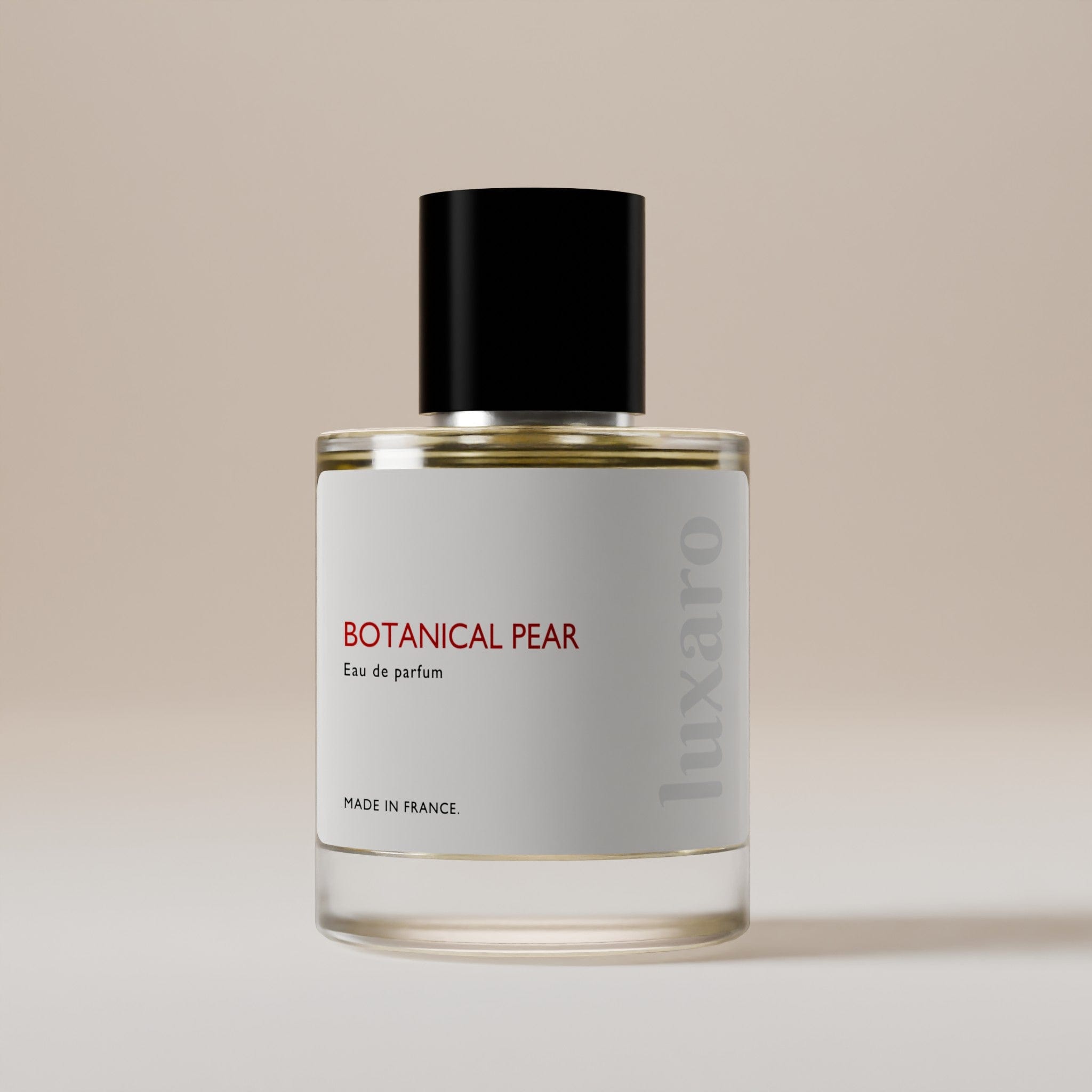
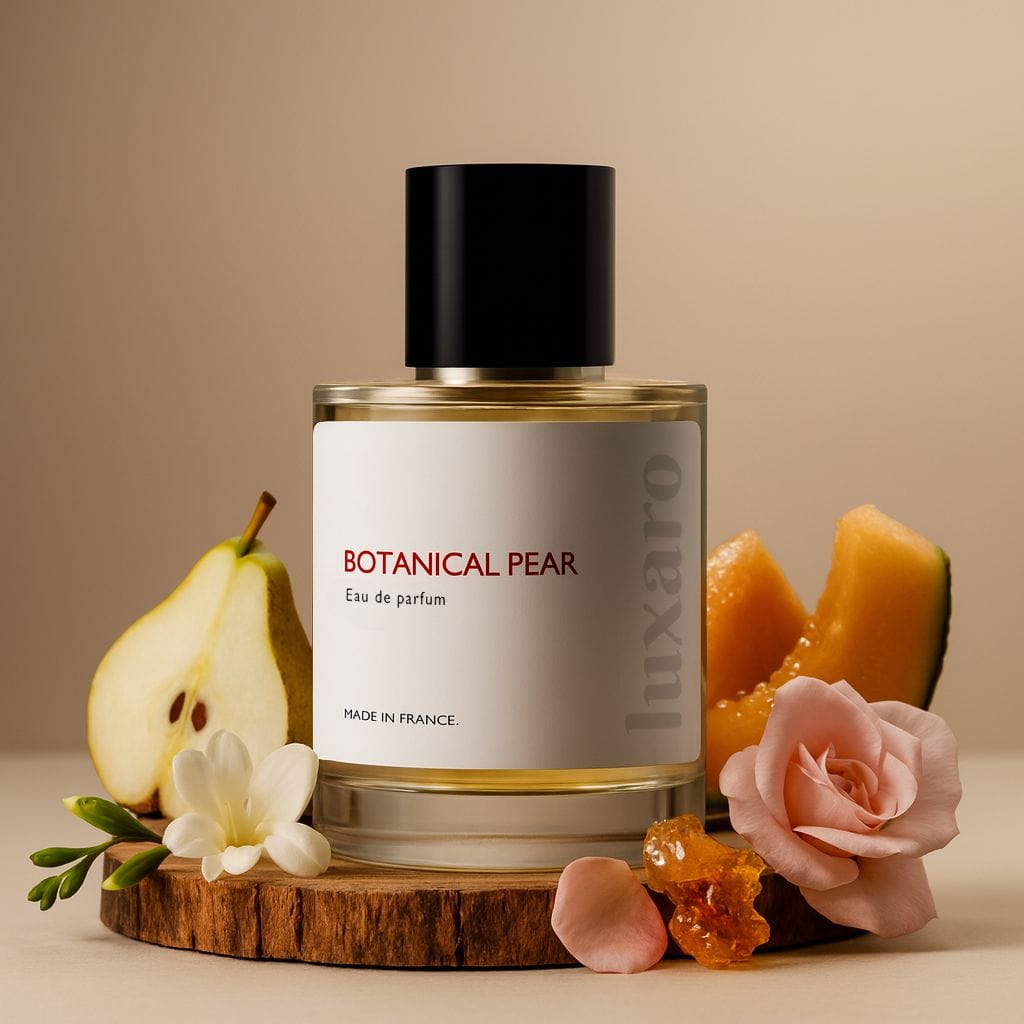
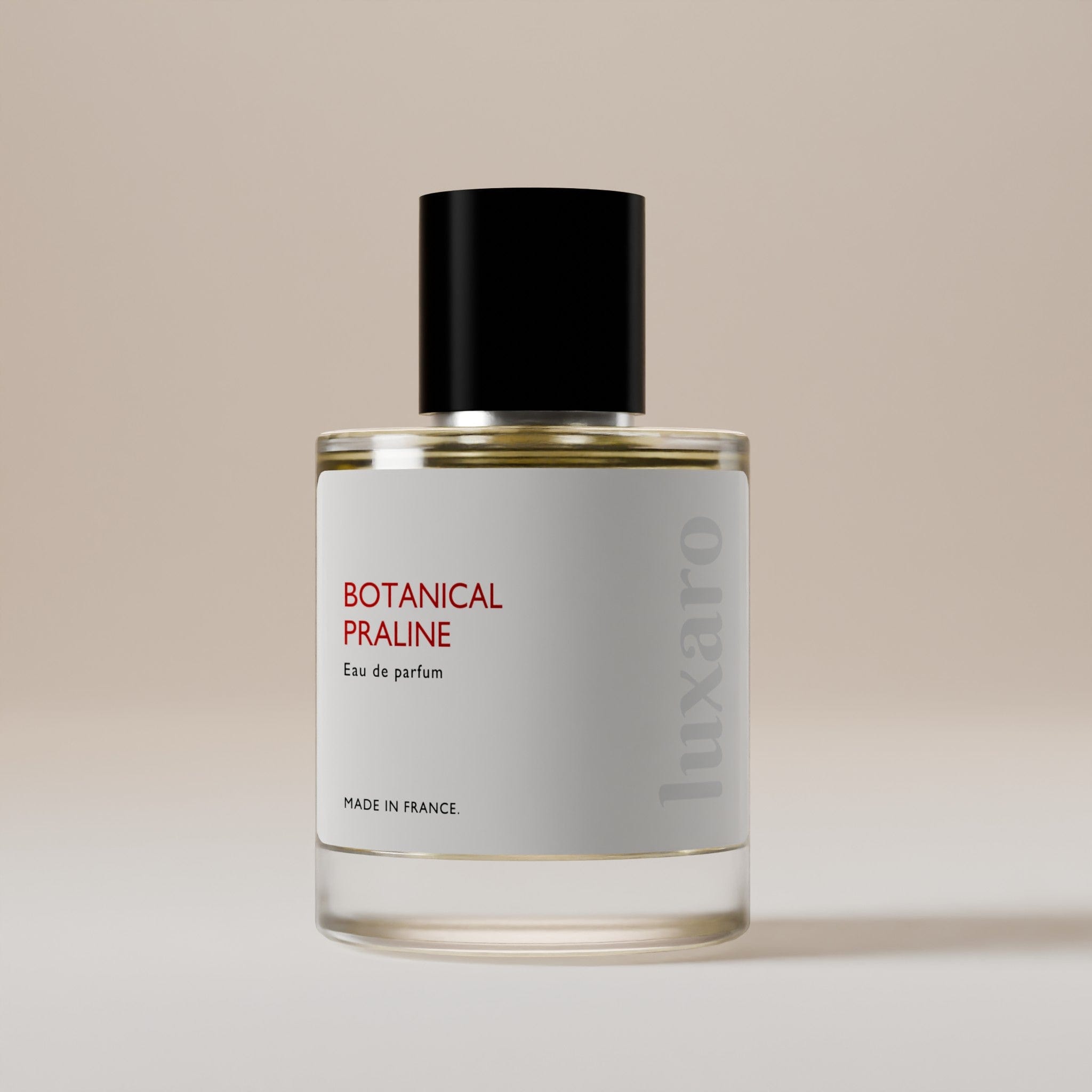
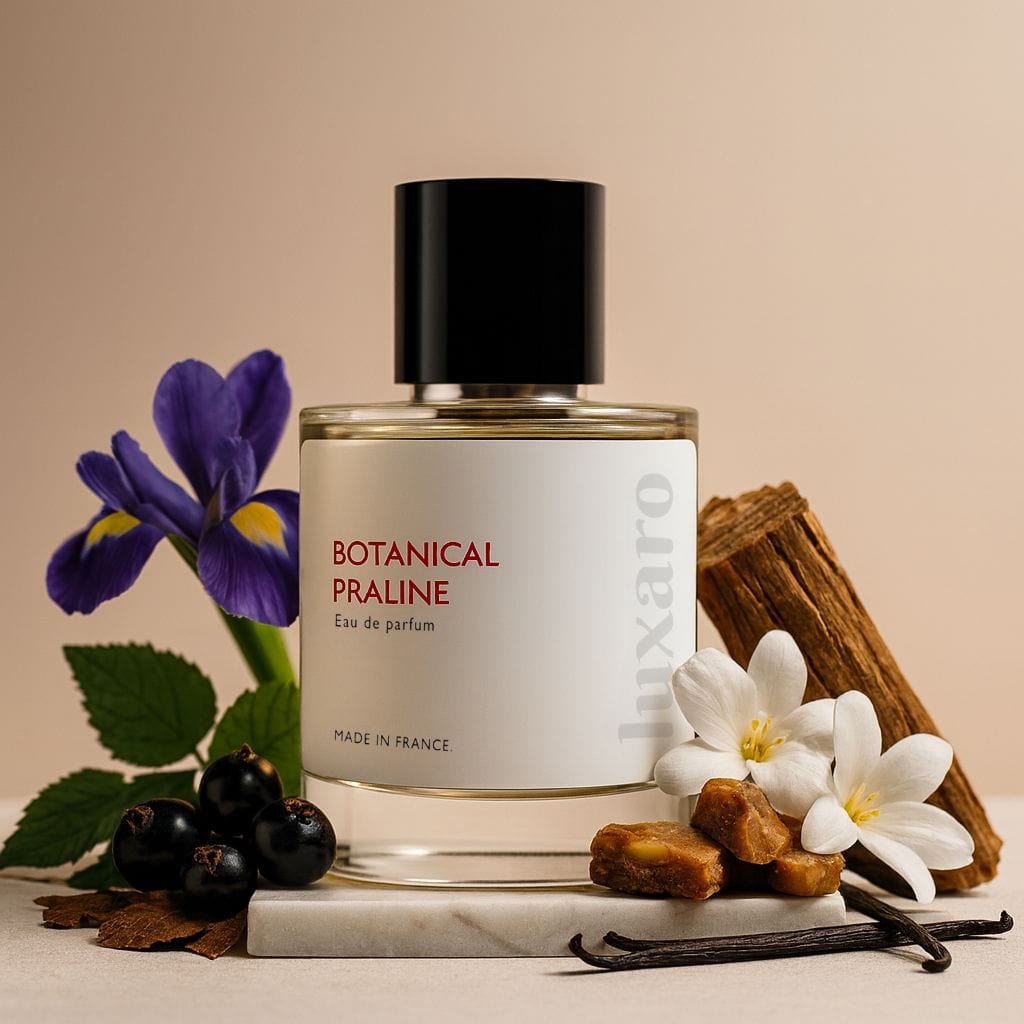
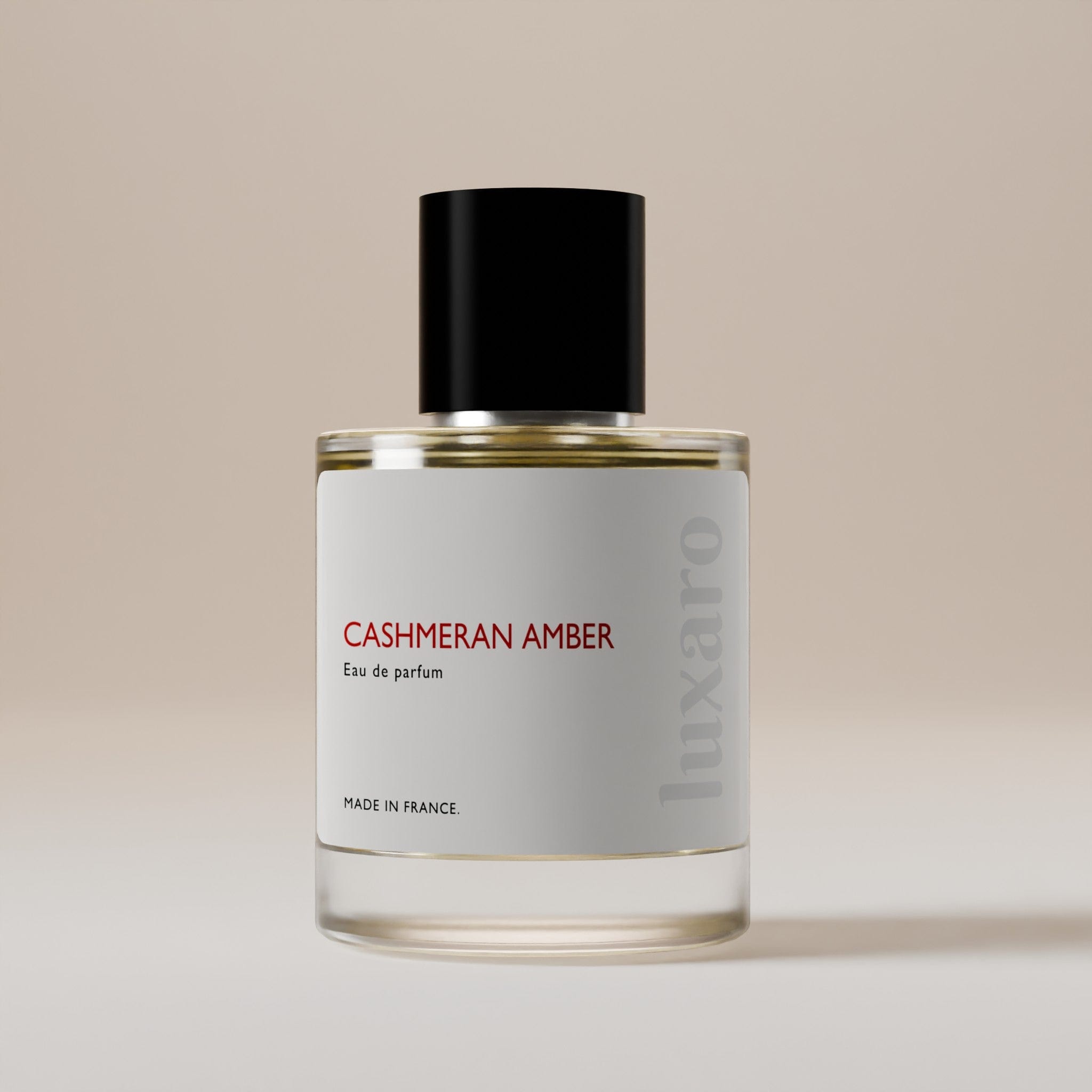
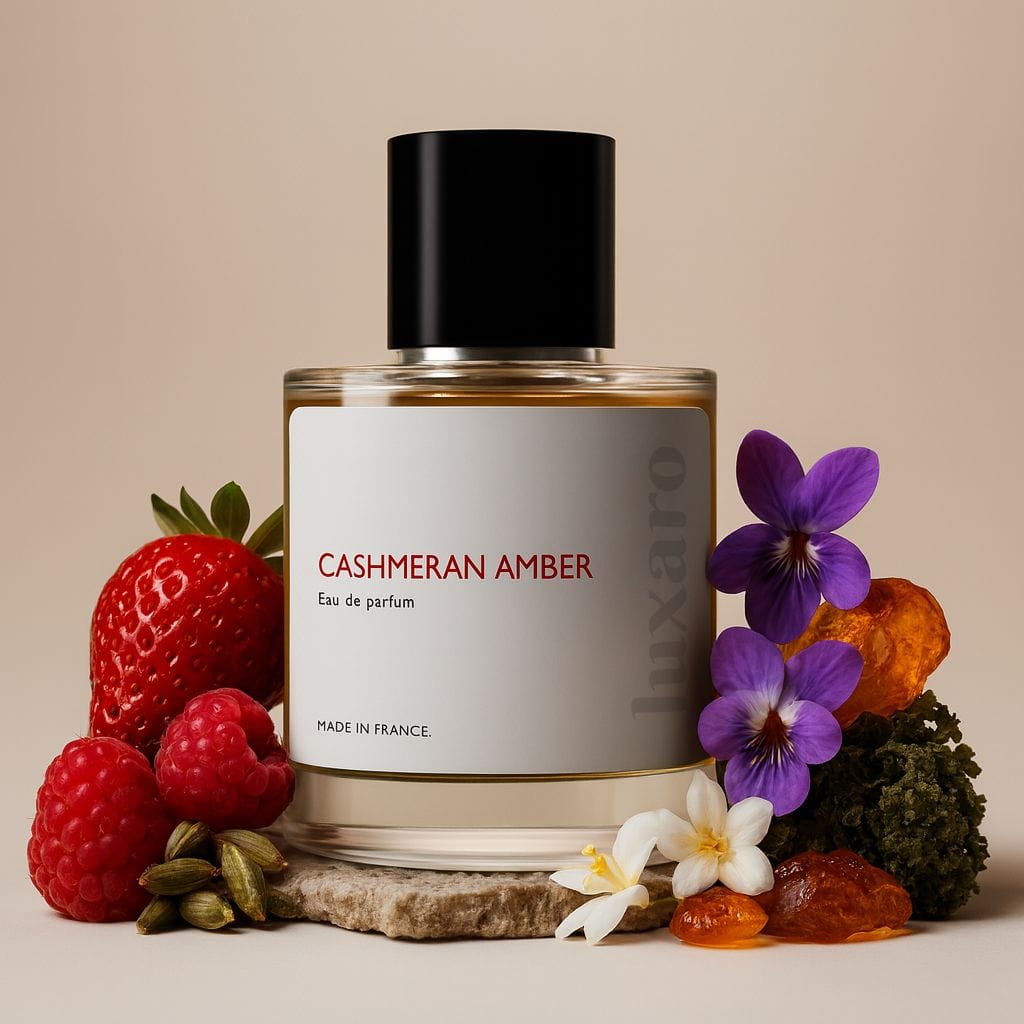
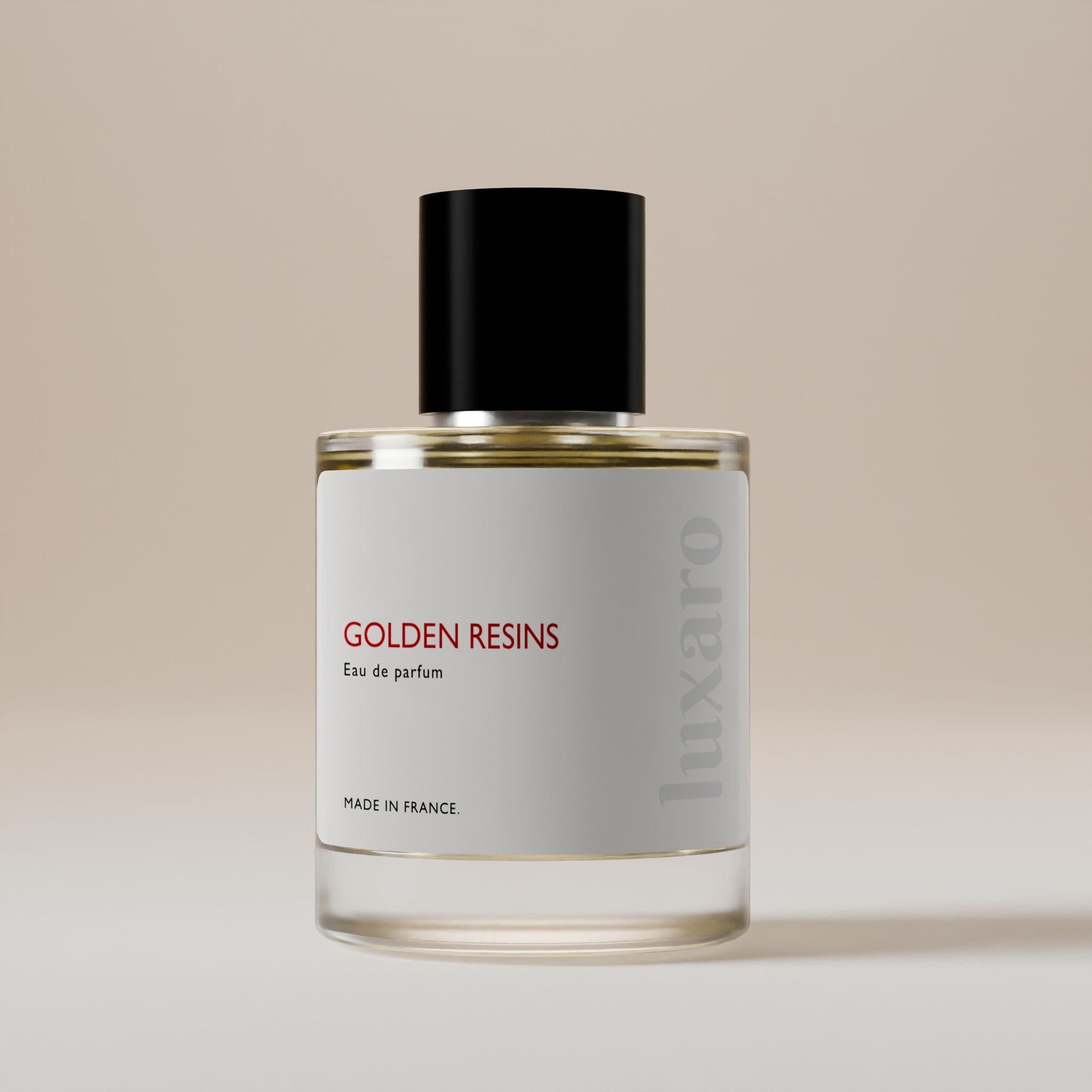
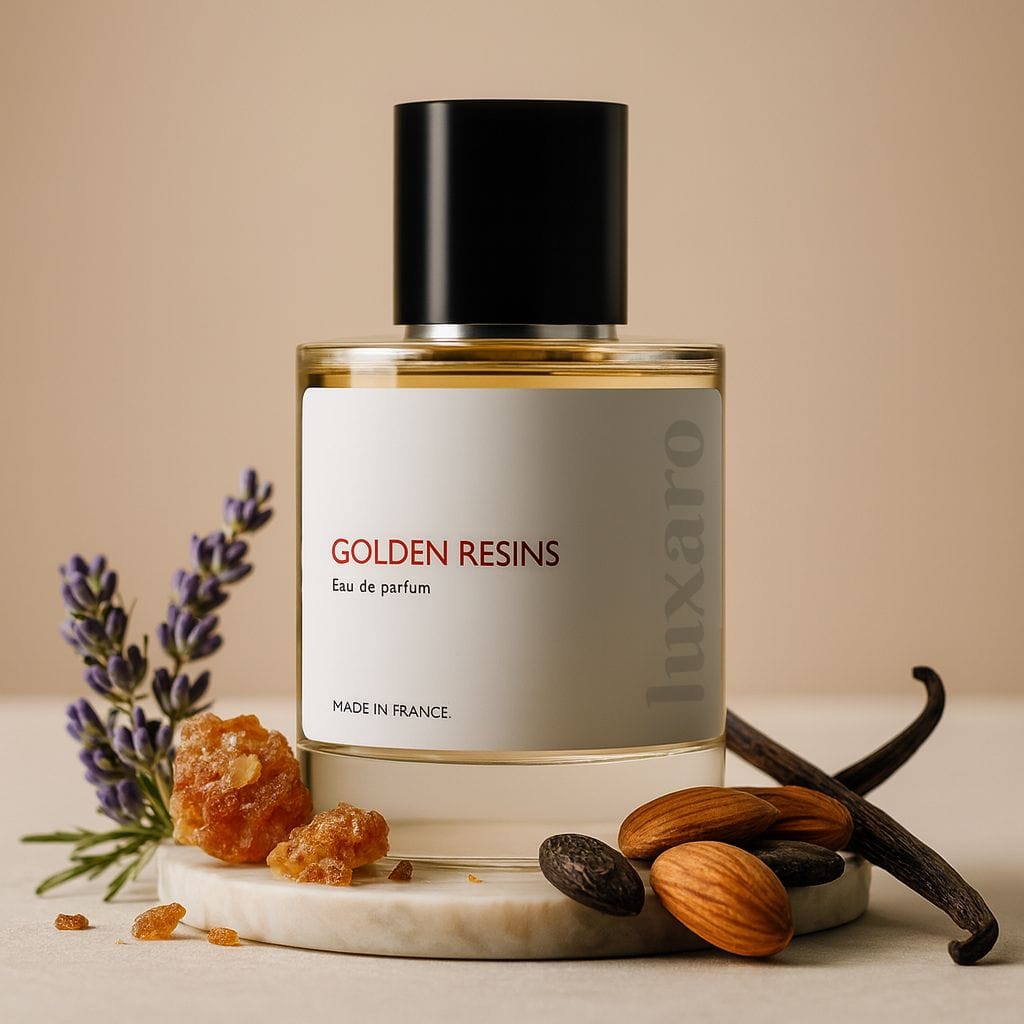
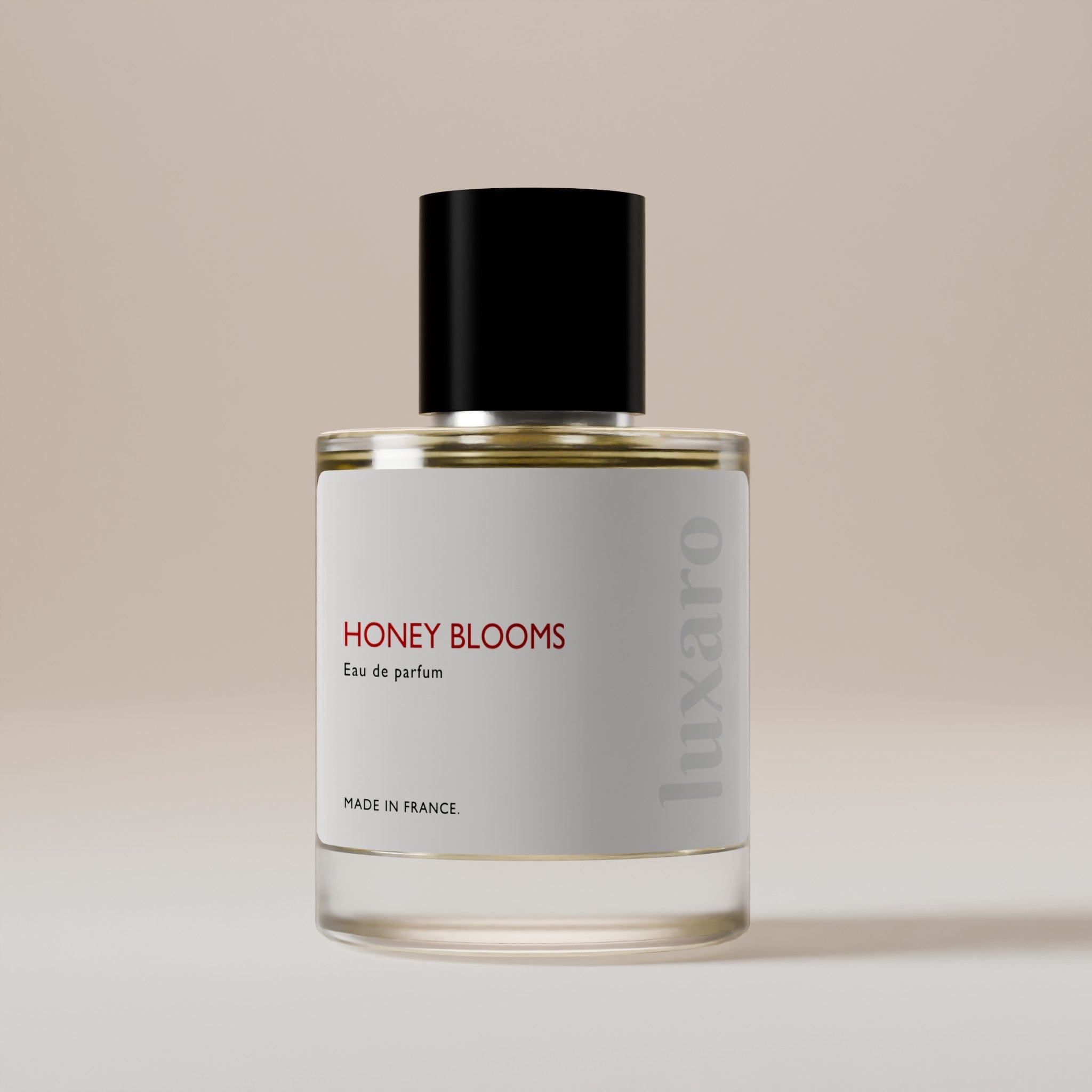
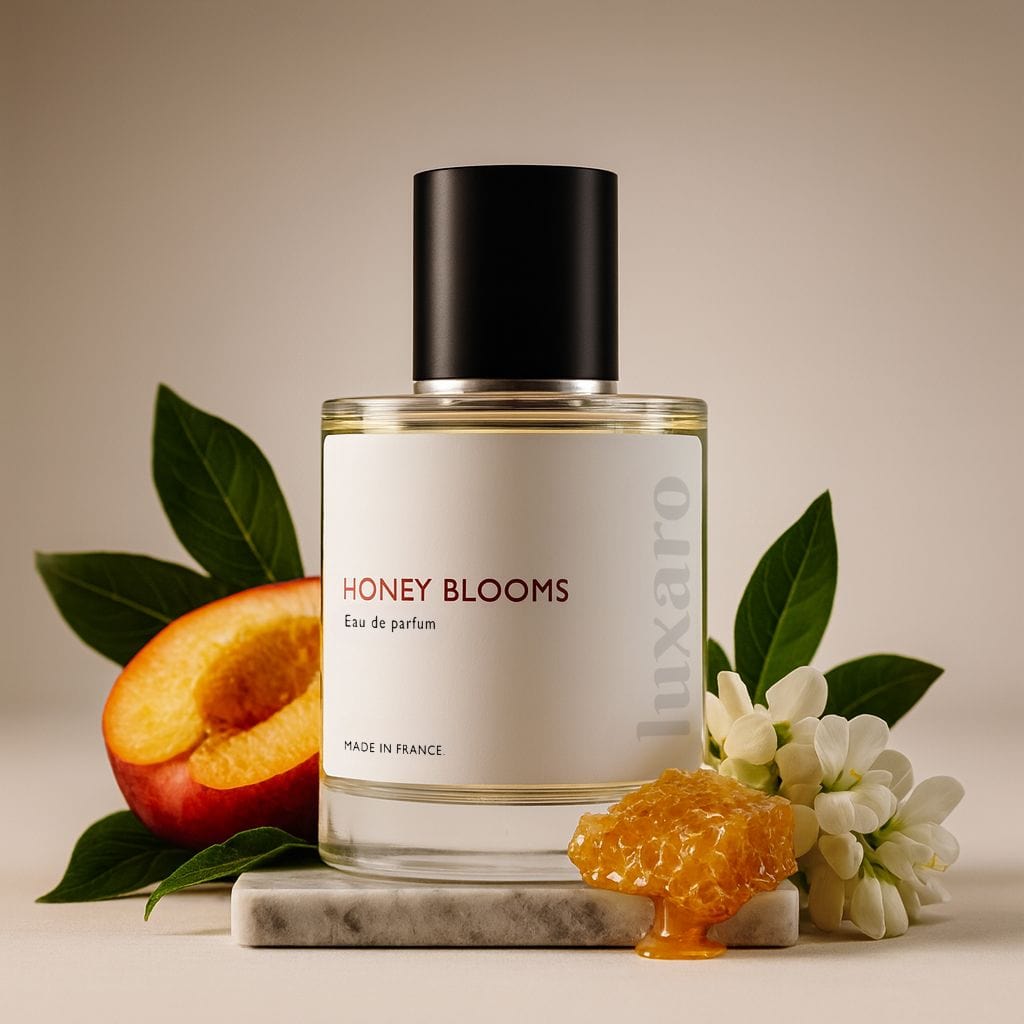
Luxaro is a UK-based fragrance brand, with our perfumes made in Grasse, France, where we work closely with experienced perfumers to develop our fragrances. Seeing how they approach fragrance creation has completely changed my understanding of what makes French perfume so highly respected around the world. Visiting the region also helped me understand why Grasse became known as the perfume capital of the world and why it continues to attract some of the industry's most experienced perfumers.

Before you started Luxaro, what did "French perfume" mean to you, and has your opinion changed after working with French perfumers?
Yes, my opinion has changed quite a lot. Before I started Luxaro, I was probably like most people. When someone mentioned French perfume, I immediately thought of luxury brands, expensive bottles, and some of the most famous fragrances in the world. I believed France had an incredible reputation, but I honestly wasn't sure how much of that reputation came from genuine expertise and how much came from clever marketing.
Everything changed once I started working with experienced French perfumers. Instead of seeing perfume as simply mixing ingredients together, I saw how much care goes into every stage of development. It wasn't about creating the quickest fragrance possible. It was about constantly asking whether it could be made even better.
That completely changed my opinion. I now understand that France's reputation isn't built on advertising alone. It's built on generations of experience and people who genuinely care about producing the best fragrance they can.
In your opinion, what makes French perfume feel different from many perfumes made elsewhere?
French perfume often feels different because of the way the fragrance develops over time. From my experience, it's rarely about making a perfume that smells stronger than everything else. Instead, it's about creating balance.
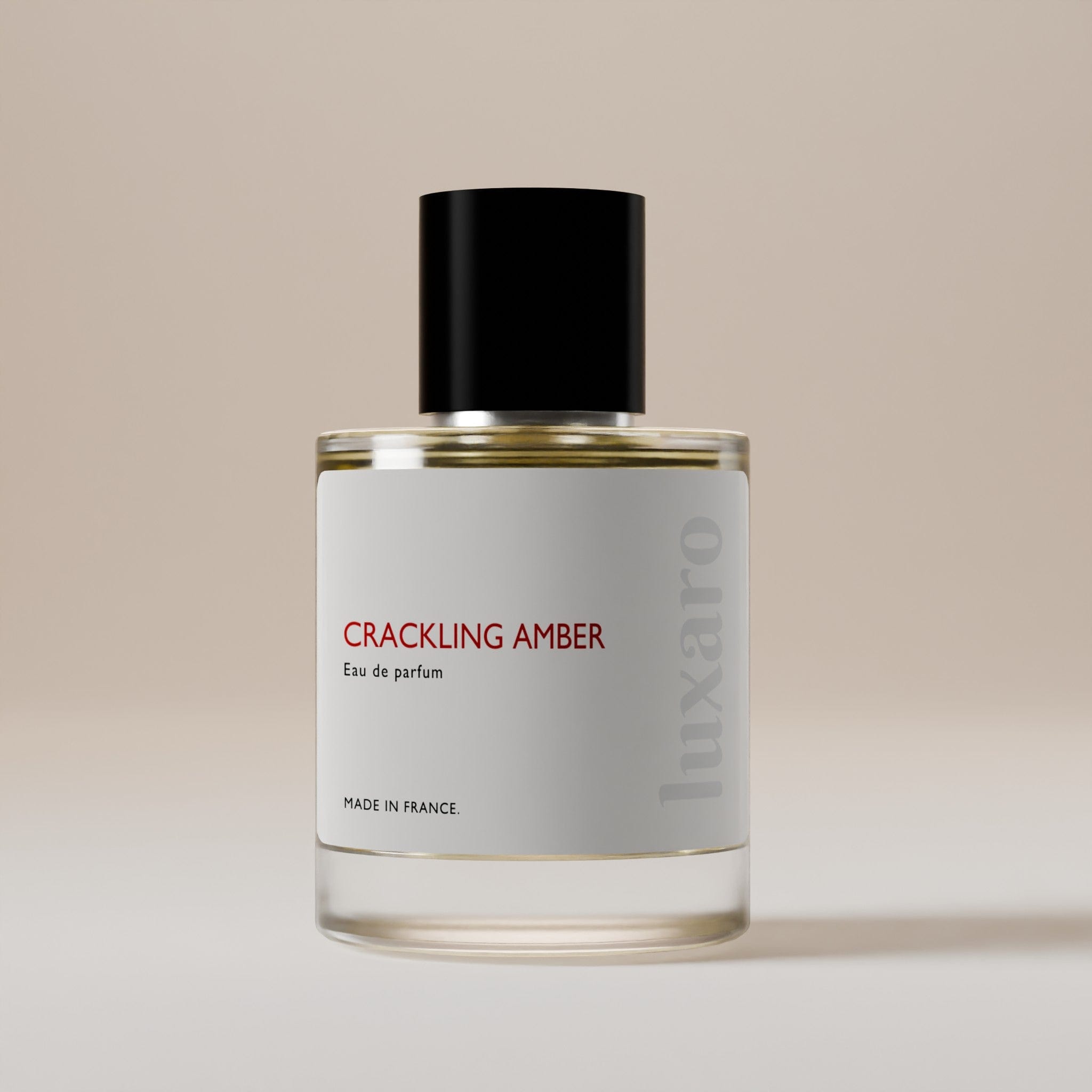
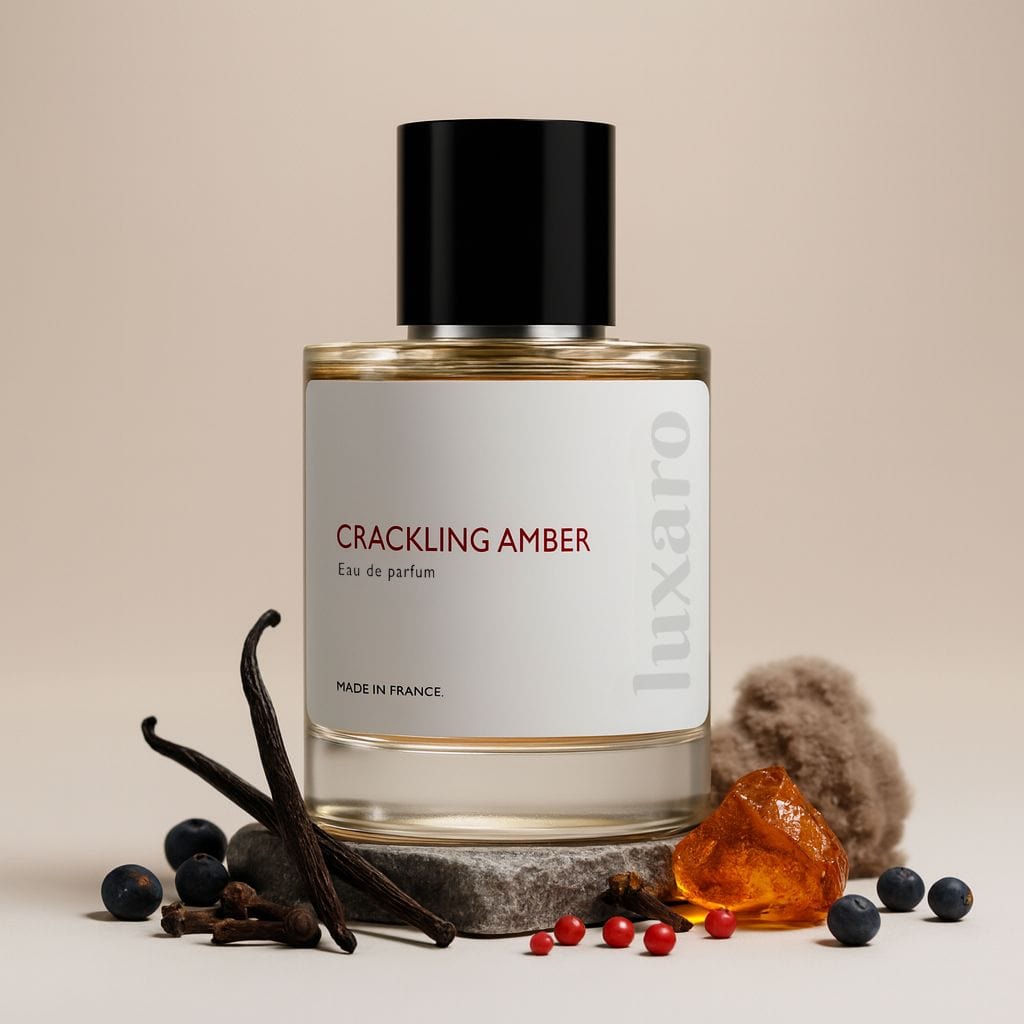
I've noticed that well-made French fragrances tend to move naturally from the opening notes to the heart and finally to the base without one stage overpowering another. Everything feels smoother and more connected. You can experience this balance particularly well in warm, smoky and vanilla-based fragrances, where each stage of the fragrance has room to develop naturally.
Working with French perfumers has also shown me how much thought goes into making a fragrance enjoyable throughout the entire day. They're not only thinking about how it smells when you first spray it. They're also thinking about how it develops after an hour, several hours later, and how every ingredient works together from beginning to end.
Have you noticed any differences in the way French perfumers approach fragrance creation compared with what many people imagine?
Yes, the biggest difference I've noticed is patience. Many people imagine a perfumer mixing ingredients together, smelling the result, making one or two small changes, and then calling the fragrance finished. That's nothing like the process I've seen.
I've watched fragrances go through weeks of refinement before anyone is happy to approve them. Tiny adjustments that most customers would never notice are discussed, tested, and sometimes changed several times. If you're curious about what happens during that process, I've explained how experienced perfumers develop and refine fragrances from the first sample through to the finished perfume.
Before I even receive a fragrance sample, it has often already been evaluated by more than ten experienced noses. By the time it reaches me, a great deal of work has already happened behind the scenes. That level of quality control gave me a completely different appreciation for the skill involved in creating a perfume.
Do French perfumers always use better ingredients, or is that a common misunderstanding?
No, French perfumers don't automatically have better ingredients, and I think that's one of the biggest misunderstandings people have. Beautiful fragrance ingredients come from many different countries around the world. Rose, jasmine, citrus fruits, vanilla, woods, and resins are sourced globally. If you're interested in one of the world's most popular perfume ingredients, I've also explained why vanilla fragrances feel so warm and comforting.
What makes the real difference is the experience of the perfumer and the decisions they make. Experienced perfumers know which ingredients work well together, when it's worth selecting a higher-quality material, and where small improvements can make a noticeable difference to the finished fragrance.
In my experience, it's less about where an ingredient comes from and more about how it's used.
What have you personally learned from working with French perfumers that surprised you the most?
The biggest lesson I've learned is how much testing happens before a fragrance is considered finished. I don't think most people realise how many people may smell the same fragrance before it ever reaches a customer.
Even when I think a fragrance already smells excellent, experienced perfumers are still asking themselves whether it could be improved. Sometimes they'll make what seems like a tiny adjustment, but that small change creates a better balance throughout the day.
I've also learned that patience is one of the most important parts of perfume making. Rushing a fragrance rarely produces the best result, which is one reason our fragrances spend time maturing before they're bottled.
Have you ever watched French perfumers reject or improve something that most customers would never have noticed?
Yes, and it was one of the biggest eye-openers for me. There have been times when I thought a fragrance sample already smelled fantastic, but the perfumers still weren't completely satisfied.
They noticed small differences in balance, how one note developed, or how the fragrance changed several hours after being sprayed. Most customers would probably never have realised those differences, but experienced perfumers could.
Rather than accepting something that was already good, they continued refining it until they believed it had reached the standard they wanted. Seeing that level of commitment helped me understand why developing a fragrance often takes much longer than people expect.
Do you think people sometimes assume "Made in France" automatically means higher quality?
Yes, I think many people make that assumption, but it's only part of the story. Simply making a perfume in France doesn't automatically guarantee that it's going to be outstanding. Poor decisions can still be made, lower-quality ingredients can still be chosen, and production can still be rushed.
From my experience, quality comes from several things working together:
-
Experienced perfumers
-
Carefully selected ingredients
-
Thoughtful fragrance development
-
Proper maturation
-
Thorough quality control
France has earned an excellent reputation because many experienced perfumers work there, but it's the people and the standards they follow that make the biggest difference.
For a clearer explanation of the origin wording itself, see what “Made in France” means on a perfume label and what the claim does not promise.
As the owner of a UK fragrance brand, why did you decide to have Luxaro perfumes made in France instead of manufacturing somewhere else?
I chose France because I wanted experienced perfumers rather than simply the lowest manufacturing costs. When I was building Luxaro, my goal wasn't to find the cheapest place to produce fragrances. My goal was to create perfumes I'd genuinely be proud to sell.
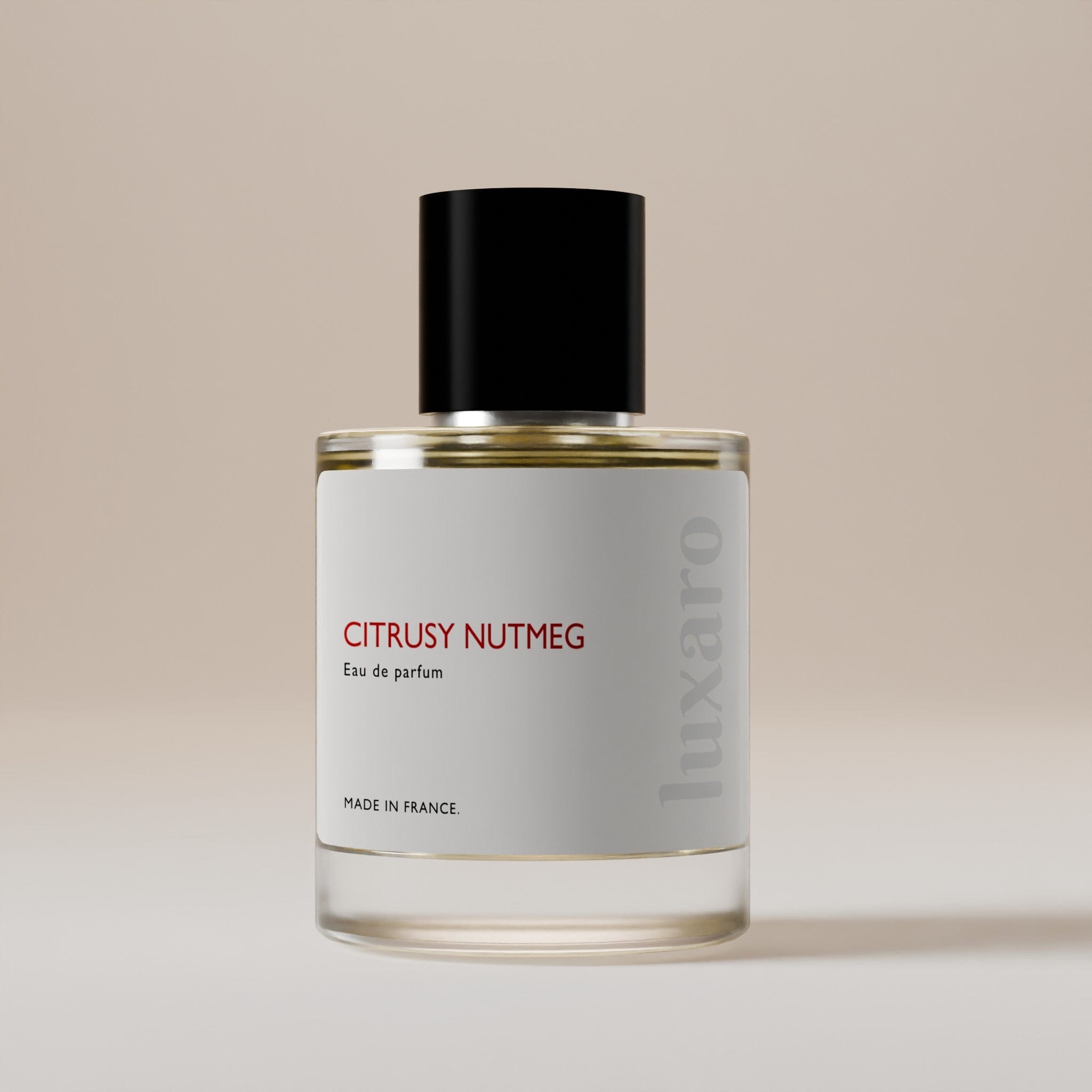
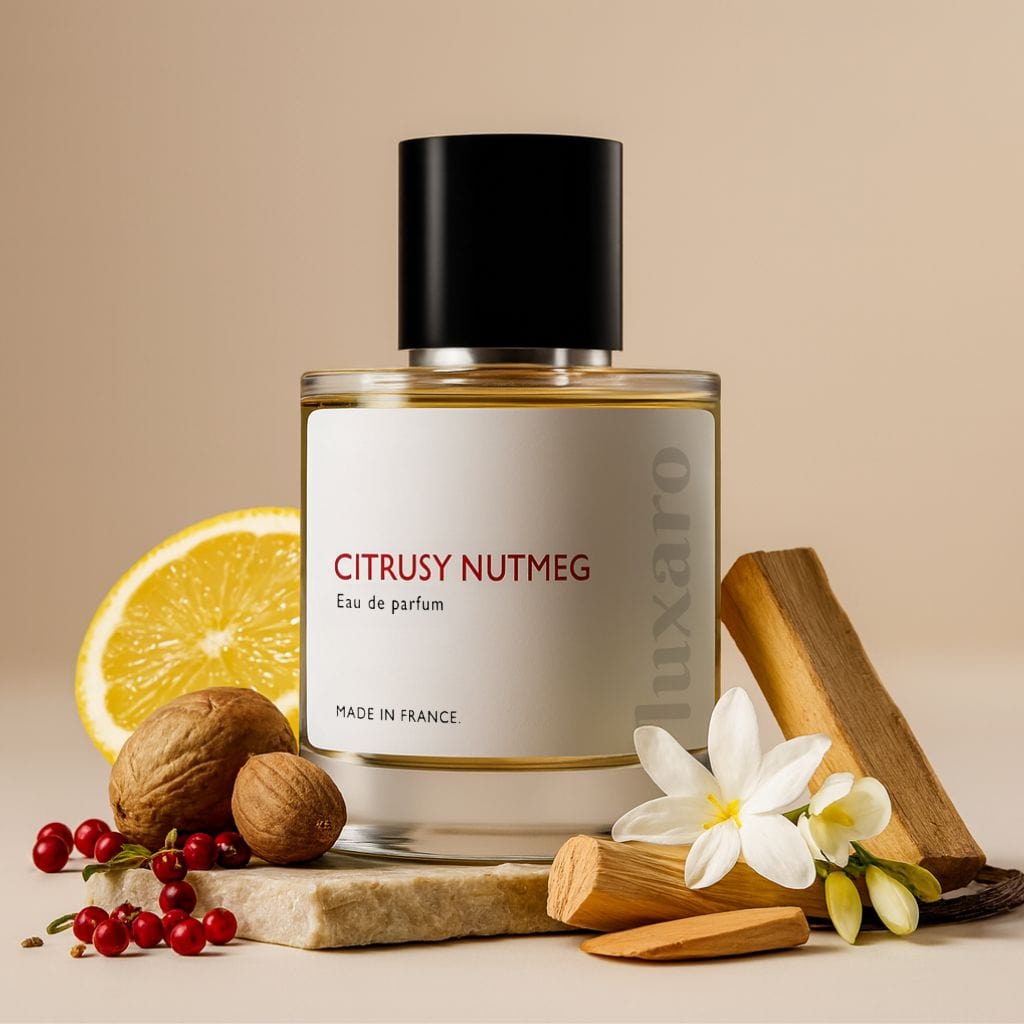
Luxaro is a UK-based fragrance brand, with our perfumes made in Grasse, France, where we work with experienced perfumers to develop every fragrance. I've seen the care they put into selecting ingredients, refining each formula, and making improvements before a fragrance is approved.
Yes, manufacturing in France costs more and takes longer, but I believe our customers deserve that extra care and attention.
Have your customers ever reacted differently after discovering Luxaro perfumes are made in France?
Yes, many customers are pleasantly surprised when they discover our perfumes are made in France. Because Luxaro is a UK brand, people often assume everything is manufactured here.
When they learn that we work with experienced French perfumers, it often gives them extra confidence in the quality of our fragrances. Some customers have even asked why we chose France instead of manufacturing somewhere else.
That gives me the opportunity to explain that our decision wasn't based on tradition alone. It was about working with experienced people who share the same commitment to quality that I wanted for Luxaro. Once customers understand that, they usually appreciate the decision much more.
If someone asked you, "What really makes French perfume different from other perfumes?", what would your honest answer be?
French perfume is different because of the people behind it rather than the country itself. After working with experienced French perfumers, I've realised they rarely look for shortcuts. They take time to test, evaluate, improve, and sometimes even start again if they believe the fragrance can be better.
For me, that's the biggest difference. French perfume isn't special simply because it's made in France. It's special because of the experience, patience, knowledge, and attention to detail that skilled perfumers bring to every fragrance they create.
That's what I've come to respect the most since founding Luxaro, and it's one of the main reasons I chose to have our perfumes developed in France.