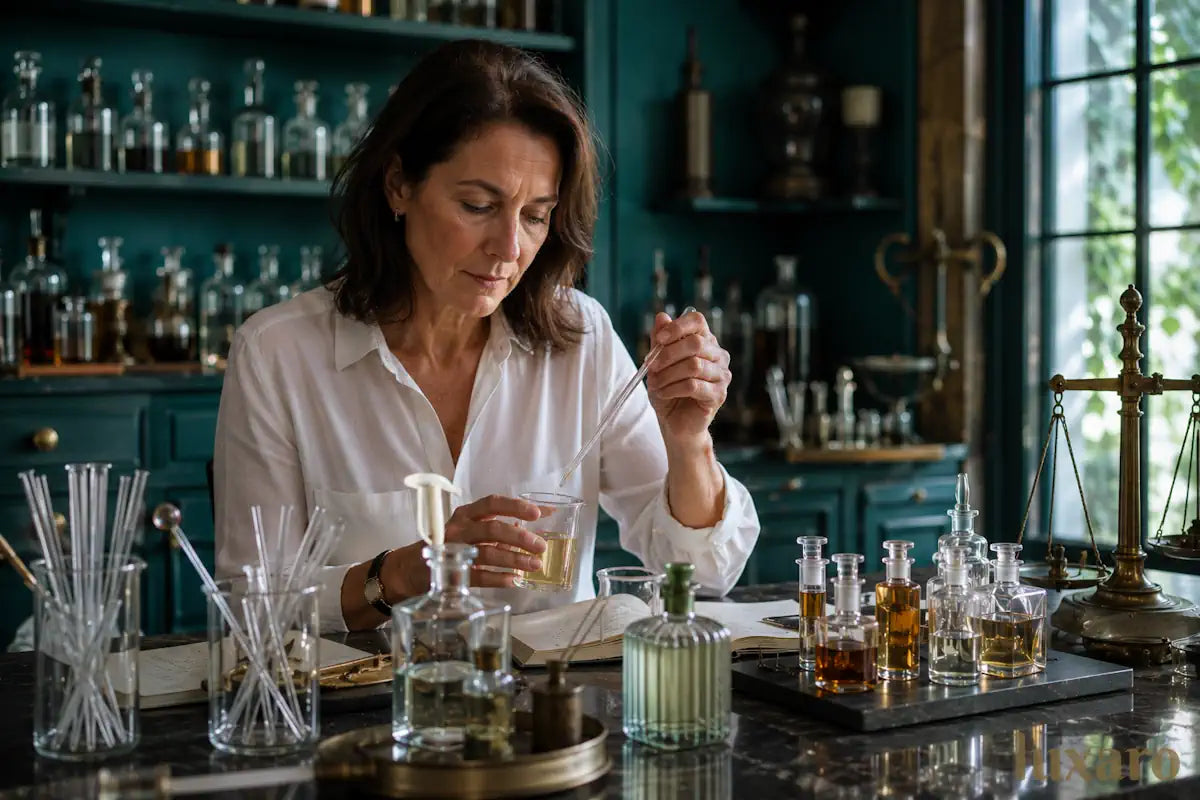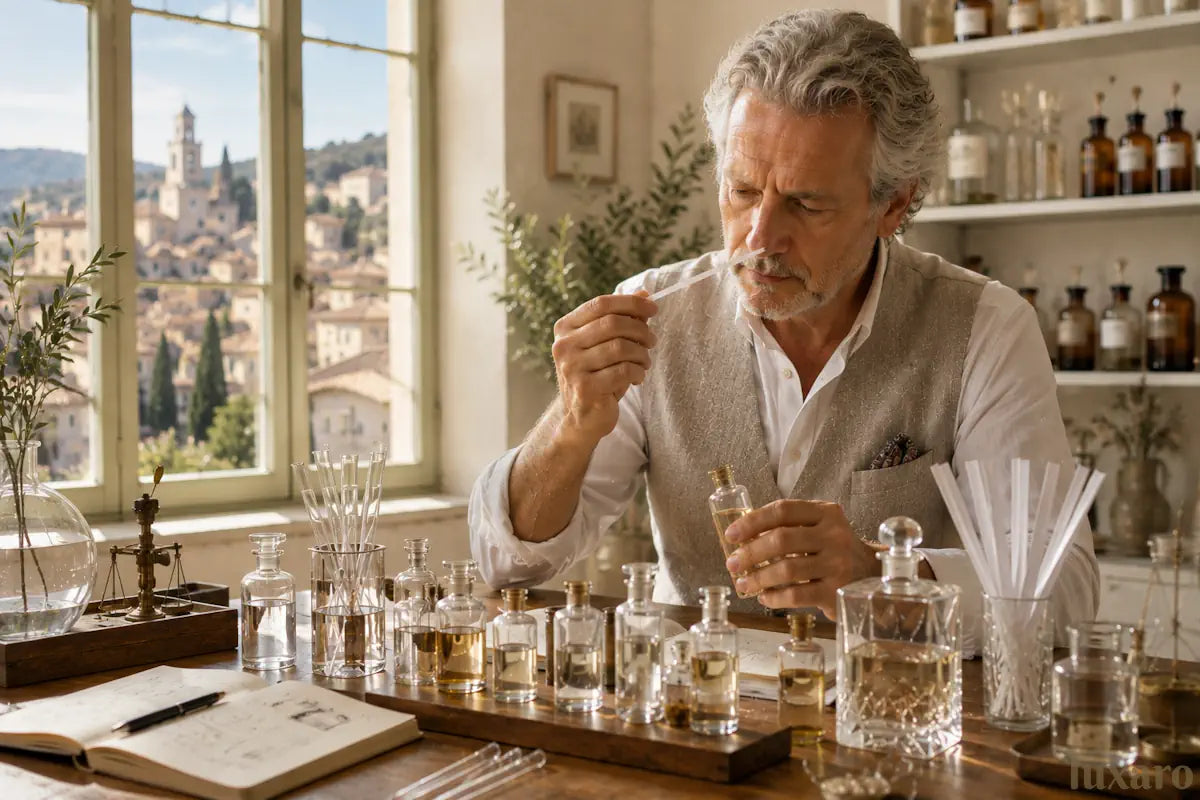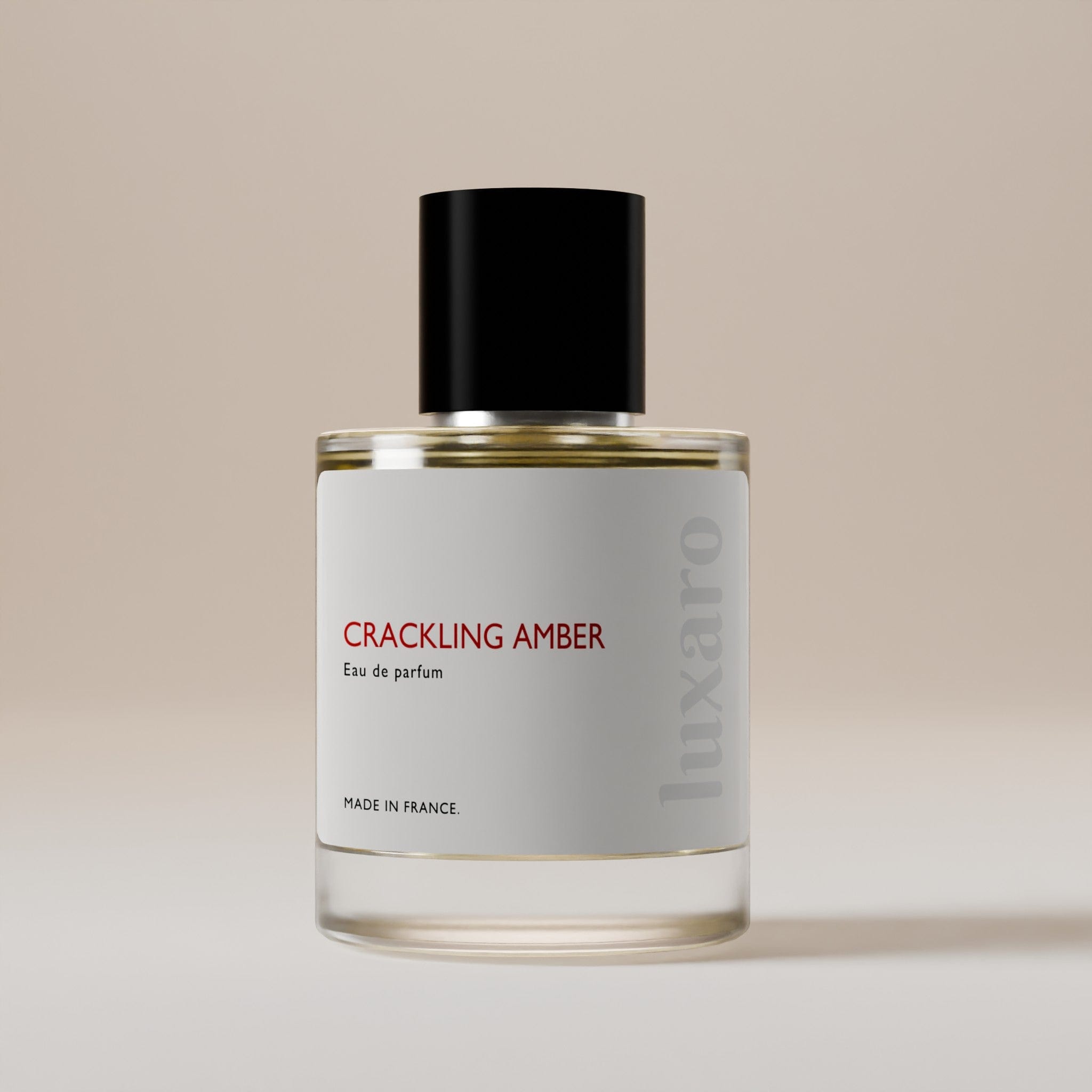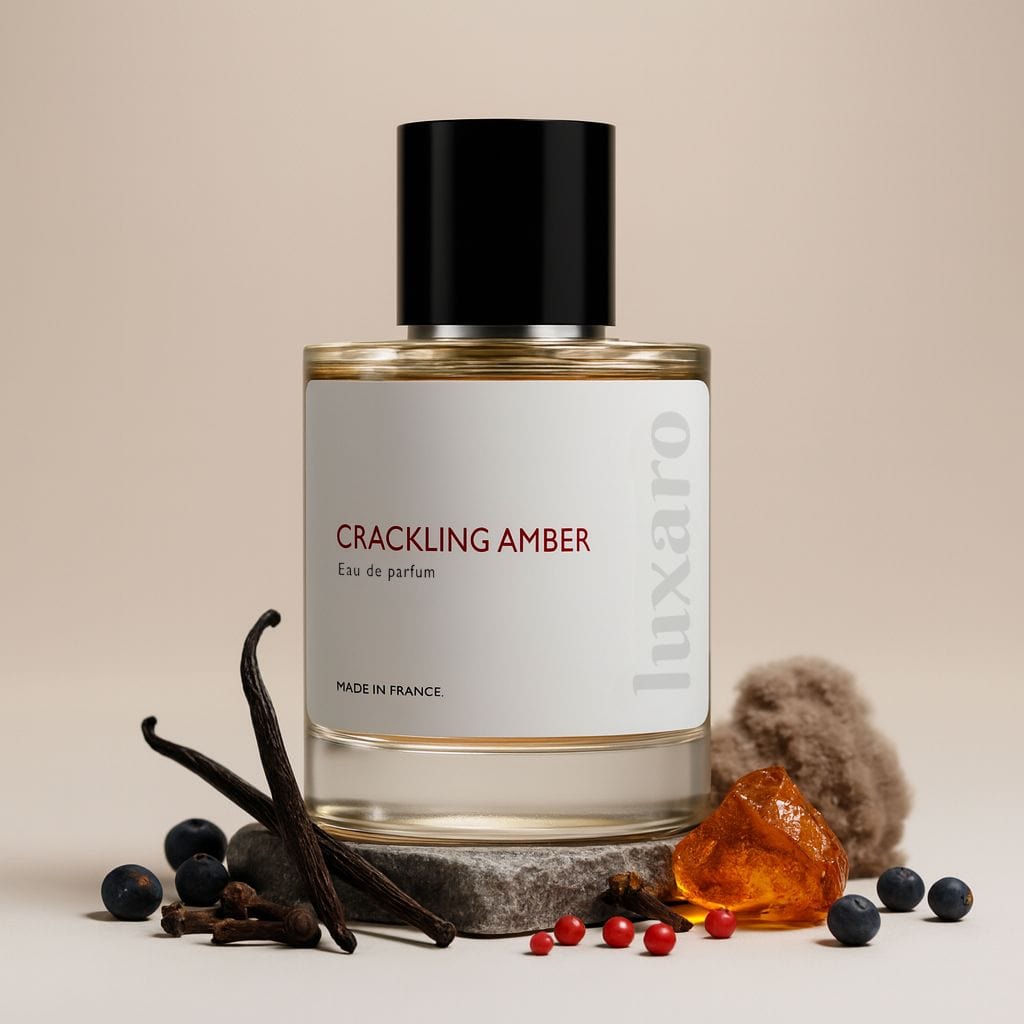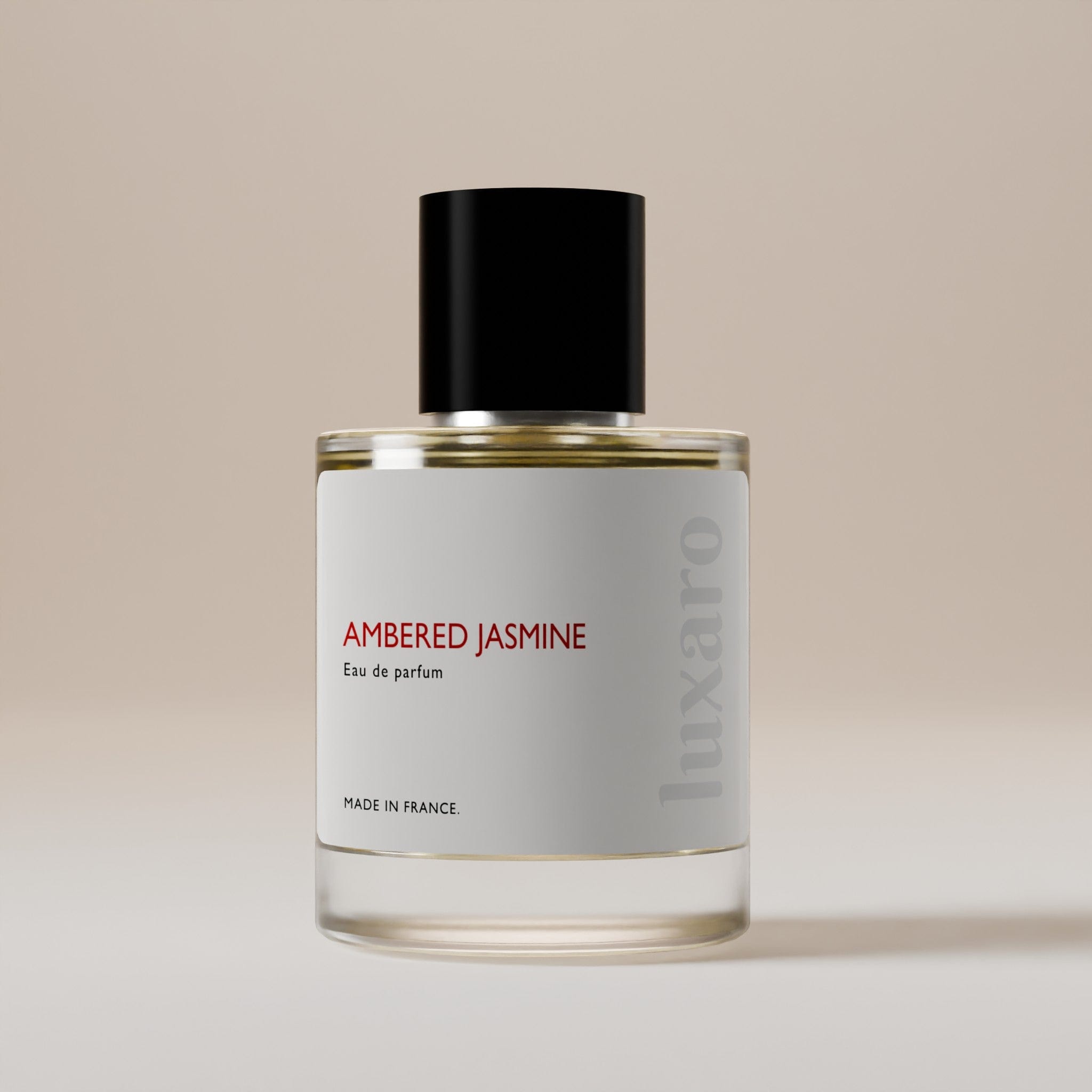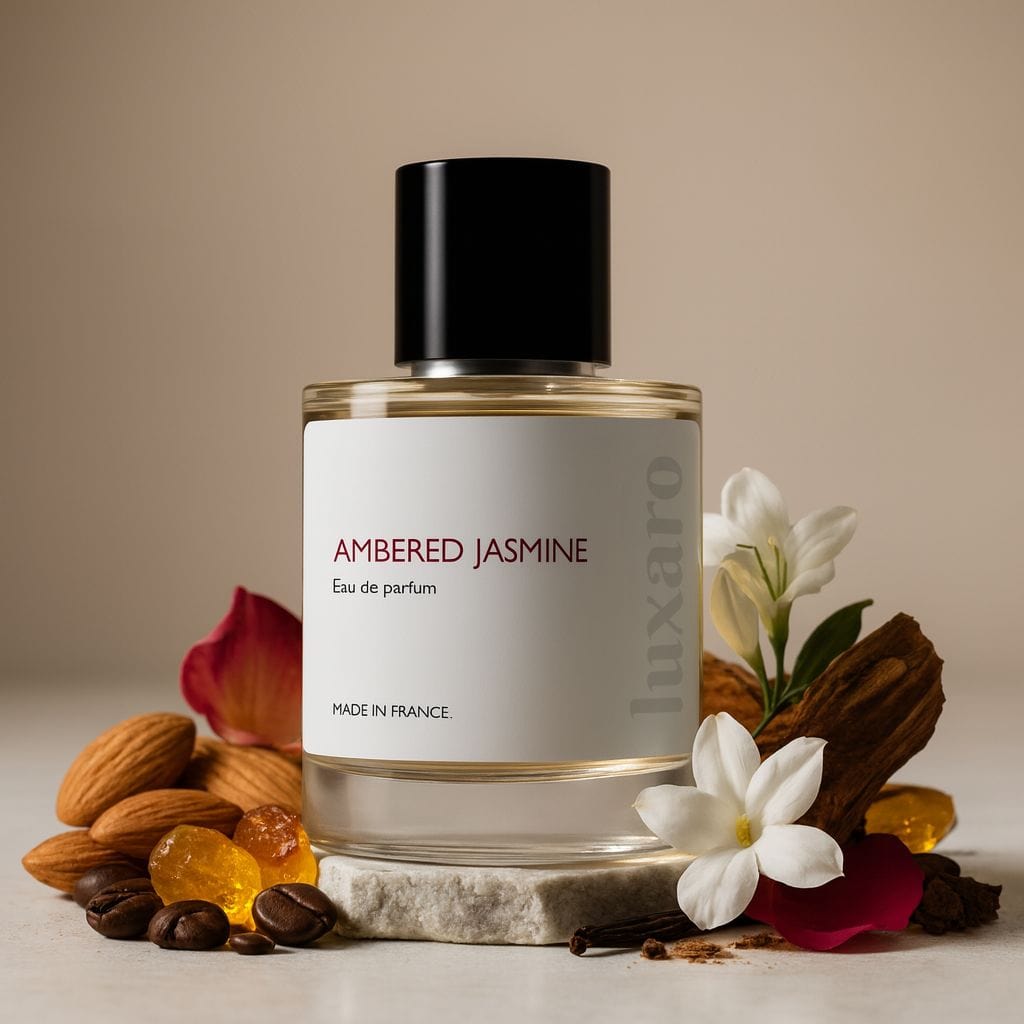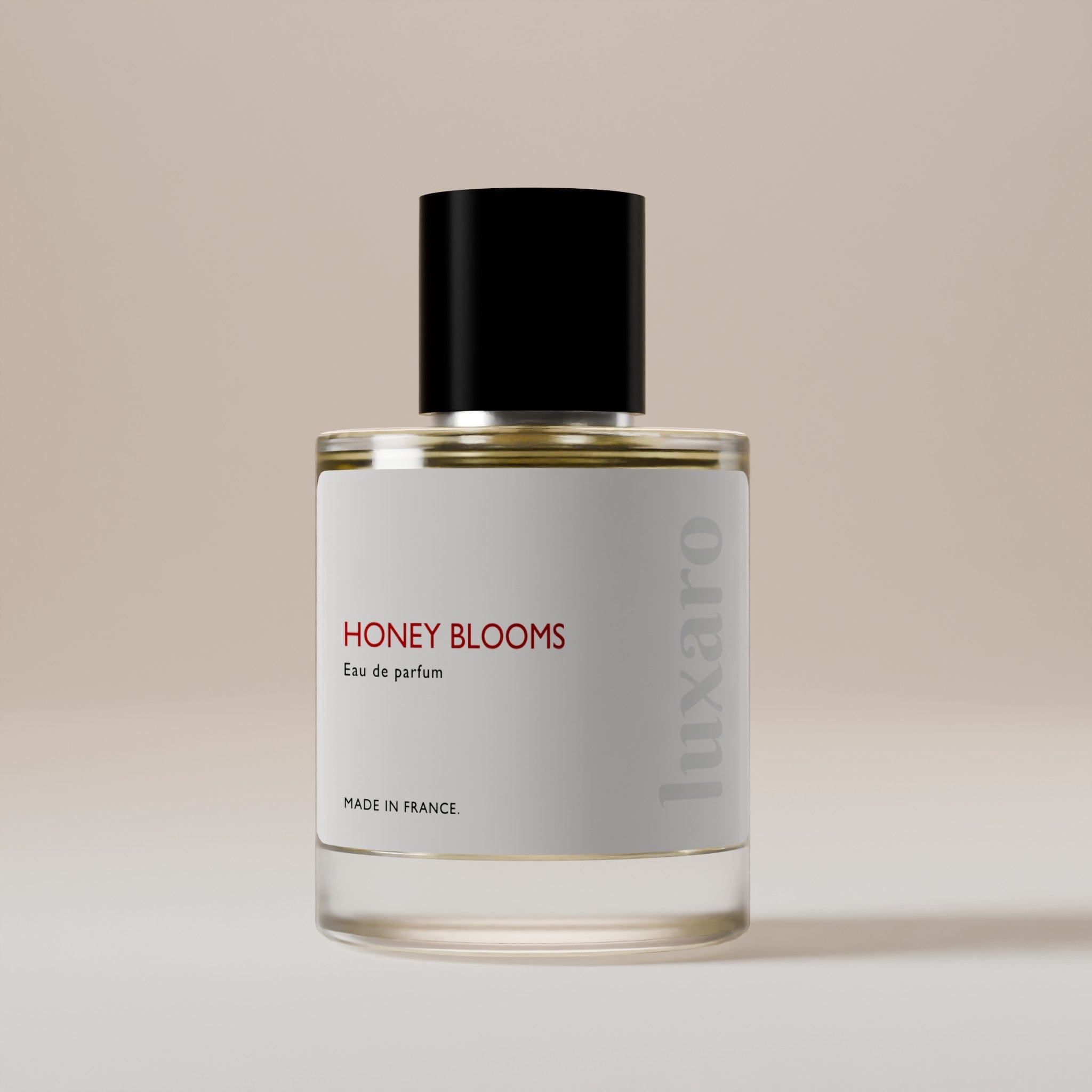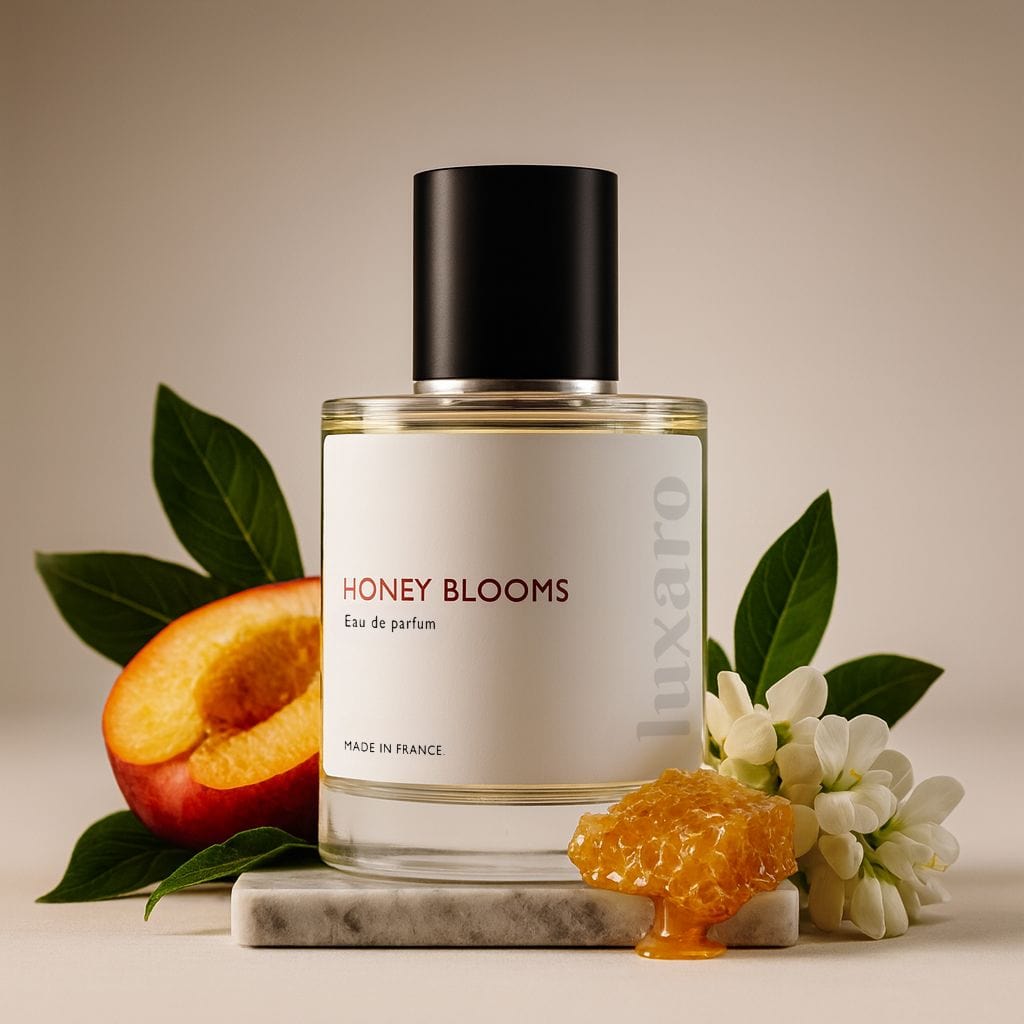

Many luxury perfumes are made in Grasse, France, because the region is home to highly experienced perfumers and generations of fragrance expertise. When I founded Luxaro, a UK fragrance brand, I chose to have our perfumes made in Grasse after seeing first-hand the knowledge, care, and attention to detail that experienced perfumers bring to every fragrance. While perfumes can now be developed almost anywhere in the world, many fragrance brands continue to work with perfumers in Grasse because of their expertise, understanding of fragrance ingredients, attention to detail, and reputation for fine perfumery.
Luxaro is a UK-based fragrance brand, with our perfumes made in Grasse, France, where we work with experienced perfumers to develop our fragrances. Having visited Grasse and worked closely with perfumers who have more than 40 years of experience, I've been able to see first-hand why the region continues to play such an important role in modern perfumery.
For me, the real value of Grasse isn't simply the name or its history. It's the people working there today, the knowledge they've built over decades, and the care that goes into developing a fragrance before it ever reaches a bottle.

When you were looking for perfumers to create Luxaro fragrances, what made you consider Grasse, France?
I considered Grasse because I wanted Luxaro fragrances to be developed by experienced perfumers who understood fragrance properly, rather than simply choosing the cheapest or fastest manufacturing option available.
There are many ways to start a fragrance brand today. One option is to buy ready-made perfume oils and put them into production, but that wasn't what I wanted for Luxaro. I wanted to work with perfumers who could develop fragrances for us and who cared about the quality of the finished product.
Grasse was a natural place to consider because of its long connection with fine perfumery and the experience available there. Once I got to know our perfumers and later visited them in Grasse, I became even more confident that I'd made the right decision.
Our perfumers have more than 40 years of experience, and when you see how seriously they take their work, you begin to understand what those years of experience actually mean. They don't rush through the process just to get another fragrance finished. They take their time, assess the fragrance carefully, and focus on getting the result right.
That's exactly the kind of relationship I wanted when building Luxaro.
Why do you think established perfume brands continue to work with perfumers in Grasse when fragrances can now be developed almost anywhere in the world?
I think established perfume brands continue to work with perfumers in Grasse because they're looking for experience and specialist knowledge that can take decades to build.
Technology has changed the fragrance industry, and technically a perfume can be developed almost anywhere today. However, technology doesn't replace the knowledge of an experienced nose.
That's something I've come to appreciate much more since working directly with perfumers. Someone who has spent more than 40 years creating fragrances has smelled thousands of ingredients and worked on countless formulas. They understand how different materials behave together and how changing even a small part of a formula can affect the entire fragrance.
From what I've personally seen, experienced perfumers don't simply ask whether a fragrance smells good when it's first sprayed. They're thinking about how it develops, how balanced it feels, what happens during the dry down, and whether the finished fragrance achieves what they originally set out to create.
For me, that's one of the main reasons Grasse continues to attract fragrance brands. Its reputation may bring people there initially, but I believe it's the knowledge and experience of the people working there that keeps brands coming back.
What did you notice about the perfumers in Grasse that would be difficult for a new perfume manufacturer to reproduce?
The most difficult thing for a new perfume manufacturer to reproduce would be decades of experience and the ability to notice very small details in a fragrance that most people would probably miss.
When an experienced perfumer smells a fragrance, they're not experiencing it in quite the same way as an ordinary customer. A customer might simply think, "I like this" or "I don't like this." A perfumer is looking much deeper. They're thinking about the structure, the balance between different ingredients, how the fragrance changes over time, and whether one part is overpowering another.
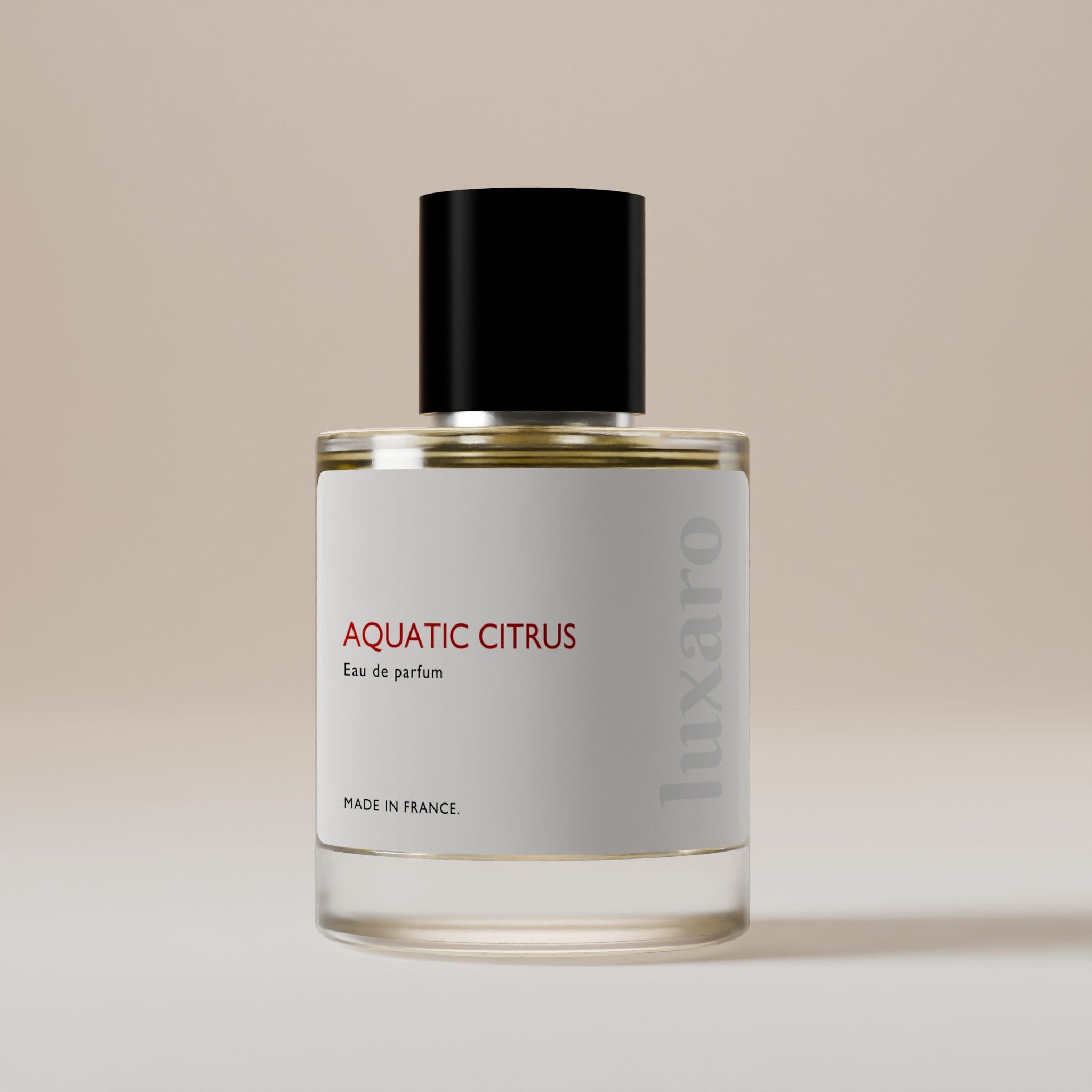
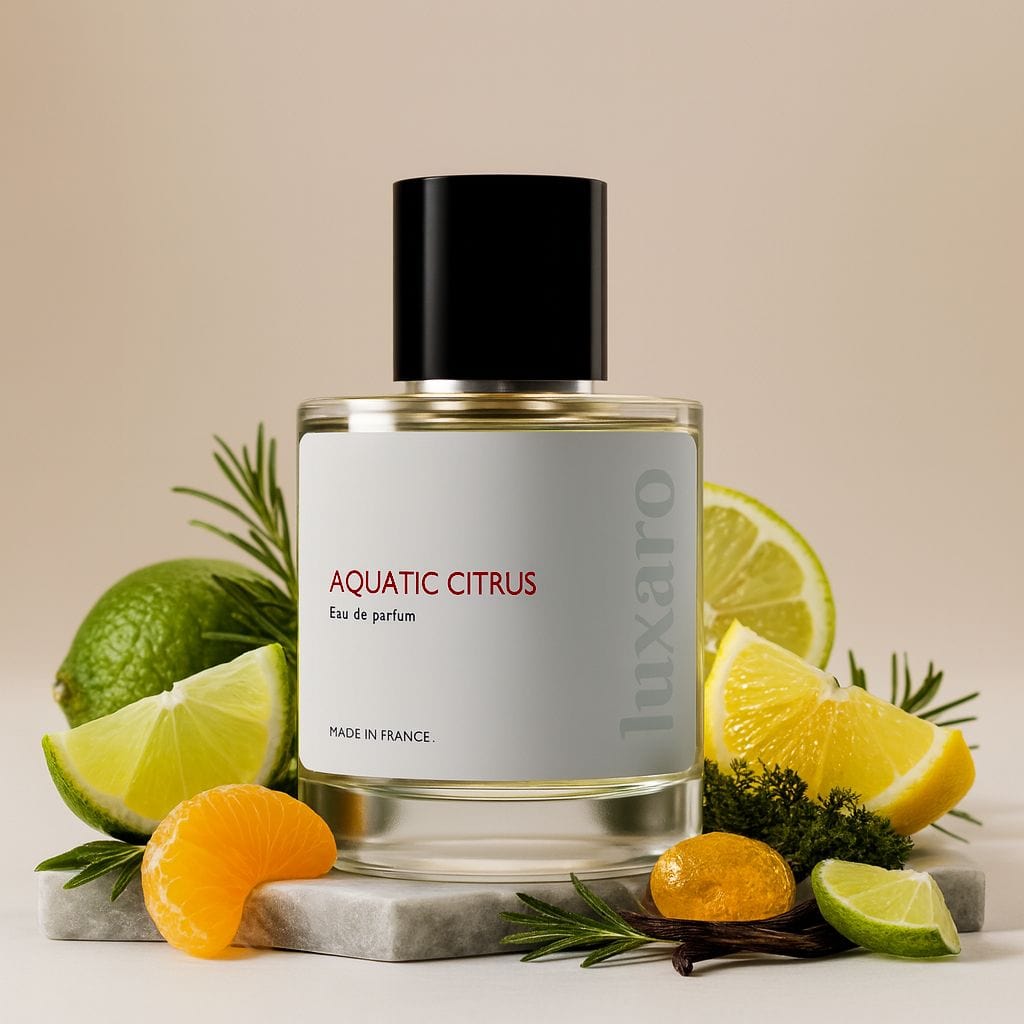
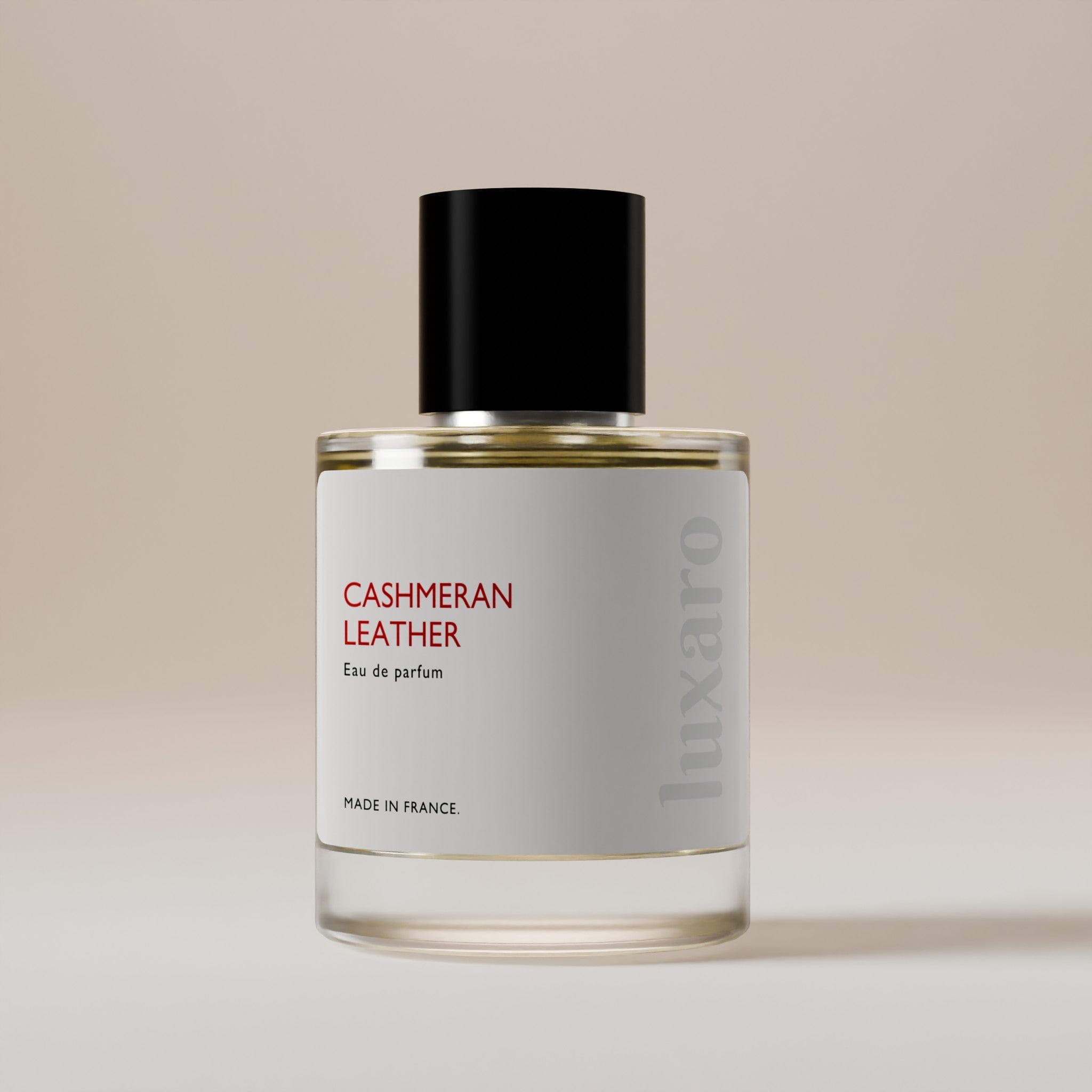
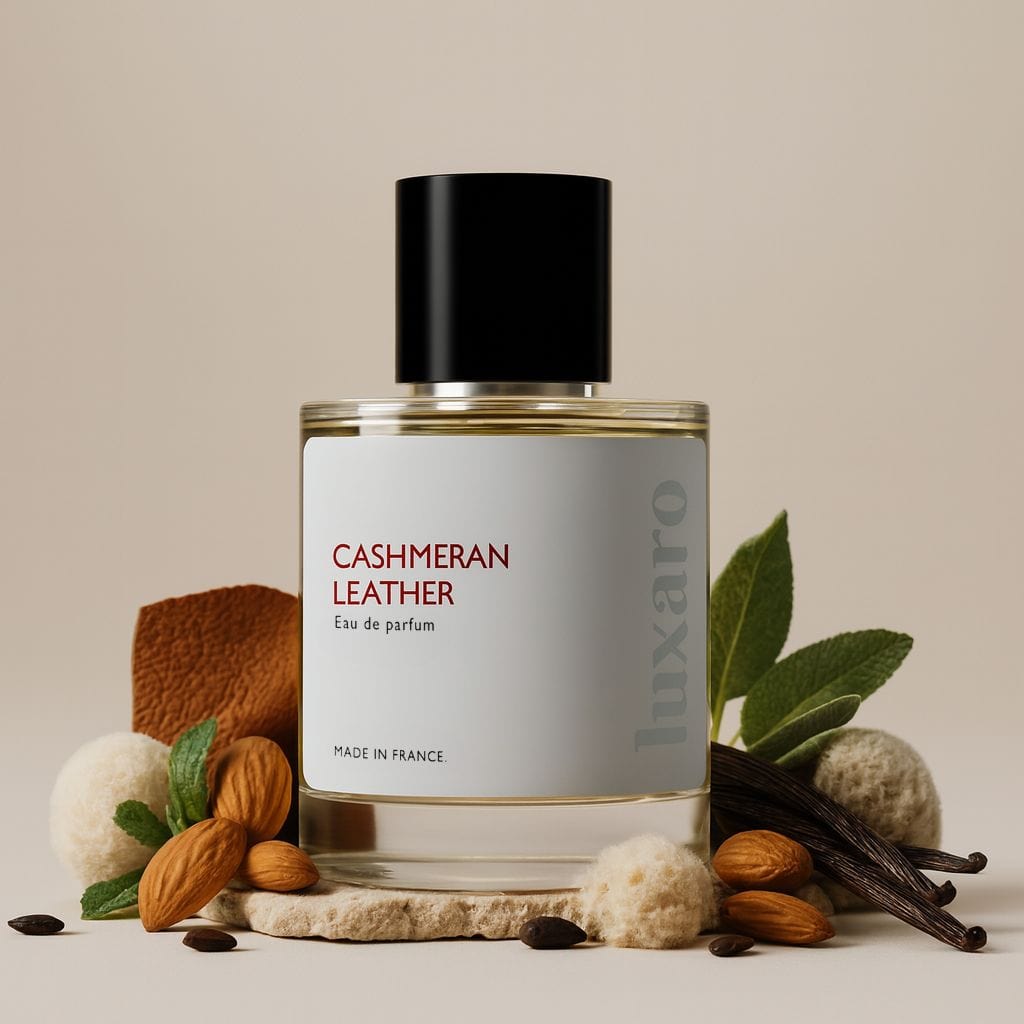
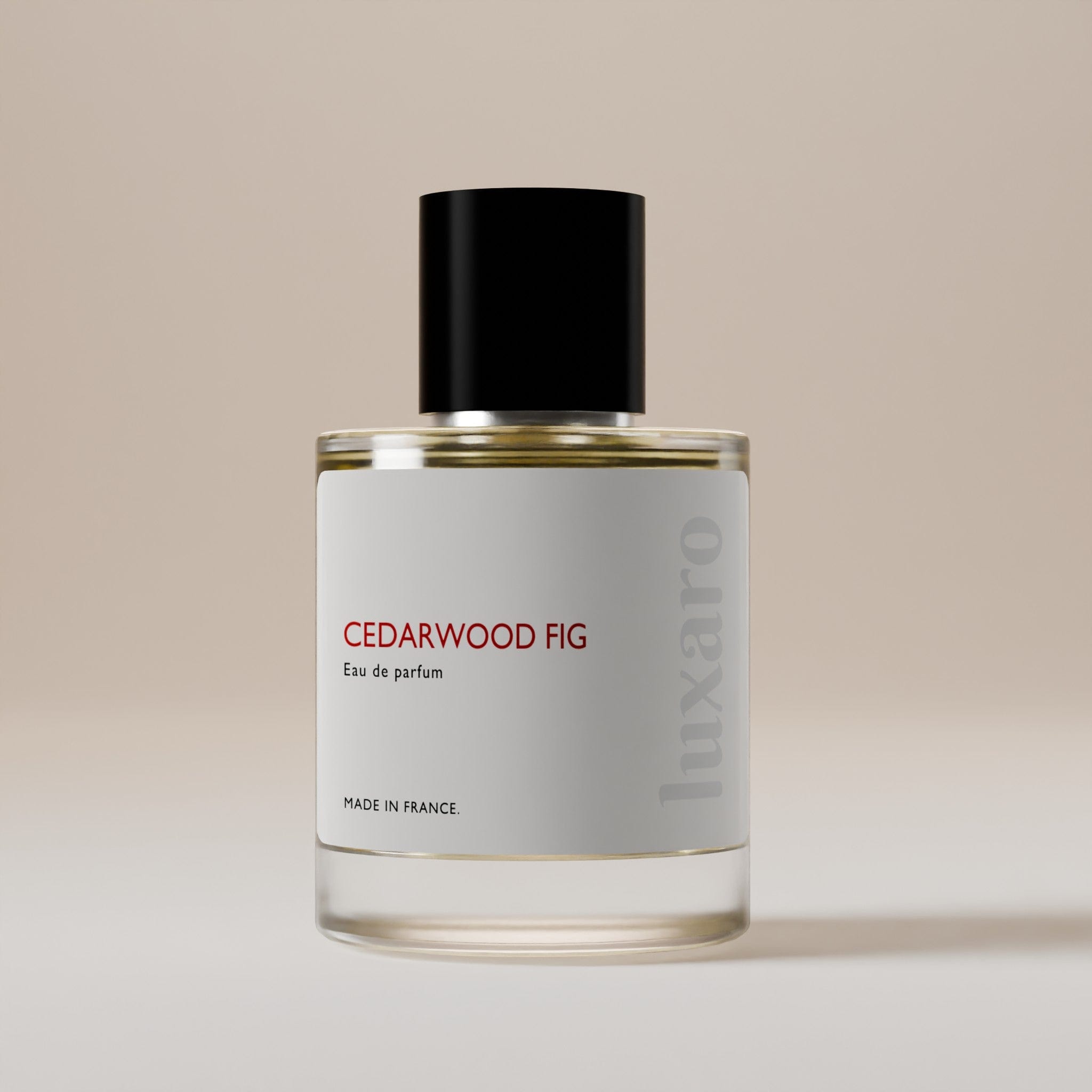
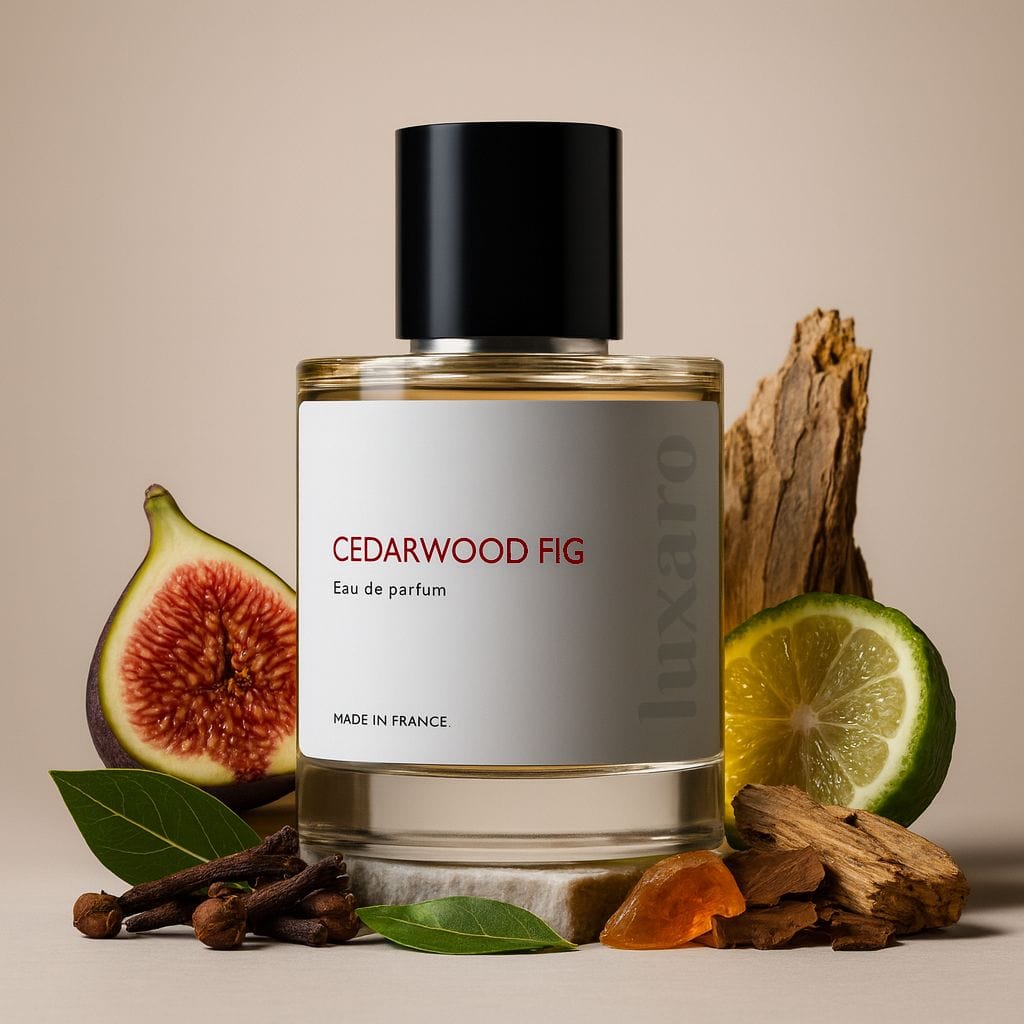
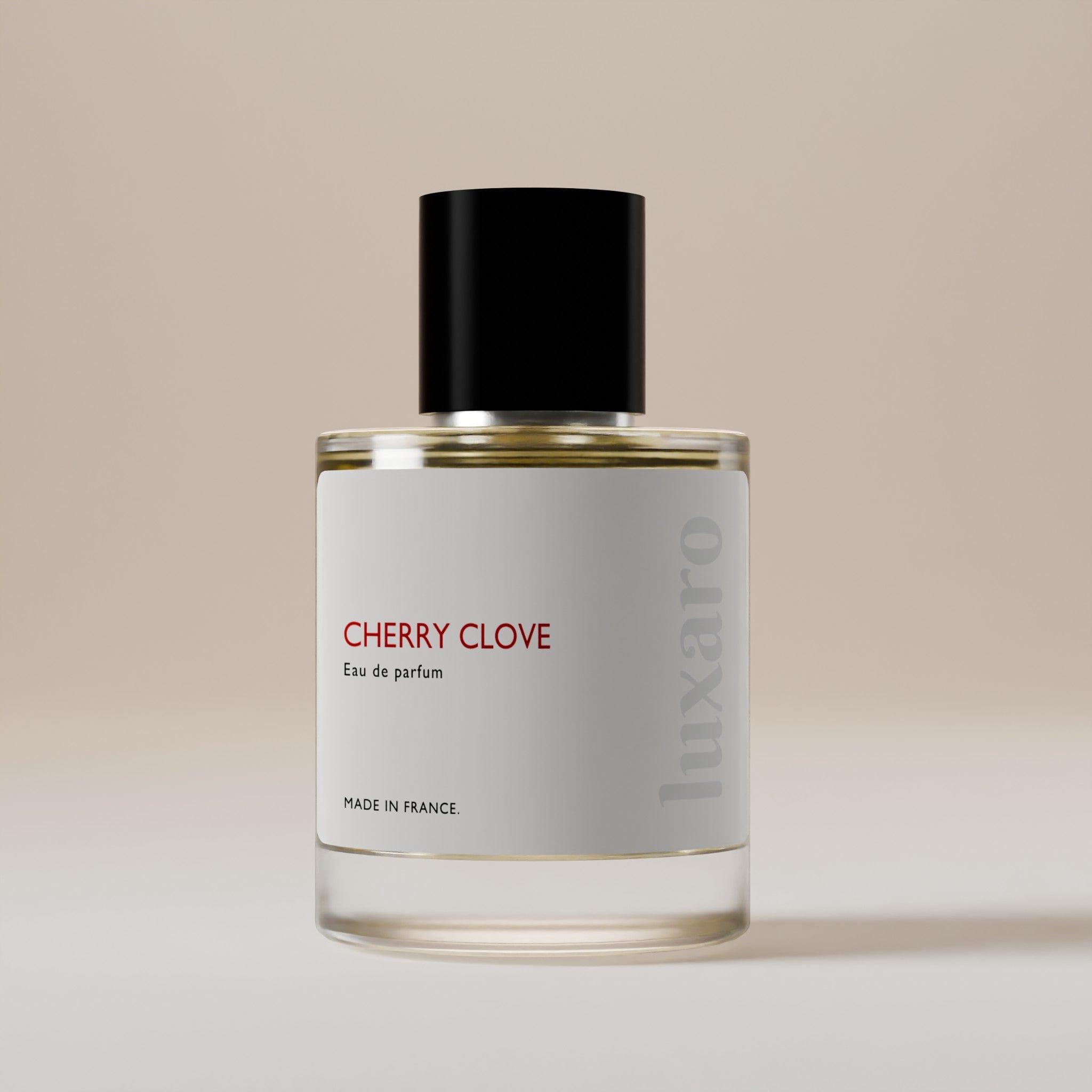
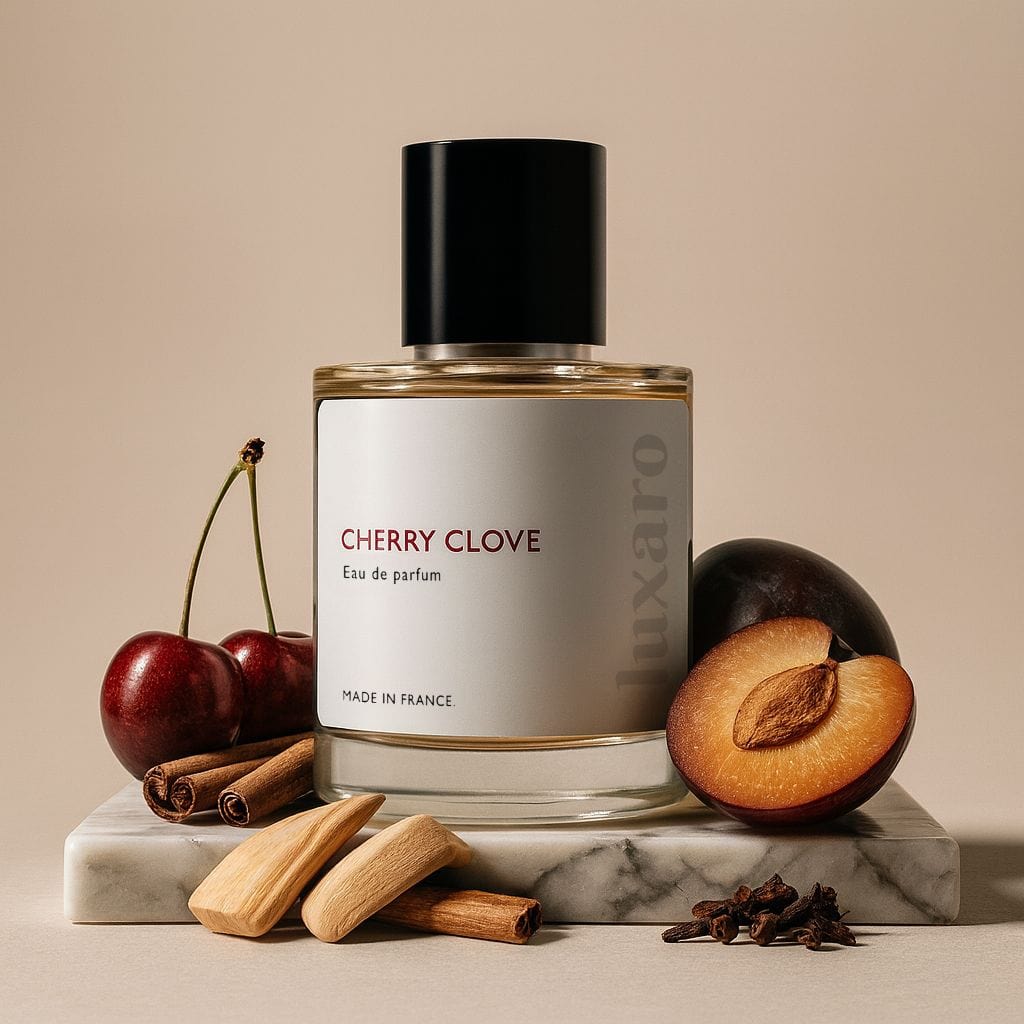
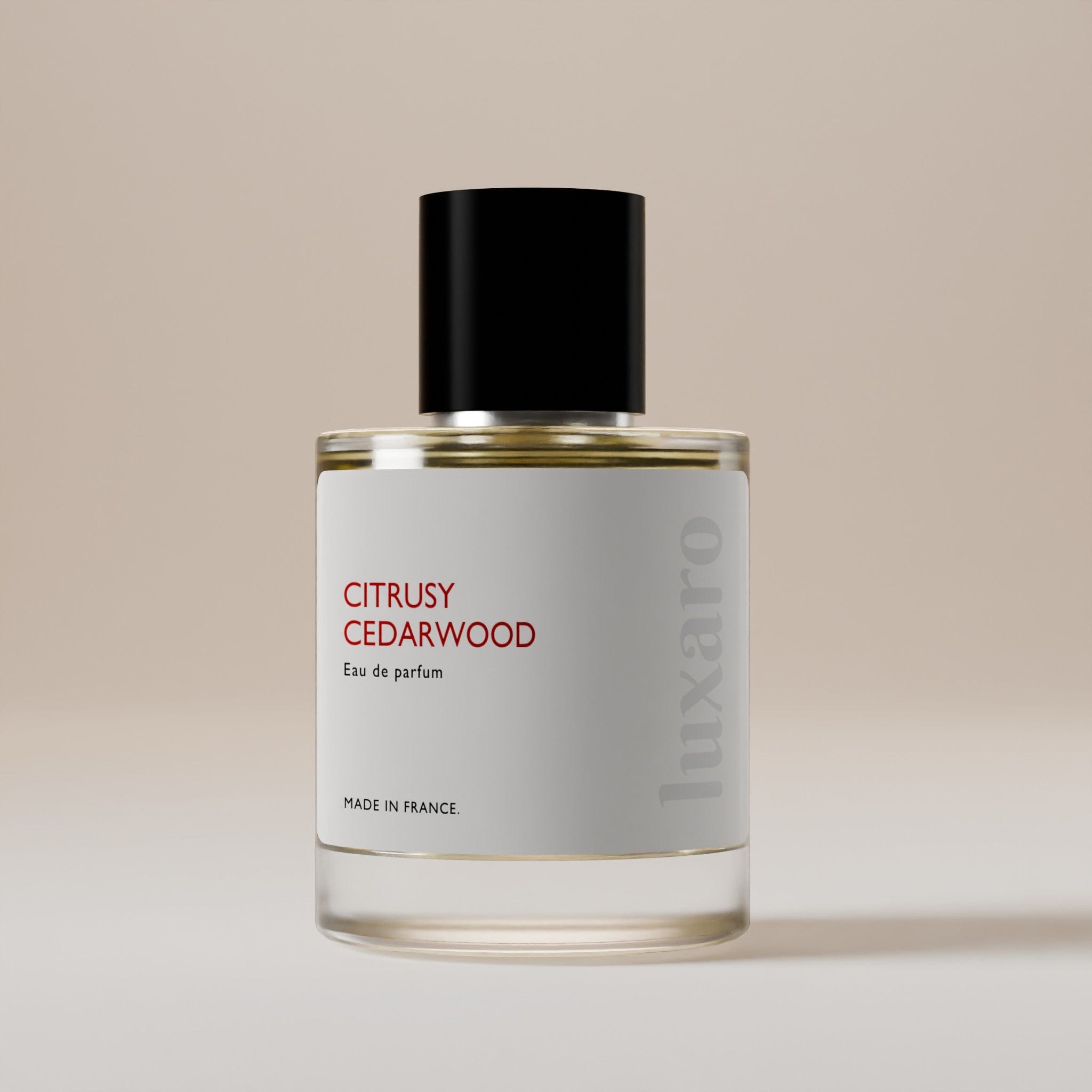
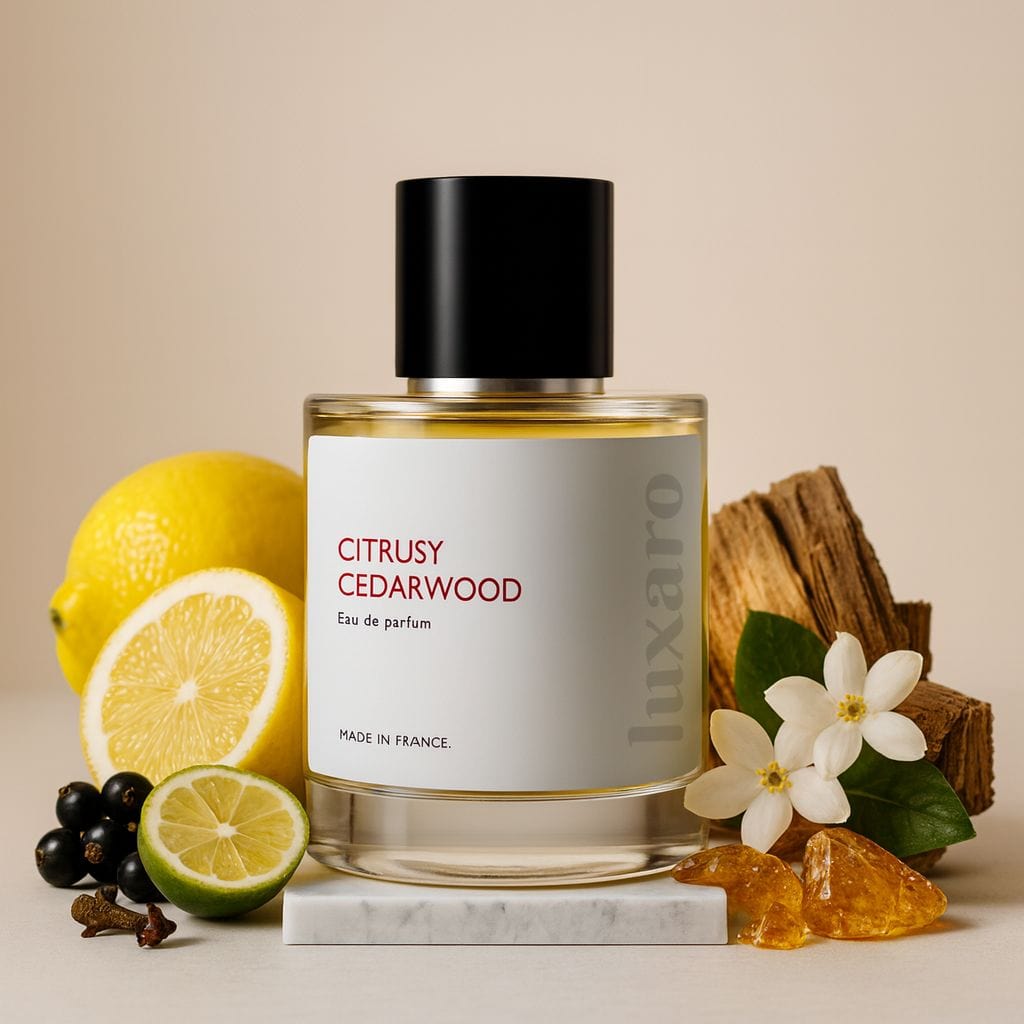
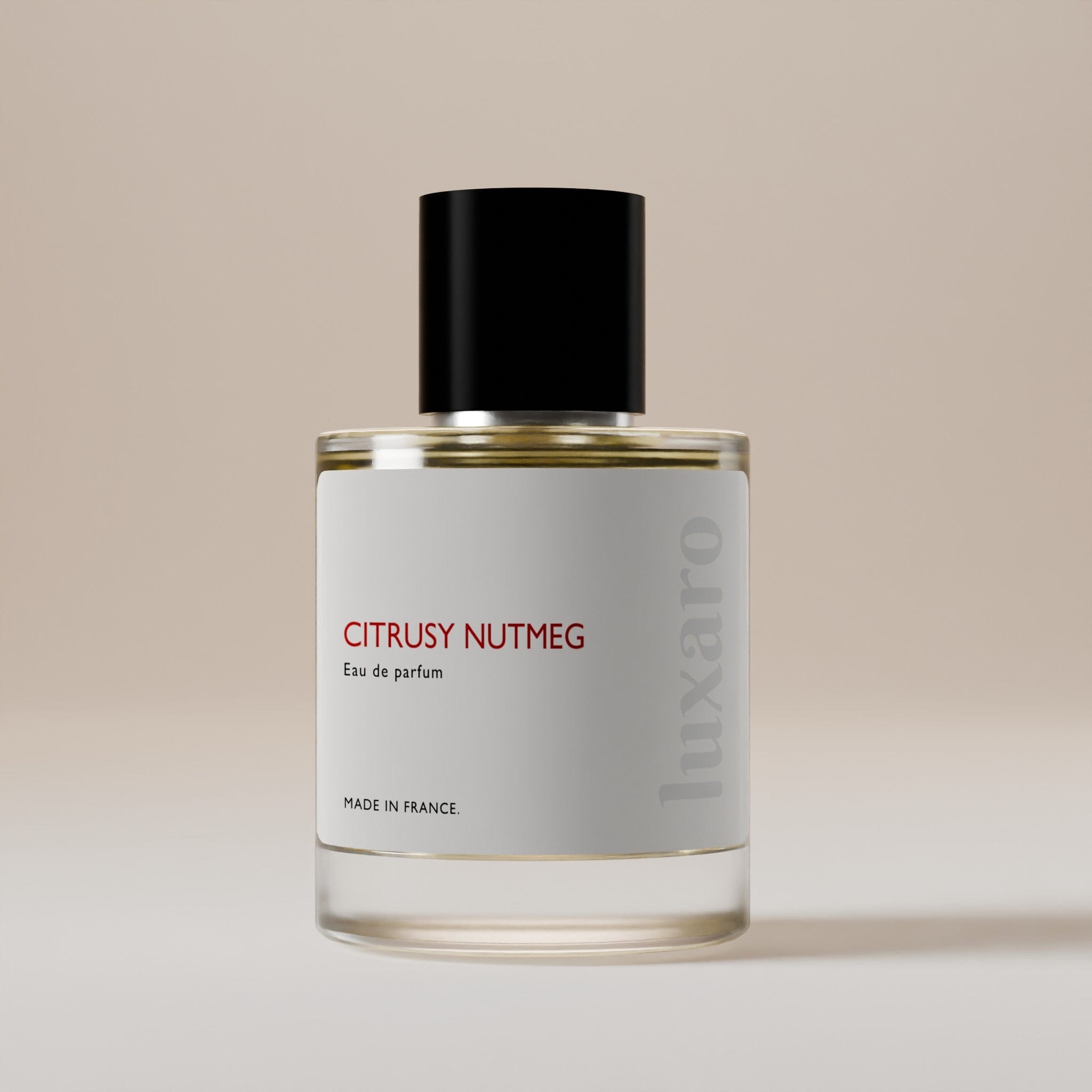
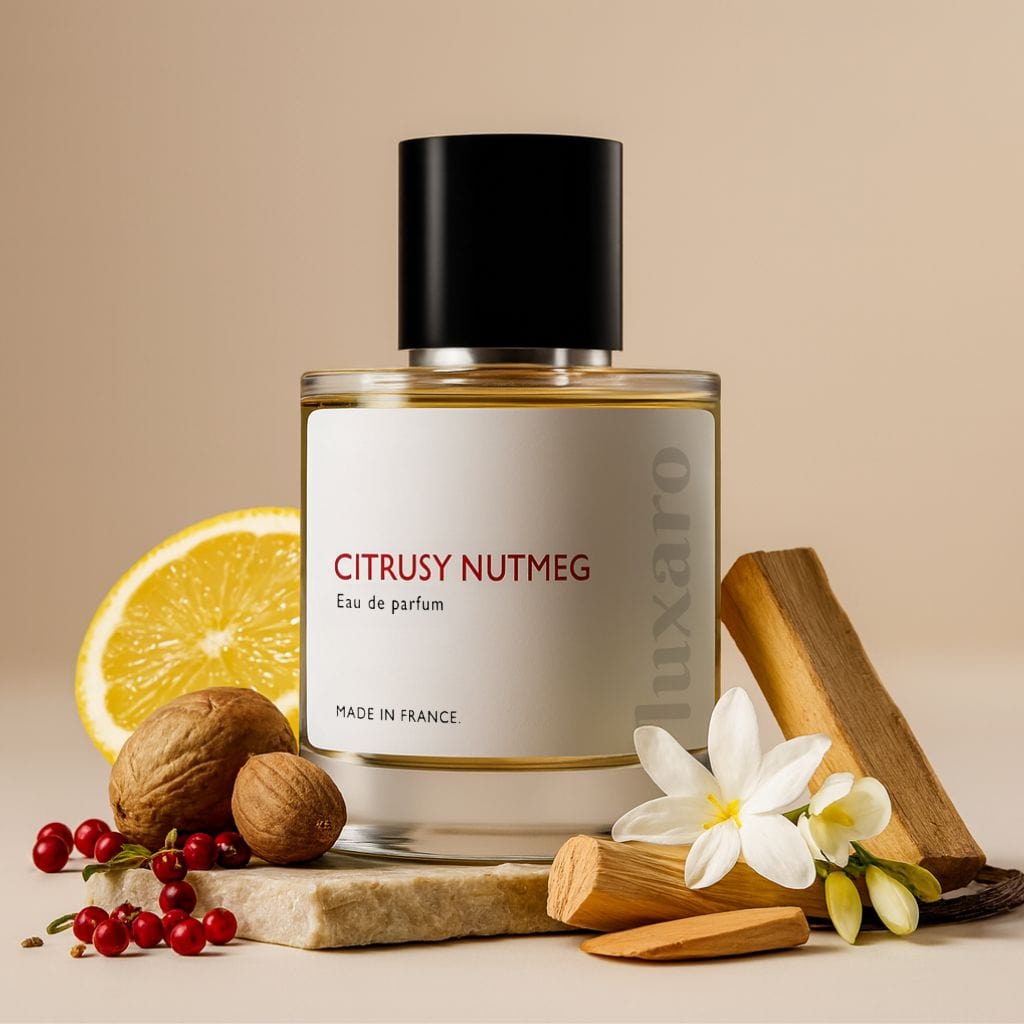
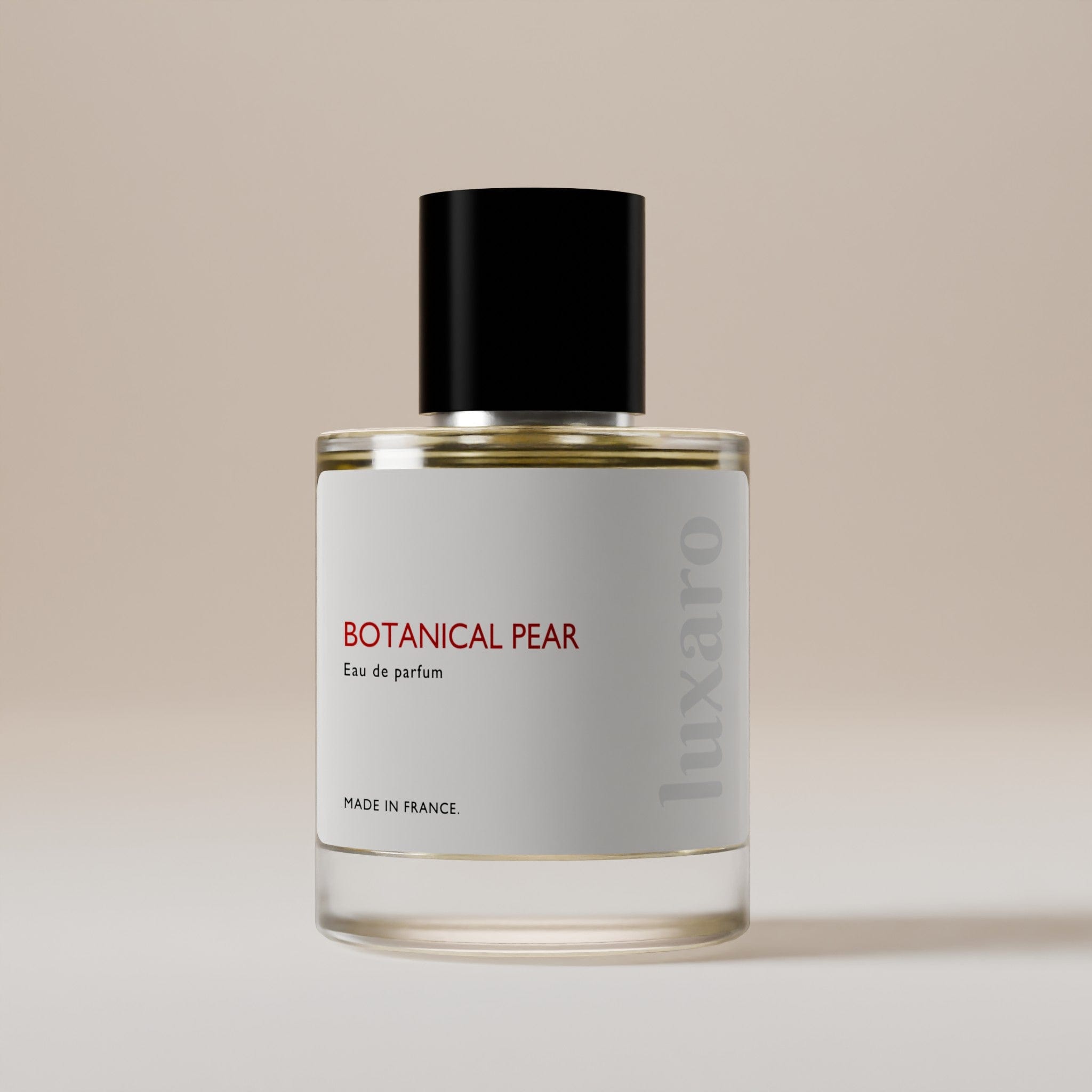
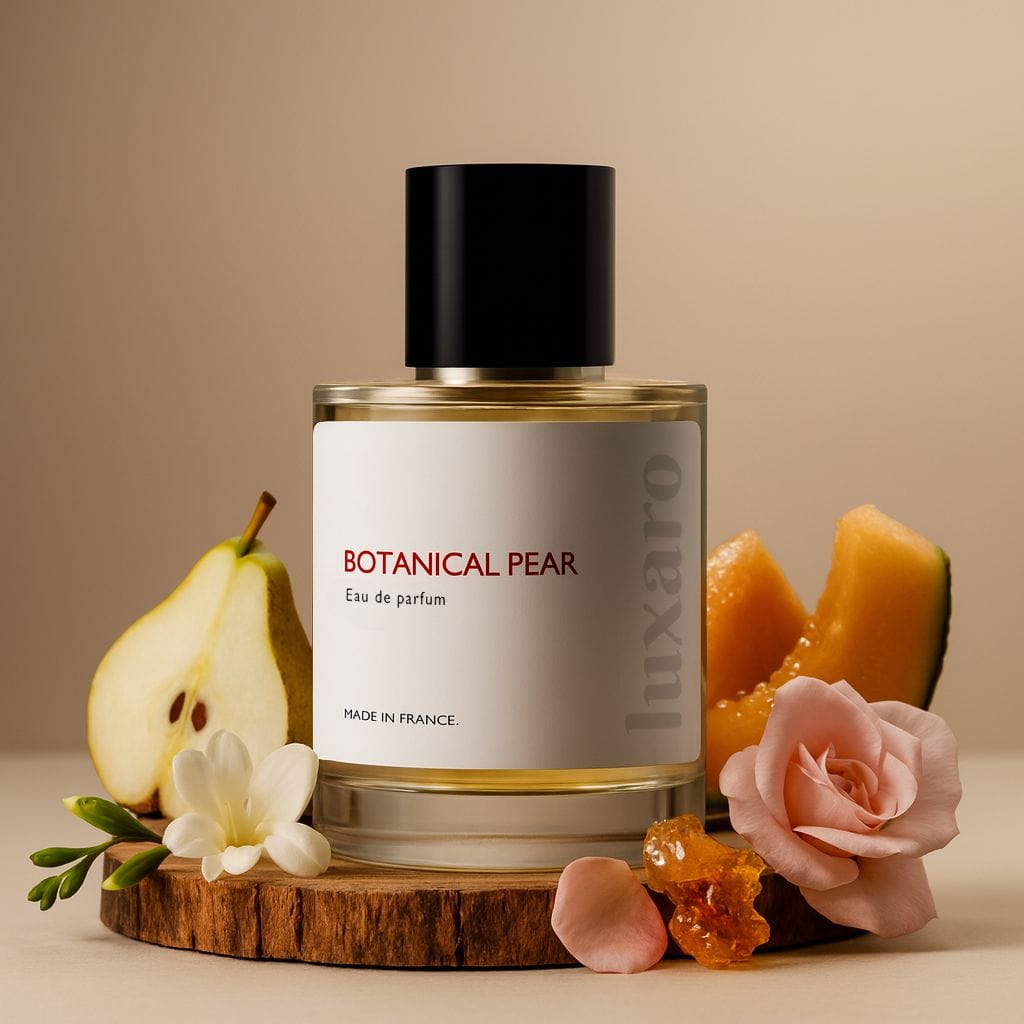
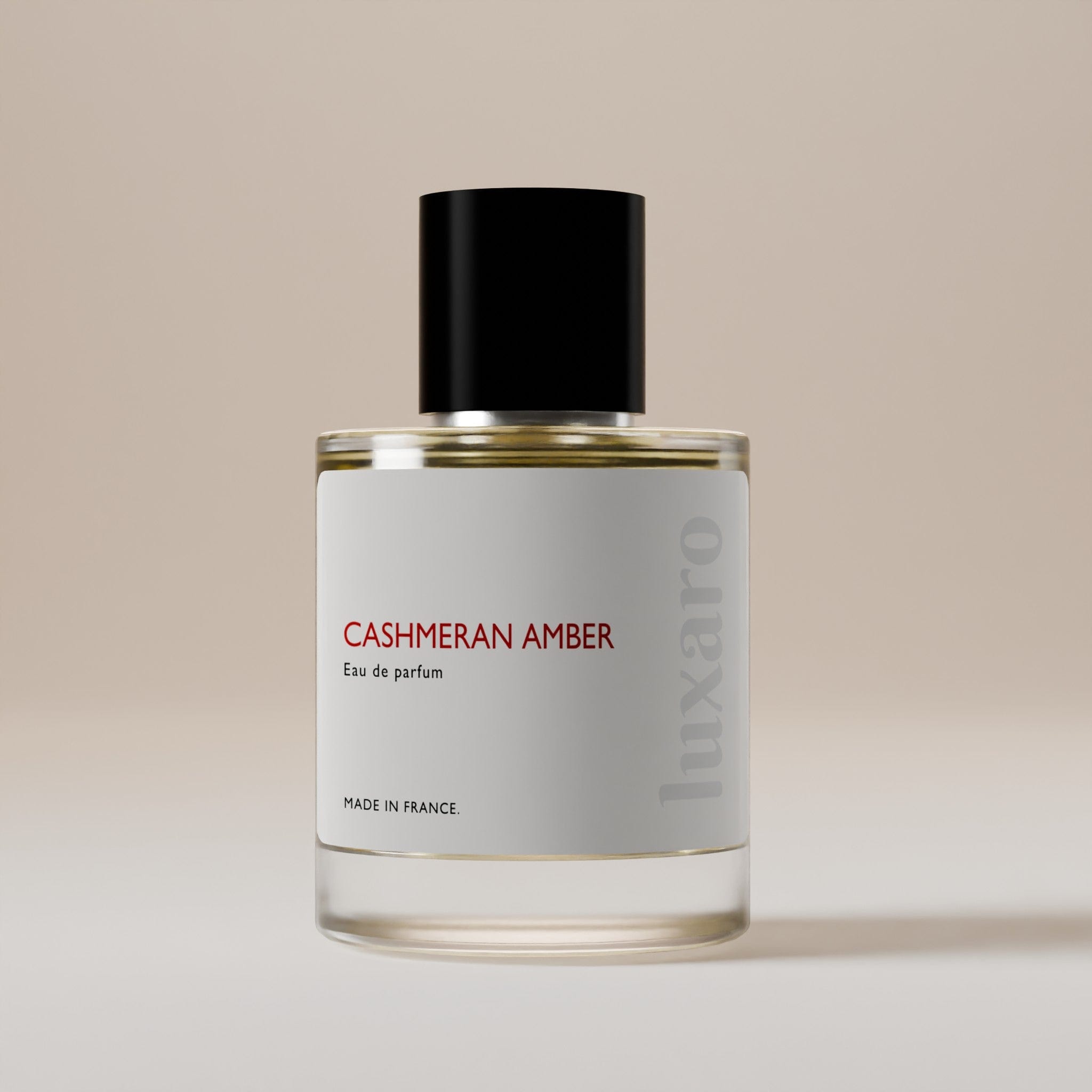
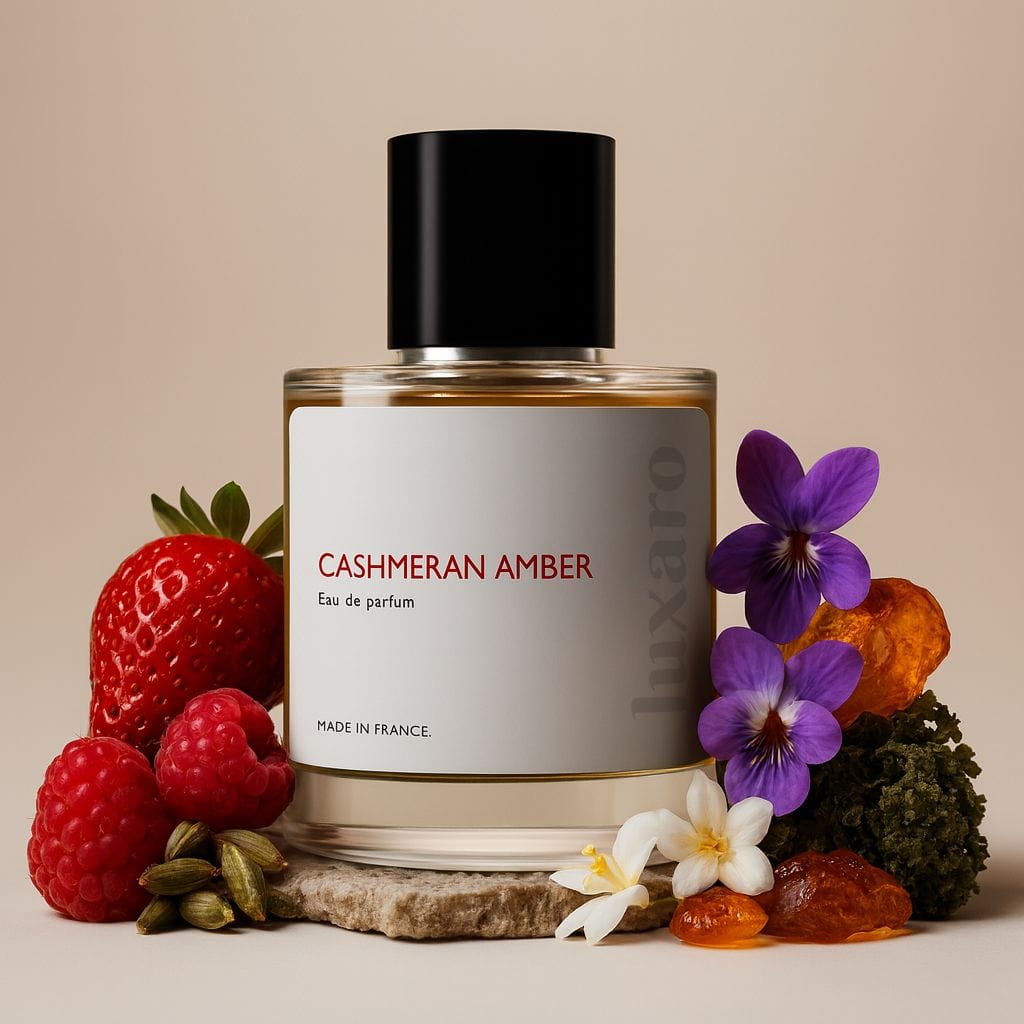
I've seen the value of this when working with our own perfumers. Before a fragrance sample is sent to me, it can be evaluated by more than ten experienced noses. By the time I receive it, several people have already smelled and assessed it. That's one reason why, in many cases, the first sample I receive is already very close to what I was hoping for. You can see one of the fragrances developed by our perfumers in Grasse as an example of the finished work.
A new manufacturer can buy modern equipment and good ingredients, but experience is something you can't buy overnight. It takes years of working with fragrances, making mistakes, solving problems, and learning how different ingredients behave. In my opinion, that's one of the most valuable things experienced perfumers bring to the process.
Does being based in Grasse give perfumers better knowledge of fragrance ingredients and raw materials?
Being part of the fragrance industry in Grasse can give perfumers access to a huge amount of knowledge about fragrance ingredients and raw materials, but simply being located in Grasse doesn't automatically make someone a better perfumer.
For me, the experience and knowledge of the individual perfumer still matter most.
One thing I've learned from working with our perfumers is that choosing ingredients isn't simply about finding something that smells nice. Different qualities of materials are available, and those choices can affect the character, balance, and cost of the finished fragrance.
I've been offered different quality options when discussing fragrances. In simple terms, there can sometimes be a cheaper option, a medium-quality option, or a higher-quality option using better available ingredients. My preference has always been to choose the highest-quality option available to us because customer satisfaction is my priority.
That doesn't mean simply choosing the most expensive ingredient will automatically create the best perfume. The perfumer still needs to understand how to use that ingredient and how it will interact with everything else in the formula. A great perfume comes from choosing suitable materials and knowing how to balance them properly.
Have your perfumers ever recommended using a more expensive ingredient because they believed it would produce a better fragrance?
Yes, there have been occasions when the quality and cost of ingredients have made a significant difference to what we could create.
When I'm given different quality options, I normally choose the highest-quality option available because I'd rather put more money into the fragrance than reduce the quality simply to save on production costs.
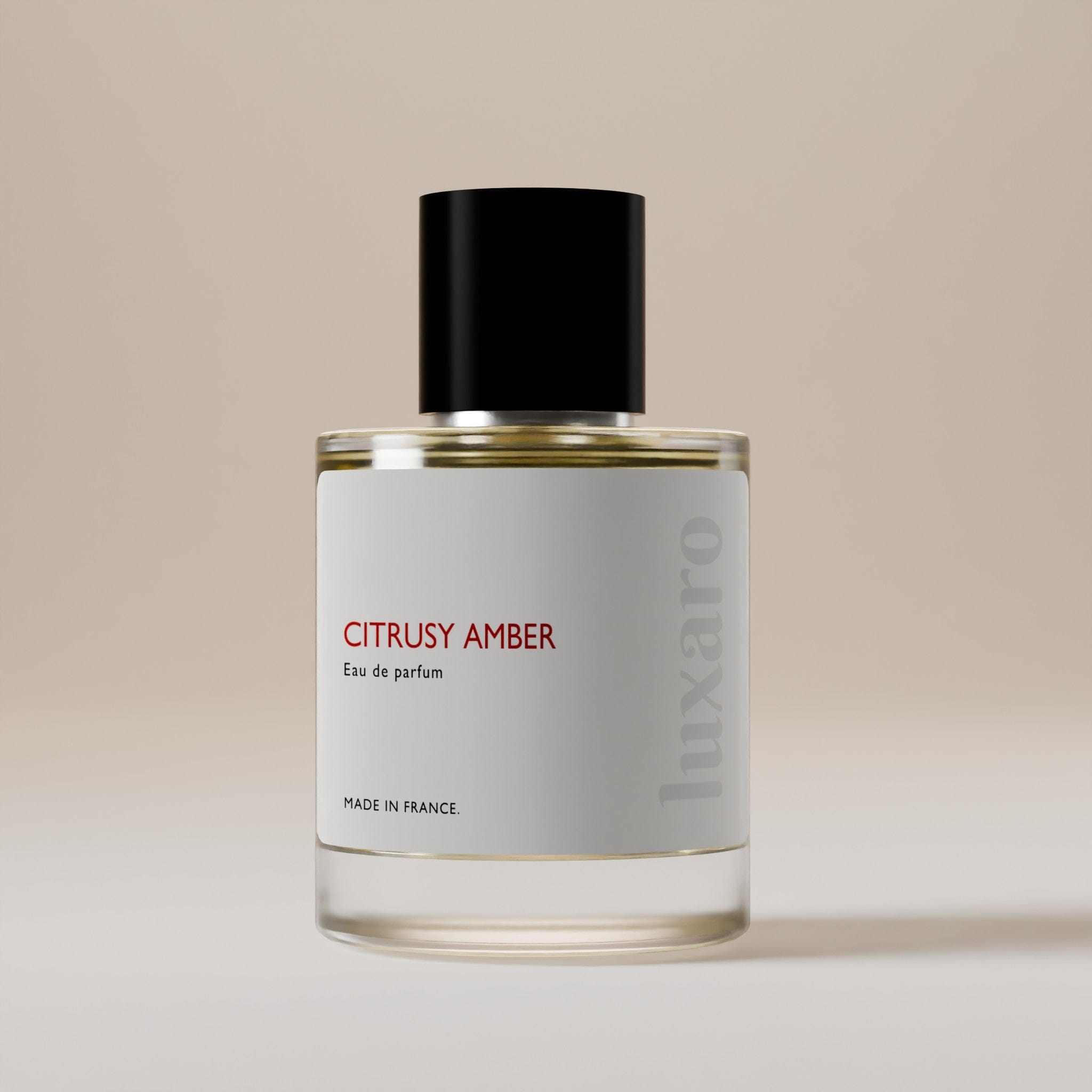
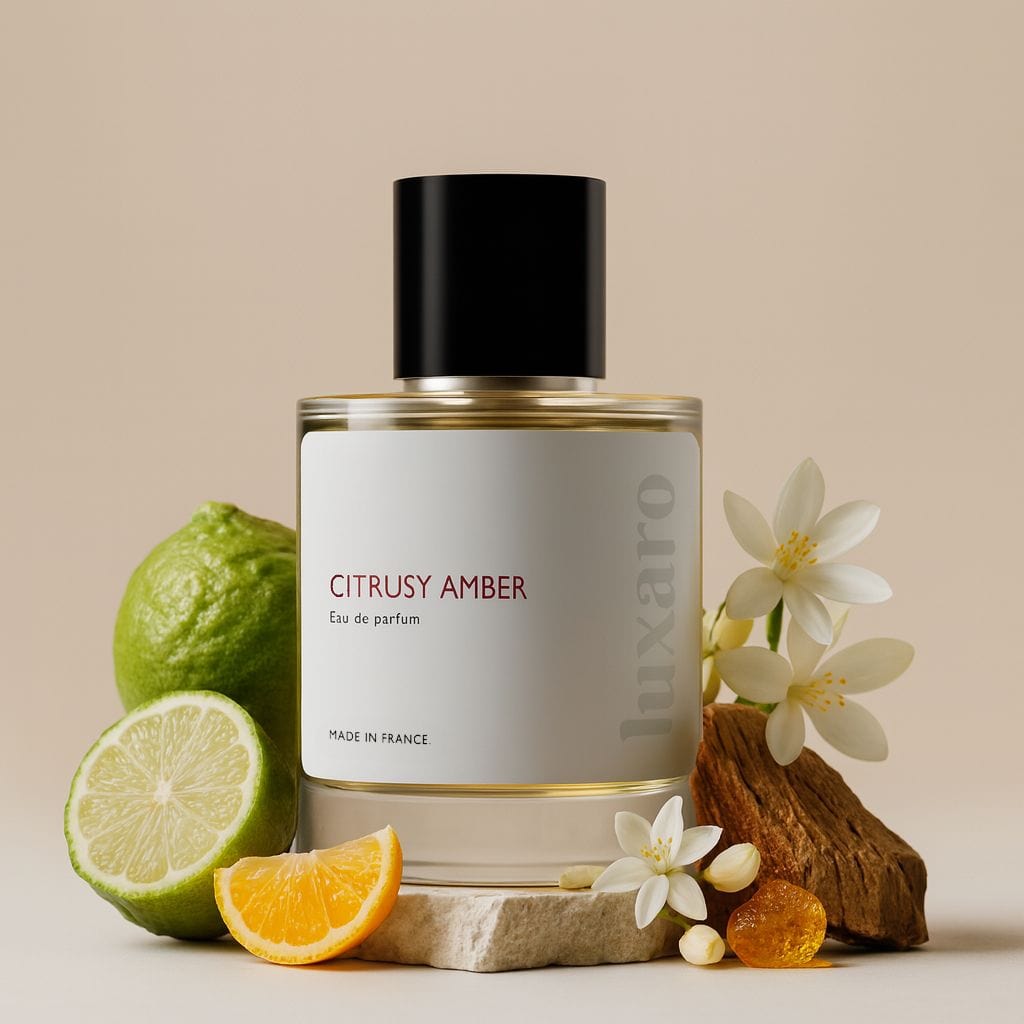
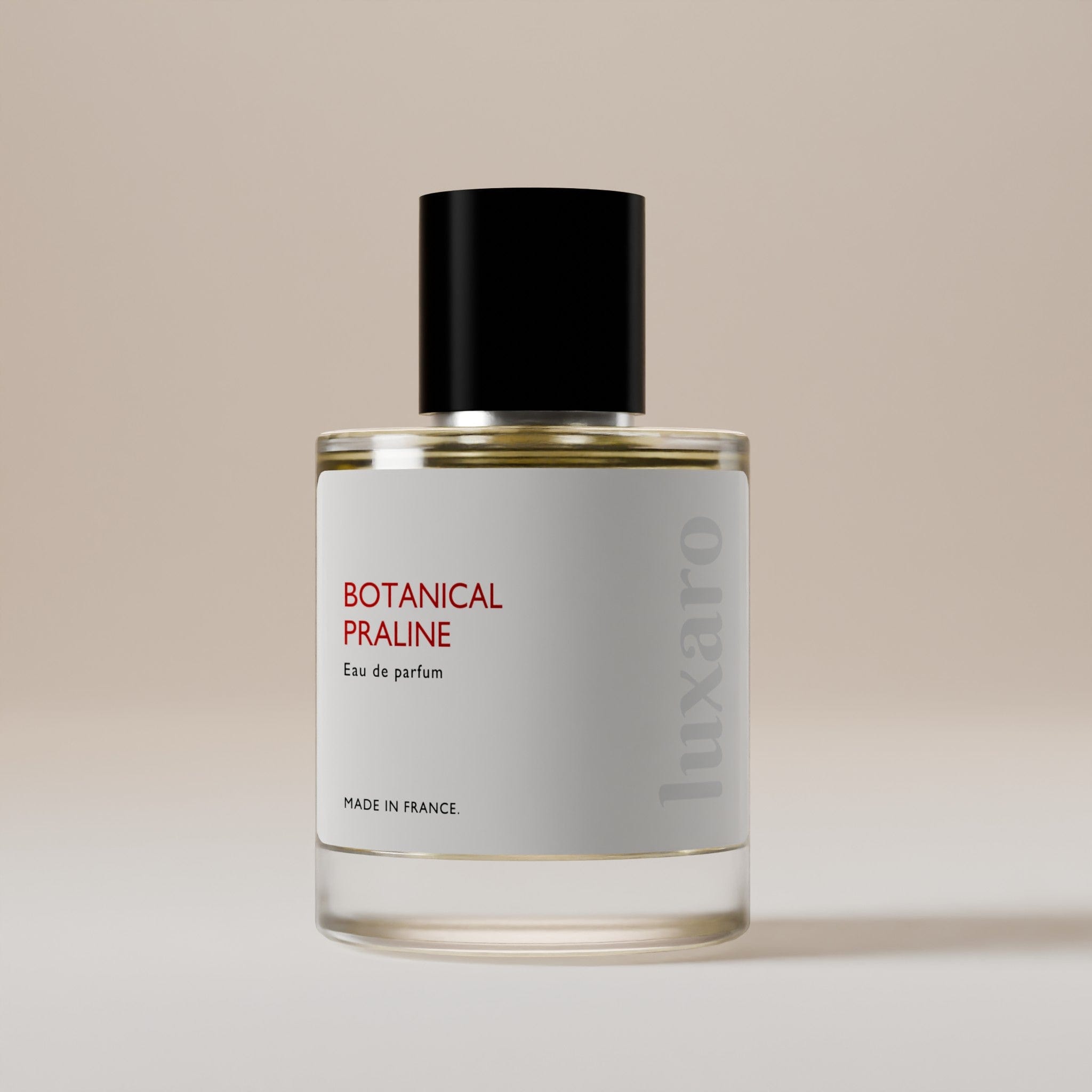
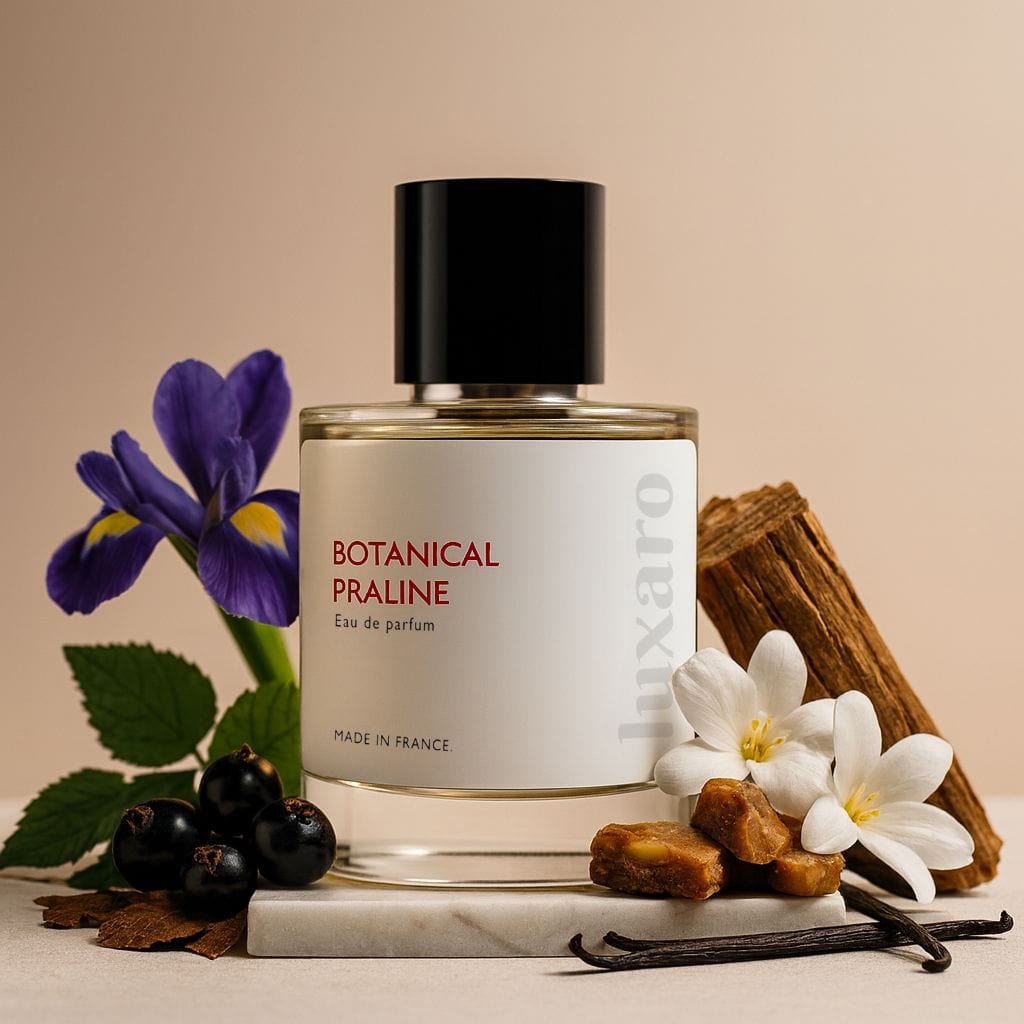
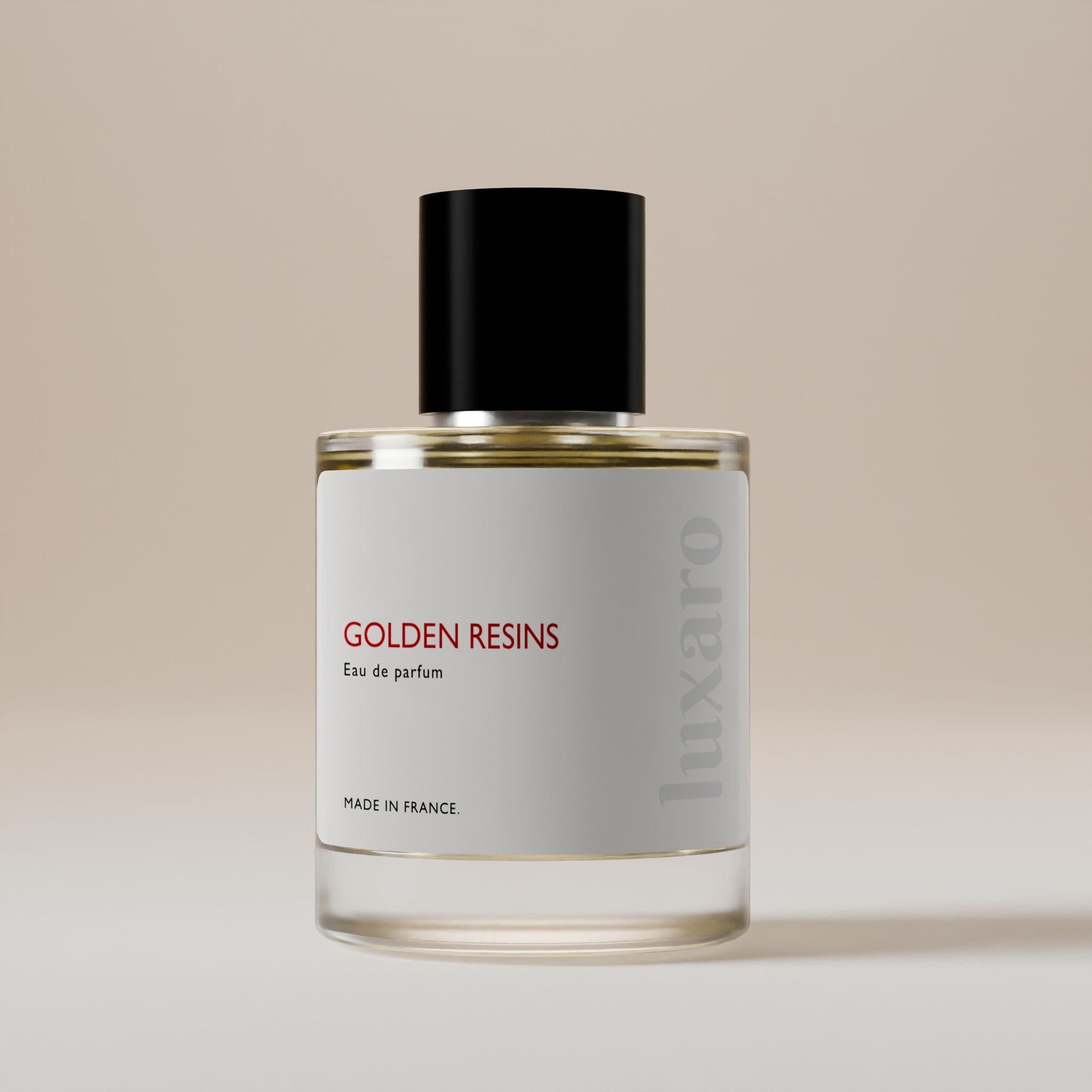
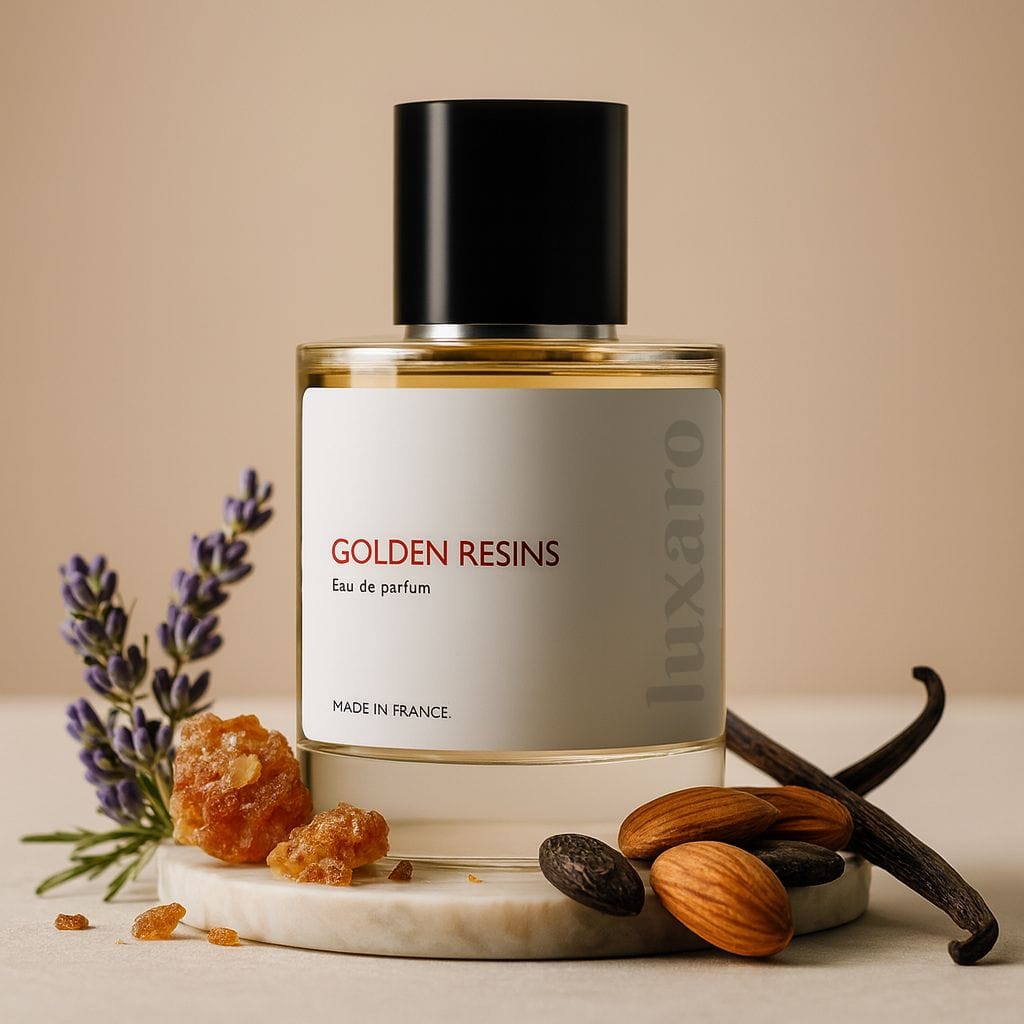
This is something I feel strongly about as a business owner. Customers are spending their hard-earned money with Luxaro, and I take that responsibility seriously. If I know there's an opportunity to produce a better fragrance by choosing higher-quality materials, that's generally the direction I want to take. That same thinking goes into a fragrance created with the same attention to quality.
At the same time, I've learned that ingredient cost is only one part of the picture. An expensive ingredient doesn't automatically make a fragrance good, just as a cheaper ingredient doesn't automatically make it bad. What matters is how everything works together.
This is where having experienced perfumers becomes particularly important. They understand where choosing a higher-quality or more expensive material can genuinely improve the fragrance and where spending more may not make a meaningful difference to the finished result.
Do you think luxury perfume brands choose Grasse because of quality, reputation, tradition, or a combination of all three?
I think luxury perfume brands choose Grasse because of a combination of quality, reputation, tradition and, most importantly, the experienced people who have built their careers there.
The name Grasse certainly carries weight in the perfume industry. It has a long history connected with fragrance, and that reputation attracts brands from around the world. However, I don't think reputation alone would be enough to keep brands coming back generation after generation. At some point, the work itself has to justify that reputation.
After visiting Grasse and working directly with perfumers there, my personal view is that the people are the most important part.
Buildings can be replaced, and modern equipment can be installed almost anywhere. What you can't quickly replace is someone who has spent 30 or 40 years learning their profession and developing their nose.
That's why I believe Grasse remains important to the fragrance industry today. Its history created the foundation, but the knowledge and experience that continue to exist there are what make it relevant to modern perfume brands. If you'd like to understand more about its history and reputation, I've also explained why Grasse became known as the perfume capital of the world.
Can you share an example of a particularly difficult or expensive fragrance your perfumers in Grasse worked on?
Yes. One particular fragrance I really wanted to add to the Luxaro collection turned out to be much more complicated to develop than we initially expected.
The formula was complex and required some unusual and expensive ingredients, so the development process took nearly two months. When we looked at the final cost, just one kilogram of the perfume oil was going to cost us more than €3,000. Once the concentration of perfume oil and the other production costs were considered, the finished fragrance could have cost us more than £50 per bottle before considering the other costs involved in running the business.
That experience taught me a lot about why some perfumes can be much more expensive to produce than others.
You can't judge the cost of creating a perfume simply by looking at the size of the bottle. Two perfumes can both come in 50ml bottles but have completely different production costs because the formulas and ingredients inside them can be very different.
It also showed me why some fragrances take much longer to develop. Sometimes a perfumer is working with a particularly difficult structure or materials that are expensive or harder to work with. You can't always rush that process without compromising the result.
Do you think having a perfume made in Grasse automatically means it will be high quality?
No, having a perfume made in Grasse doesn't automatically mean it will be high quality because the location alone can't guarantee the quality of the finished fragrance.
I think it's important to be clear about this. Simply putting "Made in Grasse" on something shouldn't be treated as proof that the perfume itself is excellent.
The people creating the fragrance matter. The ingredients they choose matter. The formula, manufacturing process and quality control matter as well. Even what happens after the perfume oil has been developed can affect the finished product.
For example, after our perfumers have finished creating the perfume oil, there's still more work to do. The oil goes through the manufacturing process, where it's blended with perfume alcohol and allowed time for maceration before the finished fragrance is bottled.
For readers concerned about this ingredient, our guide to whether perfume containing alcohol is halal compares recognised scholarly positions and explains Luxaro’s use of Alcohol Denat.
For me, Grasse is important because it's where I found the experienced people I trust to create Luxaro fragrances. I wouldn't say a perfume is good simply because it comes from Grasse. I'd judge it by the quality of the finished fragrance and the work that went into creating it.
That distinction becomes clearer when you understand what “Made in France” means on perfume and why origin is only one part of judging quality.
From your experience building a UK fragrance brand, does choosing to have fragrances created in Grasse make running the business more expensive or complicated?
Yes, choosing to work with experienced perfumers in Grasse can make running a UK fragrance brand more expensive and can involve longer production times than simply buying ready-made perfume oils, but for me, the finished result makes that worthwhile.
Luxaro is based in the UK, while our perfumes are made in Grasse, France, so naturally there are more things to manage than if I simply bought ready-made oils and produced everything as quickly and cheaply as possible.
Developing a fragrance can take several weeks. Once the perfume oil is ready, the manufacturing and maceration process takes additional time. It means I have to plan ahead and accept that creating a fragrance properly isn't always a quick process.
There are certainly easier ways to run a fragrance business. Ready-made oils can be purchased, and fragrances can be produced much more quickly. That may work for some businesses, but it wasn't the route I wanted to take with Luxaro.
I'm prepared to accept longer production times and higher costs because my priority is the product customers eventually receive. If someone chooses to spend their money with us, I want to feel confident that we've done everything reasonably possible to give them a fragrance they'll genuinely enjoy wearing.
If someone asked you, "Why would a perfume brand go all the way to Grasse when it could have its fragrances made more cheaply somewhere else?", what would your honest answer be?
My honest answer would be that a perfume brand may choose Grasse because sometimes the cheapest and fastest option isn't the best option for what you're trying to create.
For Luxaro, I wanted to work with people who had genuine experience in perfumery and who understood the level of quality I expected. I wasn't looking for someone who could simply supply ready-made perfume oils at the lowest possible price. I wanted experienced perfumers who could develop fragrances for us and take the time to get them right.
Working with perfumers who have more than 40 years of experience gives me confidence in what's being created. I've visited them, I've seen where they work, and I've learned much more about the amount of time and effort that goes into developing a fragrance.
Could I have chosen a cheaper and faster route? Yes. But that wasn't the reason I created Luxaro.
I wanted to build a UK-based fragrance brand that I'm proud to put my name behind, with our perfumes made in Grasse, France, by people I trust. For me, that's worth the additional time, effort, and cost.