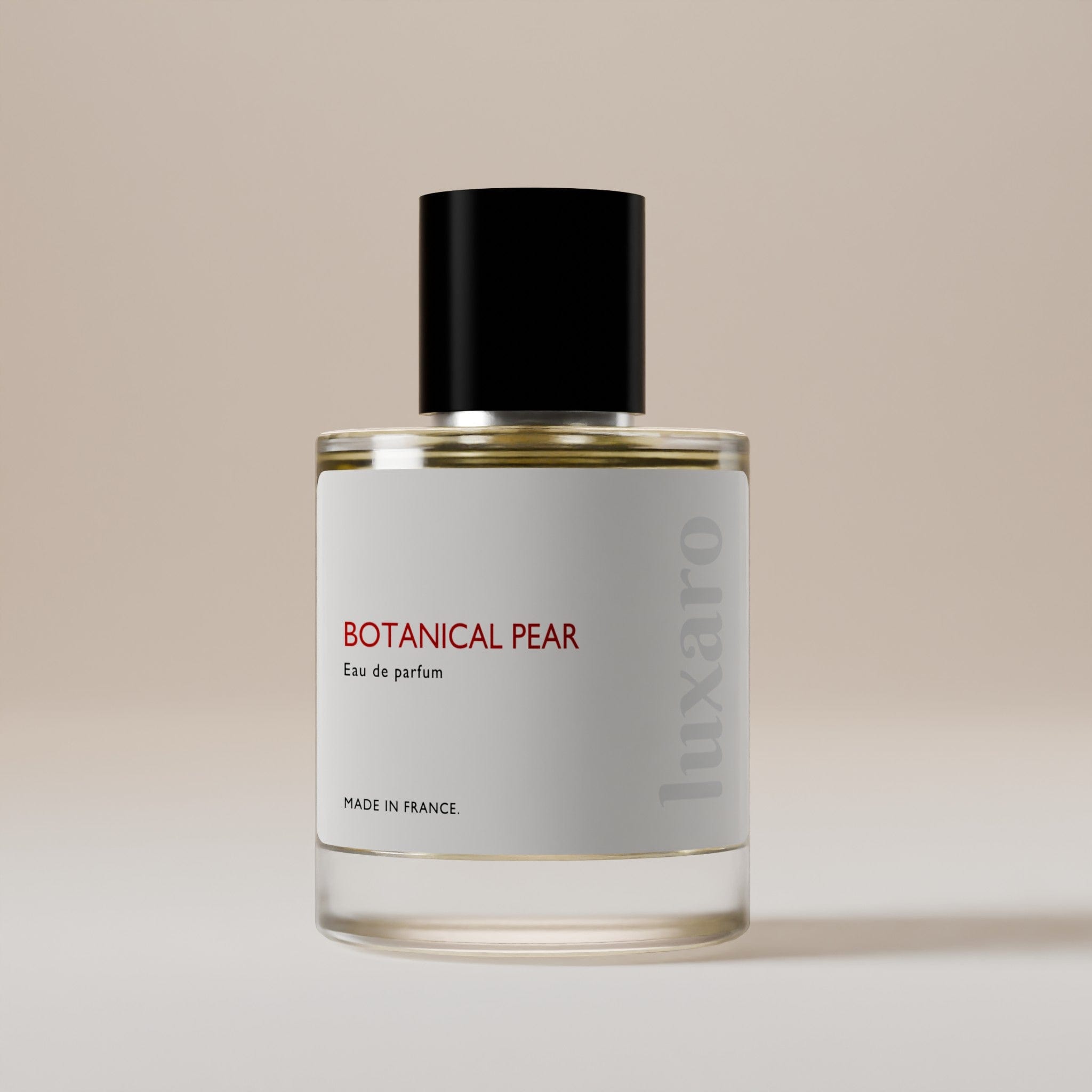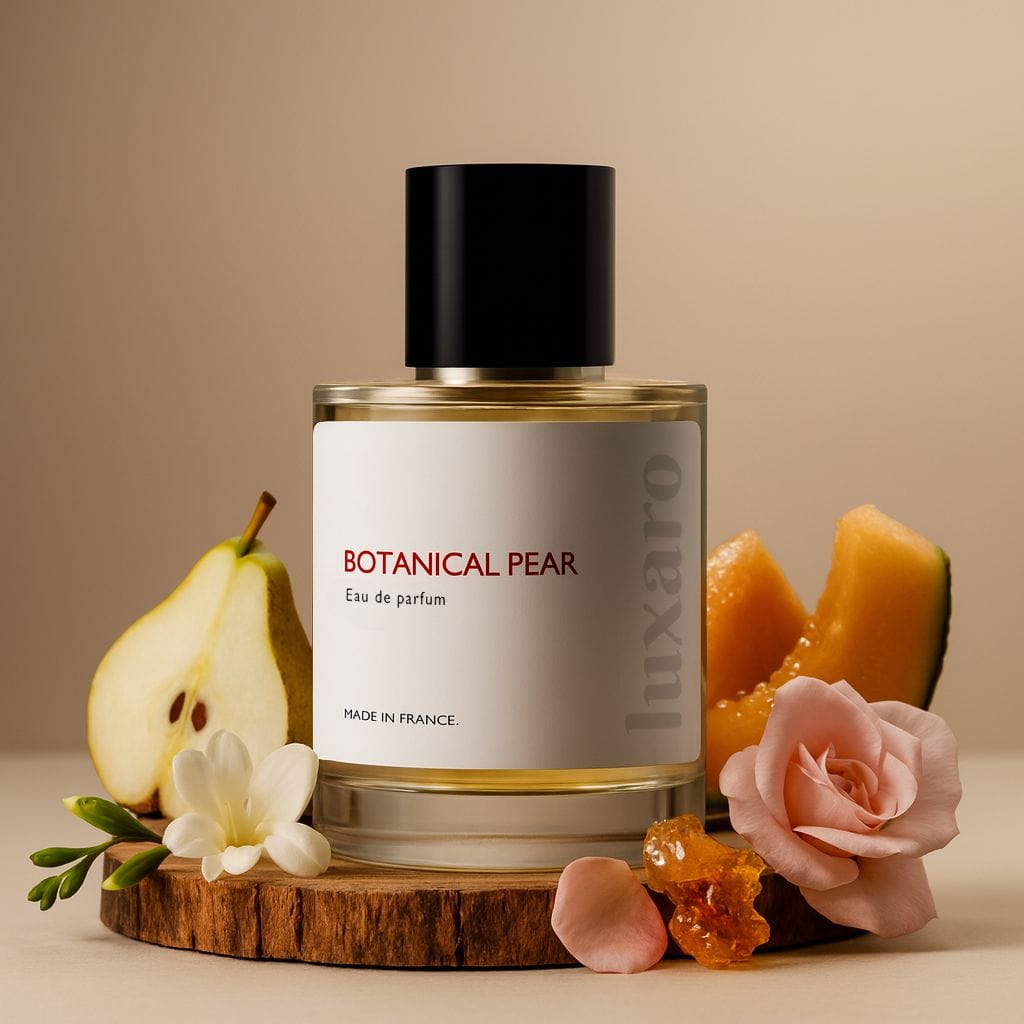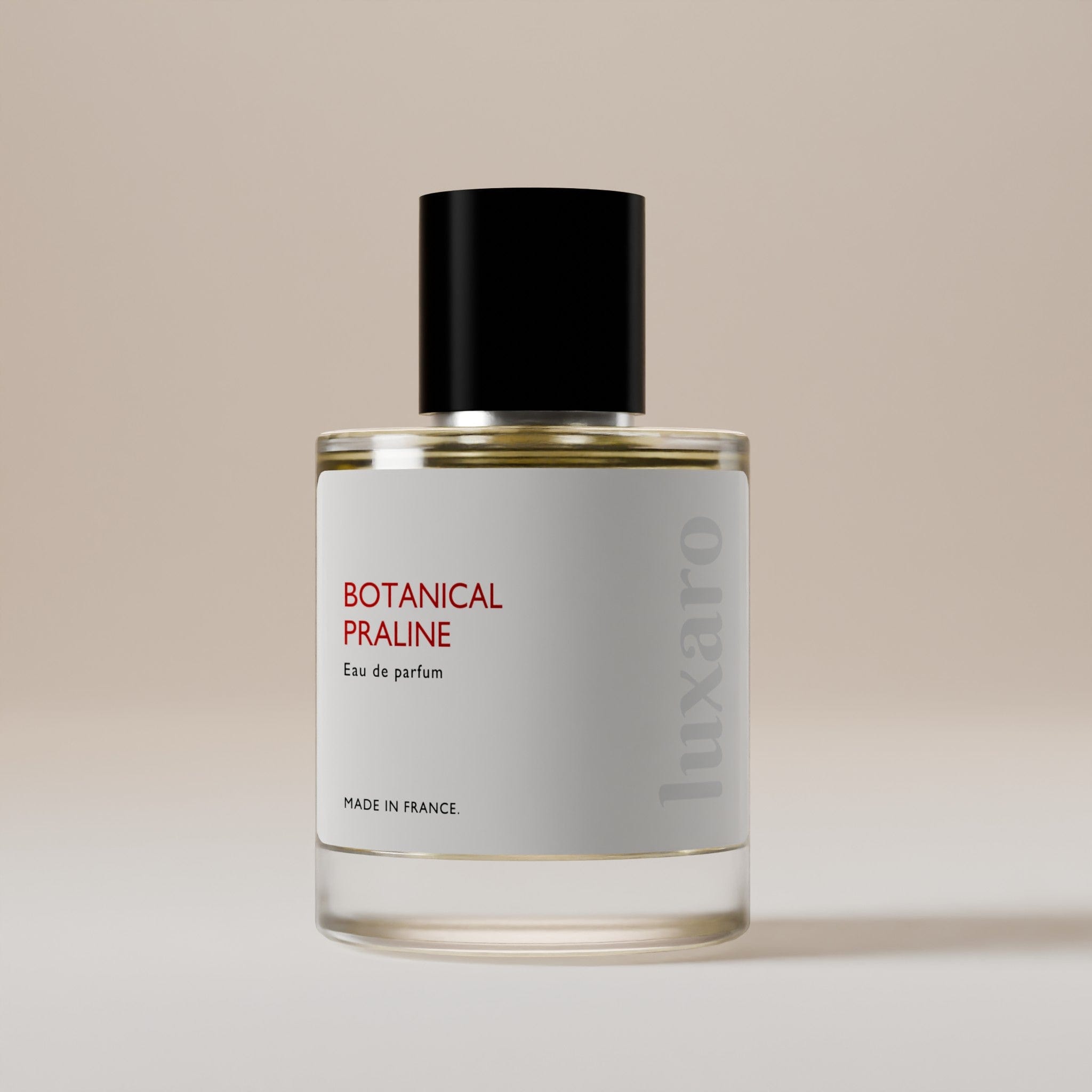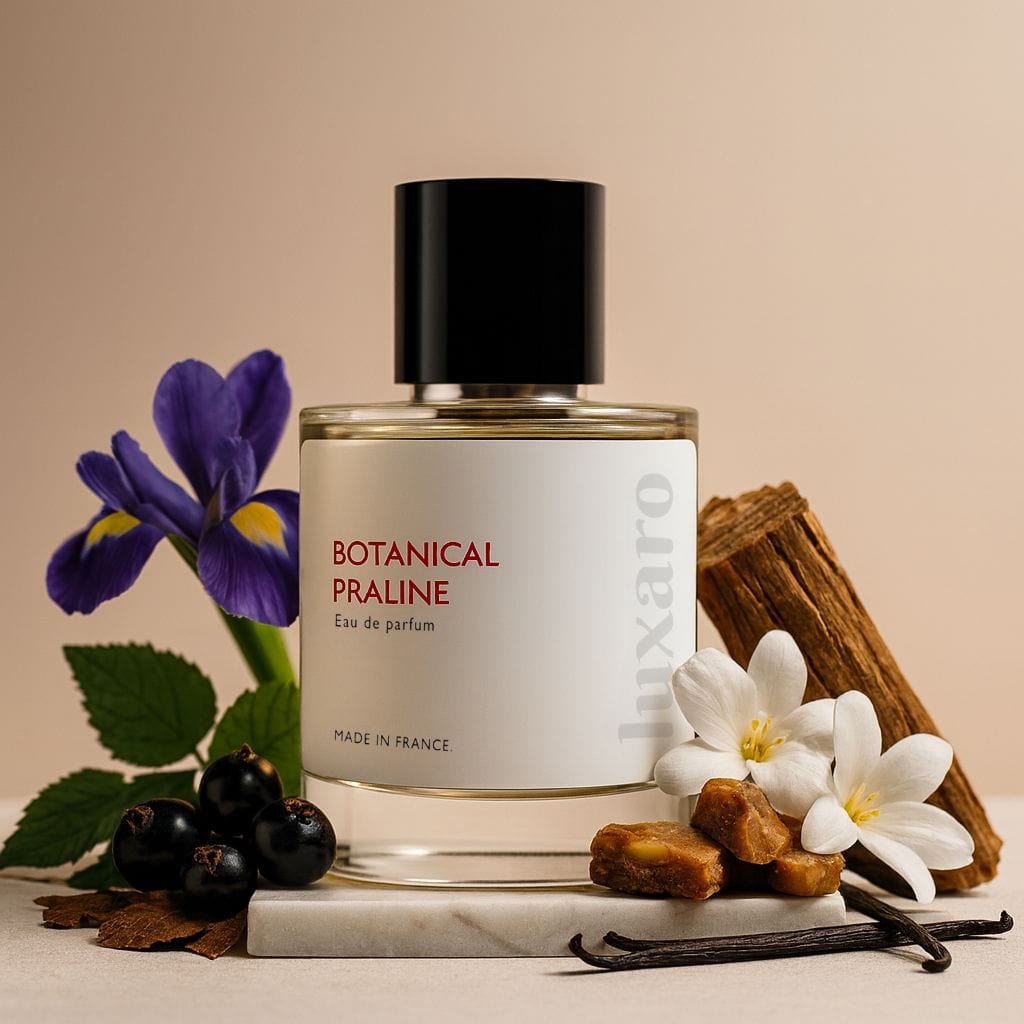

Perfume fixatives are materials, or combinations of materials, that help control how a fragrance evaporates, support its drydown and improve its lasting character. They can make a perfume remain noticeable for longer, but they are not a magic ingredient, and adding more does not automatically produce a better or stronger fragrance.
One thing I have learned from working with our experienced perfumers in Grasse is that fixation is part of the whole composition. A perfumer has to consider how the opening, heart and base interact, how the scent changes on skin and whether it still retains the intended character several hours after application.
That is a more useful way to understand fixatives than imagining a single substance that traps every other note inside the perfume.

What Does a Perfume Fixative Actually Do?
A perfume fixative influences how fragrance materials evaporate or are released, helping the composition develop in a controlled way and supporting materials that remain noticeable during the drydown.
Perfume works because aromatic materials enter the surrounding air and reach your nose. Those materials do not all behave identically. Some make an immediate impression and soften relatively quickly, while others evaporate more slowly or remain perceptible at lower concentrations.
A fixative can affect that pattern, but it does not freeze the opening in place. Citrus, herbs and other bright materials will still soften as the perfume develops. The aim is usually a smoother, more balanced transition rather than making every part smell unchanged for hours.
A published study of fragrance evaporation and absorption from skin compared otherwise identical mixtures with and without a musk fixative. It found different evaporation profiles, showing that interactions between fragrance materials can change how a mixture behaves after application.
Are Fixatives the Same as Base Notes?
No. Base note and fixative are related terms, but they describe different things.
A base note describes part of the scent’s development. It usually refers to the deeper character that becomes more prominent during the drydown and tends to remain noticeable later.
A fixative describes a material’s role within the formula. Some base materials also help fixation, but not every base note has been included primarily for that technical purpose. A material may contribute scent, depth, texture, diffusion and lastingness at the same time.
There is another distinction worth making: a note list is not the confidential formula. Vanilla, musk or sandalwood may describe the impression a wearer should notice without revealing every material used to create it.
If you want a clearer picture of that overlap, my guide to how top, middle and base notes work together explains why the whole formula is present from the first spray.
Do Fixatives Make Perfume Last Longer?
Fixatives can improve lastingness, but they cannot guarantee that every perfume will last all day or perform identically on every wearer.
Longevity also depends on:
- The complete balance of fragrance materials
- Perfume concentration
- Skin temperature and moisture
- The amount applied
- Weather and airflow
- Whether the fragrance is tested on skin, clothing or paper
- How sensitive the wearer is to particular materials
A perfume may contain highly persistent materials but remain relatively close to the skin. Another may project strongly during its opening and then settle much sooner. Longevity and projection are connected, but they are not the same measurement.
That is why perfume concentration does not tell you the whole story about performance. A well-balanced Eau de Parfum can perform better than a stronger concentration whose materials do not work together as effectively.
Does Every Perfume Need a Separate Fixative?
No. A perfume does not necessarily need one separate ingredient added solely as a fixative.
Many fragrance materials perform several roles at once. A woody material might contribute scent, link two parts of the composition and remain noticeable during the drydown. A musk might soften rough edges, add texture and influence lastingness.
Modern perfumers therefore tend to consider fixation throughout the formula rather than waiting until the end and adding a universal fixing agent.
When I assess a fragrance sample, I look at the opening, drydown, longevity, projection and overall balance together. If the scent already performs well and remains true to its intended character, I would not ask our perfumers to make it heavier simply so we could claim greater longevity.
For me, the perfume still has to smell right. Wear time is only one part of that decision.
Which Fragrance Materials Can Act as Fixatives?
Resins, woods, earthy materials, musks and modern ambery materials can all contribute to fixation, depending on how they are used in the formula.

Common examples include:
- Resins and balsamic materials associated with myrrh, benzoin and labdanum
- Woody and earthy materials associated with sandalwood, patchouli and vetiver
- Musky materials
- Ambery materials
- Vanillic and tonka-like materials
- Mossy and leathery materials
These are broad groups rather than a formula guide. Two materials described as musk may behave very differently, while a sandalwood note might be created using several materials rather than natural sandalwood oil.
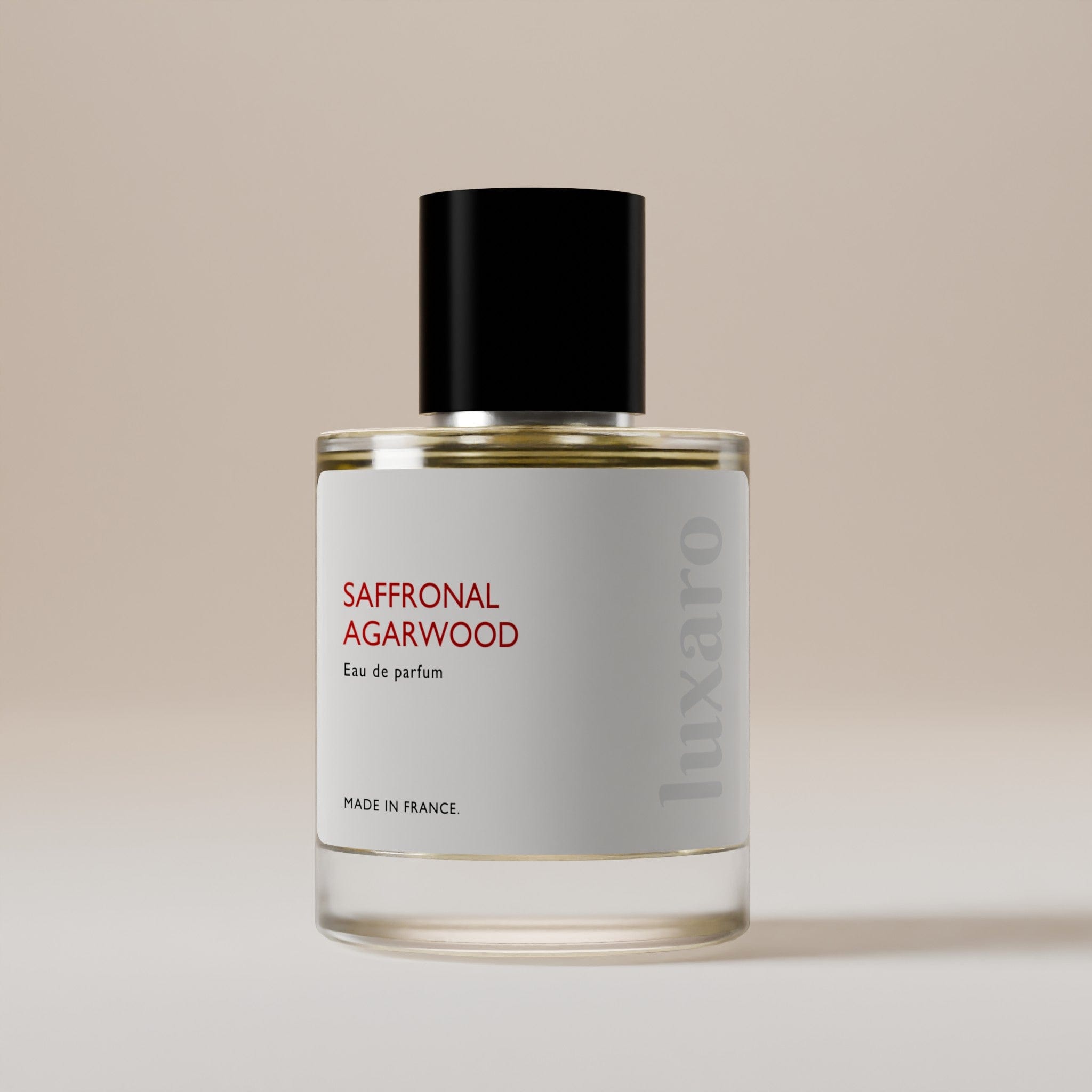
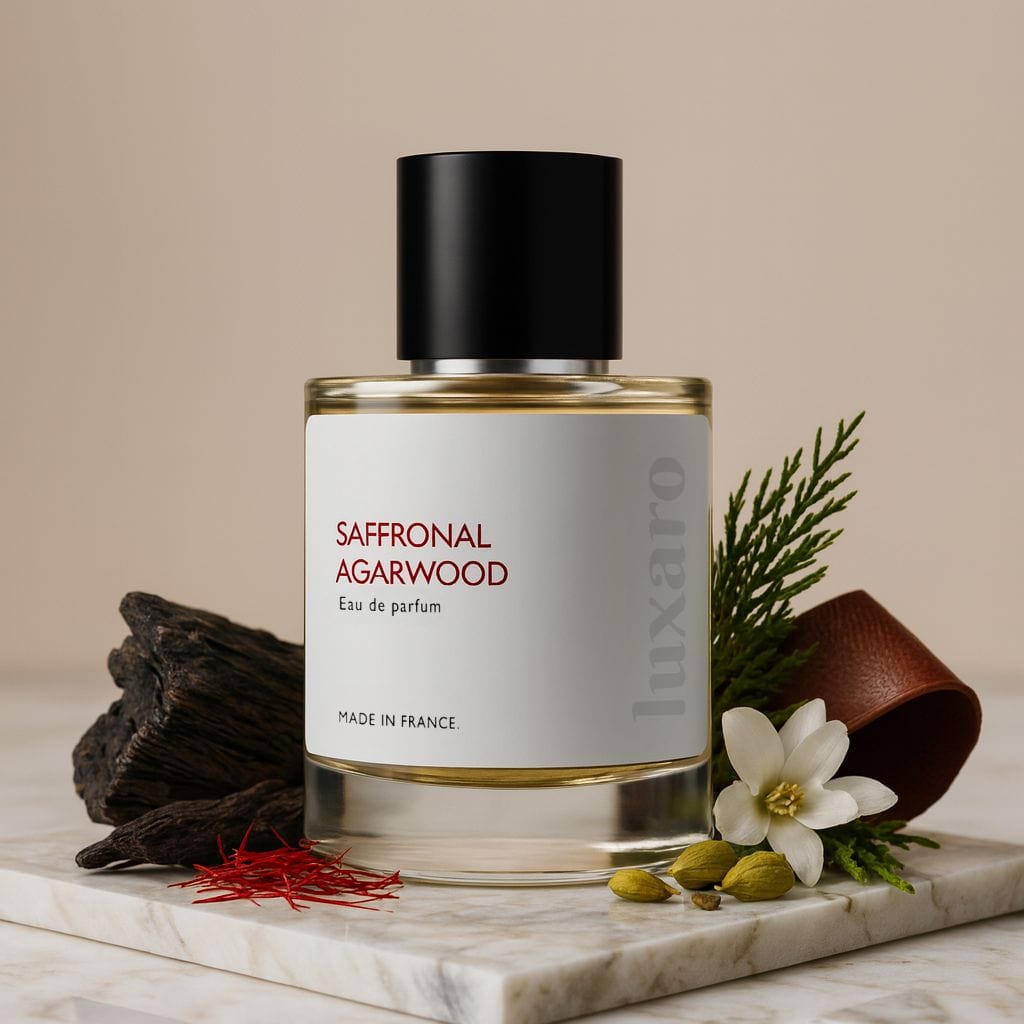
Luxaro’s published note lists can show how these deeper scent directions influence a drydown, but they do not reveal which confidential formula materials have a technical fixing role.
For a resinous example, Golden Resins with myrrh, tonka bean and vanilla moves from a clean lavender opening into a warm, creamy drydown.
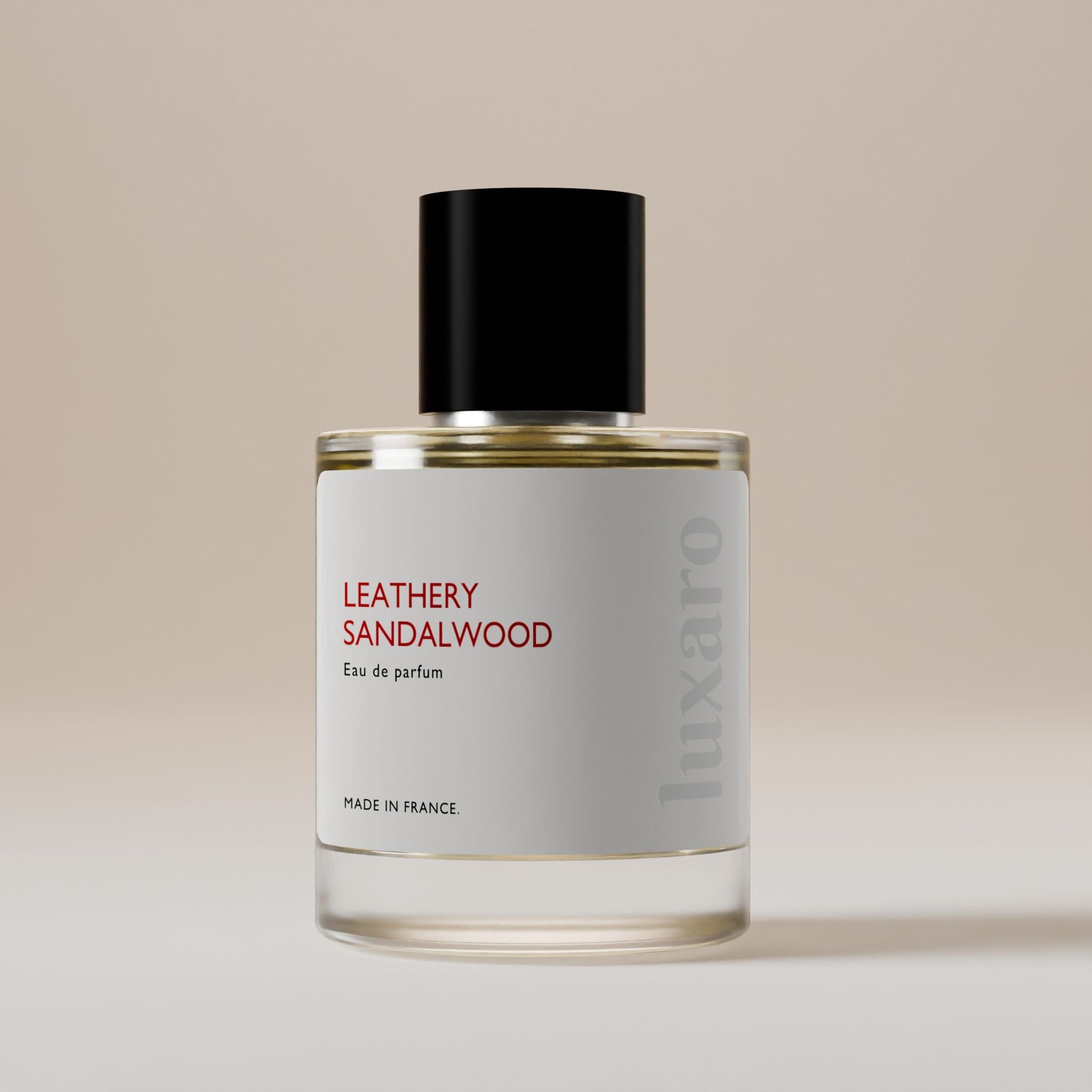
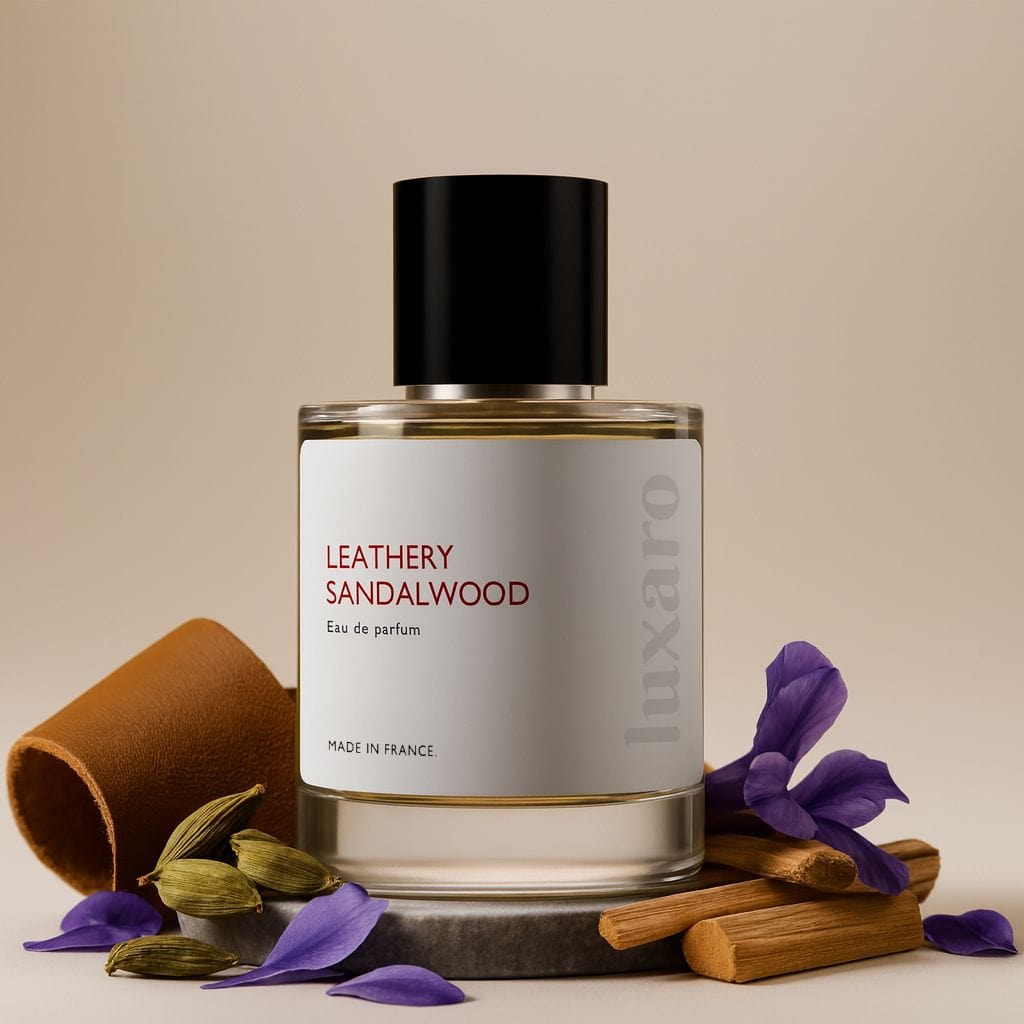
Leathery Sandalwood with sandalwood, papyrus and leather shows a drier woody direction, with violet, cardamom, iris, amber and cedarwood leading into the base.
Patchouli Veil with vanilla, patchouli and soft woods shows how a bright cassis opening and floral heart can settle into a warmer base.
These examples are useful for smelling different types of drydown. They should not be read as disclosures of the perfumes’ complete formulas.
Are Natural Fixatives Better Than Synthetic Ones?
No. Natural fixatives are not automatically better, safer or more effective than synthetic materials.
The important questions are what the material contributes, how much is used, how it interacts with the composition and whether the finished formula is suitable for its intended use.
A perfumer may use natural resins, woods or earthy extracts alongside modern fragrance materials. Synthetic materials can also provide effects that would be difficult to achieve consistently or responsibly through natural sources alone.
Luxaro perfumes are vegan and cruelty-free, so our formulations do not rely on animal-derived fixatives. That does not mean every botanical or synthetic material can be used without assessment. Safety depends on the material, concentration and finished product.
The IFRA Standards set restrictions, prohibitions or specifications for certain fragrance materials where safe-use concerns exist. Natural materials can be subject to limits as well as synthetic ones.
Do Fixatives Change How a Perfume Smells?
Yes. Most fixatives have some effect on the smell, texture or overall balance of a perfume.
This is why adding more fixative is not a simple route to better performance. A resin might add warmth or sweetness. A woody material may make the drydown feel drier. A musk can change softness, diffusion or the way other materials are perceived.
Too much of a persistent material can make a perfume feel heavier, blur contrasts or move it away from the intended scent. The question is not how much fixative can be fitted into the formula. It is how much the composition actually needs.
This balance is part of how experienced perfumers develop and test inspired fragrances. The objective is to achieve appropriate performance without sacrificing the smell people wanted in the first place.
Can You Add a Fixative to a Finished Perfume?
A finished perfume can be altered, but adding a fixative afterwards is unlikely to be a reliable improvement.
Changing one material can affect the perfume’s smell, clarity, balance, stability and compliance. The revised mixture would need to be blended properly, rested and tested again. Relevant safe-use calculations may also need to be reviewed.
I would therefore treat this as reformulation, not as a finishing trick. Professional perfumes are designed as complete compositions, and lastingness should be considered while the formula is being developed.
The same applies to home perfume experiments. Buying a material described as a fixative does not mean that adding a few drops will automatically improve an existing fragrance. It may simply make the perfume smell different.
How Can You Tell Whether a Perfume Has Been Fixed Well?
Judge fixation by wearing the perfume through its full development rather than looking for a particular word on the ingredient list.
A practical test is to notice:
- Whether the opening moves naturally into the heart.
- Whether the perfume retains a recognisable character as it dries down.
- Whether the base feels connected to the opening rather than appearing heavy or separate.
- How long the fragrance remains detectable at a comfortable level.
- Whether greater lastingness has been achieved without making the perfume unpleasant or unbalanced.
You normally cannot identify every fixative from a consumer ingredient list or note pyramid. Those lists do not reveal the confidential formula or the precise role each material performs.
My view is that good fixation should support the perfume quietly. You should notice a coherent drydown and appropriate longevity, not feel that one heavy material has been added simply to make the fragrance survive for as long as possible.
FAQs
Do fixatives guarantee that perfume will last all day?
No. Fixatives can support lastingness, but skin, temperature, application, concentration and the rest of the formula also affect performance.
Is musk always a perfume fixative?
No. Many musky materials can support lastingness, but musk describes a broad scent category rather than one ingredient with one fixed function.
Is vanilla a perfume fixative?
Vanillic materials can contribute to a long-lasting base and may support fixation. However, seeing “vanilla” on a note list does not confirm which ingredients were used or their technical role.
Can perfume work without an added fixative?
Yes. A perfume may achieve balanced development through materials that perform several jobs within the formula, without containing one separate substance added only as a fixative.
Are fixatives shown on perfume note lists?
Not necessarily. Note lists describe the scent the wearer is expected to perceive. They are not complete ingredient lists or technical formulas.
Do perfume oils need fixatives?
Oil-based perfumes evaporate differently from alcohol-based sprays, but their performance still depends on the carrier, aromatic materials and overall composition. They do not automatically need a separate fixative.
Can I make my perfume last longer by adding a fixative?
Adding a fixative to a finished perfume may change its smell, balance and stability. A fragrance should be reformulated and tested rather than altered by adding an assumed universal fixing agent.