
Top notes are the first impression of a perfume, middle or heart notes form its central character, and base notes create the deeper drydown that tends to remain for longer. The three levels overlap as the perfume develops. They are not separate liquids that appear one at a time, and they do not follow the same fixed timetable in every fragrance.
Together, they are often shown as a fragrance or olfactory pyramid. This gives you a useful map of how the scent is intended to develop, but it is not the perfume’s complete formula or ingredient list.

What Is the Difference Between Top, Middle and Base Notes?
The difference is the part each group plays as the fragrance develops on your skin.
- Top notes, also called head notes, shape the opening. They are usually most noticeable immediately after spraying and begin to soften relatively early.
- Middle notes, also called heart notes, become clearer as the opening settles. They often carry much of the perfume’s central floral, fruity, spicy or aromatic character.
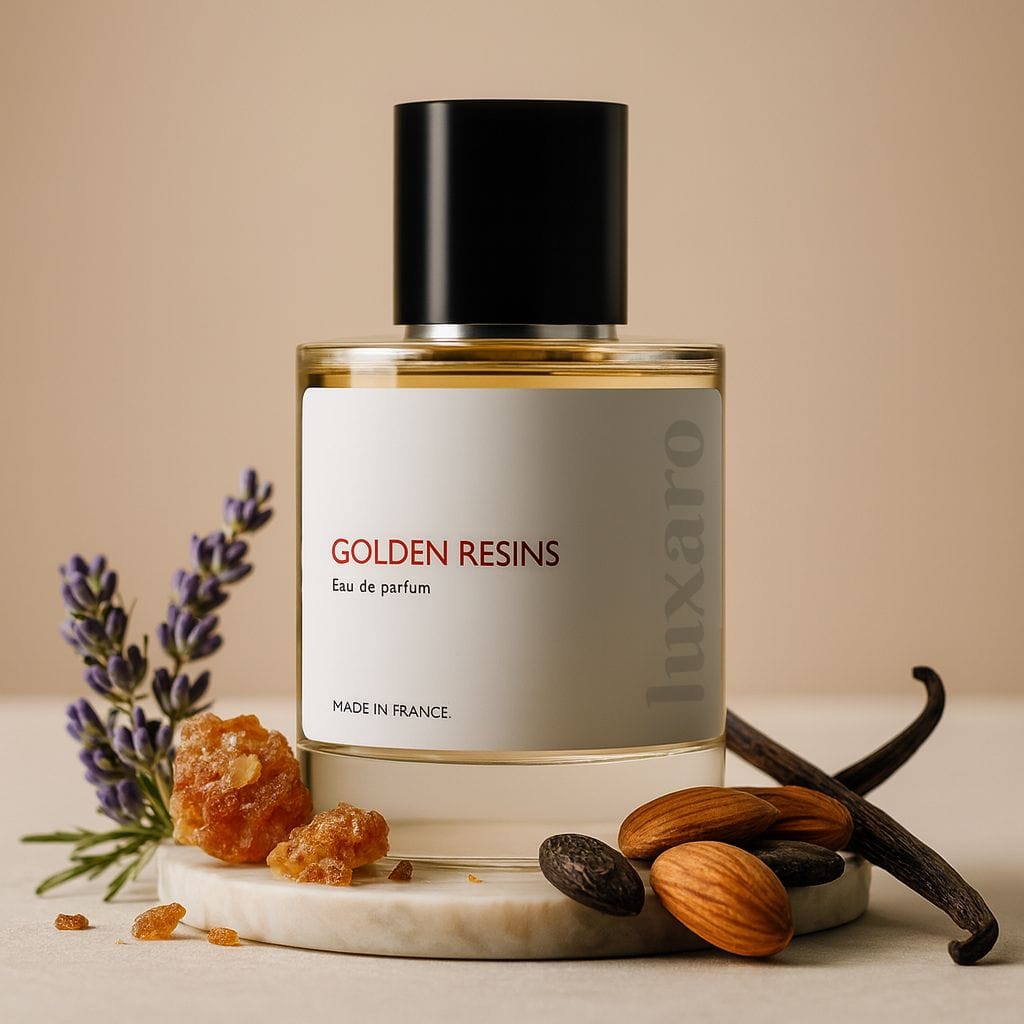
- Base notes give depth to the later drydown. Woods, musks, resins, vanilla, leather and amber effects frequently appear here, although these are examples rather than fixed rules.
That basic structure is also how the International Fragrance Association explains fragrance composition: top notes introduce the scent, middle notes give it body, and base notes provide depth.
A clear example is Sensual Vanilla. Pear, pink pepper and orange blossom shape its opening; coffee, jasmine, bitter almond and liquorice form the heart; and vanilla, patchouli, cashmere wood and cedar sit in the base.
The finished perfume does not smell like three unrelated combinations. Those materials work together, with the balance gradually shifting during wear.
Do Top, Middle and Base Notes Appear One After Another?
No. The three levels overlap, and the whole fragrance formula is present from the first spray.
What changes is which part of the composition your nose notices most clearly. Brighter opening materials may dominate at first. As they soften, the heart becomes easier to recognise, while the deeper base gains greater prominence.
You may therefore notice a little vanilla, musk or wood almost immediately, even if the material is listed in the base. It has not arrived early. It was already contributing to the complete composition.
The pyramid is sometimes explained as though the top notes disappear completely before the heart begins. That is a convenient teaching shortcut, but it does not describe the gradual blending that people actually experience.
If you want to understand the change as it feels on skin, I have also explained why perfume can smell different after a few hours in a separate guide.
What Decides Whether Something Is a Top, Middle or Base Note?
A note’s position reflects how the materials creating that impression behave within the complete formula. Their volatility, intensity, diffusion, persistence and interaction with other materials all contribute.
Research into the evaporation and diffusion of perfume mixtures shows why odour intensity and lastingness can change as a fragrance moves from the liquid into the surrounding air.
Position is specific to the composition. It is not a permanent rule attached to a note name. Citrus materials often contribute to openings, for example, but that does not mean every citrus impression must be listed at the top.
Oceanic Wood illustrates this well: ambrette seeds are listed in the top, sea salt and grapefruit in the middle, and seaweed and sage in the base. The note list tells you how those impressions are organised in that particular perfume.
One thing I have learned from working within fragrance is that note lists are most useful when treated as descriptions of the wearing experience. They should not be read as a universal classification system.
How Long Do Top, Middle and Base Notes Last?
There is no universal duration for top, middle or base notes. The opening usually softens first, the heart becomes clearer during the earlier part of wear, and the base tends to remain later, but exact timings vary.
The formula matters, as do application amount, temperature, airflow, skin and the surface on which the perfume is tested. A scent can also develop differently on a paper blotter, skin and clothing.
This is why I would be cautious with any guide that assigns the same exact number of minutes or fixed percentage split to every perfume. Those figures may sound precise, but fragrance development is not that uniform.
A more useful testing method is to smell the perfume:
- Immediately after spraying.
- Again after the opening has settled.
- Later in the day, once the drydown is established.
These are observation points rather than boundaries between three separate stages.
Can You Smell Base Notes Straight Away?
Yes. Base materials can influence the perfume from the opening, even though they usually become more prominent later.
A fragrance is smelled as a complete mixture. The presence of woods, musks, resins or vanilla can affect how you perceive the brighter notes above them. Likewise, traces of the opening may continue to colour the heart after their initial impact has softened.
In Saffronal Agarwood, saffron, cardamom and citrus materials shape the opening, rose and jasmine sit in the heart, and oud, cedar, leather and sandalwood are among the base notes. You may detect its woody depth early, but that depth becomes more noticeable as the brighter and floral parts settle.
This is one reason two perfumes containing several of the same listed notes can still smell very different. Position, proportion and interaction matter alongside the note names themselves.
Some long-lasting base materials can also support other parts of the formula, which is why it helps to understand how perfume fixatives work.
Are Fragrance Notes the Same as Perfume Ingredients?
No. A fragrance note is a recognisable scent impression, while an ingredient is a material used in the formula.
A rose note might involve a natural rose extract, aroma molecules that suggest different parts of a rose, or a blend of several materials. A sea-salt note does not mean grains of table salt have been poured into the perfume. It describes the salty, mineral or coastal impression created by the composition.
For a clearer look inside the finished formula, my guide to the main ingredients used in perfume explains the roles of fragrance concentrate, alcohol, water and supporting materials.
The IFRA Transparency List describes the materials used to create fragrance mixtures as the perfumer’s palette; that technical palette is different from the short note list written for the wearer.
An accord is another related term. It means several materials or scent impressions blended so that you perceive one combined effect, much as several musical notes can form one chord.
My guide to fragrance accords and how fragrance accords work explains how perfumers combine materials so several impressions are perceived as one coherent effect.
Does Every Perfume Follow a Traditional Note Pyramid?
No. Many perfumes are described using top, middle and base notes, but some change less noticeably and may be described as linear.
A linear perfume maintains a relatively consistent overall impression during wear. It will still change as materials evaporate and diffuse, but those changes may be subtle rather than producing a clearly different opening, heart and drydown.
Linear does not mean poorly made. A gradual, almost seamless development may be exactly what the perfumer intended. Equally, a strongly layered composition is not automatically better simply because its stages are easier to identify.
My view is that coherence matters more than dramatic change. The different parts should make sense together, whether the development is obvious or restrained.
Why Do Top Notes Matter If They Fade First?
Top notes matter because they establish the perfume’s first impression and introduce what follows. Their role is not diminished simply because they soften earlier.
A bright opening can give freshness and contrast to a warm base. It can also make the transition into floral, spicy or woody materials feel smoother. Without that opening, the same heart and base could feel denser or more immediate.
The first spray also affects whether someone wants to continue testing the fragrance. However, it should not be the only basis for a purchase. A beautiful opening is less useful if you dislike the heart and base that remain afterwards.
This is particularly relevant when testing quickly in a shop. The most attention-grabbing first spray is not necessarily the perfume you will enjoy wearing several hours later.
How Should I Read a Perfume Note List Before Buying?
Use the note list as a guide to the perfume’s direction and development, not as a promise that every named note will be equally obvious.
First, look at the overall scent family. Then read the three levels:
- Do the opening notes sound bright, fruity, green, aromatic or spicy?
- What appears in the heart, where much of the central character is described?
- Does the base suggest a dry, creamy, smoky, sweet, woody or musky drydown?
- Are there notes you already recognise and enjoy?
- Is one note likely to be central, or does it appear as part of a larger accord?
Once you understand the hierarchy, Luxaro’s A–Z guide to individual fragrance notes can help you explore unfamiliar materials and scent impressions one by one.
Even then, do not treat the list as a shopping checklist. A perfume containing vanilla may be dry and woody rather than sugary. A rose fragrance may feel fresh, dark, spicy or powdery depending on the surrounding composition.
The Perfume Society’s fragrance-shopping guidance similarly recommends allowing the opening to settle and experiencing a perfume on skin because the heart and lingering base are central to what you will actually wear.
Luxaro is a UK fragrance brand whose perfumes are made in Grasse, France with experienced perfumers who have more than 40 years of experience. Even with that expertise behind the compositions, I would never suggest choosing a fragrance solely from its pyramid. The note list can help you narrow the choice, but the full wear tells you whether the perfume is right for you.