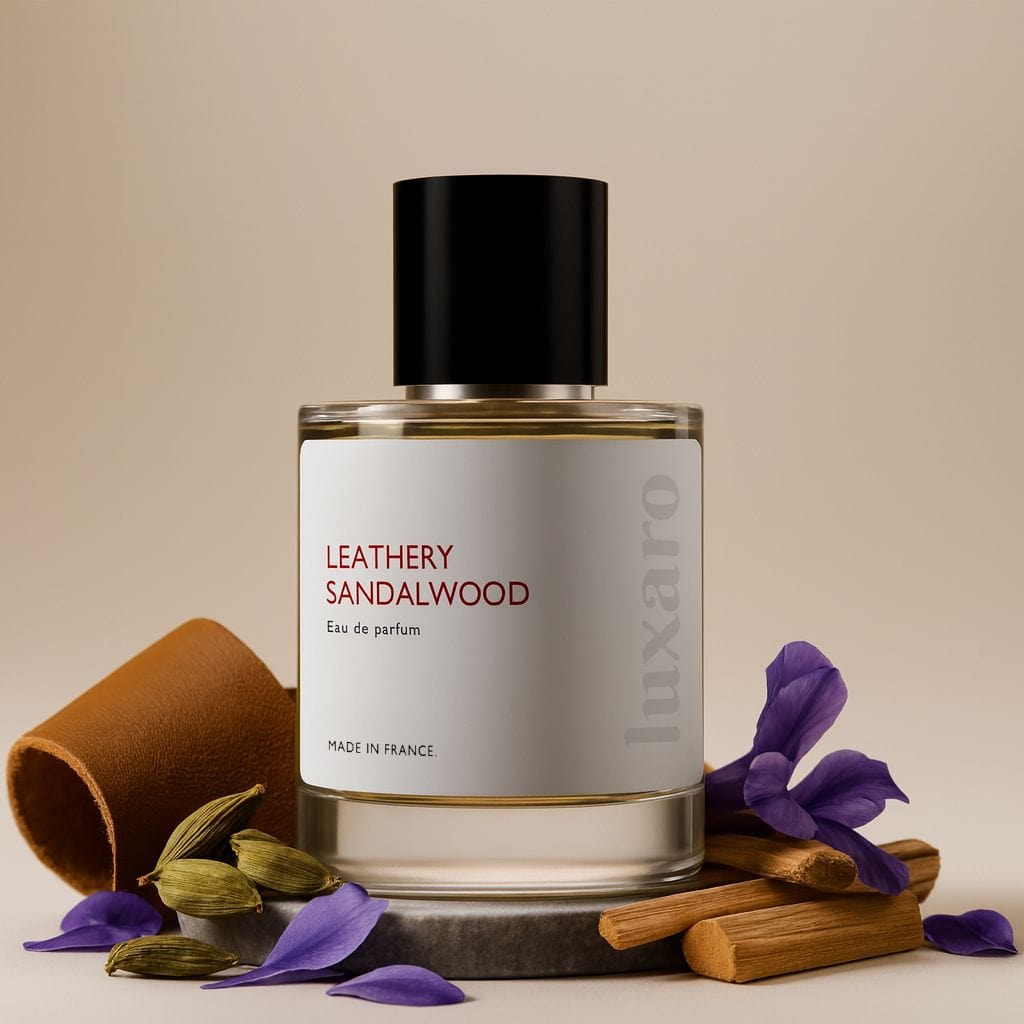

Yes, perfume concentration can affect price, but it is only one of several factors that determine what a fragrance costs. Ingredient quality, fragrance composition, manufacturing, branding, and packaging all influence the final price, which is why a higher concentration does not automatically mean a better fragrance or better value for money.
Over the years, one of the most common questions I've been asked by customers is whether they should choose a fragrance based on its concentration.
It's an understandable question.
Many people see terms such as Eau de Toilette, Eau de Parfum, Parfum, or Extrait de Parfum and assume the fragrance with the highest percentage of perfume oil must be the best option.
In reality, things are rarely that simple.

What Is The Biggest Misunderstanding Customers Have About Perfume Concentration?
The biggest misunderstanding is that many people believe a higher perfume concentration automatically means better quality, stronger performance, and better value for money.
I hear this regularly from customers.
Many assume that if one fragrance contains more perfume oil than another, it must smell better and last longer.
While concentration can influence performance, it doesn't tell you everything about a fragrance.
Concentration only tells you roughly how much perfume oil is present in the formula. It doesn't tell you how well the fragrance has been blended, how the dry down works, or how it will perform on your skin.
Another common misconception is that stronger always means longer lasting.
In my experience, that's not always the case.
I've tested fragrances that projected strongly for the first hour but faded quite quickly afterwards. I've also tested fragrances that stayed closer to the skin while remaining noticeable for most of the day.
The same distinction appears when comparing attar with alcohol-based spray perfume, because an oil can remain close to the skin while a spray creates a wider initial presence.
How Often Do Customers Ask About Concentration Before Buying?
Customers ask about concentration quite regularly, but most are actually trying to understand how long the fragrance will last and whether it offers good value for money.
Very few people are genuinely interested in the percentage itself.
What they really want to know is:
• Will it last all day?
• Is it strong enough?
• Will other people notice it?
• Is it worth the money?
• How does it compare to fragrances they've owned before?
Many customers have previously bought fragrances that disappeared faster than expected, so they're naturally trying to avoid making the same mistake again.
Have You Ever Compared Two Fragrances With Different Concentrations Where The Lower Concentration Actually Performed Better?
Yes, I've tested many fragrances where a lower concentration fragrance outperformed a higher concentration fragrance because the ingredients themselves lasted longer on the skin.
A good example would be comparing a fresh citrus fragrance to an amber fragrance.
Imagine the citrus fragrance contains 25% perfume oil while the amber fragrance contains 18%.
Most people would expect the citrus fragrance to last longer because it has a higher concentration.
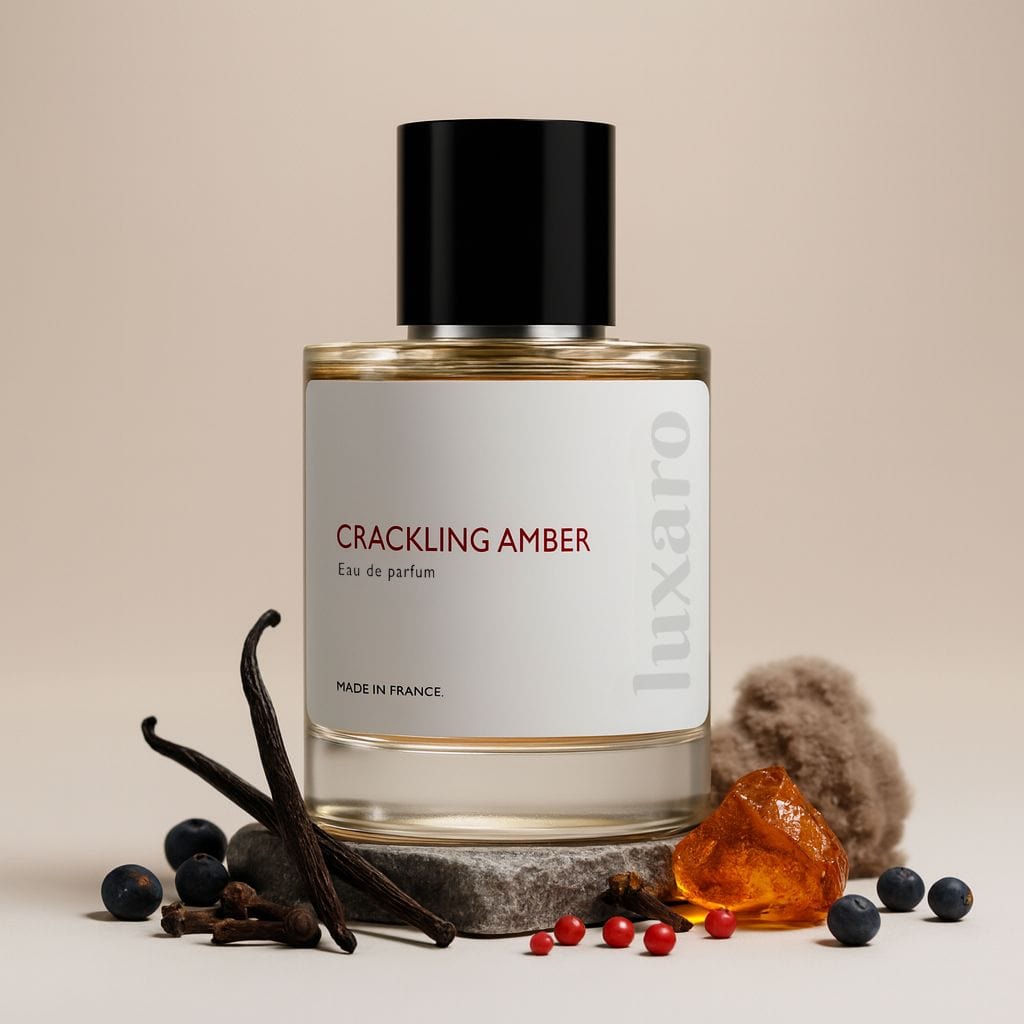
However, the amber fragrance will often outperform it because amber materials naturally stay on the skin much longer than light citrus ingredients.
I've seen this happen many times over the years.
Some fragrances look impressive when you read the concentration percentage, but they're built around fresh ingredients that naturally fade more quickly.
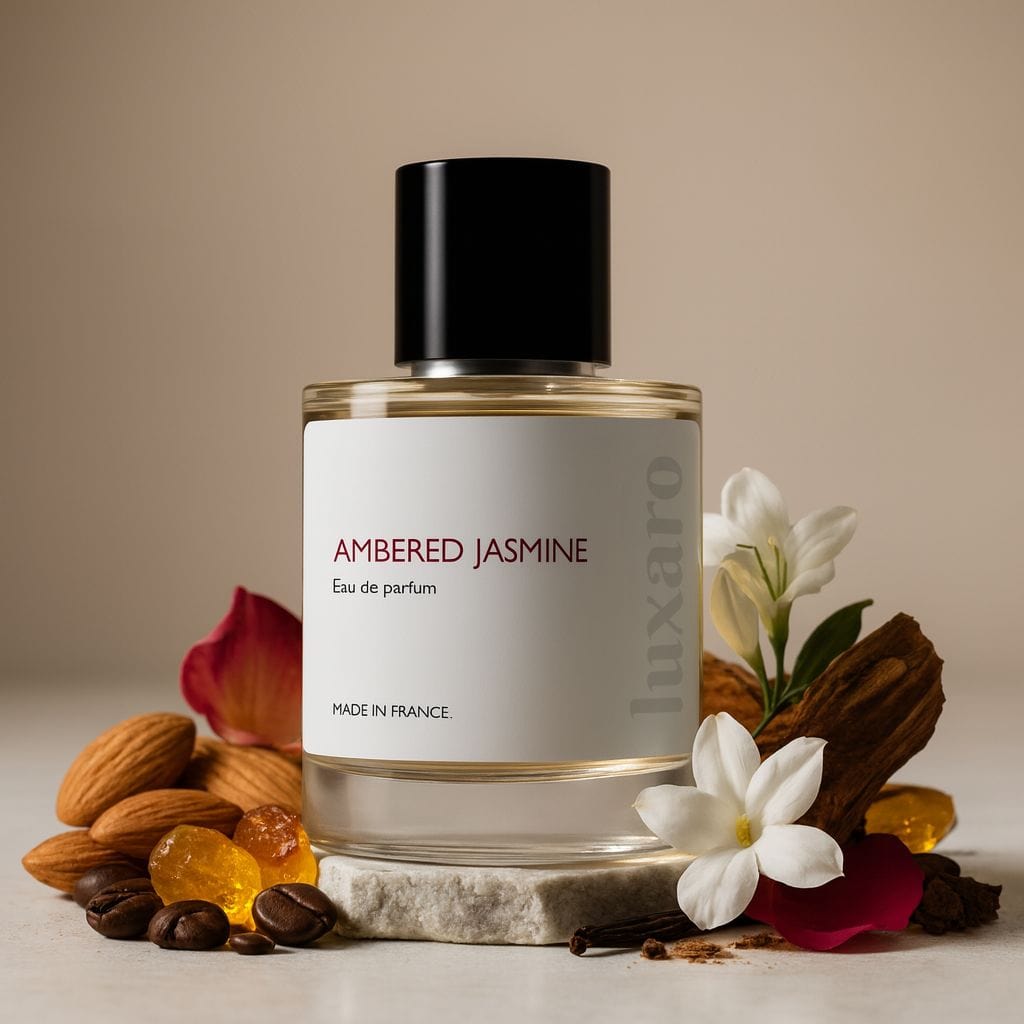
Others contain lower concentrations but are packed with ingredients such as amber, vanilla, woods, musk, patchouli, and resins that help them perform extremely well.
Why Doesn't A Higher Concentration Always Mean A Stronger Smelling Fragrance?
A higher concentration doesn't always create a stronger fragrance because some perfume ingredients naturally project and last longer than others.
The easiest way to understand this is to think about tea.
Imagine two cups of tea.
One contains more tea leaves, but the tea itself is quite mild.
The other contains fewer tea leaves, but they are naturally much stronger.
The second cup could easily taste more powerful despite containing fewer leaves.
Fragrance works in a similar way.
Some ingredients naturally project more than others.
Some ingredients are naturally softer and sit closer to the skin.
The concentration tells you how much perfume oil is present, but it doesn't tell you how powerful those individual ingredients are.
What Has A Bigger Impact On Performance Than Concentration Alone?
Ingredient choice, fragrance structure, skin chemistry, weather, and application method often have a bigger impact on performance than concentration alone.
Ingredient Choice
Certain fragrance materials naturally last longer than others.
Ingredients such as amber, vanilla, oud, woods, musk, patchouli, and resins are often excellent performers.
Meanwhile, citrus and aquatic notes tend to be lighter and fade more quickly.
Fragrance Structure
The way a fragrance is built makes a significant difference.
A fragrance with a strong woody or amber base will often remain noticeable long after the opening notes have disappeared.
Skin Chemistry
The same fragrance can perform differently from person to person.
I've seen customers get completely different results from exactly the same fragrance.
Weather
Temperature and humidity can influence both projection and longevity.
Some fragrances perform brilliantly during warmer weather, while others excel during cooler months.
Application Method
Applying fragrance to moisturised skin often improves longevity compared to applying it to very dry skin.
Have You Noticed Certain Fragrance Families Naturally Lasting Longer Regardless Of Concentration?
Yes, amber, vanilla, oud, woody, musky, and resinous fragrances often last longer than citrus, aquatic, and green fragrances regardless of concentration.
This is something I've consistently observed after testing countless fragrances and speaking to customers over the years.
Fragrance families that often offer excellent longevity include:
• Amber fragrances
• Oud fragrances
• Woody fragrances
• Resinous fragrances
Meanwhile, fragrance families that are often lighter include:
• Citrus fragrances
• Aquatic fragrances
• Green fragrances
• Fresh aromatic fragrances
That doesn't mean fresh fragrances perform badly.
A citrus fragrance lasting six hours can actually be performing extremely well for that type of scent.
Different fragrance families simply behave differently.
How Do Luxaro Fragrances Compare In Concentration To Typical Designer Fragrances?
Luxaro fragrances are typically formulated at Eau de Parfum strength, around 18% to 20%, because this provides a strong balance between performance, comfort, and wearability.
When developing the Luxaro collection, concentration was never about achieving the highest percentage possible. We work with experienced perfumers in Grasse, France, who have more than 40 years of experience creating fragrances. Their focus is on finding the right balance between longevity, projection, and overall wearability rather than simply increasing the concentration.
Customer feedback has consistently reinforced that approach.
Most customers don't talk about percentages.
They talk about how the fragrance smells, how long it lasts, and whether they enjoy wearing it throughout the day.
Those are the things that matter most in real-world use.
Have Customers Ever Been Surprised By The Performance Of A Fragrance After Learning Its Concentration?
Yes, many customers are surprised when a fresh fragrance lasts longer than expected or when a very high concentration fragrance doesn't perform significantly better than a lower concentration fragrance.
One comment I hear regularly comes from people who assume fresh fragrances will disappear quickly.
Then they wear one and discover it lasts much longer than they expected.
I've also spoken to customers who expected a fragrance with a very high concentration to outperform everything else they owned.
After wearing it, they realised the difference wasn't nearly as dramatic as they imagined.
Experiences like these remind people that concentration only tells part of the story.
The ingredients, fragrance structure, and overall composition matter just as much.
If Somebody Has Two Fragrances In Front Of Them And One Costs Twice As Much Because Of A Higher Concentration, How Should They Decide If It's Worth The Extra Money?
Customers should focus on whether they prefer the smell, how it performs on their skin, and whether the extra cost provides a meaningful improvement rather than concentrating only on the concentration percentage. Our guide to what perfume price really means explains why retail price alone cannot establish fragrance quality.
I would encourage them to ask themselves a few simple questions.
Do I Prefer The Smell?
The fragrance itself should always come first.
How Does It Perform On My Skin?
Performance can vary significantly from person to person.
Is The Extra Cost Giving Me A Noticeable Improvement?
Sometimes the higher concentration genuinely offers better longevity.
Sometimes the difference is surprisingly small.
Am I Paying For Performance Or Just A Number?
Higher concentration can add value, but it shouldn't automatically justify a much higher price.
If A Customer Asked: "Should I Choose Perfume Based On Concentration Or Something Else?"
My honest answer is that concentration should be considered alongside smell, performance, value for money, and personal enjoyment rather than being the deciding factor.
If somebody gave me two fragrances and asked which one they should choose, I wouldn't start by looking at the concentration percentage.
I'd ask:
• Which fragrance do you enjoy wearing more?
• Which one performs best on your skin?
• Which one makes you feel more confident?
• Which one offers better value for your budget?
Concentration is useful information and it can influence both performance and price.
However, it doesn't tell you everything you need to know.
The best fragrance isn't necessarily the one with the highest concentration.
It's the one that smells great to you, performs well on your skin, and makes you want to wear it again tomorrow.