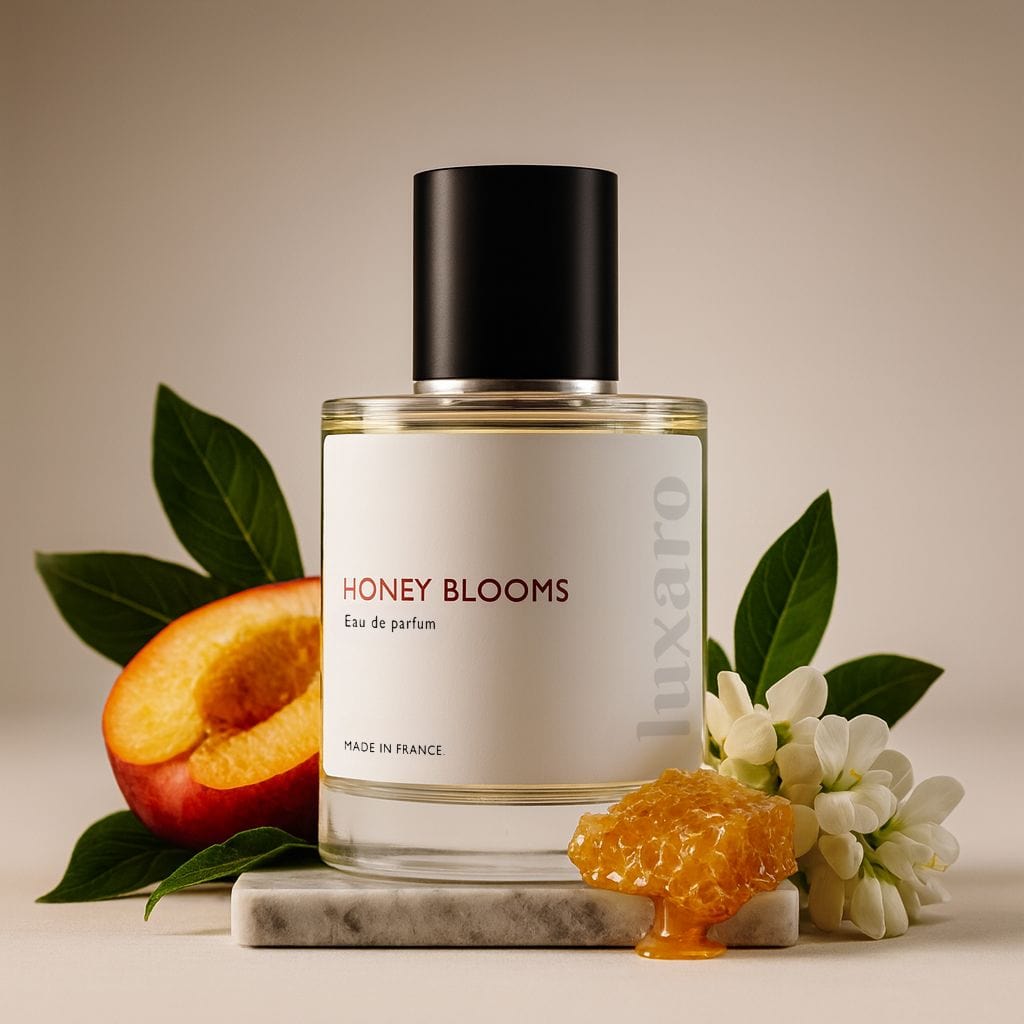

Many recognised Islamic scholars and authorities permit alcohol used externally in perfume, including denatured alcohol under the rulings they apply, and distinguish this from drinking alcohol. A stricter view exists, particularly where the source or purity of the alcohol is questioned.
Authorities including Egypt’s Dar al-Ifta and the International Islamic Fiqh Academy permit alcohol used as a perfume solvent. Egypt’s Dar al-Ifta also states that wearing perfume containing alcohol does not prevent a valid prayer. Religious authorities in Malaysia have permitted fragrances containing synthetic alcohol and distinguished them from alcohol produced through the manufacture of intoxicating drinks.
Applying perfume does not itself break wudu in the rulings reviewed. Anyone who follows a more cautious interpretation concerning perfume alcohol can continue to follow the scholar or recognised authority they trust.
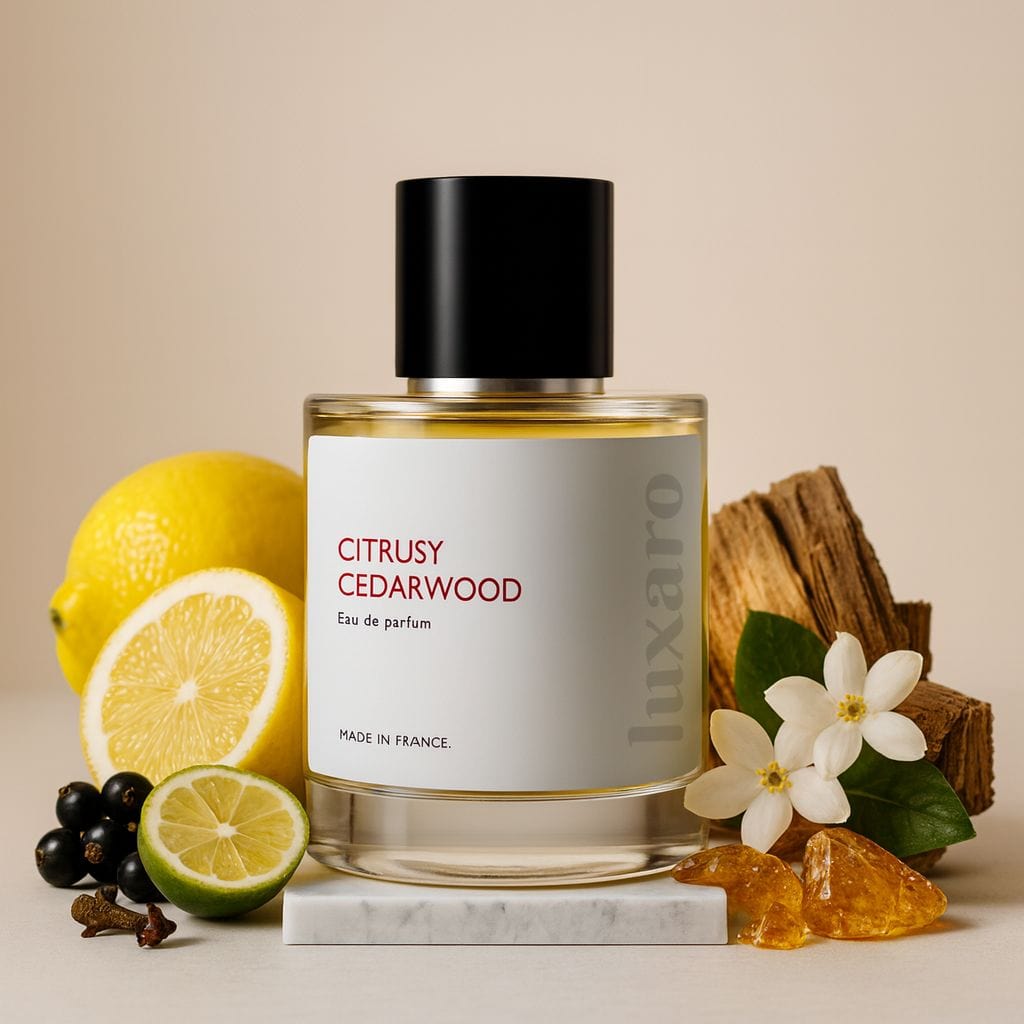
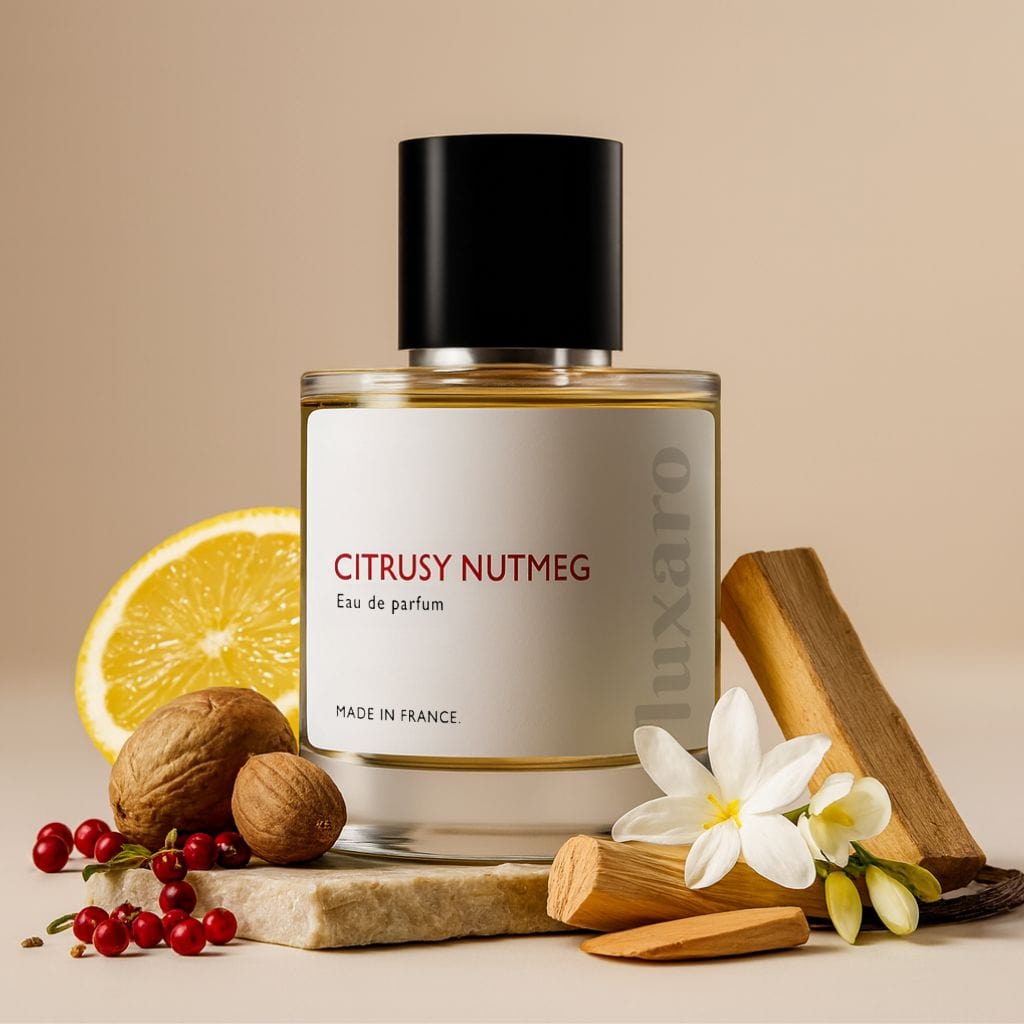
Luxaro perfumes use Alcohol Denat as the fragrance carrier and are vegan and cruelty-free. Luxaro’s aim is to explain its formulation clearly and accurately while leaving religious interpretation to recognised authorities. This gives customers the information they need to make their own decision according to the guidance they follow.

Why Do Scholars Give Different Answers About Alcohol in Perfume?
Scholars give different answers because the debate is not simply about whether the word “alcohol” appears on a label. It concerns khamr, intoxication, physical impurity, the source of the alcohol and the difference between consuming a substance and using it externally.
All of the authorities reviewed agree that drinking intoxicating beverages is prohibited. The disagreement concerns whether every form of alcohol is physically impure and whether externally applied perfume should carry the same ruling as a drink.
The Federal Territories Mufti’s review of alcohol in perfumes presents both a majority position that regards intoxicating substances as impure and another recognised position that prohibition does not automatically mean physical impurity.
That distinction matters. Something can be prohibited to consume without every authority concluding that its external presence makes the body or clothing impure.
The International Islamic Fiqh Academy’s resolution states that alcohol is not considered impure under its ruling and permits its use as a solvent for volatile perfume materials. The resolution distinguishes this use from wine.
These are genuine differences in fiqh reasoning. It would be misleading for a perfume company to choose one opinion and present it as the only Islamic position.
Does the Sale of Alcohol-Based Perfume in Saudi Arabia Tell Us Anything?
From what I have seen of the Saudi fragrance market, alcohol-based spray perfumes are widely sold alongside oud oils and traditional attars. This is also visible in Makkah and Madinah, where modern spray perfumes are easy to find and shops concentrating only on perfume oils appear less common.
I would not treat retail practice as a religious ruling. However, as someone working in the fragrance business, I think it provides useful real-world context. It shows that alcohol-based spray perfume is widely accepted within a major Muslim fragrance market rather than being universally avoided.
Major Saudi fragrance companies sell Eau de Parfum, Eau de Toilette, perfume sprays and concentrated fragrance oils. This shows that the market does not treat spray perfume and traditional attar as mutually exclusive choices.
What Is Alcohol Denat in Perfume?
Alcohol Denat is denatured ethanol used as a fragrance carrier. It helps dissolve fragrance materials, allows them to be sprayed evenly and begins evaporating immediately after application.
HMRC’s guidance on denatured alcohol explains that denaturants are added to make alcohol unsuitable for drinking, and it lists approved formulations used to manufacture perfumes, toiletries and cosmetics.
The initial alcohol sensation normally disappears quickly. What the wearer then notices is mainly the developing fragrance, although both the carrier and different perfume materials evaporate at their own rates.
One thing I have learned from working with our experienced perfumers is that the alcohol carrier has a practical role in how a spray perfume works. It is part of the perfume’s delivery system rather than a religious classification.
For a fuller explanation of evaporation and skin chemistry, our guide to what happens when perfume touches your skin explains why the same formula can develop differently from one person to another.
The words “Alcohol Denat” do not, by themselves, establish:
- The original source of the ethanol.
- Which denaturants were used.
- Which scholarly ruling a customer follows.
- Whether a particular certification body accepts it.
This is why Alcohol Denat should be understood through its technical purpose and the recognised religious guidance a person chooses to follow.
Is Ethanol in Perfume Different From Alcohol in Drinks?
The ethanol may be the same chemical compound, but perfume and alcoholic drinks are different finished products with different intended uses. Perfume is applied externally, while denatured ethanol is made unsuitable for drinking.
It would be inaccurate to claim that perfume ethanol is always a completely different chemical from the ethanol found in drinks. The important religious questions may instead include where it came from, whether it forms part of an intoxicating beverage, whether it is physically impure and how it is being used.
The International Islamic Fiqh Academy permits alcohol as a perfume solvent under its resolution while excluding wine from that permission. Egypt’s Dar al-Ifta also distinguishes the prohibition on drinking alcohol from the question of whether alcohol used in perfume is physically impure.
Other scholars reach their conclusions through narrower rules about the source of the alcohol. That is why two Muslims can look at the same perfume ingredient list and follow different recognised opinions without either person simply misunderstanding the chemistry.
Does the Source or Type of Alcohol Matter?
The source matters under some recognised rulings, but other authorities permit external perfume alcohol through a broader judgement about purity.
A Hanafi ruling from Darul Iftaa Leicester generally permits the external use of alcohol not derived from grapes, dates or barley, including synthetic alcohol, while also recommending caution because scholars differ.
Malaysian religious guidance similarly distinguishes alcohol produced through the manufacture of alcoholic beverages from alcohol produced through another process. It cites rulings permitting synthetic alcohol in cosmetics and validating prayer while wearing perfume containing it.
This means that “contains ethanol” may not be enough information for someone whose chosen ruling depends on the source.
It also explains why the term “plant-derived alcohol” does not necessarily settle the matter. Grapes, dates, grains and other materials are all plants. What may matter under a particular ruling is the material, the production route and whether the alcohol was produced as part of an intoxicating beverage.
A customer who needs this level of certainty may need information from the manufacturer or ingredient supplier. If independent certification is essential, the certificate and the named certification body are more useful than an unsupported statement on a product listing.
Does Wearing Alcohol-Based Perfume Affect Wudu or Salah?
Applying perfume does not itself break wudu. The authorities reviewed treat wudu and the presence of a potentially impure substance during prayer as two separate questions.
A Shafi‘i answer by Shaykh Amjad Rasheed states that applying scent does not invalidate wudu, even where a person believes an impurity is present. Under that answer, the separate prayer ruling depends on whether the alcohol in the fragrance is judged impure.
By contrast, Egypt’s Dar al-Ifta permits perfume containing alcohol and states that prayer while wearing it is valid because the authority does not regard the alcohol used in that context as physically impure.
The practical distinction is:
- Spraying perfume does not mean you must perform wudu again.
- Under a stricter view, a person may be concerned about removing a perfume that contains alcohol they regard as impure before prayer.
- Under the permissive authorities reviewed, wearing alcohol-based perfume does not invalidate the prayer.
Someone who is uncertain should ask the scholar or authority they follow two precise questions: “Does applying this affect wudu?” and “May I pray while it remains on my skin or clothing?” Asking them separately helps avoid a confusing answer.
Does Halal Perfume Have to Be Alcohol-Free?
No. A perfume does not have to be alcohol-free under every recognised Islamic ruling.
Authorities that permit alcohol used externally in fragrance may regard an alcohol-based perfume as permissible even though it contains ethanol. Other consumers deliberately choose an oil perfume or an alcohol-free spray because that fits the ruling they follow or removes an area of doubt for them.
Alcohol-free and halal-certified still do not mean the same thing. Removing ethanol does not answer every possible question about:
- Animal-derived ingredients.
- The source of glycerine, musk or other materials.
- Production equipment.
- Cleaning procedures.
- Cross-contamination.
- Supplier traceability.
An alcohol-free formula may be the right personal choice, but it should not automatically be presented as independently halal-certified.
Are Oil-Based Perfumes and Attars Automatically Halal?
No. An oil-based perfume or attar is not automatically halal simply because it contains no ethanol.
Removing alcohol may remove one concern for people who avoid it, but the other ingredients still matter. An oil perfume could contain animal-derived materials, an ingredient with an uncertain source or materials that have not been assessed against a halal standard.
The word “attar” also describes a broad fragrance category. Products sold under that name can contain natural oils, synthetic fragrance materials, carrier oils or mixtures of several ingredients. The complete formula depends on the manufacturer.
For a technical comparison of wear rather than religious status, our guide to attar and perfume performance explains projection, longevity and application.
I have noticed that “halal” is sometimes used as a selling point for oil perfumes. That claim should still be supported. Alcohol-free, oil-based, vegan and halal-certified do not all mean the same thing.
A properly certified perfume is assessed as a complete product. Depending on the certifier, that may include ingredient origins, supplier records, production equipment, cleaning procedures, storage and possible cross-contamination.
An alcohol-free attar may suit someone who prefers that format or follows a stricter view. It should not automatically be described as more religiously permissible than every alcohol-based perfume without examining its full ingredients and the ruling being followed.
What Is the Difference Between Halal Perfume and Halal-Certified Perfume?
Religious permissibility is a judgement made according to a particular scholarly interpretation. Halal certification is a documented assessment carried out against a certification body’s standards.
A Muslim consumer may regard a perfume as permissible after following a trusted ruling even if the product has not been commercially certified. Conversely, someone who requires independent certification will usually want evidence extending beyond one ingredient.
The cosmetics certification process described by the American Halal Foundation includes ingredient documentation, alcohol source, supplier controls, manufacturing procedures, cleaning, segregation, traceability and facility audits.
Different certifiers may apply different standards, so the name of the certification body and the current certificate matter. A vague “halal-friendly” statement does not provide the same assurance.
Vegan, cruelty-free and halal-certified are also separate claims:
- Vegan means the product does not use animal-derived ingredients under the stated vegan standard.
- Cruelty-free concerns animal testing.
- Halal certification assesses the product against the certifier’s religious and production requirements.
A vegan and cruelty-free perfume may satisfy some parts of a halal standard, but those claims do not prove certification or settle the alcohol question.
What Are the Most Common Myths About Alcohol in Perfume?
The most common myth is that every product containing any ingredient called alcohol must have the same ruling as an alcoholic drink. Recognised authorities do not all make that judgement.
Other recurring misconceptions include:
“Alcohol Denat always means the perfume is halal.”
Alcohol Denat is a technical ingredient name. It is not a halal certificate and does not state which religious ruling the customer should follow.
“Alcohol Denat always means the perfume is haram.”
Several recognised authorities permit denatured or synthetic alcohol used externally in perfume. Other scholars apply additional conditions.
“Perfume alcohol breaks wudu.”
Applying perfume does not itself break wudu in the rulings reviewed. The possible impurity of a substance during prayer is a different question.
“If the alcohol evaporates, every scholar must permit it.”
Evaporation explains how perfume behaves technically. It does not replace a religious ruling about the original substance or any material remaining on the skin or clothing.
“Vegan perfume is automatically halal.”
Vegan status does not establish alcohol source, manufacturing controls or independent halal certification.
“Alcohol-free means halal-certified.”
An alcohol-free perfume may still need its other ingredients and manufacturing process assessed.
What Type of Alcohol Does Luxaro Use?
Luxaro perfumes use Alcohol Denat as the fragrance carrier and are vegan and cruelty-free. Many recognised Islamic authorities distinguish the external use of alcohol in perfume from consuming an intoxicating drink, while other scholars consider factors such as its source or purity.
Luxaro is a UK-based fragrance brand, and our perfumes are made in Grasse, France with experienced perfumers. I have explained how perfume oil becomes a finished fragrance in Grasse in more detail, including the blending and maceration stages.
Luxaro’s aim is to explain its formulation clearly and accurately while leaving religious interpretation to recognised authorities. This gives customers the information they need to make their own decision according to the guidance they follow.
How Can I Decide Which Perfume Is Right for Me?
Begin with the standard you personally require: a permissive scholarly ruling, confirmation of alcohol source, an alcohol-free formula or independent halal certification.
A practical process is:
- Read the full ingredient list.
- Look for Alcohol Denat, ethanol, ethyl alcohol or alcohol.
- Check what the religious authority you follow says about external perfume alcohol.
- Find out whether that ruling distinguishes by alcohol source.
- Ask the manufacturer for further information if the source is essential.
- Request the current certificate if halal certification is required.
- Do not use vegan, cruelty-free, natural or alcohol-free as substitutes for certification.
Ingredient transparency cannot decide a religious ruling, but it gives the reader accurate information to take to a scholar or certification body. Our guide to why ingredient transparency matters when choosing perfume looks at this wider point.
If, after following the authority you trust, you are personally comfortable wearing a perfume containing Alcohol Denat, I would suggest choosing by the scent you genuinely enjoy.
For something light and fresh, Oceanic Wood with sea salt, grapefruit and sage has an airy coastal character with a soft green finish.
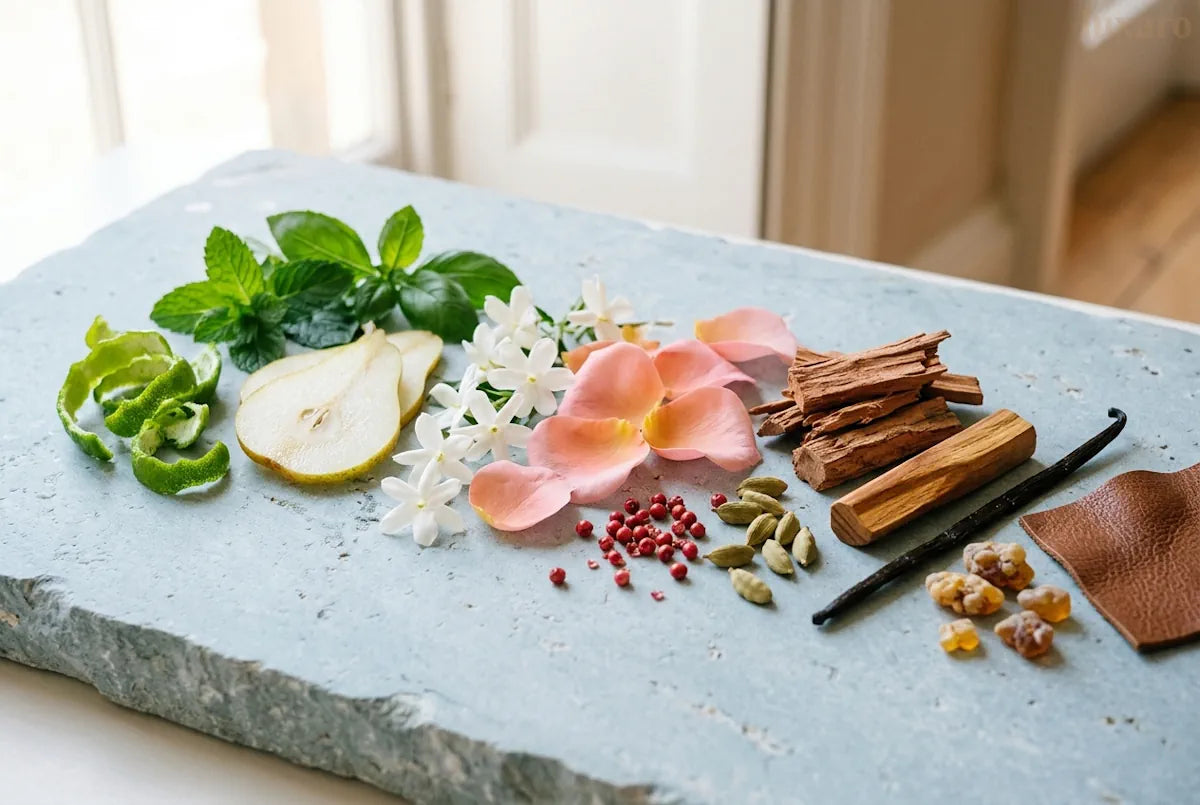
For a sweeter direction, Sensual Vanilla with coffee and creamy vanilla opens with pear and pink pepper before becoming warmer through coffee, jasmine, vanilla and woods.
For a deeper unisex option, Saffronal Agarwood with saffron, rose and oud combines warm spice, soft florals, leather and rich woods.
All three use Alcohol Denat as their fragrance carrier, so these suggestions are intended for readers who follow guidance permitting its external use in perfume.
If you remain uncertain, you can share the ingredient list with a trusted scholar or recognised halal authority for guidance.
FAQs
Are alcohol-based perfumes permissible in Islam?
Yes, many recognised Islamic scholars and authorities permit alcohol-based perfume for external use. They distinguish applying fragrance to the body or clothing from consuming an intoxicating drink. This position is supported by several recognised authorities cited throughout this article.
Is it permissible to wear Luxaro perfume in Islam?
According to many recognised Islamic scholars and authorities cited in this article, yes. Luxaro perfumes use Alcohol Denat as a fragrance carrier and are applied externally rather than consumed. They are also vegan and cruelty-free. Under the rulings that permit alcohol-based perfume for external use, wearing Luxaro perfume is permissible, does not break wudu and does not prevent a valid salah. This explains permissibility under those recognised rulings rather than claiming independent halal certification.
Is Alcohol Denat the same as drinking alcohol?
No. Alcohol Denat contains denatured ethanol, but the finished perfume is not an alcoholic drink. It is made for external use, and the alcohol has been made unsuitable for drinking. In perfume, it acts as a carrier and begins evaporating after application.
Does perfume containing alcohol break wudu?
No. Applying perfume containing alcohol does not break wudu. Wudu remains valid after perfume has been applied.
Must I wash alcohol-based perfume off before salah?
No, not under the rulings from the recognised authorities cited in this article. Egypt’s Dar al-Ifta permits perfume containing alcohol and states that prayer while wearing it is valid.
Does halal perfume have to be alcohol-free?
No. Under the recognised rulings that permit alcohol used externally in fragrance, an alcohol-based perfume can be permissible. Alcohol-free perfume remains an option for people who prefer it, but the absence of alcohol does not by itself establish that the complete product is halal-certified.
Can a halal-certified perfume contain alcohol?
Yes. Some halal certification standards permit particular denatured or synthetic alcohols when their source, purpose and use meet the certifier’s requirements. The finished perfume must still be assessed and approved by the relevant certification body.
Are oil-based perfumes and attars automatically halal?
No. Oil-based perfume still needs to be considered as a complete product. Its fragrance materials, carrier oils, ingredient sources and production methods may all matter. The absence of ethanol alone does not prove that an attar is halal-certified.
Does vegan perfume mean halal perfume?
No. Vegan means that the perfume does not contain animal-derived ingredients under the stated vegan standard. Halal assessment may also consider alcohol source, other ingredients and manufacturing. Vegan, cruelty-free and halal-certified are separate claims.