
A perfume smells different after a few hours because it is designed to change over time. The lighter ingredients are usually smelled first, while the deeper ingredients appear later as the fragrance settles on your skin. This process is known as fragrance evolution, and it is one of the reasons perfume can smell completely different several hours after the first spray.
Many people are surprised when this happens. They spray a fragrance, form an opinion within a few seconds, and then discover later that it smells sweeter, warmer, smoother or completely different from what they expected.
After working with fragrance suppliers, testing hundreds of fragrances, and speaking with customers across the UK, I've found that this is one of the most misunderstood parts of perfumery.

A Perfume Is Designed To Evolve
Most fragrances are built in layers.
These layers are often called:
Top notes
Heart notes
Base notes
Each group of ingredients appears at a different stage.
The top notes are usually the first thing you smell. These are often lighter ingredients such as citrus fruits, fresh herbs or bright fruits.
The heart notes emerge once the opening begins to fade. This is where floral notes, spices and many of the fragrance's defining characteristics appear.
The base notes arrive later and often remain on the skin for the longest period. These can include woods, vanilla, amber, musk, tobacco and other rich ingredients.
This gradual transition is why a fragrance can smell different from morning to afternoon and again later in the evening.
For a clearer explanation of each stage, our guide to top, middle and base notes in perfume shows what the terms mean and how they overlap.
What Customers Often Notice
One of the most common comments I hear is:
"It smells much better now than when I first sprayed it."
Other customers tell me:
"It smells sweeter now."
"The woody notes are much stronger."
"It doesn't smell like it did earlier."
These reactions are completely normal.
Many fragrances reveal their most appealing qualities several hours after application. The fragrance you smell after four hours is often very different from the fragrance you smell in the first few minutes.
Some Fragrances Change More Than Others
Not every fragrance evolves in the same way.
Some remain fairly consistent throughout the day, while others change dramatically.
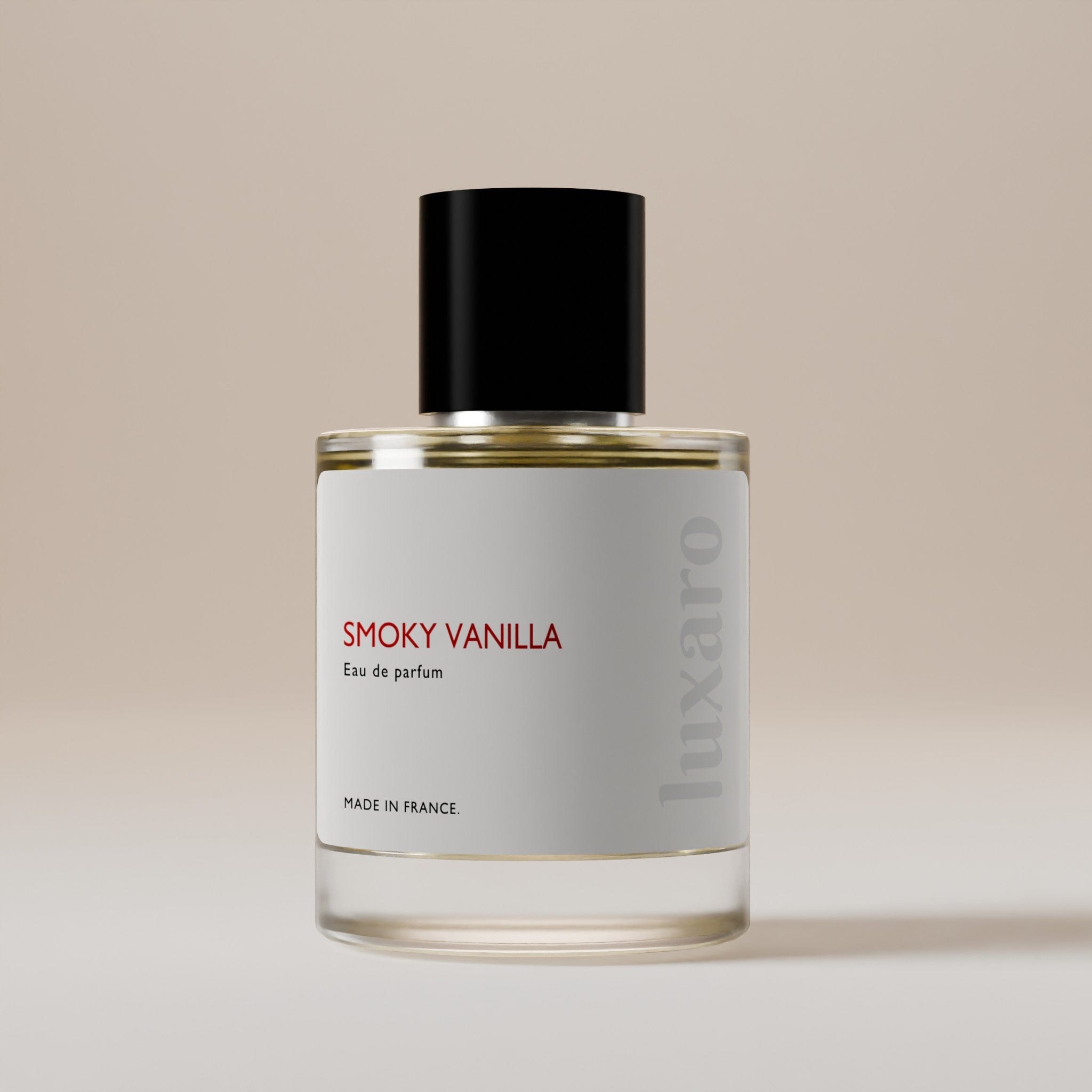
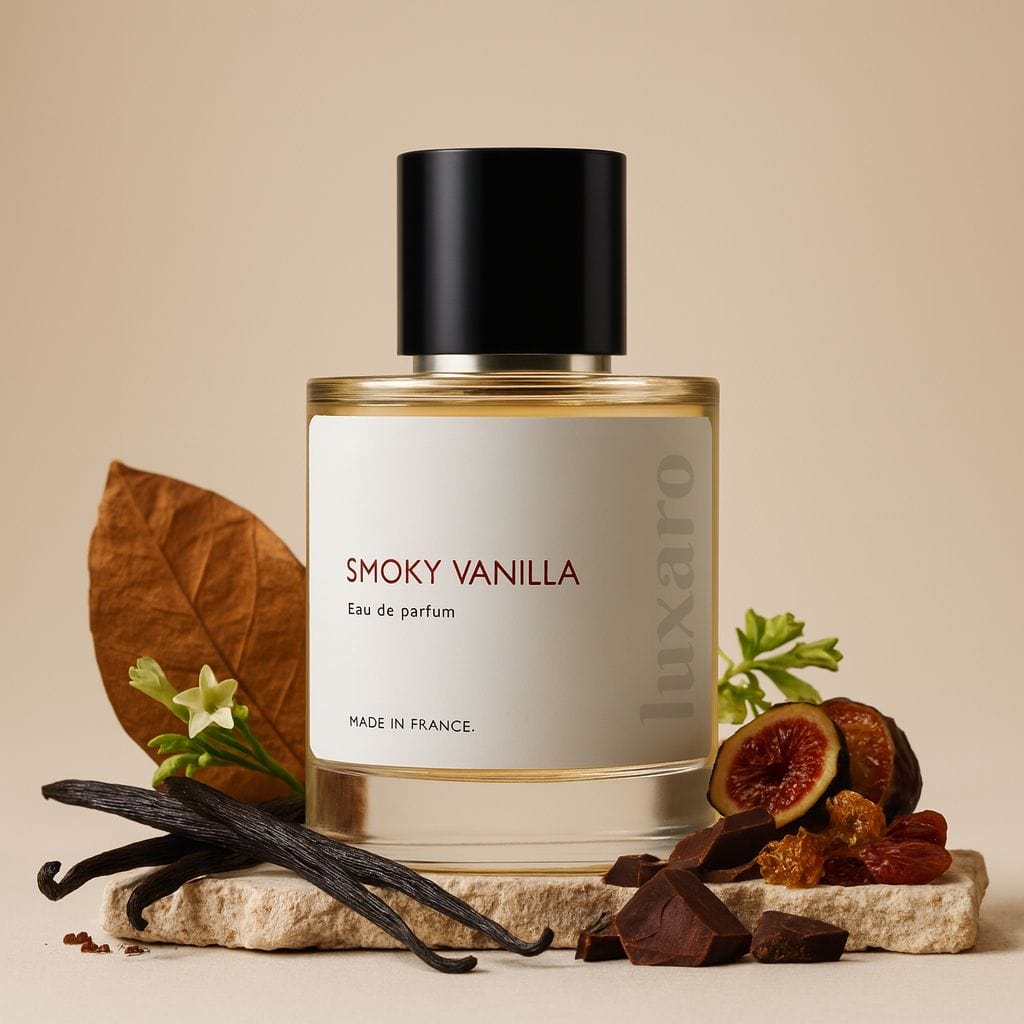
For example, Smoky Vanilla opens with a noticeable tobacco presence. As the fragrance settles, the vanilla becomes softer, warmer and more prominent.
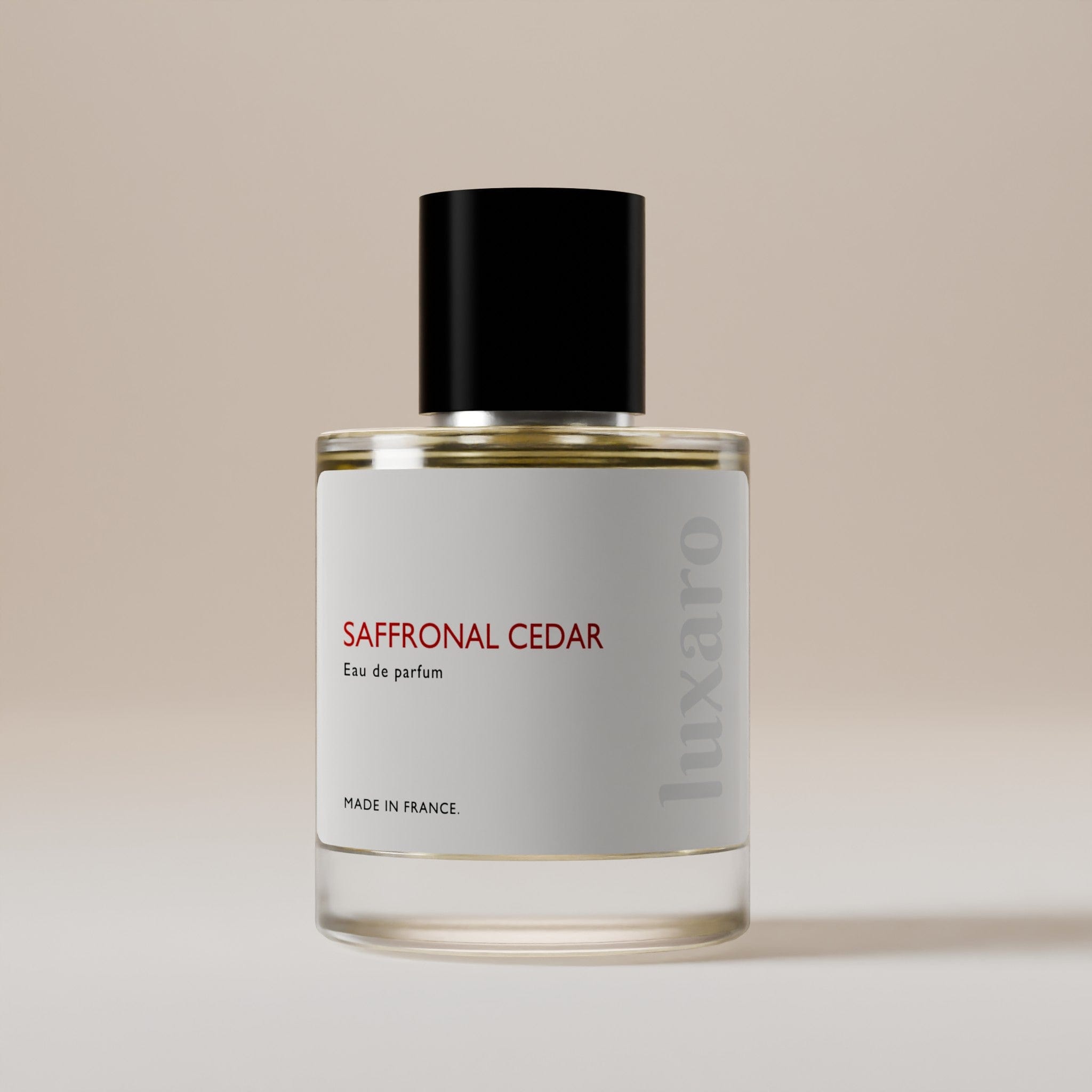
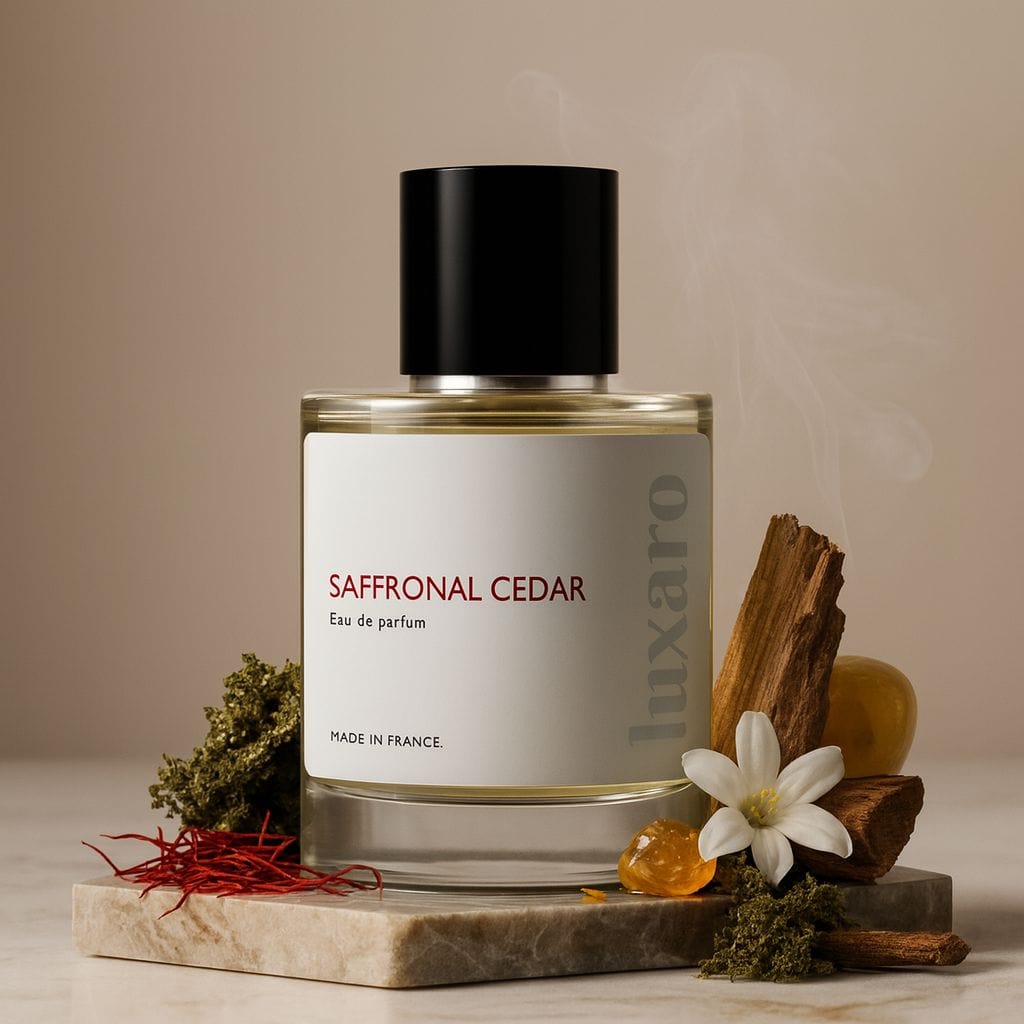
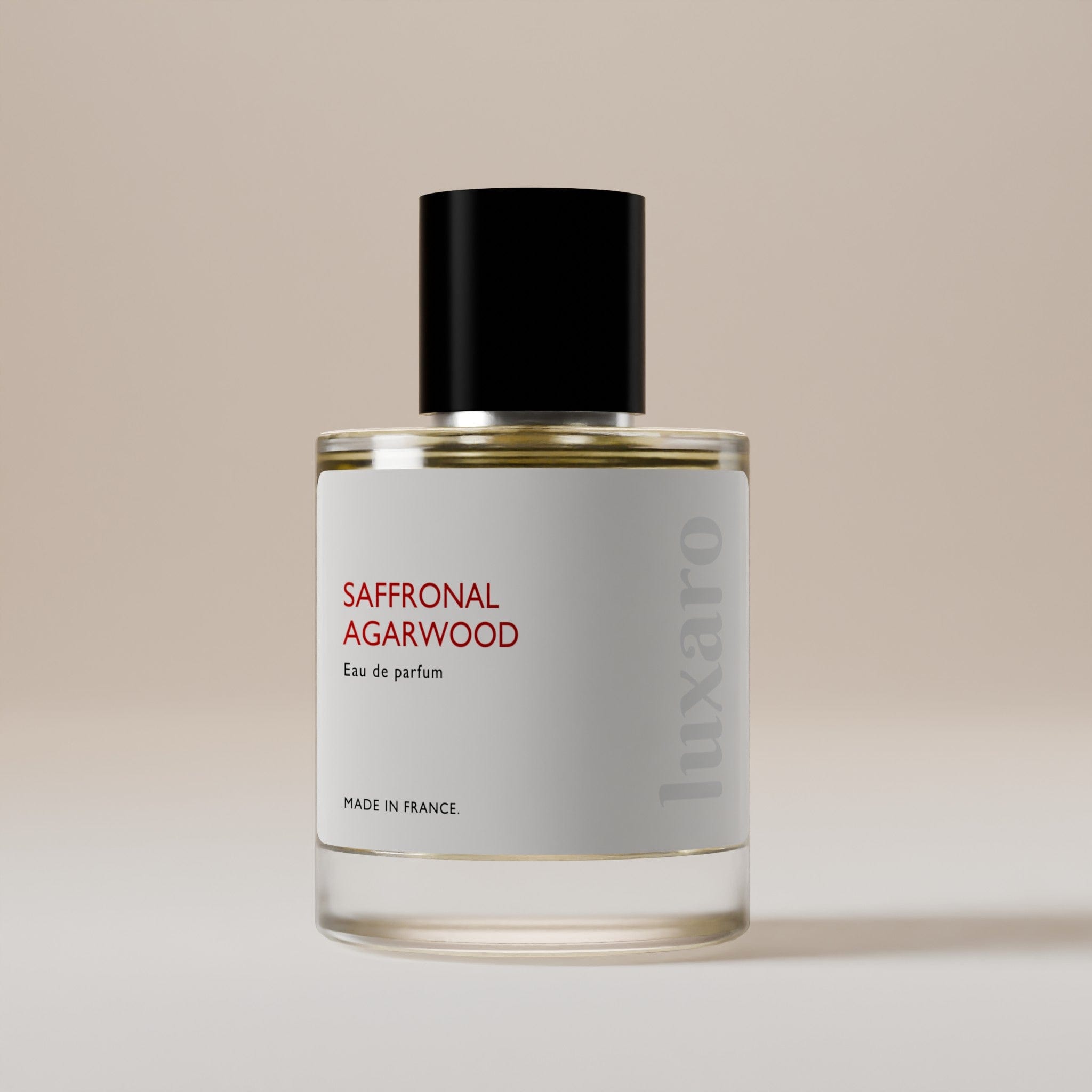
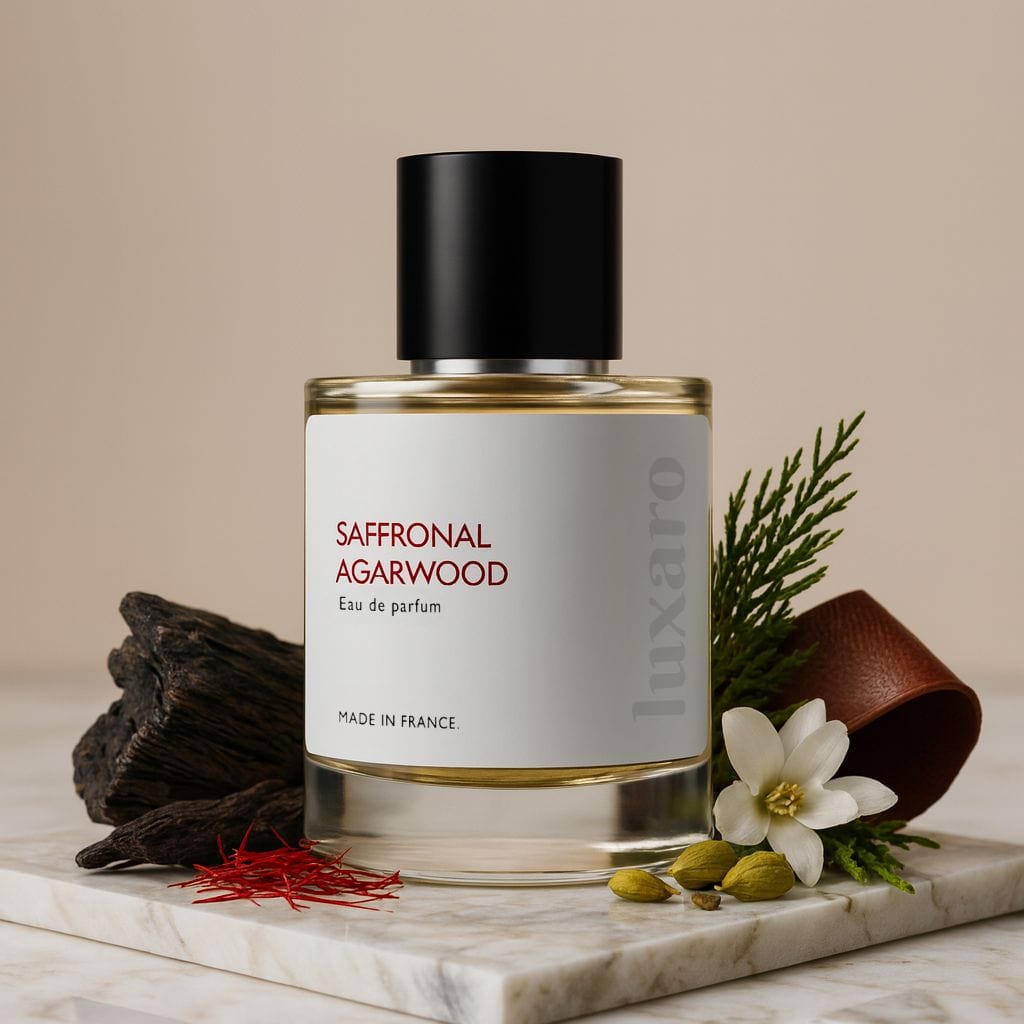
Saffronal Agarwood also changes considerably. The opening focuses more on saffron and spices, while the later stages reveal smoother woods, rose and richer base notes.
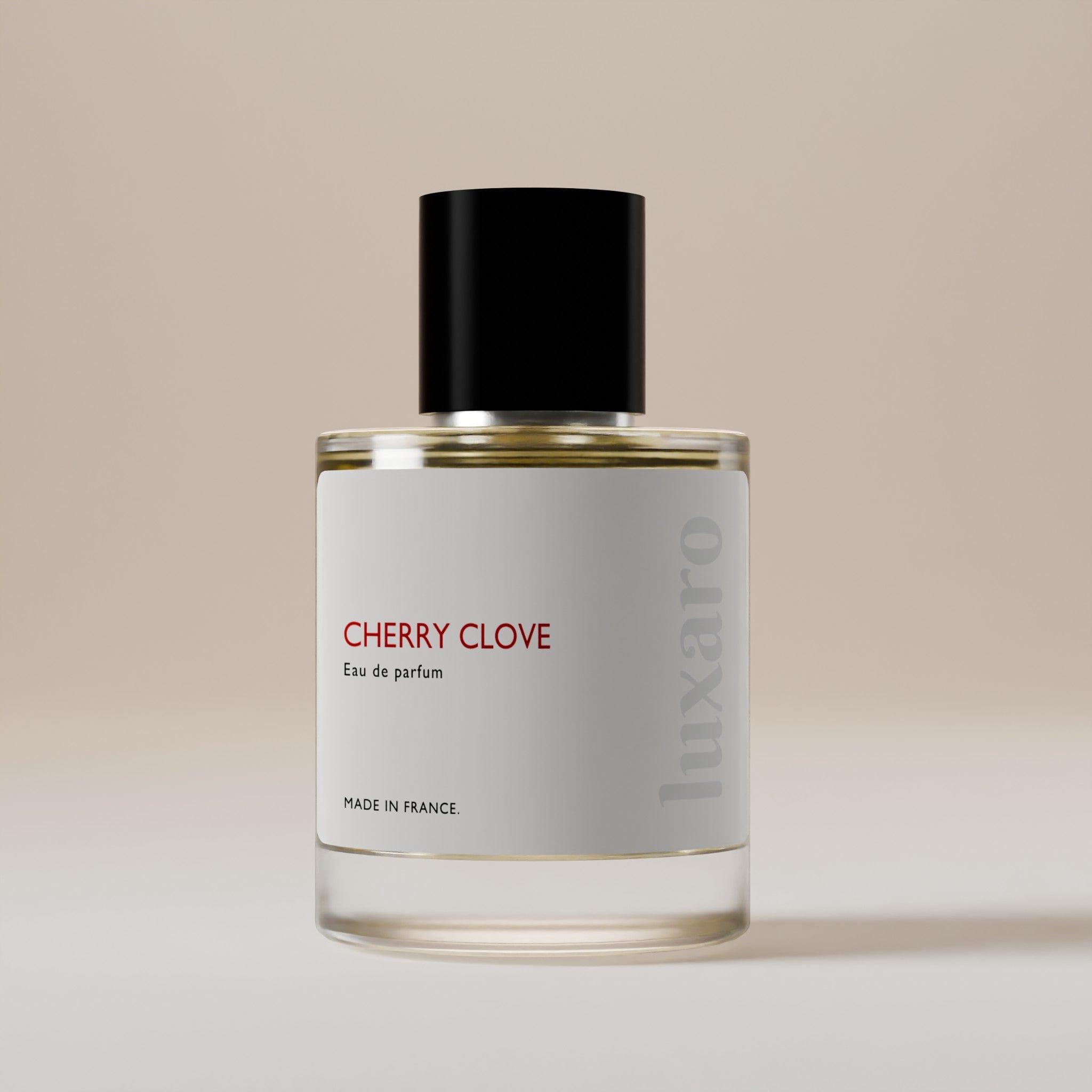
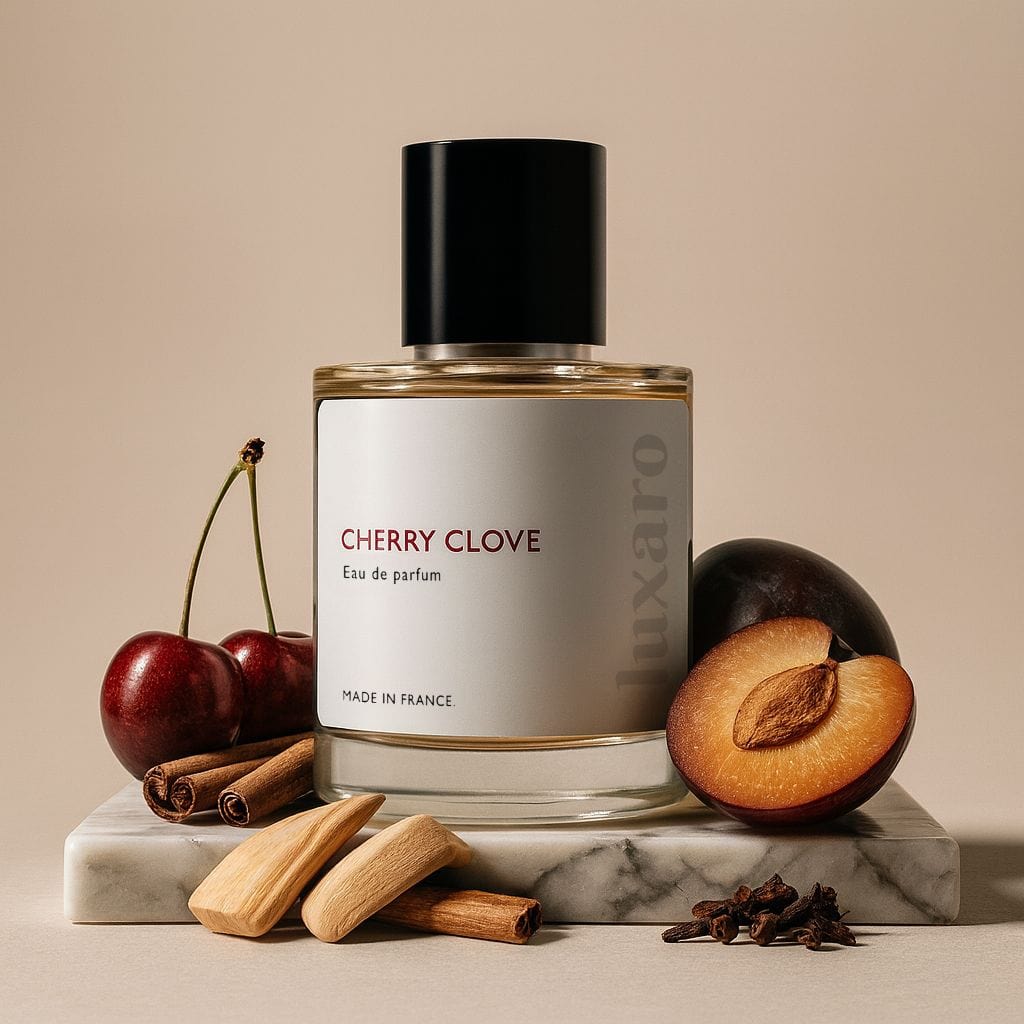
Cherry Clove begins with a brighter fruity character before gradually becoming deeper and warmer as the woody notes become more noticeable.
These changes are one reason I always encourage people to wear a fragrance for several hours before deciding whether they like it.
Why The Dry Down Matters
The final stage of a fragrance is often called the dry down.
This is the stage where the fragrance has largely settled and the deeper ingredients remain on the skin.
Many fragrance enthusiasts pay more attention to the dry down than the opening.
The reason is simple.
The opening may only last fifteen to thirty minutes.
The dry down may stay with you for several hours.
If you wear a fragrance for an entire day, you will usually spend far more time experiencing the dry down than the opening.
In many cases, the dry down becomes the part people remember most.
How Much Does Skin Chemistry Matter?
Skin chemistry definitely plays a role, although perhaps not as dramatically as some people believe.
The fragrance itself remains the same, but your skin can influence how certain notes appear.
I've seen two people wear the same fragrance and notice completely different things.
One person may experience more sweetness.
Another may notice the woods more strongly.
Someone else may find the floral notes stand out.
Factors such as skin moisture, body temperature and even the weather can influence how a fragrance develops throughout the day.
This is why testing a fragrance on your own skin is so important.
Which Fragrance Families Change The Most?
In my experience, some fragrance families evolve much more dramatically than others.
Oud fragrances often become smoother and richer over time.
Amber fragrances usually become warmer and softer.
Tobacco fragrances often reveal sweeter elements later in the wear.
Gourmand fragrances can become creamier and more comforting as they settle.
Citrus fragrances generally change less because many citrus ingredients evaporate relatively quickly.
Floral fragrances tend to sit somewhere in the middle.
The more complex the fragrance structure, the more noticeable the evolution often becomes.
Common Perfume Testing Mistakes
One of the biggest mistakes people make is judging a fragrance too quickly.
Many people decide whether they like a perfume within thirty seconds.
At that point, they are only experiencing the opening.
Another mistake is testing too many fragrances at once. After several fragrances, it becomes difficult for your nose to properly distinguish between them.
Testing only on paper can also be misleading.
A paper strip can show you the scent, but it cannot show you how the fragrance interacts with your skin over several hours.
Patience is often the missing ingredient when testing fragrances.
Why Some Fragrances Improve Over Time
I've personally experienced fragrances that I wasn't sure about initially but loved a few hours later.
Oud fragrances were a good example for me.
The first few oud fragrances I encountered felt unusual compared to the fresher scents I was used to wearing.
Once they settled, I began appreciating the warmth, woods and richness much more.
I've had similar experiences with tobacco fragrances.
What initially felt bold later became smooth, comforting and incredibly enjoyable.
I've also seen this happen with customers.
Someone tries a fragrance, feels unsure, and then comes back later saying they couldn't stop smelling their wrist throughout the day.
Sometimes the fragrance didn't change dramatically.
Sometimes the person's understanding of the fragrance changed.
Which Stage Reveals The Most About Quality?
If I had to choose one stage, I would choose the dry down.
The opening creates the first impression.
The heart shows how the fragrance develops.
The dry down reveals the true character of the fragrance.
This is often where you notice balance, depth and how well the ingredients work together.
A fragrance can have an impressive opening and become disappointing later.
The opposite can also be true.
Some of the best fragrances I've ever worn were not particularly exciting during the first few minutes but became exceptional after several hours.
How Long Should You Test A Fragrance?
If you're testing a fragrance for the first time, I recommend wearing it for at least four to six hours before making a decision.
Ideally, wear it for an entire day.
This allows you to experience:
The opening
The heart
The dry down
Only then can you understand how the fragrance behaves from beginning to end.
Many people miss out on excellent fragrances because they judge them too quickly.
Final Thoughts
Perfume is not meant to smell exactly the same all day.
The changing scent is part of the experience.
As different ingredients appear and fade, the fragrance gradually reveals new sides of its character.
That is why a perfume can smell sweeter, warmer, woodier or smoother after a few hours.
The next time you test a fragrance, resist the temptation to make a decision immediately.
Give it time.
You may discover that your favourite part of the fragrance doesn't appear until several hours after the first spray.