
Fragrance note
Jasmine
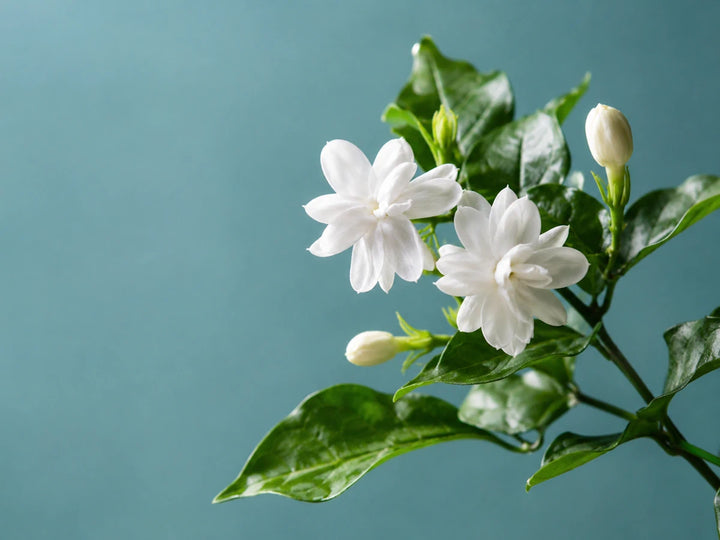
Jasmine in perfume usually smells rich, sweet and floral. It can also seem creamy, green, fruity or slightly spicy, depending on the type of jasmine and the other...
Explore JasmineCart
Your cart is empty
Fragrance note guide
Melon in perfume usually smells juicy, watery and softly sweet, with fresh green, fruity and sometimes cucumber-like sides. Some melon accords suggest ripe cantaloupe, while others feel paler, cleaner and closer to honeydew. The note is normally created as an accord because different melon varieties have very different aroma profiles. Melon is mainly used as a top note.

Jasmine in perfume usually smells rich, sweet and floral. It can also seem creamy, green, fruity or slightly spicy, depending on the type of jasmine and the other...
Explore Jasmine
Citrus in perfume usually smells bright, fresh and zesty, with juicy, bitter, green and peel-like sides. The term does not describe one fruit because lemon, bergamot, orange, mandarin,...
Explore Citrus
Cyclamen in perfume usually smells fresh, watery and floral, with clean, green, airy and slightly marine sides. It often suggests cool petals, fresh air and clear water rather...
Explore Cyclamen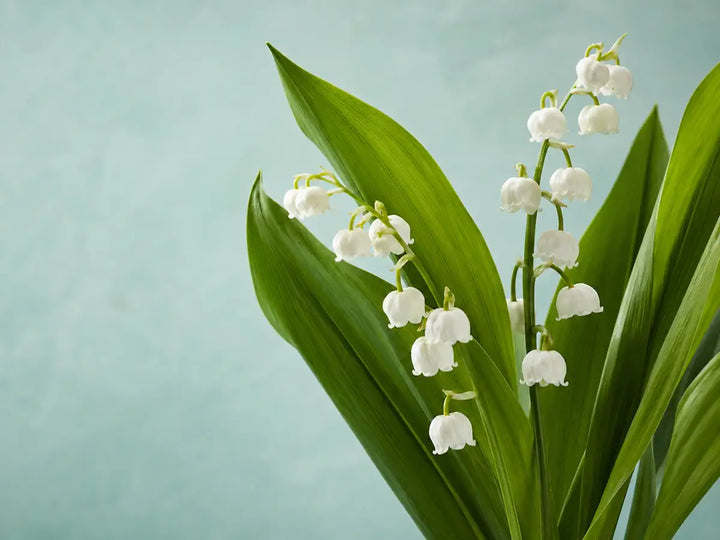
Lily-of-the-valley in perfume usually smells fresh, clean and green, with watery, dewy and softly sweet floral sides. It can suggest small white spring flowers, cool air and fresh...
Explore Lily-of-the-Valley
Lotus in perfume usually smells airy, watery and softly floral, with clean, green, herbal and lightly fruity sides. It is often used to suggest delicate petals floating above...
Explore Lotus
Marine notes in perfume usually smell fresh, watery and airy, with salty, ozonic, mineral and sea-breeze sides. They are constructed accords rather than liquid extracted directly from seawater....
Explore Marine Notes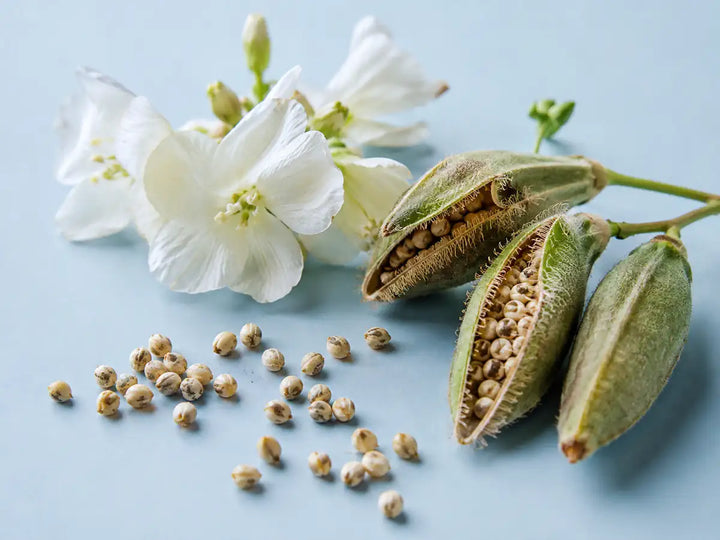
Musk in perfume can smell soft, warm, clean and slightly powdery, often with a smooth quality that is compared with fresh skin or clean fabric. Some musk notes...
Explore Musk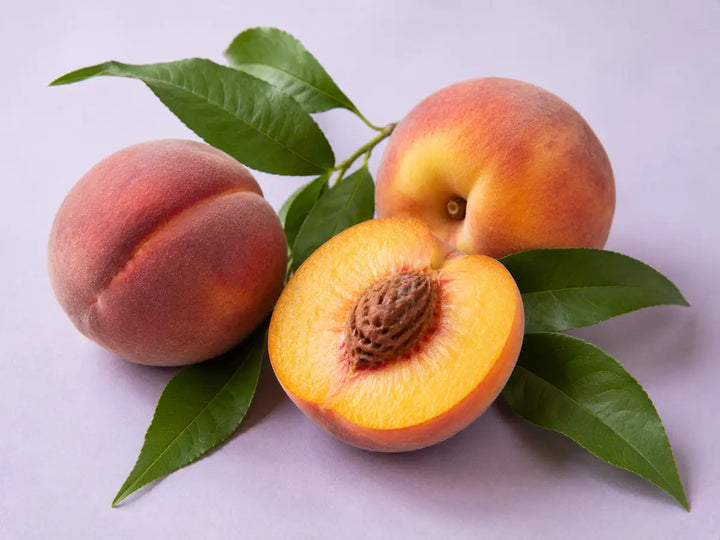
Peach in perfume usually smells juicy, sweet and fruity, with a soft velvety or creamy texture. Some peach notes feel fresh and slightly green, while others are richer,...
Explore PeachThese fragrances introduce Melon near the opening of the scent.


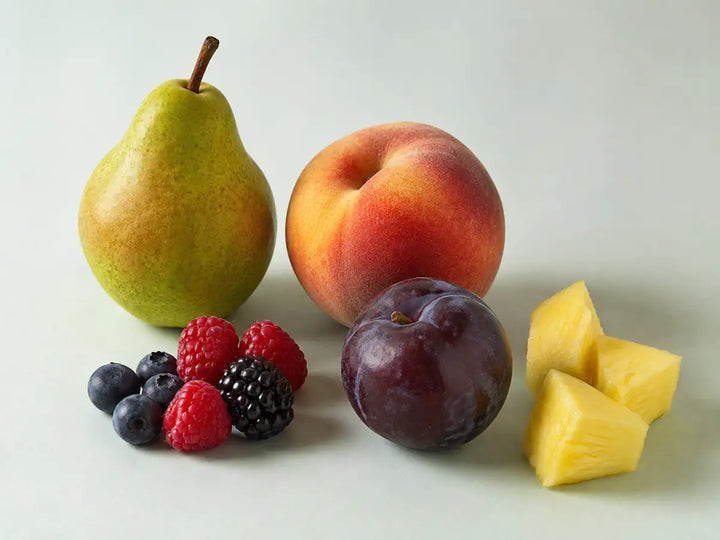
Fruity notes in perfume can smell juicy, sweet, tart, green, creamy or syrupy depending on the fruits being represented. The term is a broad category rather than one...
Explore Fruity Notes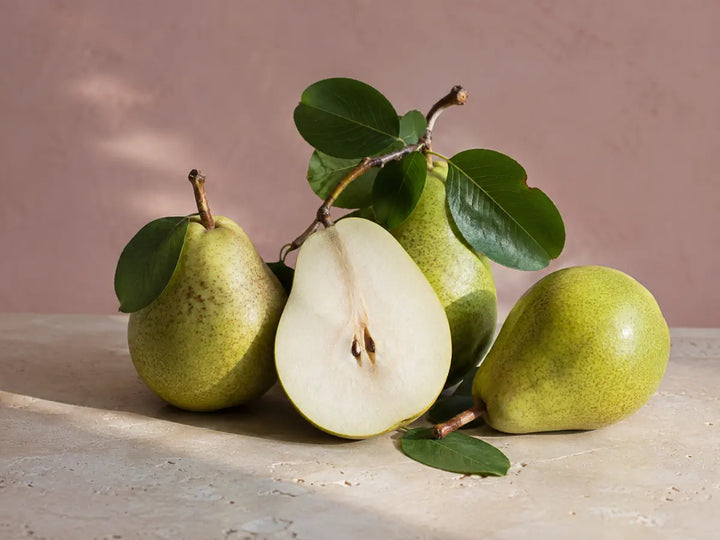
Pear in perfume usually smells juicy, fresh and softly sweet, with crisp green, watery and sometimes slightly floral sides. Some pear notes feel like a firm green pear,...
Explore Pear