
When most people hear the term "gourmand fragrance", they immediately think of vanilla.
That's understandable. Vanilla is one of the most famous gourmand notes in perfumery and appears in countless popular fragrances.
But gourmand fragrances are much more interesting than many people realise.
After working with fragrance suppliers, testing different perfume compositions, and speaking with customers across the UK, I've noticed that many people assume gourmand fragrances are simply sweet perfumes. In reality, gourmand fragrances can smell like coffee, chocolate, chestnuts, honey, tobacco, praline, marshmallow and much more.
Vanilla may be the best-known gourmand note, but it is only one piece of a much larger picture.

What Is a Gourmand Fragrance?
A gourmand fragrance is a perfume that contains notes commonly associated with food, desserts, drinks or edible ingredients.
These fragrances often remind people of things they already know and enjoy, such as:
Coffee
Chocolate
Honey
Caramel
Praline
Marshmallow
Chestnut
Vanilla
Dried fruits
This familiarity is one reason gourmand fragrances have become so popular. They often feel comforting, warm and easy to connect with.
Unlike some fragrance families that can feel abstract or difficult to describe, gourmand fragrances often trigger memories and emotions linked to everyday experiences.
Why People Love Gourmand Fragrances
When customers describe their favourite gourmand fragrances, certain words appear again and again.
Comforting.
Cosy.
Warm.
Creamy.
Sweet.
Addictive.
Nostalgic.
I've found that many people are drawn to gourmand fragrances because they create an emotional response. A fragrance might remind someone of fresh coffee in the morning, hot chocolate during winter, baked desserts, honey, or a favourite childhood treat.
That emotional connection helps explain why gourmand fragrances remain popular year after year.
The Biggest Misconception About Gourmand Fragrances
The most common misconception is that all gourmand fragrances smell like vanilla.
They don't.
Vanilla is simply one ingredient within a much larger fragrance family.
Some gourmand fragrances focus on coffee.
Others focus on chocolate.
Some are built around honey or praline.
Others use tobacco, chestnut or dried fruits to create warmth and depth.
Another misconception is that gourmand fragrances are always extremely sweet.
Many are not.
A coffee gourmand can feel rich and slightly bitter.
A tobacco gourmand can feel warm and smoky.
A honey fragrance can feel smooth and golden rather than sugary.
The gourmand category is far more diverse than many people expect.
What Makes a Gourmand Fragrance Feel Balanced?
One lesson I've learned from testing fragrances over the years is that balance matters more than sweetness.
The best gourmand fragrances do not smell like pure sugar.
Instead, they combine sweet ingredients with contrasting notes that create depth and structure.
Coffee can reduce excessive sweetness.
Tobacco can add warmth and maturity.
Woods can make a gourmand fragrance feel more grounded.
Spices can introduce complexity.
Amber can create smoothness and richness.
When everything in a fragrance is sweet, it can become overwhelming quite quickly.
The gourmand fragrances that people continue wearing for years are usually the ones that balance sweetness with character.
Gourmand Notes Beyond Vanilla
Some of the most interesting gourmand notes I've encountered have very little to do with vanilla.
Coffee
Coffee adds richness, warmth and depth.
It can make a fragrance feel comforting while also preventing it from becoming overly sweet.
Chocolate
Chocolate can appear creamy, dark or slightly bitter depending on the fragrance.
It often adds richness and texture.
Chestnut
Chestnut creates a roasted warmth that feels cosy and inviting.
It is one of the most underrated gourmand notes in modern perfumery.
Honey
Honey adds a natural sweetness that can feel rich, smooth and slightly floral.
Marshmallow
Marshmallow often creates a soft, fluffy sweetness that many people find comforting.
Tobacco
Tobacco is particularly interesting because it adds warmth and richness while helping balance sweeter notes.
Dried Fruits
Dried fruits can add depth and sweetness without creating a sugary effect.
Praline
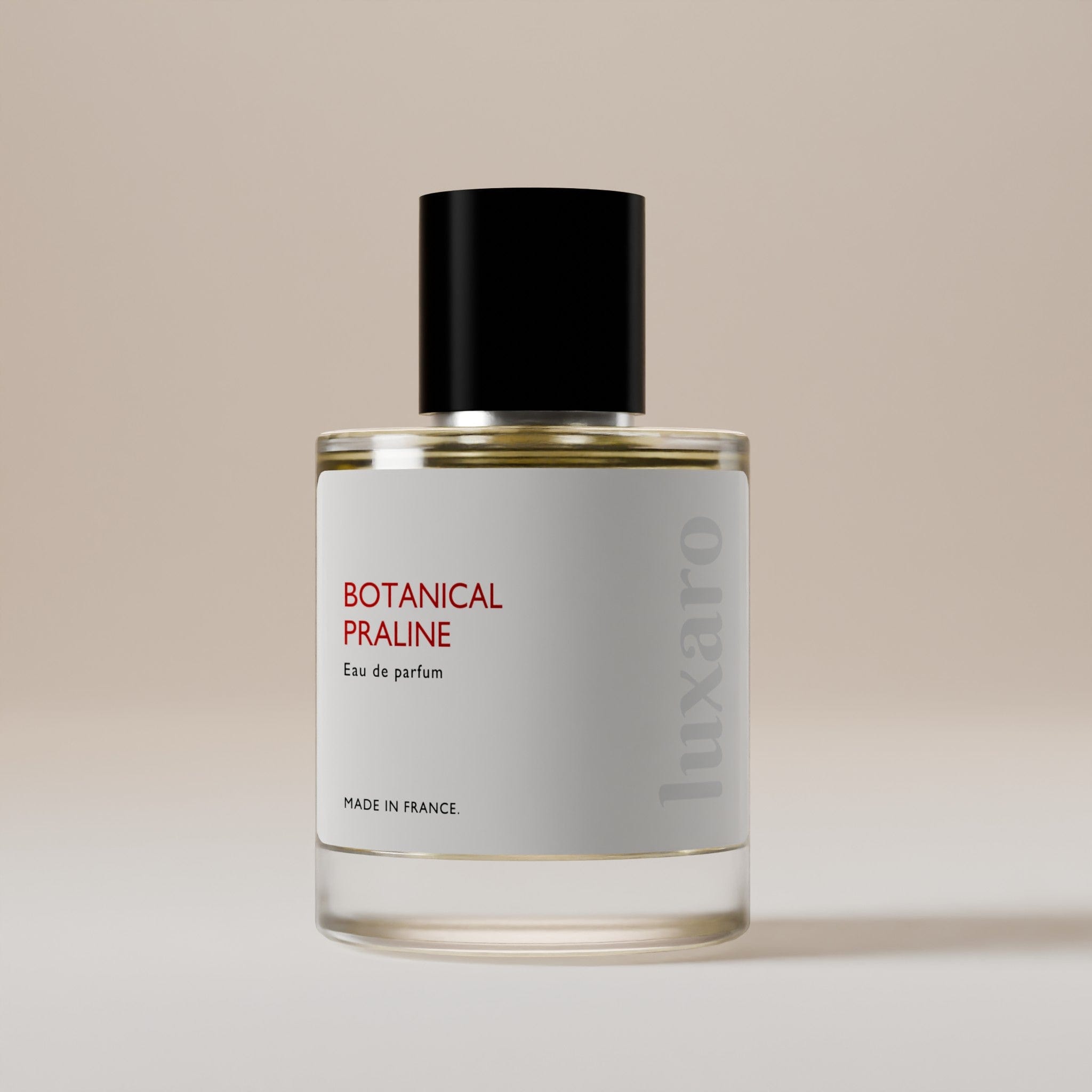
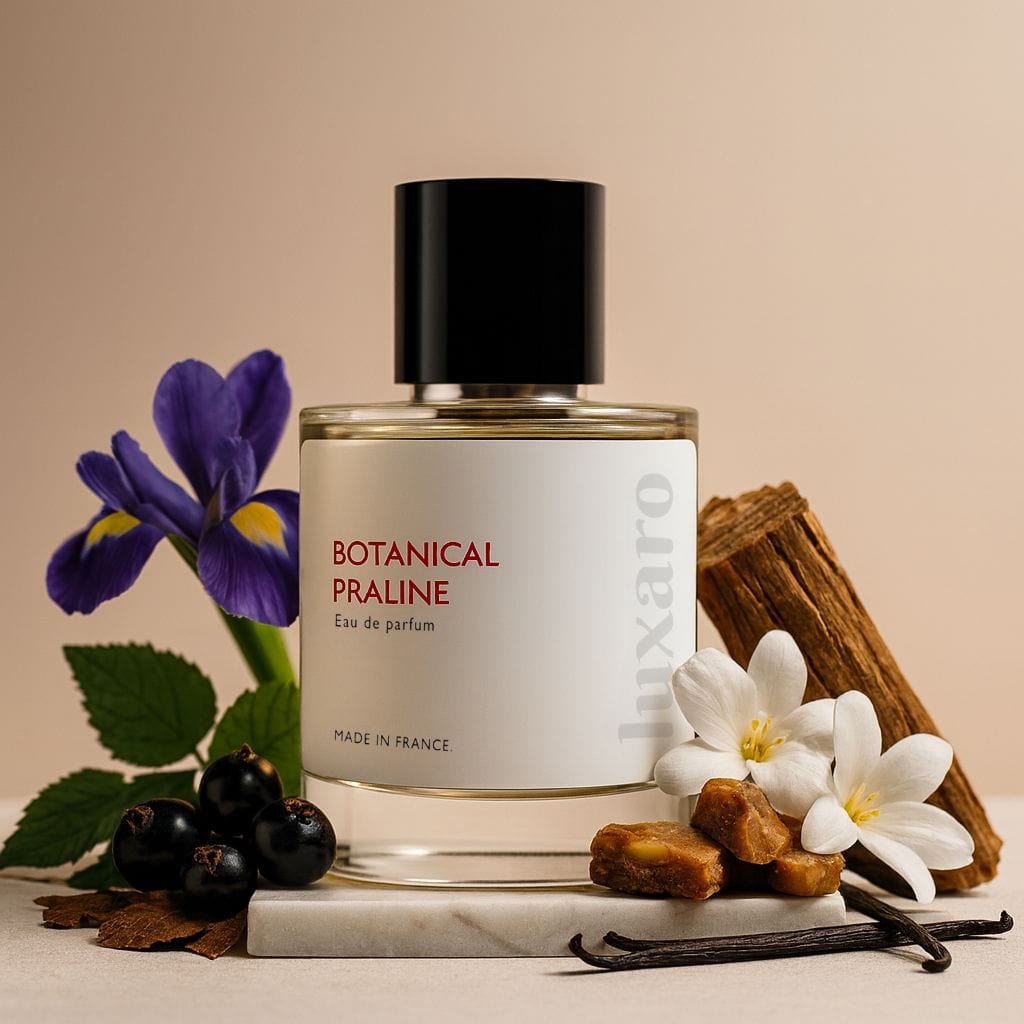
Praline adds a sweet, nutty richness that often feels smooth, creamy and comforting. It is frequently used to create dessert-like fragrances that feel indulgent without becoming overwhelming.
Together, these ingredients show that gourmand fragrances are about much more than vanilla.
Why Beginners and Fragrance Enthusiasts Often Choose Different Gourmands
I've noticed that beginners often prefer straightforward gourmand fragrances because they're easy to understand.
Vanilla, marshmallow and caramel notes tend to be instantly recognisable.
Fragrance enthusiasts often look for something more unusual.
They may prefer combinations involving coffee, tobacco, woods, spices or darker gourmand ingredients.
Rather than simply wanting sweetness, they're often looking for complexity and contrast.
Interestingly, both groups are searching for comfort. They simply find it in different ways.
The Gourmand Fragrances Customers Choose Most Often
When customers are looking for gourmand fragrances, several Luxaro fragrances tend to attract attention.
Sensual Vanilla is popular because the combination of coffee and vanilla feels familiar and comforting.
Mallow Petals appeals to people who enjoy softer sweet fragrances, thanks to its creamy marshmallow character.
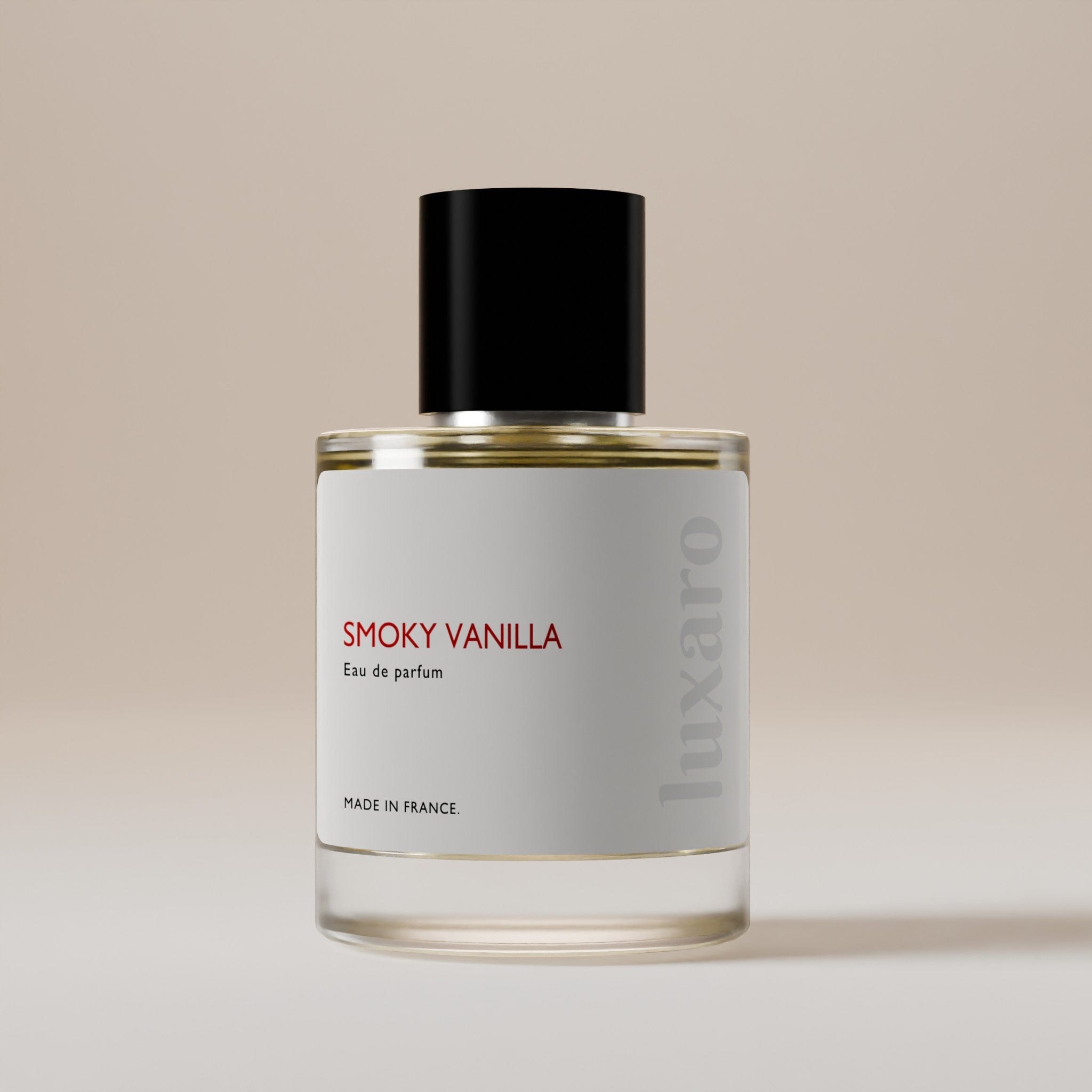
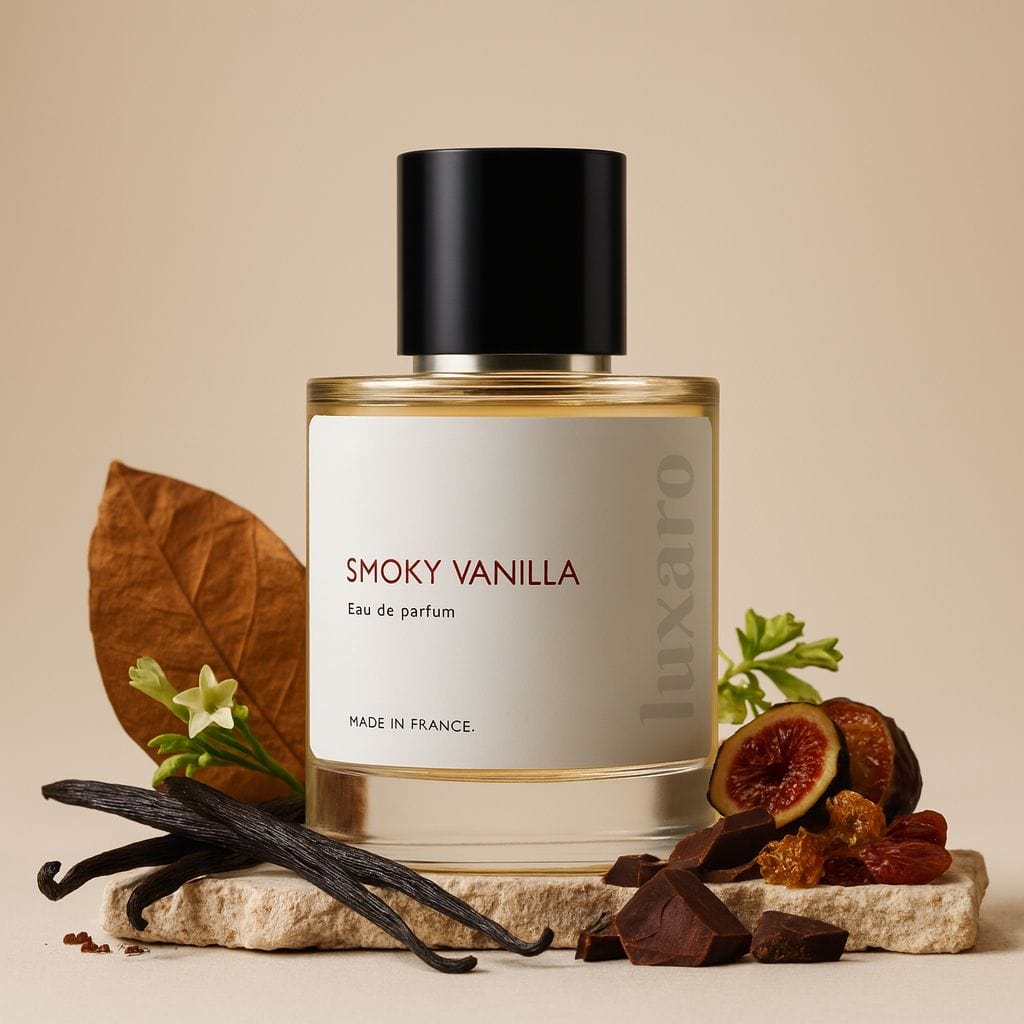
Smoky Vanilla attracts people who enjoy richer gourmand fragrances because the tobacco and vanilla combination creates warmth and depth.
Smoky Chestnut is another favourite because the chestnut and sugar notes create comfort without becoming overly sweet.
Minted Tonka often surprises people because the mint introduces freshness while the honey, vanilla and tonka bean provide warmth.
What these fragrances have in common is balance. None rely on sweetness alone. The ingredients used and the way a fragrance is structured often have a greater impact on performance than many people realise, which is one reason why a higher perfume concentration does not always guarantee better longevity or projection.
Why Some People Think They Dislike Gourmand Fragrances
One pattern I've noticed repeatedly is that people often say they dislike sweet fragrances when what they really dislike is excessive sweetness.
Someone may try a very sugary perfume and decide gourmand fragrances are not for them.
Later, they try a fragrance containing tobacco, coffee or chestnut and completely change their mind.
I've seen this happen many times.
The issue is rarely the gourmand category itself.
It's usually a specific fragrance that wasn't balanced in a way that suited their taste.
Why Gourmand Fragrances Never Seem to Go Out of Fashion
Fragrance trends constantly change.
Yet gourmand fragrances remain popular.
I think the reason is simple.
People connect emotionally with food.
Fresh coffee, baked desserts, honey and chocolate all carry memories and emotions.
Those associations do not disappear simply because trends change.
When people want comfort, familiarity and warmth, gourmand fragrances often provide exactly that.
That emotional connection gives the category lasting appeal.
Beyond Vanilla
If someone tells me they don't like vanilla fragrances, I don't assume they dislike gourmand fragrances.
Instead, I encourage them to explore other parts of the gourmand family.
A coffee gourmand.
A tobacco gourmand.
These fragrances often show people that gourmand perfumery is much broader than they imagined.
Vanilla may be the ingredient most people associate with gourmand fragrances, but it is only one chapter in a much larger story.
The anatomy of a gourmand fragrance is built from contrast, balance and creativity.
That is why the category continues to attract both newcomers and experienced fragrance lovers alike.