
Oud is one of the most talked about fragrance ingredients in the world, yet it is also one of the most misunderstood.
If you want to understand the note itself, read our detailed guide to the oud fragrance note. This article focuses on a different question: why an oud fragrance can fascinate one person while feeling unfamiliar or overpowering to someone else.
Some people smell an oud fragrance and instantly fall in love with its rich, woody character. Others smell it for the first time and wonder what all the fuss is about.
The truth is that both reactions are completely normal.
After working with fragrance suppliers, testing oud-based fragrances, and speaking with customers across the UK, I've found that oud is one of the few fragrance notes that creates genuinely strong opinions. People rarely feel neutral about it.

Why Oud Divides Opinion
Most popular fragrances are designed to be easy to enjoy from the very first spray. Fresh citrus, sweet vanilla and clean aquatic fragrances tend to feel familiar because most people have smelled something similar before.
Oud is different.
For many people, it doesn't smell like what they expect perfume to smell like. Instead of feeling bright and fresh, it often feels darker, deeper and more unusual.
That difference is exactly why some people love it and others don't.
People who enjoy discovering new scent profiles often appreciate oud because it stands out from mainstream fragrances. People who enjoy discovering new scent profiles often appreciate oud because it stands out from more familiar fragrances. Exploring designer-inspired fragrances across different scent families can help you compare how woody, spicy, amber and fresh compositions create very different scent experiences. Others may find oud unfamiliar at first and need time to understand what makes it special.
Why Oud Smells Different From One Perfume to Another?
One reason oud is difficult to judge from a single fragrance is that it can change dramatically according to the formula around it. In one perfume it may feel dry, smoky and leathery. In another, it can appear warm, resinous, softly sweet or polished and woody.
The surrounding notes make a considerable difference. Rose can give oud a smoother floral character, saffron can add warmth, while amber or vanilla may soften its darker edges. The strength and style of the oud accord can also affect how challenging or approachable the finished fragrance feels.
That is why two perfumes described as oud fragrances may have very little in common. The note name provides a useful starting point, but it does not tell you exactly how the finished perfume will smell or how easy it will be to wear.
Is Oud Always Strong or Overpowering?
An oud fragrance does not have to feel heavy or overpowering.
Some compositions place oud at the centre and emphasise its deeper, darker character. Others use a softer oud accord to add warmth, depth and a woody background without allowing it to dominate the perfume.
The strength also depends on how the fragrance is constructed. Rose and vanilla can create a smoother impression, while saffron, amber and spices may make the composition feel warmer and more rounded.
This is why someone who finds one oud perfume too intense may still enjoy another. A balanced blend can retain the richness associated with oud while feeling comfortable, approachable and easy to wear.
Who Usually Loves Oud?
Over the years, I've noticed certain patterns.
People who already enjoy woody, spicy, smoky or amber fragrances often appreciate oud quite quickly.
Fragrance enthusiasts also tend to enjoy oud more than casual fragrance wearers. Someone who owns a large fragrance collection is usually more open to unusual scent profiles than someone who only wears one fragrance every day.
Interestingly, I haven't found age or gender to be particularly important factors.
Personal taste matters much more.
I've seen younger customers love oud immediately and older customers dislike it, and vice versa.
Why Some People Dislike Oud
In many cases, people don't actually dislike oud itself.
They dislike the first oud fragrance they tried.
This is something I've noticed repeatedly.
A customer may try a very strong oud fragrance, decide that oud isn't for them, and then avoid the note completely.
Months later they try a softer oud fragrance blended with rose, saffron or warm spices and suddenly their opinion changes.
It's similar to deciding you dislike coffee after trying just one cup.
One experience rarely tells the whole story.
My Own Experience With Oud
I didn't immediately understand oud when I first encountered it.
Compared to the fresh and familiar fragrances I was used to, oud felt darker and more unusual.
The more fragrances I explored, the more I started appreciating the role oud plays within a fragrance rather than focusing on the oud itself.
I began noticing how it adds depth, warmth and character.
I also realised that oud often smells very different after it settles on the skin. Some fragrances that seem challenging at first can become much smoother and more enjoyable over time.
What Makes an Oud Fragrance Easier to Wear?
The answer is balance.
The best oud fragrances don't allow the oud to overpower everything else.
Some of the most approachable oud fragrances combine oud with ingredients that soften its stronger characteristics.
Rose is one of the best examples. It adds a floral smoothness that works beautifully alongside oud. This is one reason rose, oud and woods remain such a popular combination in modern perfumery.
Saffron can add warmth and richness.
Vanilla can make oud feel softer and more inviting.
When these ingredients work together, oud often feels far more approachable for beginners.
If you enjoy fragrances built around warm spices, woods and amber notes, you may find oud much easier to appreciate than you expect.
Oud Fragrances That Beginners Often Enjoy
For people who are new to oud, I usually suggest starting with fragrances where the oud is supported by other familiar notes.
A rose and oud combination is often a good starting point because the floral elements help create balance.
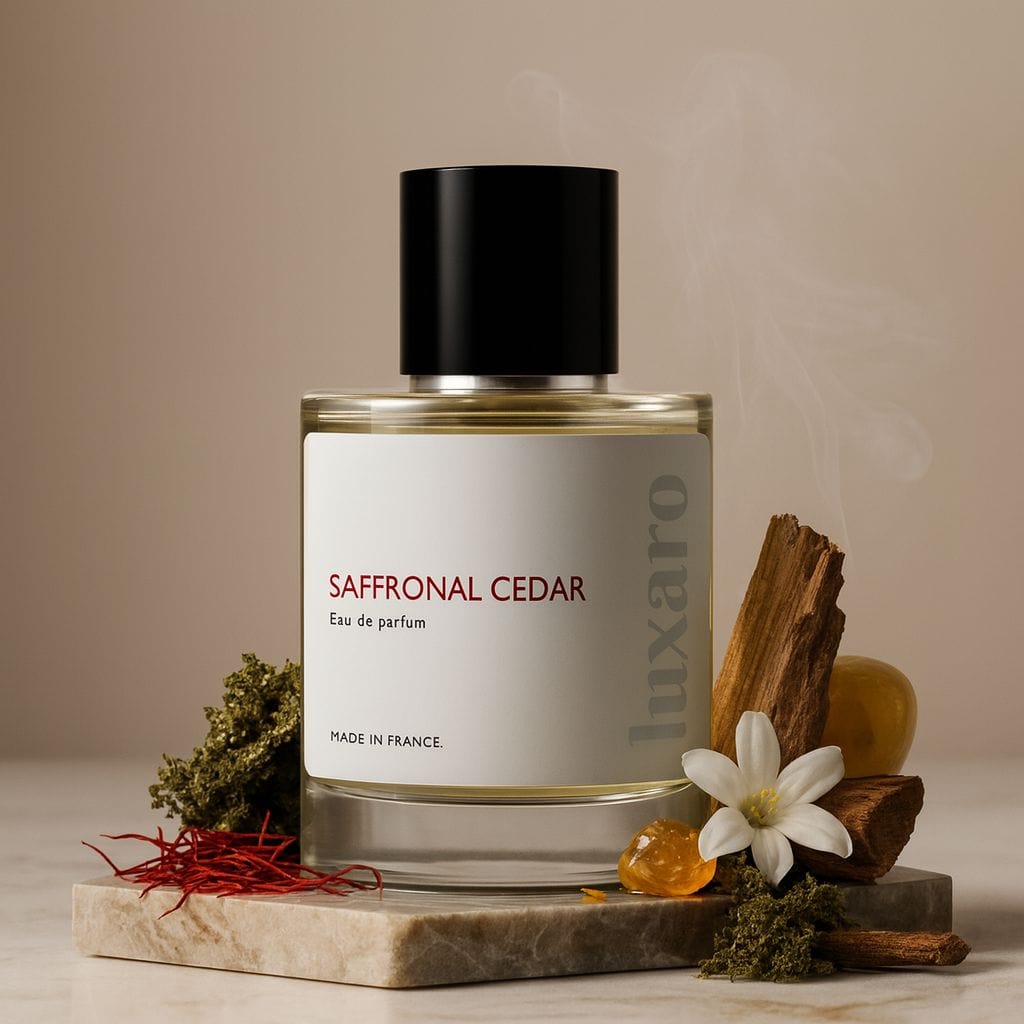
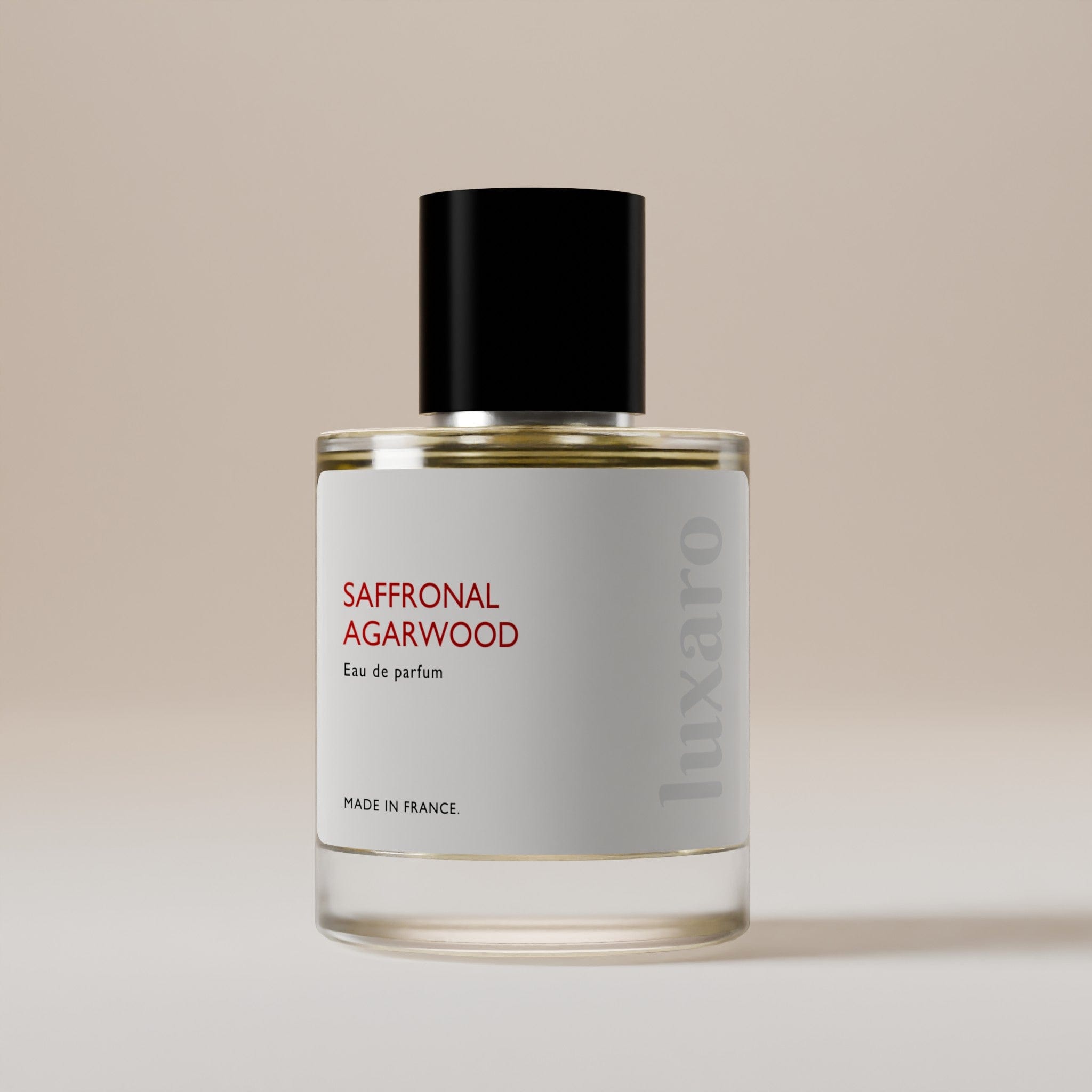
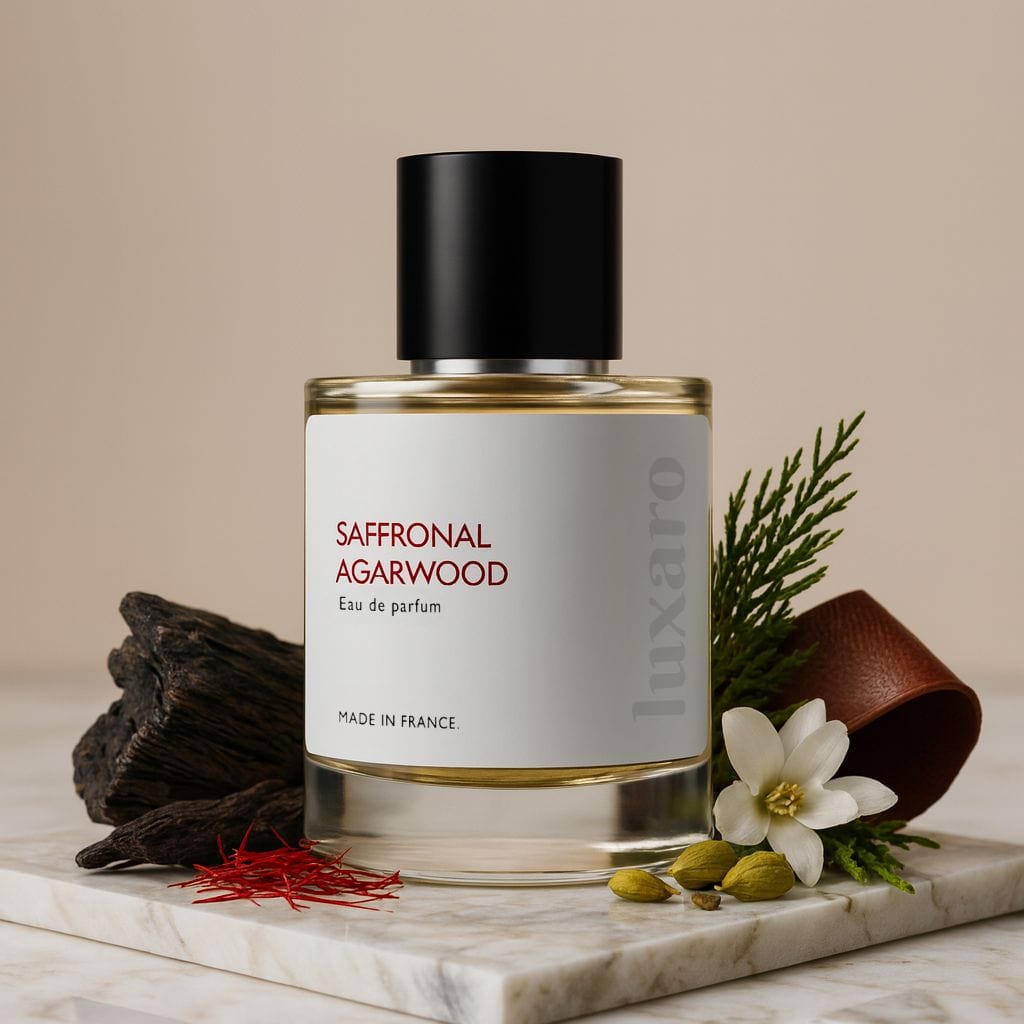
A saffron and agarwood fragrance can be a great introduction to oud because the rose, saffron and woody notes help create balance while allowing the oud to remain noticeable.
Another approachable example is a spiced patchouli and oud fragrance, where plum, cardamom and deeper woody notes help create a smoother introduction to oud-inspired fragrances.
Spiced oud fragrances can also work well because ingredients such as saffron and cardamom make the fragrance feel warmer and easier to understand.
For more experienced fragrance enthusiasts, a spicy oud fragrance often provides the depth, warmth and character they are looking for.
Why Oud Has Become So Popular
Despite being challenging for some people, oud has become increasingly popular in Western perfumery.
I think part of the reason is that many fragrance lovers eventually want something different from the usual fresh, sweet or aquatic fragrances.
Oud offers character.
It feels distinctive.
It feels memorable.
It often gives a fragrance a stronger identity than many mainstream scent styles.
Many of these fragrances sit within the Saffron & Amber fragrances collection, where oud is often paired with saffron, woods and amber notes to create a richer and more approachable fragrance experience.
As a result, more people are discovering oud than ever before.
Before You Decide You Don't Like Oud
If you've only tried one oud fragrance, I wouldn't write off the entire category.
Try a rose and oud fragrance.
Try an oud fragrance blended with warm spices.
Try an oud fragrance supported by vanilla or amber notes.
You may discover that the oud wasn't the problem after all.
The truth about oud is simple.
Some people love it because it feels rich, distinctive and unlike anything else.
Others dislike it because it challenges their expectations of what a fragrance should smell like.
Neither side is wrong.
Oud is simply one of those fragrance notes that rewards curiosity, patience and an open mind.
Frequently Asked Questions
Can Your Opinion of Oud Change Over Time?
Yes. Someone who dislikes their first oud fragrance may enjoy another version blended with softer or more familiar notes. Rose, saffron, vanilla and amber can all change how oud is perceived. Trying several different styles gives you a more accurate impression than judging the entire category from one strong fragrance.
Oud Perfume for Beginners: Where to Start?
Many people find it easier to start with oud fragrances that combine oud with more familiar notes such as rose, saffron, vanilla or warm spices. These combinations often feel smoother and more approachable while still allowing you to experience the distinctive character that oud brings to a fragrance.
Does Oud Perfume Work for Both Men and Women?
Yes. Oud is widely used in men's, women's and unisex fragrances. The ingredients blended alongside the oud often have a greater influence on whether a fragrance feels masculine, feminine or balanced. Rose and florals may create a softer impression, while spices and woods can create a bolder character.
Is Every Oud Perfume Strong?
No. Some oud perfumes are dark, intense and highly noticeable, while others use a smoother oud accord to add warmth and depth without dominating the fragrance. The strength depends on the formula, concentration and supporting notes rather than the word “oud” alone.
Why Do People Love Oud Perfume So Much?
Many fragrance lovers enjoy oud because it feels distinctive and memorable. Unlike many fresh or sweet fragrances, oud often introduces depth, warmth and character that can make a fragrance feel more unique. People who enjoy woody, spicy, smoky or amber fragrances are often particularly drawn to oud-based compositions.